

New Acquisition: Iconic Wartime Labor Portrait of George Williams
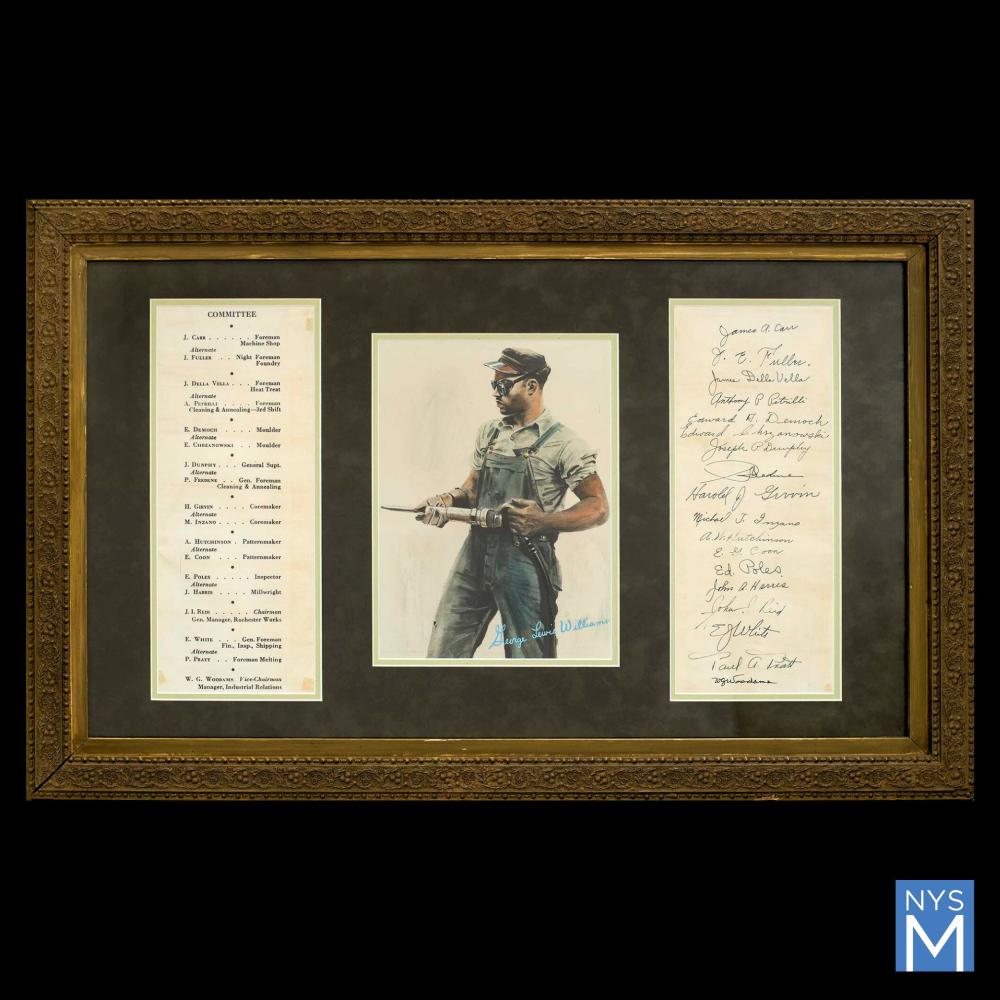
Colorized photograph of George Williams, Symington-Gould Corporation, Rochester, New York (ca. 1942). Presented to George Williams by Symington-Gould management to commemorate his selection for a War Department propaganda campaign.
New York State Museum Collection, H-2025.55.1
In the early 1940s, a War Department photographer visited the Symington-Gould foundry in Rochester, NY, a key supplier of munitions for the Allied war effort. This immediately drew the attention of many of the plant workers. However, George Williams reportedly remained at his station focused on his work. His unselfconscious dedication drew the photographer's attention, resulting in this iconic portrait.
The image captured the critical role of Western New York's industrial labor force in supplying munitions for the Allied war effort. At the Symington-Gould foundry, workers produced artillery shell casings and components for Sherman tanks. Notably, the portrait’s impact endured beyond the printed page: a metal statue modeled after Williams’s likeness was erected at the plant’s entrance, cementing his image as a lasting emblem of wartime industry.
Beyond its industrial significance, the photograph symbolized the simultaneous struggle within the United States to mobilize soldiers and civilians to fight for victory against the Axis powers of Germany and Japan while also combatting segregation, racism, and injustice in the United States.
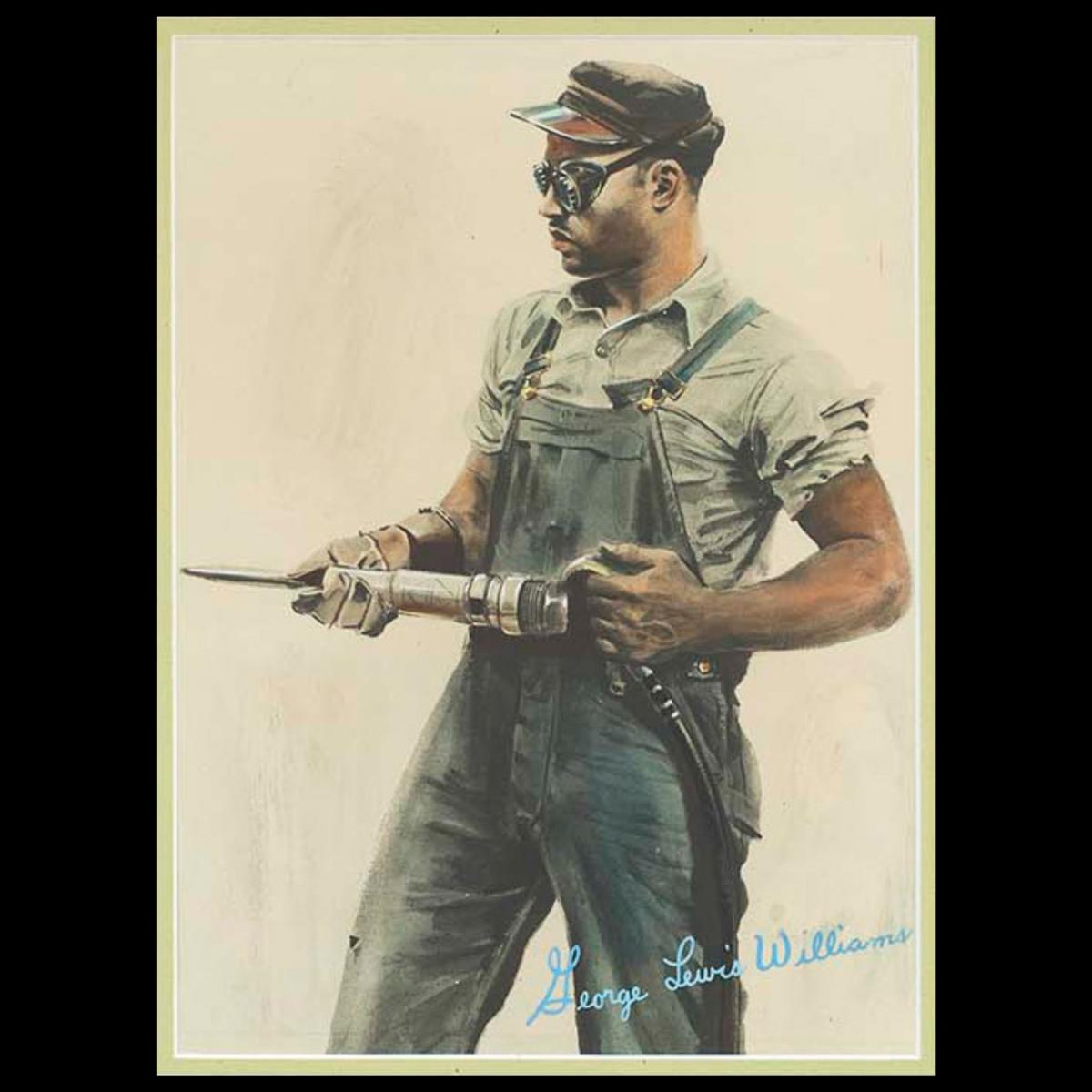
Portrait detail of George Willaims
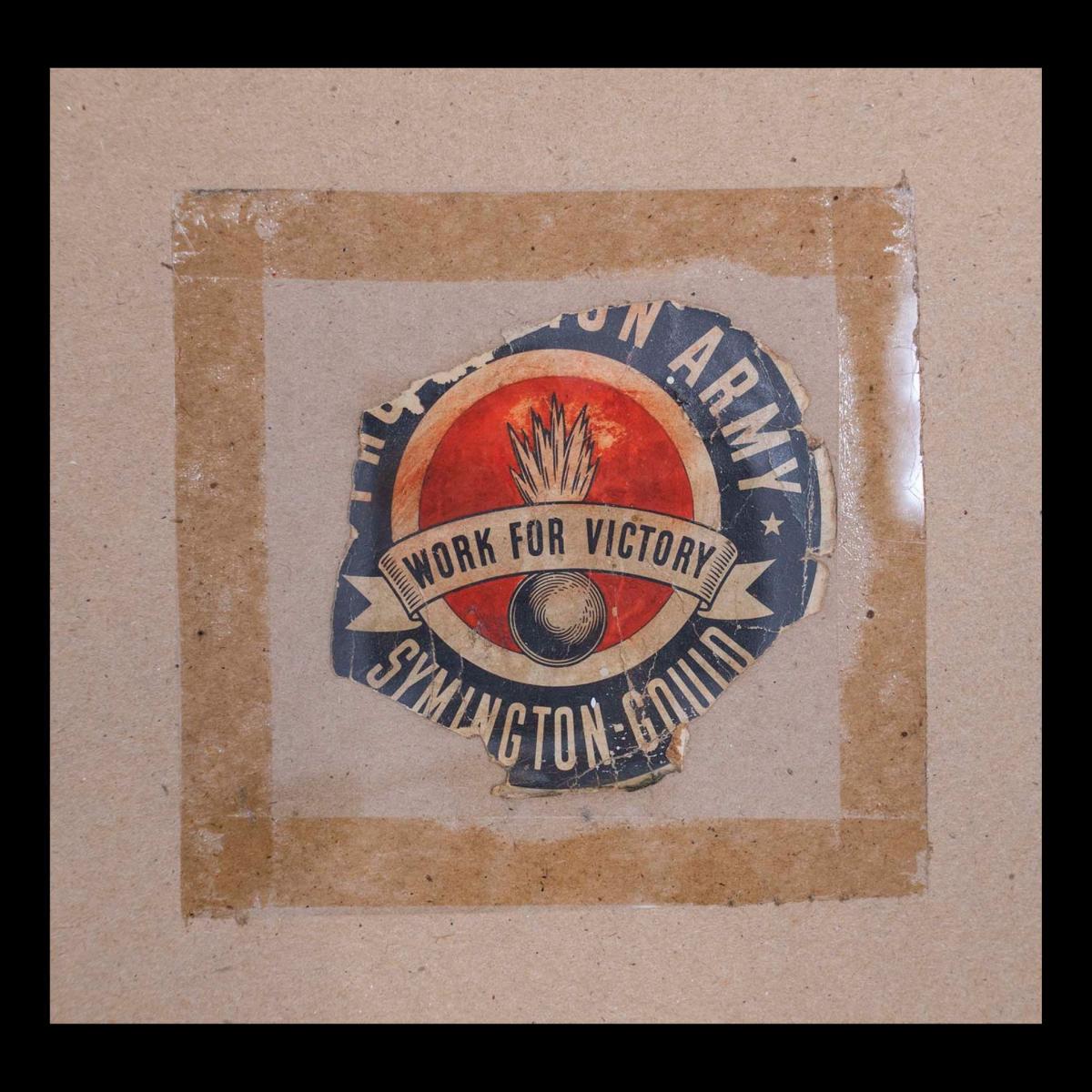
Back of Portrait
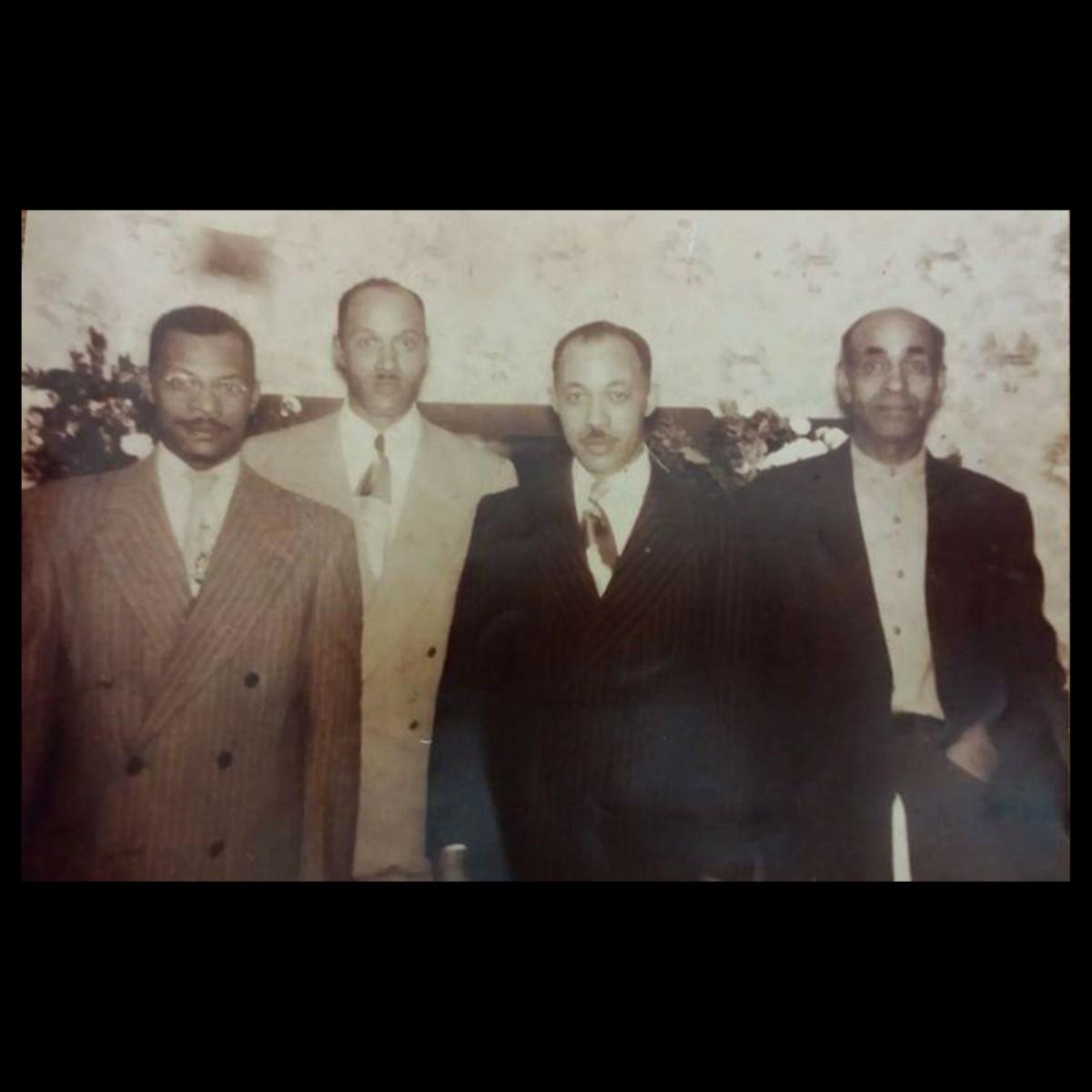
From left to right: Edward ("Buster") Williams, George Williams, Walter Williams Jr., and Walter Williams, Sr., circa 1940. Photo courtesy of Jeffrey Williams. George Williams (second from right) was the oldest son of Walter Williams Sr. and Charlotte (Johnson) Williams who migrated to Livingston County, New York in 1912 as part of the Great Migration. The couple had 7 daughters and three sons.