

Join us for a special BrainFood lunchtime lecture as we honor Asian American and Pacific Islander Heritage Month through the unique lens of our cultural collections. This engaging program will feature short presentations from across the Office of Cultural Education, showcasing selected items that reflect the voices, histories, and contributions of AAPI individuals and communities.
Drawing from a range of materials—these stories shine a light on the resilience, creativity, and lasting impact of AAPI heritage across New York State and beyond.
Bring your lunch and curiosity for this thoughtful exploration of the rich and diverse narratives preserved within our collections. A brief Q&A session will follow the presentations.
Grab your sunhats and set sail on a sea of stories! Join New York State Librarian Lauren Moore for a special seaside-themed storytime filled with ocean adventures, friendly sea creatures, and plenty of imagination.
Perfect for families with young children, this interactive read-aloud will dive into delightful picture books that celebrate the magic of the ocean. Sing songs, move like the waves, and make a splash with stories that will transport little ones to sandy shores and underwater worlds!
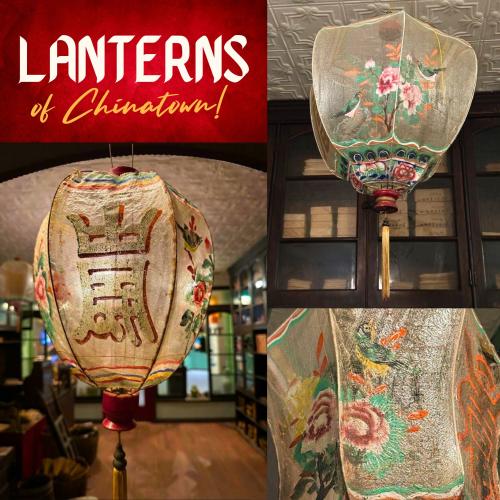
Explore the legacy of Tuck High Co., a beloved store that stood at the heart of Chinatown for over a century, and discover how it supported generations of Chinese immigrants. Then, tap into your creativity as you design and craft your own lantern to take home. Whether you're wishing for good luck, prosperity, or simply a brighter future, this program is a fun, interactive way to celebrate the history, culture, and artistry of Chinatown. Perfect for families of all ages!
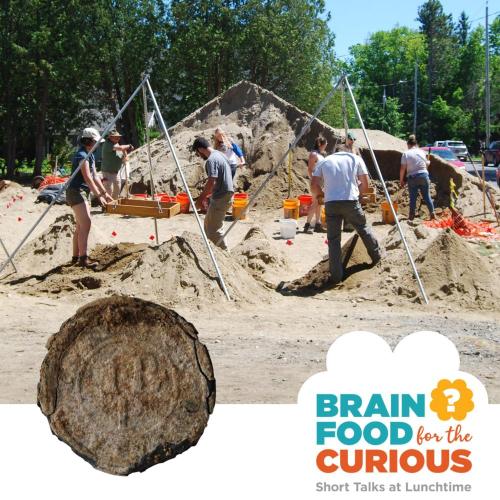
Join Lisa Anderson, NYSM Curator of Bioarchaeology, for a gripping look into the excavation and forensic study of the Courtland Street Burying Ground, a site now linked to the American Revolution and the harrowing Quebec Campaign of 1775–1776. Believed to be associated with the General Hospital at Fort George, the burial site held the remains of individuals who endured war and disease.
Learn how museum bioarchaeologists, aided by volunteers, have painstakingly recovered and cataloged shattered fragments of human remains from a construction site, working to reconstruct lives lost and restore their rightful place in history. Lisa will also share the latest updates on efforts to respectfully reinter the remains and how this project has helped inspire stronger protections for unmarked historic burial sites.
This lecture will shed light on a forgotten chapter of the American Revolution—one that reveals both the grim reality of the past and the compassion of present-day science and stewardship.
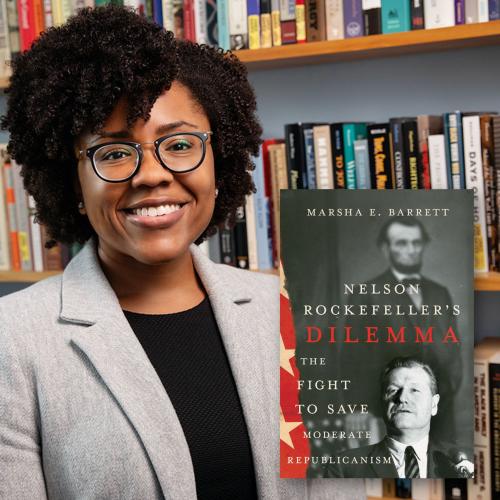
What happens when political ideals clash with ambition? Join historian Dr. Marsha Barrett for a compelling keynote on Nelson Rockefeller’s rise, retreat, and the unraveling of moderate Republicanism in America.
Marsha Barrett is an Assistant Professor of History at the University of Illinois Urbana- Champaign. Her research examines the political and social history of the United States during the twentieth century. Barrett’s book, Nelson Rockefeller’s Dilemma: The Fight to Save Moderate Republicanism, examines Rockefeller's career as a means for understanding the fate of moderate Republicanism and the broader transformation of the political landscape after the passage of 1960s federal civil rights legislation. Her research has appeared in publications including New York History, Journal of Policy History, Politico, and Time.
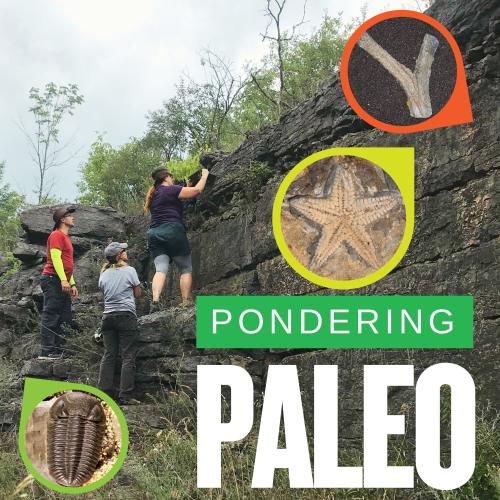
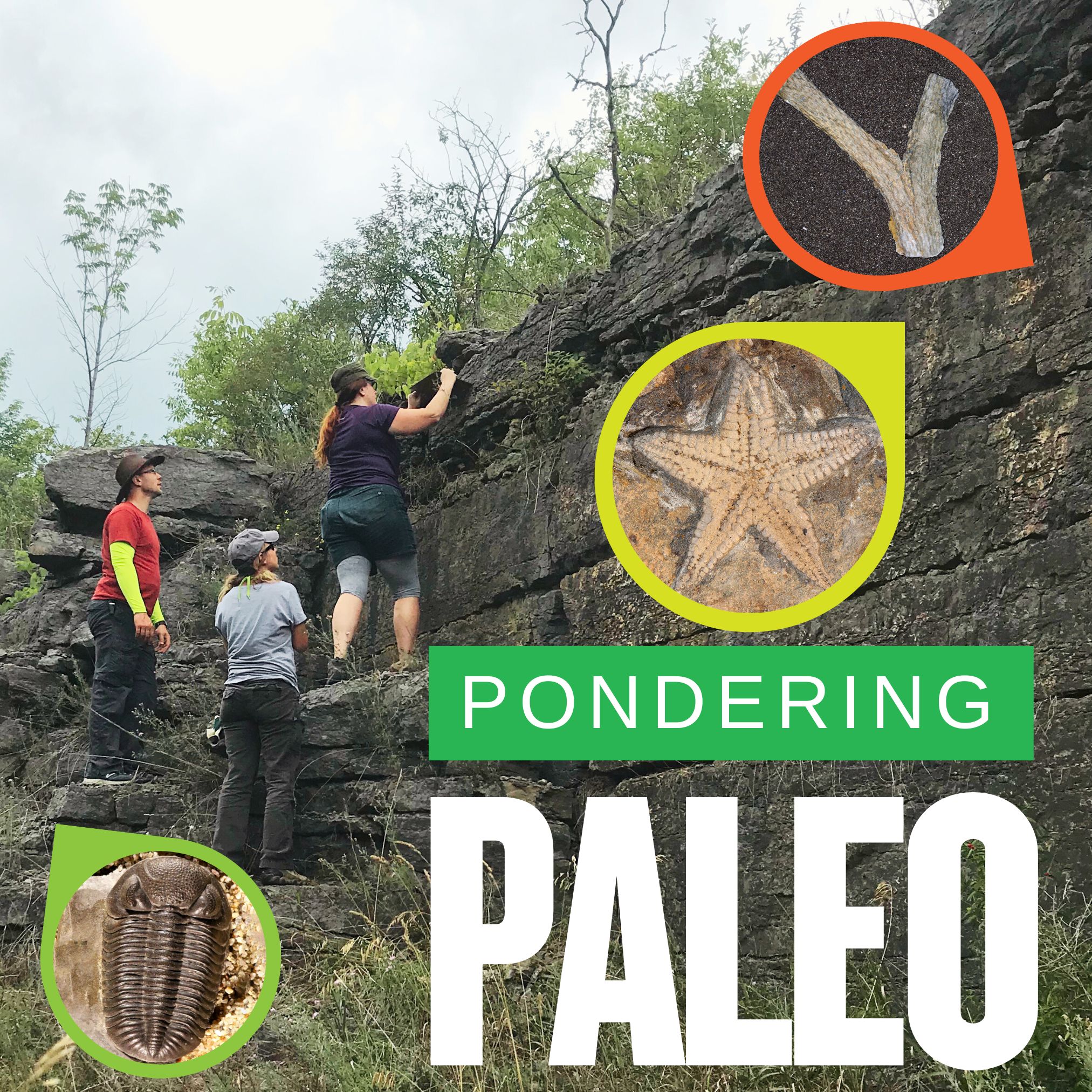
Are you curious about paleontology? Join New York State Paleontologist Dr. Lisa Amati for a fun and interactive exploration of the many exciting fields in paleontology. From ancient fossils to cutting-edge science, you’ll learn about the different paths within the field, the skills needed, and the cool jobs paleontologists can have! With hands-on activities and real-life examples, we’ll explore the study of everything from dinosaurs to microscopic fossils and prehistoric plants. Whether you're just getting started or dreaming of a career in science, this session will spark your curiosity about ancient life and the scientists who study it.
Ready to explore the world of fossils and beyond? Let’s see if paleontology is your next great adventure!

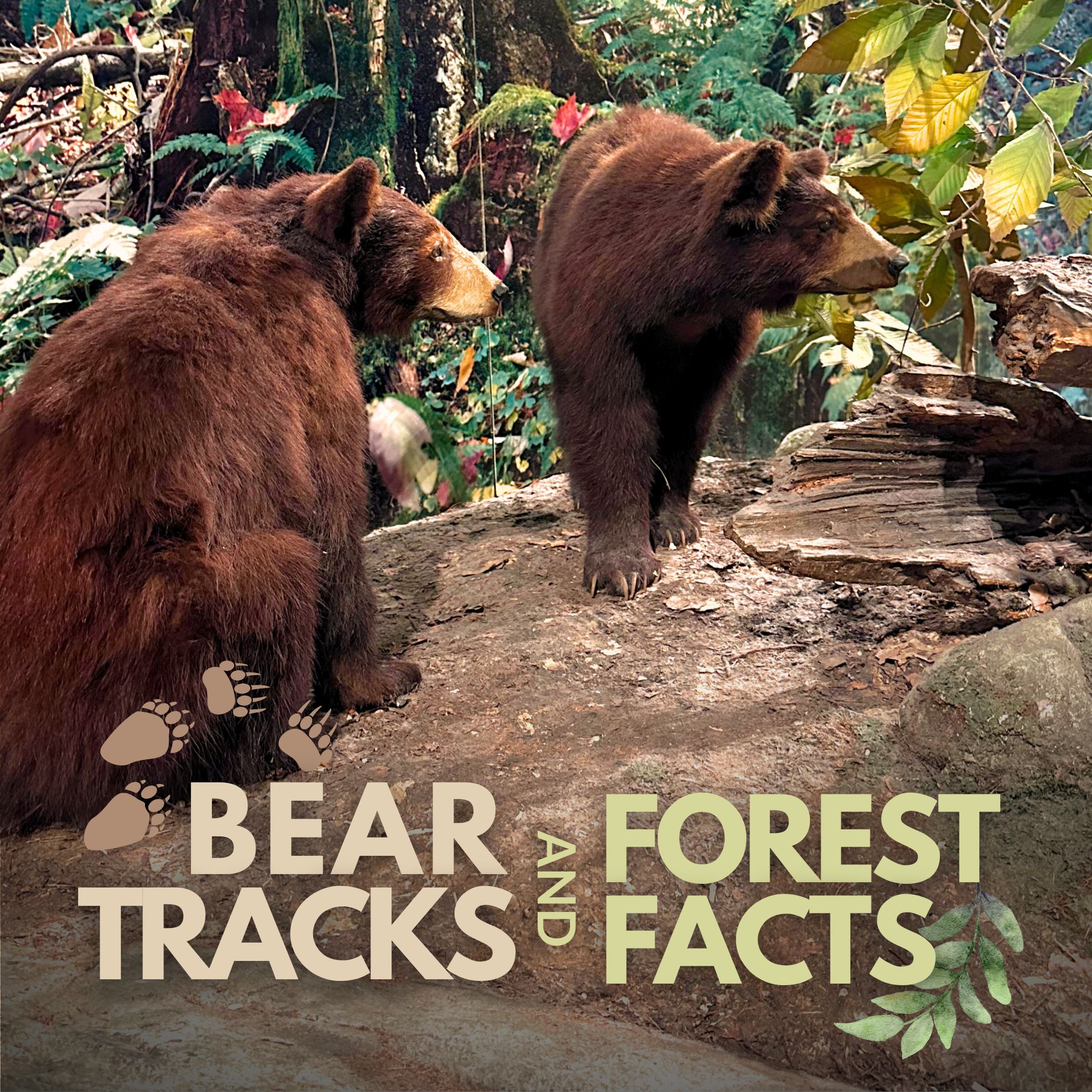
Join us for a wild and wonderful celebration of National Black Bear Day at the New York State Museum! Bring the whole family to explore the world of black bears through hands-on learning and a themed craft activity. Discover where black bears live, what they eat, how they survive in the wild—and how we can help protect their habitats here in New York State. Whether you're a curious cub or a full-grown nature lover, this free program promises fantastic fun and facts for all age.
Join Dr. Andrew Clift, Curator of Bedrock Core at the New York State Museum, to explore what lies beneath our feet! Using rock cores, maps, and cool computer models, Dr. Clift uncovers the hidden layers of New York’s deep geologic past. Stop by the table, ask questions, and see some real rocks from New York’s underground!
Celebrate Father’s Day at the New York State Museum with a heartwarming hands-on craft activity! Kids will build their very own popsicle stick house and create a special drawing of their family to go inside—perfect as a keepsake for Dad or any special caregiver. This fun and creative experience is a great way to make memories together while honoring the people who help build our homes with love. All materials provided, creativity encouraged!
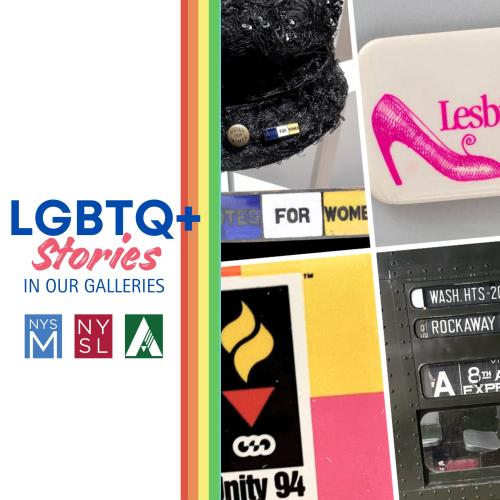
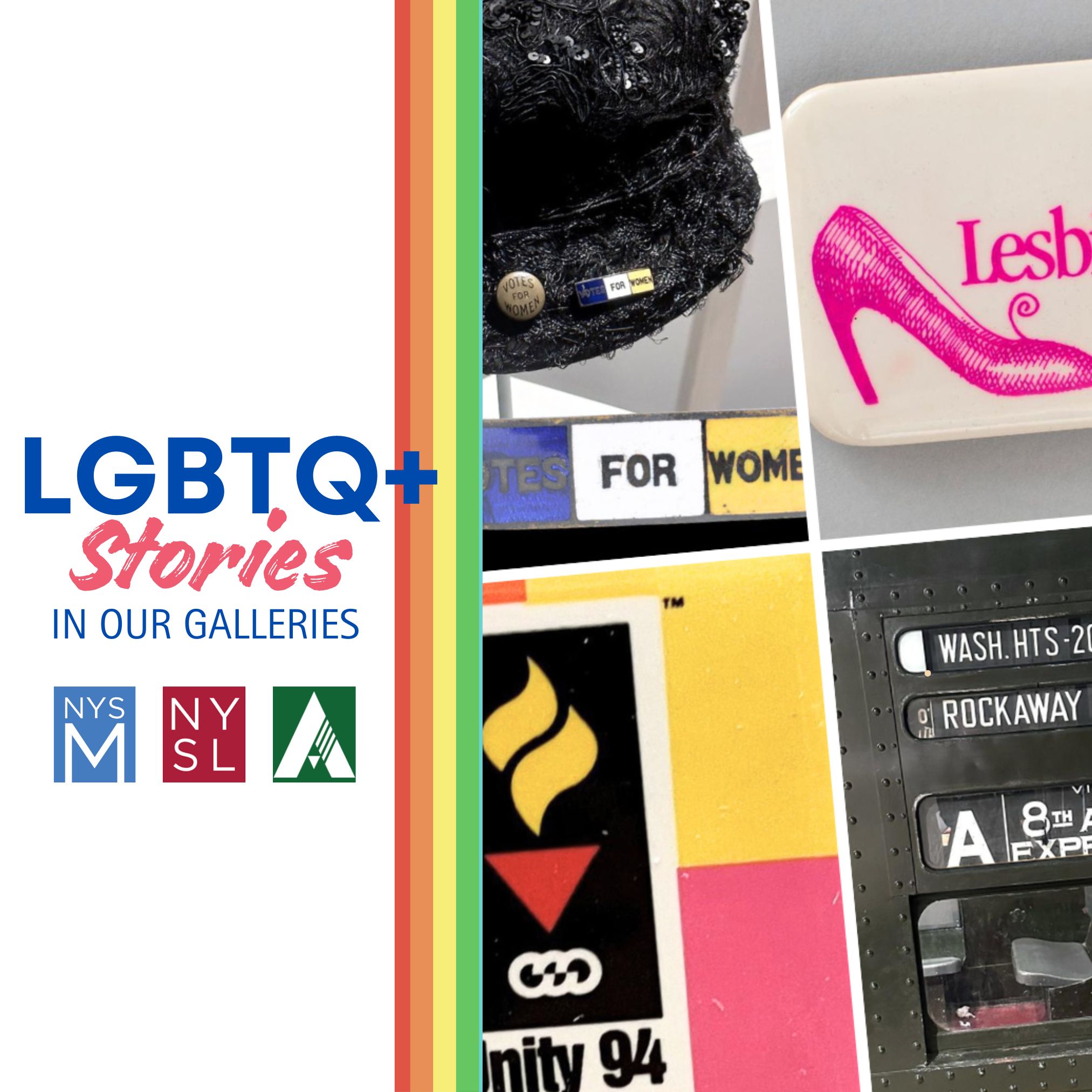
Join us for a special BrainFood lunchtime lecture in honor of Pride Month, featuring engaging presentations from representatives of the New York State Archives, Library, and Museum. John Diefenderfer, Elizabeth Jakubowski, and Ashley Hopkins-Benton will share compelling stories and highlights from the collections that reflect the experiences, struggles, and achievements of LGBTQ+ individuals and communities throughout New York State history.
From personal narratives to historical records and cultural artifacts, these selections offer insight into the diverse and resilient voices that have shaped—and continue to shape—our shared heritage.
Bring your lunch and join us for this reflective and inspiring celebration of LGBTQ+ history and culture. A brief Q&A session will follow the presentations.
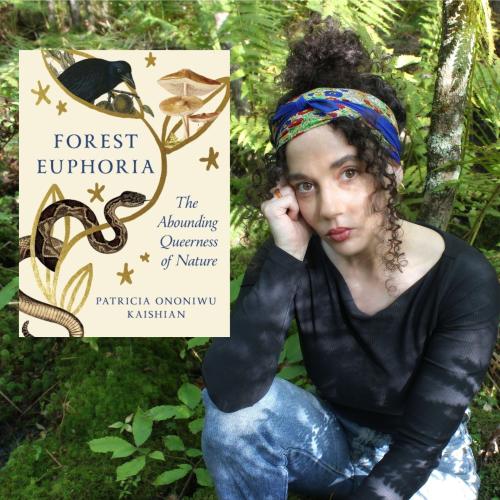
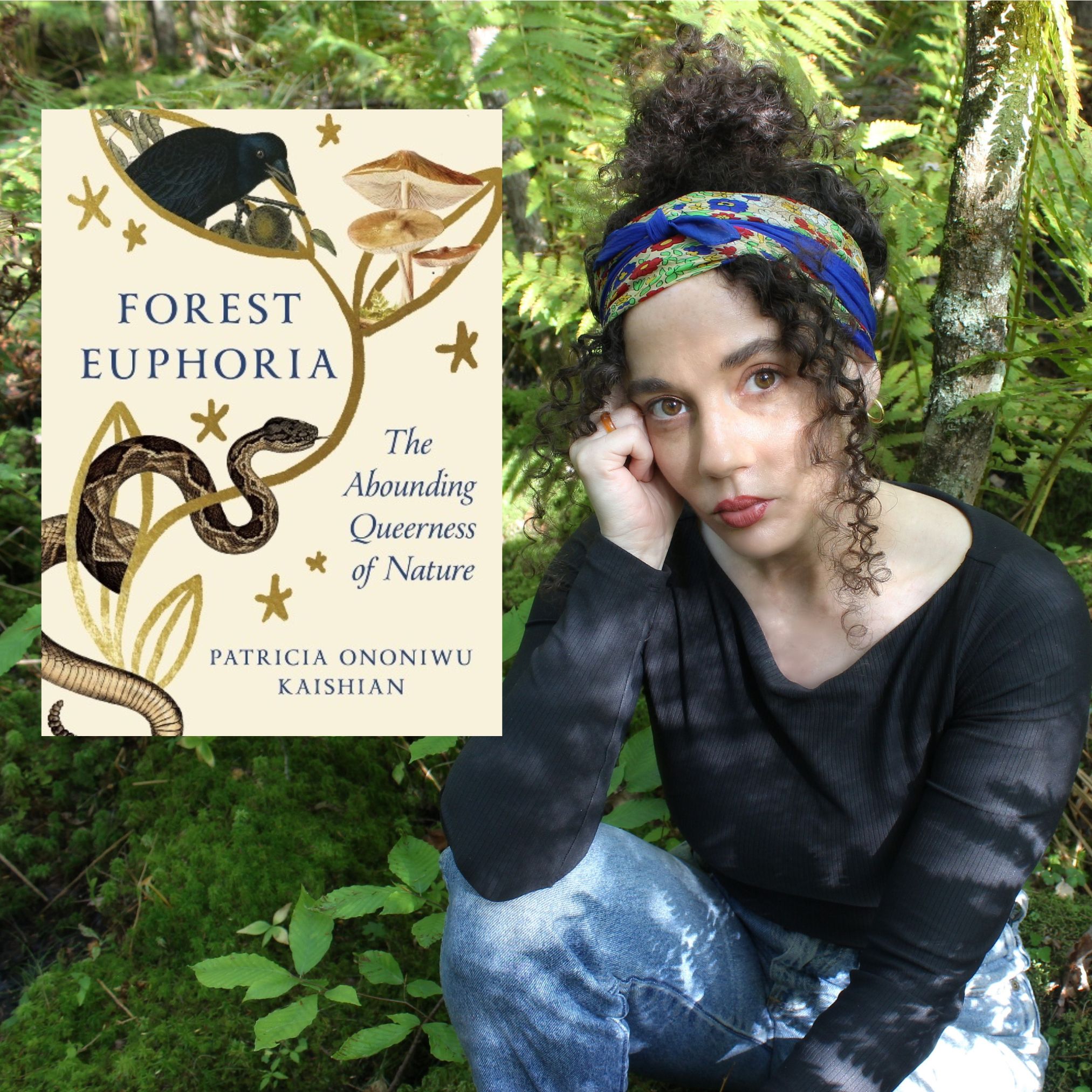
Join us for an afternoon of radical ecology, queer kinship, and mycological magic as we celebrate Pride Month with Dr. Patricia Kaishian, Curator of Mycology at the New York State Museum, in a reading from her groundbreaking new book, Forest Euphoria: The Abounding Queerness of Nature.
With humor, tenderness, and scientific exploration, Dr. Kaishian reveals how nature's so-called “outcasts” can teach us about resilience, transformation, and belonging. Whether you're a nature lover, a fungi fanatic, or just curious about the beautiful strangeness of life, this is an invitation to rewild your worldview.


Unearthed in 2010 beneath the World Trade Center site, this 18th-century gunboat, believed to have been built near Philadelphia in the 1770s and possibly captured by the British, offers a rare glimpse into early American shipbuilding and maritime life.
Dr. Warren Riess, Research Associate Professor of History, Emeritus at the University of Maine and principal investigator of the discovery, discusses the vessel’s excavation and its significance in understanding Colonial and Revolutionary America.
Dr. Peter Fix, Principal Conservator of the World Trade Center Ship at Texas A&M University, reveals how meticulous conservation efforts brought the ship back to life, connecting America’s Revolutionary past with its modern history in a profound way.
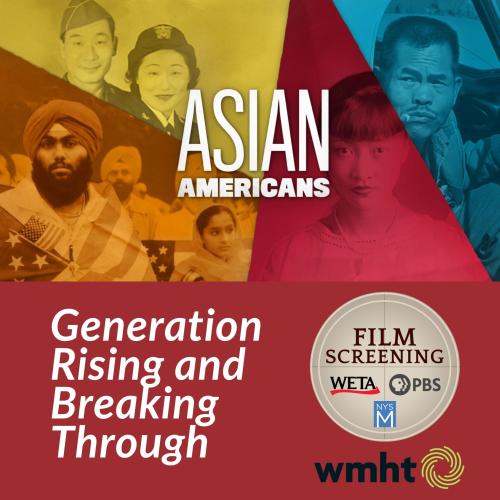
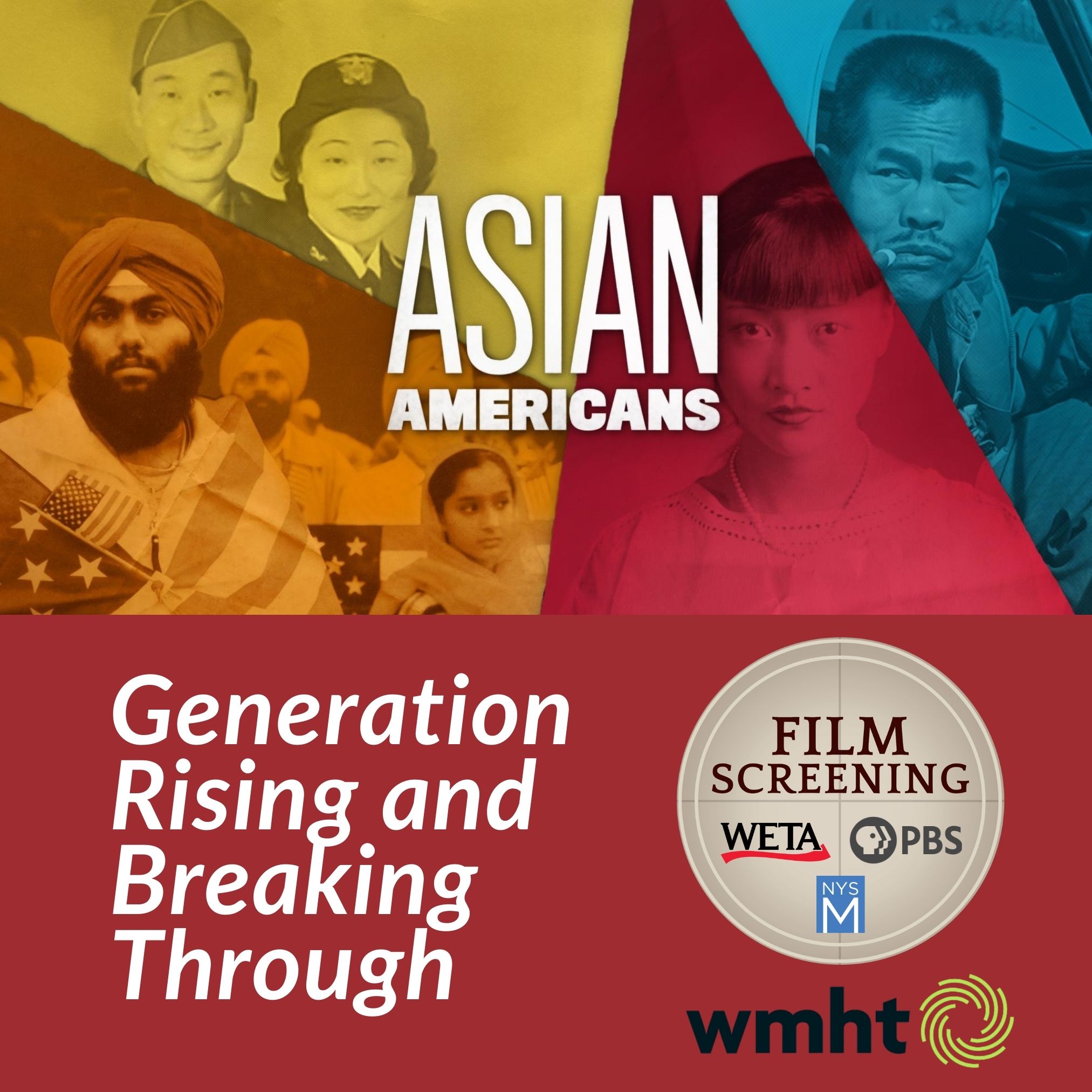
Join us this May for a powerful screening series in honor of Asian American and Pacific Islander (AAPI) Heritage Month. Each week, we’ll explore a different chapter in American history through the acclaimed WETA for PBS series Asian Americans, a bold and personal five-part documentary that reshapes how we understand our past—and our present. Told through the lived experiences of those who helped shape the nation, Asian Americans brings to light stories of strength, identity, struggle, and triumph.
Screenings will be held weekly and include one to two episodes that trace the evolution of Asian American experiences from the 19th century to the 21st. Discover how Asian Americans have long been at the heart of the American story—and how their contributions continue to guide the way forward.
Generation Rising
During a time of war and social tumult, a young generation fights for equality in the fields, on campuses, and in the culture, and claim a new identity: Asian Americans. The war’s aftermath brings new immigrants and refugees who expand the population and the definition of Asian America.
Breaking Through
At the turn of the new millennium, the national conversation turns to immigration, race, and economic disparity. As the U.S becomes more diverse, yet more divided, a new generation of Asian Americans tackle the question, how do we as a nation move forward together?
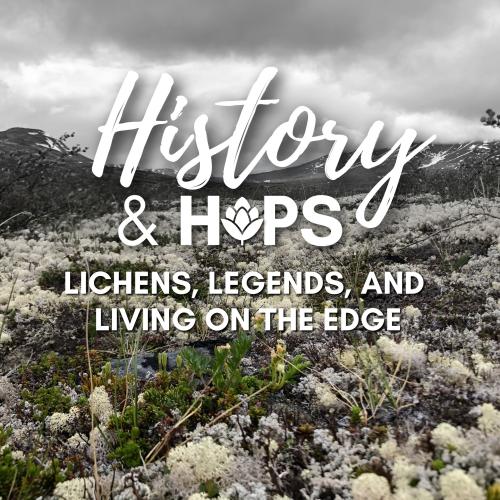
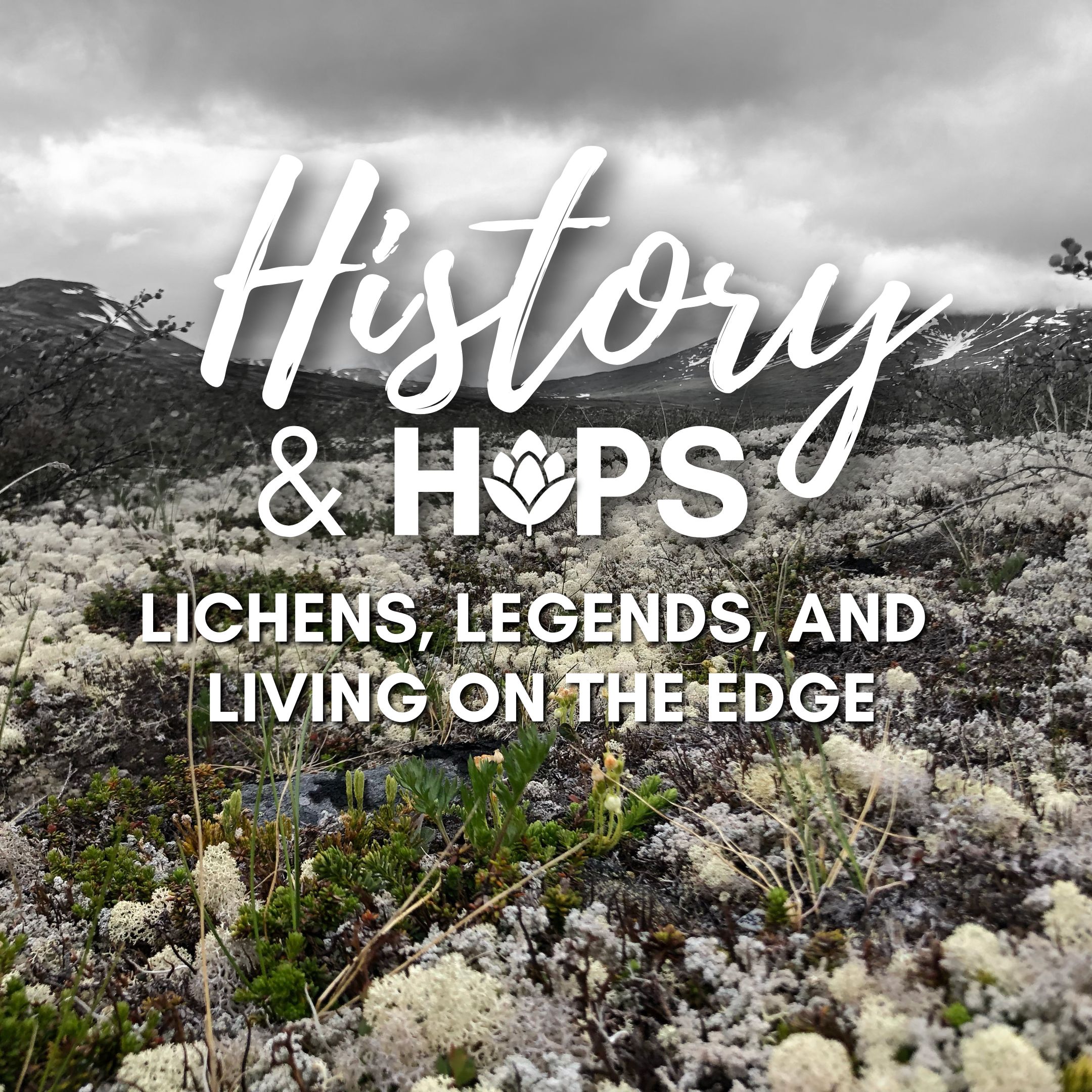
Join Dr. James Lendemer, Curator of Botany at the New York State Museum, for a fascinating dive into the weird and wonderful world of lichens! These often-overlooked organisms are ancient collaborators—symbiotic powerhouses that can survive deserts, deep space, and everything in between... except us. Discover how lichens are woven into our forests, our history, and even our future, as James unpacks their beauty, mystery, and their role as ecological alarm bells in a changing world. Grab a drink and come get lichen-ed up with science, storytelling, and community at Common Roots!
This fun, interactive program is free to attend. Food and drink are not included but are available for individual purchase at the venue.
Location:
Common Roots Albany Outpost
19 Quackenbush Square
Albany, NY 12207
https://commonrootsbrewing.com/
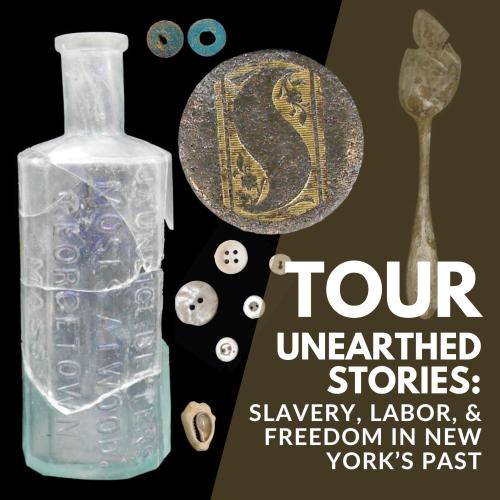
Join Dr. Michael Lucas, Curator of Historical Archaeology, for an exclusive behind-the-scenes tour of the New York State Museum’s Historical Archaeology Collection. Explore stories of slavery, labor, and freedom in colonial New York through artifacts and excavations. Learn about the Powell family’s transition from enslavement to becoming one of the first African American landowners in the region and discover how archaeological research uncovers the experiences of those who navigated the challenges of building new lives in a changing world. This tour is held in honor of Juneteenth, celebrating freedom and resilience.
Registration for this behind-the-scenes tour is required: https://forms.office.com/r/6Jd24q4WgN
Join us at Common Roots Albany Outpost for a special History & Hops program in honor of Pride Month! On this exciting evening, Ashley Hopkins-Benton, Senior Historian and Curator of Social History at the New York State Museum, will share hidden queer stories from the museum’s collections, shedding light on the contributions of LGBTQ+ New Yorkers.
Ashley will take us on a journey through history, uncovering the lives and legacies of queer individuals who shaped the fabric of our state and beyond. From the Stonewall Uprising to the ongoing fight for visibility and equality, these untold stories highlight the resilience and activism of the LGBTQ+ community. It’s the perfect mix of history, conversation, and community!
This fun, interactive program is free to attend. Food and drink are not included, but are available for individual purchase at the venue.
Location:
Common Roots Albany Outpost
19 Quackenbush Square
Albany, NY 12207
https://commonrootsbrewing.com
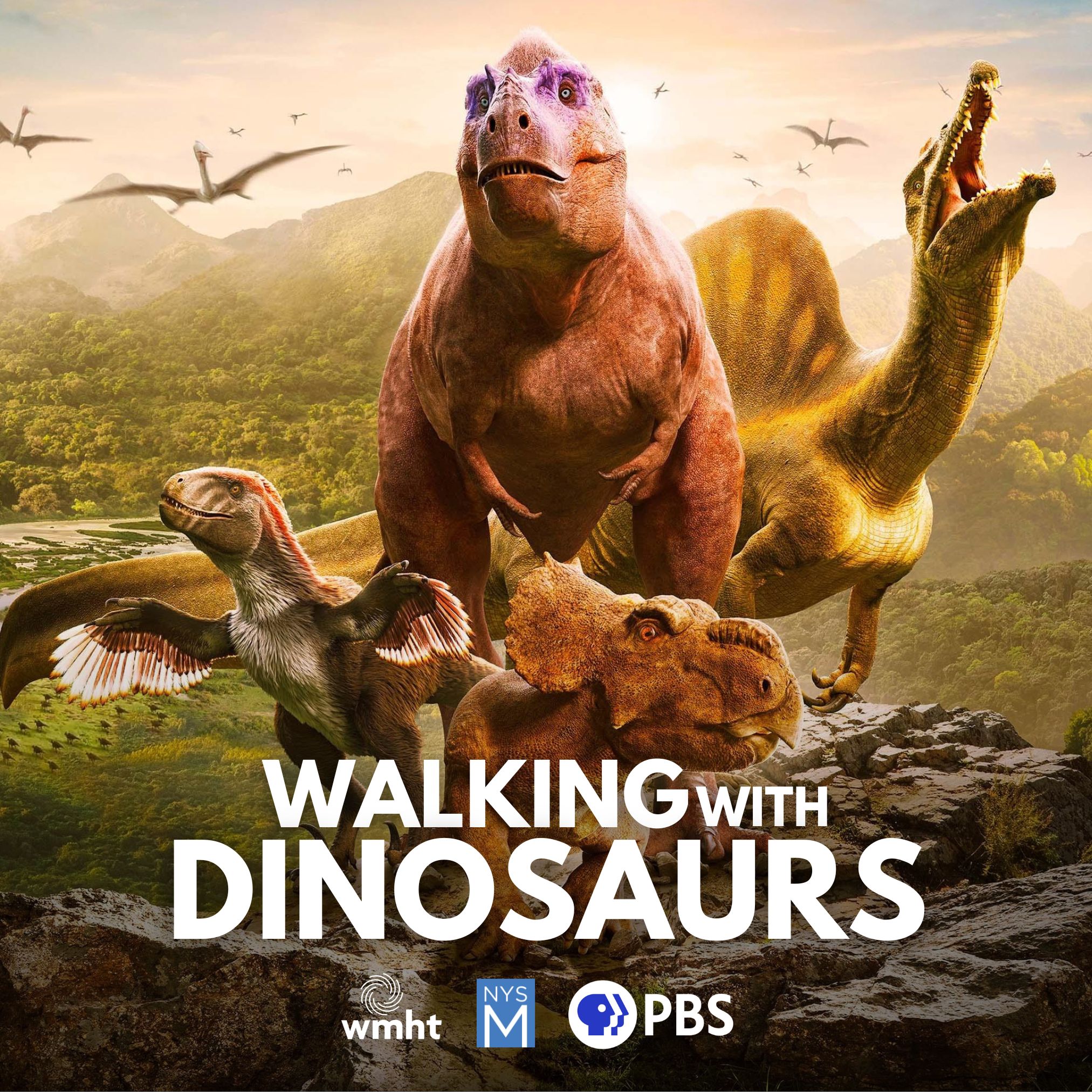
Join WMHT for an unforgettable journey into the prehistoric past with an exclusive special screening of Walking with Dinosaurs—the groundbreaking new series coming to PBS. Get a first look at this thrilling new series that brings dinosaurs back to life like never before.
Walking with Dinosaurs transports viewers to ancient Earth to witness the real-life struggles, triumphs, and mysteries of these magnificent creatures. Through cutting-edge science, jaw-dropping visual effects, and access to the world's leading paleontological dig sites, each episode tells the dramatic, evidence-based story of an individual dinosaur. You'll meet iconic species as their bones emerge from the earth and their stories are brought vividly to life. Don’t miss this exclusive opportunity to preview the series!
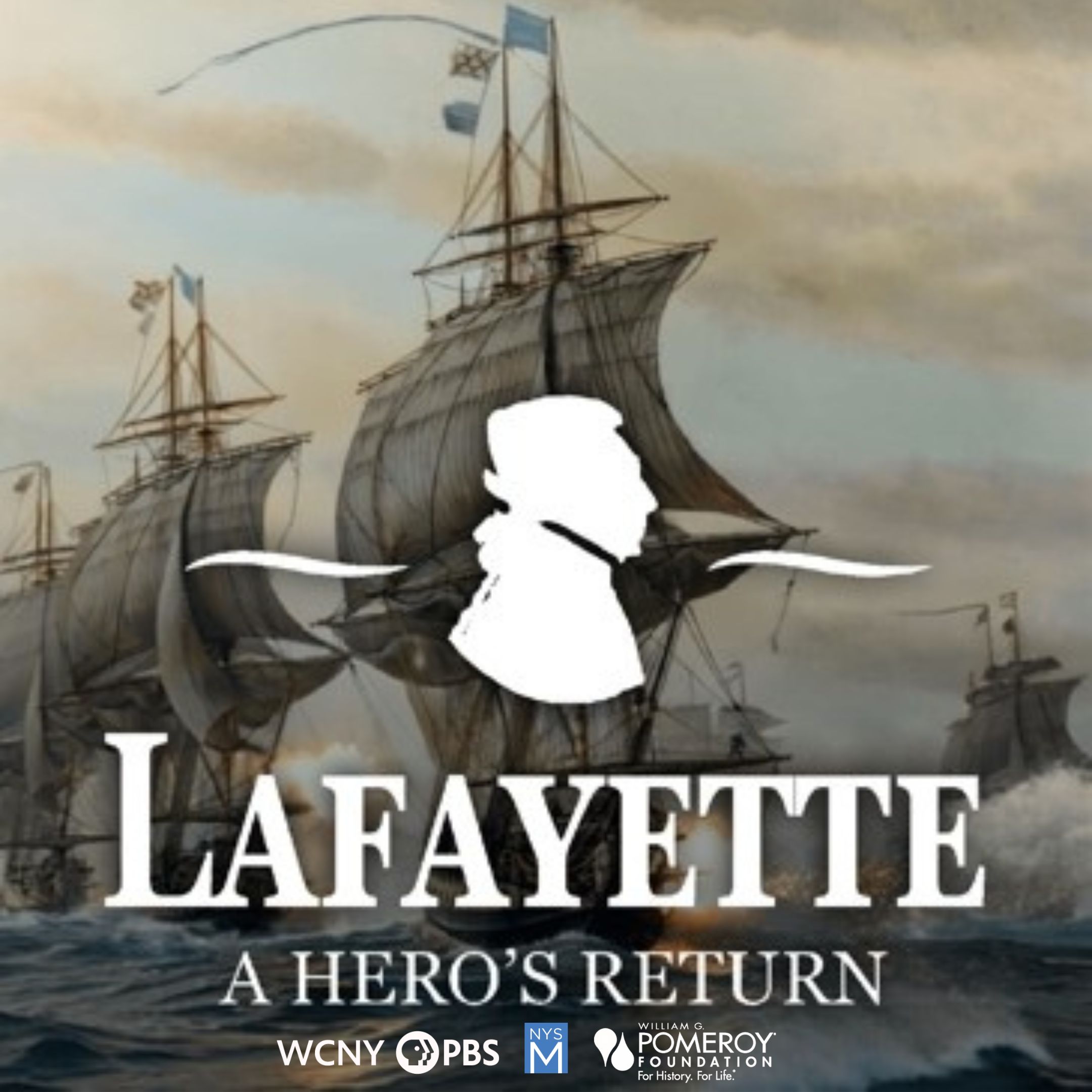
Join us for a special screening of Lafayette: A Hero’s Return, a new documentary from WCNY that explores the Marquis de Lafayette’s enduring legacy in both New York and American history. It traces his deep-rooted commitments to freedom, self-governance, and commerce, and examines the significance of his 1824–25 tour through the lens of a divided post-war nation, drawing powerful parallels to the present day.
At the heart of the story is Lafayette’s grand farewell tour of 1824–1825, when, at Congress’s invitation, he traveled through all 24 states of the young republic. His journey culminated with poignant visits to Buffalo, Rochester, Auburn, Albany, and Syracuse, before heading to Boston to lay the cornerstone of the Bunker Hill Monument.
Don't miss this opportunity to explore a defining chapter in our shared history—and the enduring power of one man's vision for liberty and unity.
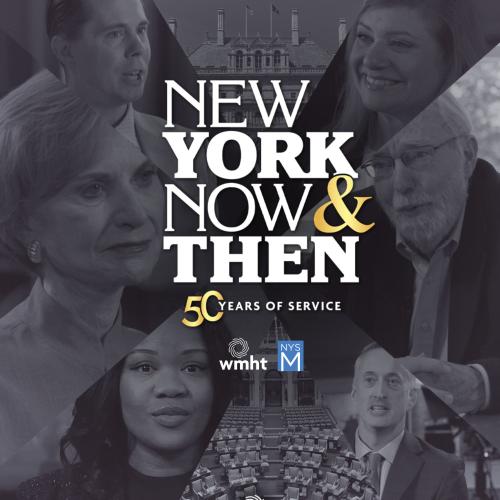
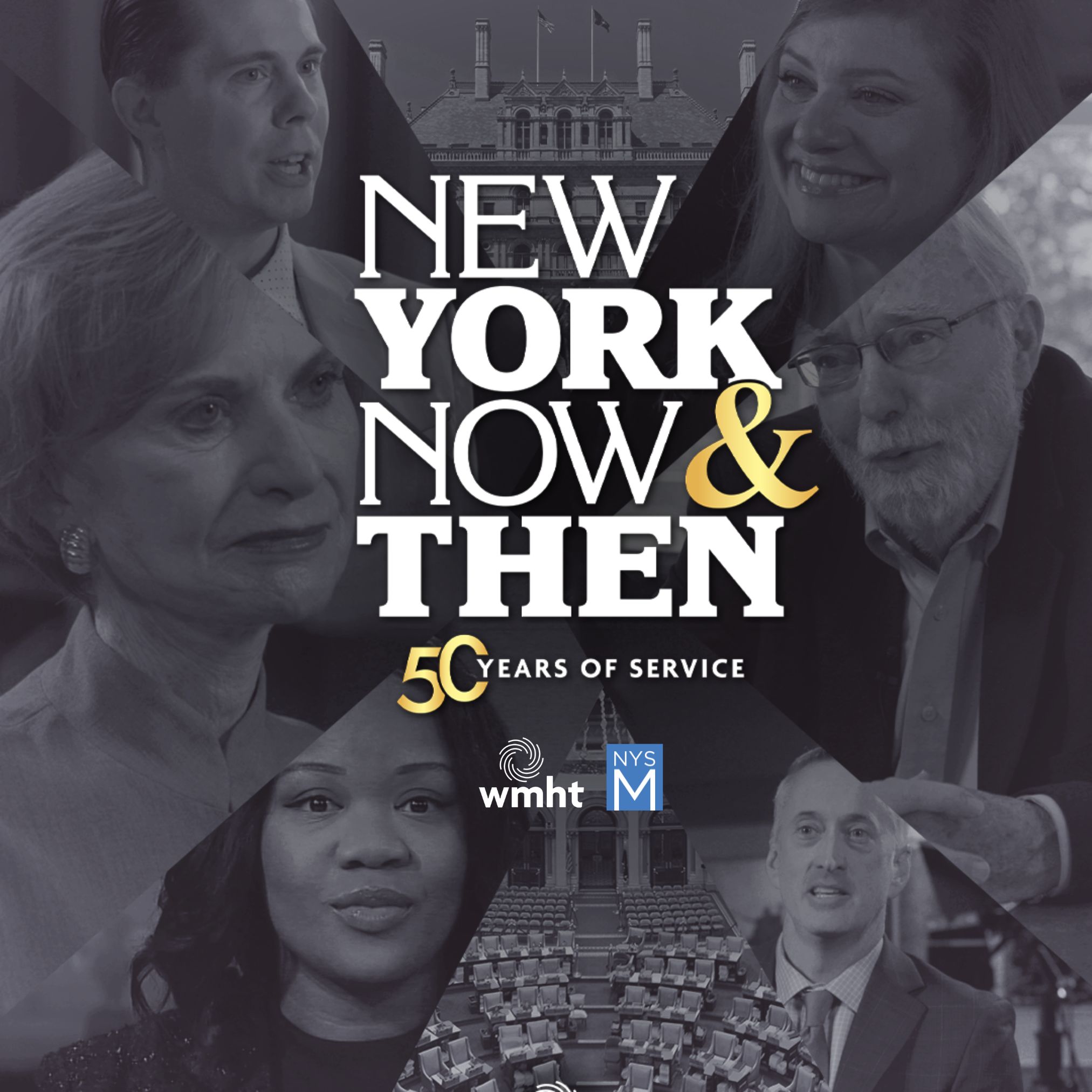
Join WMHT as we celebrate 50 years of journalism and reporting in New York State's capital district with a special preview screening of the thirty-minute original WMHT documentary, New York NOW & Then: 50 Years of Service, followed by a conversation with former Capitol Bureau Chief for the New York Public News Network Karen DeWitt and New York NOW Managing Editor & Host Shantel Destra.
Following the screening, join WMHT for a brief tour of the Legislative Correspondents Association (LCA) Room at the New York State Capitol.
Registration is recommended:
https://www.eventbrite.com/e/celebrating-50-years-of-journalism-with-wmht-tickets-1372657558709?aff=oddtdtcreator
From the Lab to the Trails: New York State Museum Scientists Invite You to Explore the Albany Pine Bush
Interactive Pine Bush Programs Give Families the Chance to Learn from Museum Experts
The New York State Museum and Albany Pine Bush Preserve are teaming up for a summer of exploration, discovery, and hands-on learning through a new educational program series, In the Field. Museum scientists will lead three monthly programs at the Pine Bush, giving families and nature enthusiasts the opportunity to experience exciting field science firsthand and learn directly from experts at both institutions. Each program highlights a different aspect of the preserve’s unique ecosystem, from moths and migratory birds to fungi, showcasing the diversity of plants and animals found throughout the 3,400-acre preserve.
New York State Museum Executive Director Jennifer Saunders said, “Summer is the perfect time to get outdoors and explore the nature in our own backyard. The Albany Pine Bush Preserve is a local treasure, and the Museum is thrilled to partner with them to offer more opportunities for families to learn and explore together. Whether it’s spending a night documenting moths or waking up early to identify and monitor birds, there’s always something new to discover.”
“This partnership with the New York State Museum creates a unique opportunity for people to experience science in the field and connect more deeply with the Albany Pine Bush Preserve,” said Christopher Hawver, Executive Director of the Albany Pine Bush Preserve Commission. “By bringing Museum scientists directly into the preserve, these programs invite participants to explore the remarkable biodiversity of this globally rare inland pine barrens ecosystem through hands-on discovery and learning.”
Free family-friendly programs are scheduled from June through August, with reservations required.
Make a reservation by calling 518-456-0655 or visiting the Albany Pine Bush’s website.
In the Field: Moth Mania with Dr. Timothy McCabe * Registration Full
Date: Friday, June 26, 2026
Time: 8:30 pm to 10:00 pm
Location: Albany Pine Bush Preserve, Karner Barrens Blue Trail, and DC Butterfly Pavilion
Suitable For: All Ages
Spend the evening with New York State Museum Entomologist Dr. Timothy McCabe observing and documenting moths in the Albany Pine Bush Preserve. The preserve is home to one of the most diverse and fascinating moth communities in the Northeast, including species that have adapted specifically to the pine barrens. Participants should be prepared for light hiking.
In the Field: M.A.P.S. Bird Banding Demo with Dr. Jeremy Kirchman
Date: Thursday, July 30, 2026
Time: 5:00 am to 12:00 pm
Location: Albany Pine Bush Preserve, Traux Trail Barrens
Suitable For: All Ages
See wild birds up close and personal with NYS Museum Ornithologist and Curator of Birds and Mammals, Dr. Jeremy Kirchman, and Albany Pine Bush Preserve Commission Conservation Director, Neil Gifford, as they capture and fit them with uniquely coded leg-bands. Part of the Monitoring Avian Productivity and Survivorship (MAPS) program, the bands allow scientists to identify individuals to study how long birds live, where they breed, and when and where they migrate.
In the Field: Mushroom Walk with Dr. Patricia Ononiwu Kaishian
Date: Tuesday, August 11, 2026
Time: 1:00 pm to 3:00 pm
Location: Albany Pine Bush Preserve, Hunger Kill Barrens Trailhead
Suitable For: Ages 8+
Join Dr. Patricia Ononiwu Kaishian, Curator of Mycology at the NYS Museum, for a beginner-friendly exploration of fungi through the Hunger Kill Barrens—a forested habitat within the unique and ecologically rare Pine Bush. Discover the key role fungi play in this ecosystem and enjoy an engaging stroll through one of the Capital Region’s natural treasures.
About the New York State Museum
Established in 1836, the New York State Museum is the oldest and largest public museum in the United States. Home to leading scientists, historians, archeologists, and anthropologists, its collections represent the State’s rich cultural and natural heritage from the past and present, including a staggering 20+ million artifacts spanning 1.1 billion years ago to today. Located at 222 Madison Avenue in Albany, the Museum is open Tuesday through Sunday from 9:30 a.m. to 5 p.m. It is closed on the Fourth of July, Thanksgiving, Christmas, and New Year's Day. Admission is free. For additional information, visit the New York State Museum website and subscribe to our newsletter.
About the Albany Pine Bush Preserve
The 3,400+ - acre Albany Pine Bush Preserve (APBP), located in New York’s Capital District, protects one of the best remaining inland pitch pine-scrub oak barrens in the world. This extraordinary fire-dependent ecosystem provides habitat for many rare plants and animals, including more than 20 percent of New York State’s wildlife Species of Greatest Conservation Need, such as the endangered Karner blue butterfly. The APBP is a National Natural Landmark, Maurice D. Hinchey Hudson River Valley National Heritage Area, National Recreation Trail Site, a New York State Unique Area, Birding Trail Site, Bird Conservation Area, and a National Audubon Society Important Bird Area. Characterized by rolling sand dunes and over 20 miles of trails, the APBP offers visitors many recreational opportunities, including hiking, bird watching, cross-country skiing, horseback riding, mountain biking, hunting, fishing, and canoeing. The Albany Pine Bush Preserve Commission is a public-private partnership created by the NYS Legislature in 1988 to protect and manage the APBP and provide the public with educational and recreational opportunities. The Management Plan for the APBP guides all aspects of expanding and managing the preserve. The Commission’s goal is to preserve 5,380 acres.
As the gateway to the Pine Bush, the Discovery Center at 195 New Karner Road, Albany, is a “green” certified interpretive center where visitors come to understand why the Pine Bush is rare and special. A visit to this unique destination is an exciting exploration where learning comes naturally through interactive exhibits, an outdoor Discovery Trail, and numerous programs on the ecology, natural history, cultural history, and management of the Pine Bush. Admission to the Discovery Center is free (there is a fee for some programs). The center is open daily, weekdays 9 a.m. - 4 p.m. and weekends 10 a.m. - 4 p.m. For more information, visit the Albany Pine Bush website or call 518-456-0655.
(518) 474-1201
Press@nysed.gov
www.nysed.gov
Founding the Nation
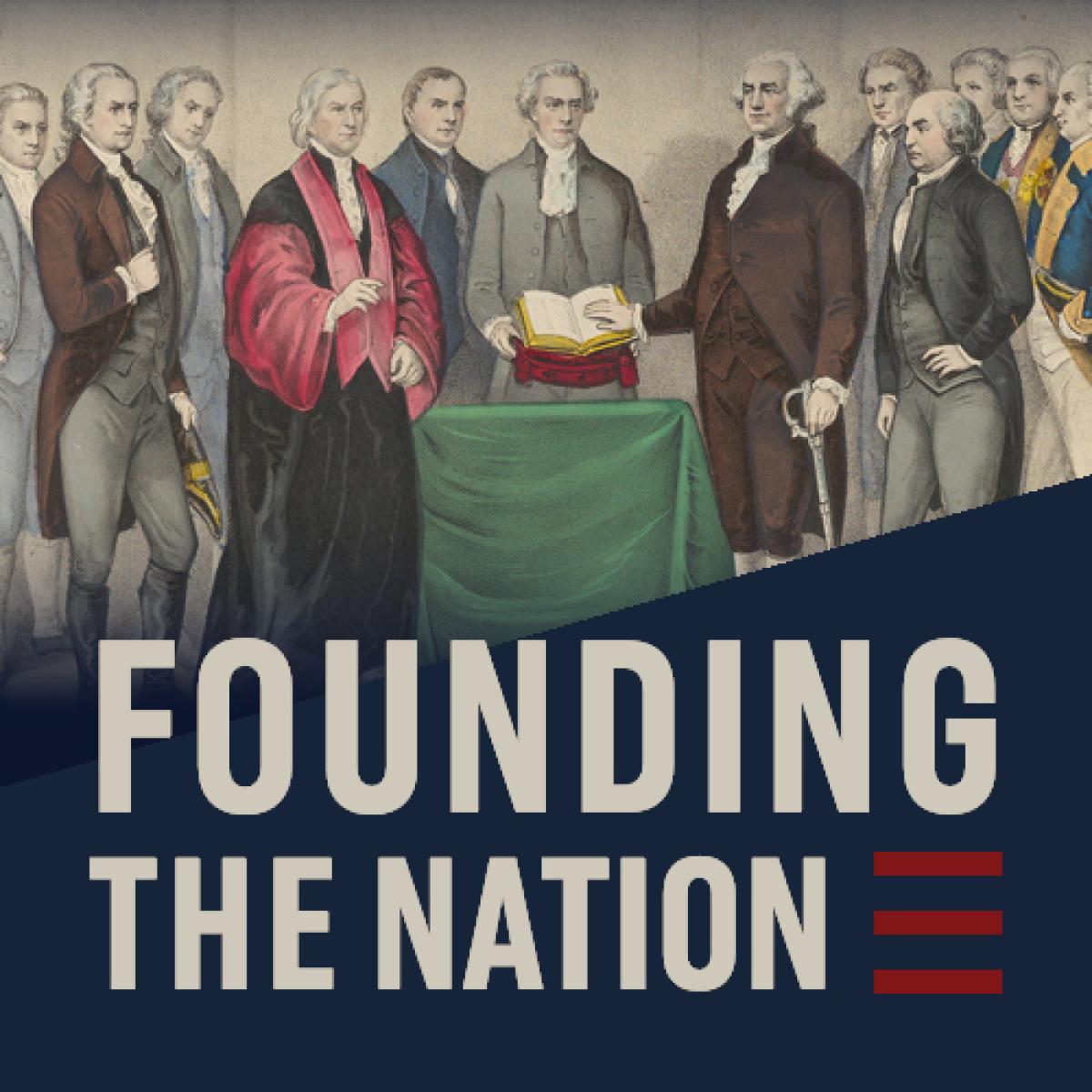
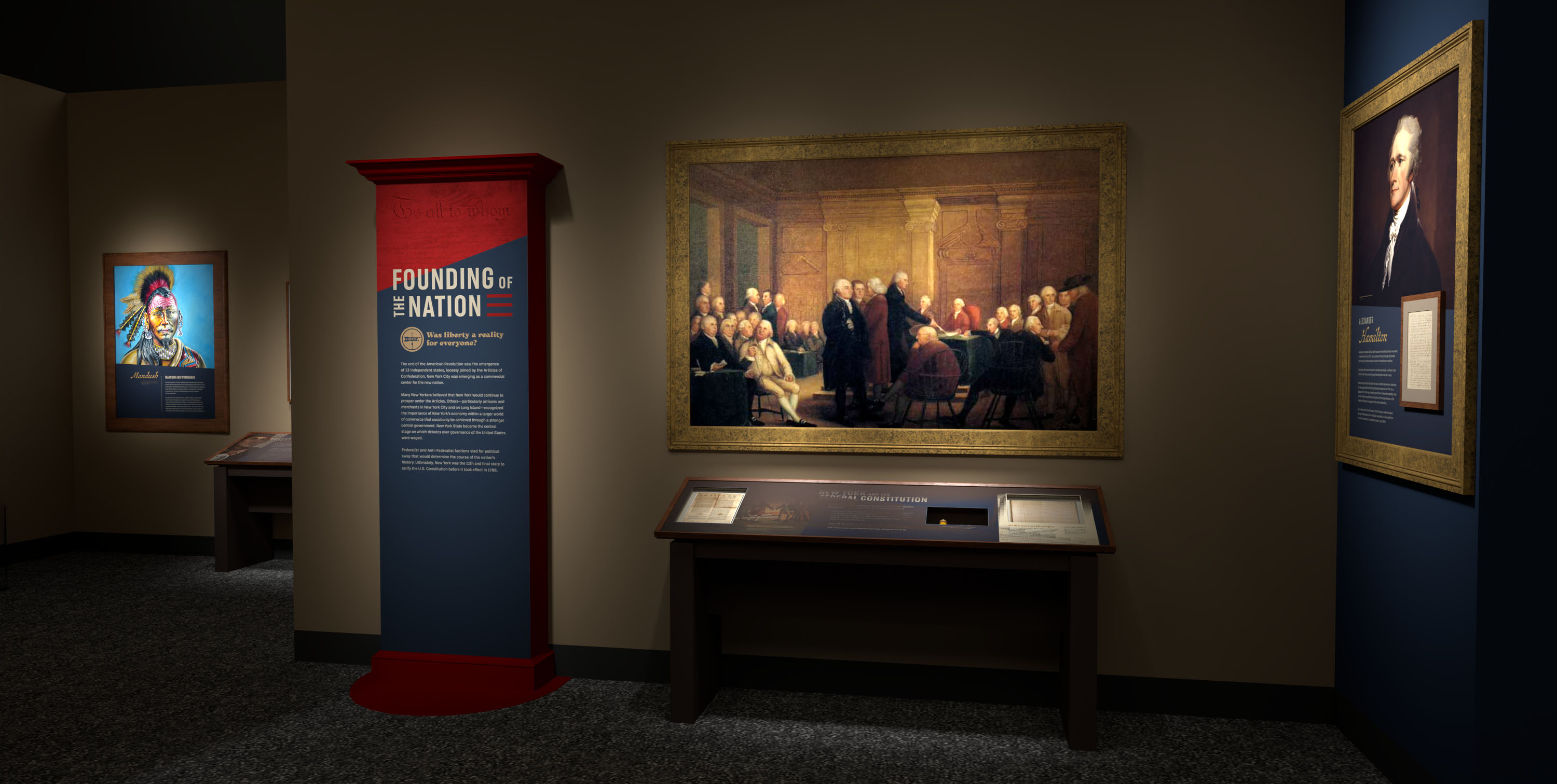
As you move to your right, you encounter another tall introductory panel titled “Founding the Nation,” which asks, “Was liberty a reality for everyone?” This section examines how New Yorkers helped shape the early United States while confronting the contradictions between the nation’s ideals and its realities.
To the right of the introductory panel hangs a large graphic panel of The Congress Voting Independence, showing a meeting room where members of the Continental Congress sit at long tables while several men stand at the center holding documents. The gallery follows an S-shaped path created by tall walls that wind through the space. Along this route is another table-height case titled “Documenting New York,” containing original documents from the New York State Archives and the New York State Library. Large wall panels feature portraits of key figures such as Alexander Hamilton and Gayëtwahgeh (John Abeel, known as Cornplanter), with a replica pipe tomahawk displayed in a case beside Cornplanter’s panel. There are also table-height slant panels that contain interpretive text.
As you continue, you encounter objects, documents, and images tied to early state and federal history, including reproductions of the Treaty of Canandaigua, the New York and Federal constitutions, and the New York Bill of Rights. Notable artifacts include a gavel reportedly used by Walter Livingston, side chairs said to have been used in Federal Hall during George Washington’s inauguration, and Washington’s watch chain and seals. Materials related to treaty making appear throughout, including a roll of muslin treaty cloth gifted to the New York State Museum by the Seneca Nation. Nearby, Indigenous veterans are highlighted through a large contemporary image honoring continued military service, paired with a 1783 quote from Mohegan Chiefs reflecting shared sacrifice. A dedicated display area honors these veterans, featuring a rotating object that will change over the course of the exhibition. A separate treaty-related quote from the US Constitution highlights federal authority over relations with Indigenous nations.
Approaching the end of this section, there is content on illegal state treaties and Indigenous displacement. Large prints of artwork appear nearby, including Honoring the Harvest by Dawn Dark Mountain (Oneida Wisconsin), part of a series commemorating the Treaty of Canandaigua, and The Great Canandaigua Treaty—1794 by Robert Griffing, depicting treaty negotiations held under an oak tree. The gallery path leads to an open space where there are four vertically oriented video screens, with a horizontal screen below displaying a written transcription of the video feature, which also includes sound. Bench seating is available in this space for viewing.
This media feature is introduced on a panel titled “Unfinished Revolutions.” It explores how, over the past 250 years, New York has been a battleground for struggles over freedom, equality, and citizenship—debates that continue today. It brings together five historians, each offering a different perspective on what the Revolution meant for specific groups and how its legacy continues to shape our world.
After the American Revolution, 13 independent states were loosely united under the Articles of Confederation in 1777. This “League of Friendship” gave Congress limited power and one vote per state. As New York City emerged as a commercial center, debates sparked over the need for a stronger federal government. While some supported the existing system, others—particularly merchants and artisans in New York City and Long Island—pushed for a stronger central government to support commerce. Federalists and Anti-Federalists clashed over the nation’s future as economic crisis grew. After intense debate, New York became the 11th state to ratify the US Constitution in 1788.
While New Yorkers helped shape the nation’s foundation, there was a contradiction between the nation’s ideals and its reality. Despite the 1776 Declaration of Independence that stated that “All men are created equal” and entitled to “Life, Liberty, and the Pursuit of Happiness,” in 1790, nearly 700,000 African Americans were enslaved, including over 21,000 in New York. The state passed a bill for the gradual abolition law in 1799, ending slavery by 1827. Nationally, slavery persisted until the Civil War and was finally abolished in 1865 by the 13th Amendment.
Highlights
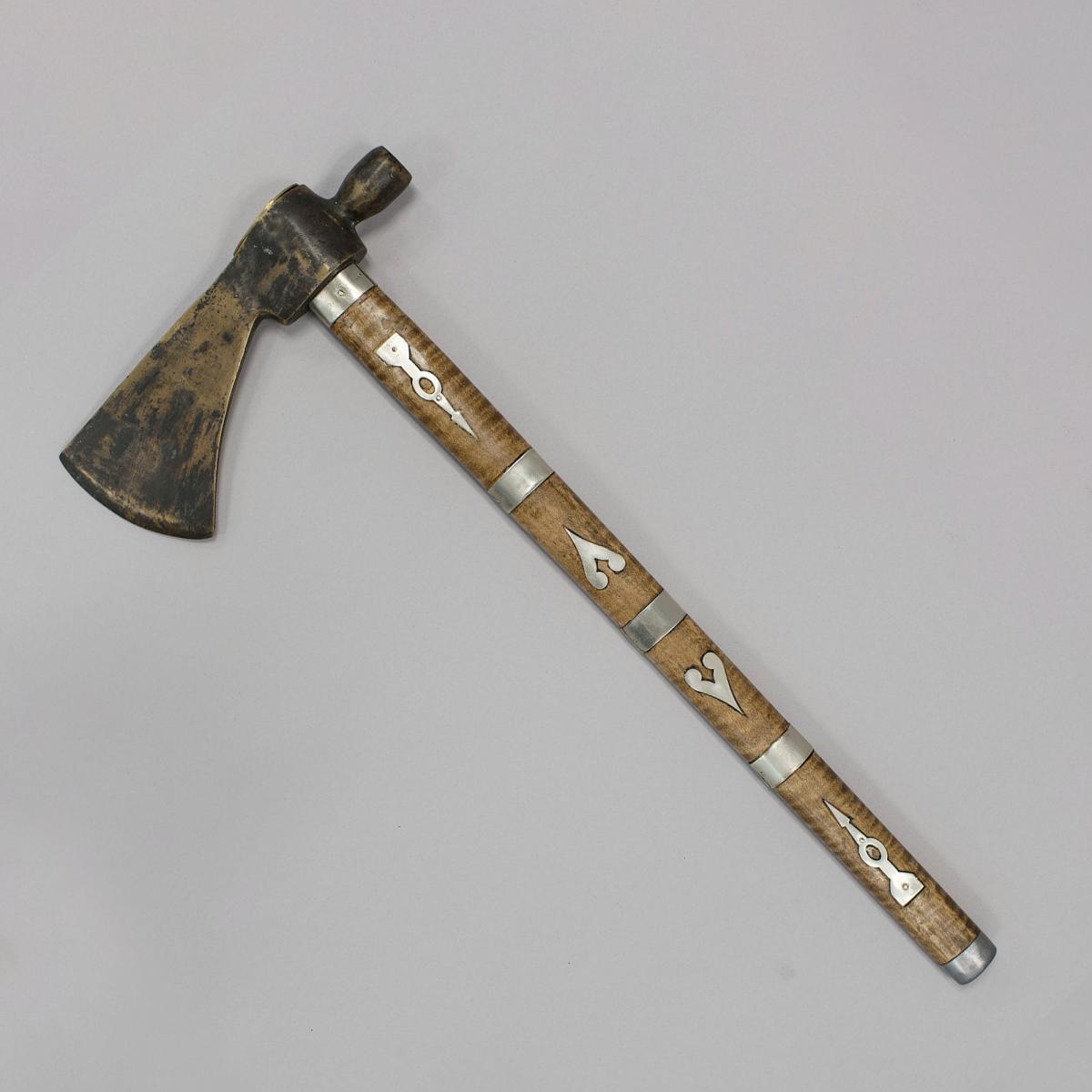
Glenn Zweygardt and Mike Crouse (Seneca Nation)
At all colonial meetings with Indigenous people, gift giving played a prominent part of diplomatic protocol. In 1792 it is believed George Washington presented Cornplanter with a pipe tomahawk. The silver inlay on this replica of Cornplanter’s pipe tomahawk was made by a descendant of Peter Crouse, a Dutch German immigrant taken captive by Seneca as a young boy, around 1778. He lived on Seneca territory for the rest of his life.
New York State Museum E-2025.
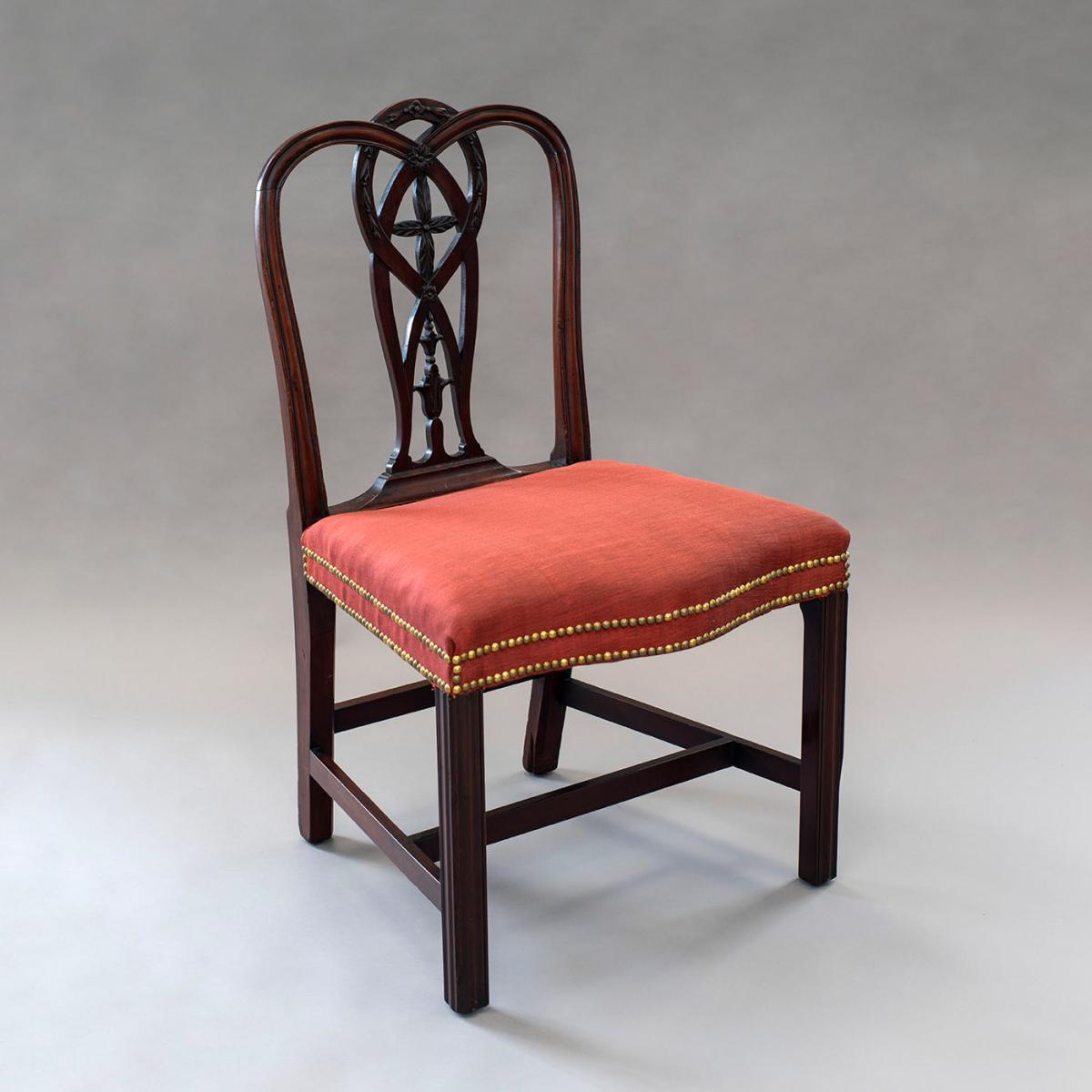
One of a pair of Federal Hepplewhite mahogany side chairs said to have been used in Federal Hall during George Washington’s inauguration.
New York State Museum H-1970.136.3 A
Additional Resources
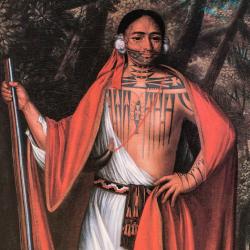
Tattoos with Dr. Hemlock
Sha’kaien’kwarahton is one of the figures depicted in Four Indian Kings of the New World painted by John Verelst in 1710. Discover how recent research by Dr. Kanen'tó:kon Hemlock reveals the cultural meaning and symbolism behind the tattoos within Haudenosaunee traditions.