

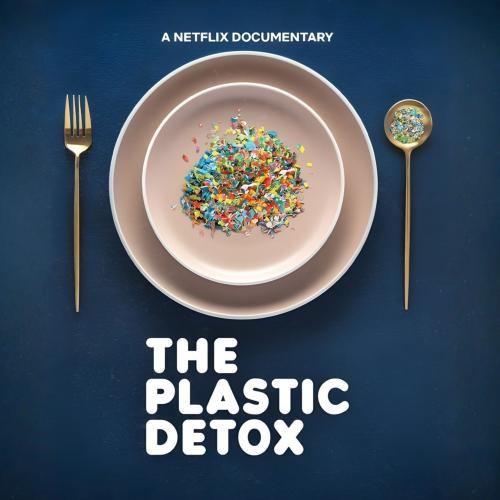
Join Beyond Plastics for a special screening of the documentary The Plastic Detox, followed by a panel discussion exploring the environmental and public health impacts of plastic pollution. The conversation will bring together voices in the field, including Beyond Plastics president Judith Enck and Dr. Kathy Nolan, president of Physicians for Social Responsibility - New York State Chapter. Together, they will discuss key themes from the film, including the lifecycle of plastics, their effects on human health and ecosystems, and actionable strategies for addressing plastic waste at local, national, and global levels.
Celebrate Mother’s Day with creativity and color! Join us for a family-friendly craft
Celebrate Mother’s Day with creativity and color! Join us for a family-friendly craft making activity inspired by the beauty of spring blooms. Kids and families are invited to design their own one-of-a-kind crafts using a variety of art materials, perfect for gifting to the special mothers, grandmothers, or caregivers in their lives. Drop in and let your imagination blossom in this fun, hands-on activity that’s bursting with love and creativity—just in time for Mother’s Day!
All ages welcome. Supplies provided.
Drop in and let your imagination blossom in this fun, hands-on activity that’s bursting
with love and creativity—just in time for Mother’s Day!
All ages welcome. Supplies provided
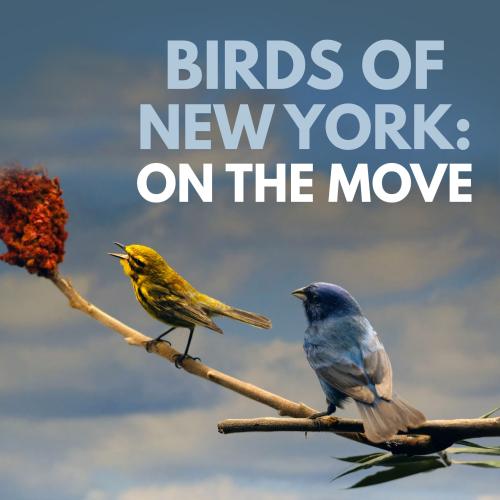
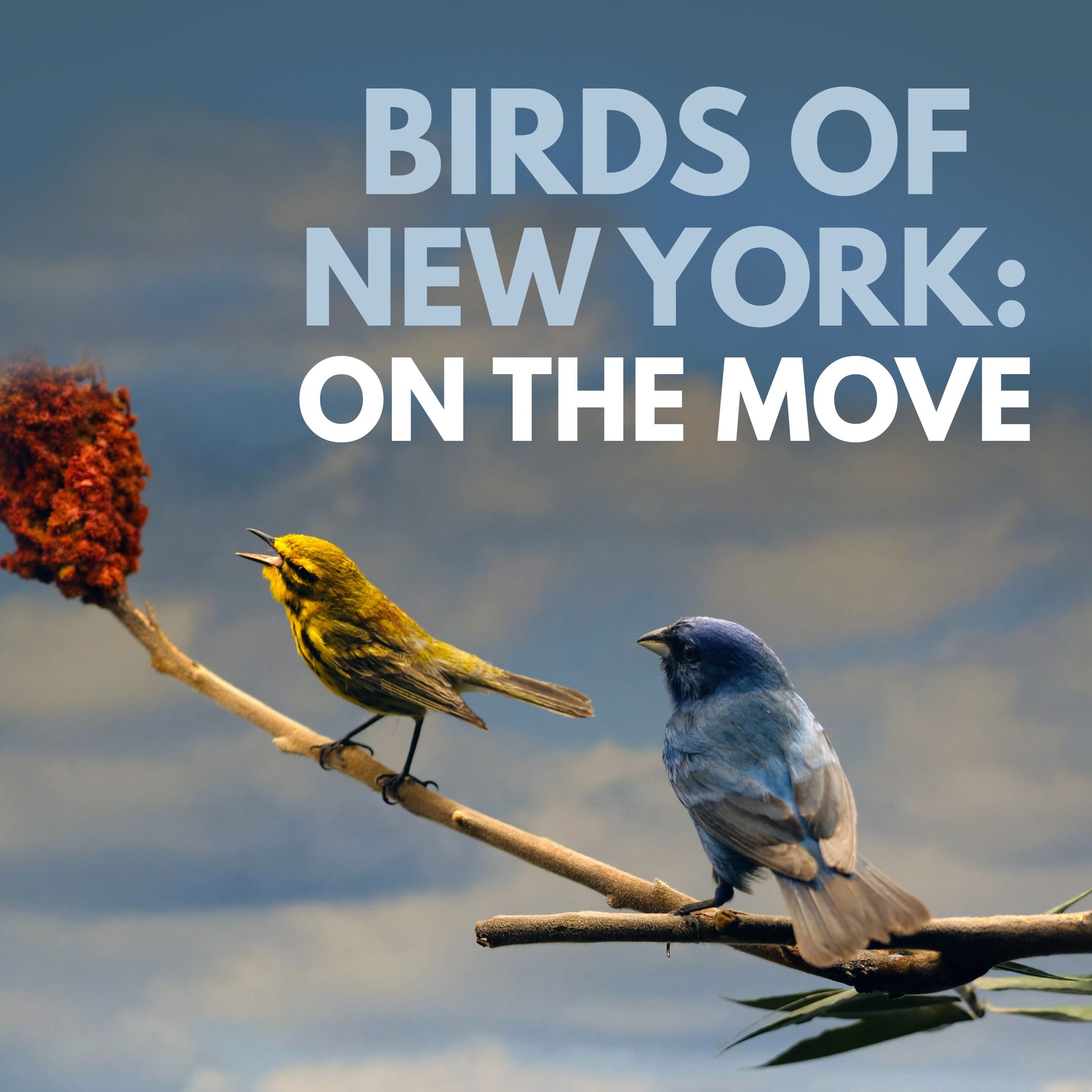
Join Dr. Jeremy Kirchman, Curator of Birds and Mammals at the New York State Museum, for a gallery tour of Birds of New York with a special focus on spring migration. Discover how and why birds navigate to and through New York. Dr. Kirchman will guide you through the exhibit’s habitat groups, highlighting the remarkable journeys and diverse ecologies of migratory bird species. The tour concludes with time for Q&A, so come with your birding questions!
Additional Information
America 250
Statewide 250th Commemoration Efforts
Local and Regional Initiatives
National 250th Initiatives

Partner Organizations

Bugs are changing—just like the seasons! 🐛🦋 Join us outside Discovery Place for a fun, hands-on bug adventure where kids can explore real specimens, learn how insects grow and transform, and meet favorites like butterflies, bees, and ladybugs. Discover the wild world of metamorphosis in action!
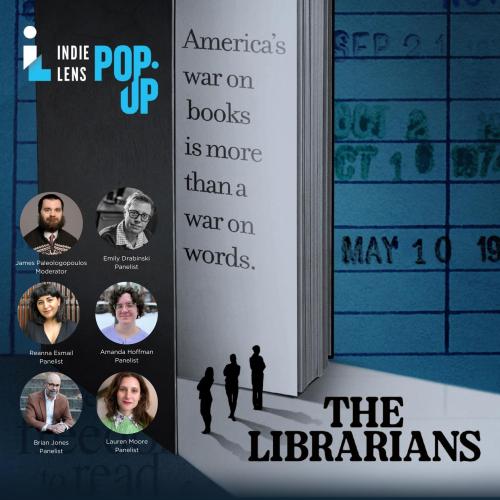
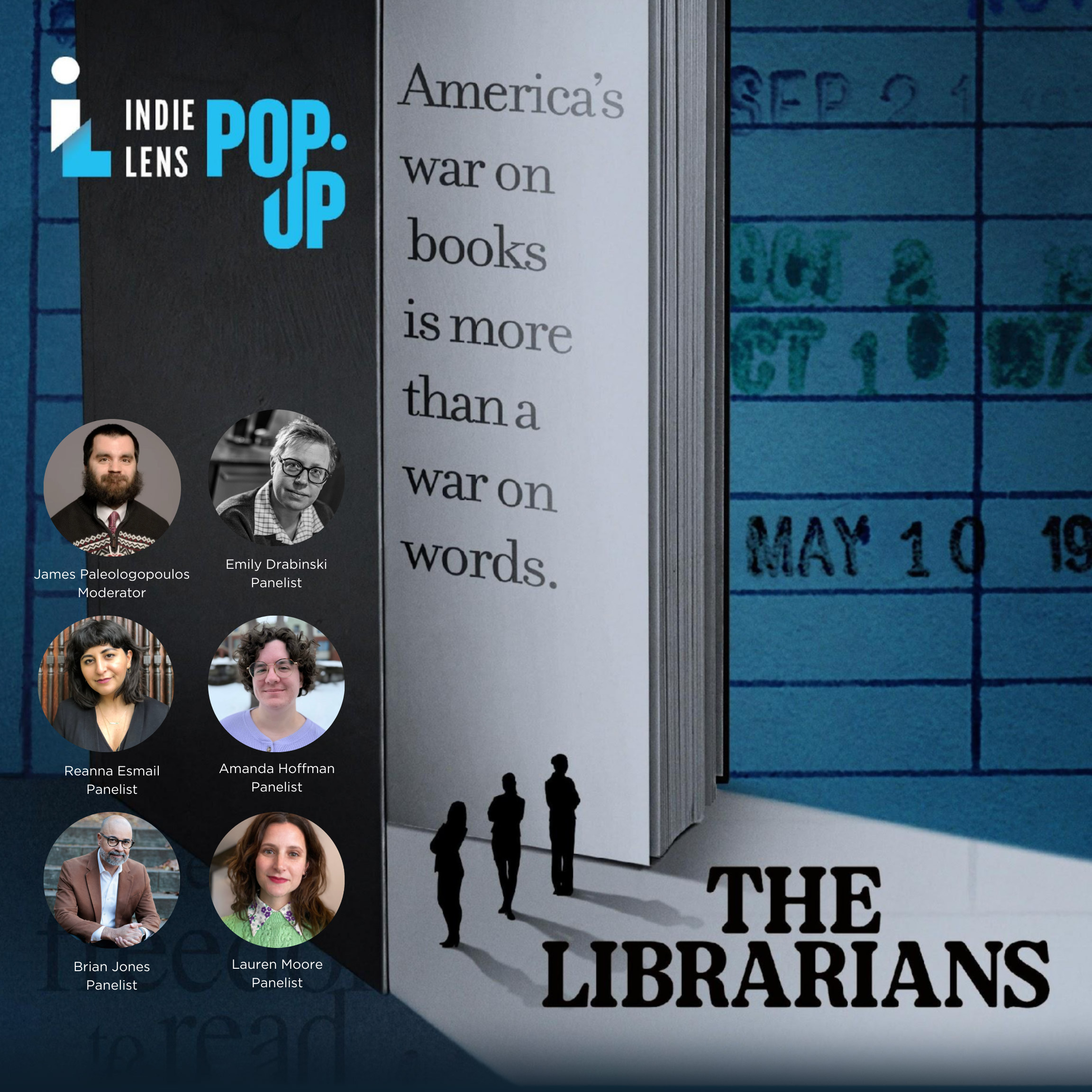
From Oscar-nominated Director and Producer Kim A. Snyder ("Death By Numbers," “Newtown,” “Us Kids”) and Executive Producer Sarah Jessica Parker, “The Librarians” takes viewers from Texas to Florida and beyond, where local libraries have become unexpected battlegrounds in a national struggle over parental control, intellectual freedom, and democracy itself. Sparked by the controversial “Krause List” in Texas, which targets 850 books centered on race and LGBTQIA+ stories, the film takes a deep investigative dive into the escalating movement against book banning. The film captures the courage and resilience of the everyday heroes, librarians, as well as concerned parents and students flanking them, who have become first responders in the fight for the freedom to read, standing defiantly against censorship at all costs.
This event will begin with a screening of the film in the Huxley Theater, followed by a panel discussion with State Librarian Lauren Moore, New York Public Library Senior Director of Reading and Engagement and author Brian Jones, Past-President of the American Library Association Emily Drabinski, American Libraries columnist and Library Freedom Project member Reanna Esmail, and Amanda Hoffman, a former library assistant who fought for their community through the turmoil surrounding a Drag Queen Story Hour. They will discuss the challenges libraries face today, their personal experiences in the battle against censorship, and their suggestions for what libraries and their supporters can do in the continuing struggle for intellectual freedom.
The discussion will be moderated by James Paleologopoulos, Producer for WAMC/Northeast Public Radio’s On the Road, and will be recorded for later broadcast.
Registration encouraged: https://nyslibrary.libcal.com/event/16637063
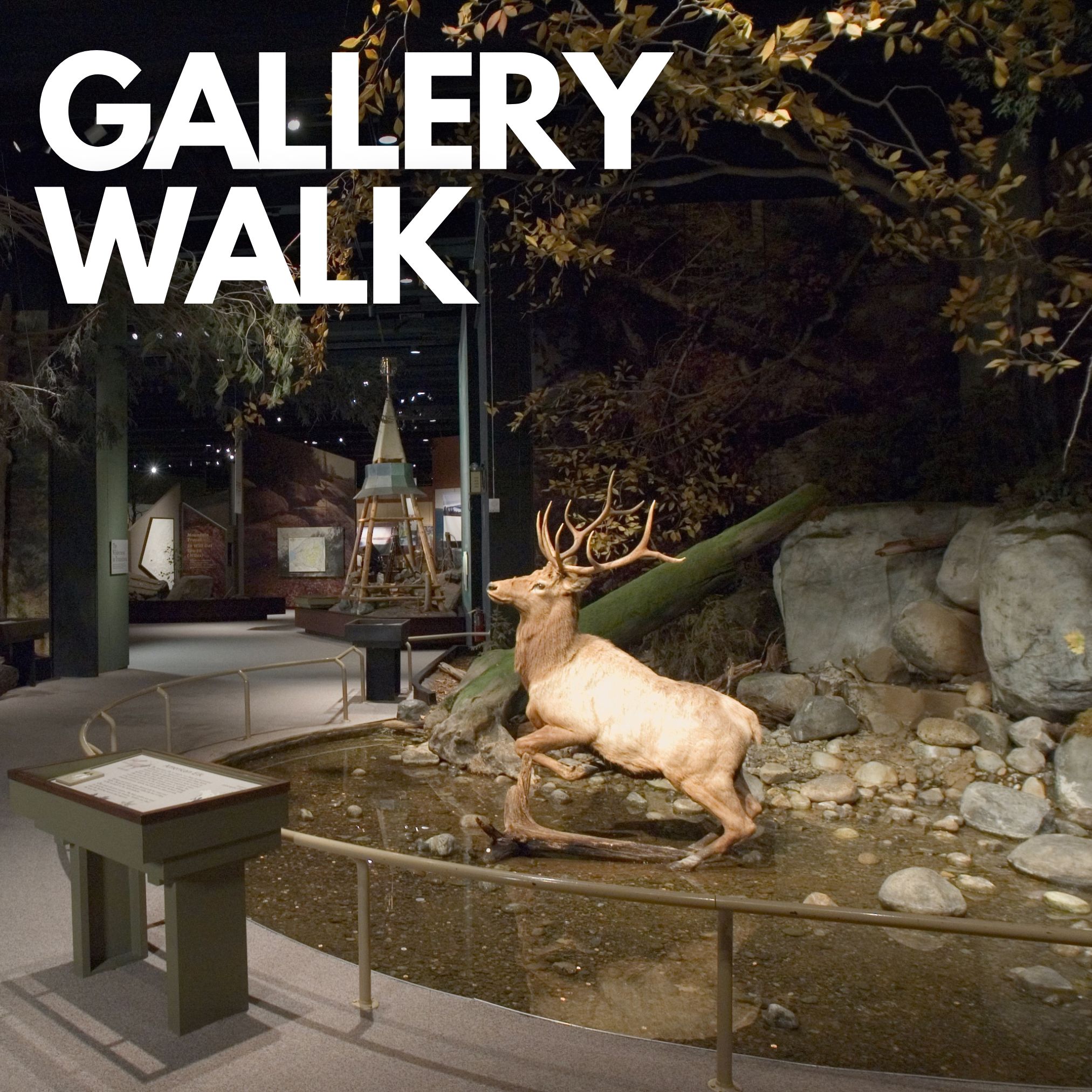
Join Dr. Chuck Ver Straeten, Curator of Sedimentary Rocks, for a 40-minute gallery walk through the Adirondack Hall. Together, we’ll explore the remarkable rocks of New York State and the fascinating stories they hold about ancient waterways and landscapes that shaped the region over 1.2 billion years. As we move through the gallery, Dr. Ver Straeten will bring these stones to life, revealing how each layer preserves clues to long-lost environments and dramatic changes through deep time. The program wraps up with a short look at one of New York’s most charismatic and rarely seen wild residents, the North American porcupine, drawing on fieldwork and trail camera research to share surprising insights into its behavior and ecology.
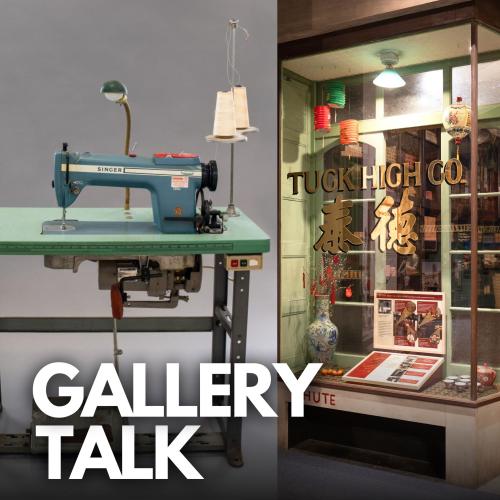
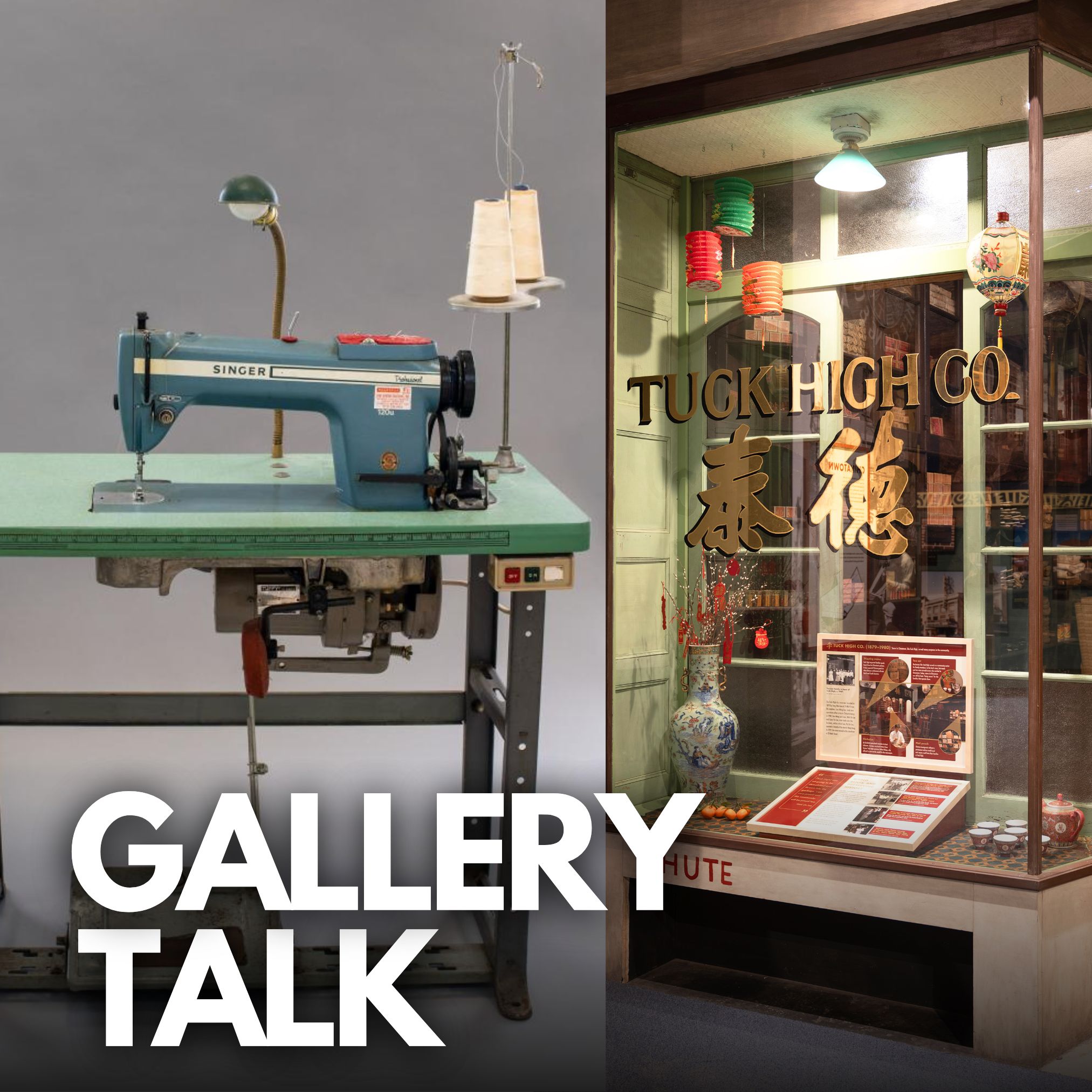
Join Ashley Hopkins-Benton, Senior Historian and Curator of Social History, for a gallery talk at the Tuck High Co. Chinatown Store exhibit. Centered on a 1970s Singer industrial sewing machine, this program explores how a single object can hold multiple meanings and connections across time, place, and community.
As we kick off Asian American and Pacific Islander Heritage Month, discover how everyday artifacts can reveal deeper stories about work, family, and identity in New York State and consider whose histories are carried within the objects around us.
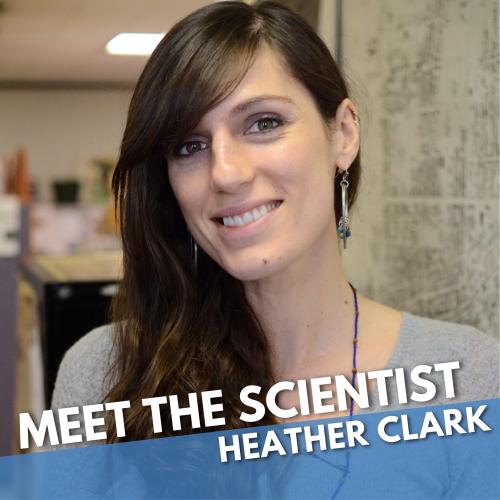
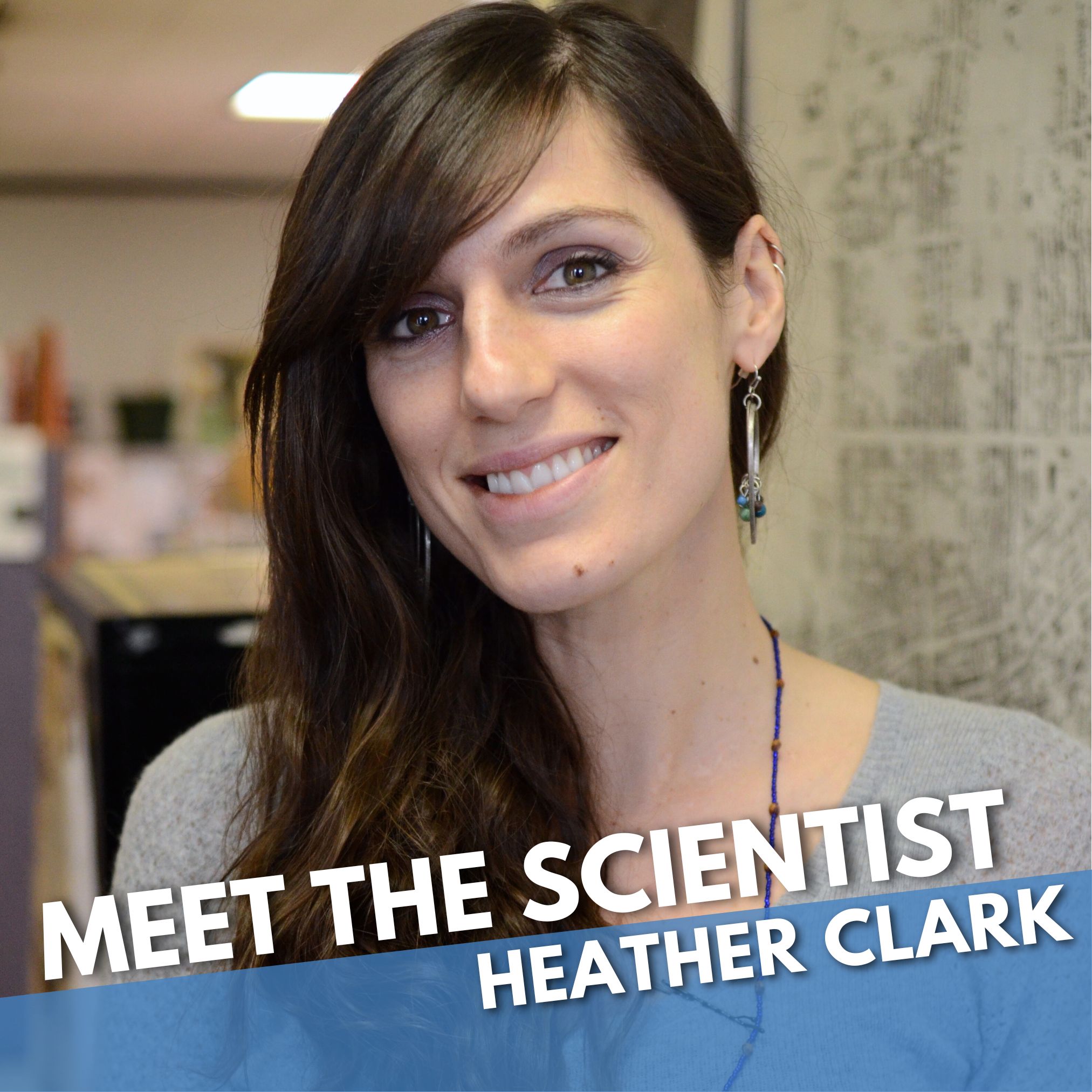
Join Heather Clark, CRSP Principal Investigator and CADD Specialist, for an informal “Meet the Scientist” tabling program featuring fascinating discoveries from the O’Donnell Site in Dutchess County. Heather will share a selection of historic ceramics recovered during excavation, highlighting the remarkable variety, craftsmanship, and stories these artifacts reveal about the past.
Drop by to view these objects up close, learn how they were identified and analyzed, and ask questions about the archaeological process to bring history back to light.
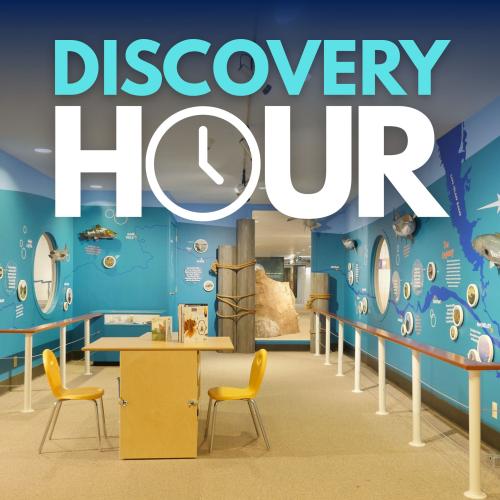
Join us for a one-hour drop-in session where objects, ideas, and questions come together. Get hands-on and see where your curiosity takes you—right inside the Museum’s collections and stories.
Featured Past Exhibit: Each One Inspired: Indigenous Art Across the Homelands
This contemporary art exhibition featured over 60 works from the NYSM Contemporary Indigenous Art Collection and was on view at the New York State Museum from September 5, 2023 to June 2, 2024. We invite you to explore a selection of the works below.
In 1996, the NYSM began an initiative to collect contemporary Indigenous artwork with the goal of creating an expansive and representative collection of Indigenous works by artists whose homelands lie within what is now New York.
The following artists are featured (in order of appearance in the exhibition):
Dawn Dark Mountain, Anthony Gonyea, Rose Kerstetter, Brenda Hill, Lydia Wallace-Chavez, Natasha Smoke-Santiago, Peter B. Jones, Raohserasawi Hemlock, Norman Jimerson, Carson Waterman, Samuel Thomas, Dan Hill, Luanne Redeye, Marjorie Skidders, Brandon Lazore, David Fadden, Larry Jacobs, Reva Fuhrman, Erin Lee Antonak, Tohanash Tarrant, Grant Jonathan, Bryan Printup, Rosemary Hill, Samantha Jacobs, Mary Jacobs, Carrie Hill, Rain Hill, Robin Lazore, Brooke Vandewalker, Ronni-Leigh Goeman, Stonehorse Goeman, John Fadden, Murisa Printup, Robert D’Alimonte, Noel Benson, Diane Schenandoah, Matilda Hill, Dorothy Printup Winden, Louise Henry, Sophronia Thompson, Penny Hudson, Ethyl Zomont, Angel Doxtater, Leah Shenandoah, Faye Lone, Niio Perkins, Isabella Thompson, Bruce Boots, Jeremy Dennis, G. Peter Jemison, David Martine, Jamie Jacobs, Ken D. Williams Jr., Orlando Dugi, Wilma Zumpano-Cook, Jay Havens, Ann Mitchell, Stan Hill Sr., Erwin Printup Jr., Hayden Haynes, Stan Hill Jr., and Karen Ann Hoffman, Margaret Jacobs, and Robert Griffing.
Erin Lee Antonak, OnΛyota’a:ka (Oneida Nation, NY)
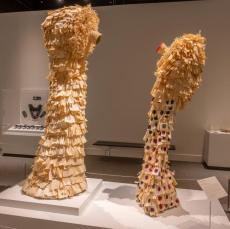
Erin Lee Antonak, OnΛyota'a:ka (Oneida Nation, NY)
Mom?, 2020-2021
Cornhusk, welded steel, muslin cloth
NYSM E-2023.5.1-2
Erin Lee Antonak grew up in a family of artists who sold craft and art pieces at pow wows, festival gatherings, and to museums. She became skilled at working with cornhusk, a material used by Haudenosaunee women for thousands of years, to make objects for everyday and ceremonial use. As a young adult, Erin faced a family emergency that required her to move home and take care of her mom and siblings. During that time, she found healing through creating works with cornhusk. Her artwork seeks to explore the connection between resilince, healing, and craftwork, as well as her own identity as an Oneida woman.
How do we activate our DNA to source resilience through craft? And how do we recognize our strength through craft?
New York State Museum, E-2023.5.1
Margaret Jacobs, Kanien’ kehá:ka, (Mohawk)
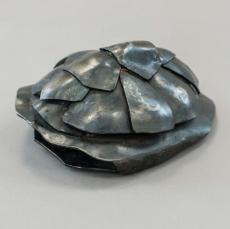
Margaret Jacobs, Kanien’keha, (Mohawk)
Shedding Armor, 2019
Pounded steel
NYSM E-2019.13
Margaret Jacobs, Kanien’keha, (Mohawk)
Shedding Armor, 2019
Pounded steel
NYSM E-2019.13
In my work, I am exploring the fragility and complexity of decay and growth in nature by creating organic imagery from steel, and the visual narratives in my work come from elements that are important to me personally, familiarly, and culturally. Shedding Armor speaks to the stability and adaptability of Turtle Island as well as alluding to its simultaneous need to be protected.
New York State Museum, E-2019.13
Jeremy Dennis, Shinnecock and Hassanamisco-Nipmuc
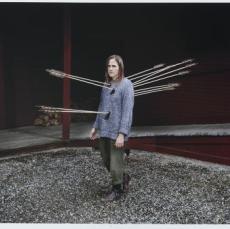
Jeremy Dennis, Shinnecock and Hassanamisco-Nipmuc
Nothing Happened Here #2, 2016
digital C-print
NYSM E-2016.44
Nothing Happened Here explores the violence/non-violence of postcolonial Native American psychology. My work is a reflection of my experience and observations in my community, the Shinnecock Reservation in Southampton, New York, and specifically the burden of loss of culture through assimilation, omission of our history in school curriculum, loss of land, and economic disadvantage.
The arrows act as a symbol of everlasting indigenous presence. The decision to use non-native subjects reveals a shared burden. How do we overcome this troubled past?
New York State Museum, E-2016.44
G. Peter Jemison, Onöndowa’ga:’ (Seneca)
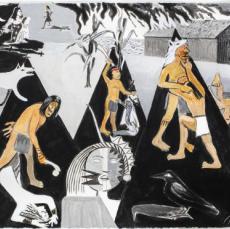
G. Peter Jemison, Onöndowa’ga:’ (Seneca)
1687 War (after Guernica), 2015
Acrylic, watercolor and pencil on hot press paper
NYSM E-2018.16
Ganondagan State Historic Site, where Pete Jemison was the site manager from 1985 to 2022, is located on what was once a Seneca village. In 1687, the French forces attacked the village. However, they were outsmarted by the Seneca who sent their women and children safely away and burned the remaining crops and longhouses before the French could destroy them. Jemison’s painting references Picasso’s Guernica (1937) to make a statement about the horrors of warfare.
New York State Museum, E-2018.16
Wilma M. Zumpano-Cook, Kanien’ kehá:ka (Mohawk)
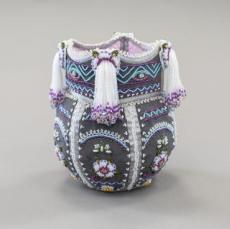
Wilma M. Zumpano-Cook, Kanien’ kehá:ka (Mohawk)
The Vessel, 2018
Glass vase covered with velvet and cotton fabric panels and embellished with glass beads
NYSM E-2019.15
This piece is inspired by Haudenosaunee pottery from the 1500s. This vessel is made of fabric panels and glass beads covering a glass vase that provides the form. The beadwork designs and techniques Zumpano-Cook uses were developed and continued to be used by Mohawk beadworkers in the 19th and 20th centuries.
New York State Museum, E-2019.15
Yaihra? tha? (Murisa Printup) and Rayekwiratkyehena:we:k (Robert D’Alimonte), Skarù:rę? (Tuscarora)
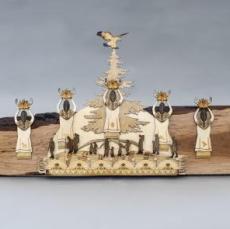
Yaihra? tha? (Murisa Printup) and Rayekwiratkyehena:we:k (Robert D’Alimonte), Skarù:rę? (Tuscarora)
Skarù:rę? Seeking Peace, 2018
White pine plaque with bas relief
New York State Museum, E-2019.17
In August 2018, the Great Law Recital was hosted by the Tuscarora Nation. By all accounts, this was the first time this had been done since we made the migration up north in the early 1700s to join our brothers and sisters among the Haudenosaunee Confederacy.
During the early 1700s, as colonists were encroaching on our land, a war broke out. We lost nearly 1,000 men, women, and children. Our ancestors headed north to seek peace among the Haudenosaunee—people we lived with about 1,300 years before.
We have lived as the Sixth Nation of the Haudenosaunee Confederacy to this day.
The recital of the Great Law is an event for Haudenosaunee people. The responsibility of hosting the gathering rotates throughout the different Haudenosaunee Nations. The gathering includes leaders and knowledge keepers reciting and sharing oral histories, teachings, and philosophies in Haudenosaunee languages.
Inspired by this historic event, Yaihra? tha? and Rayekwiratkyehena:we:k collaborated to create this piece. It depicts a number of key events: the Tuscarora Migration, the Tuscarora Taken-In Belt, the Great Tree of Peace, and the seven Tuscarora Clans. The Clan Mothers, each holding a gustoweh, are shown raising up their chiefs under the Tree of Peace.
New York State Museum, E-2019.17
Diane Schenandoah, Honwadiyenawa’sek (One Who Helps Them), OnΛyota’a:ka (Oneida Nation, NY)
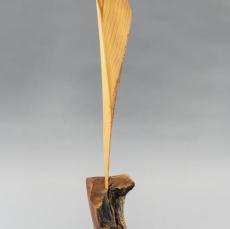
Diane Schenandoah, Honwadiyenawa’sek (One Who Helps Them), OnΛyota’a:ka (Oneida Nation, NY)
Our Grandfathers–The Thunderbeings, 2019
White cedar and Texas mesquite
New York State Museum, E-2019.19
This sculpture honors Yothihsótha (Our Grandfathers) Latihsakayu∙téhseˀ (The Thunderers). In Haudenosaunee creation narratives, the Thunderers bring the gift of rain to the Earth and all living creatures. Their presence signals the beginning of spring.
New York State Museum, E-2019.19
Karen Ann Hoffman, OnΛyota’a:ka (Oneida Nation, WI)
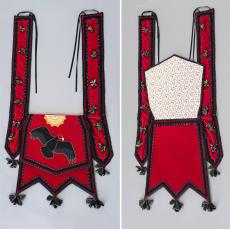
Karen Ann Hoffman, OnΛyota’a:ka (Oneida Nation, WI)
Bernard the Buzzard Bag, 2018
Velvet, calico cloth, glass beads, 14k seed beads, ribbon, whitetail deer toes
NYSM E-2019.18
Hoffman is the recipient of a 2020 National Heritage Fellowship from the National Endowment for the Arts. Her work is represented in private collections and museums across the country, including here at the State Museum, the Smithsonian National Museum of the American Indian, the Field Museum, and the Iroquois Indian Museum.
New York State Museum, E-2019.18
Office of Cultural Education Unveils Statewide Learning Tools for Revolutionary War Commemoration
Free Resources Support Classrooms, Libraries, and Cultural Institutions Across New York State
The New York State Education Department’s Office of Cultural Education is launching a dynamic suite of new educational resources to commemorate the 250th anniversary of America’s founding. Contributions from the New York State Museum, Library, and Archives draw from themes developed by the New York State 250th Commemoration Commission to provide teachers, schools, and cultural institutions with resources to support meaningful engagement with the anniversary through 2033 and beyond.
Chancellor Lester W. Young, Jr. said, “As we commemorate the 250th anniversary of our nation’s founding, we have the opportunity to honor New York’s State pivotal role in its creation while also deepening our understanding of the many stories that shaped our democracy. This milestone serves as an important moment to reflect on our country’s past by amplifying voices and perspectives that have too often been overlooked. Through these new resources, we invite all New Yorkers to engage with the past in ways that inspire thoughtful dialogue, broaden perspectives, and strengthen our collective future.”
State Education Commissioner Betty A. Rosa said, “This vast collection of educational resources provides educators with powerful tools to help bring history to life, while inviting students to explore this commemoration in ways that are engaging, thoughtful, and inclusive. Thanks to the diligent work of our State Museum, Library, and Archives, New Yorkers have access to materials that not only illuminate the past 250 years, but also inspire critical thinking about our nation’s future. We encourage students to honor this historical moment by asking questions, considering multiple perspectives, and creating space for meaningful reflection in the ongoing pursuit of a more just and equitable society.”
The six interpretive themes identified by the NYS 250th Commemoration Commission are Indigenous History is New York’s History, Choose Your Side, Power of Place, We the People, Unfinished Revolutions, and Changing Interpretations of the Revolution.
(518) 474-1201
Press@nysed.gov
www.nysed.gov
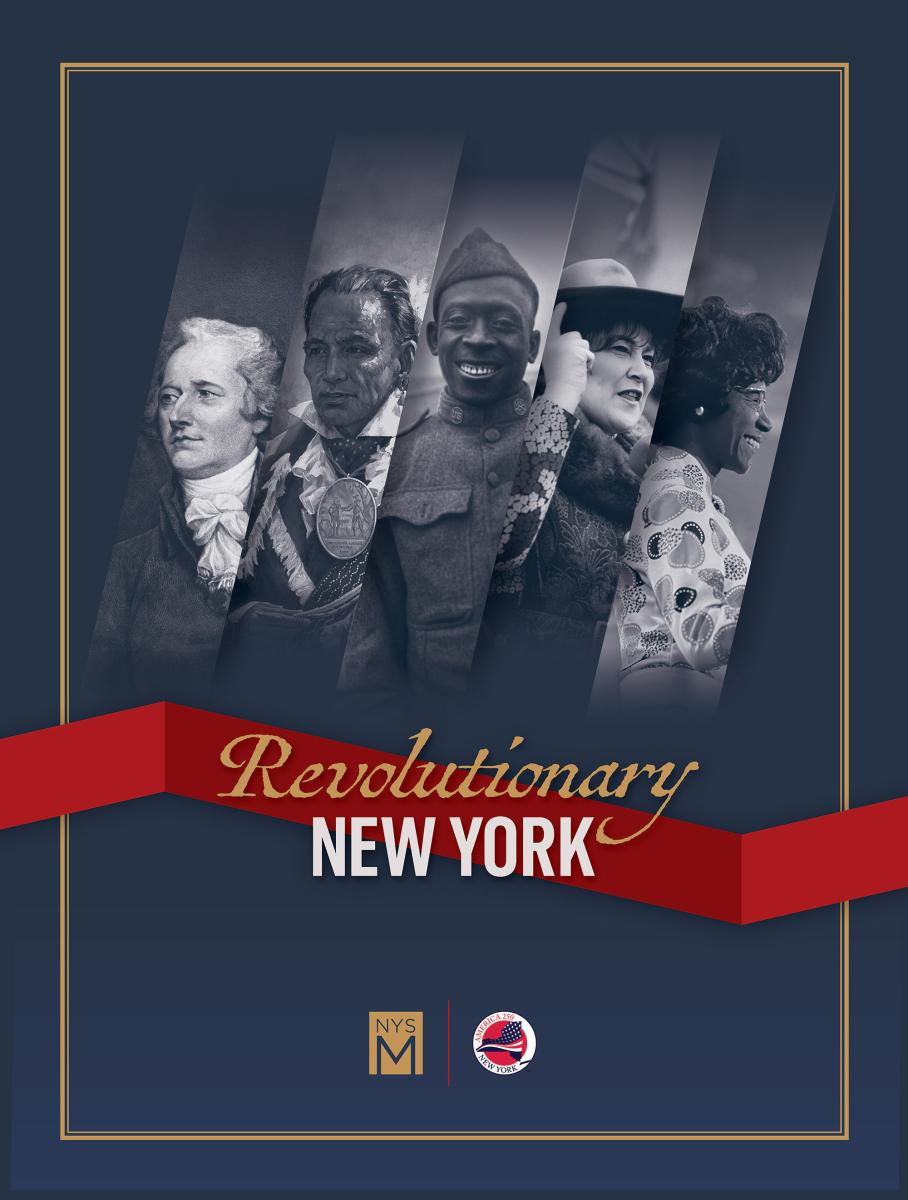
New York State Museum Panel Exhibition: Revolutionary New York
The story of New York’s role in the fight for independence is brought directly to cultural institutions through this carefully curated eight-panel display. The exhibition explores key moments from 1775 to the present, including the Battles of Saratoga, the birth of the women’s suffrage movement in Seneca Falls, the Stonewall Uprising, emancipation and the Underground Railroad, and statewide marriage equality. It features relevant documents, artifacts, and photographs that will also appear in the Museum’s upcoming exhibition, opening this summer.
Designed for audiences unable to travel to the Museum, the display honors the New Yorkers who have worked over the past 250 years to make the promises of the Declaration of Independence a reality.
High resolution digital files are available at no cost, but venues are responsible for printing and mounting the panels at their own expense. Interested institutions should contact the New York State Museum by emailing nysmhistory@nysed.gov.
New York State Library Resource Guide: New York at 250
Celebrate history in your own backyard with the help of this comprehensive guide from the New York State Library. New York at 250: A Resource Guide for Public Libraries and Partners provides a practical framework, offering information and support materials for libraries and cultural institutions interested in developing public programs for the 250th commemoration.
Organized into three sections, the guide provides best practices, showcases examples of programs aligned to each of the six interpretive themes, and offers ways to stay connected. Turnkey event ideas are categorized by time commitment, making it easy for organizations of all sizes to find options that fit their capacity.
The guide is available as a downloadable PDF on the New York State Library’s website.
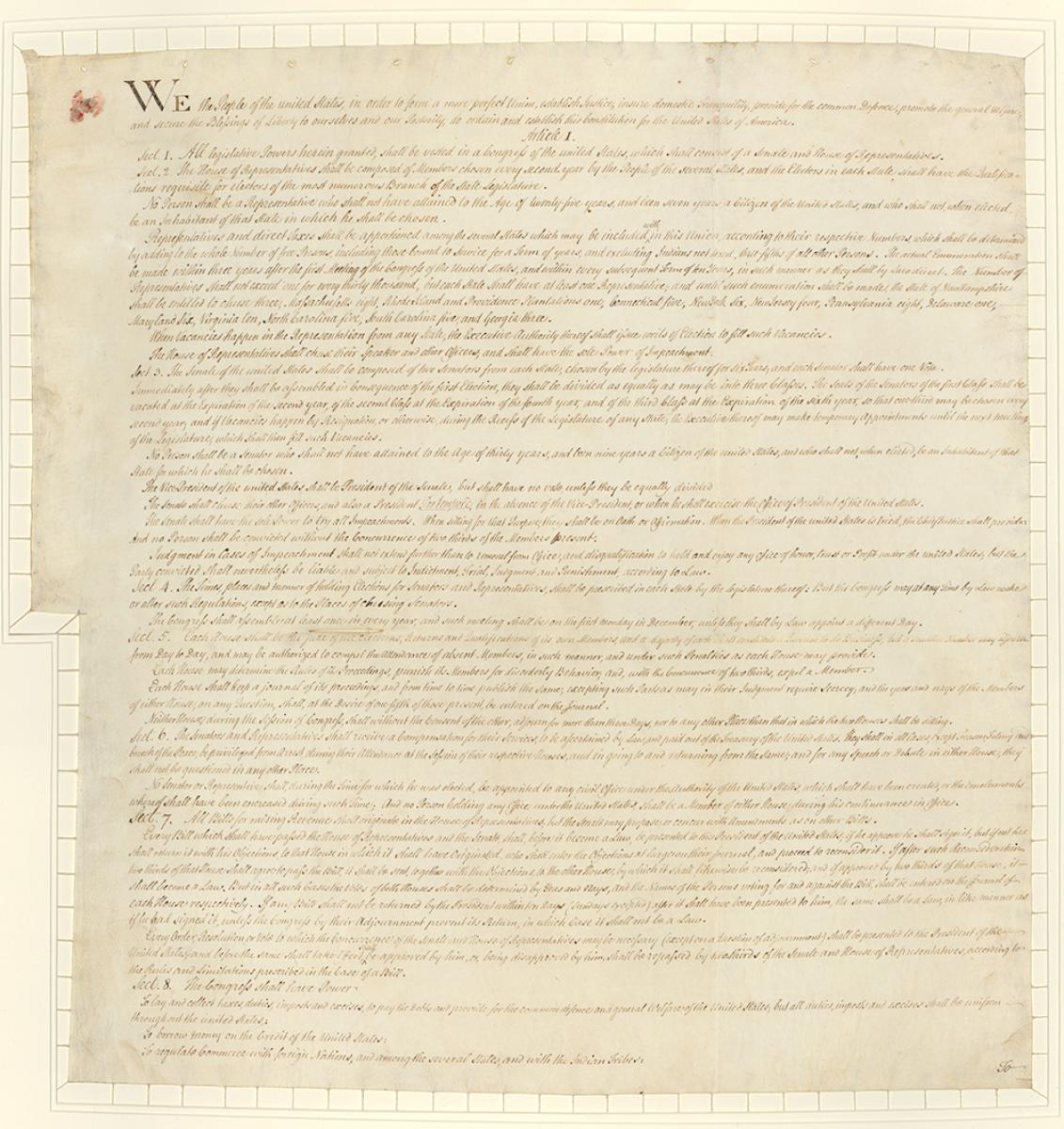
New York State Archives: Freedom Train Documents
In 1949 and 1950, the New York State Freedom Train, inspired by the national Freedom Train, carried 83 documents from New York’s history to cities and towns statewide. These records are now available in digital format thanks to the New York State Archives Partnership Trust, giving educators, researchers, and the public direct access to materials that have shaped our lives.
Documents include the Flushing Remonstrance, a draft of the Emancipation Proclamation handwritten by President Abraham Lincoln, and an engrossed copy of the United States Constitution ratified by the New York State Convention in 1788.
The documents, alongside accompanying learning activities, are available as part of the New York at 250 Resources for Educators on ConsidertheSourceNY.org. There, you can also find additional educational resources, including Revolutionary War themed articles from New York Archives Magazine and New York Archives Jr!, the New York State 250th Commemoration Field Guide, and sample learning activities for each interpretive theme.
About the Office of Cultural Education
Established in 1836, the New York State Museum is the oldest and largest public museum in the United States. Home to leading scientists, historians, archeologists, and anthropologists, its collections represent the State’s rich cultural and natural heritage from the past and present, including a staggering 20+ million artifacts spanning 1.1 billion years ago to today. Located at 222 Madison Avenue in Albany, the Museum is open Tuesday through Sunday from 9:30 a.m. to 5 p.m. It is closed on the Fourth of July, Thanksgiving, Christmas, and New Year's Day. Admission is free. For additional information, visit the New York State Museum website and subscribe to our newsletter.
The New York State Library, established in 1818, is the largest state library system in the nation and one of the largest research libraries in North America. It oversees a vast network of more than 7,000 libraries statewide. Collections are made available onsite and through a robust interlibrary loan program. The Library’s mission is advanced through several key divisions, including the Research Library, which houses a collection of over 20 million items, the Talking Book and Braille Library, and the Division of Library Development. The Library preserves and maintains invaluable historical collections and works, and serves as a Regional Depository for federal publications. Additionally, the State Library is the official repository of New York State government publications, ensuring their enduring preservation and accessibility for future generations. For more information, please visit the New York State Library website and subscribe to our monthly newsletter.
Established in 1971, the New York State Archives has amassed one of the most extensive and historically significant state archive collections in the nation. The Archives manages, preserves, and provides open access to over 270 million colonial and New York State records dating back to the 1630s. In addition, the Archives provides records and archival management services to nearly 4,500 counties, cities, towns, villages, school districts, and other local governments across New York State. The Archives offers technical assistance, training, and grants to non-government repositories through the Documentary Heritage Program and Documentary Heritage and Preservation Services for New York (DHPSNY). Researchers can access public records through the Archives’ online Digital Collections or by appointment on the 11th floor of the Cultural Education Center. For more information, please visit www.archives.nysed.gov.
The Archives Partnership Trust, a 501(c)3 organization, works to advance New York State History by making the voices within over 350 years of records accessible, relevant, and heard. Education, preservation, and outreach programs unite scholars, students, and the interested public in the discovery, interpretation, and promotion of our shared history. Programs created and supported by the Trust include: ConsidertheSourceNY.org; Larry J. Hackman Research Residency Program; Student Research Awards; countless preservation projects to help stabilize and rehabilitate fragile records; and outreach programs such as New York Archives Magazine, the Empire State Archives and History Award, and other public education programs. Subscribe to our newsletter to receive timely updates.
The State Museum, State Library, and State Archives are programs of the New York State Education Department’s Office of Cultural Education. Further information about programs and events can be obtained by calling (518) 474-5877 or by visiting the Office of Cultural Education website.
###
Created by Tony Award winner Shaina Taub, this musical recorded from Broadway tells the story of the American suffragist movement and the remarkable friendships, heartbreak, and action that brought women together or, in some cases, tore them apart. The ensemble cast features Taub as Alice Paul, Tony winner Nikki M. James as Ida B. Wells, Tony nominee Jenn Colella as Carrie Chapman Catt, and Grace McLean as President Woodrow Wilson.
Premieres Friday, May 8, 2026, at 9 p.m. on PBS, PBS Great Performances and the PBS app. This special preview is presented courtesy of The WNET Group and WMHT Public Media.
Free and open to the public, but registration is required. Questions? Email: lwvac@lwvalbany.org.
Cosponsored by the Leagues of Women Voters of Rensselaer, Saratoga, and Schenectady Counties.
Registration Recommended: https://lwvalbany.org/
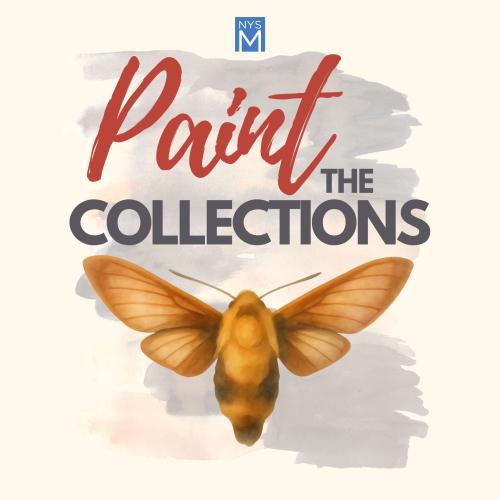
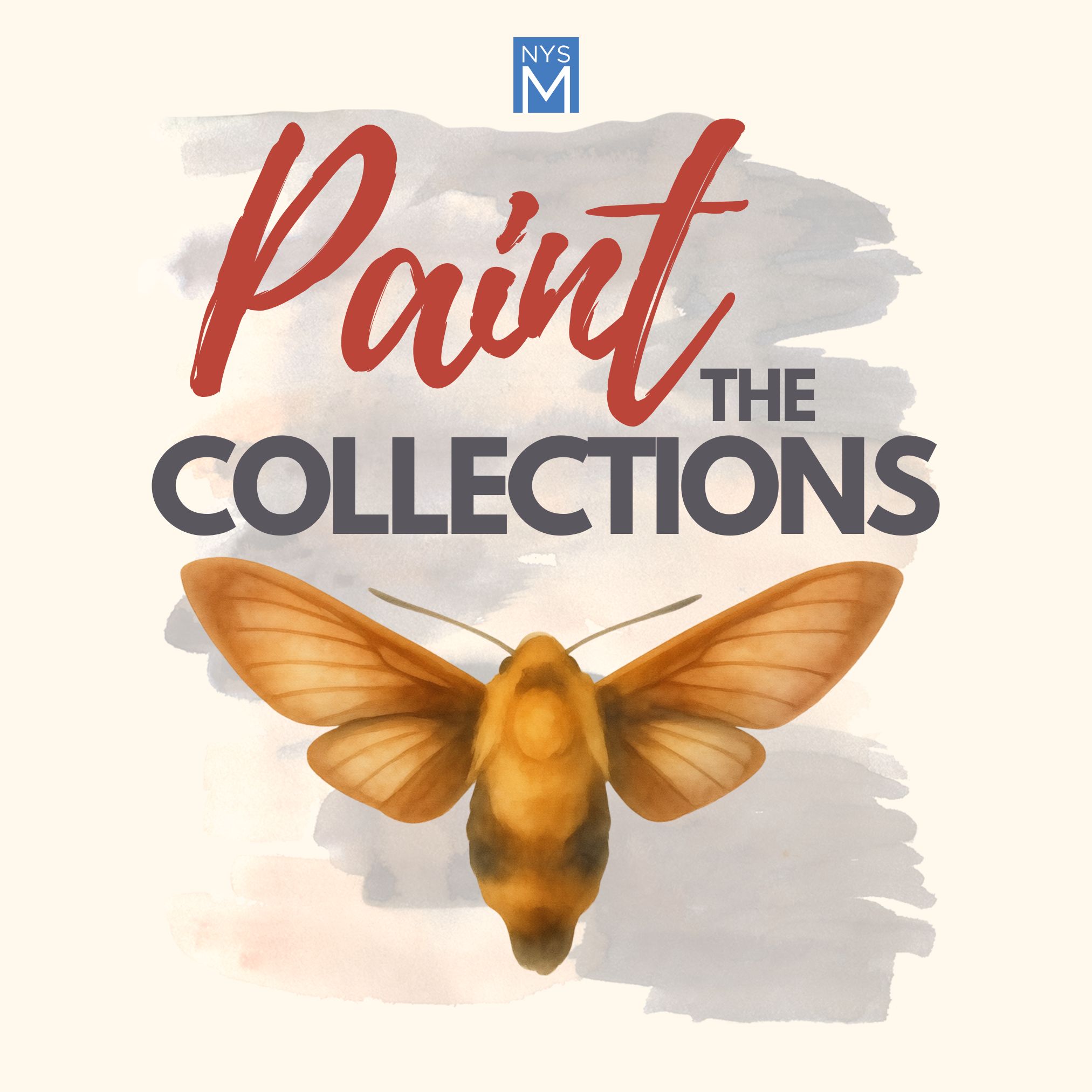
Join us for a hands-on creative experience inspired by the natural world! In this unique session, participants will get an up-close look at insect specimens from the New York State Museum’s collections and learn directly from State Entomologist Dr. Timothy McCabe. Discover the fascinating details of form, color, and structure before translating what you see into your own artwork. After an engaging introduction to the specimens, artist and educator Audrea Din will guide a short demonstration on color mixing and shadow techniques to help bring your subjects to life. Then, it’s your turn—experiment with watercolor and/or gouache as you create your own insect-inspired masterpiece. We’ll wrap up by gathering for a friendly group critique, where participants can share their work, exchange ideas, and celebrate the creative process.
All materials are provided—just bring your curiosity and creativity! Open to participants ages 13+.
(4) Spots have reopened!
Register Here for Paint the Collections
Celebrate the New York State of Poetry! Student poets from the region will share their poems at a special poetry reading for New York State of Poetry, a program developed by Teachers & Writers Collaborative in partnership with the New York State Council on the Arts. Fifty-nine high schools from across New York State—representing more than 5,000 students—registered for the program. Students explored a curated collection of classic and contemporary poetry, including works by New York State Poet Laureates, and then wrote their own original poems in response. Student poems are published in the 2026 New York State of Poetry anthology.
This event will be hosted by Mary Panza who has been a mainstay of the Albany poetry scene since 1988. She was the host of the long-running Poets Speak Loud open mic series.
Register Here (Recommended) for New York State of Poetry
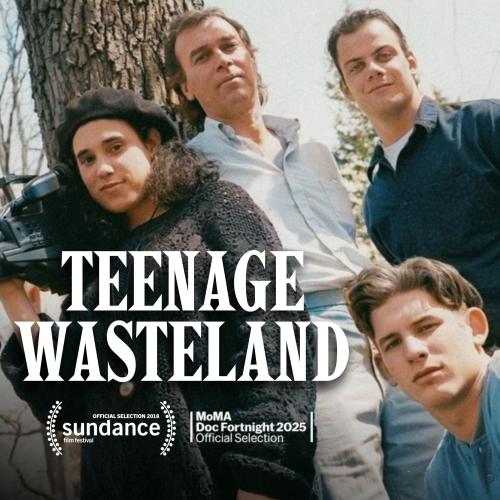
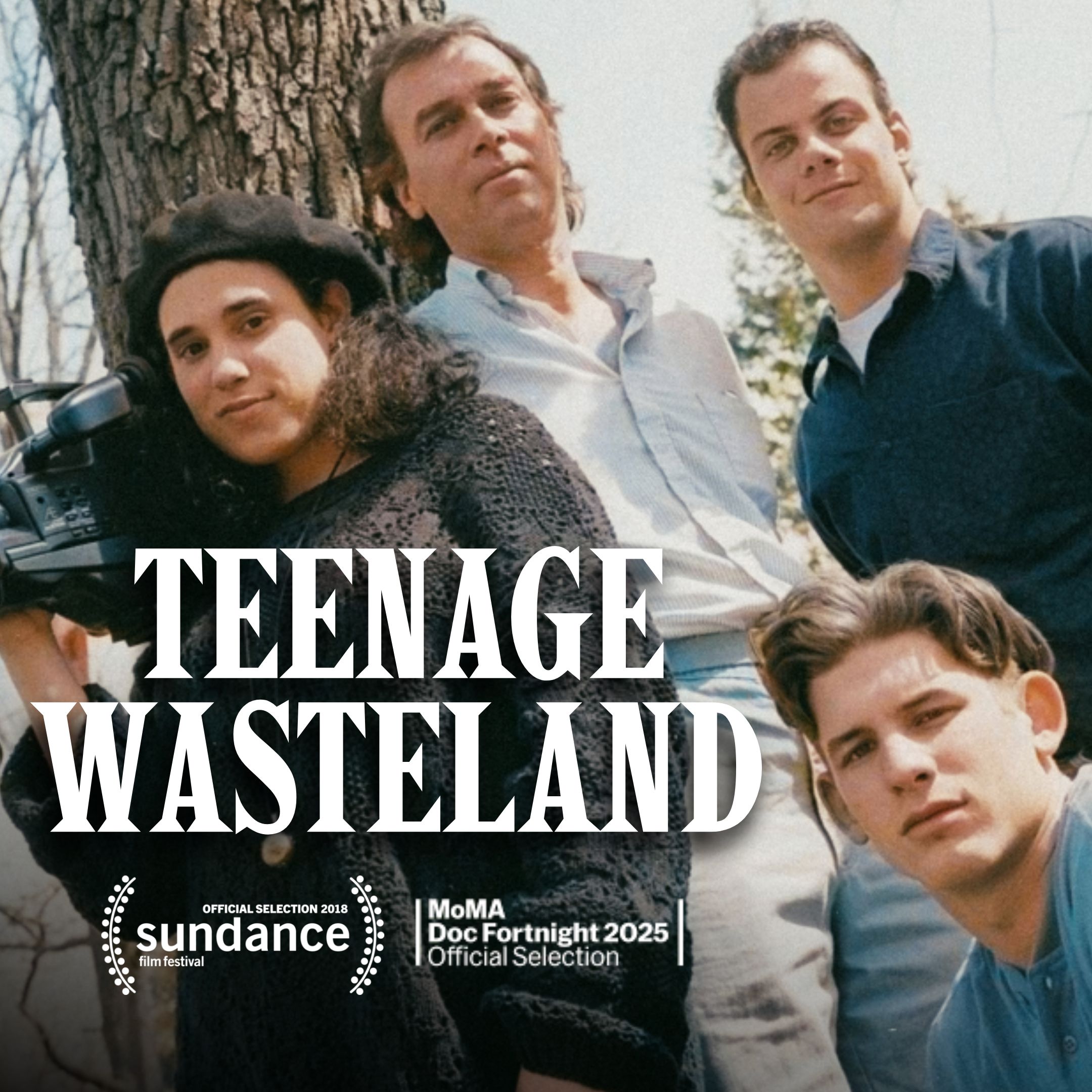
Join Senator Michelle Hinchey and Assemblymember Emily Gallagher for a free screening of the acclaimed documentary film, Teenage Wasteland, 2025 Sundance Film Festival Official Selection and New York Times Critic's Pick. The screening will be followed by a live Q&A with Director Jesse Moss and film subject Fred Isseks.
About the documentary:
Middletown, New York. 1991. Renegade English teacher Fred Isseks sends his students out on a film assignment that exposes a web of toxic dumping, political corruption, and environmental injustice hiding in plain sight. Teenage Wasteland is a coming-of-age story based on exclusive access to hundreds of hours of candid, humorous, and nostalgic footage, and the cooperation of Fred Isseks and his intrepid students as they reckon—30 years later—with a life-defining event and a remarkable story of civic courage. Their story is a testament to speaking truth to power and a reminder that the fight for environmental justice in America and across New York is far from over.
New Divisions of Ancient Geologic Time
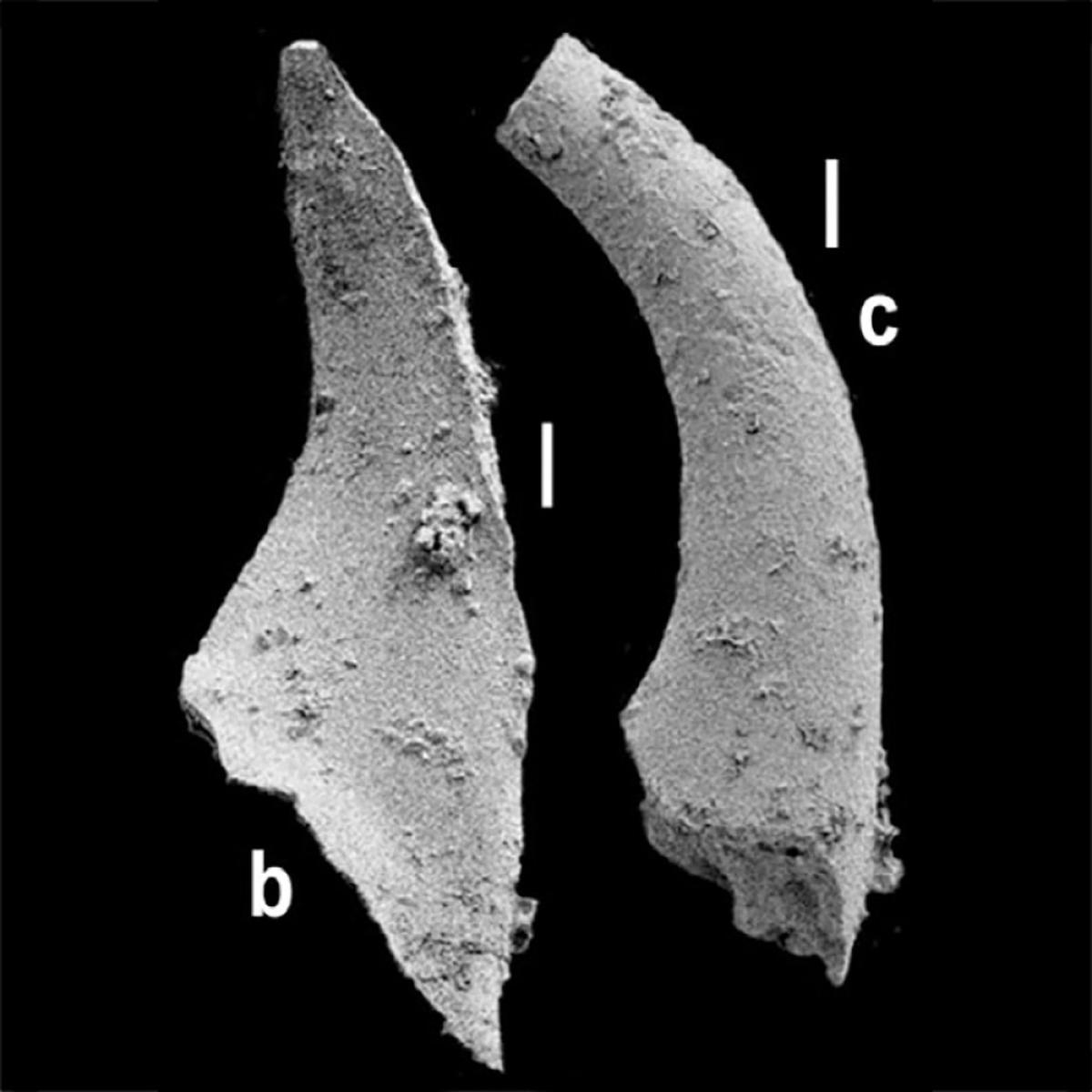
Tooth-like microfossils of the conodont animal Eoconodontus notchpeakensis (scale bars 0.05 mm) from quarry near Whitehall, eastern New York.
Research by Dr. Ed Landing, New York State Paleontologist, emeritus, with the New York State Museum has led to global subdivisions of the Cambrian Period that are used in geology textbooks. The Cambrian (538–497 million years ago) is a key interval in geological time as it featured an evolutionary explosion of multicellular organisms and the origin of modern marine animal groups.
In February 2026, the Cambrian Subcommission (CS) of the International Union of Geological Scientists (IUGS) accepted a proposal made by Landing at a 2010 scientific meeting in Prague. He defined the base of the uppermost Cambrian subdivision at the lowest occurrence (LO) of fossils of a fish-like animal called Eoconodontus notchpeakensis (see figure). The IUGS favored this global horizon, which is right below a major change in oceanic carbon isotope values, over the LO of a trilobite-like form favored by Chinese paleontologists. This uppermost Cambrian subdivision is a ca. 2.7 m.y. interval based on Landing’s precise uranium-lead age dating of ancient volcanic ashes in Wales in the 1990s and revised in 2025.
Other Cambrian subdivisions accepted by the IUGS include Landing as co-author (1987, accepted 1992) of the global standard for the base of the Cambrian. This standard in a sea cliff exposure in SE Newfoundland, Canada, was favored over competing Russian and Chinese proposals that proved to be significantly younger. Landing (2007) named the lowest major divisions of the Cambrian (the Terreneuvian Series with a lowest Fortunian Stage). In 2019, he and co-researchers determined a ca. 519 m.y. uranium-lead age on the top of the global Terreneuvian (which is about the age of the oldest trilobites) based on field work in southern Morocco. Most recently (January 2026) he proposed to the CS, with Drs. Damien Pas, Liège University, Belgium, and Gerd Geyer, Universität Würzburg, Germany, standards for the top of the Terreneuvian based on the peak of a carbon isotope excursion determined at his field areas in Morocco and Siberia.
Join us for a fun-filled STEAM Sundays adventure as we blast off into space science! 🚀✨
We’ll start by meeting Dr. Andrew Clift, Curator of Bedrock Core at the New York State Museum, who will help us uncover the mysteries of meteorites, micrometeorites, and how space rocks teach us about our solar system.
Then it’s your turn to become a space explorer! With educator Venu Toolaram, families will jump into a hands-on creative activity to design and build their own solar system models using colorful materials, imagination, and a little bit of cosmic inspiration. Get ready to learn, create, and explore the universe.
No spaceship required, but *registration is!
*Our apologies, but registration is now full.
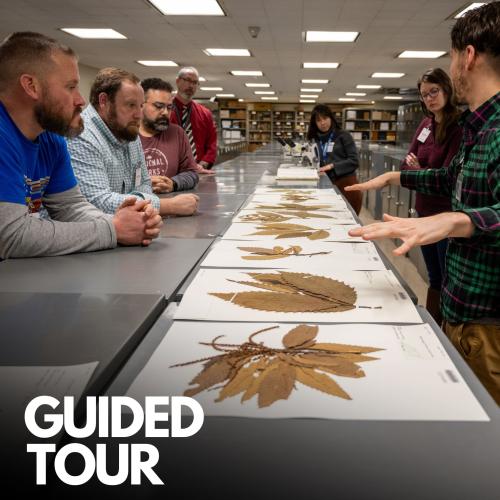
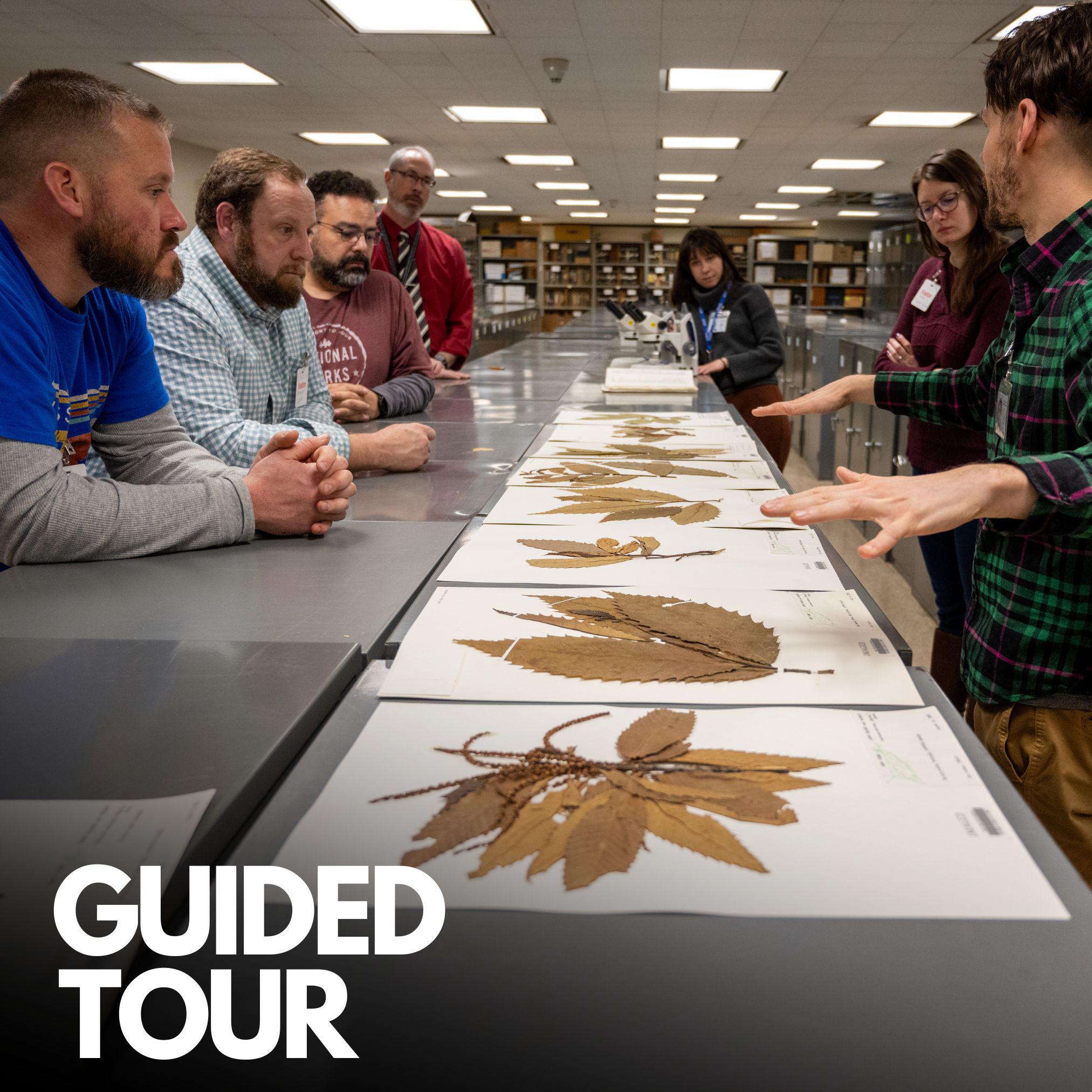
Go behind the scenes with Dr. James C. Lendemer, Curator of Botany at the New York State Museum, for a guided tour of the Museum’s historic herbarium. Explore collections, learn how they’re preserved and studied, and discover how these specimens help scientists track environmental change and biodiversity across New York and beyond.
Capacity is limited; *registration is required.
*Our apologies, registration is now full.
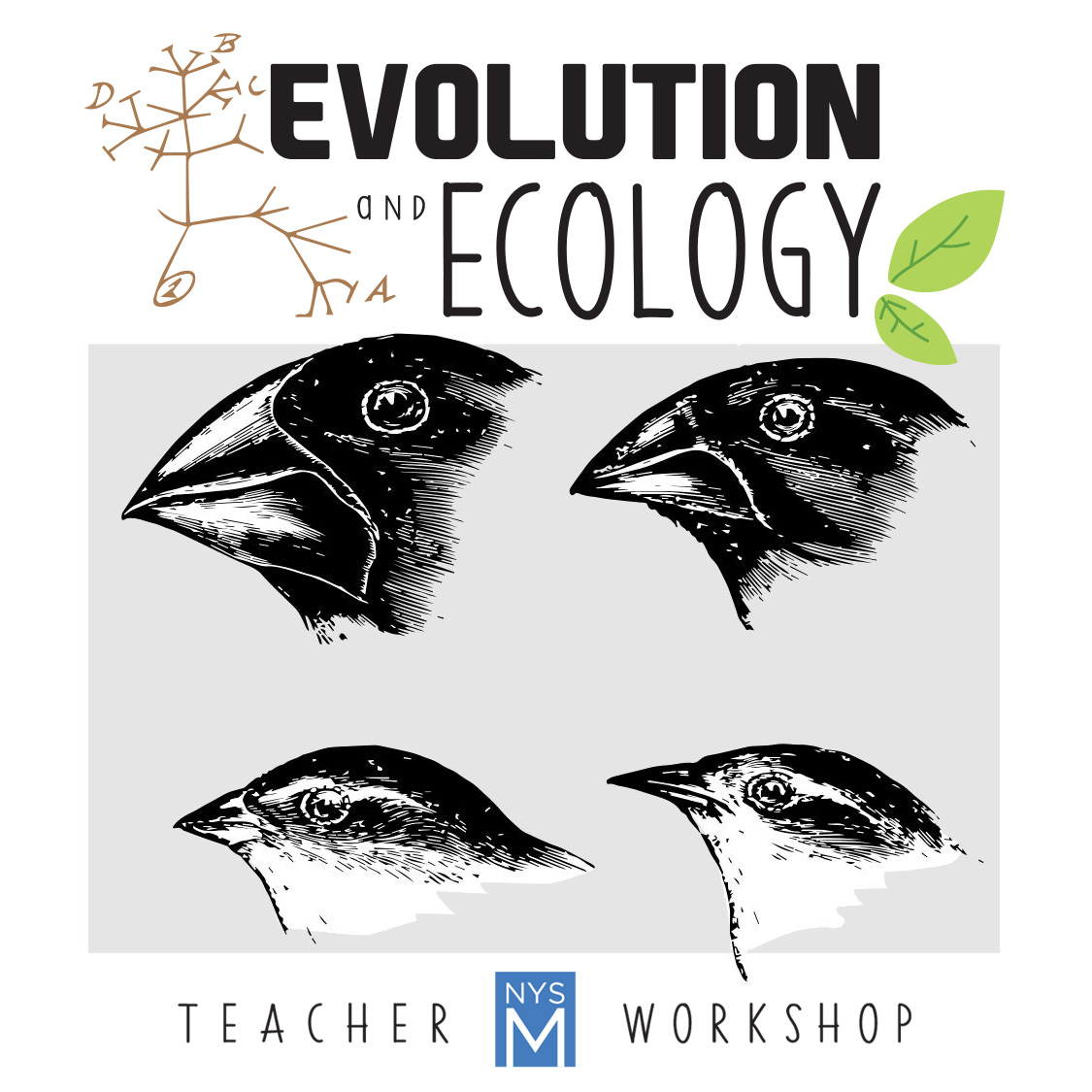
The 2025 Evolution and Ecology Teacher Workshop is a one-day hybrid program held at the New York State Museum on Wednesday, January 29th, 2025. The workshop will focus on hidden stories from the collections and is a professional development opportunity for science teachers, especially those who teach biology and environmental science to middle and high school students. The workshop is presented by PhD-level State Museum scientists, including Director of Research and Collections Robert Feranec, Curator of Mycology Patricia Ononiwu Kaishian, Curator of Botany James Lendemer, Curator of Birds and Mammals Jeremy Kirchman, Curator of Malacology-Director of Museum’s Field Research Laboratory Denise Mayer, Curator of Entomology Timothy McCabe, State Paleontologist- Curator of Invertebrate Paleontology Lisa Amati, and Curator of Ichthyology Jeremy Wright.
Teachers will have the opportunity to earn eight CTLE clock hours by completing the workshop. They will gain valuable insight into the forefront of scientific research, highlighting hidden stories in ecology and evolution from within the museum collections. The workshop is aligned with specific NYS P-12 Science Learning Standards.
Registration and Contact Information
In-person participation is limited to the first 50 individuals.
Register:
https://forms.office.com/r/vEQcgctQc1
Contact:
nysmeducation@nysed.gov
Cost: Free
Join us for Women of Science, a free, family-friendly event celebrating female scientists and their contributions to a wide range of scientific fields. Visitors of all ages will have the opportunity to meet inspiring women scientists from the New York State Museum’s Division of Research and Collections and other local scientists, learning about their disciplines, current research projects, and collections.
The day’s schedule features hands-on educational activities, tabling activities with participating scientists, brief science talks, and several interactive “Ask a Scientist” panels for families with younger children, teens, and adults. Don't miss this chance to discover the exciting world of science and gain insight from the women shaping its future!
The 2025 DH Cadwell Teacher Workshop, will be a one-day hybrid program held at the New York State Museum on Saturday, March 1, 2025. The workshop is a professional development opportunity for science teachers, especially those who teach Earth Science/Physical Setting to middle and high school students. The workshop is presented by PhD-level Museum scientists—research experts in the fields of Geology, Earth Science, and Paleontology.
Participants are immersed in information and hands-on activities in geology and paleontology and will have the opportunity to earn eight CTLE clock hours. The workshop provides an informal setting for learning through interaction between earth science teachers and research experts, through which participants will have the opportunity to expand their knowledge of New York-specific topics; refine their observational and interpretive skills; and inquire, formulate, and test their scientific practices and applications.
The workshop is aligned with specific NYS P-12 Science Learning Standards and Regents Exams in Earth and Space Sciences.
Registration
In-person participation is limited to the first 50 individuals.
Register:
https://forms.office.com/r/VnZuSwev7m
Contact:
nysmeducation@nysed.gov
Cost: Free
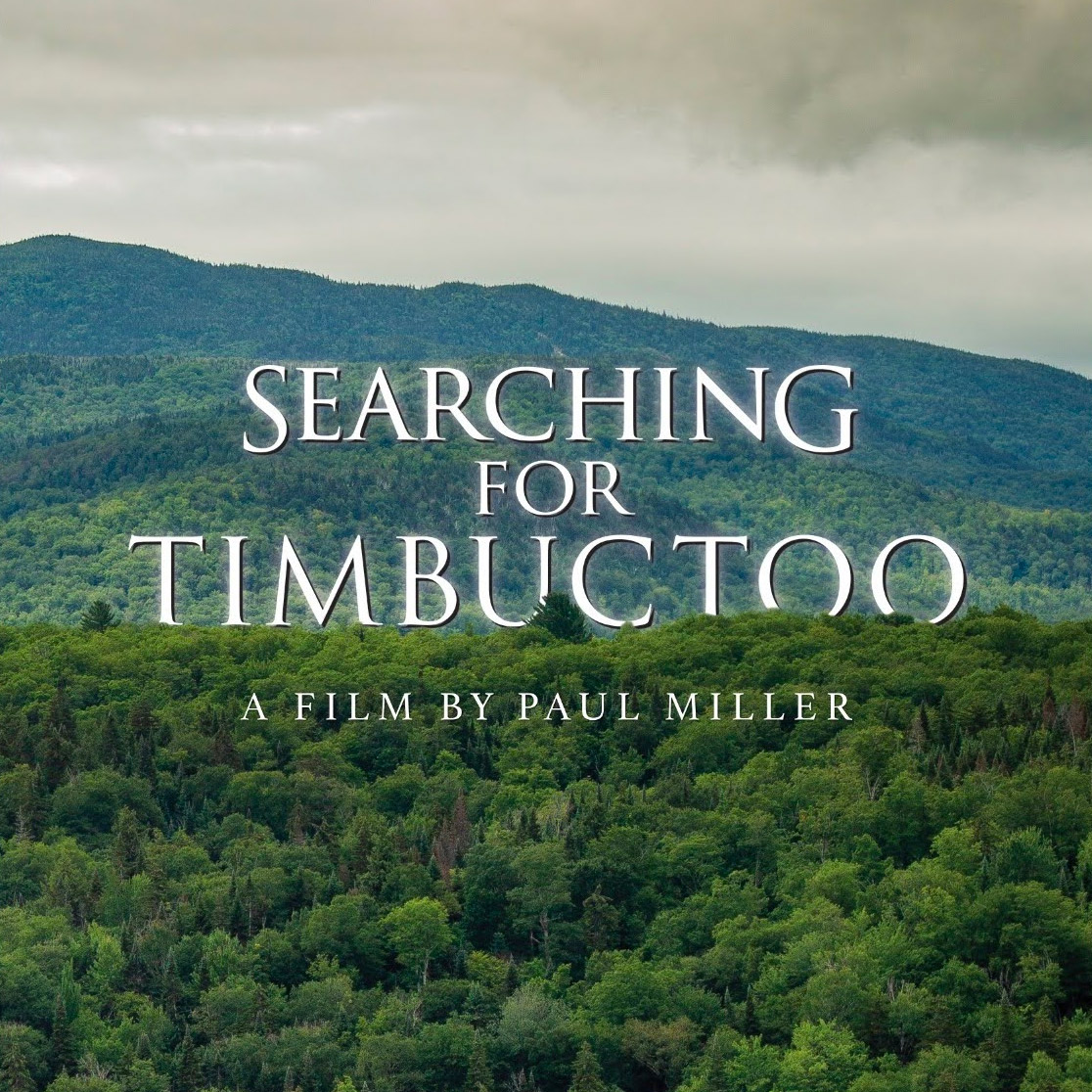
Join New York State Archivist Brian Keough for an in-person viewing of WMHT’s short film, In Search of Timbuctoo, followed by a Q&A with filmmaker Paul Miller. On display for one day only, the 1846 Receipt Book of Land Grants from Gerrit Smith documents 3,000 deeds granted to African Americans and poor white people giving them the wealth needed to have the right to vote in New York. Before or after the program, be sure to visit the State Museum’s exhibit, Timbuctoo: Gerrit Smith’s Experiment, in Adirondack Hall.
Also featured are Treasures from the State Archives: Gerrit Smith 1846 Receipt Book display and the State Museum’s exhibit: Timbuctoo: Gerrit Smith’s Experiment.
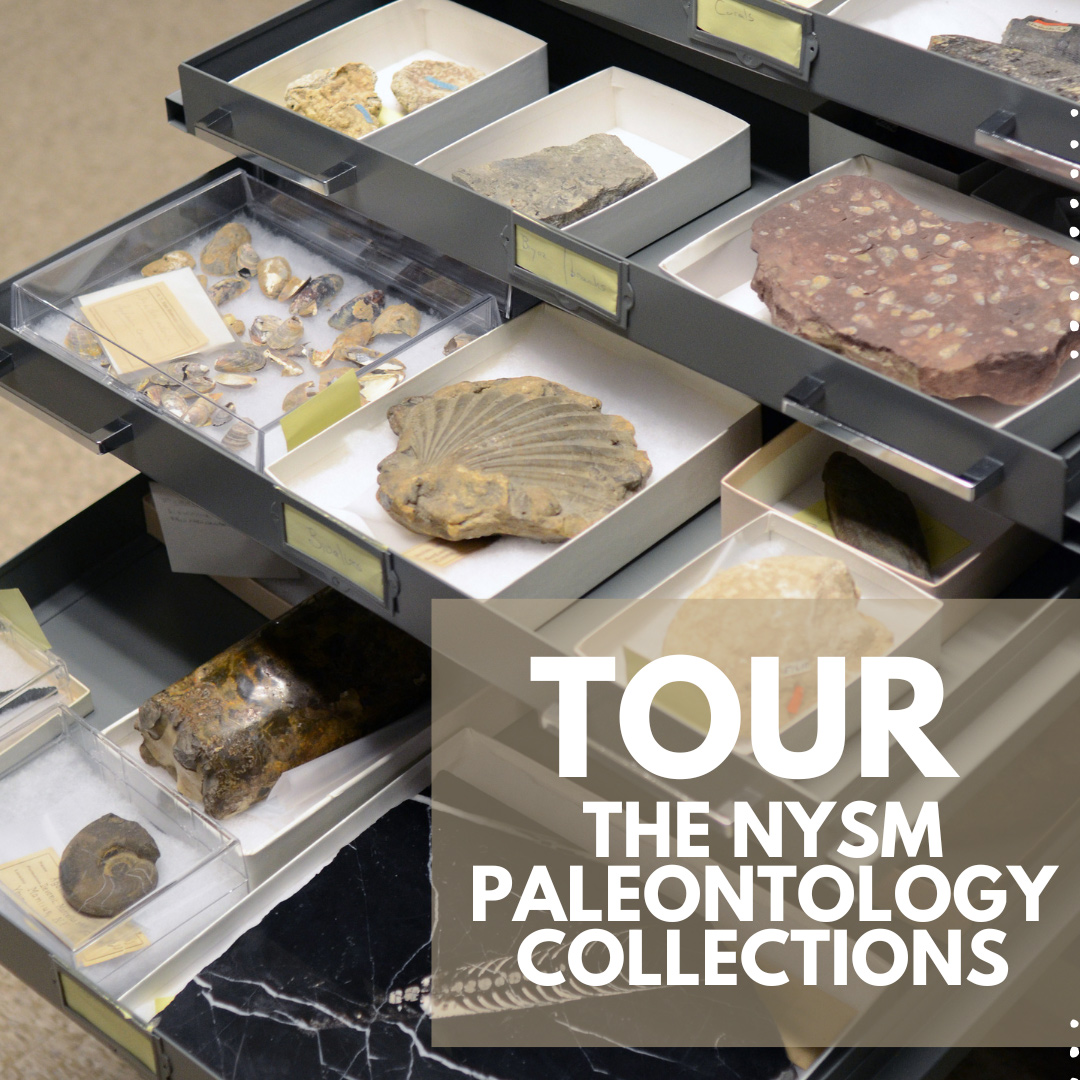
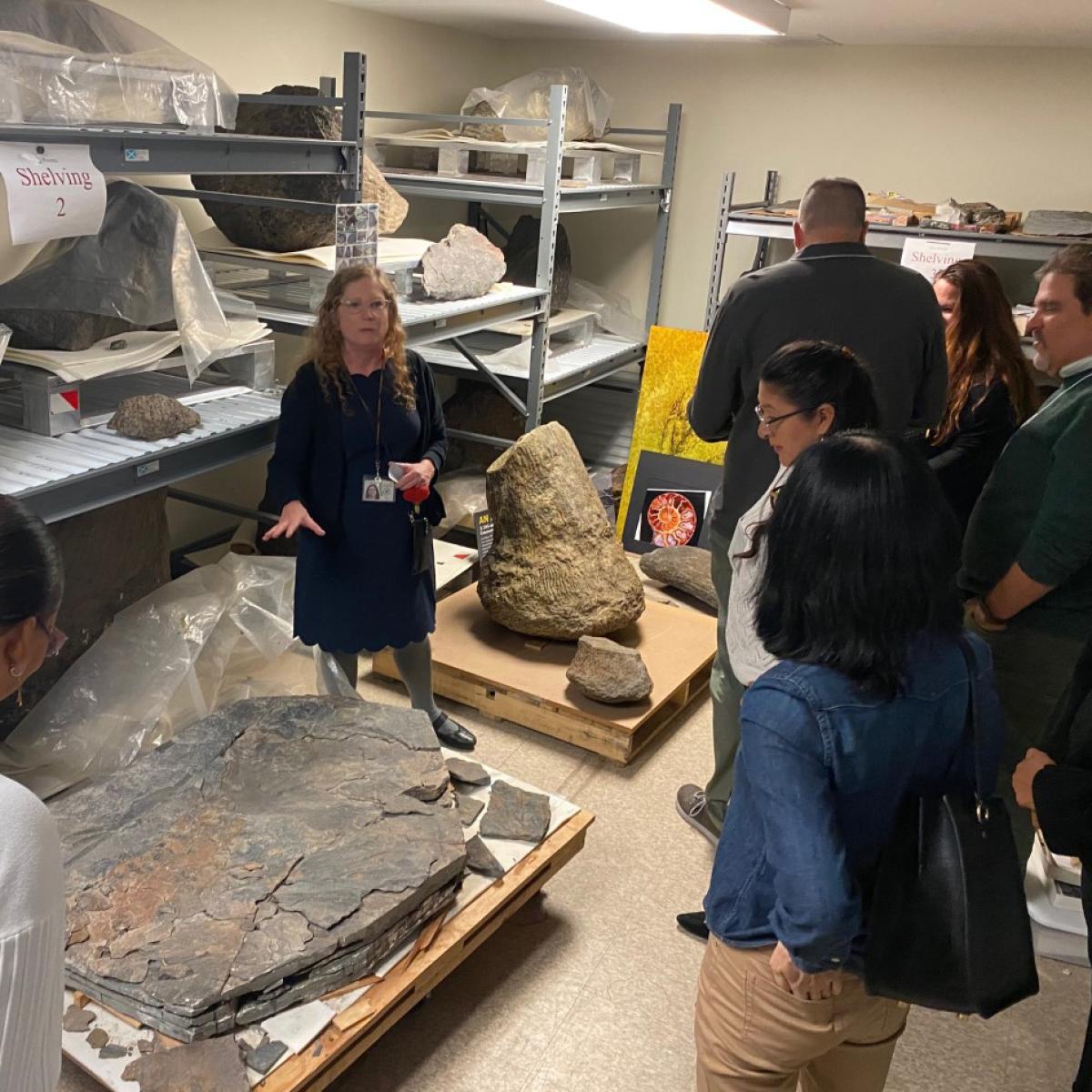
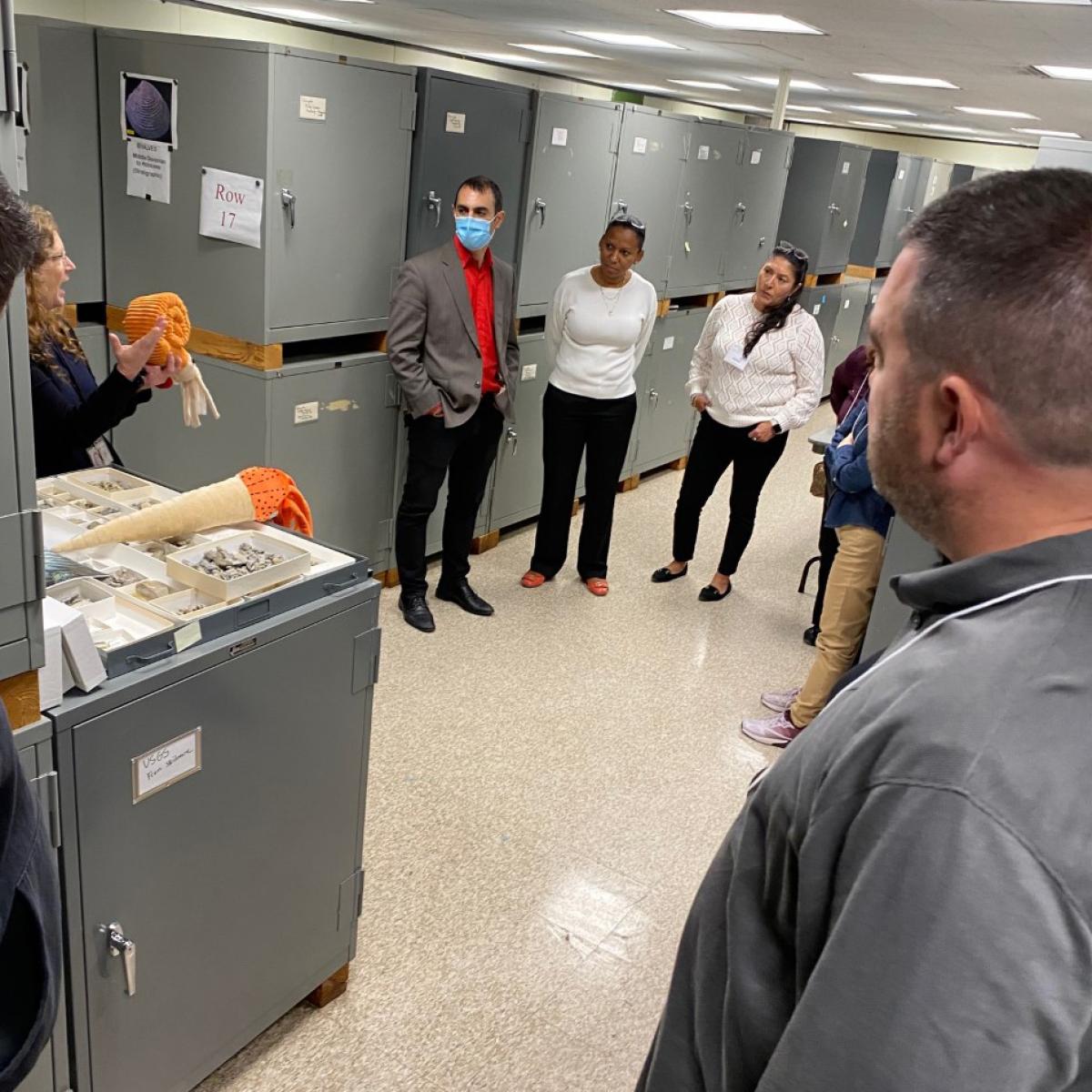
Join Dr. Lisa Amati for an in-person behind-the-scenes tour of the New York State Museum’s Paleontology Collection. The tour provides a glimpse into our vast holdings of invertebrate fossils. Learn about how specimens are organized, stored, and catalogued, and view cases full of fossil trilobites, cephalopods, and crinoids from the Invertebrate Paleontology Collection. Participants will also see specimens of the world-famous Gilboa tree fossils from the Paleobotany Collection.
Visitors should meet in the Museum Lobby prior to the start of the tour.
Registration
Registration for this program at both 1 pm and 2 pm is now full.
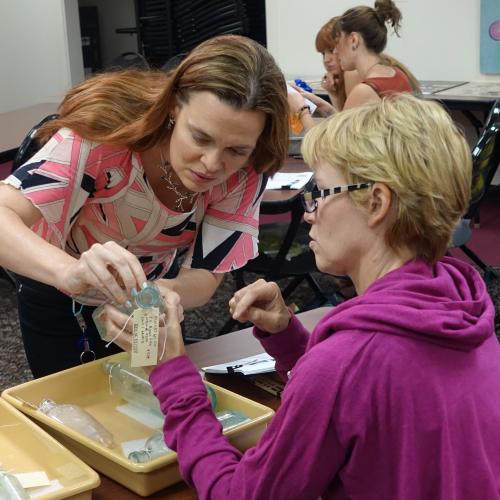
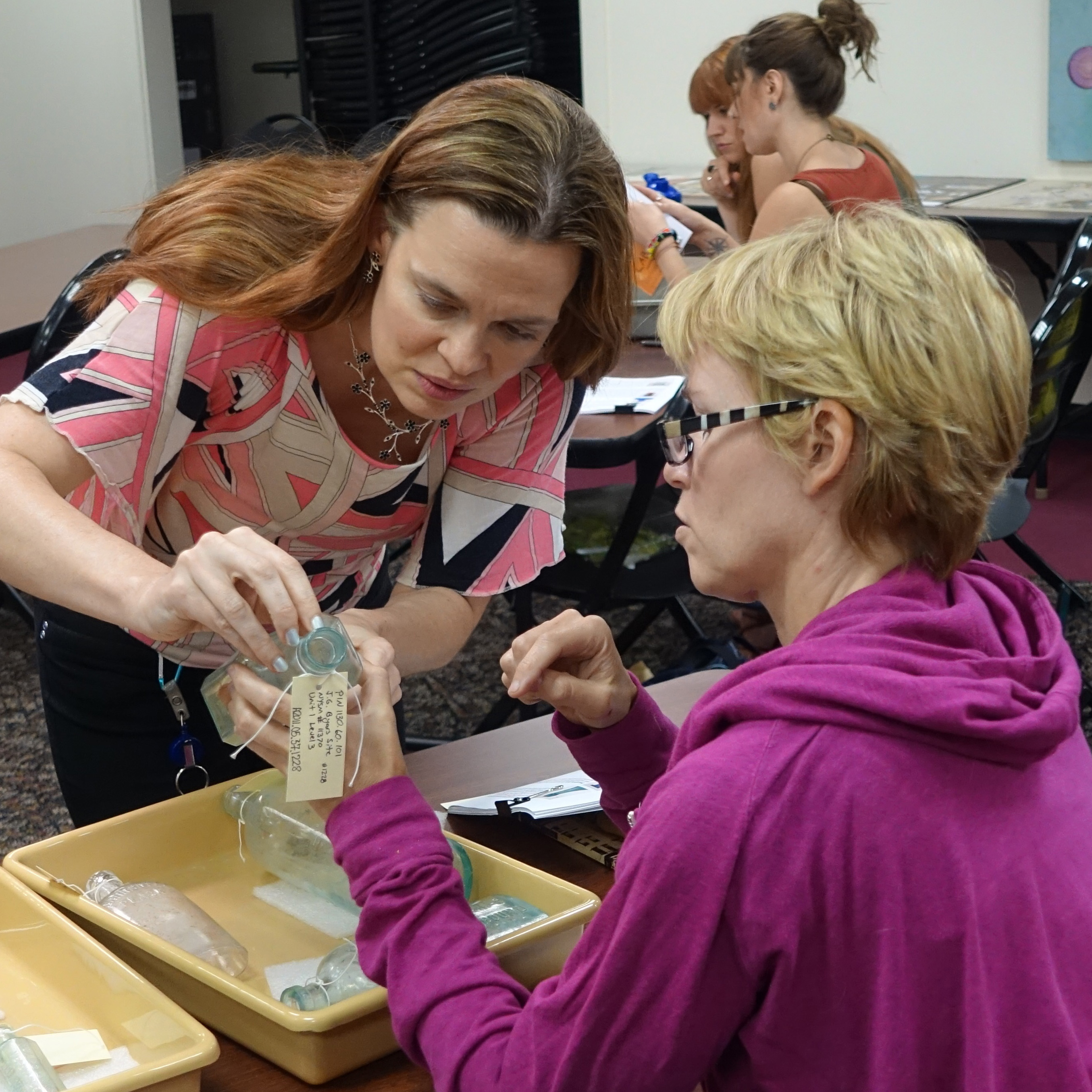
The 2025 Anthropology Teacher Workshop will be a one-day program learning about New Netherland held in person at the New York State Museum on Friday, March 14, 2025. Anthropology is a science that reaches into many disciplines making it particularly useful for teaching many subject areas.
The workshop is presented by PhD-level State Museum scientists, including State Archaeologist and Co-Director of the Cultural Resource Survey Program Christina Rieth, Curator of Historic Archaeology Michael Lucas, Co-Director of Cultural Resource Survey Program Daria Merwin, New Netherland Research Center Director Charles Gehring and Associate Director Chelsea Teale, Bureau of Historic Sites Interpreter of African American History Lavada Nahon, and James Bradley.
Teachers will have the opportunity to earn six CTLE clock hours by completing the workshop. They will gain valuable insight into the forefront of scientific research happening right here in New York State. The workshop is aligned with the NYS P-12 Science Learning Standards.
Registration
In-person participation is limited to the first 50 individuals.
Register:
https://forms.office.com/r/yzNzE95tzs
Contact:
nysmeducation@nysed.gov
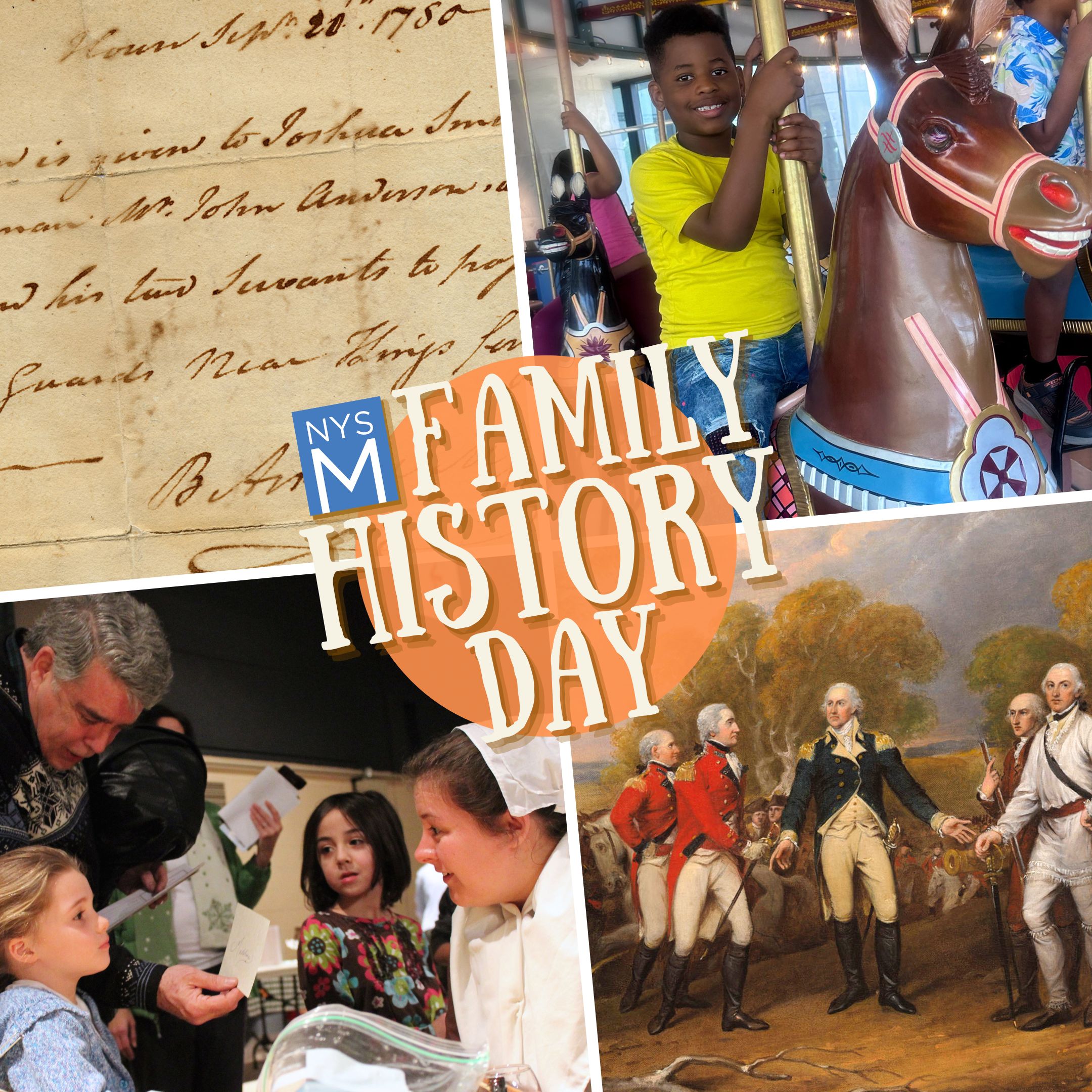
Spend the day learning about New York’s rich history. Enjoy interactive experiences with interpretive historians, collections-highlighting tours and programs, and hands-on opportunities to engage the whole family.
Events & Activities
11 am to 2 pm
- NYSM Senior Historians will provide highlights from various collections.
- Make crafts to bring home.
- Visit information tables from historically focused cultural institutions.
12 pm
2 pm
Events & Activities
11 am to 2 pm
- NYSM Senior Historians will provide highlights from various collections.
- Make crafts to bring home.
- Visit information tables from historically focused cultural institutions.
12 pm
2 pm
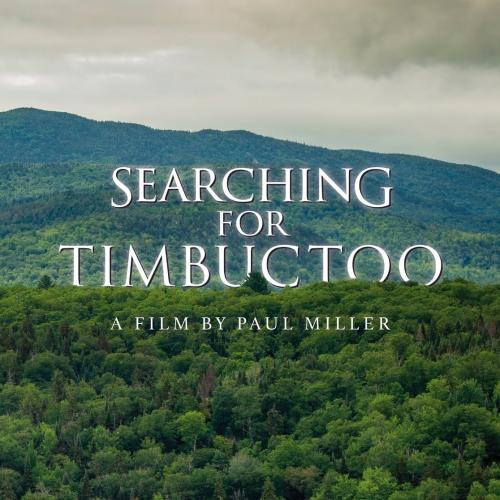
Join us at the NYS Museum for a showing of Searching for Timbuctoo (2021), a film by writer and photographer Paul Miller. In 1846 New York State enacted a law requiring African American men to own $250 worth of property to vote. To circumvent this unjust law, radical abolitionist Gerrit Smith gave away 120,000 acres of land in Essex and Franklin Counties to 3,000 free Black men, thereby qualifying them to vote. Searching for Timbuctoo tells the history of this forgotten settlement and New York State on the brink of the Civil War and follows an archaeology team looking to unearth evidence of the community. (The 55-minute film will run on a loop throughout the day.)
View the trailer: https://www.timbuctoofilm.com/
Join hosts Frieda and Carmie at the New York State Museum for a fun-filled, fabulous family show. There will be songs, games, prizes, and sing-alongs for kids of all ages. Bring the entire family for a one-of-a-kind afternoon of fun and music.
For information on other 2024 Capital Pride events, visit www.518capitalpride.com/.
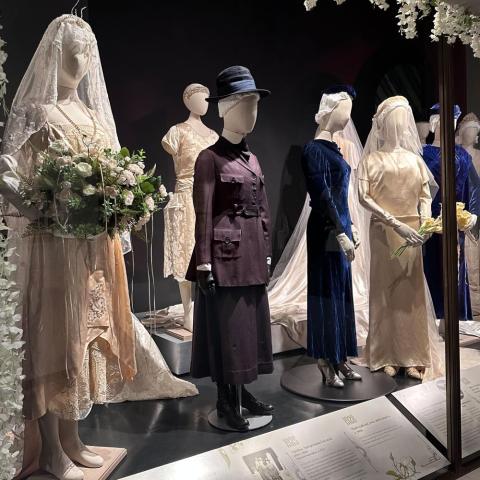
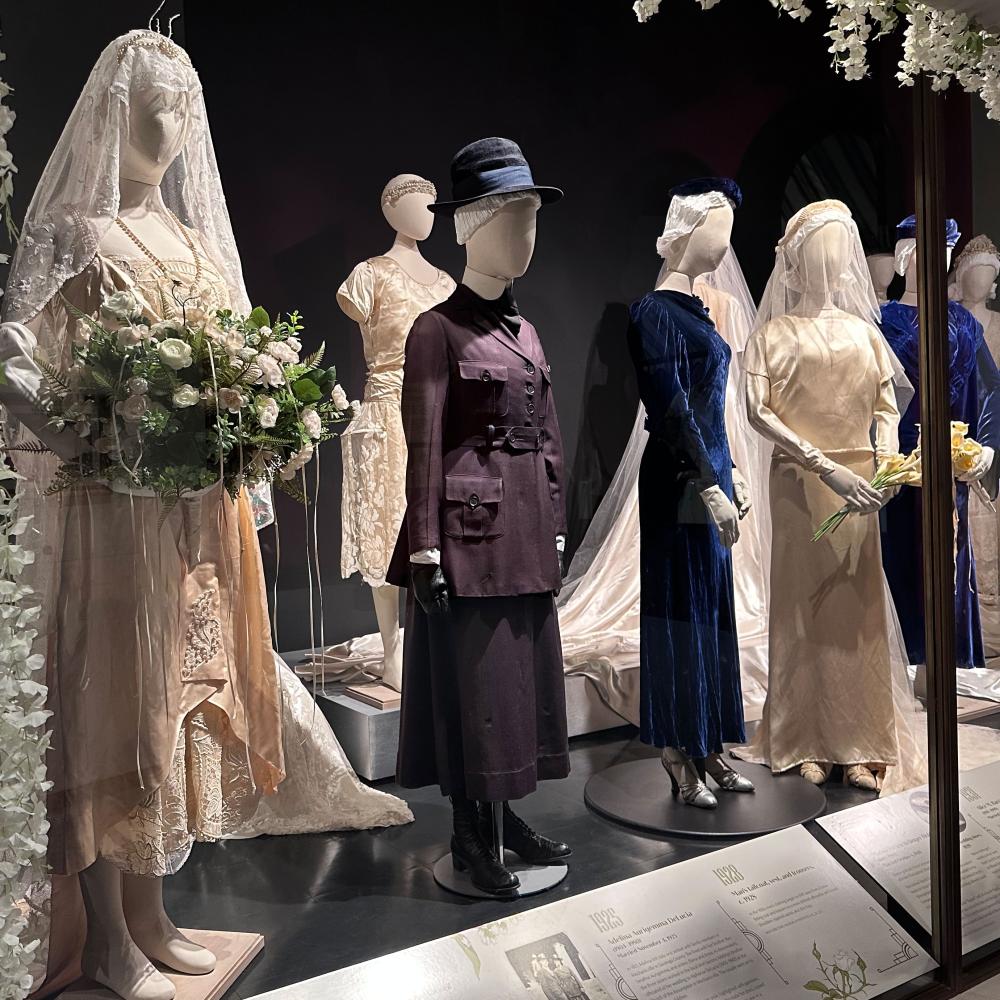
In choosing their wedding clothes, brides and grooms are influenced by fashion, economics, technology, religion, geography, celebrity, personal taste, and their role in society. This was as much the case in the past as it is today.
Wedding clothing holds memories, and pieces—dresses, shoes, suits, and head wear—are often preserved and passed to subsequent generations. A couple’s choices reveal information about both the individuals who wore them and those who made them. Some garments, like those exhibited here from the 1910s to 1940s, find their way to museum collections. Unveil these stories with clothing expert, Connie Frisbee Houde, as she highlights pieces from the exhibit, Unveiled: Wedding Wear in New York, 1910s–1940s.
In choosing their wedding clothes, brides and grooms are influenced by fashion, economics, technology, religion, geography, celebrity, personal taste, and their role in society. This was as much the case in the past as it is today.
Wedding clothing holds memories, and pieces—dresses, shoes, suits, and head wear—are often preserved and passed to subsequent generations. A couple’s choices reveal information about both the individuals who wore them and those who made them. Some garments, like those exhibited here from the 1910s to 1940s, find their way to museum collections. Unveil these stories with clothing expert, Connie Frisbee Houde, as she highlights pieces from the exhibit, Unveiled: Wedding Wear in New York, 1910s–1940s.
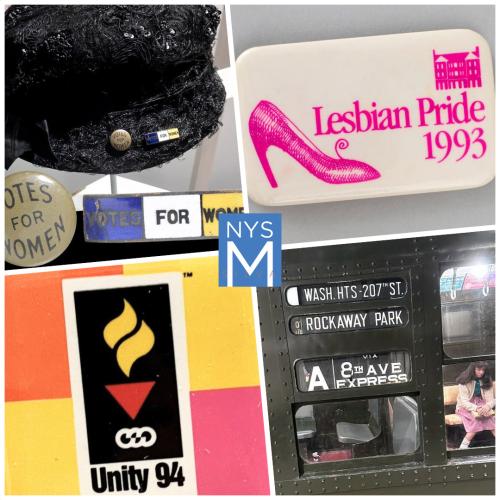
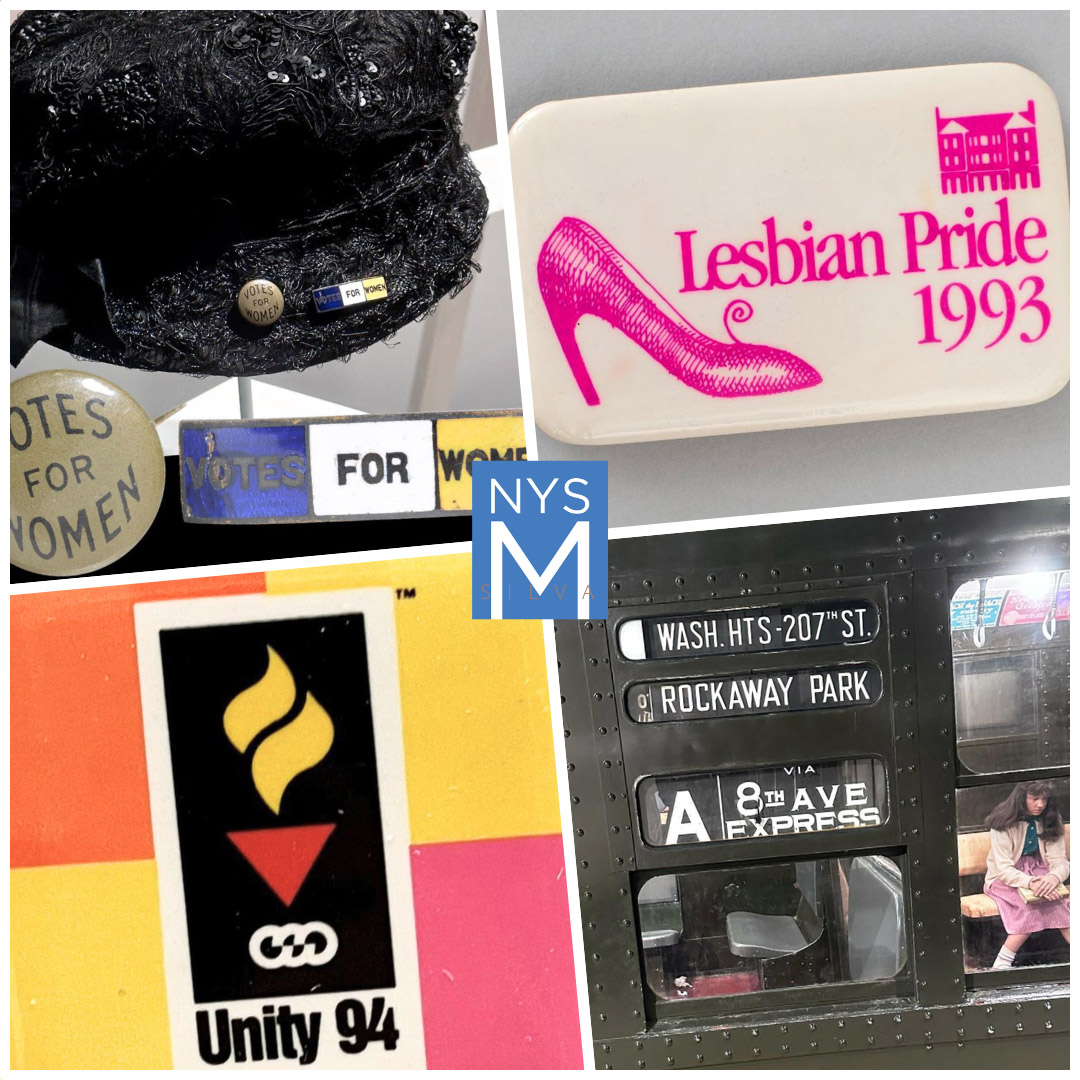
Join Senior Historian, Ashley Hopkins-Benton as she highlights some of the LGBTQ+ stories that can be found in the New York State Museum’s galleries.
Throughout its history, New Yorkers have led the charge for equality, including fighting for the rights of lesbian, gay, bisexual, transgender, and queer (LGBTQ+) individuals. In 1969, a spark was lit in the already growing gay rights movement at the Stonewall Uprising in Greenwich Village, New York City. As the movement continued to grow nationally over the next few decades, New Yorkers participated in activism across the state, from the struggles of Gay Liberation through the AIDS crisis to the successful fight for marriage equality in 2011.
New York holds a special place in LGBTQ+ history, as a haven for those in search of a safer environment and like-minded companionship. Across the state, the LGBTQ+ community has celebrated its strength and diversity, while working for equal rights, visibility, and inclusion through protests, Pride celebrations, and community center activities.
Throughout the summer, programs designed to spark creativity and curiosity will pop-up around the Museum. These family-friendly programs will change regularly, so make sure to come back!
This program series is supported by Albany City Summer Youth Employment.
In choosing their wedding clothes, brides and grooms are influenced by fashion, economics, technology, religion, geography, celebrity, personal taste, and their role in society. This was as much the case in the past as it is today.
Wedding clothing holds memories, and pieces—dresses, shoes, suits, and head wear—are often preserved and passed to subsequent generations. A couple’s choices reveal information about both the individuals who wore them and those who made them. Some garments, like those exhibited here from the 1910s to 1940s, find their way to museum collections. Unveil these stories with clothing expert, Connie Frisbee Houde, as she highlights pieces from the exhibit, Unveiled: Wedding Wear in New York, 1910s–1940s.
In choosing their wedding clothes, brides and grooms are influenced by fashion, economics, technology, religion, geography, celebrity, personal taste, and their role in society. This was as much the case in the past as it is today.
Wedding clothing holds memories, and pieces—dresses, shoes, suits, and head wear—are often preserved and passed to subsequent generations. A couple’s choices reveal information about both the individuals who wore them and those who made them. Some garments, like those exhibited here from the 1910s to 1940s, find their way to museum collections. Unveil these stories with clothing expert, Connie Frisbee Houde, as she highlights pieces from the exhibit, Unveiled: Wedding Wear in New York, 1910s–1940s.
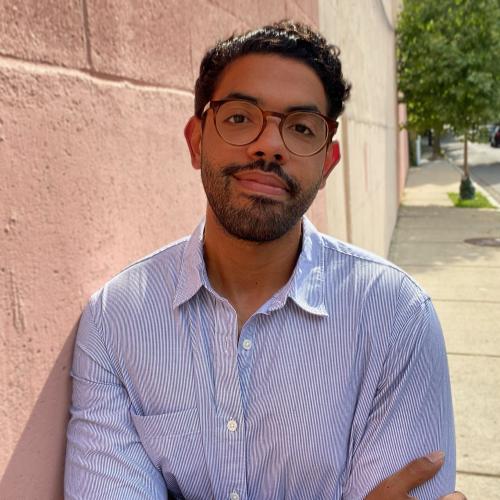
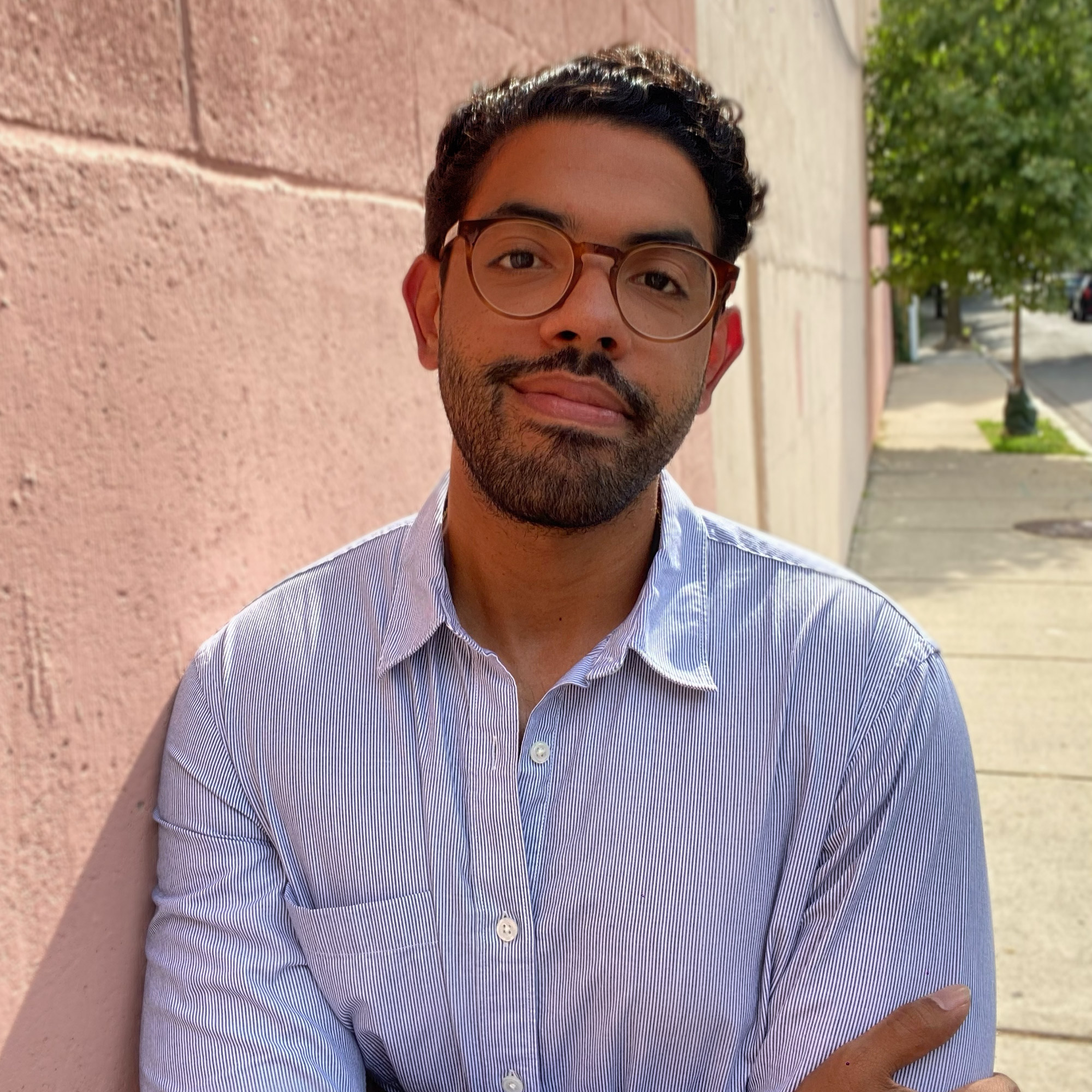
Pedro A. Regalado is Assistant Professor of History at Stanford University where he researches and teaches the history of race, immigration, planning, and capitalism in urban America. His first book, Nueva York: Making the Modern City, is a history of New York City’s Latinx community during the 20th century, from the “pioneers” who arrived after World War I to the panoply of Latinx people who rebuilt the city in the wake of the 1975 fiscal crisis. Across a range of topics, from urban renewal to the rise of Latinx bankers, US military operations in Central America to drug workers who repurposed tenement buildings, Nueva York demonstrates how the democratic ideals of the city hinged, in large part, on the experiences of Latinx New Yorkers.
Regalado’s work has been featured in the Journal of Urban History, Boston Review, The Washington Post, Platform, The Chronicle of Higher Education, and Public Books. Before coming to Stanford, Regalado was a junior fellow of the Society of Fellows at Harvard University. Born in the Dominican Republic, he was raised in New York City’s Washington Heights.
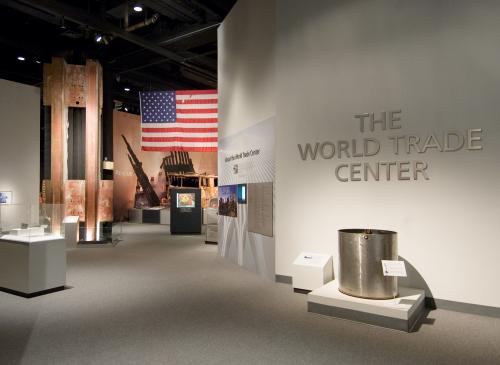
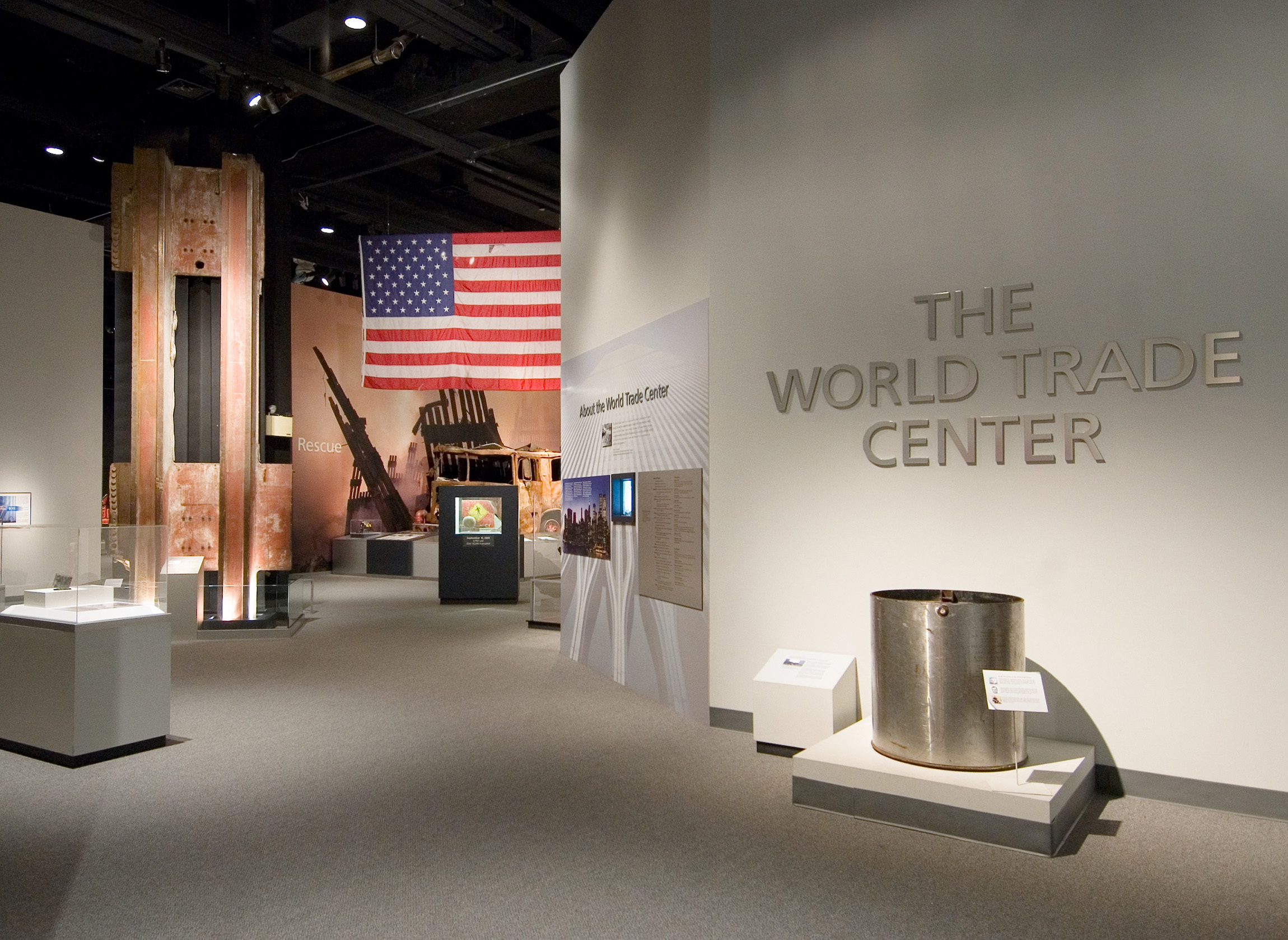
We invite families to join us for a book reading followed by an age-appropriate tour of the exhibit World Trade Center: Rescue, Recovery, Response led by New York State Museum Senior Historian and Curator Aaron Noble as we commemorate the anniversary of September 11, 2001.
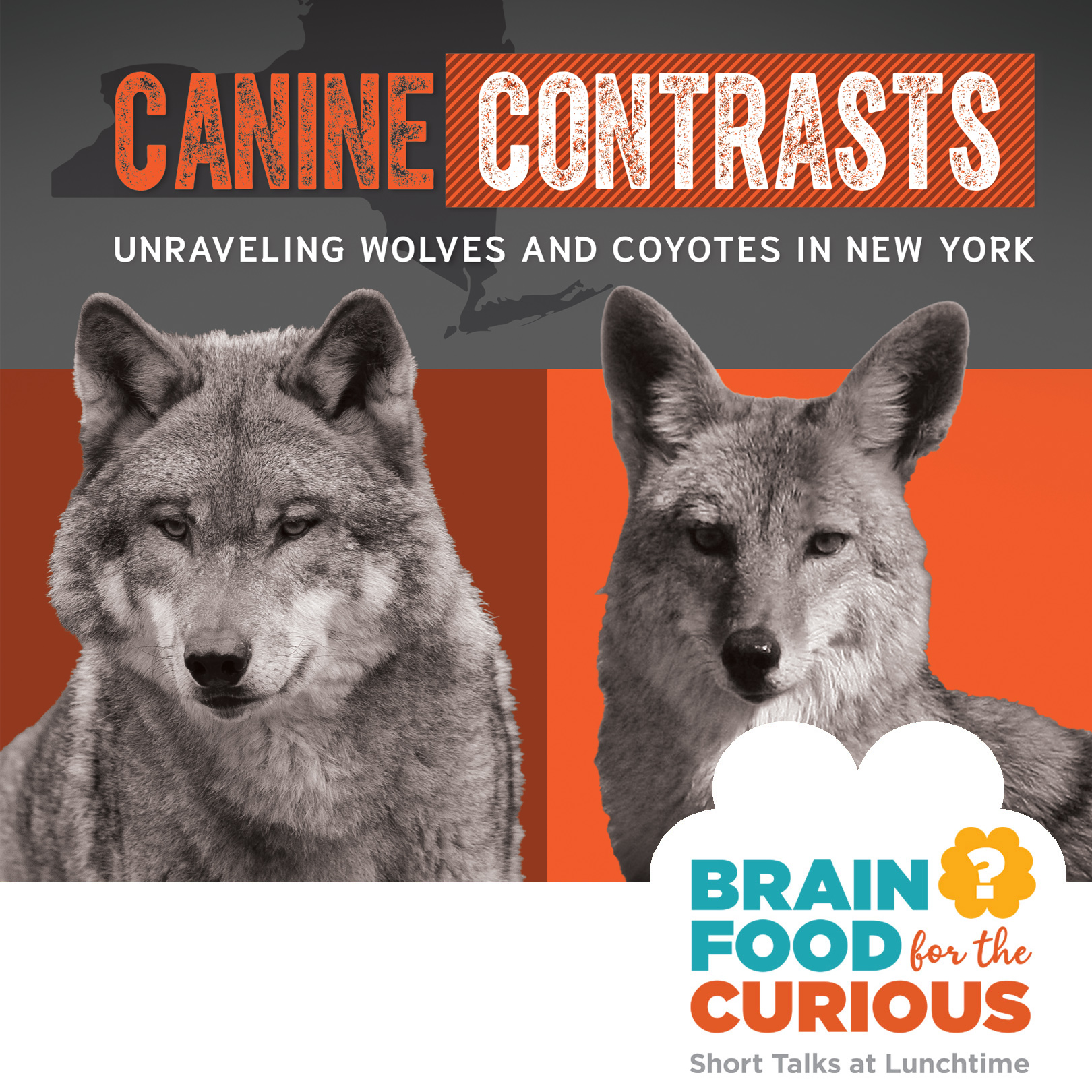
Explore the genetic and physical differences between wolves and coyotes by joining Dr. Jeremy Kirchman as he sheds light on the historical decline of wolves and the colonization of coyotes in New York. Learn how the history of coyote-wolf hybridization has made it difficult, for hunters and wildlife management agencies, to distinguish our ubiquitous eastern coyote from the occasional wolf that wanders outside of its core breeding range in neighboring Canada.
This program includes a 20-minute talk, and a brief Q&A. Participants are welcome to bring their lunches.
Explore the genetic and physical differences between wolves and coyotes by joining Dr. Jeremy Kirchman as he sheds light on the historical decline of wolves and the colonization of coyotes in New York. Learn how the history of coyote-wolf hybridization has made it difficult, for hunters and wildlife management agencies, to distinguish our ubiquitous eastern coyote from the occasional wolf that wanders outside of its core breeding range in neighboring Canada.
This program includes a 20-minute talk, and a brief Q&A. Participants are welcome to bring their lunches.
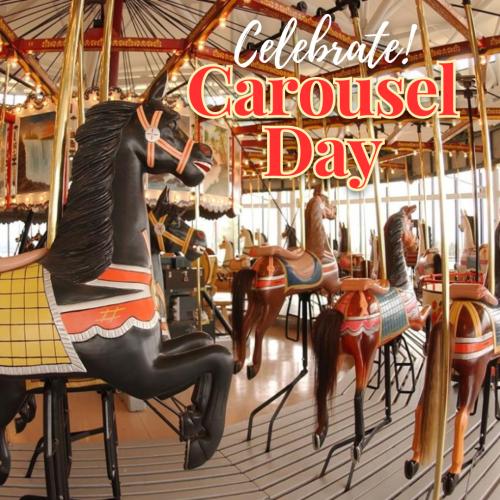
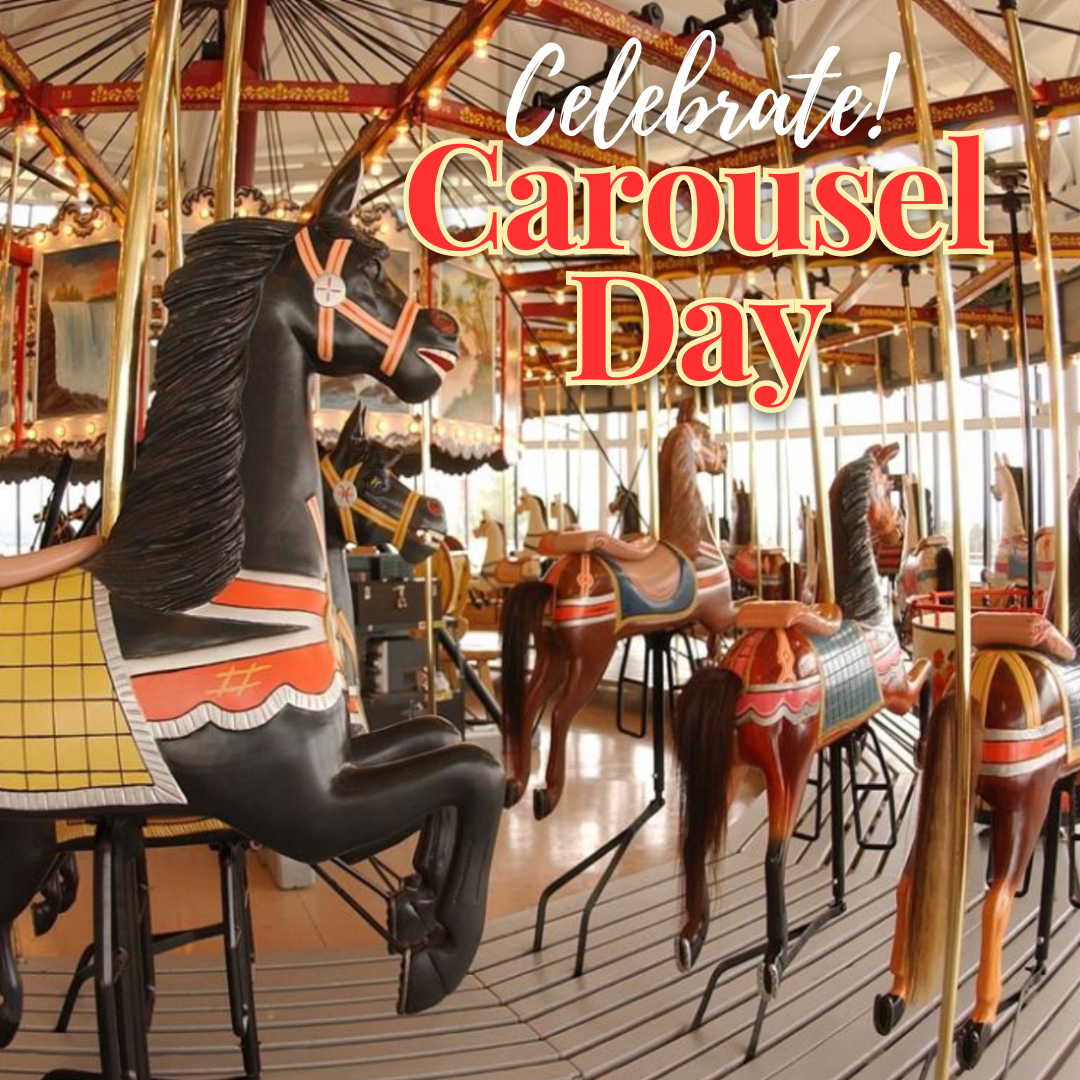
Celebrate National Carousel Day on July 25th with a day of fun activities at the New York State Museum. Enjoy carousel-themed stories, crafts, and, of course, a ride on the Museum's 110-year-old carousel. This free, family-friendly event will have everyone spinning with joy!
National Carousel Day commemorates the registration of the first patent for a carousel design by William Schneider on July 25, 1871.
In choosing their wedding clothes, brides and grooms are influenced by fashion, economics, technology, religion, geography, celebrity, personal taste, and their role in society. This was as much the case in the past as it is today.
Wedding clothing holds memories, and pieces—dresses, shoes, suits, and headwear—are often preserved and passed to subsequent generations. A couple’s choices reveal information about both the individuals who wore them and those who made them. Some garments, like those exhibited here from the 1910s to 1940s, find their way to museum collections. Unveil these stories with clothing expert, Connie Frisbee Houde, as she highlights pieces from the exhibit, Unveiled: Wedding Wear in New York, 1910s–1940s.
In choosing their wedding clothes, brides and grooms are influenced by fashion, economics, technology, religion, geography, celebrity, personal taste, and their role in society. This was as much the case in the past as it is today.
Wedding clothing holds memories, and pieces—dresses, shoes, suits, and headwear—are often preserved and passed to subsequent generations. A couple’s choices reveal information about both the individuals who wore them and those who made them. Some garments, like those exhibited here from the 1910s to 1940s, find their way to museum collections. Unveil these stories with clothing expert, Connie Frisbee Houde, as she highlights pieces from the exhibit, Unveiled: Wedding Wear in New York, 1910s–1940s.
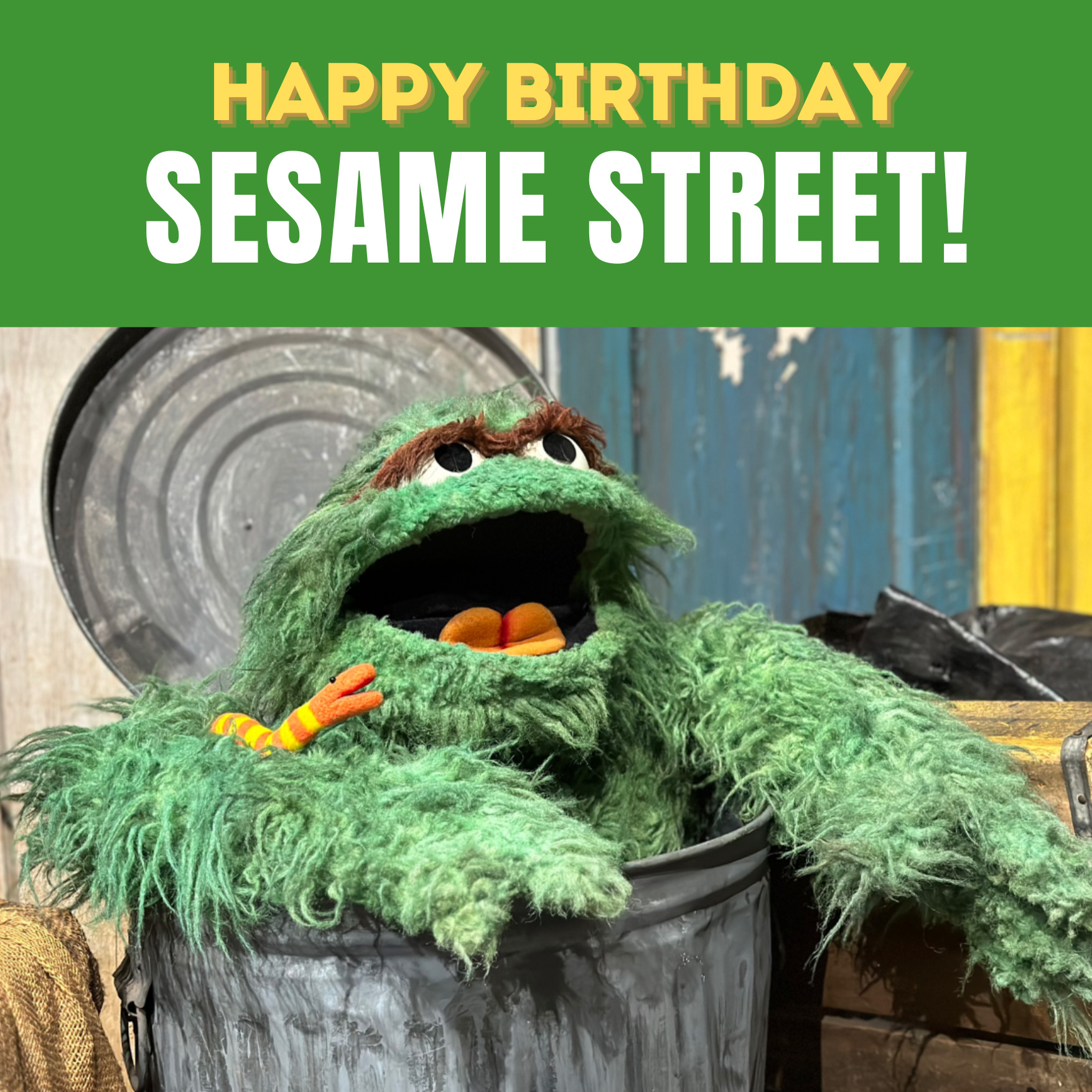
Join the New York State Museum and WMHT to celebrate the colorful characters, entertaining videos, and magical music of Sesame Street! Visit the Sesame Street exhibit to see the famous set and enjoy the fun activities. Let’s celebrate 55 years of making early childhood education accessible to every child in the world.
Some of the festivities include:
- Make and “mail” a birthday card to Sesame Street
- Dance to Sesame Street hits
- Enjoy a Sesame Street-themed ride on the NYSM’s historic Carousel
- Take home PBS Learning Media resources
- Create and color fun crafts
- Celebrate with a birthday hat or crown
- Learn more about Sesame Street and PBS with information and takeaway fun with WMHT
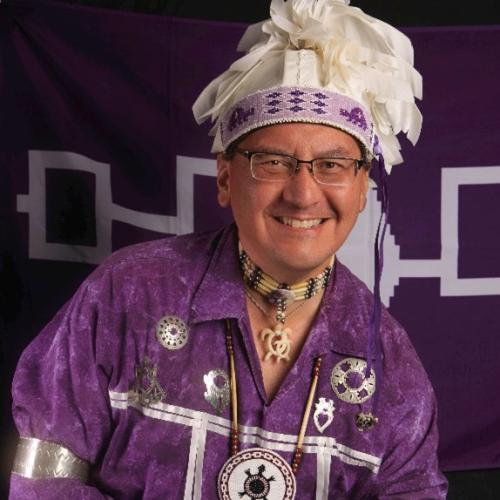
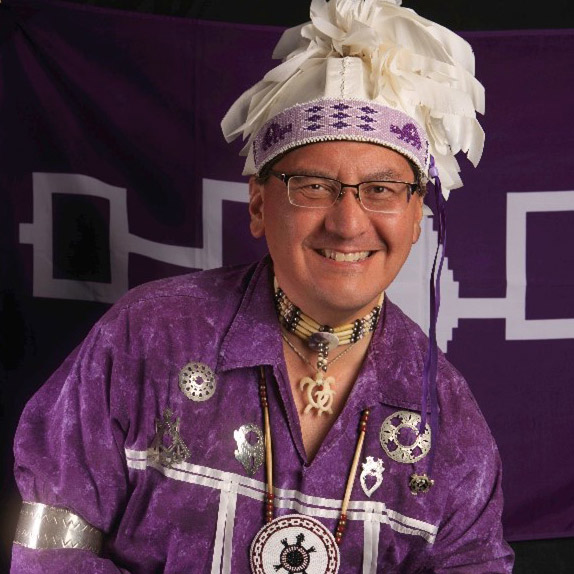
Perry Ground (Turtle Clan, Onondaga) shares Stories from the People of the Longhouse. This storytelling presentation is filled with traditional Haudenosaunee legends that have been told for hundreds of years. These stories teach about the beliefs, customs, and history of the Haudenosaunee people and continue to be an important part of Haudenosaunee culture.
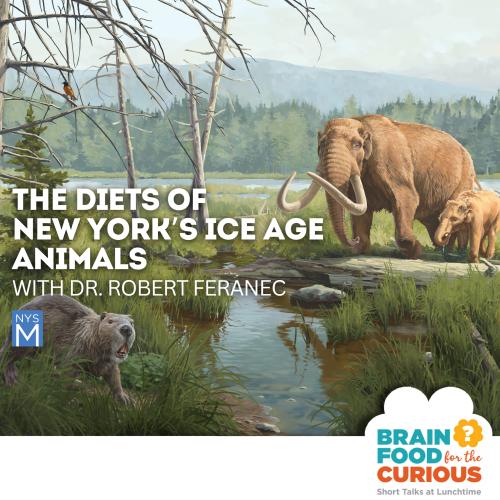
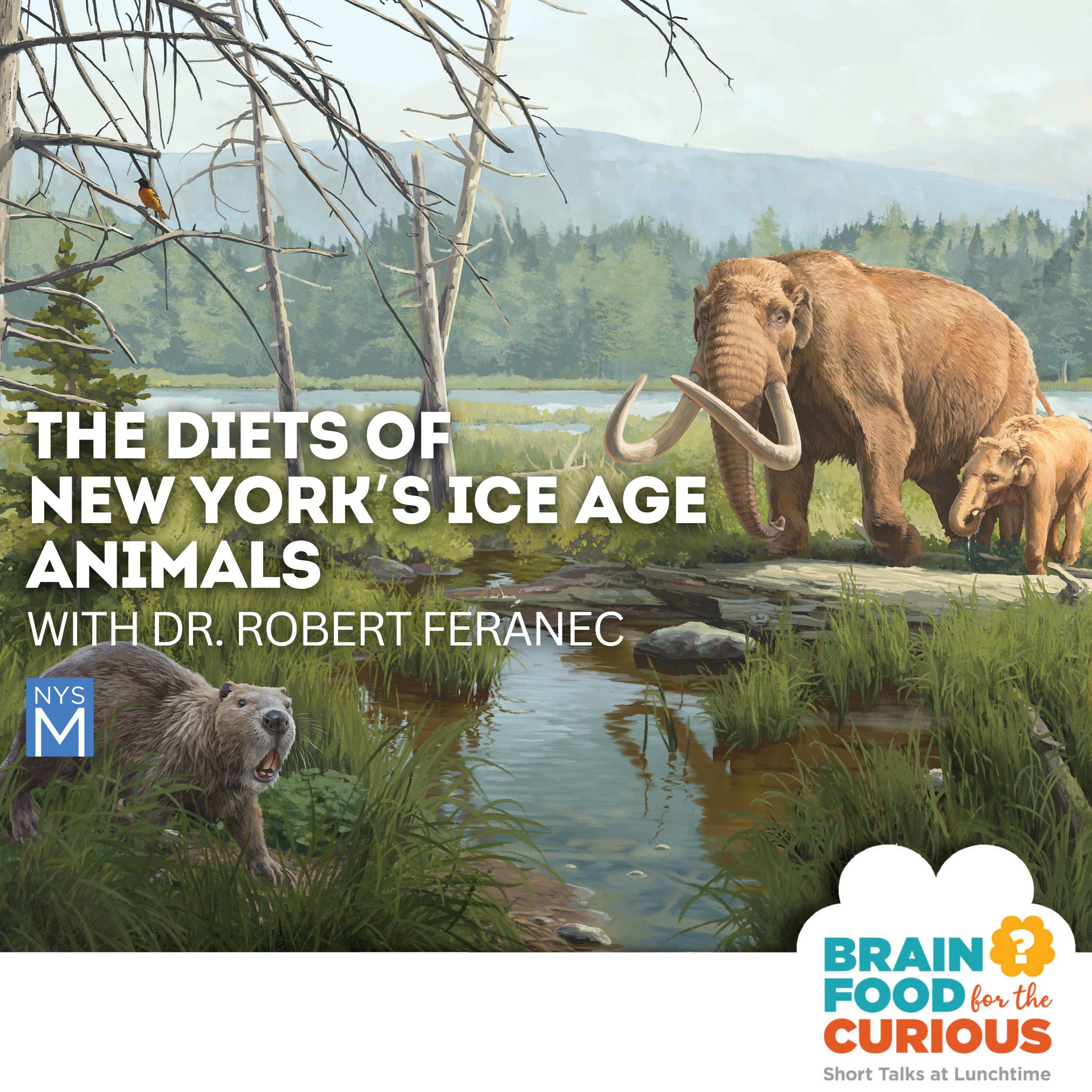
“You are what you eat” is a true saying that paleontologists can use to understand the diets of extinct animals. Chemicals from food get incorporated into the body, like bones and teeth, and by analyzing these chemicals, paleontologists can understand the diets and dietary differences of animals that lived in the past. During this talk, Dr. Robert Feranec, curator of Ice Age animals, will discuss the diversity of different animals that lived in New York and their diets during the Ice Age.
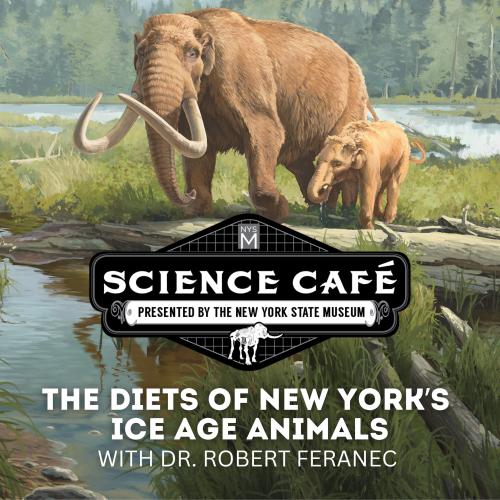

“You are what you eat” is a true saying that paleontologists can use to understand the diets of extinct animals. Chemicals from food get incorporated into the body, like bones and teeth, and by analyzing these chemicals, paleontologists can understand the diets and dietary differences of animals that lived in the past. During this talk, Dr. Robert Feranec, curator of Ice Age animals, will discuss the diversity of different animals that lived in New York and their diets during the Ice Age. This fun, interactive program is free. Food and drink are not included.
The Hollow Bar + Kitchen is located at 79 North Pearl Street, Albany, NY 12207.
www.thehollowalbany.com
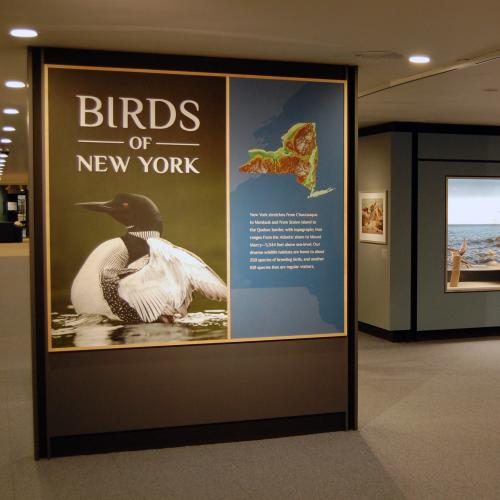
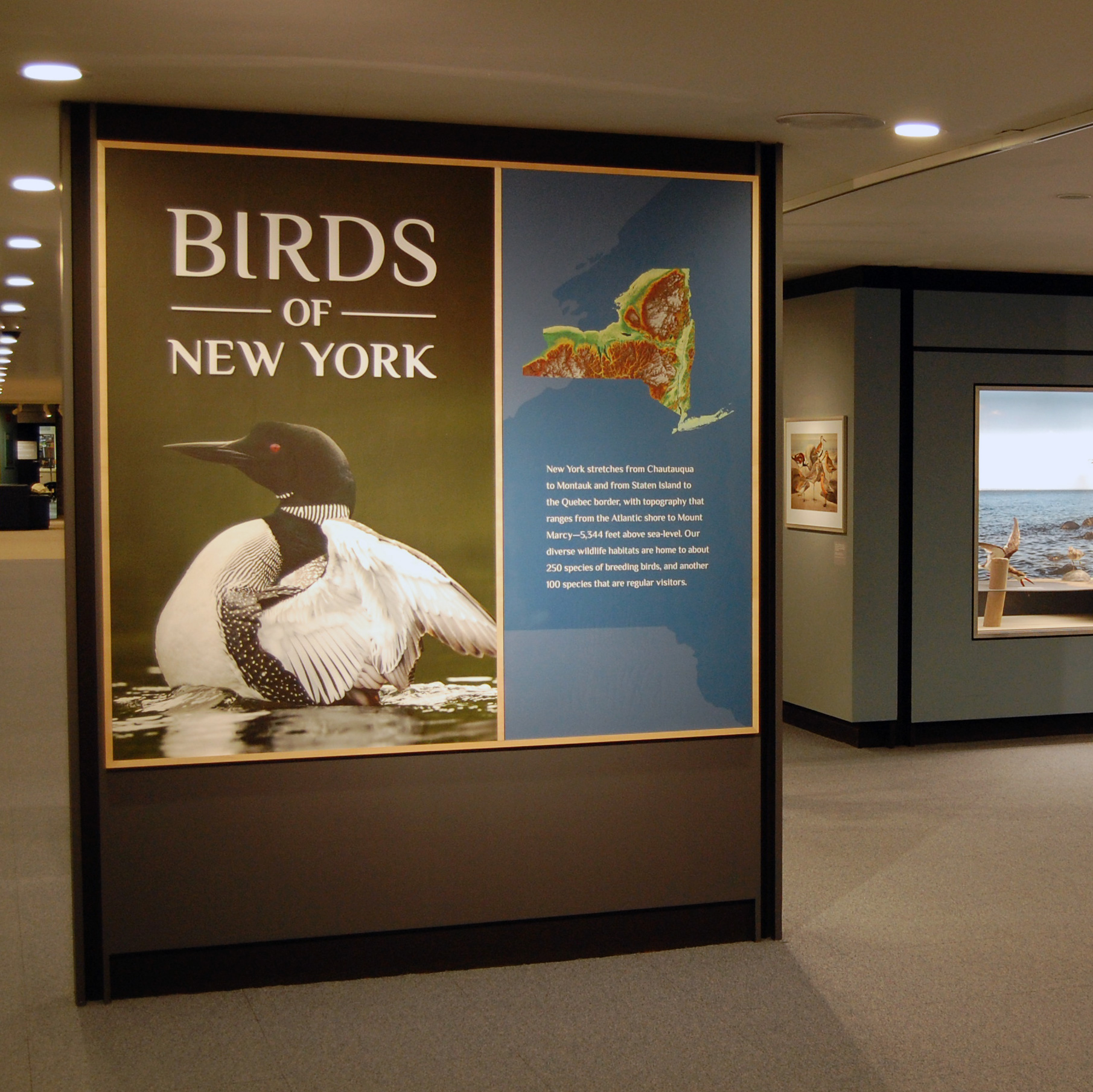
Join NYSM Curator of Birds and Mammals Dr. Jeremy Kirchman on a guided tour of our renovated permanent exhibit on the birds of New York State.
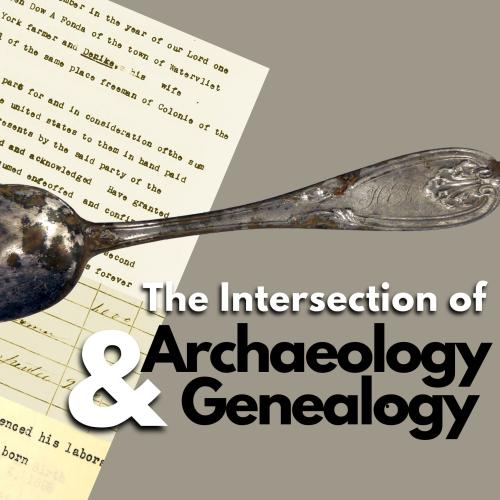
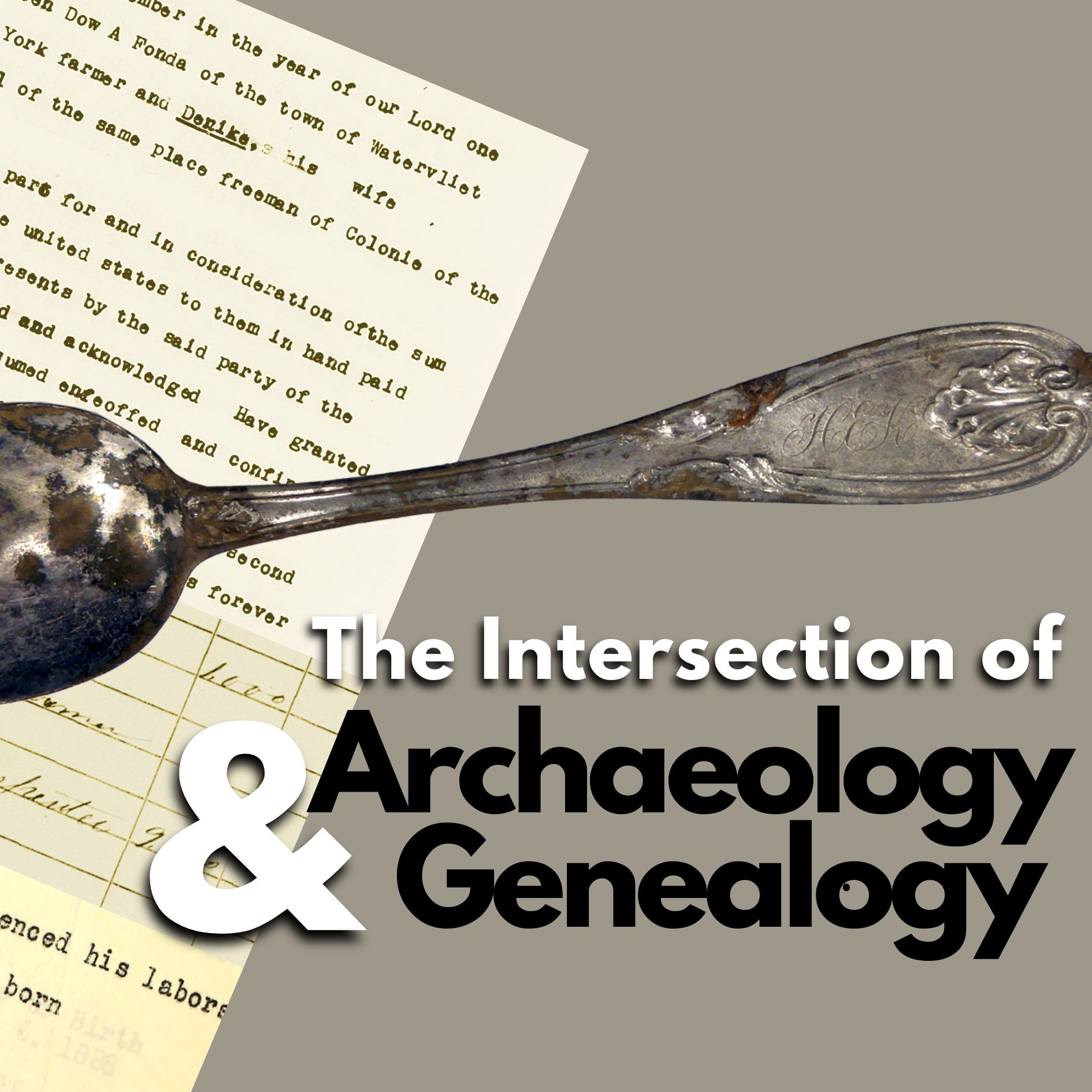
Archaeology and genealogy are critical components for understanding our past. Learn how Dr. Paul Huey and Dr. Michael Lucas use these components to help create a more accurate picture of the material culture, architecture, and people of New York. This event is jointly sponsored by the New York State Museum and the Capital District Genealogical Society (CDGS). For more information on how to become a member of the CDGS, please visit https://www.cdgsny.org/.
This presentation comprises of two separate talks, followed by a Q&A session:
The Archaeology & Genealogy of 2 Rensselaerswyck Tenant Farmhouse Sites in Albany & Rensselaer
Dr. Paul Huey discusses the careful genealogical research necessary for the correct identification and interpretation of the physical and archaeological evidence at two historic sites that were the homes of tenant farmers in the Manor of Rensselaerswyck in the 18th century. Archaeological excavations have occurred at both sites. One site, where the house is still standing, is the Vandenburgh-Mark House in the Town of Colonie, Albany County. The other site is the Martin Gehler, Jr., site in the Town of Schodack, Rensselaer County. The Gehler site is now occupied by a Stewart’s convenience store and gas station. Analysis of Van Rensselaer Manor leases and maps clarified the evidence from artifacts.
From the NYSM Public Program: The Intersection of Archaeology and Genealogy Archaeology and genealogy are critical components for understanding our past. Learn how Dr. Paul Huey and Dr. Michael Lucas use these components to help create a more accurate picture of the material culture, architecture, and people of New York.
Passing Down the Land: Archaeology, Genealogy, & Rural African American Families - Capital Region
NYSM Historical Archaeologist Dr. Michael Lucas discusses John and Lucretia Jackson of Becker’s Corner south of Albany, and Thomas and Elizabeth Powell of Boght Corners to the north of the city, two of the first African American couples to purchase land during the early 19th century. Descendants of the founding Jackson and the Powell families held on to this land into the 20th century. Genealogical and archaeological research is crucial to understanding the importance of land-to-family legacies and long-term neighborhood continuity. The historical trajectories of the Jackson and Powell families are presented as examples of the importance of land and place.
From the NYSM Public Program: The Intersection of Archaeology and Genealogy Archaeology and genealogy are critical components for understanding our past. Learn how Dr. Paul Huey and Dr. Michael Lucas use these components to help create a more accurate picture of the material culture, architecture, and people of New York.
The Archaeology & Genealogy of 2 Rensselaerswyck Tenant Farmhouse Sites in Albany & Rensselaer
Dr. Paul Huey discusses the careful genealogical research necessary for the correct identification and interpretation of the physical and archaeological evidence at two historic sites that were the homes of tenant farmers in the Manor of Rensselaerswyck in the 18th century. Archaeological excavations have occurred at both sites. One site, where the house is still standing, is the Vandenburgh-Mark House in the Town of Colonie, Albany County. The other site is the Martin Gehler, Jr., site in the Town of Schodack, Rensselaer County. The Gehler site is now occupied by a Stewart’s convenience store and gas station. Analysis of Van Rensselaer Manor leases and maps clarified the evidence from artifacts.
From the NYSM Public Program: The Intersection of Archaeology and Genealogy Archaeology and genealogy are critical components for understanding our past. Learn how Dr. Paul Huey and Dr. Michael Lucas use these components to help create a more accurate picture of the material culture, architecture, and people of New York.
Passing Down the Land: Archaeology, Genealogy, & Rural African American Families - Capital Region
NYSM Historical Archaeologist Dr. Michael Lucas discusses John and Lucretia Jackson of Becker’s Corner south of Albany, and Thomas and Elizabeth Powell of Boght Corners to the north of the city, two of the first African American couples to purchase land during the early 19th century. Descendants of the founding Jackson and the Powell families held on to this land into the 20th century. Genealogical and archaeological research is crucial to understanding the importance of land-to-family legacies and long-term neighborhood continuity. The historical trajectories of the Jackson and Powell families are presented as examples of the importance of land and place.
From the NYSM Public Program: The Intersection of Archaeology and Genealogy Archaeology and genealogy are critical components for understanding our past. Learn how Dr. Paul Huey and Dr. Michael Lucas use these components to help create a more accurate picture of the material culture, architecture, and people of New York.
Join Lavada Nahon, culinary historian and interpreter of African American history at the New York State Office of Parks, Recreation & Historic Preservation, for a delectable exploration of New Netherland and early New York's rich foodways. Explore the vibrant tapestry of colonial cuisine where Dutch traditions mingled with those of Indigenous people, enslaved Africans, the English, Jews, and other cultures. Discover how this unique blend of culinary practices shaped a distinctive gastronomic heritage found nowhere else in early America.