Evolution Workshop
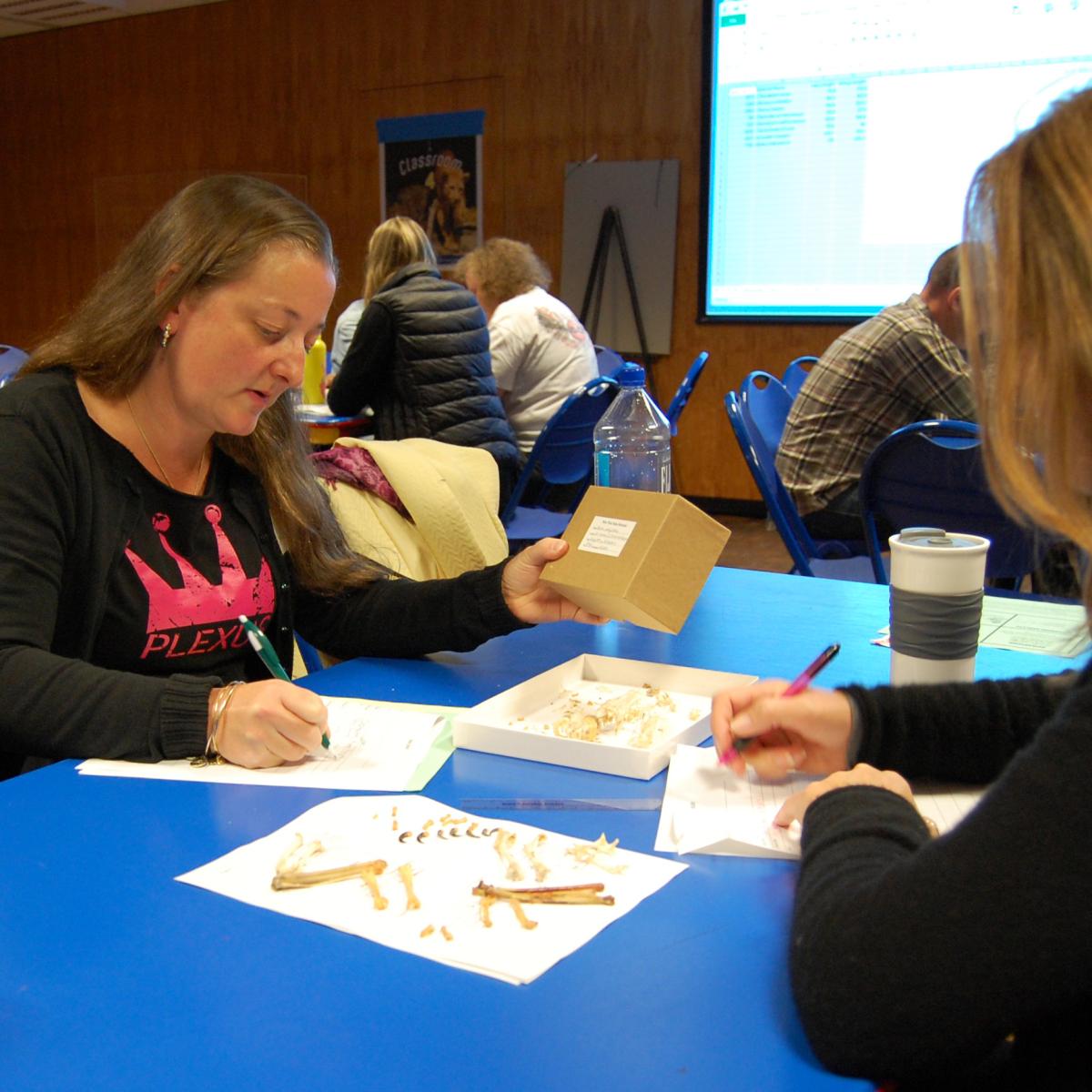
I coordinate NYSM’s annual Teacher Workshop on Evolution. At this one-day workshop, middle school and high school science teachers learn about current evolutionary theory, recent discoveries, and resources and ideas for effective classroom exercises.

Iron oxide-apatite (IOA) deposits from the eastern Adirondack Mountains
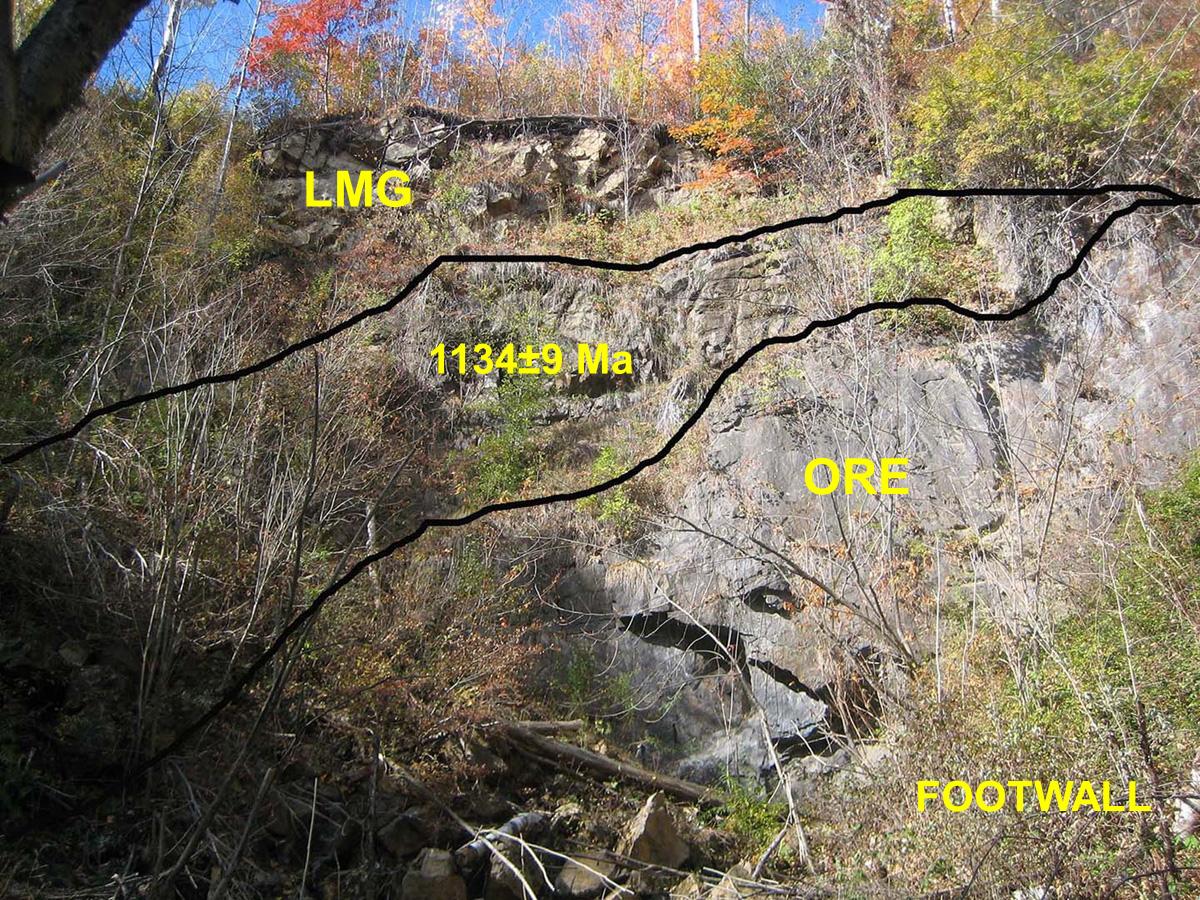
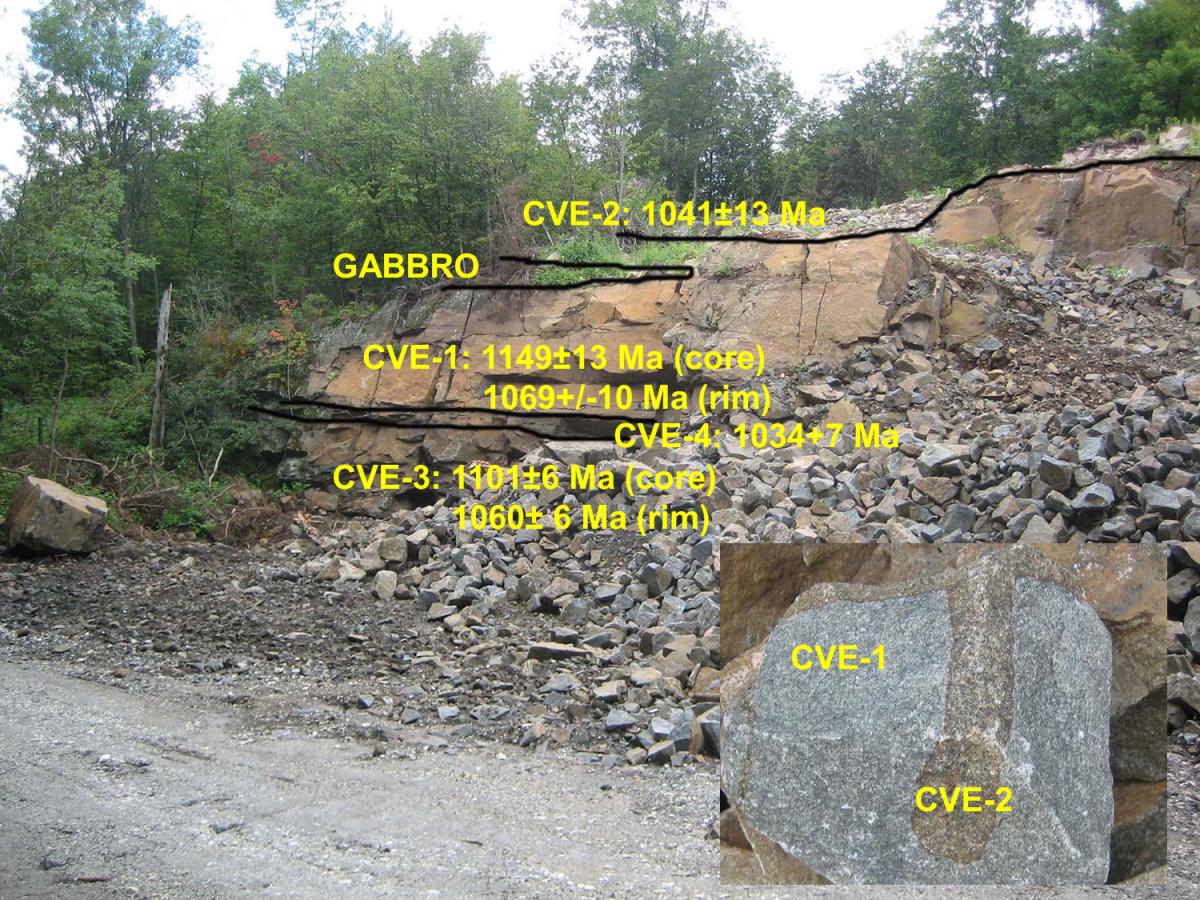
The iron oxide – apatite (IOA) deposits from the eastern Adirondack Mountains are close to the classic Kiruna-type deposits. From immiscible Fe-rich fluids to extraction of Fe during the breakdown of the Fe-rich silicates during metamorphism to eruption of Fe oxide-rich magmas to the interaction of the surface-derived saline fluids with the rocks in the late stages of the pluton emplacement, several geologists discussed the origin of these iron deposits over time with no agreement.
The ores consist of intrusive sheets or dikes of low-Ti magnetite, fluorapatite, augite, and hedenbergite. Observations under transmitted light show polygonal and cumulate textures. The ore bodies, each with knife-edge contacts, are in some opinions closely associated in time with A-type leucogranites and granitic gneisses. Field, geochemical, and textural evidence support an igneous origin and subsequent long-lived, fluid-rock interaction for magnetite ores of the eastern Adirondack Highlands.
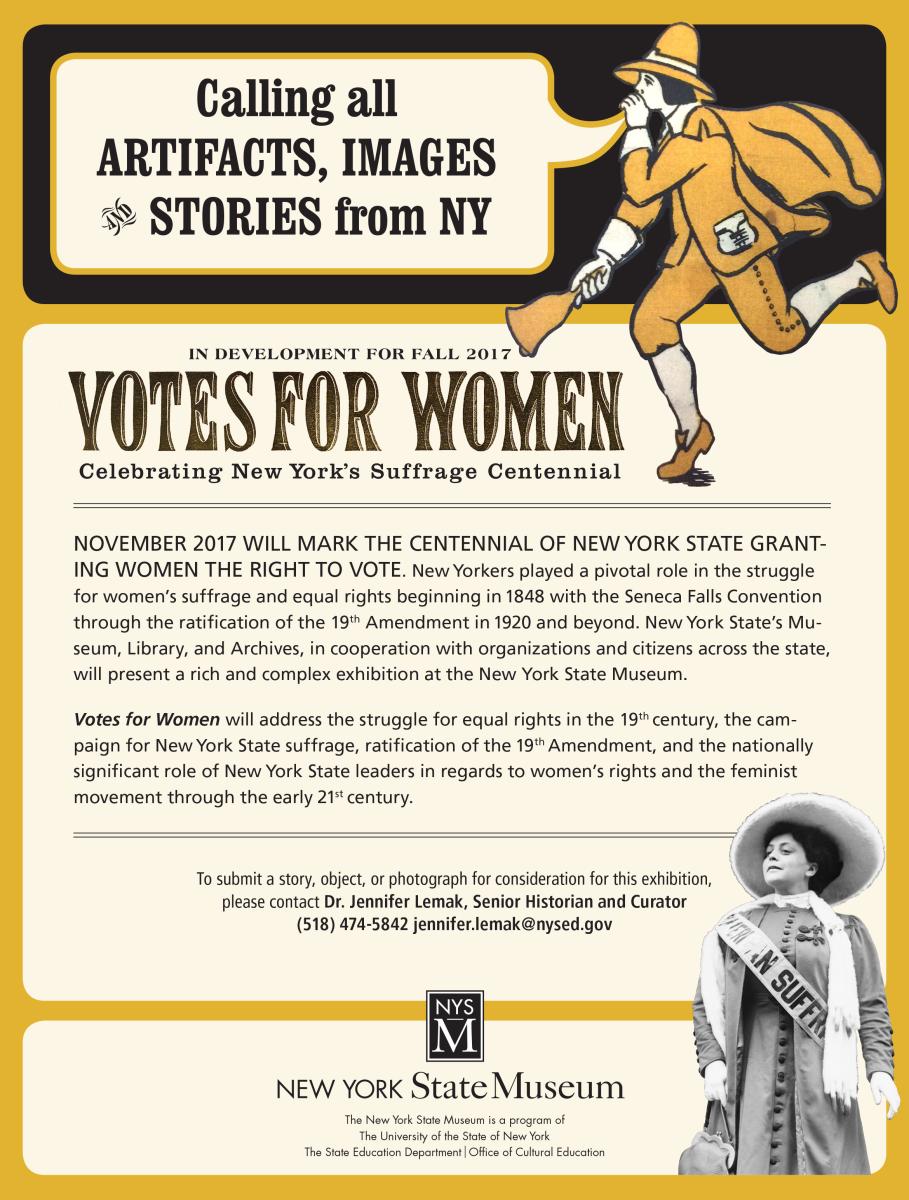
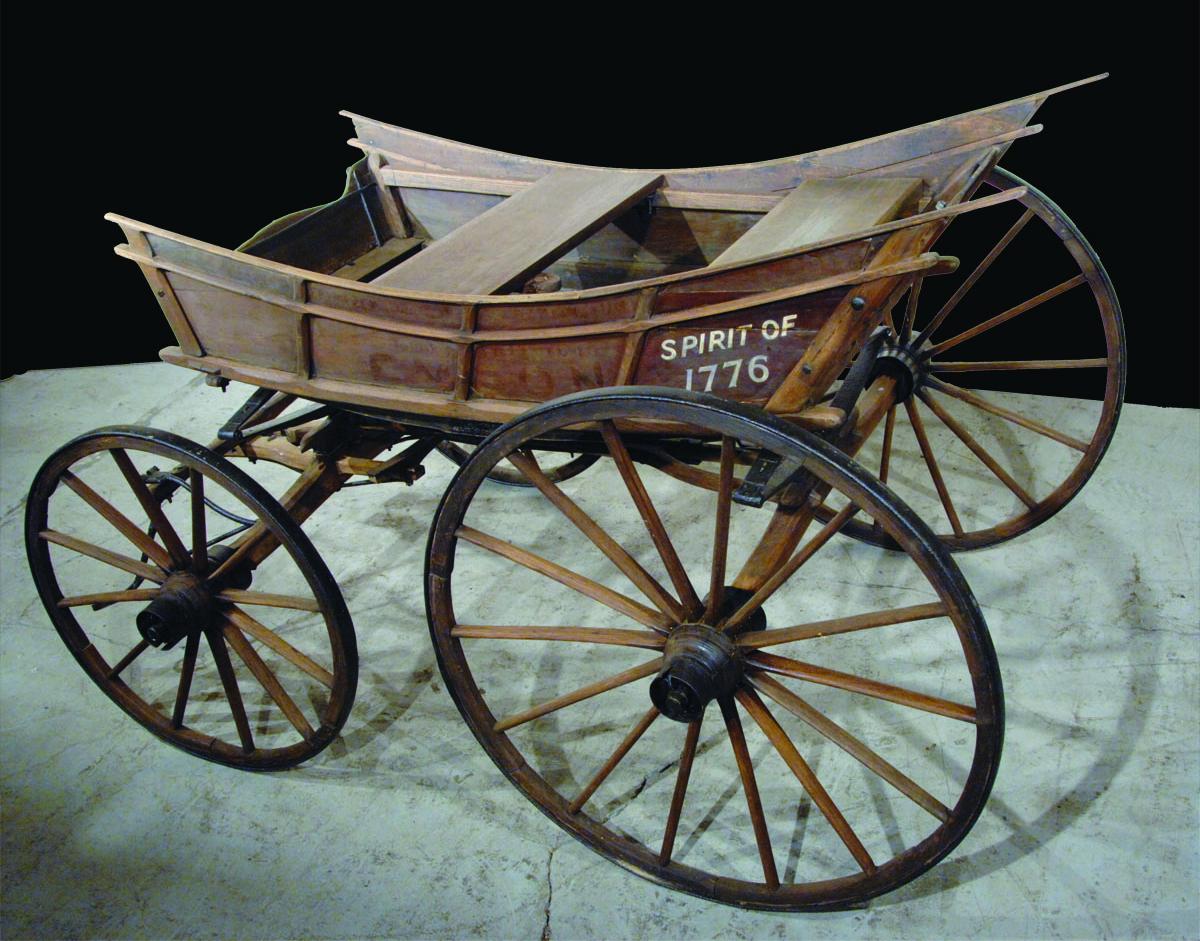
Votes For Women: Celebrating New York’s Suffrage Centennial
Research culminating in an exhibit that will address the struggle for equal rights in the 19th century, the campaign for New York State suffrage, ratification of the 19th Amendment, and the nationally significant role of New York State leaders in regards to women’s rights and the feminist movement right through to the 21st century.
For more information about the exhibit, visit: Votes for Women: Celebrating New York’s Suffrage Centennial
Potsdam Sandstone Trilobites
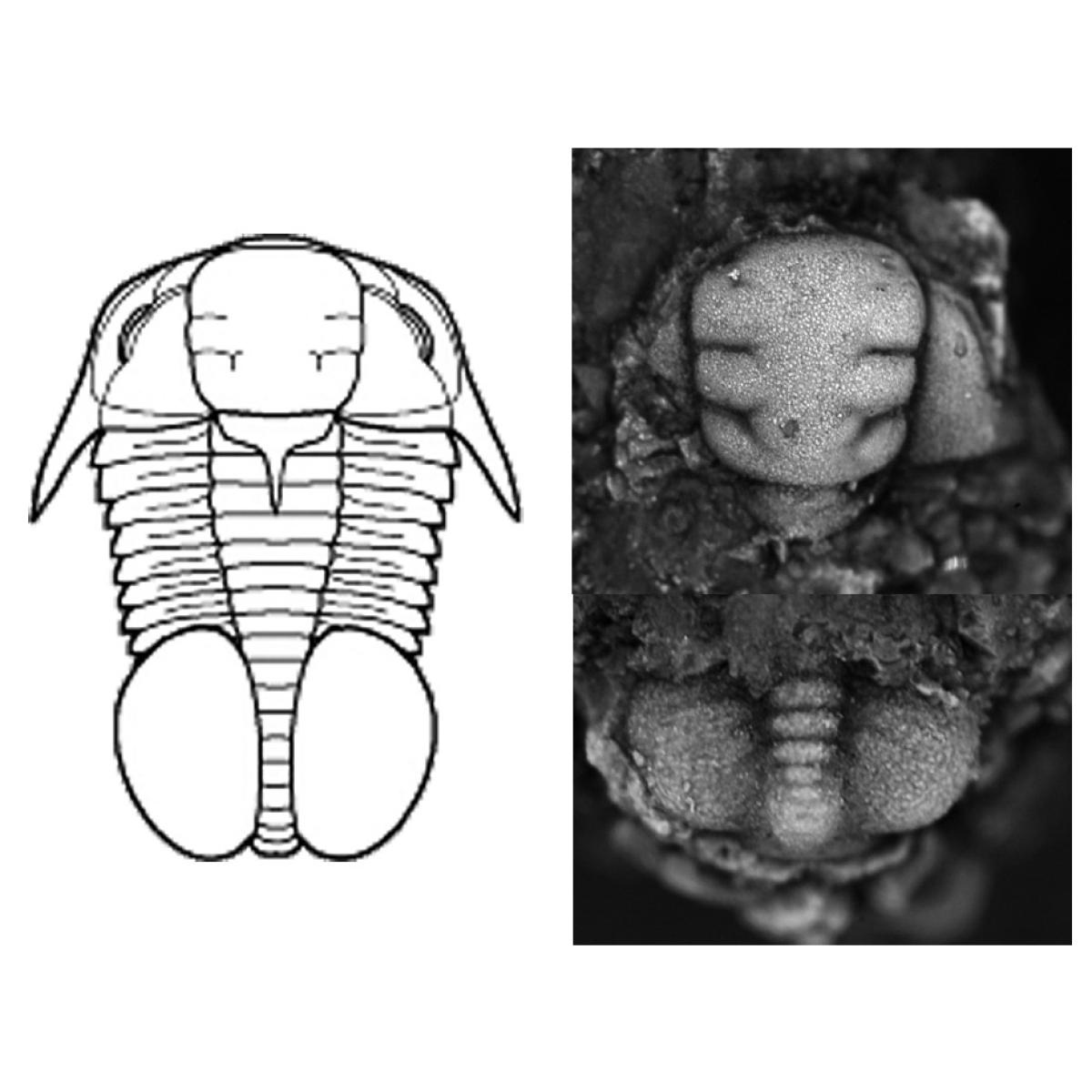
The Potsdam Sandstone is composed of the lower Ausable and upper Keesville members. The Ausable member is estimated to be Middle Cambrian in age based on a) the presence of Middle Cambrian trilobites in the underlying Altona Formation and b) the conformable nature of the Altona Formation with the Ausable Member. The Keesville is dated as Late Cambrian based on a Crepicephalus Zone fauna. This fauna was first reported by Walcott in 1912, but has never been thoroughly studied. I am in the process of describing and revising the phylogenies of some of those species. At least one genus is new and many of the species have never been described.
The Stratigraphy of the Million Dollar Beach Site
One of the first things archaeologists seek to understand when they are investigating a site is the stratigraphy. This entails both documentary research and ground-truthing through test excavations like shovel test pits (STPs) or small excavation units. At its most basic, stratigraphy is important to understanding a site because it can help the archaeologist understand the relative age of artifacts to each other, as well as demonstrate which artifacts are associated with each other and which artifacts are not. It is a key factor in building context, the most important concept in archaeological interpretation. Before continuing on to a discussion of the stratigraphy at the Million Dollar Beach Site, let’s talk a little bit more about these important archaeological concepts.
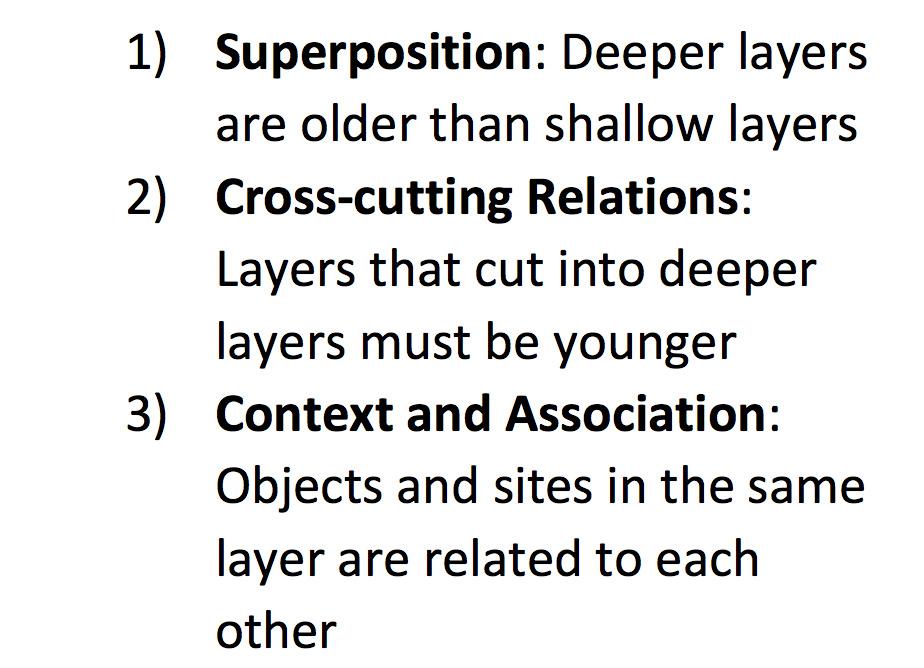
Figure 1: Three Laws of Stratigraphy
Stratigraphy is the analysis of strata or soil layers. Some areas, like rocky escarpments, may have very limited or no soil and others, like active flood plains, may have dozens of feet before you’d reach bedrock. In the latter situation, sediment deposited by flooding and acted upon by other natural processes like weathering and the movement of organic material, can result in tremendous soil buildup over time. In the former, sediment buildup may be limited to only wind action or erosion from above. What’s important in this discussion is the understanding that the layers archaeologists dig through were created through time, by processes that we can witness today, and these processes were operating in the same way in the past. This means that, barring unusual circumstances, the deeper a soil layer is within an excavation, the older it is.
Context and Association are the two most important concepts in archeology. Put simply, they ask, where was an object (or feature or site) found and what was found with it? For an archaeologist to make an educated interpretation about what an artifact means, they need to know as much as possible about where that artifact is from and what was found alongside it. Artifacts that have been removed from their context and associations through natural (erosion or animal burrowing) or cultural (construction, looting, and collecting) processes are divorced from their meaning and the vast majority of their scientific value. Because of this, the most important tool an archaeologist wields is not the shovel, the trowel, or the brush, but a pencil and paper. When conducting any form of excavation, archaeologists take copious amounts of notes and photographs, documenting as much about the stratigraphy, context, and association of every artifact they encounter, no matter how seemingly insignificant some of them might be. You can never know what will be important or what information you will and won’t need until excavations are complete, you’re back in your office compiling the results, and it’s too late to go back.
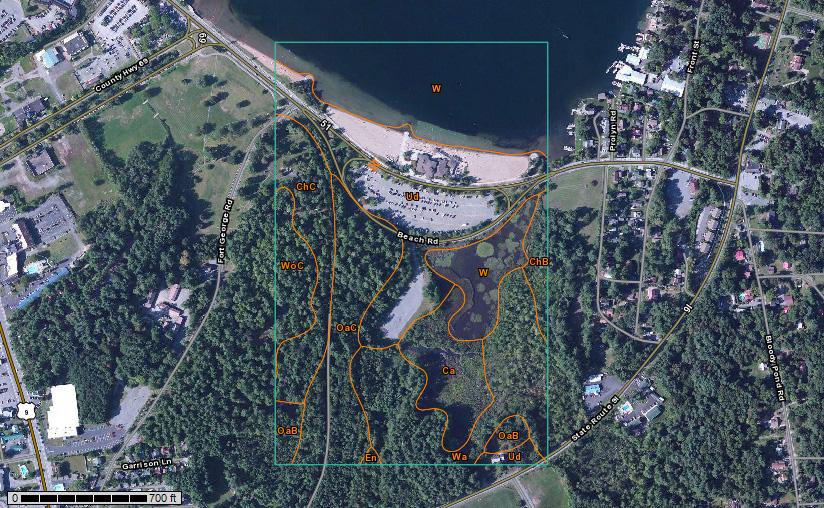
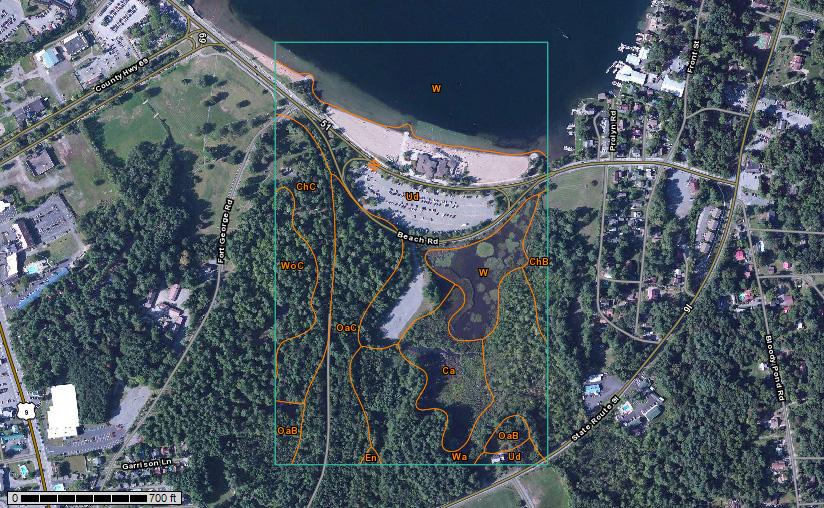
Figure 2: Soil Map of Million Dollar Beach Vicinity
Understanding the stratigraphy of the Million Dollar Beach Site helps us to build a case for the context and associations of the artifacts we find there. This process began even before we set foot in the field by researching what soils we should expect. Figure 2 is an image taken from the National Resource Conservation Service’s Web Soil Survey application. It documents the types of soils identified in the vicinity of the Million Dollar Beach Site. This gives an idea of what to expect when we get into the [Text Box: Figure 2: Soil Map of Million Dollar Beach Vicinity] [msImage_20131030_07020607615_10] field and can supply crucial information regarding how deep testing needs to be to exhaust the possibility of deeply buried cultural levels. However, this information cannot be simply taken at face value. The boundaries of these soil types are often approximate and small variations might be obscured by the larger soil type patterns. Another reason to be mindful that experiences in the field may differ from published soil surveys is demonstrated at Million Dollar Beach. The soil type circling Million Dollar Beach Parking Lot and another construction lot next to it is, “Udorthents” (Map Symbol Ud), a soil type that indicates significant disturbances like cutting and filling. However, simply being listed as disturbed is not enough to write-off an area and, in fact, at Million Dollar Beach we found that the disturbance to this area was primarily filling, which rather than damage the site, often served to protect it by burying it deeper beneath modern human activities.
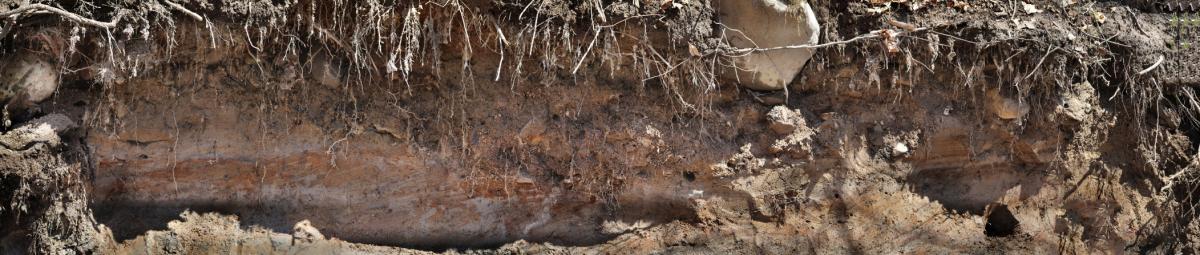
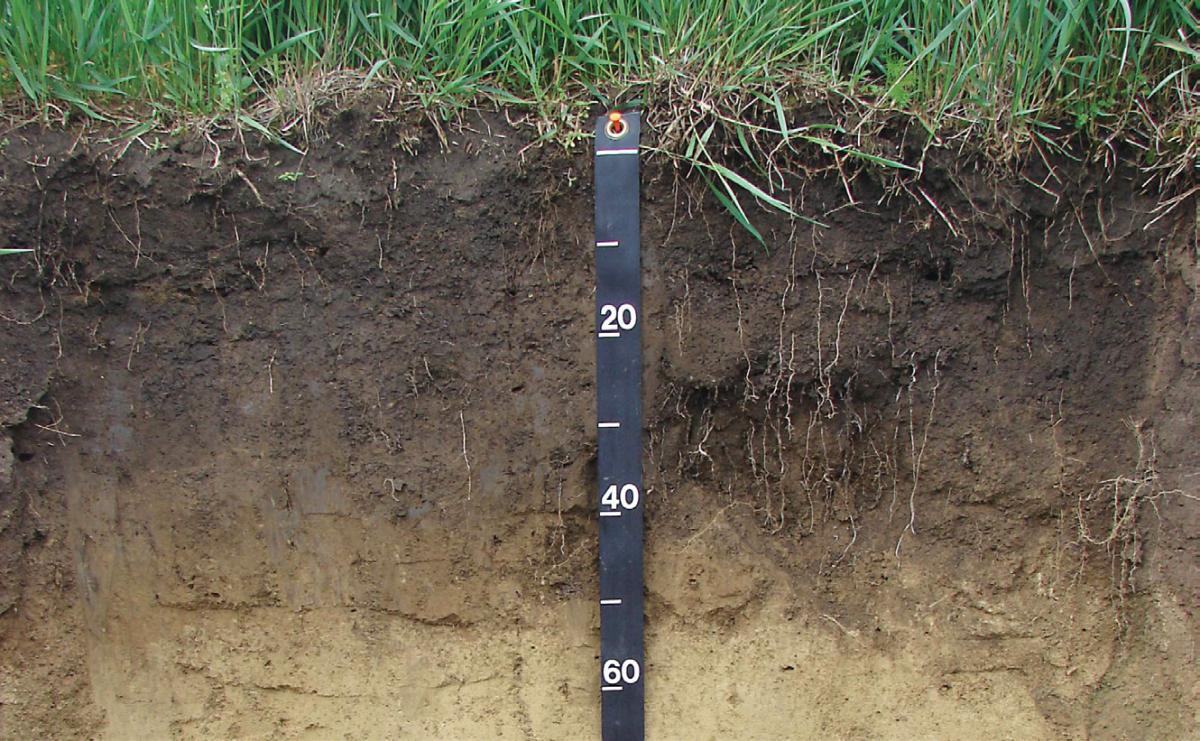
At the Million Dollar Beach Site there are two main divisions to the soils we encountered: natural soils, and soils that were affected by some sort of modern disturbance. The first set of soils includes most of the site and the majority of the campground area. The second set of soils includes the parking lots, road, median, and many smaller disturbances associated with electrical lines, drainage features, and roads and paths going through the campground. In the natural areas, we encountered three main soil levels, as demonstrated in Figure 3, which is typical of the profiles we encountered at the site. The first level was usually described as a very dark brown silty sand, usually with a level of humic build up on top of it, that extended to a depth of about 25 centimeters (10 inches). The second level was usually described as a strong brown coarse sand that extended another 10 inches on average. Underneath these two levels was a pale brown coarse sand level that extended at least another 30cm (12 inches) and often farther. This level became increasingly dark, wet, and included increasing numbers of small pebbles and cobbles before excavation was usually stopped by the appearance of the water table. On average, the units were dug to around 80cm (2.5 feet) before being stopped by water. This typically happened well into the third natural level and underneath artifact-bearing strata. Ground water was typically shallower to the north and east of the project area, and sometimes water was encountered very early in the units closest to the lake and the creek (see Figure 4).
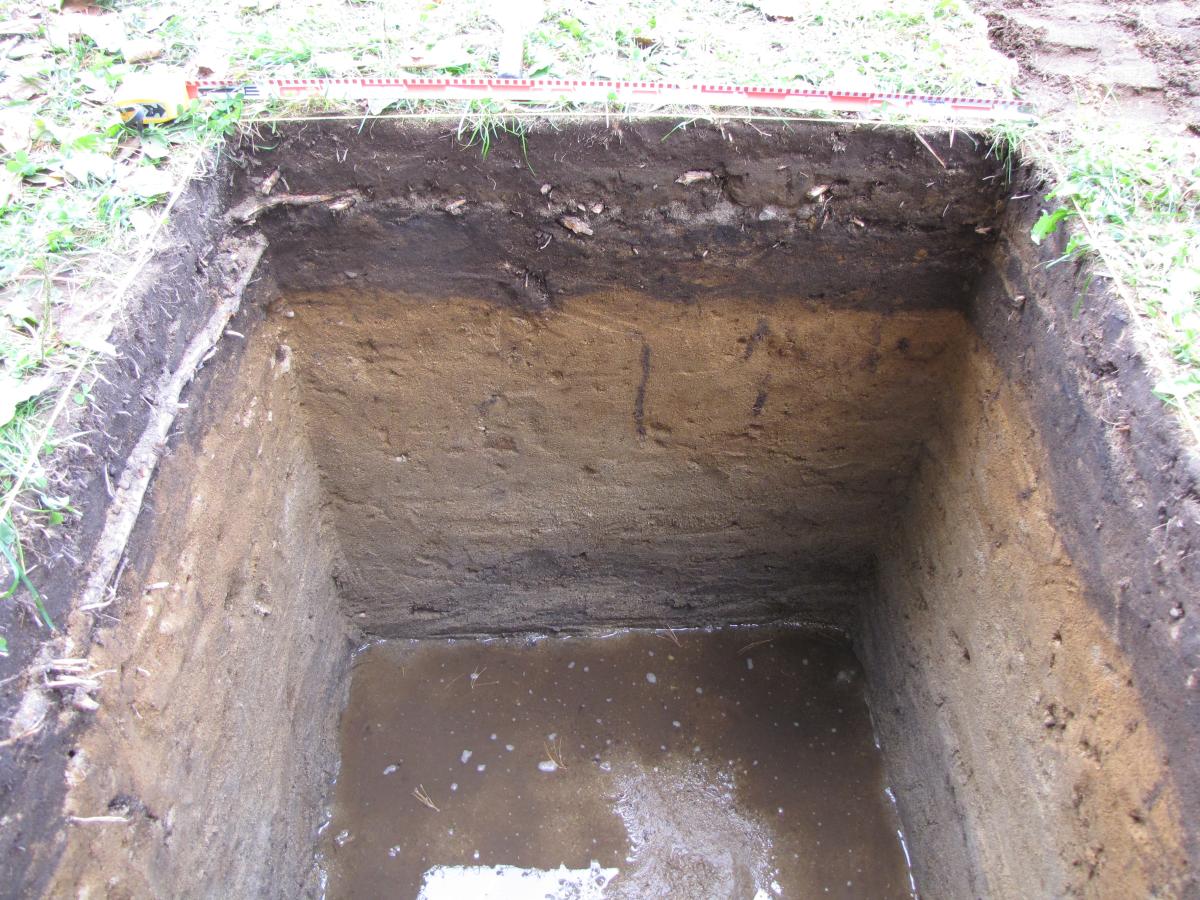
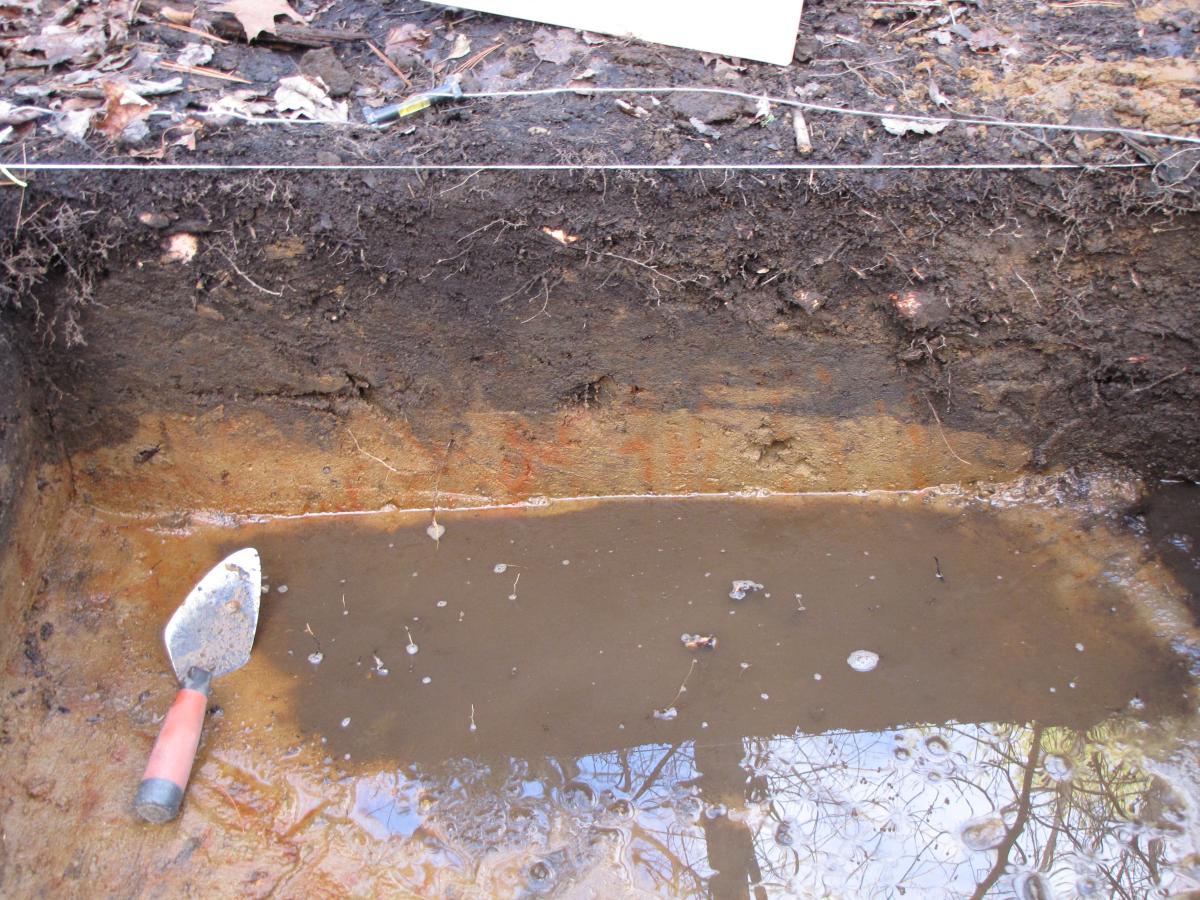
Disturbed soils ranged in their appearance and form and included long, linear features created by buried electrical lines to large pit features which included a fifty-year-old septic tank. One particular disturbance that deserves further mention here is the work done around the road as it demonstrates the importance of not assuming that you know the stratigraphic conditions before excavation.
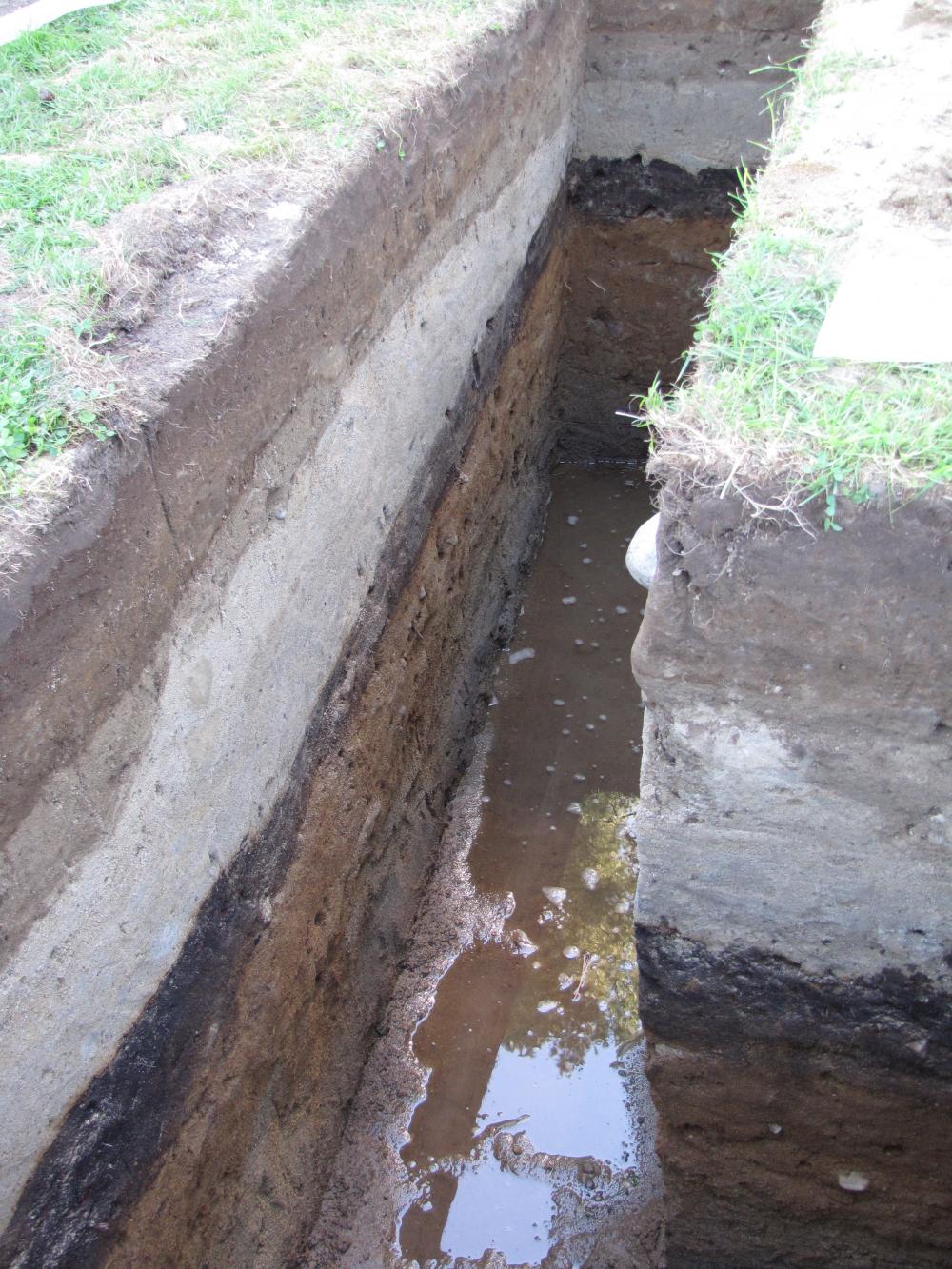
Figure 5. Construction Fill
It was deemed likely during the initial set up of the survey that identified the Million Dollar Beach Site that the areas underneath the road, parking lot, and median between the two would have been heavily disturbed by their construction and therefore, even if the original soil was still there, which is often not the case with large construction projects, that the soils would be hopelessly mixed, destroying the stratigraphy, context, and association of any artifacts that were there. Upon testing though, we discovered that not only were the soils still intact and therefore the artifacts still in situ (undisturbed or left in place) but that the filling of different soils on top of the natural ones actually helped protect it. More recent disturbances were often confined to these upper, unnatural levels, rather than dug into the natural levels below. Figure 5 shows an example of this stratigraphy, with artificially deposited white and gray soil levels on top of the same three natural levels identified almost everywhere else on site. One other point to mention in this scenario is that there were also prehistoric artifacts in the fill levels, indicating that while filling may have helped protect the Million Dollar Beach Site, at wherever this fill was from, a different archaeological site was damaged.
Million Dollar Beach Site
Archaeological Excavations in the Village of Lake George, NY
The Million Dollar Beach Site is a multi-component archaeological site directly adjacent to the famous waterfront in the Village of Lake George. Limited excavations of the site toward the goal of better preserving it in place while maintaining use of the beach parking lot, road, and campground, are currently underway in a collaborative effort between the New York State Museum’s Cultural Resource Survey Program and the Department of Environmental Conservation.
Project Directors: Barry Dale, Aaron Gore and Steve Morange
Archaeology Exposed: NYSM Open House at Schuyler Flatts a Success
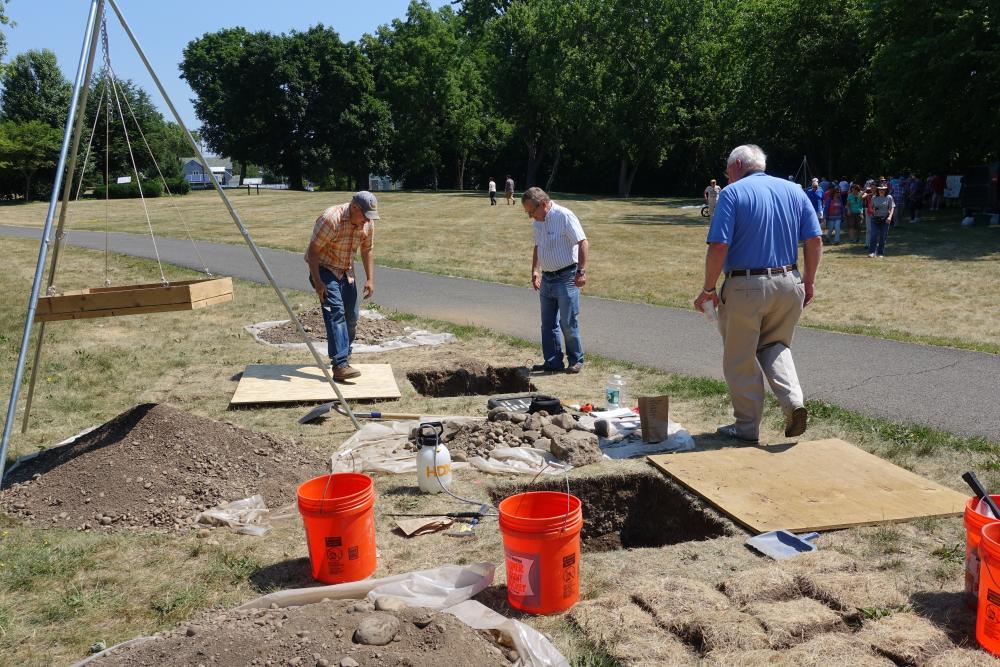
Archaeologists with the New York State Museum are working at Schuyler Flatts in Albany County to learn more about life along the Hudson River hundreds of years ago and how Europeans, Africans, and Native Americans left their marks in the form of artifacts and building foundations. On Saturday, June 25th, the public enjoyed a free open house highlighting their research at the Schuyler Flatts Cultural Park in Menands.
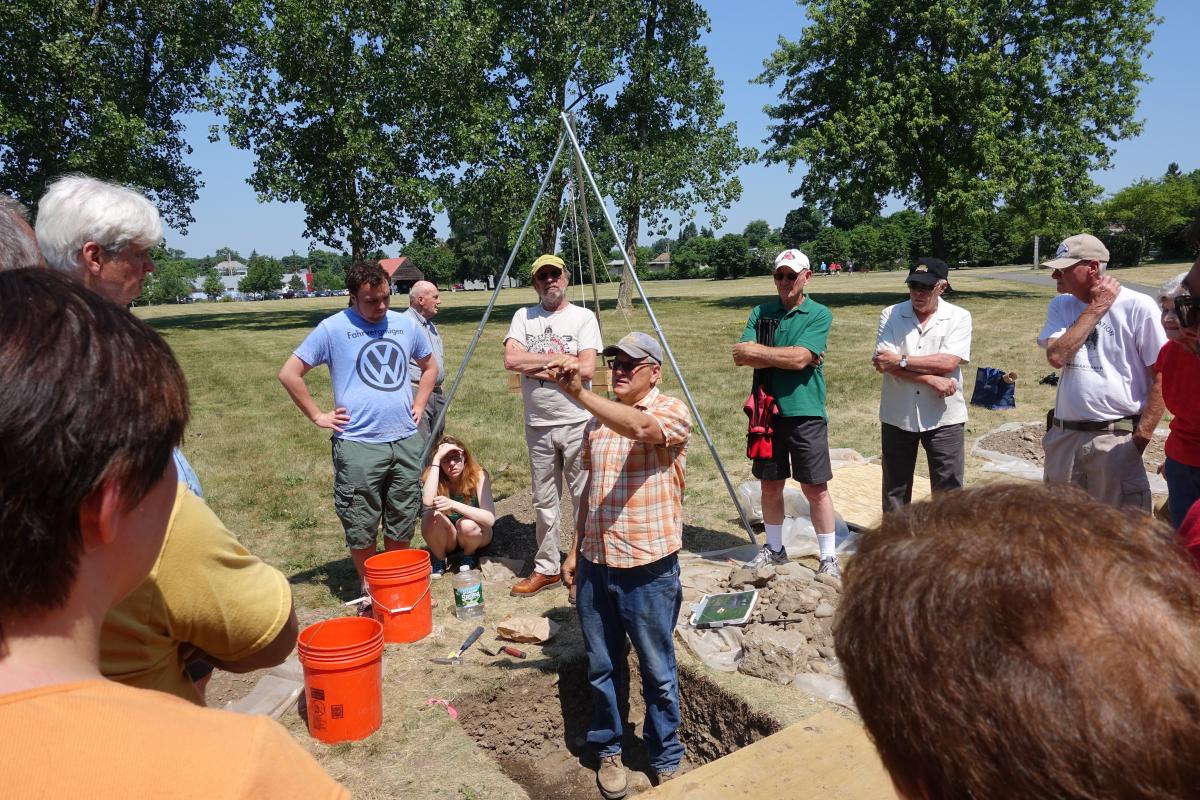
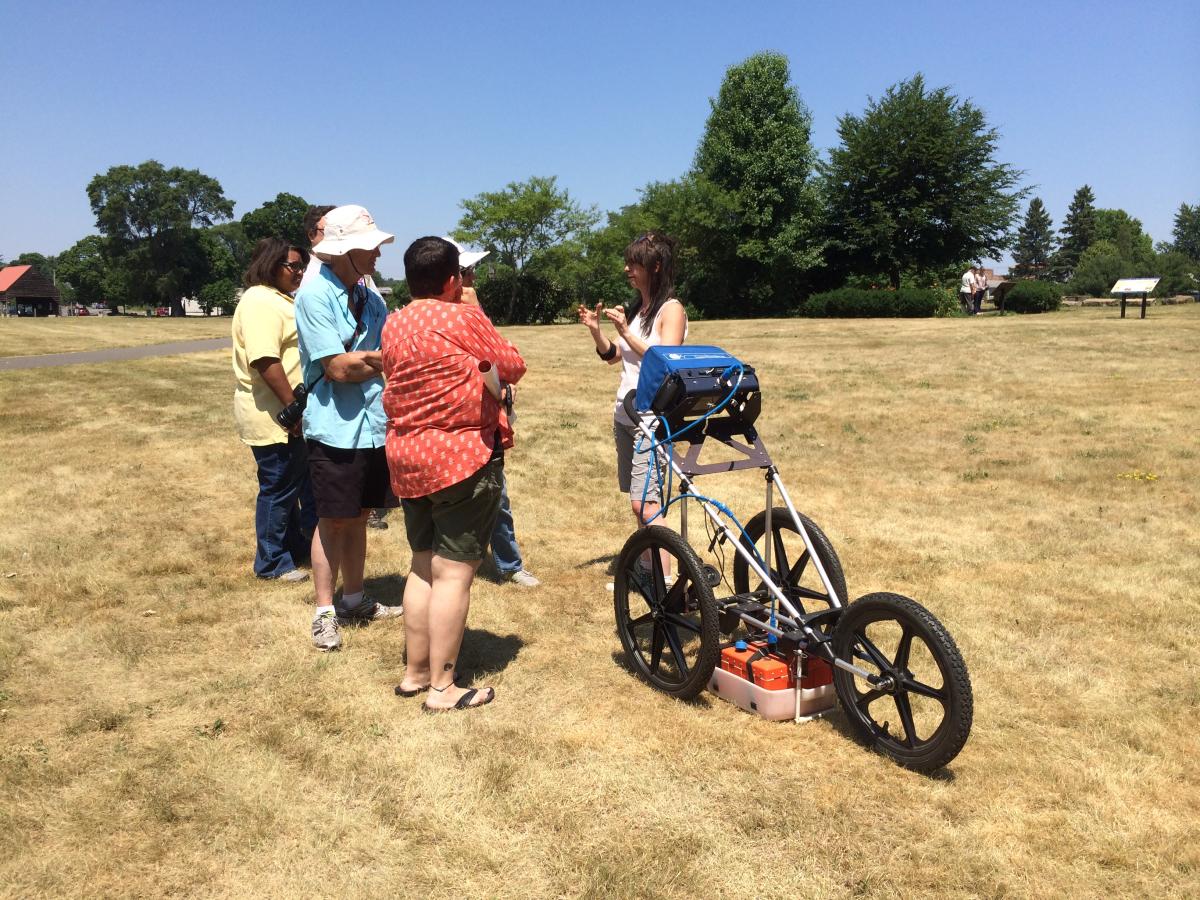
Visitors toured the area, enjoyed demonstrations of advanced technologies used to conduct excavations, and viewed newly discovered artifacts. They were the first to see the scope of the Museum's work and enjoy a rare chance to speak with archaeologists about recent discoveries, new technology that allows them to see "anomalies" underground, and the next stage of research into life at Schuyler Flatts.
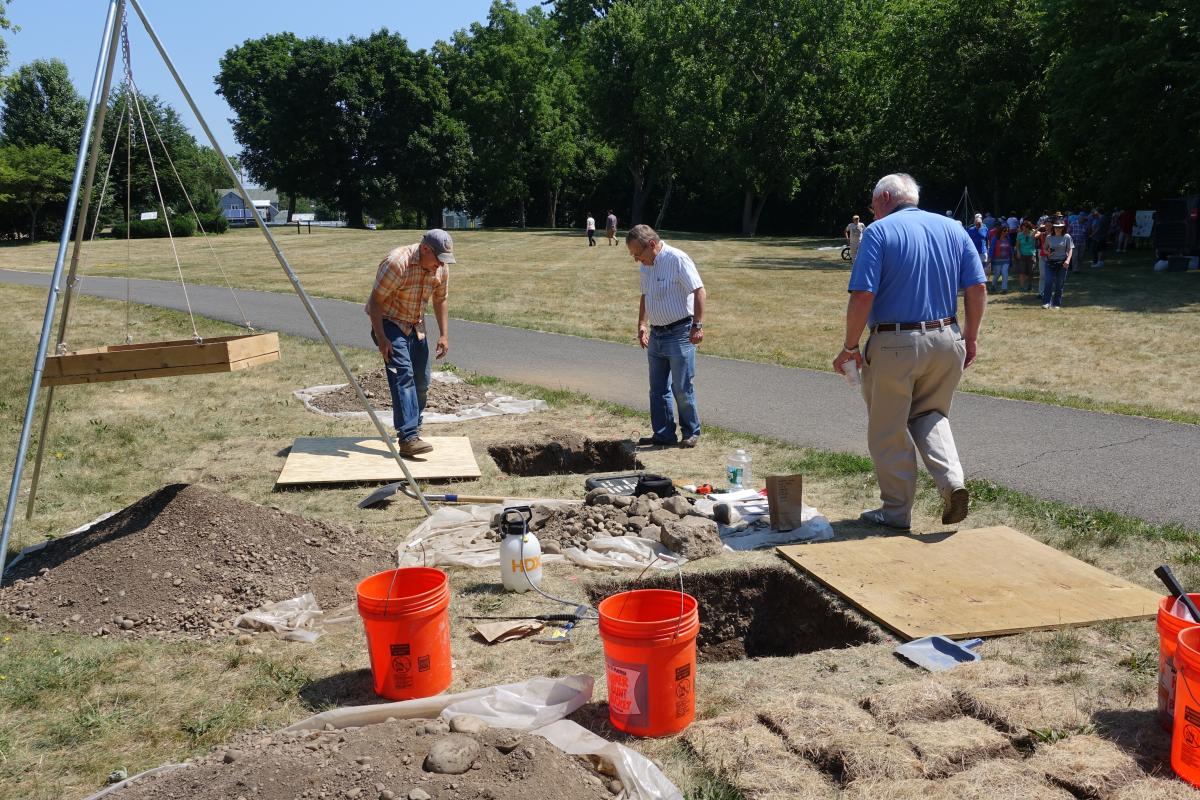
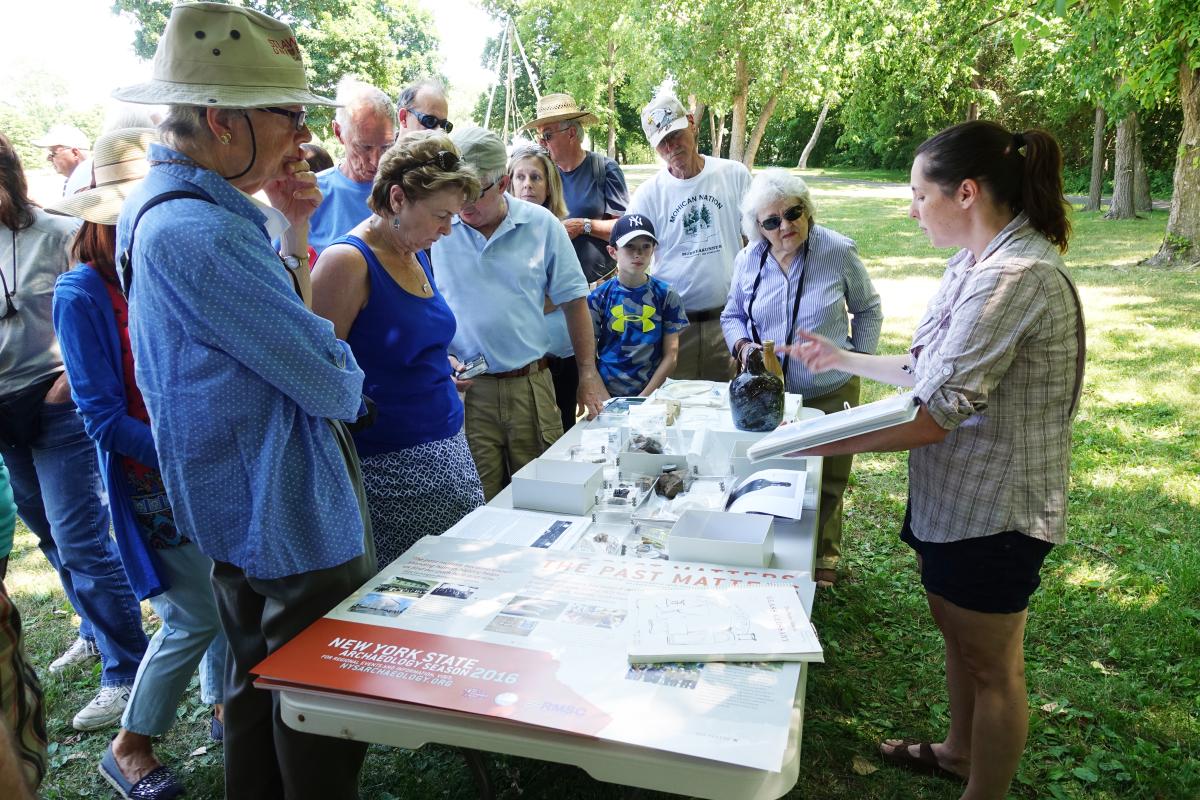
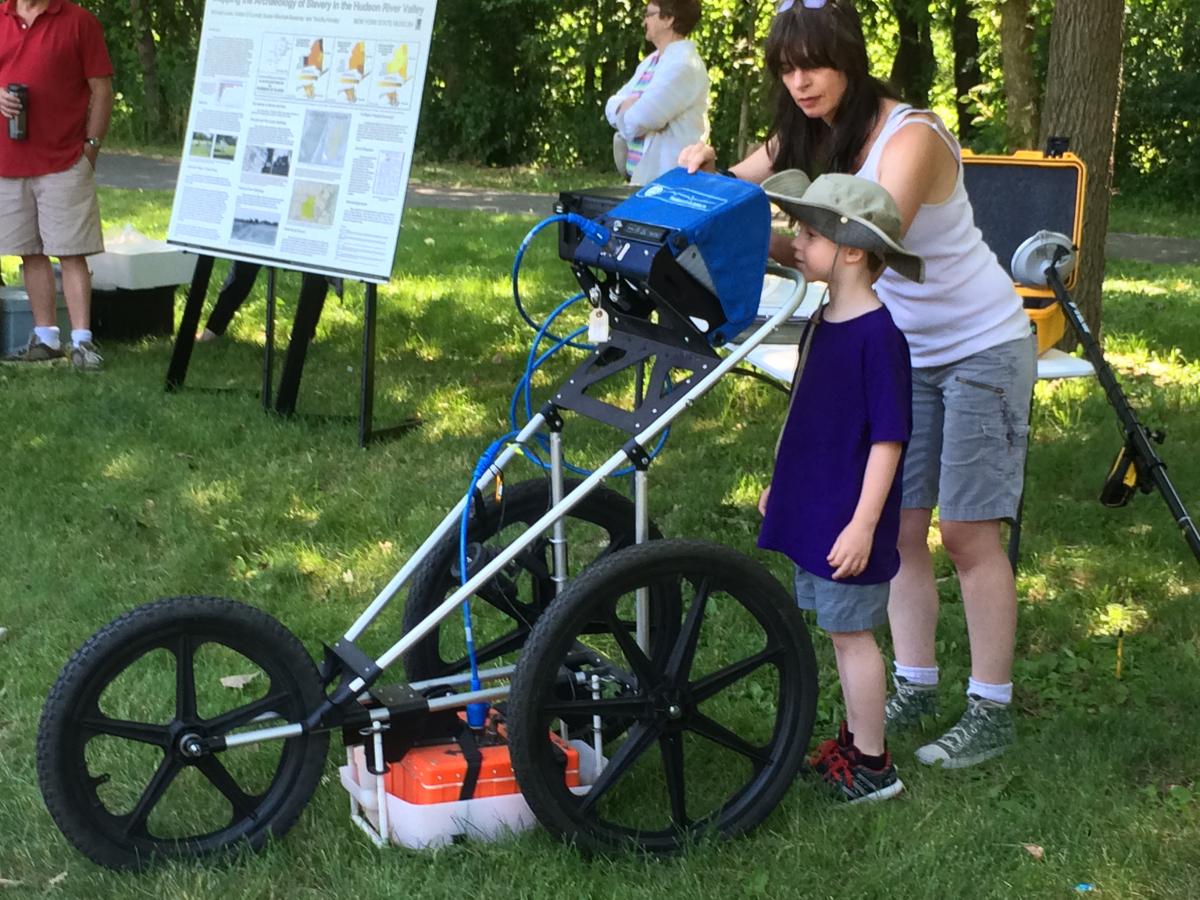
This project represents the latest stage of ongoing archaeological research at Schuyler Flatts. In 2005, the remains of 14 individuals were uncovered during a construction project. NYS Museum bioarchaeologist Lisa Anderson led research on the remains and, through extensive analysis, determined that they belong to enslaved people who worked at Schuyler Flatts. Facial reconstructions, DNA analysis, and physical examination of the remains all testified to their ancestry, birthplace, hard work, diets, and even habits.
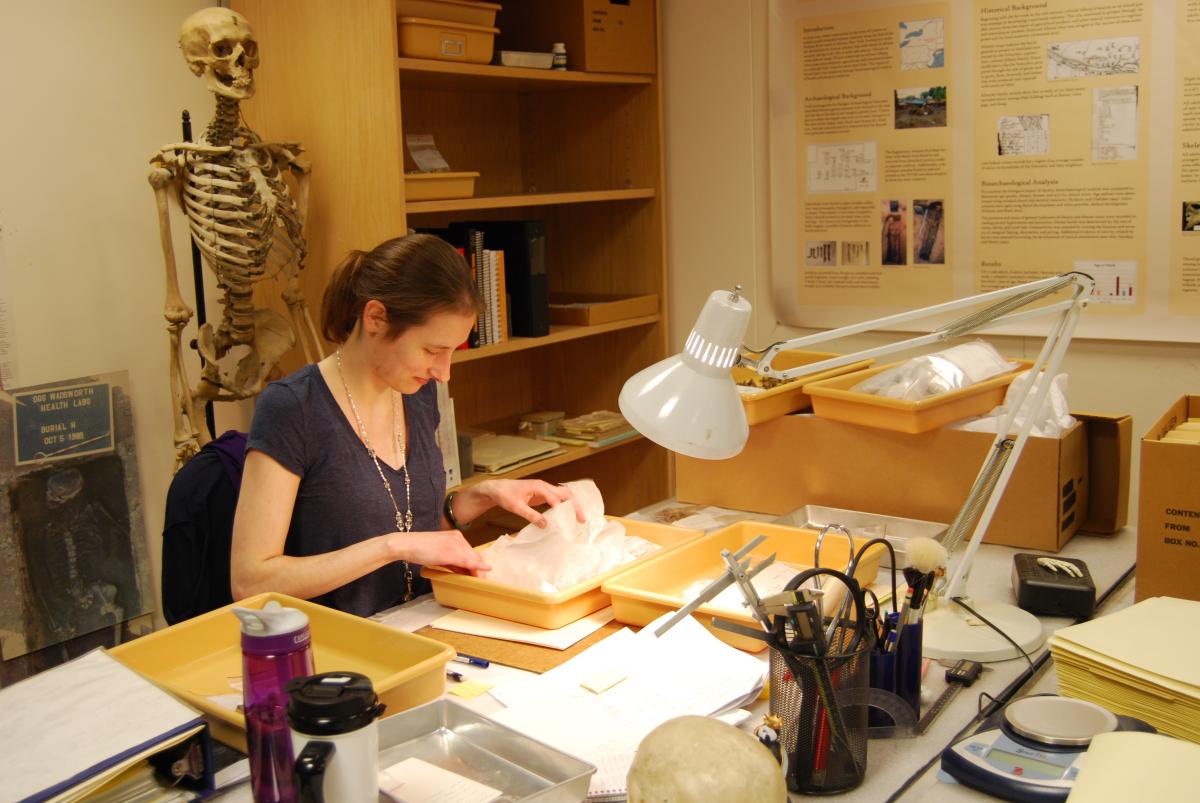
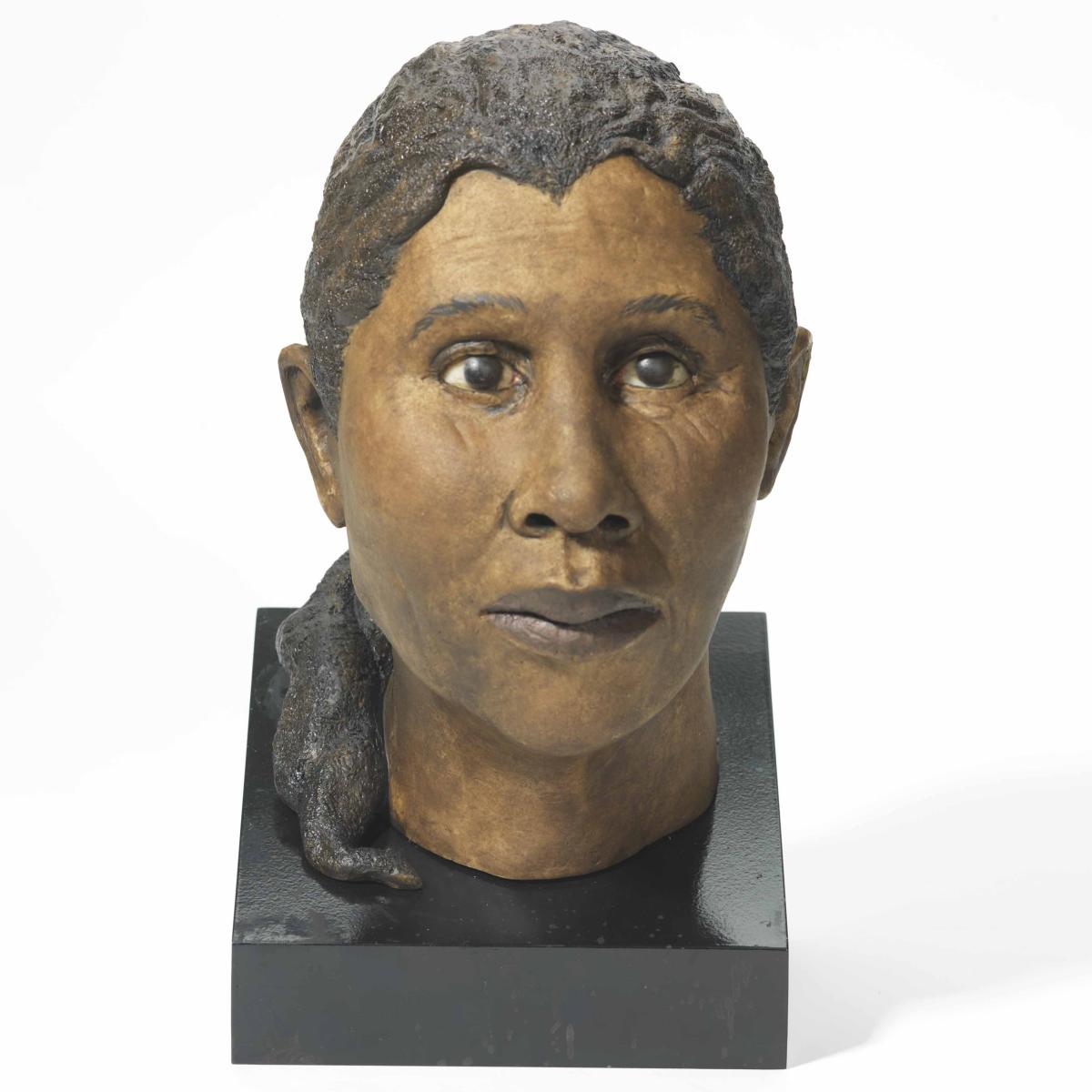
Michael Lucas, curator of historical archaeology, and a team of NYS Museum archaeologists conducted tests at the Flatts designed to locate possible structures and learn about the site's original buildings. By investigating artifacts and the archaeological remains of the built environment his team hopes to learn more about the role of the farm and the lives of those who lived and worked there, including the enslaved people whose remains have been found.

Utica North-South Arterial Reconstruction Project, Utica, New York
The Utica North-South Arterial Reconstruction Project is a multi-phase project which was initially excavated in 2006 by both the CRSP and one of our sub-consultants, then completely taken over in 2012 by the Cultural Resource Survey Program for the Phase III data recoveries and the construction monitoring. More than eleven sites were recommended for data recovery in which six were completed. These sites include the 705 Roberts Street site, the 1019 Sunset Avenue site, the N.A. White and Sons Pottery site, the 705/707 Bristol Avenue site, 1026/1028 Lincoln Avenue site, and the 613 Court Street site. In addition to the data recovery excavations, CRSP archaeologists have monitored the demolition of structures and the highway as well as the excavations related to the placement of new utilities. The construction monitoring efforts which began in 2013 are still ongoing today.
Project Directors: Sean Higgins, Joel Ross, Heather Clark, Steve Moragne, Scott Cardinal, David Staley, Barry Dale
Individual Sites:
705 Roberts Street
Project Director: Sean Higgins
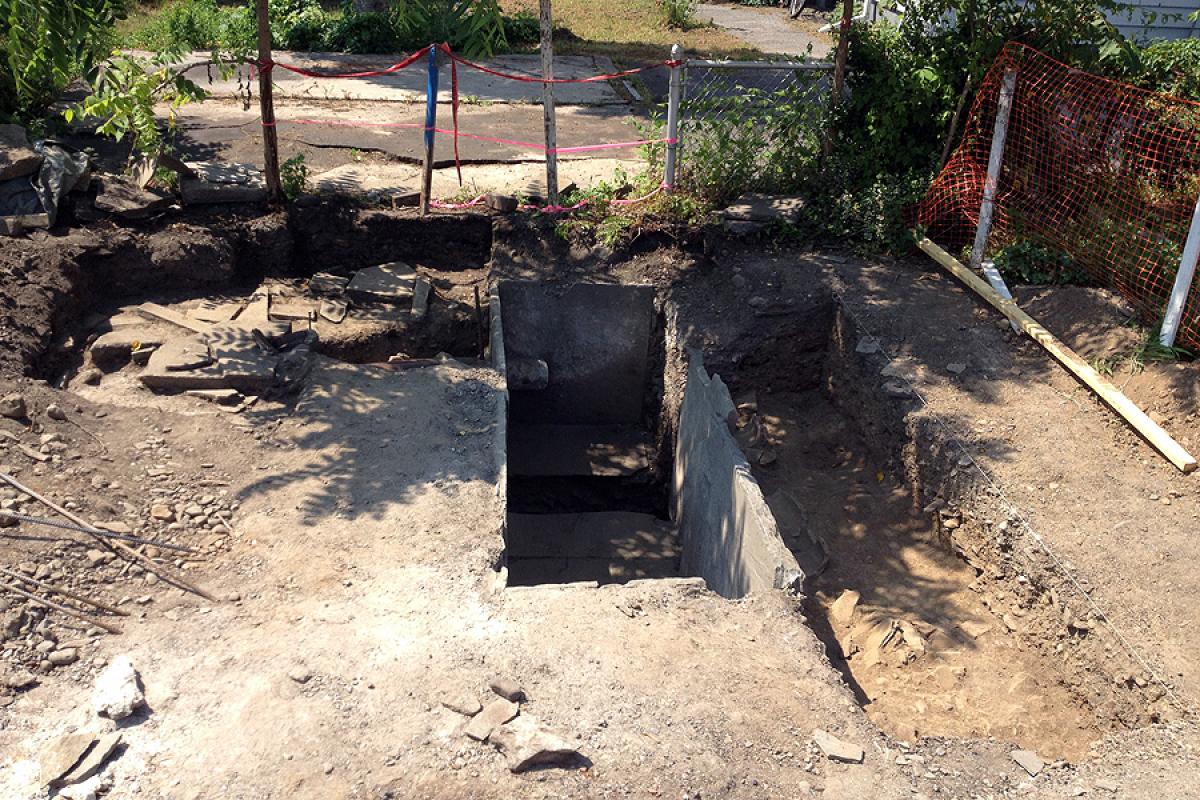
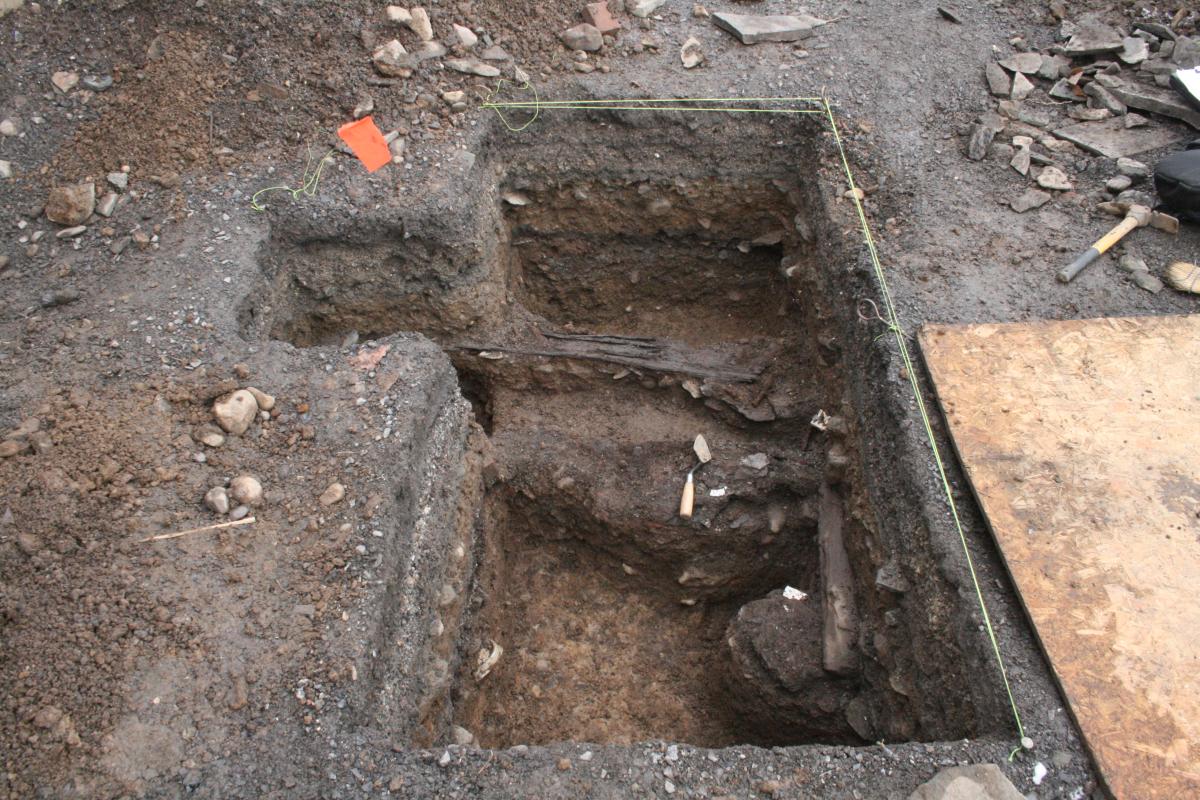
Excavations at 705 Roberts began in mid to late November of 2012, and ended in the first week of January, 2013. During the second week of November, a crew monitored the removal of the asphalt parking area south of 705 Roberts, and adjacent to 700 Bristol. The site located at 705 Roberts was a nineteenth to twentieth century office and residence. The neighborhood in which 705 Roberts is located had, at one time, a heavy German and later Polish, ethnic population. Excavations at this location were geared toward the identification of cultural remains representing these populations. The second half of the testing area was located to the south of 705 Roberts, which prior to testing was a paved parking lot. During the nineteenth and twentieth centuries, this site served a number of purposes. First, it was a small local stone workshop which shaped architectural stones. It has been suggested that the residence at 705 Roberts was perhaps a later office/house for the workshop manager. At some point during the early twentieth century, the workshop ceased to operate. During the mid-twentieth century and forward, the lot was paved over. Investigation of this site would help document local small economy, something that is absent from the other sites investigated during these data recoveries.
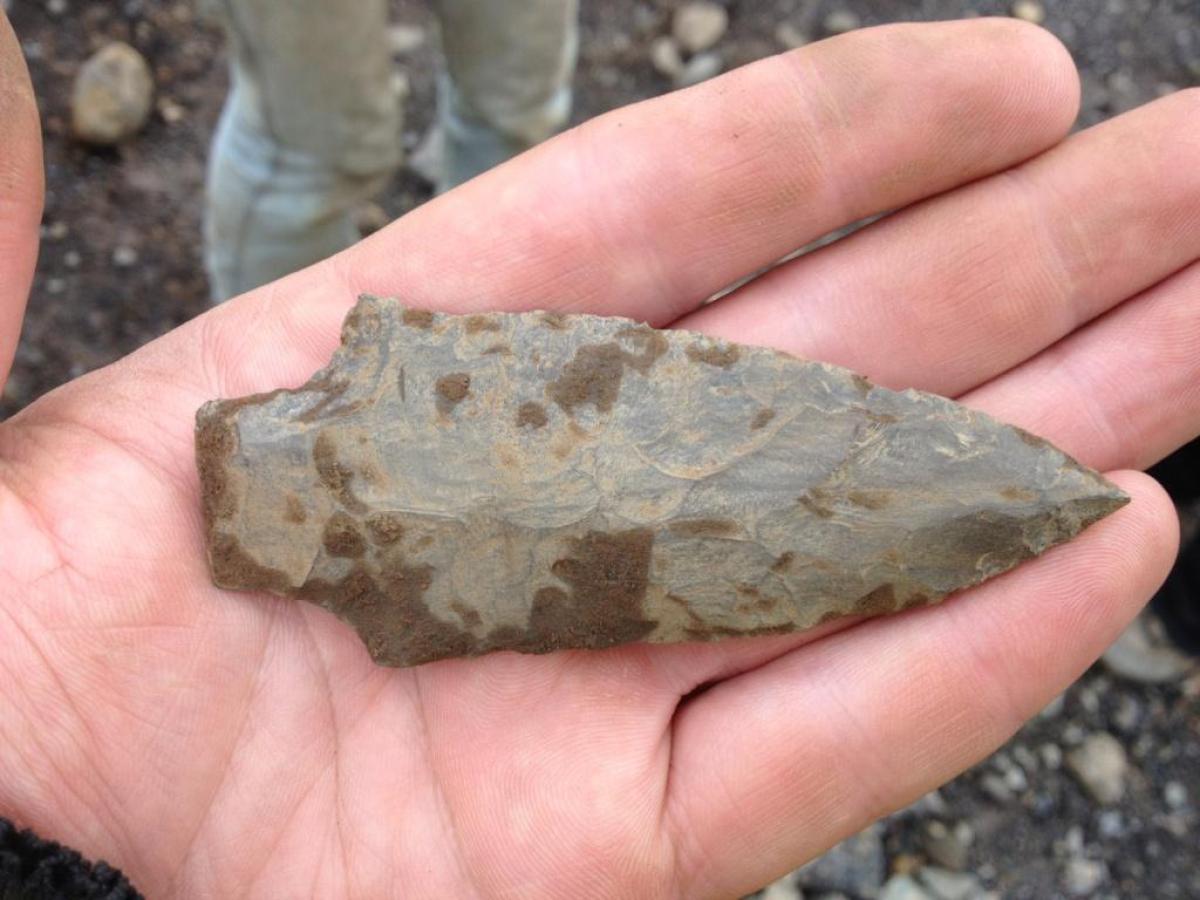
Though the artifact analysis is still ongoing, some notable artifacts recovered during the excavations include a variety of domestic artifacts relating to the residential structure, as well as some relating to the stone workshop. Many of the artifacts recovered from under the parking lot relate to a short-lived restaurant at the adjacent property of 700 Bristol. Interestingly, a Late Archaic Genesee projectile point was recovered from a unit, which was found at what archaeologist have determined to be a buried nineteenth century surface, under periods of historic fill and topped with the asphalt parking lot. This point appears to be historically curated, or historically redeposited and not to be part of any prehistoric occupation at this location.
705/707 Bristol Avenue
Project Director: Steve Moragne
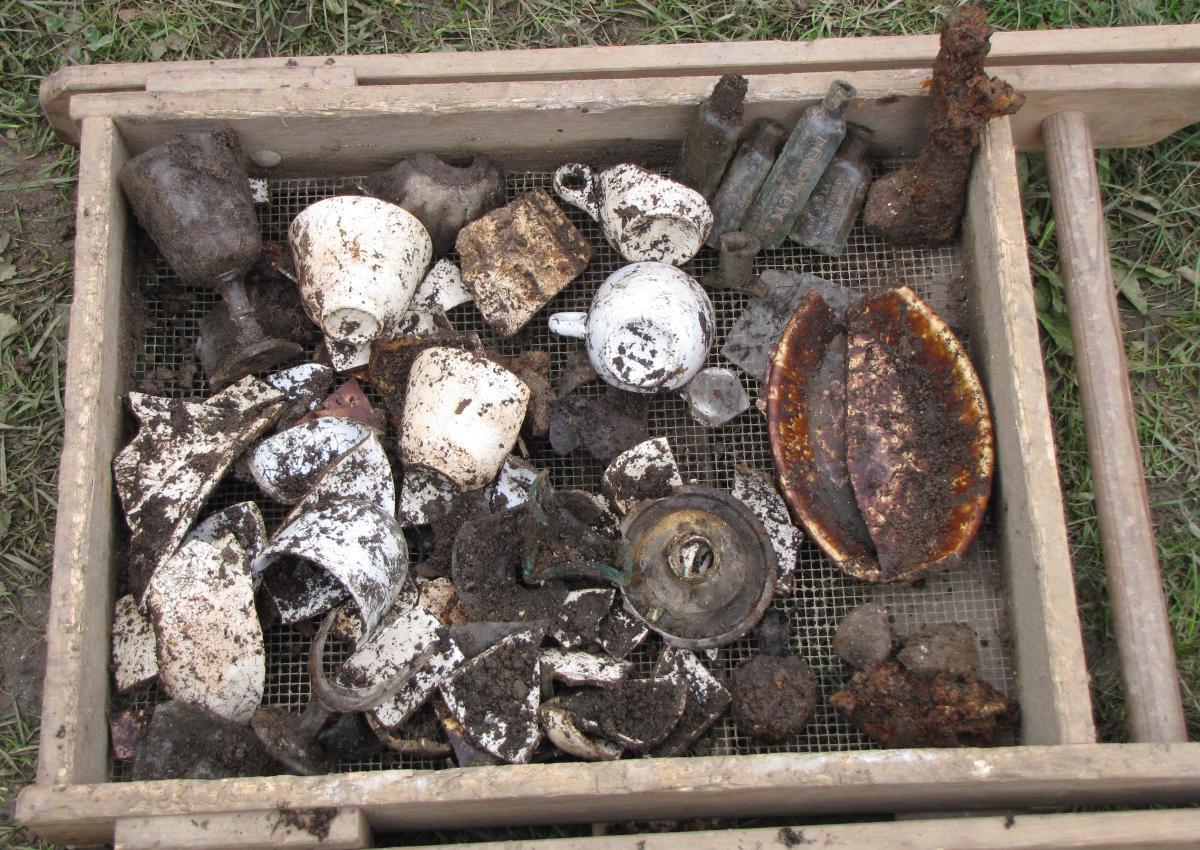
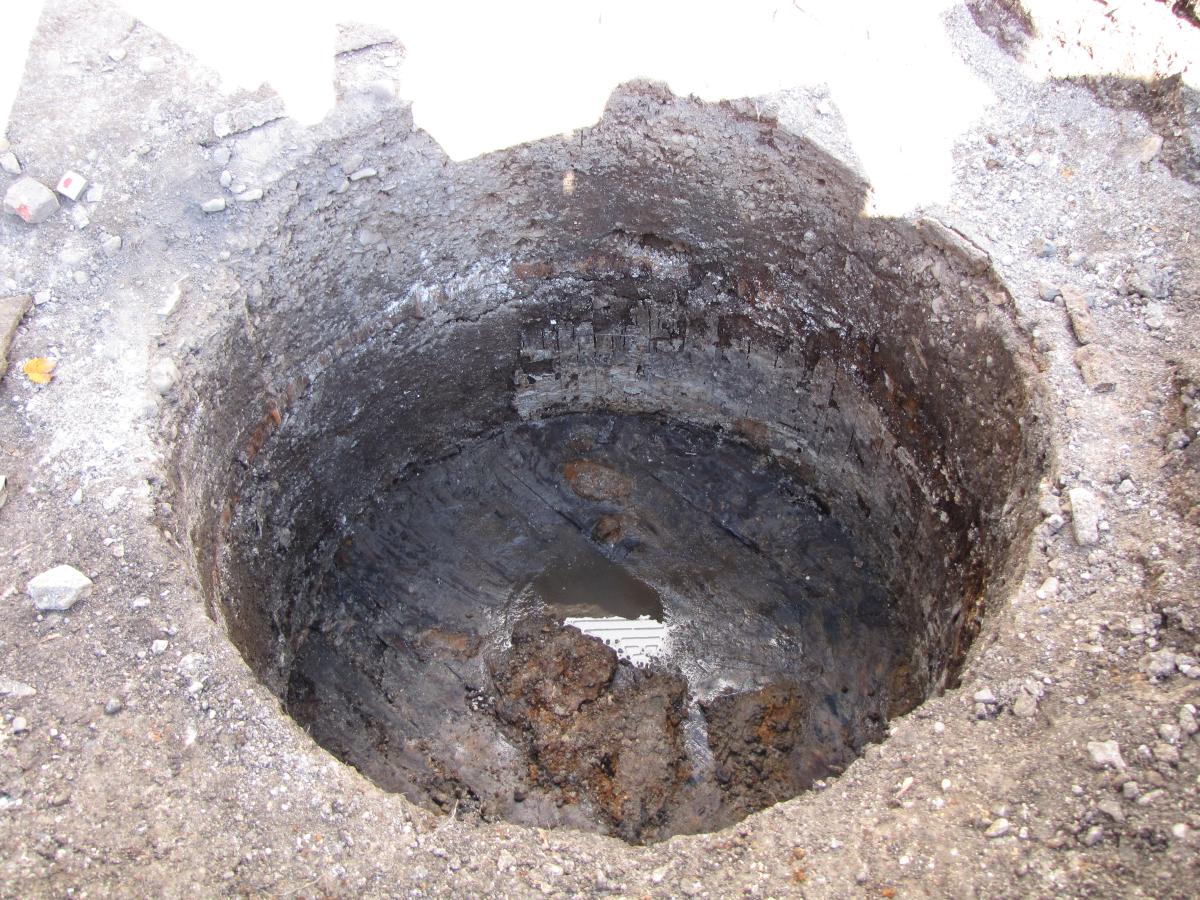
705/707 Bristol Avenue was constructed sometime around 1870 and between then and 1930 it served as an immigrant tenement for multiple families, with census data showing that between those dates over 200 people lived there, rarely staying for more than a few years and always in the company of at least one other unrelated family. While this area of Utica is known as, “Little Poland,” it is only after approximately 1915 that Polish immigrants came to occupy this building. Prior to that year, the tenants included immigrants from Switzerland, the Province of Saxony, the Kingdom of Wurtemburg (now southern Germany), England, Austria, Prussia, Ireland, France, Germany, and Russia. The available census data shows that during that 60 year span there were never fewer than 16 people living in this duplex at one time and usually the tenants’ numbers were in the low 20s. In 1880, 29 people lived there, fifteen of whom were children under the age of 13. While many of the adult tenants were factory workers at some of the area mills, there was also an array of other jobs listed for the immigrants including: shoemaker, woolen mill worker, dress maker, stationer and news dealer, cigar maker, varnisher, teamster, cotton spooler, spinner (twice), stone cutter, mill hand (twice), flagman, tailor, errand boy (twice), molder, boiler worker (twice), highland mill worker, knitting mill worker (twice), baker (twice), spinner at silk mill, wagon maker, butcher, laborer, brewery man, tinsmith, driver, cutter, rim maker, waiter, spinner at cotton miller, twister at woolen mill, dorfer at woolen mill, chauffer, bookkeeper, dyer, cutter at cutlery factory, laborer at cutlery factory, salesman, dairy laborer, and cotton mill laborer.
Archaeologically, the site includes a sheet midden and three shaft features – two cisterns near the rear of the house and one privy at the back of the lot. The artifact assemblages from the two are very distinct, a result of the different kinds of behaviors that led to their creation. The sheet midden accumulated slowly over time and likely reflect inputs from every person who ever lived in this house. Given that situation, it could be seen as very difficult to tease out the contributions of one group over another, but from the artifacts it is clear that a great deal of the sheet midden assemblage is the creation of children and it includes numerous doll parts, marbles, buttons, and other toys along with more traditional architectural and domestic debris. This is exciting because it provides a window into the life of children around the turn of the 20th century in immigrant Utica. On the other hand, the artifact assemblage from the shaft features was deposited very quickly, likely around 1905 when Utica began phasing out the use of privies and cisterns in favor of indoor plumbing. The deposits from these features likely represent bulk assemblages of domestic debris that may have either fallen out of style or were being replaced as a new household moved in, but either way they provide a snapshot of material life of immigrant families at the turn of the century in Utica, NY.
1019 Sunset Avenue
Project Director: Heather Clark
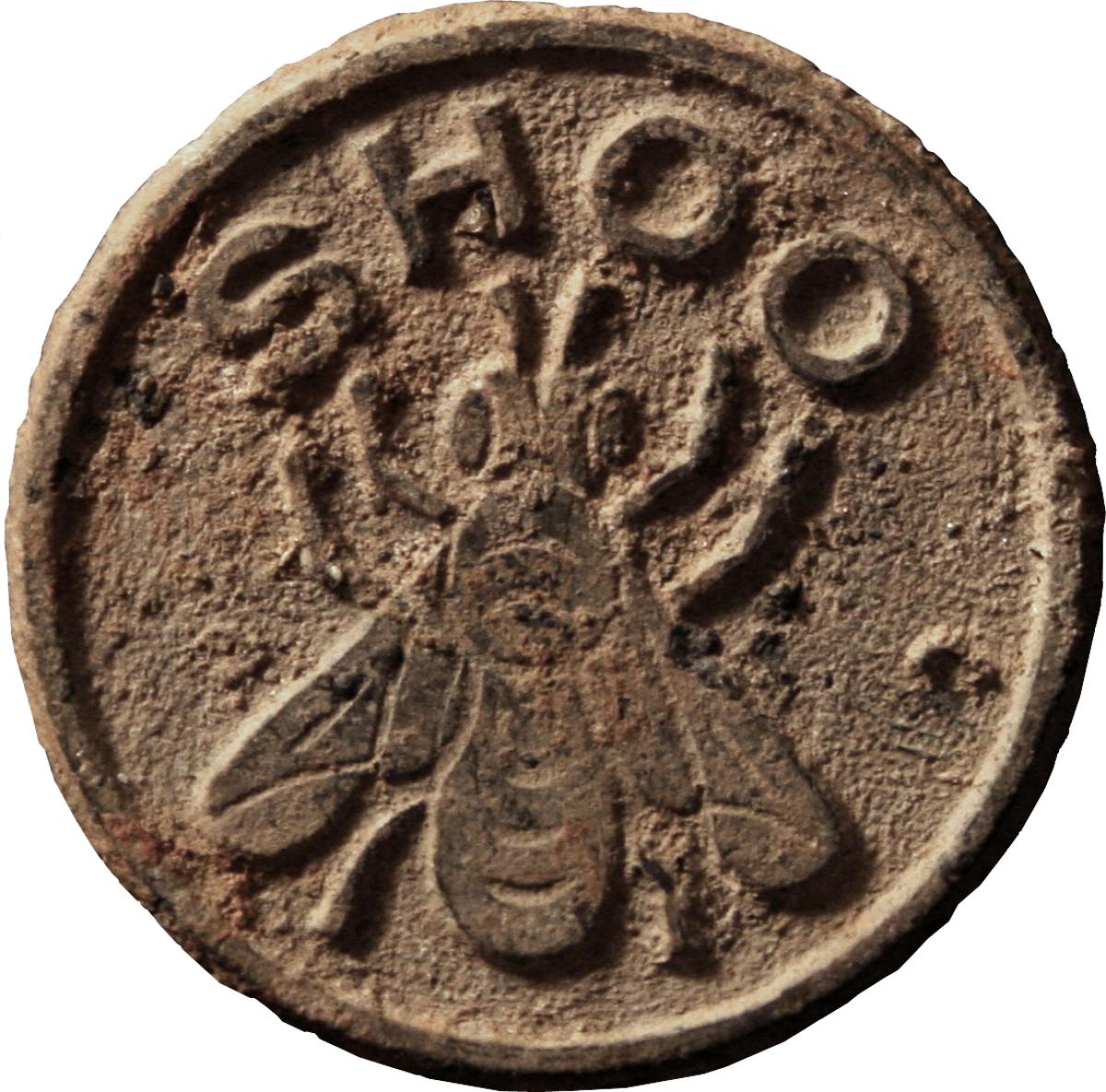
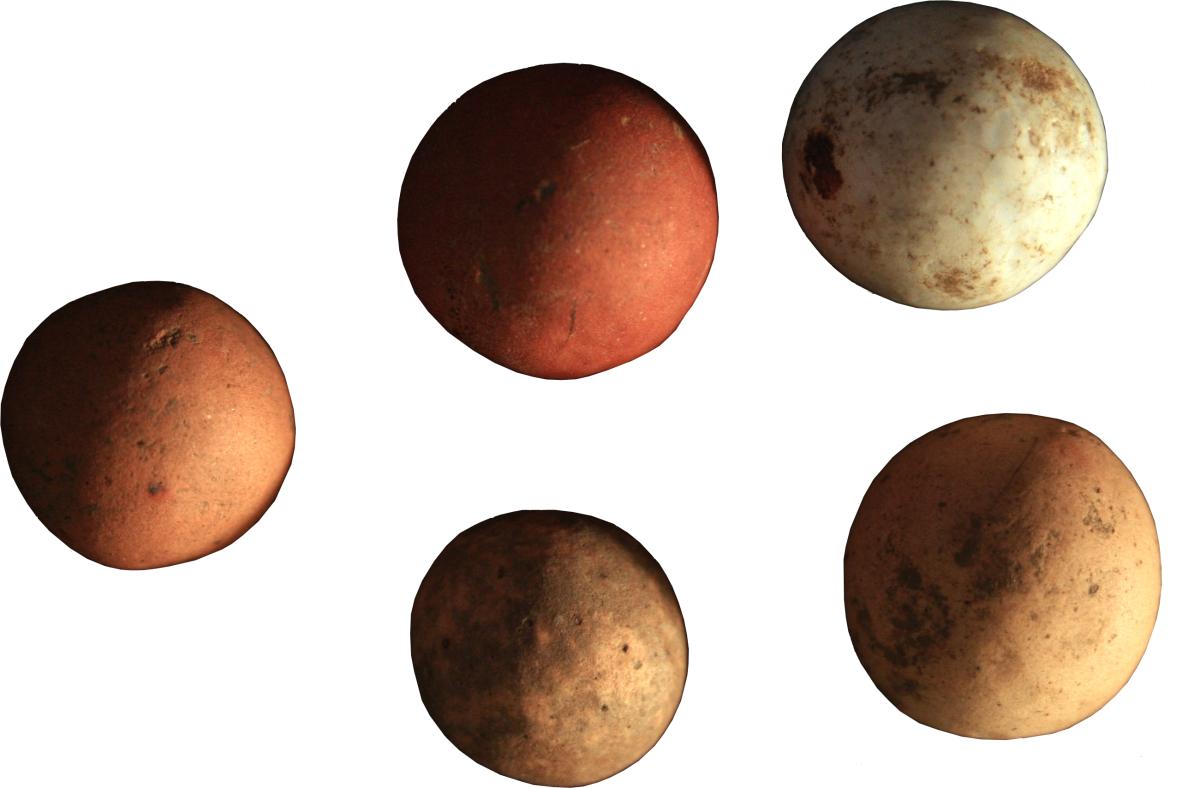
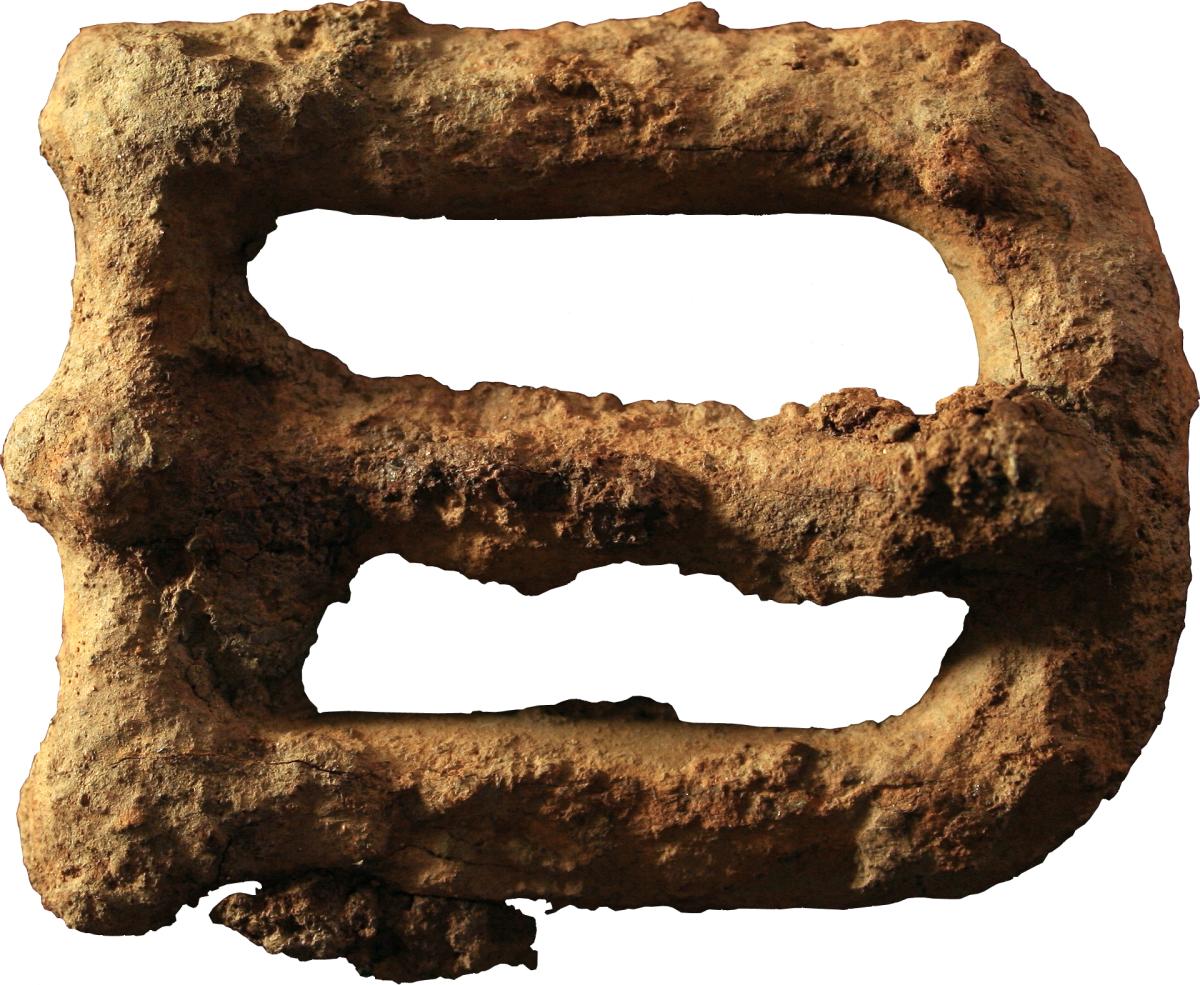
1019 Sunset Avenue consists of two long term family occupations that spanned from the mid-nineteenth to the early twentieth century in Utica, New York. Though the site was primarily a domestic residence, both families incorporated personal businesses into their space. The residents operated both a cigar shop and a greenhouse during the latter half of the 19th century and a slate roofing company in the beginning of the 20th century. Unlike the surrounding West Utican populations, 1019 Sunset was occupied by families of English and Irish descent. Excavations at the site were aimed towards finding information that would help to delineate the use of space between the domestic and business use of the property.
1026-1028 Lincoln Avenue Site
Project Director: David Staley
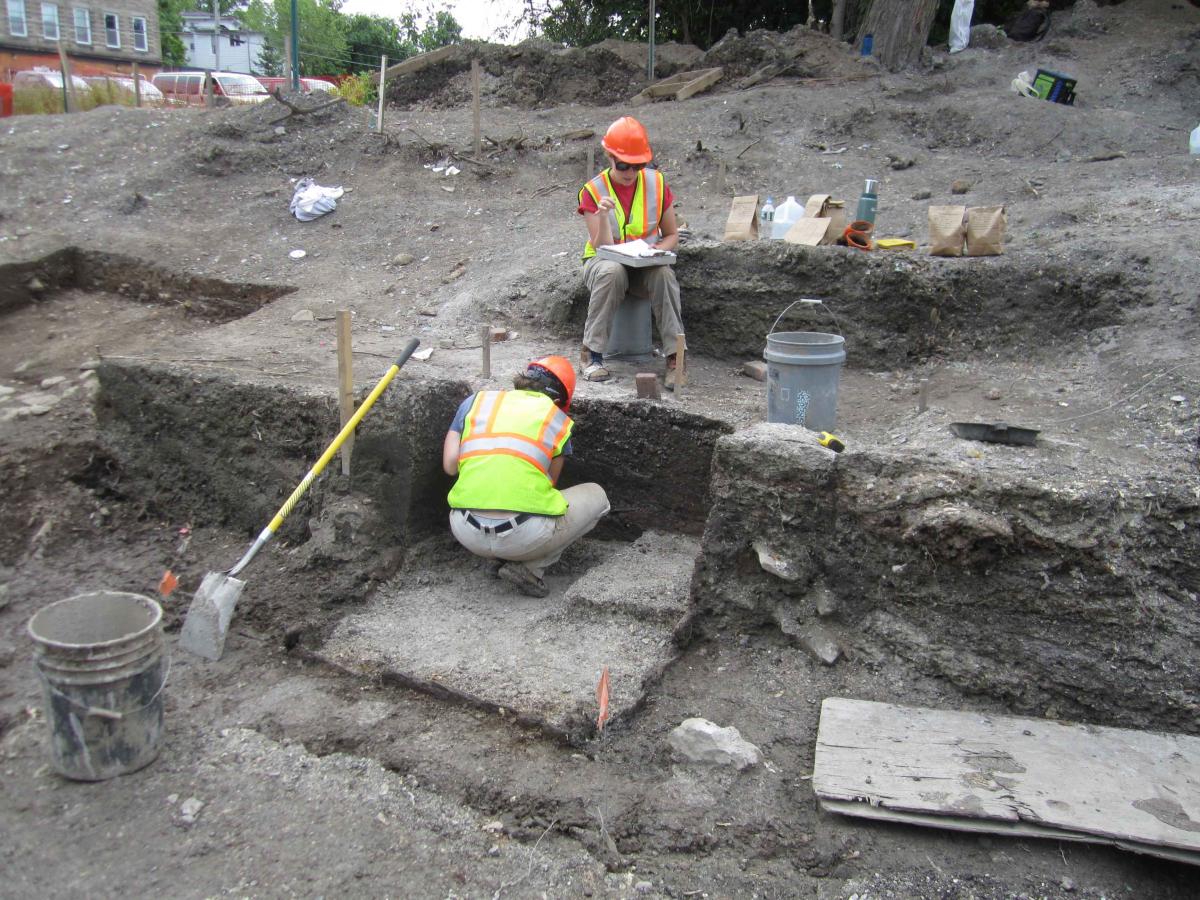
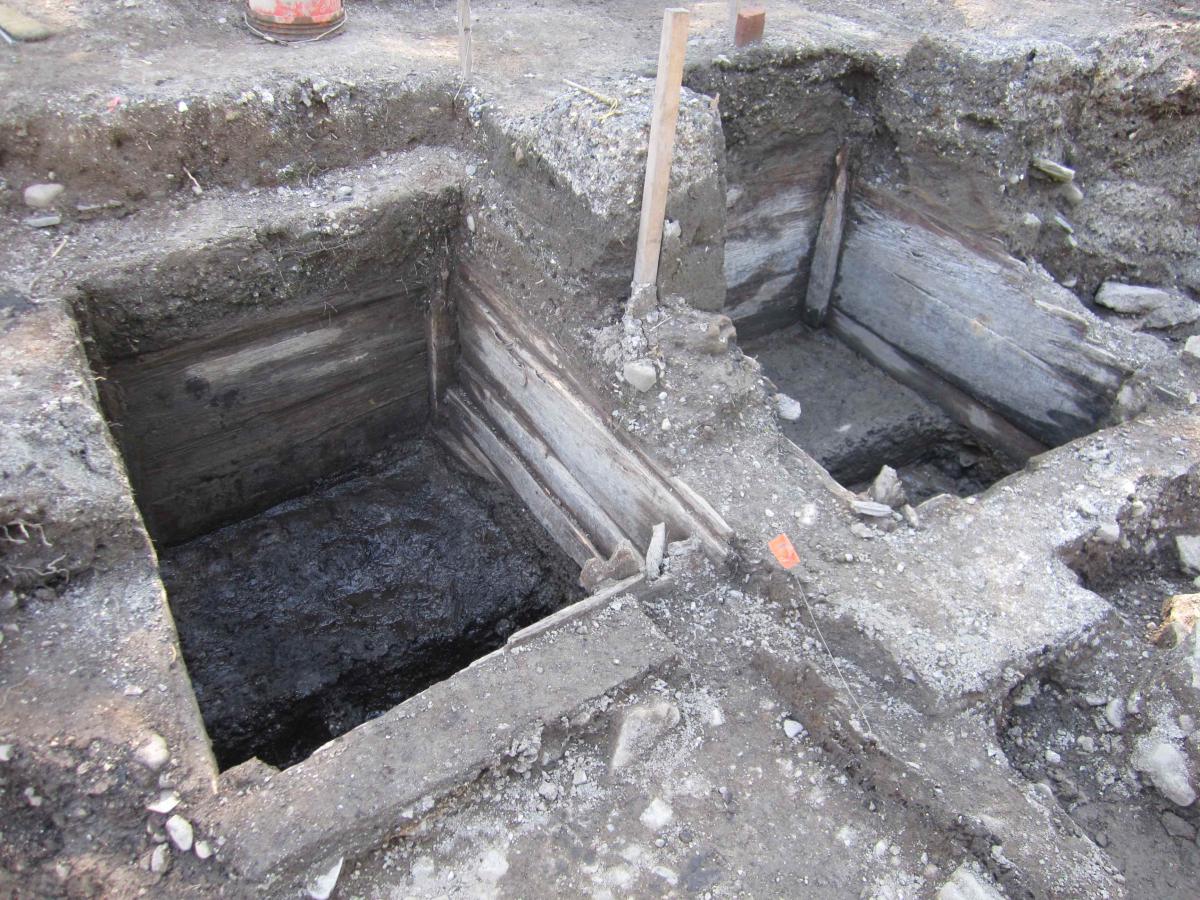
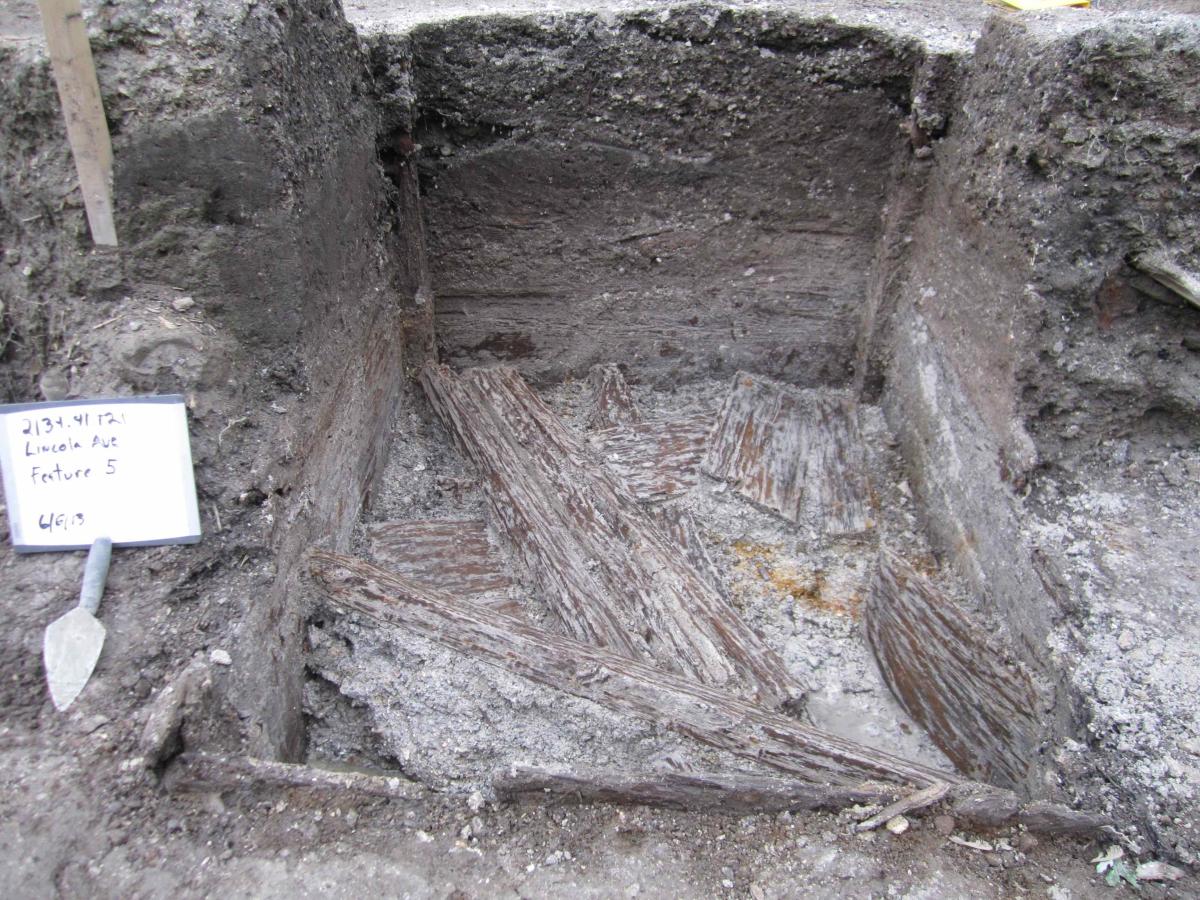
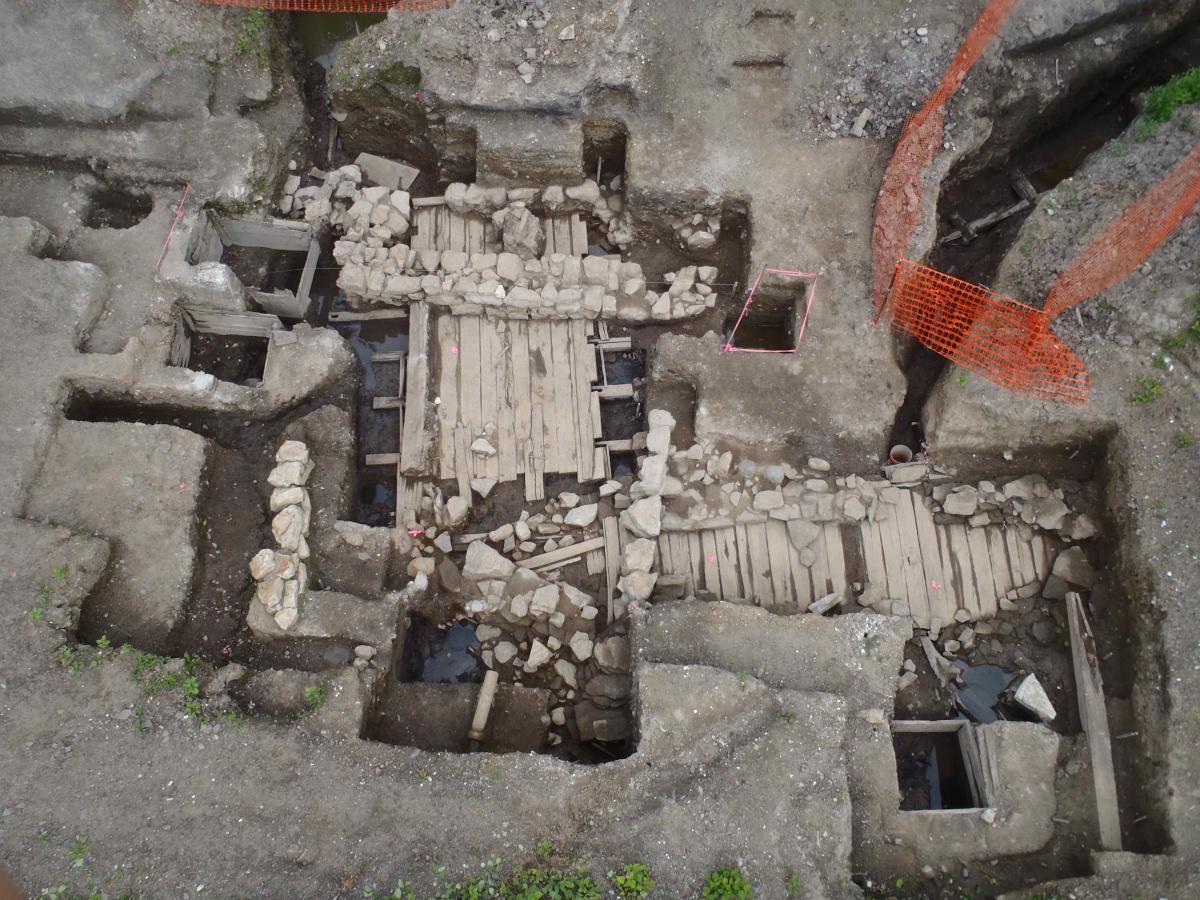
Data recovery efforts at 1026-1028 Lincoln Avenue, conducted between October 2012 and January 2013 and again from April to August 2013, documented and collected data from 16 features whose dates span from the late 20th century back to 1835. The excavated portion of the site included the backyards of two residences that were built in the late 1870s and demolished in the 1990s. These backyards bordered Utica’s transportation corridor and the site includes evidence of the Chenango Canal (1835-1878), railroad spurs (1870-1960), even deposits related to the original N-S Arterial (1960-2016).
Chenango Canal #3 was located just west of the backyard and our excavations found sections of canal wall, a spillway, and a plank-lined sluice. Historic research has found that the structures represent both original construction and many modifications needed to keep the canal functioning in the harsh upstate New York climate. The canal was abandoned as a transportation route in 1878 yet not filled for another decade.
Through the years, the upstairs/downstairs duplex residences regularly changed ownership with tenant turnover even more rapid. The residents were of German, Irish, and English ancestry during the nineteenth century. After 1905, Polish families occupied these houses and most others in the neighborhood. Features and facilities related to the residences include several privies and early wastewater drains. The builders ingeniously positioned their privies to use the waterflow of the canal and the sluice to drain their privy vaults. Organic deposits in the privies provide information about the health and diet of the residents. In or around 1887, the privy vaults were abandoned and filled with trash and rubbish. The deposits of bottles, ceramics, and other objects belonged to families who had moved out of these houses just when the canal was being filled in and the city was installing sewer systems in the neighborhood.
Analysis of over 75,000 artifacts, features, and stratigraphy is currently on-going. Data recovered from 1026-1028 Lincoln Avenue Site has and will continue to contribute to our knowledge of household economics, health, sanitation infrastructure, urban landscape development, and the construction, use, and abandonment of the Chenango Canal.
NYSM Receives Donation of James Vieth Artifact Collection
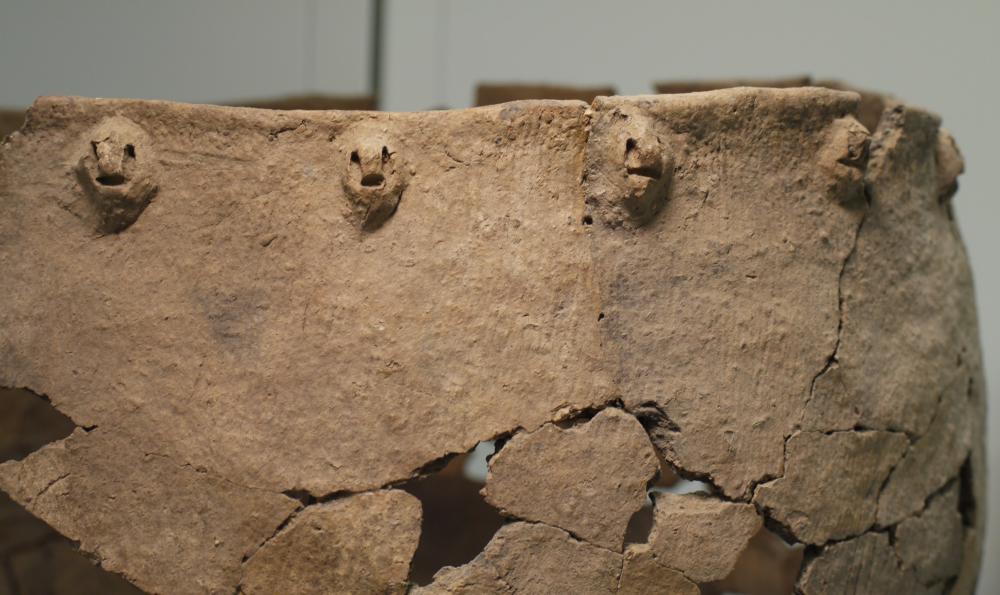
From the 1930s through the early 1960s, avid avocational archaeologist Dr. James Vieth collected and conducted test excavations on Native American archaeological sites, most often in Rockland County, southeastern New York. His son, James Vieth Jr., accompanied his father on many of these field outings, and in 2018, James generously donated his late father's artifact collection to the NYSM.
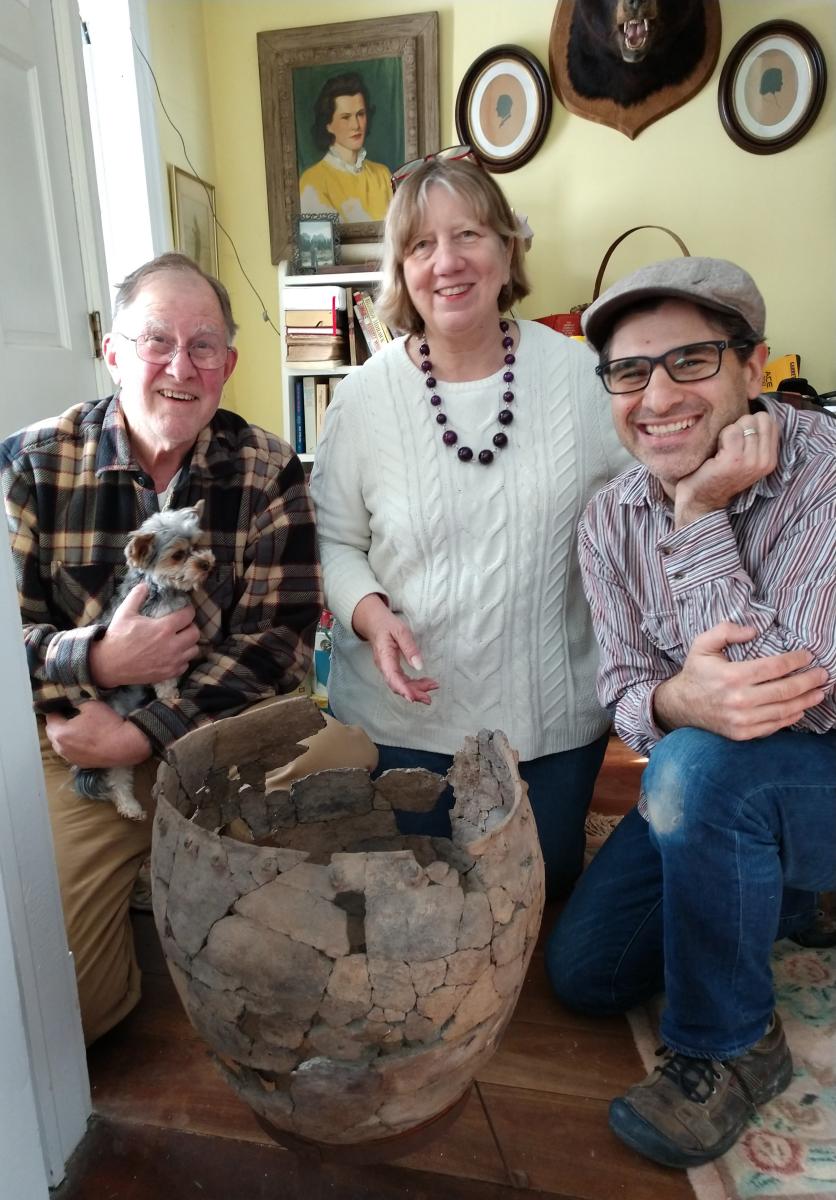

Without doubt, the collection’s highlight is a restored pottery vessel that Dr. Veith excavated in 1953 from a small rockshelter site near Suffern, New York. After fieldwork, he painstakingly refitted the broken sherds of this large conical pot, revealing an overall size of 20 inches (51 cm) in height, with a rim circumference of 45 inches (114 cm). Most striking is the presence on the pot's upper rim of 21 small, appliqued human faces. Similarities to some Native American pottery wares of the lower Hudson and Long Island suggest a later prehistoric age for this pot.
Political engagement, social class and patriotic symbols in early 19th-century New York
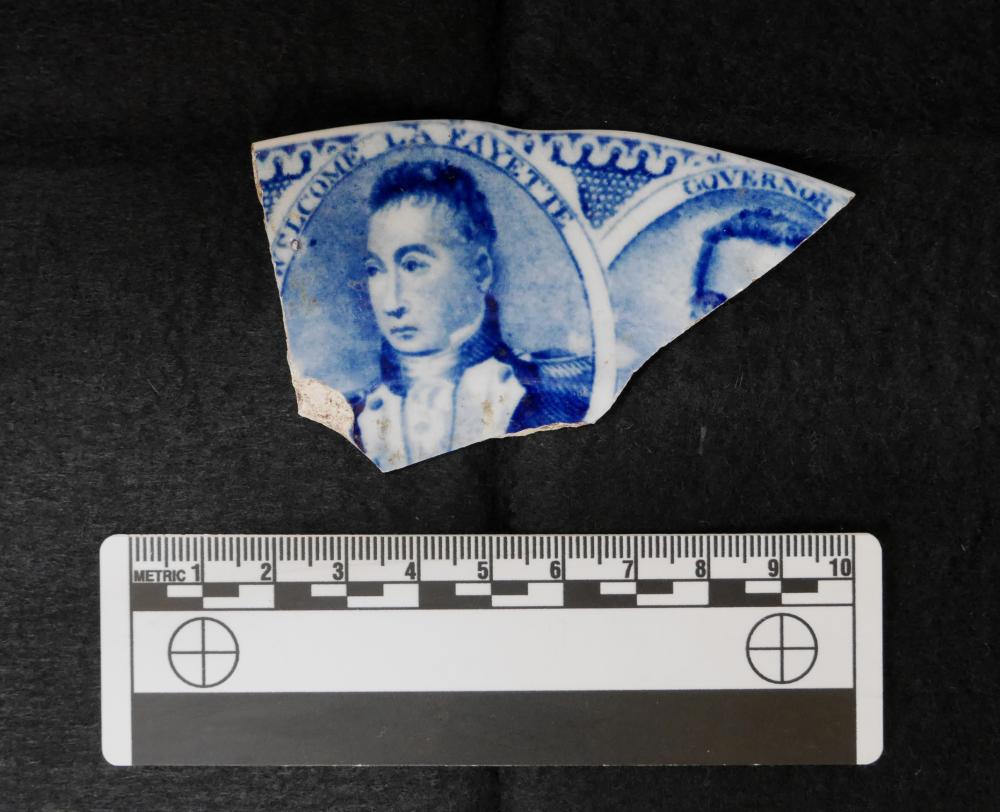
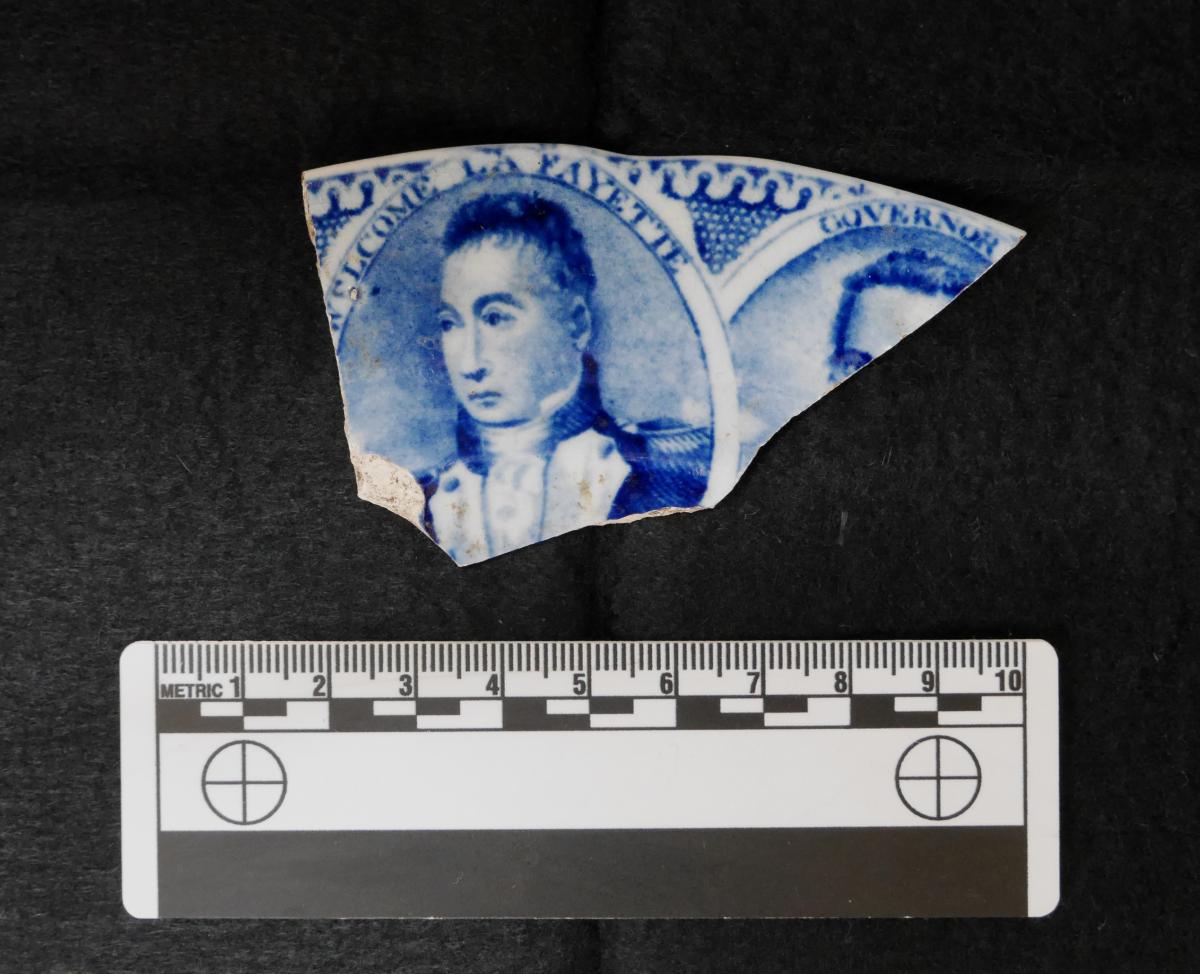
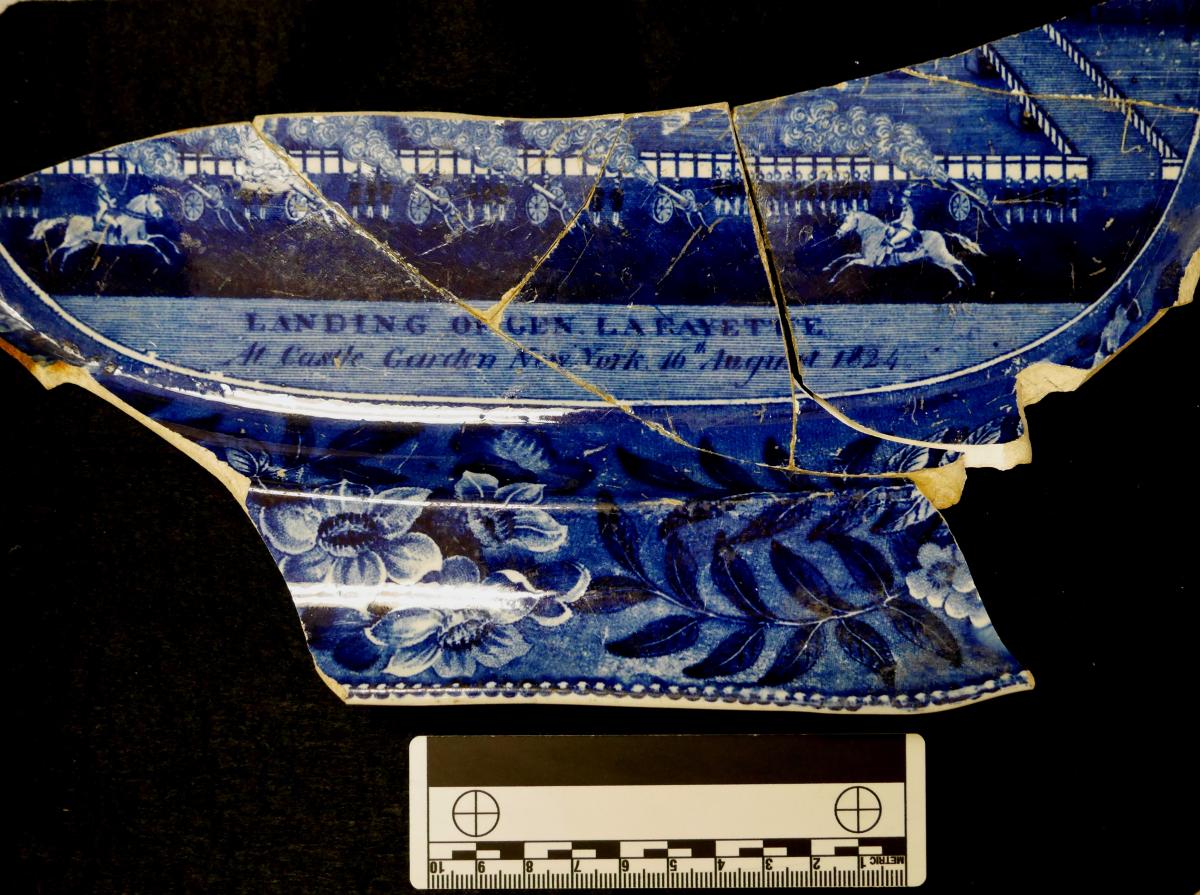
Historical archaeology is a multidisciplinary field combining written historical records with archaeological data to study places, objects and issues of the past. In North America, historical archaeology begins with European colonization. One of the issues -- highly relevant to present day North America, in fact -- is politics. Dr. Michael Lucas, Curator of Historical Archaeology, is conducting a study of commemorative ceramic plates recovered from New York archaeological sites decorated with patriotic symbols.
Marquis de Lafayette was a French military general and statesman perhaps best known for his service in the continental army during the American Revolution. Lafayette also figured prominently in the French revolution, the movement to abolish the African Slave trade, and other civil rights causes. His feats in war and social activism won the hearts and minds of many in America and France. Lafayette was particularly revered in the early years of the United States as a hero of the American Revolution.
The semicentennial anniversary of the American independence was celebrated with a year-long tour of the United States by Lafayette. The general was hailed as a hero as he began his tour in New York in 1824. British potters took advantage of this patriotic sentiment in producing commemorative plates for the American market. Collections at the New York State Museum suggest that New Yorker’s had keen appetite for these symbols of the new republic. Pictured are Lafayette plates from Albany and New York City collections dating to the late 1820s. Comparative research is currently underway by Lucas to measure levels of consumption of these patriotic symbols by variables such as class and political engagement.
Bedrock Core Collection
Geological Collection
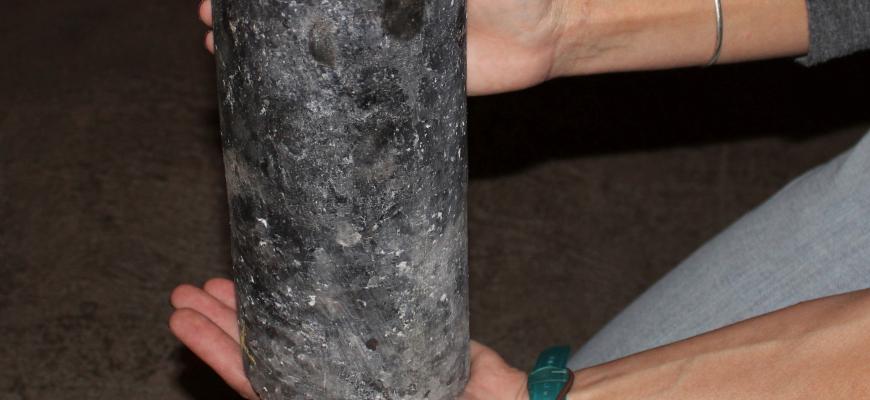
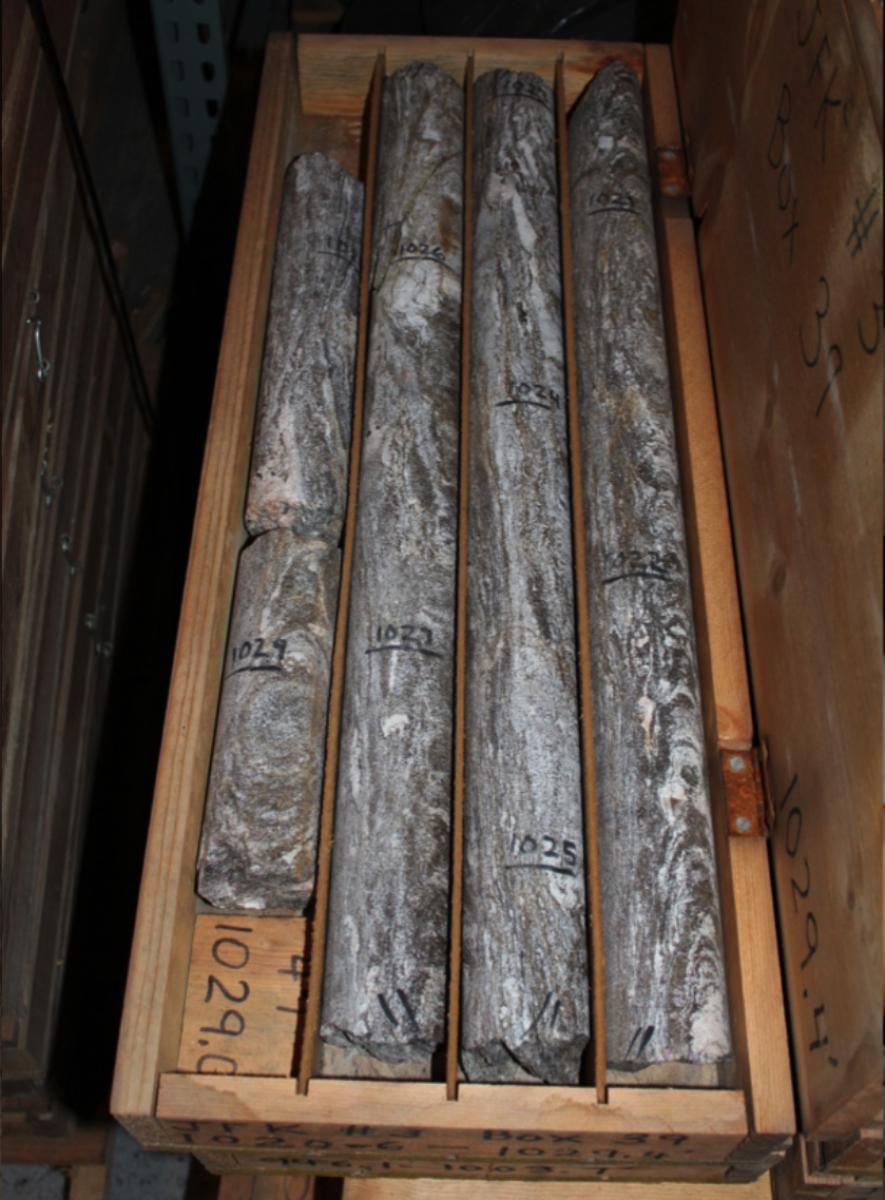
Rock cores are cylindrical columns of bedrock that may be collected while a well is being drilled. Cores provide geologists with rock material from below the surface that can be used to determine the depth and thickness of the rock formations penetrated by the well. Cores can be slabbed (cut in half vertically) to create a flat surface, which exposes more visual characteristics of the rock. Cores are often sampled to create thin sections and run various geochemical or geophysical analyses.
The NYSGS core collection contains rock cores from over 430 wells across the state. These cores range in depth, diameter, and length. They sample every geologic formation in the state and are available for viewing and sampling upon request.
A comprehensive core inventory and some core images are available in the Virtual Core Library at https://esogis.nysm.nysed.gov/Cores_TOC.cfm.

Controlled surface artifact collection combined with magnetic susceptibility yields tantalizing results
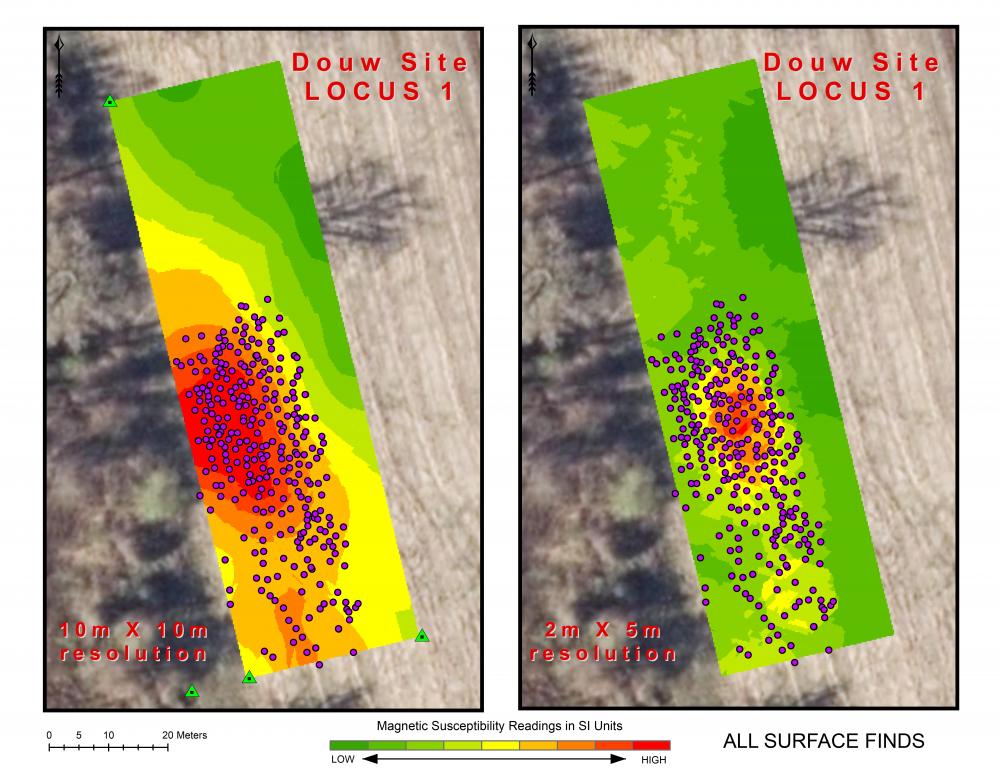
The New York State Museum, in collaboration with the Open Space Institute and Stockbridge Munsee Mohican Tribal Preservation Office, recently completed a controlled surface artifact collection and a magnetic susceptibility survey (MS) at the location of a tenant house owned by former Albany mayor Volkert Douw in the 1790s and likely occupied by an African American family during the 1830s. The house was probably destroyed in the 1850s leaving only a thin scatter of artifacts in an agricultural field.
MS is a non-invasive geophysical technique using a meter to measure how “magnetizable soil is, which can be a marker of past human activity." An MS survey, followed by a systematic pedestrian survey or “walkover" of a 30 by 100-meter area at the Douw Site, were completed during the spring of 2019. Some artifacts recovered are shown below. A total of 794 artifacts at 549 discrete locations were recorded in the field using a centimeter level, mapping grade Global Navigation Satellite System. Data from each survey were incorporated into a Geographic Information Systems for analysis, query and visualization. Some of the results seen in the illustration below show a strong visual/spatial correlation between the surface artifact finds and MS “hot spots”. Further exploration of the site using traditional archaeological testing will be guided by the combined results of the non-destructive MS and controlled surface collection surveys.


Karen Ann Hoffman, NYSM Ethnology Collections featured artist, receives 2020 National Heritage Fellowship!

NYSM Ethnology Collections featured artist, Karen Ann Hoffman, is a recipient of a 2020 NEA National Heritage Fellowship! (National Endowment for the Arts press release)
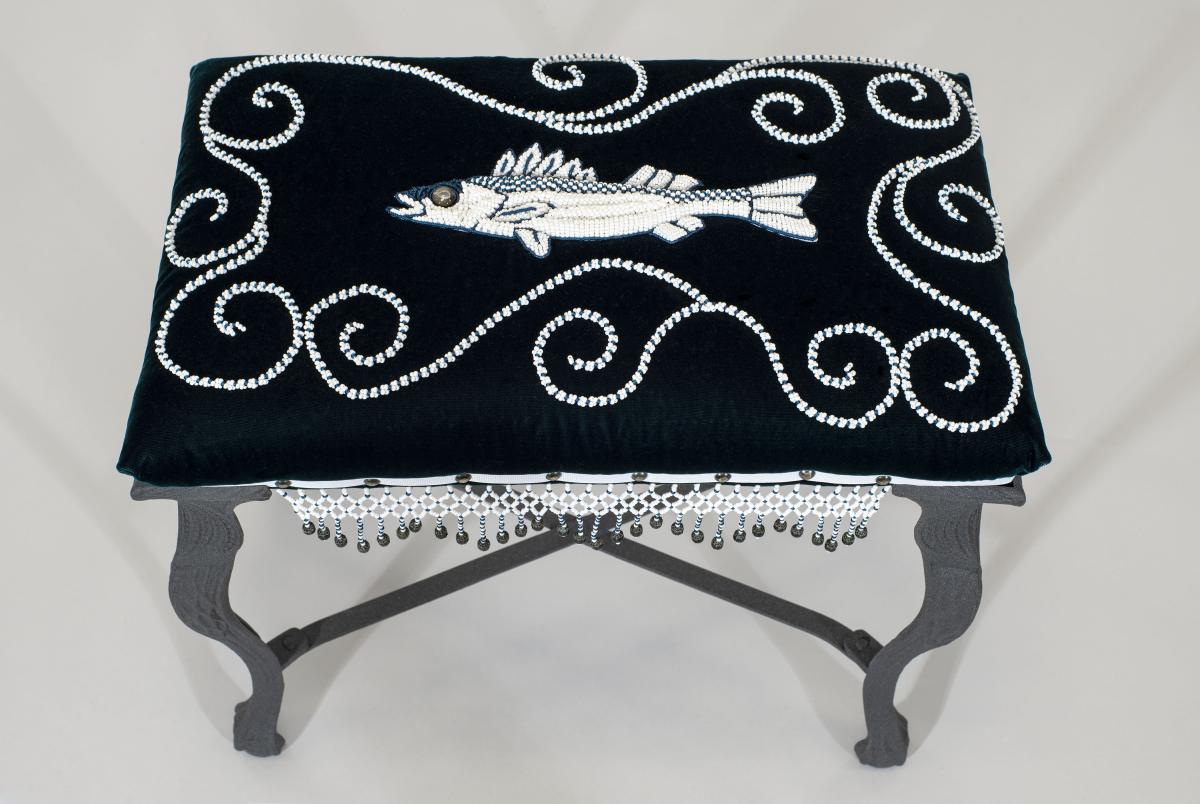
Karen Ann Hoffman, enrolled member of the Oneida Nation (Wisconsin) is an artist, curator, and mentor to many. She first studied the art of Haudenosaunee raised beadwork with Sam Thomas (Cayuga) and Lorna Hill (Cayuga). She is an advocate for Native youth to be involved in the arts, and she is co-organizer of the annual International Iroquois Beadwork Conference. The NYSM Ethnology Collections include Hoffman’s works, “Treaty Rights Footstool” (E-2014.26) and “Never Alone” (E-2018.28), a collaboration with fellow Oneida Nation artist Dawn Dark Mountain. “Treaty Rights Footstool” was part of the 2018 exhibit “Community and Continuity: Native American Art of New York” at the Dorsky Museum of Art, SUNY New Paltz, reviewed by Hyperallergic (full review here).

Rare collection of 19th-century Shaker "not-so-pure" household objects acquired by NYSM Historical Archaeology collection
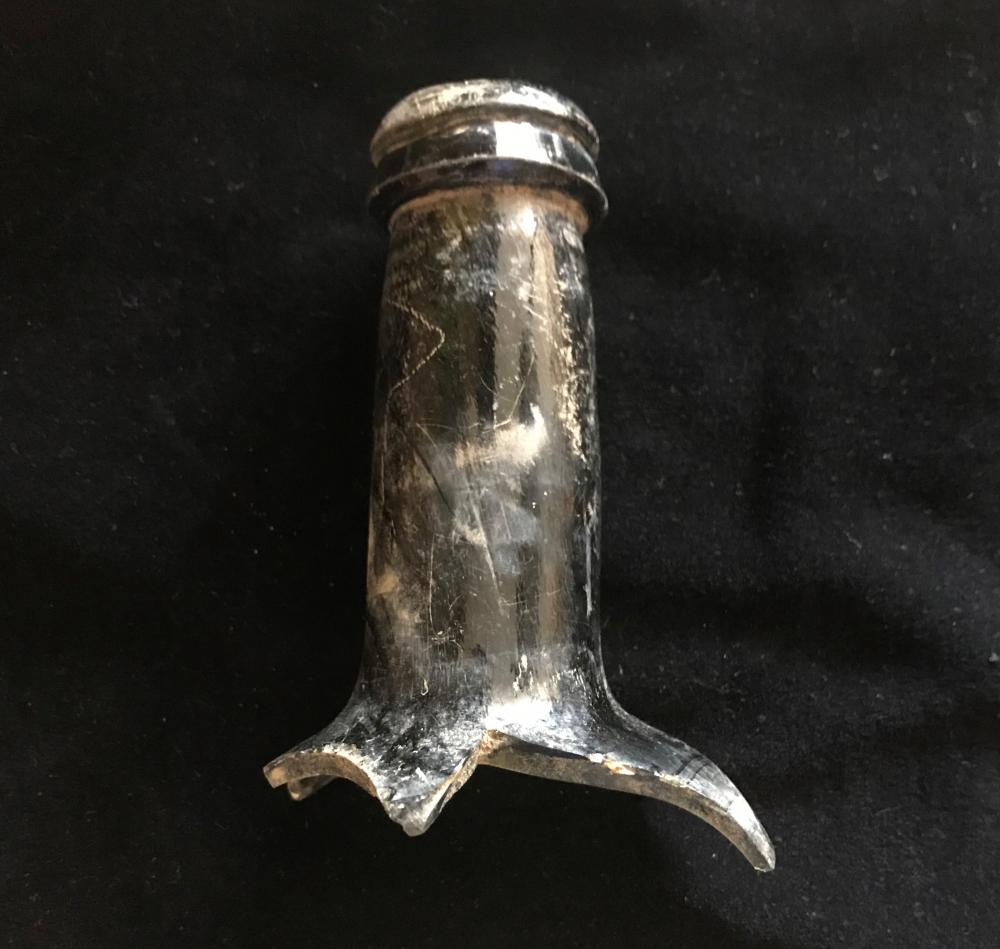
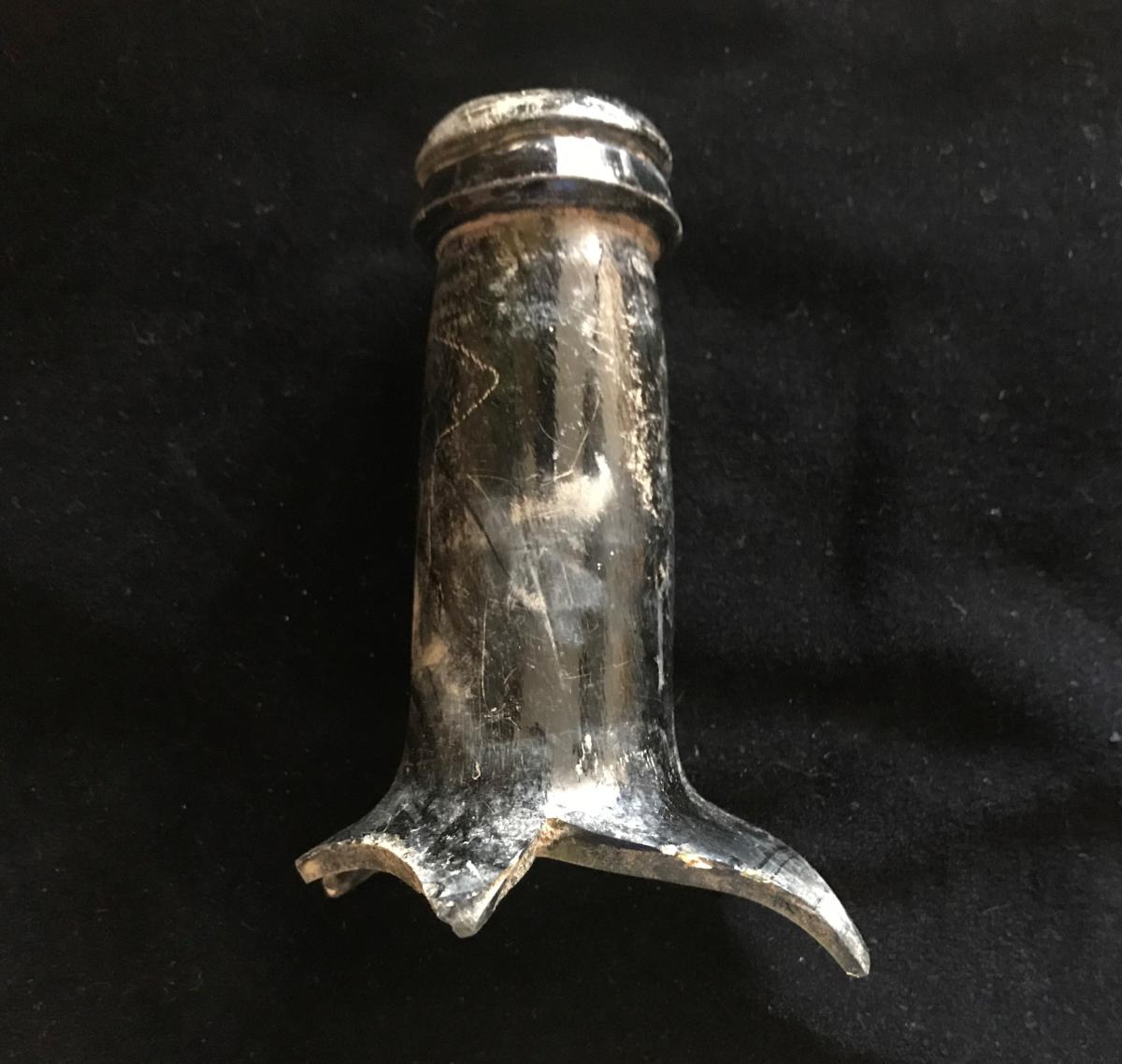
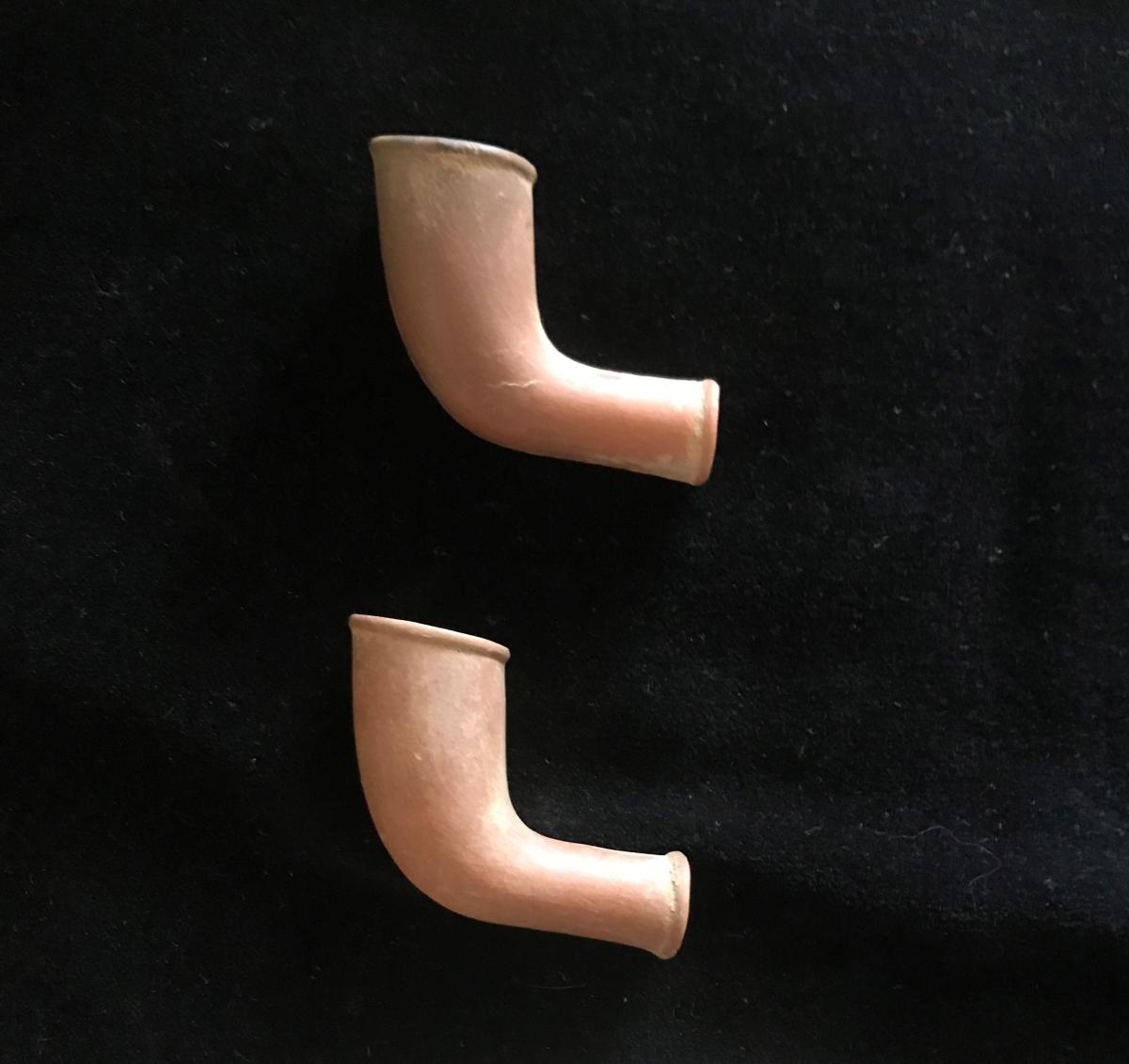
Ann Lee founded the first communal settlement of the United Society of Believers in Christ’s Second Appearing, commonly known as the Shakers, in Watervliet New York in 1776. Lee died in 1784 but the community she established continued until 1915. Archaeological excavations at the West family portion of the settlement by Hartgen Archeological Associates, Inc., recovered a rare collection of early 19th century household objects that is now part of the permanent Historical Archaeology collection at the New York State Museum. One important component of the collection are the many clay tobacco pipe fragments made by the Shakers in Watervliet. Most pipes, like the ones shown here, were designed to be used with a wooden stem and are undecorated. Tobacco pipes were produced at most Shaker settlements and are one of the everyday homemade objects used by the community. Alcohol bottles were also recovered from the excavations. At their inception, as with most early American religious movements, the Shakers experimented with temperance. Alcohol consumption is not often associated with the Shakers, yet wine and spirits bottles in the collection suggest at least moderate consumption of liquid intoxicants. Together this collection of artifacts offers an opportunity to reexamine what we think we know about a supposedly pure and utopian community.
New Acquisition: Harriet Alonso Needlework

Harriet Alonso began working with embroidery in 1974. Influenced by the imagery of political posters, she soon used the medium to express her ideas about the causes she was passionate about, including women’s rights, educational equality, and peace. Her works are a mix of adaptations of needlework patterns, but tweaked to express her own voice and design. Many of her embroideries are autobiographical. Her work as an ESL professor at CUNY, her research and writing on women’s history for her PhD and beyond, and her travels to countries like Cuba all appear as themes in her works.
Alonso’s needlework joins that of other women in the history collections of the New York State Museum who expressed their voices through media traditionally associated with women—needle and thread, yarn, knitting needles, and crochet hooks. The term “craftivism,” a combination of “craft” and “activism,” was coined to capture the intent of these works. Her embroidery also falls into a movement in the 1970s of using the visual language of posters in a variety of art media for the purpose of protest and activism.
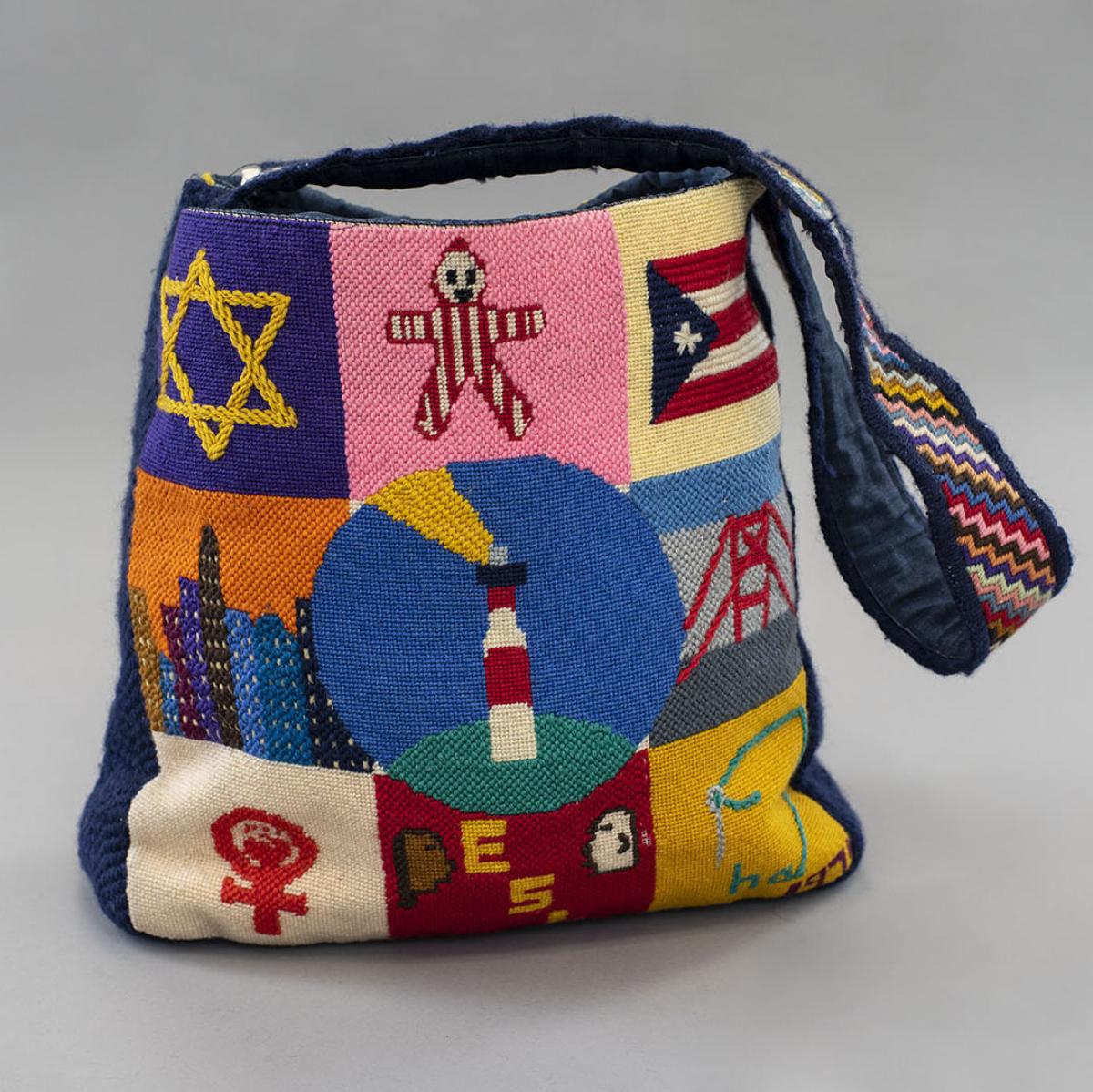
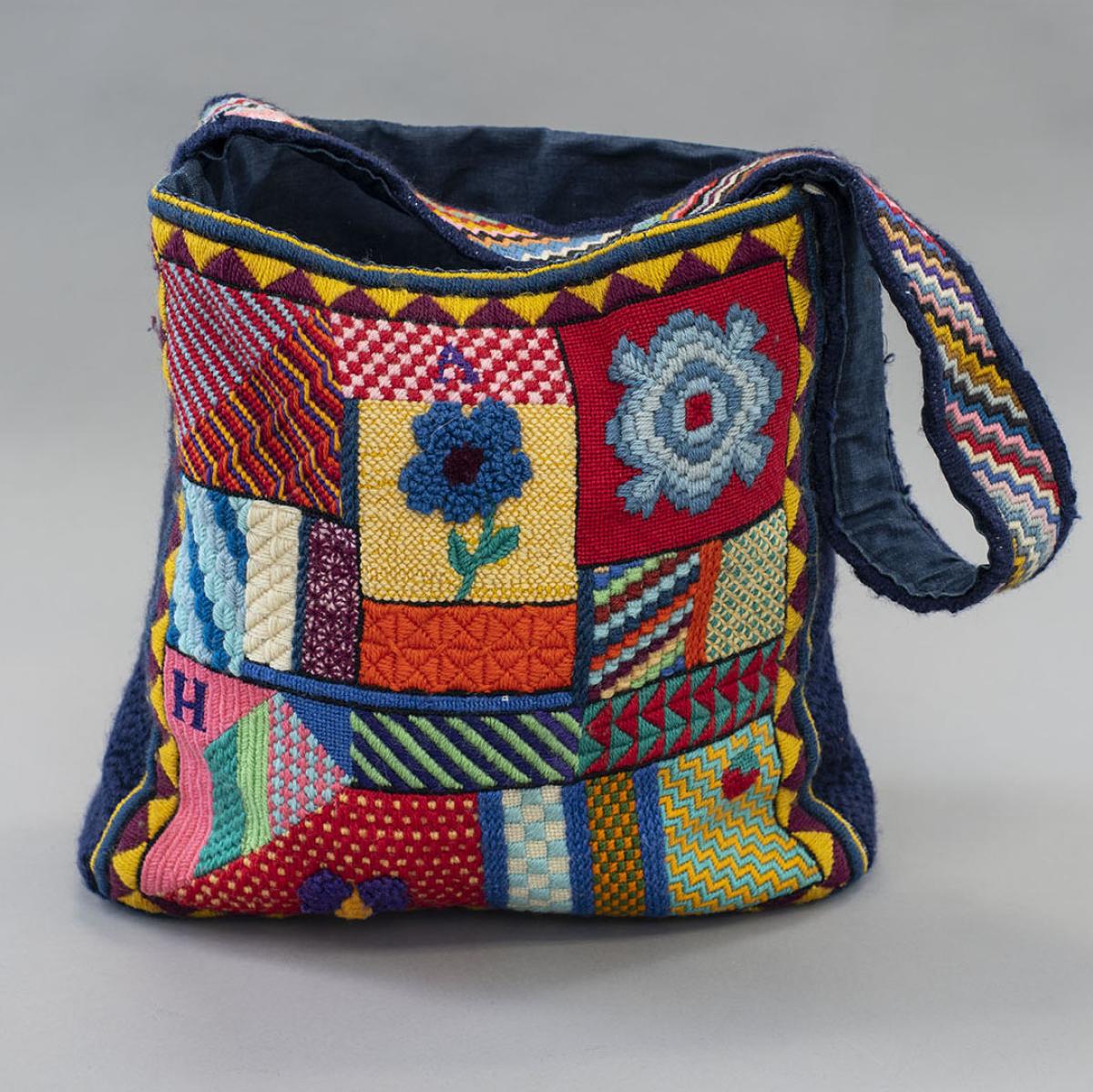
One side of this bag includes symbols that tell the story of Alonso’s life: a lighthouse for Long Island, a Jewish star for herself, a Puerto Rican flag for her husband, a rag doll for their son, the Golden Gate bridge to represent the year they lived in San Francisco, the skyline of New York City for their long-time home, a feminist symbol for her activism, a reference to her work as an ESL teacher, and a needle and thread for her love of embroidery. That love is also represented in the “sampler” of stitches on the back, and the multi-colored Byzantine stitch on the strap.
The Power of a Closer Look

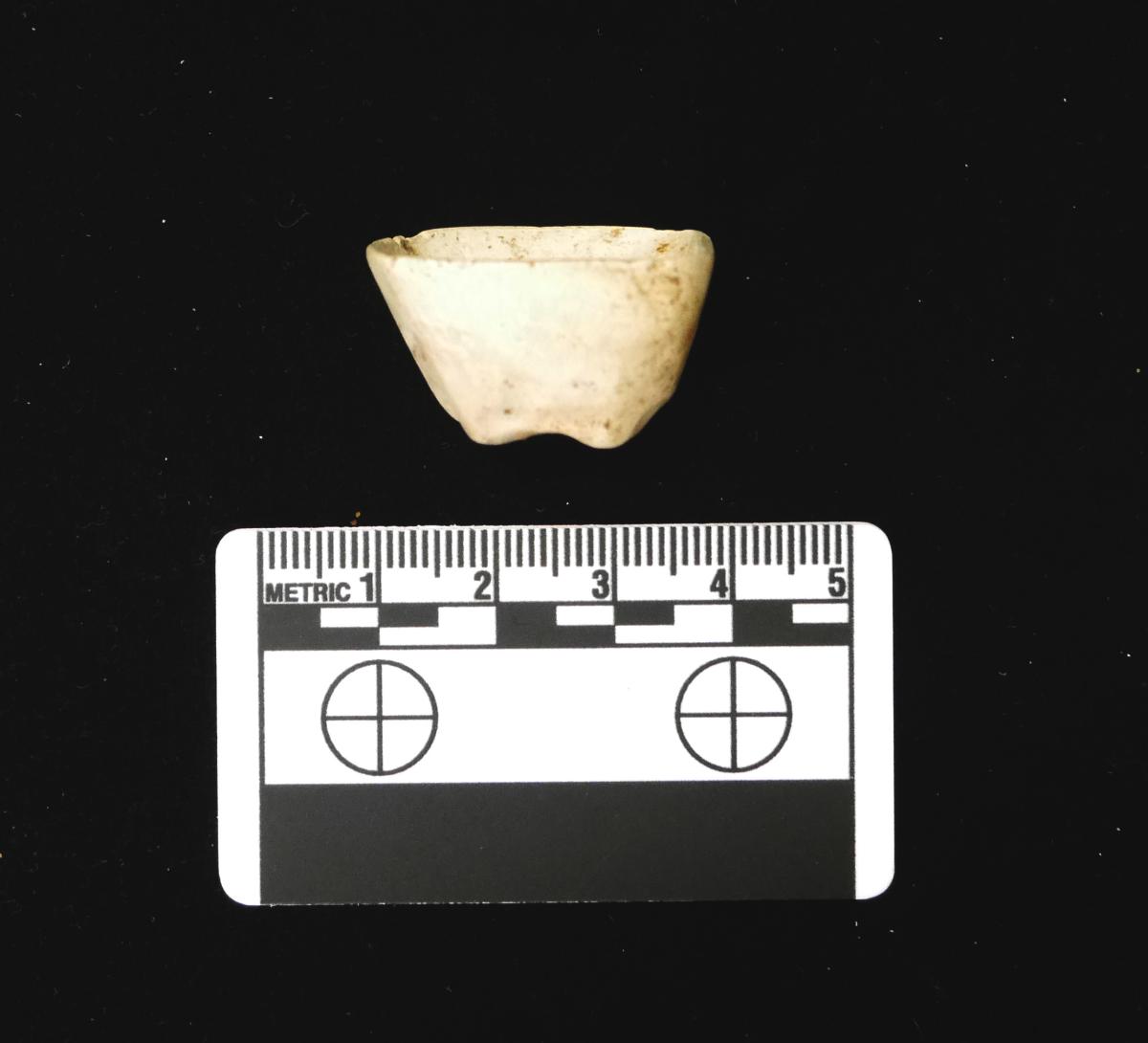
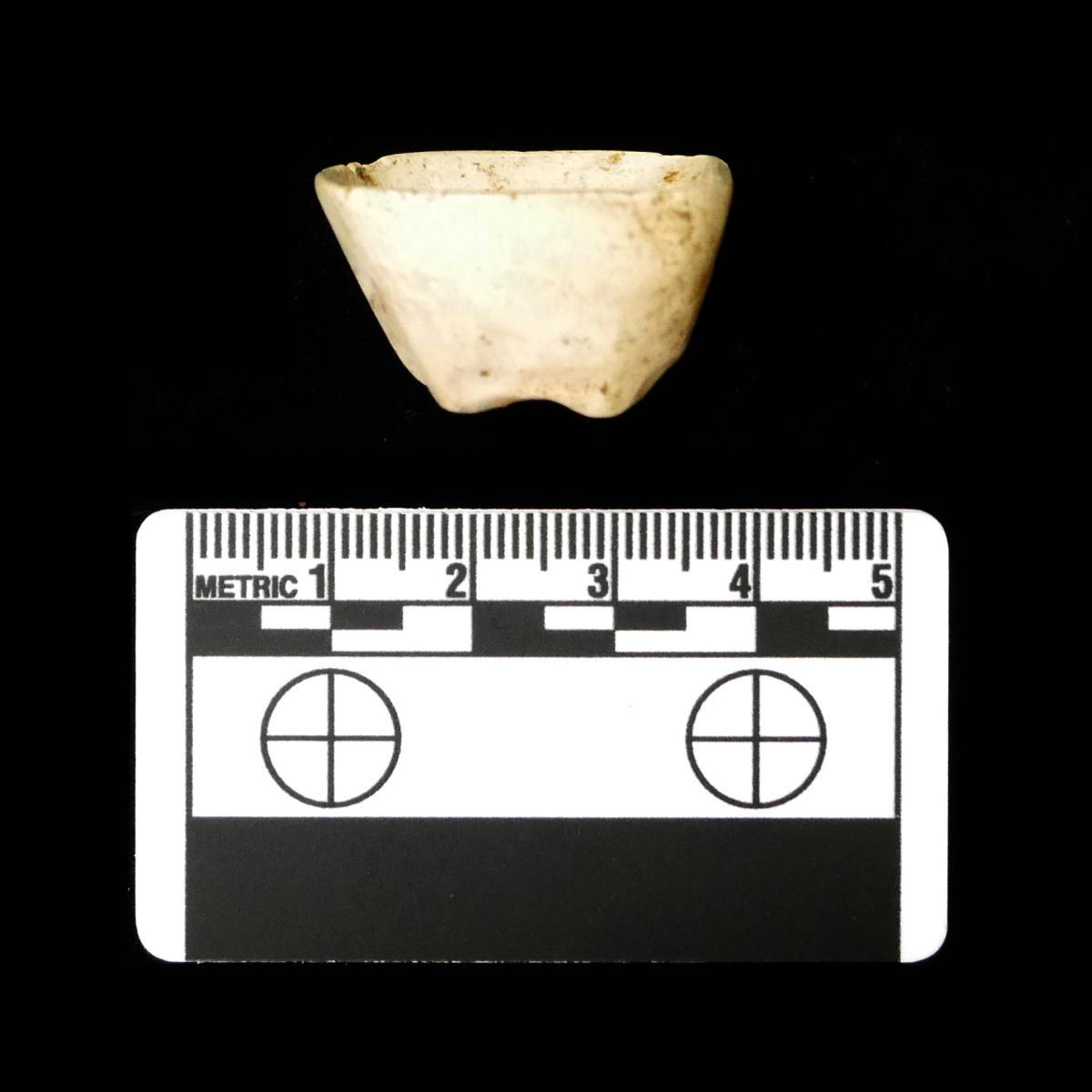
Many of the historical archaeology collections at the New York State Museum were recovered during compliance work prior to the construction of roads, buildings, and other structures. Larger compliance projects can result in the recovery of 100,000 artifacts, or more. Time and budget constraints often limit the number of artifacts that can be studied in detail, and thus, close examination of artifacts from old collections can provide new information about the past not realized in the initial reporting. An example of this are artifacts recovered from the basement of an Albany house that burned in 1797. Under the burned floor were hundreds of artifacts most likely used, discarded, or lost by enslaved African Americans living in the basement. Among these artifacts was a small footed cup listed in the catalog as a ceramic crucible. A closer look at this artifact under the microscope revealed the calcium carbonate layers indicative of shell. Abrasion marks are also visible where the four feet of the vessel were carved out of a large conch or similar shell. It is uncertain what this handmade object was used for, but it was clearly more personal than a ceramic crucible. This artifact, along with many others found in the basement, represent the personal possessions of enslaved African Americans that are rarely identified in urban settings.

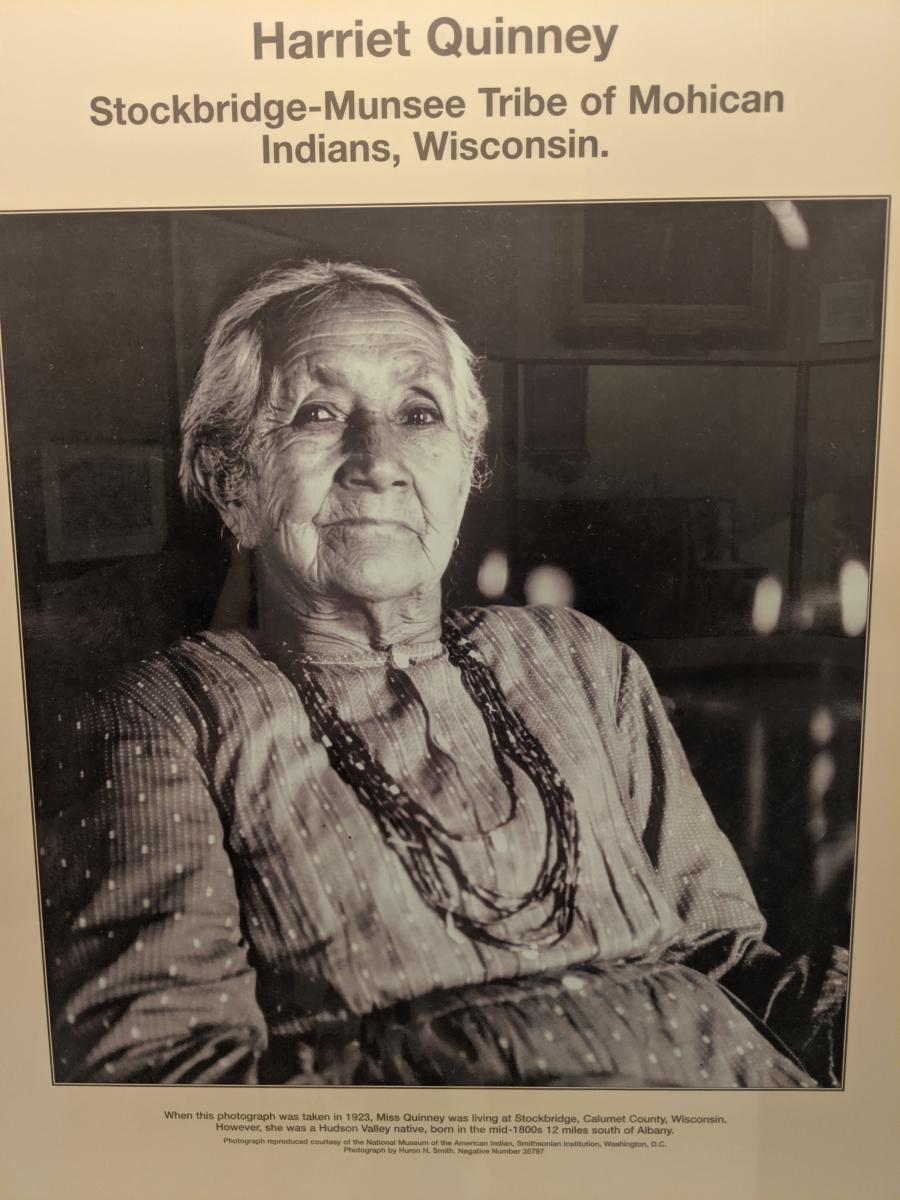
Clan Mothers, Spinners, Attorneys and Stateswomen: Mohican Women in New Stockbridge - online talk on February 10, 2021
Please join the Stockbridge-Munsee Mohican Nation for a Facebook Live 1-hour presentation entitled, “Clan Mothers, Spinners, Attorneys and Stateswomen: Mohican Women in New Stockbridge,” on Wednesday, February 10, 2021 at 3 pm Eastern Standard Time.
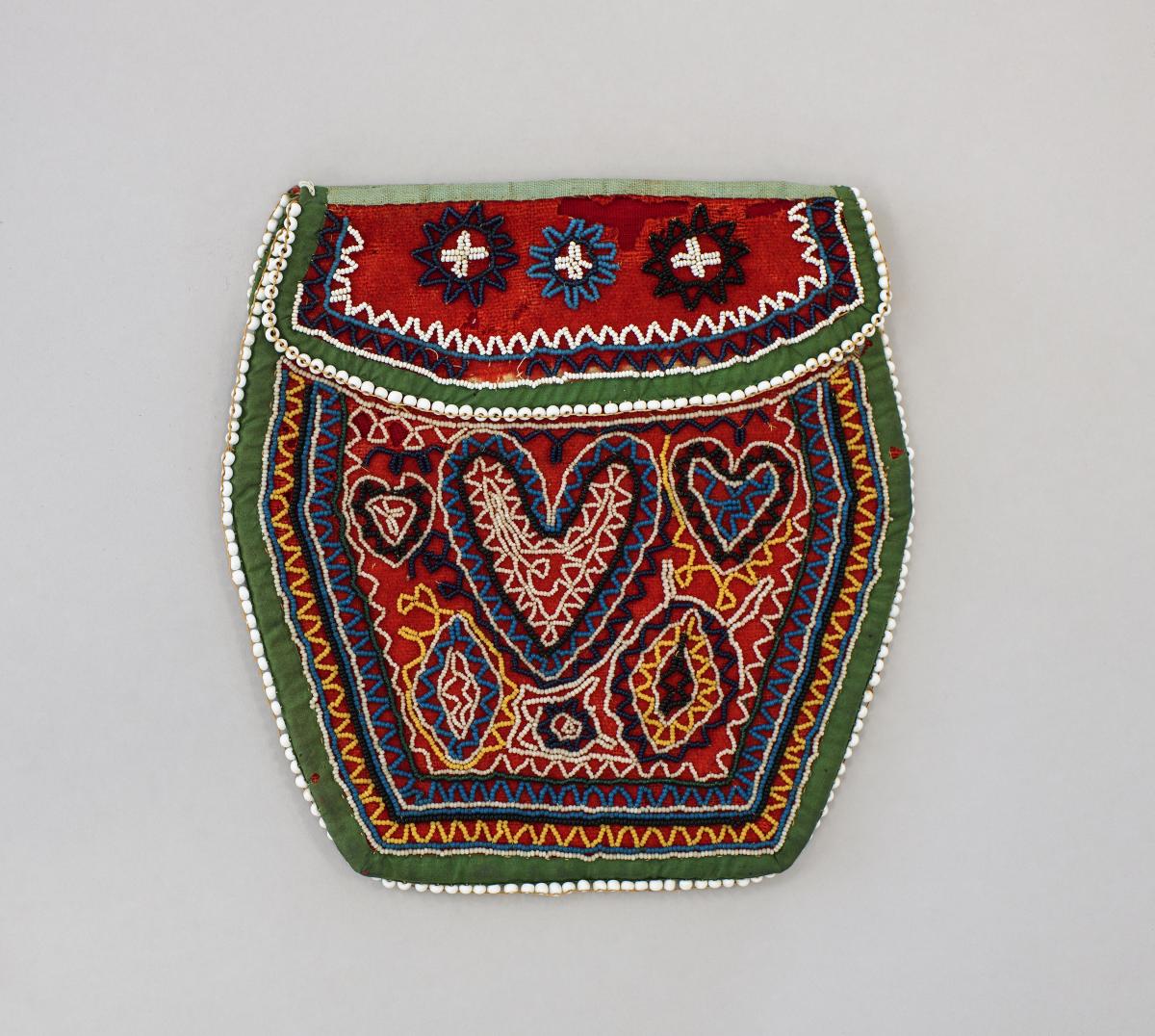
Stockbridge-Munsee people’s time in New Stockbridge, New York (1780s-1820s) is a critical part of their history that is not often focused upon. Mohican women ancestors are also often less represented in historic accounts. This presentation will give special attention to both—discussing how Mohican women in New Stockbridge were uniquely women of many identities.
Dr. Kallie Kosc, Assistant Professor of History at Oklahoma State University, will speak about the ways Mohican women in New Stockbridge shaped colonial education projects, specifically women’s textile manufacturing, to suit their own needs and support their community survivance. She will share how Mohican women creatively utilized the tools of “civilization” to aid community survival and growth. Learn and be inspired by the actions of the resourceful women of the New Stockbridge era such as Mary Doxtator Peters, Lydia Quinney and others.
Tribal Historic Preservation Manager Bonney Hartley will introduce the topic and moderate a discussion with Dr. Kosc. Several exquisite examples of Mohican women’s beadwork and textiles from the New York State Museum ethnology collection will be shared.
Join and be inspired!
Watch on Facebook Live- Arvid E. Miller Library Museum: https://fb.me/e/50JS1drOD. The event is part of the ongoing Homelands History Talk series sponsored by the Arvid E. Miller Library Museum and the Cultural Affairs Department, Stockbridge-Munsee Mohican Nation.
Science Tuesday: The Power of a Closer Look - Unearthing Personal Possessions of Enslaved African Americans

Many of the Historical Archaeology Collections at the New York State Museum were recovered during compliance work prior to the construction of roads, buildings, and other structures. Larger compliance projects can result in the recovery of 100,000 artifacts or more. Time and budget constraints often limit the number of artifacts that can be studied in detail, and thus, close examination of artifacts from old collections can provide new information about the past not realized in the initial reporting.
An example of this includes artifacts recovered from the basement of an Albany house that burned in 1797. Under the burned floor were hundreds of artifacts most likely used, discarded, or lost by enslaved African Americans living in the basement. Among these artifacts was a small footed cup listed in the catalog as a ceramic crucible. A closer look at this artifact under the microscope revealed the calcium carbonate layers indicative of shell. Abrasion marks are also visible where the four feet of the vessel were carved out of a large conch or similar shell. It is uncertain what this handmade object was used for, but it was clearly more personal than a ceramic crucible. This artifact, along with many others found in the basement, represent the personal possessions of enslaved African Americans that are rarely identified in urban settings.

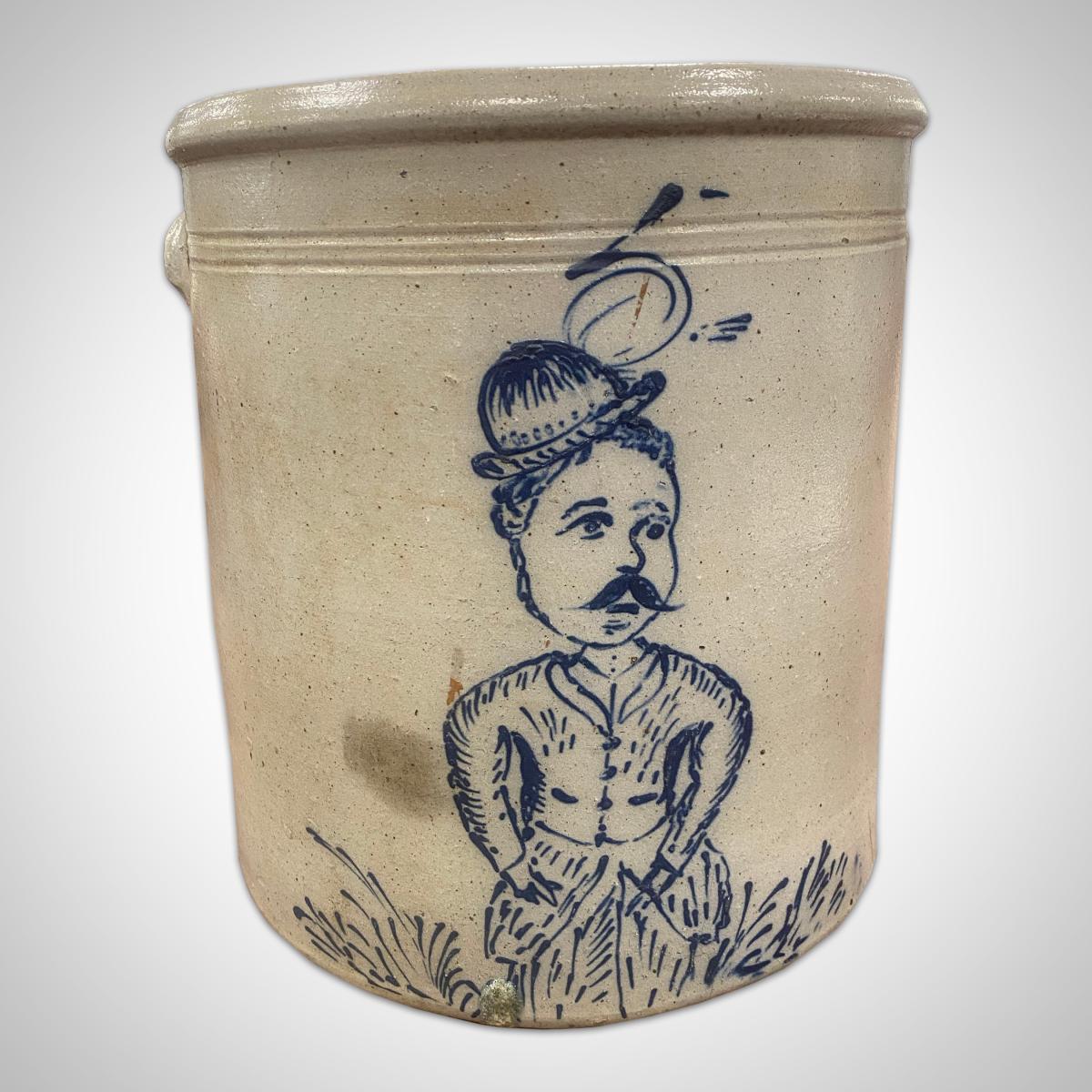
New Acquisition: Decorative Stoneware
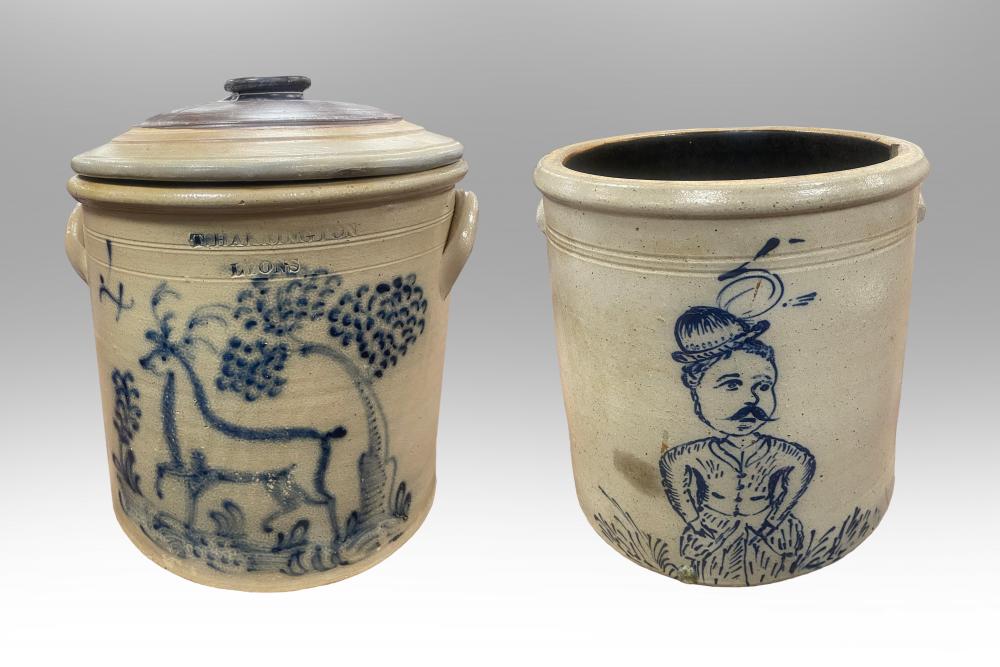
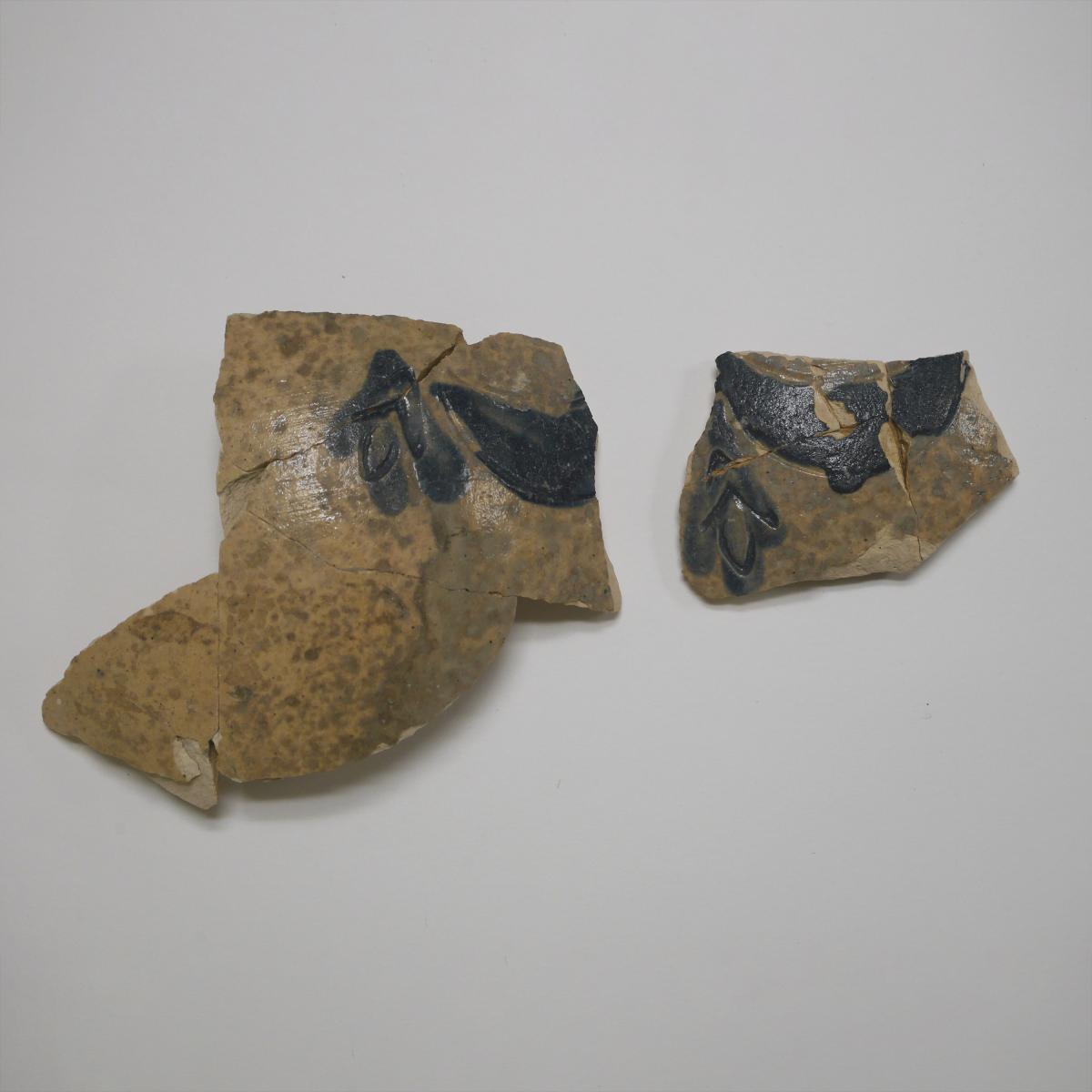
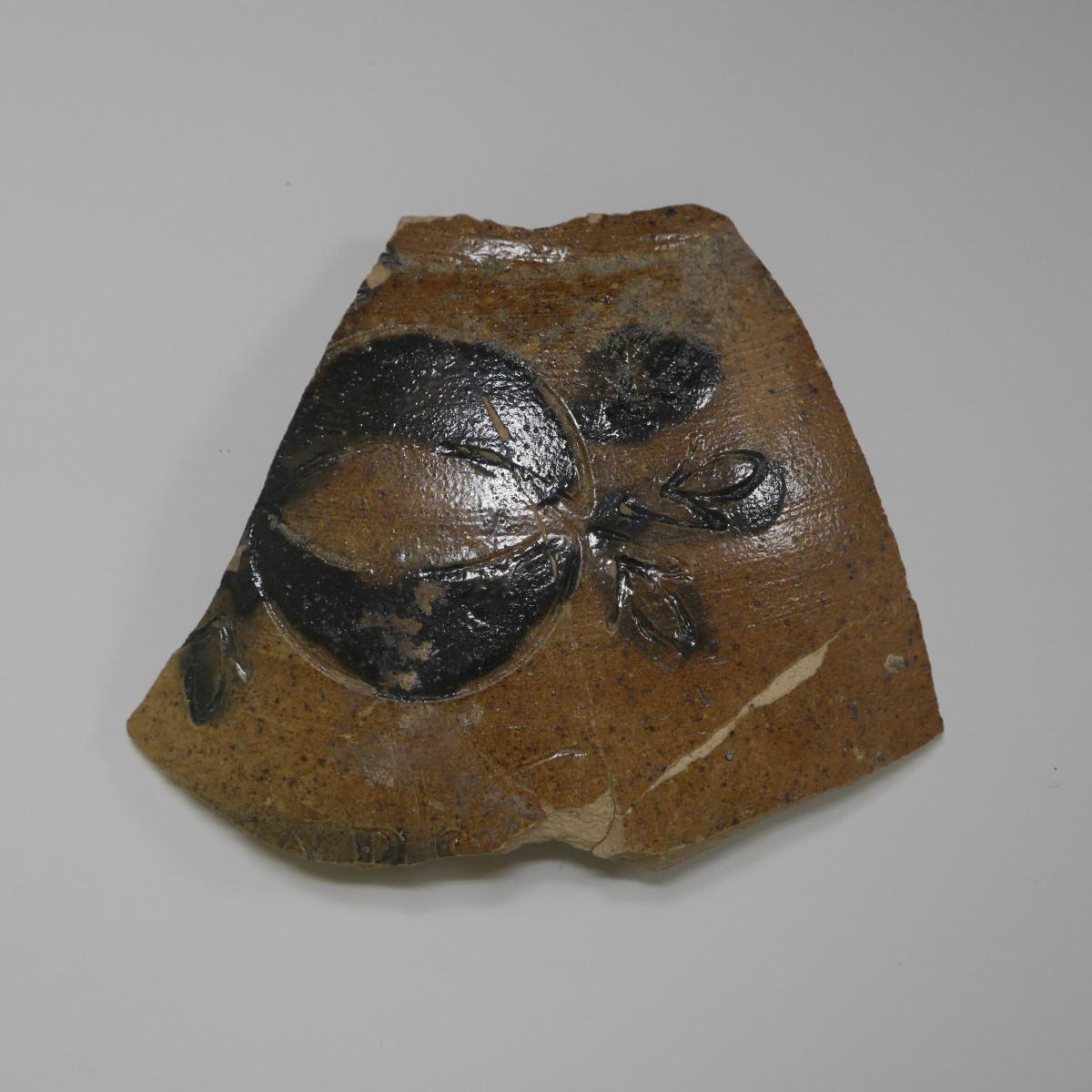
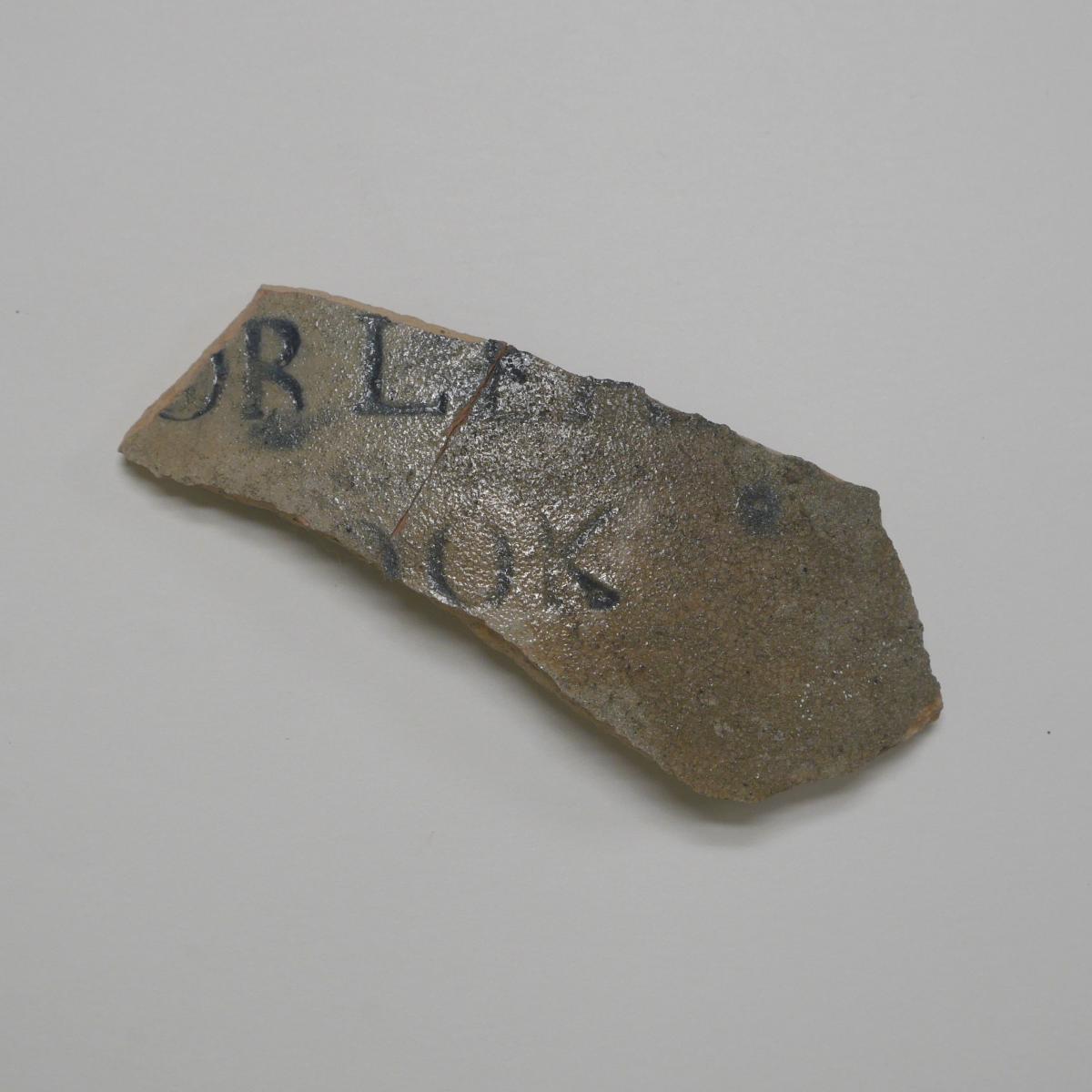
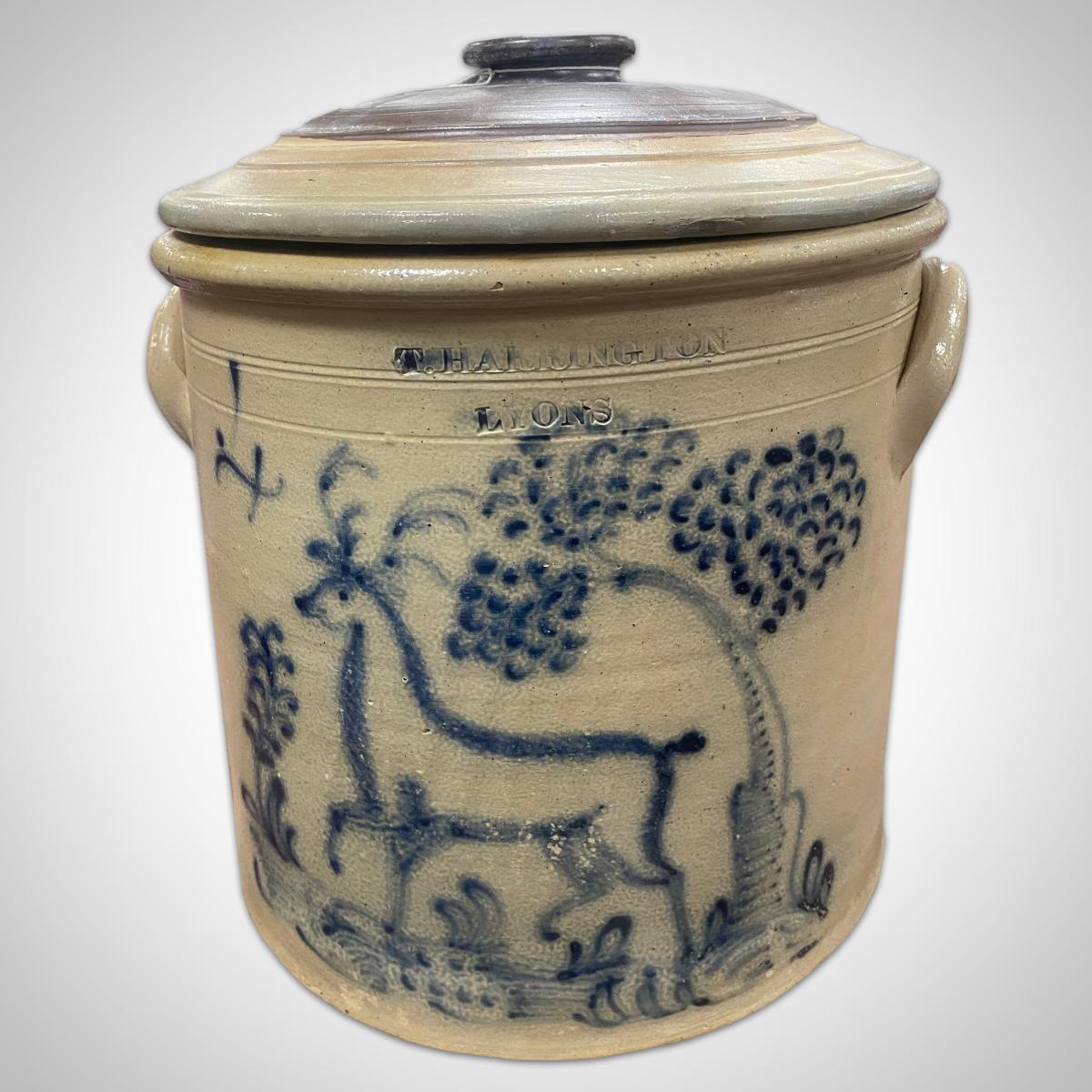
Since 1996, Adam Weitsman has donated over 500 pieces of decorated stoneware to the New York State Museum. While only a portion of these are on view in the galleries, this collection receives lots of attention from researchers and other museums requesting loans. Here are two new pieces recently added to the collection.
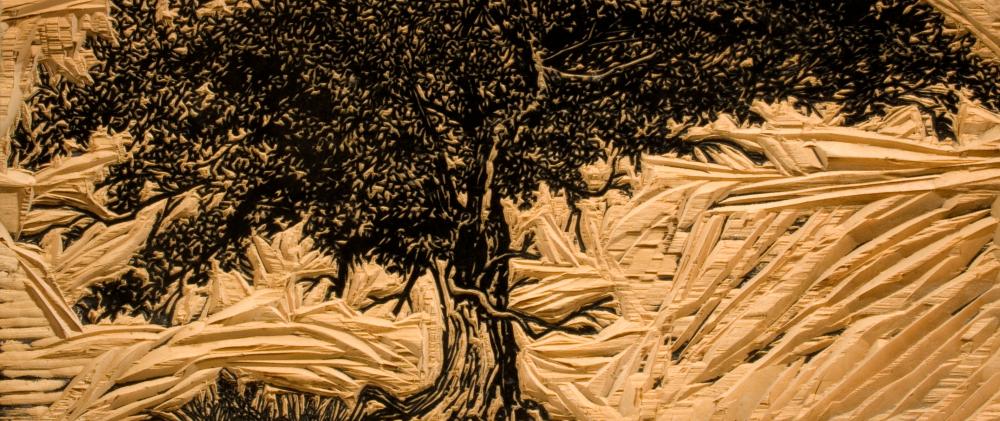
Frank C. Eckmair
Untitled (Tree) Woodblock, detail
Printmaking in 20th-Century New York
American artists of the 20th century made a conscious effort to break from European traditions by embracing American subject matter. Printmaking became a vibrant force in the art world, with much of it centered in New York. In the early 20th century, artists of the Ashcan School began their careers as professional illustrators but continued to alternate between fine and commercial art. Their prints of everyday street life captured New York City’s energy.
During the Great Depression, printmaking was an inexpensive way to produce art for the American public. The Works Progress Administration established a print program, resulting in workshops around the country that brought artists together to produce artwork for government offices and public spaces. Many of these artists were part of the Regionalist movement that recorded American farms and industries and celebrated the common laborer. They also made prints for subscription programs such as American Associated Artists, which allowed even those with modest incomes to purchase prints.
Printmaking in 1950s New York grew in stature with the rise of the New York School, a group of artists, poets, and musicians centered in the City. On Long Island, the influential Universal Limited Art Editions studio encouraged collaborations between artists and writers, provided printmaking space, and brought prints to collectors, galleries, and museums. Finally, the explosive growth of State University of New York campuses during the postwar period led to the establishment of major printmaking programs that are still operating today. Frank C. Eckmair was a key figure in the print studio at Buffalo State College for more than three decades.
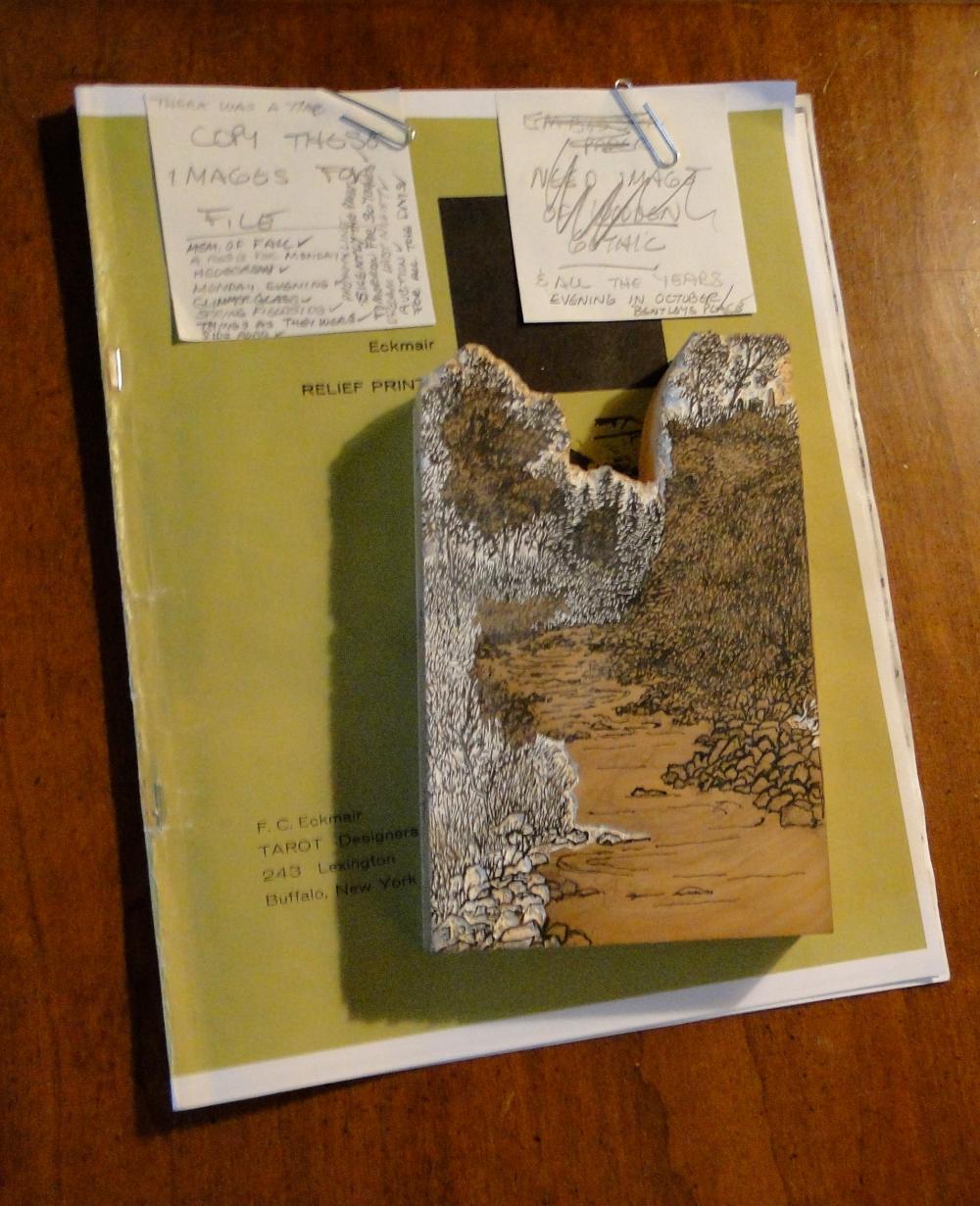
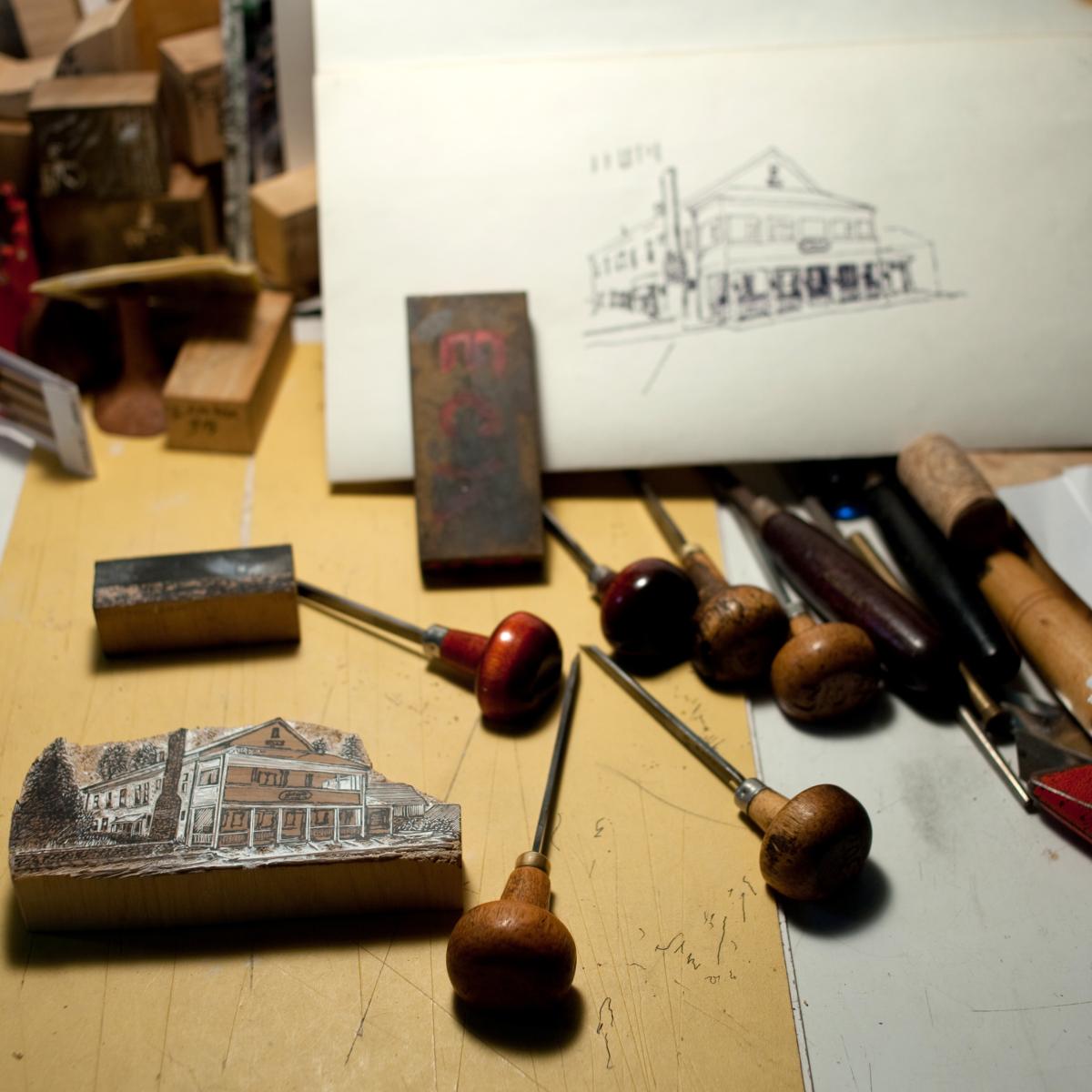
The development of a woodblock print.
The Art of the Woodcut
Although Frank C. Eckmair was experienced in all kinds of printmaking, he prefered to make woodcuts. “Wood is a poor man’s material,” he said. “Anyone can afford a piece of wood. A wooden spoon and a tube of printer’s ink is all that is necessary for the actual printing.”
A woodcut is a print made by cutting a design in a block of wood. The part to be printed is left raised while the excess wood is cut away. Ink is applied by roller or spoon to the raised surface and printed on paper.
In addition to being economical, the woodcut is one of the oldest and most expressive forms of art. Carved woodblocks were used in ancient Egypt for impressing designs into bricks and by Romans for stamping letters and symbols. The earliest woodcut prints were made in China 1,500 years ago to illustrate Buddhist texts. Around the same time the Japanese began using woodblocks to print textile patterns. A thousand years later, with the advent of mass paper production, the printing press, and moveable type, the woodcut became a common means of illustration. Although illustration processes changed as printing advanced technologically, the woodcut has prevailed for centuries as an artistic medium.
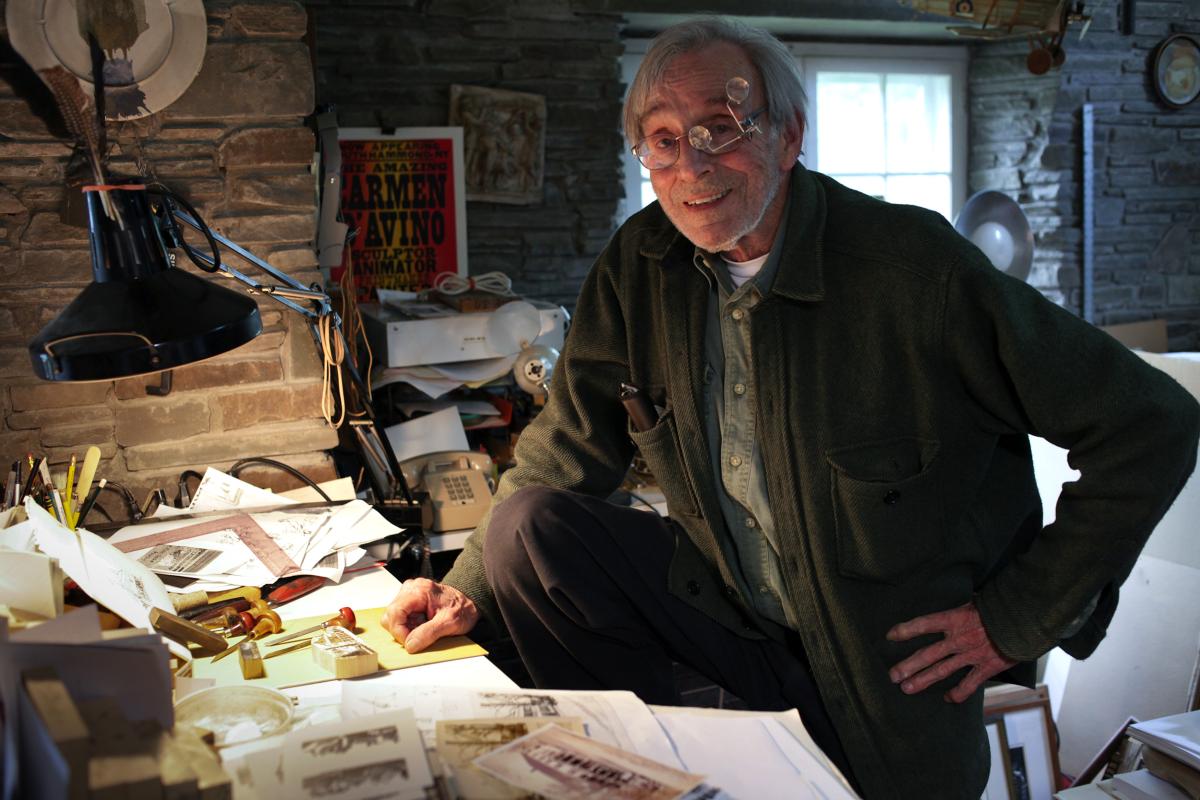
Now on View: Charles Clough's "Clufffalo: Art Omi"

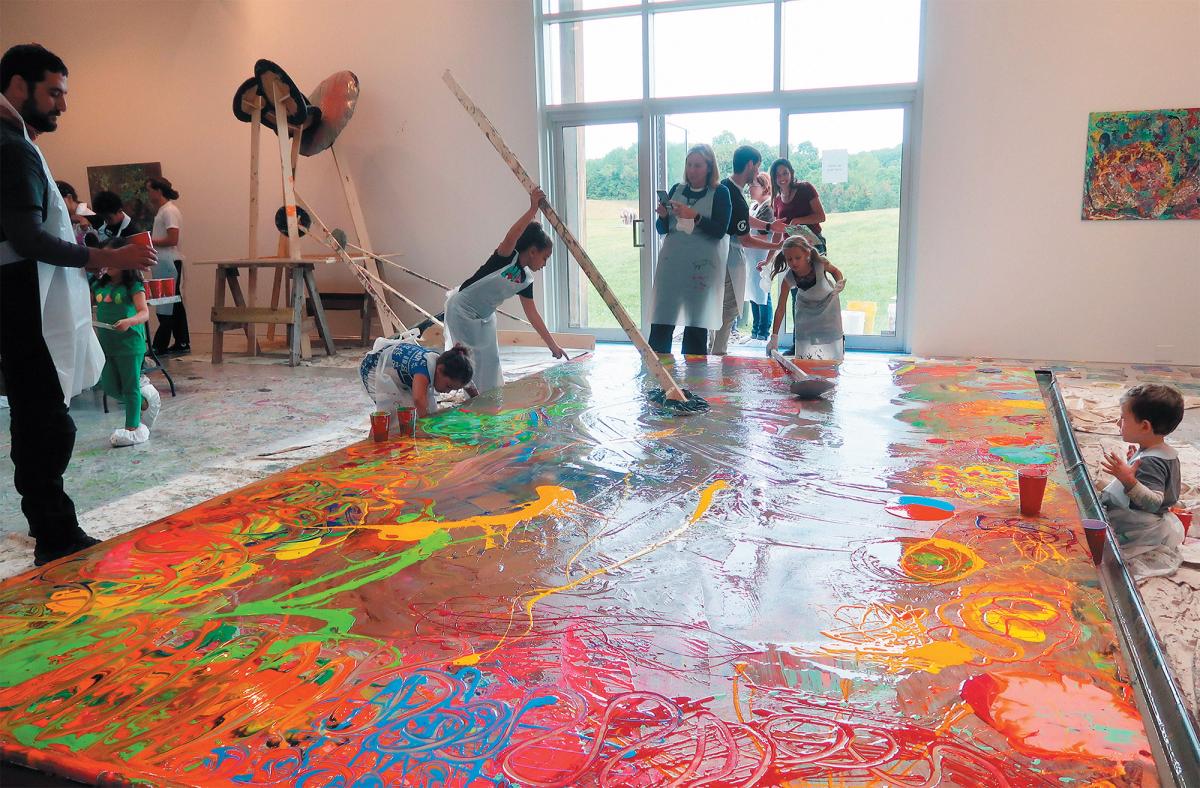
A gift to the NYSM last year, Charles Clough's monumental painting—an awe-inspiring 9 x 16 feet—has just been installed in New York Hall. To create it, Clough invited visitors to Art Omi, a contemporary art gallery and sculpture park in Ghent, New York, to participate in the work which he then finished.
Charles Clough calls his approach to art “painterly, gestural abstraction.” Born in Buffalo, New York, he studied at Pratt Institute in Brooklyn, the Ontario College of Art in Toronto, and the State University of New York at Buffalo. In 1974, Clough co-founded Hallwalls Contemporary Art Center in Buffalo, which presents exhibitions, performances, and visiting artists. This context provided the setting for Clough’s earliest participatory projects. He established the Clufffalo Institute in 2012 at the Roycroft Campus in East Aurora, New York.
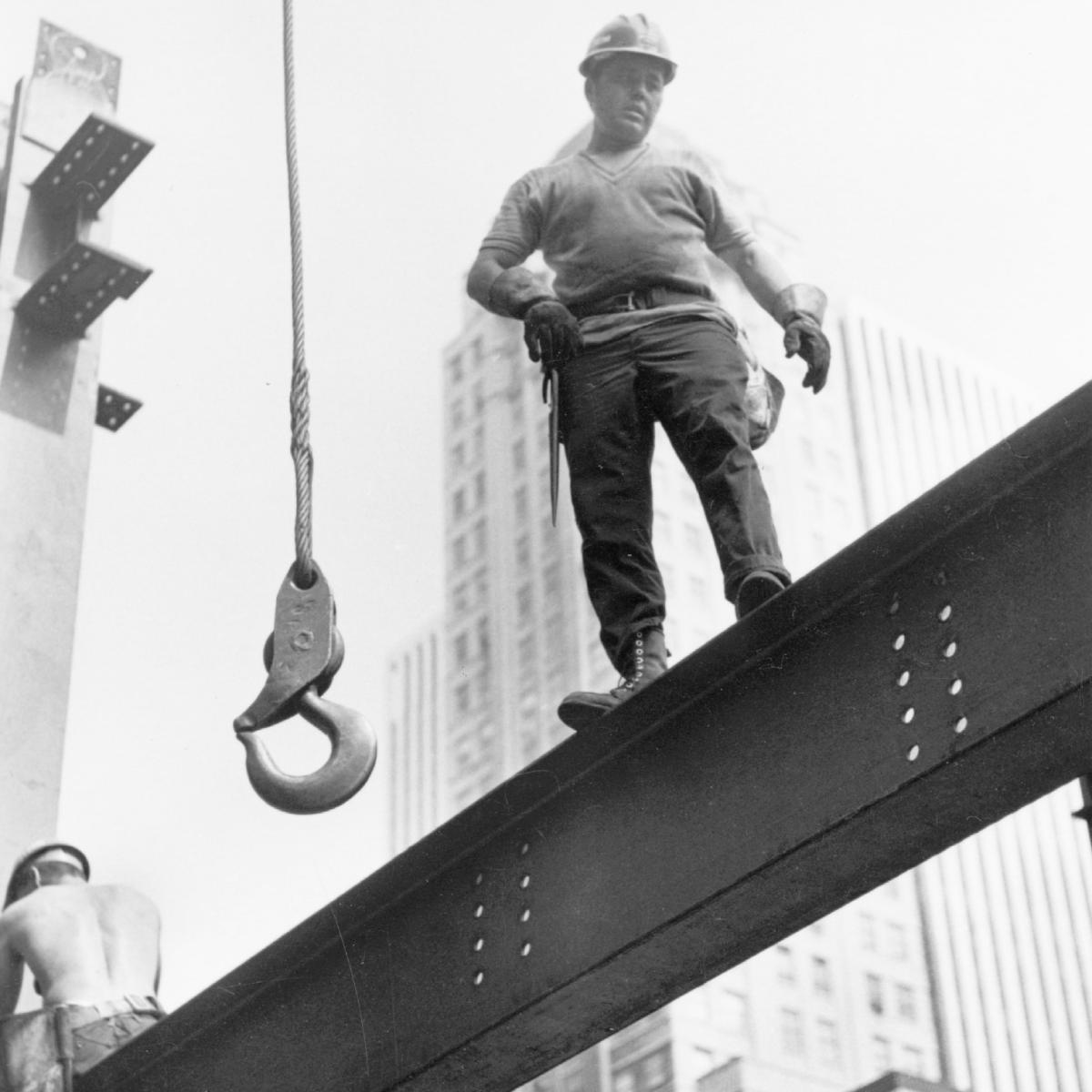
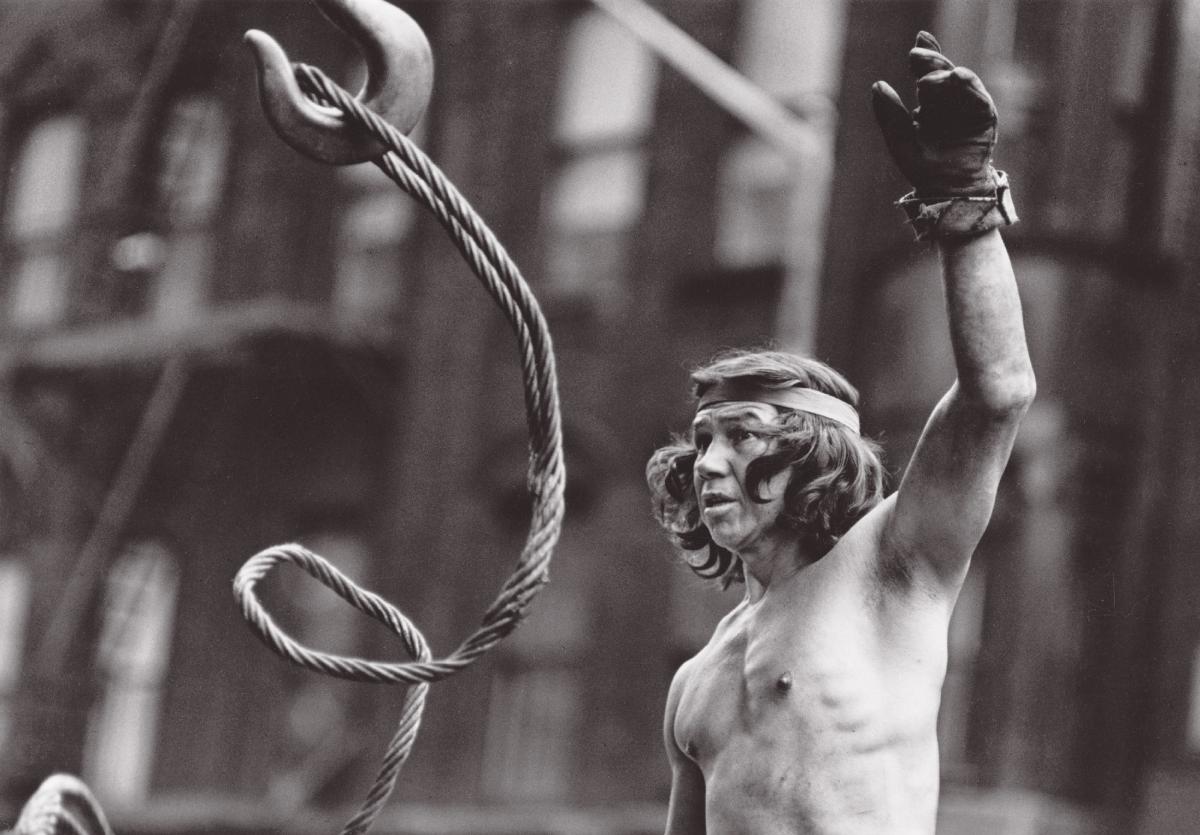
On View in New York Metropolis Hall: Photographic Series of Mohawk Steelworkers

David Grant Noble (1939–present) photographed Mohawk steelworkers at 450 Park Avenue and 53rd Street in Midtown Manhattan. They were from the Kahnawake Mohawk Reserve on the St. Lawrence River. During the week most of the men lived in North Gowanus, Brooklyn, driving home to family on the weekends.
With few employment opportunities, Mohawk men were first recruited in the late 19th century to build bridges across the St. Lawrence River. Since then, generations of Mohawks have constructed buildings and bridges all over the East Coast. This tradition continues today.
About the Artist

David Grant Noble lived in New York City in the 1960s while working as a photographer for Manhattan East, a community newspaper. In 1971 he moved to New Mexico and started photographing archaeological excavations. Noble’s works are represented in galleries and museums around the nation, and he has won several awards.
Highlights from the Exhibition
See Also:
New York Metropolis Hall
Discover the vibrant historical and cultural history of New York City through this series of engaging exhibition spaces highlighting the complexity and diversity of the New York Metropolis.
The McVaugh Donation: Important Collections Come in Small Packages
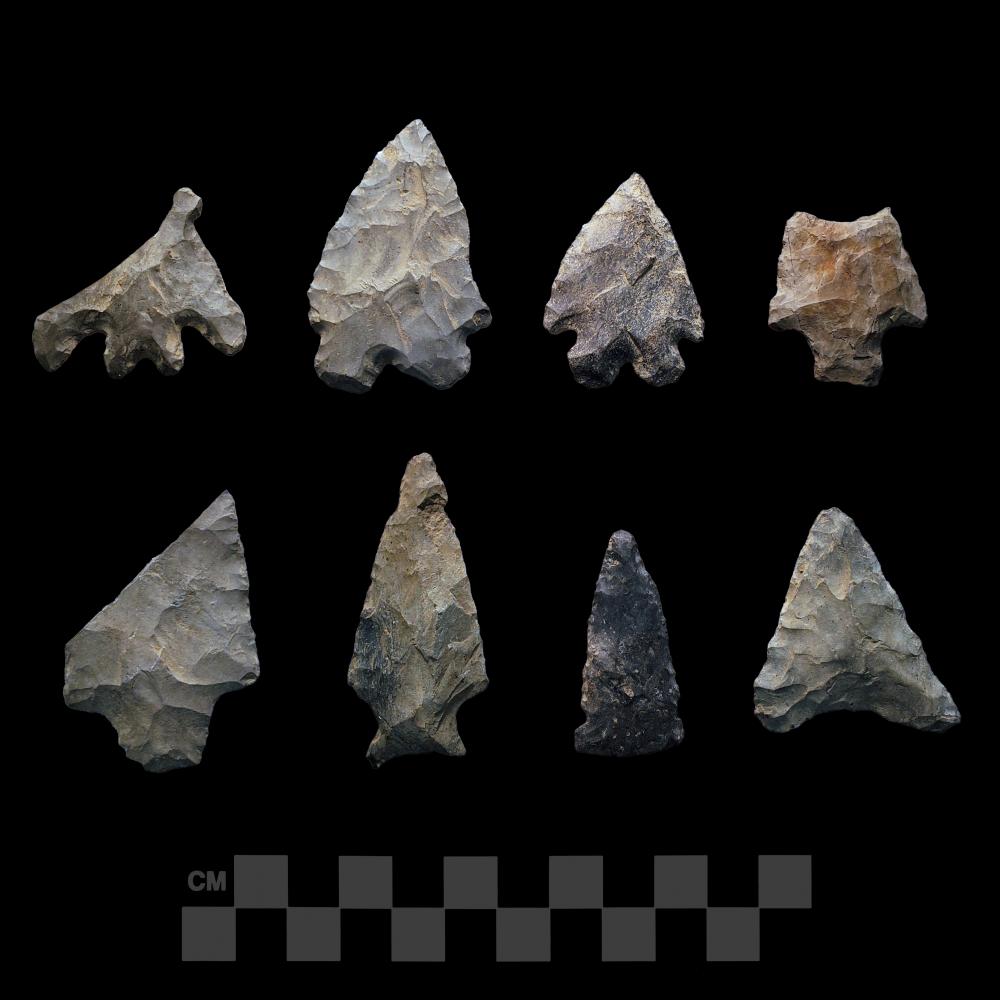
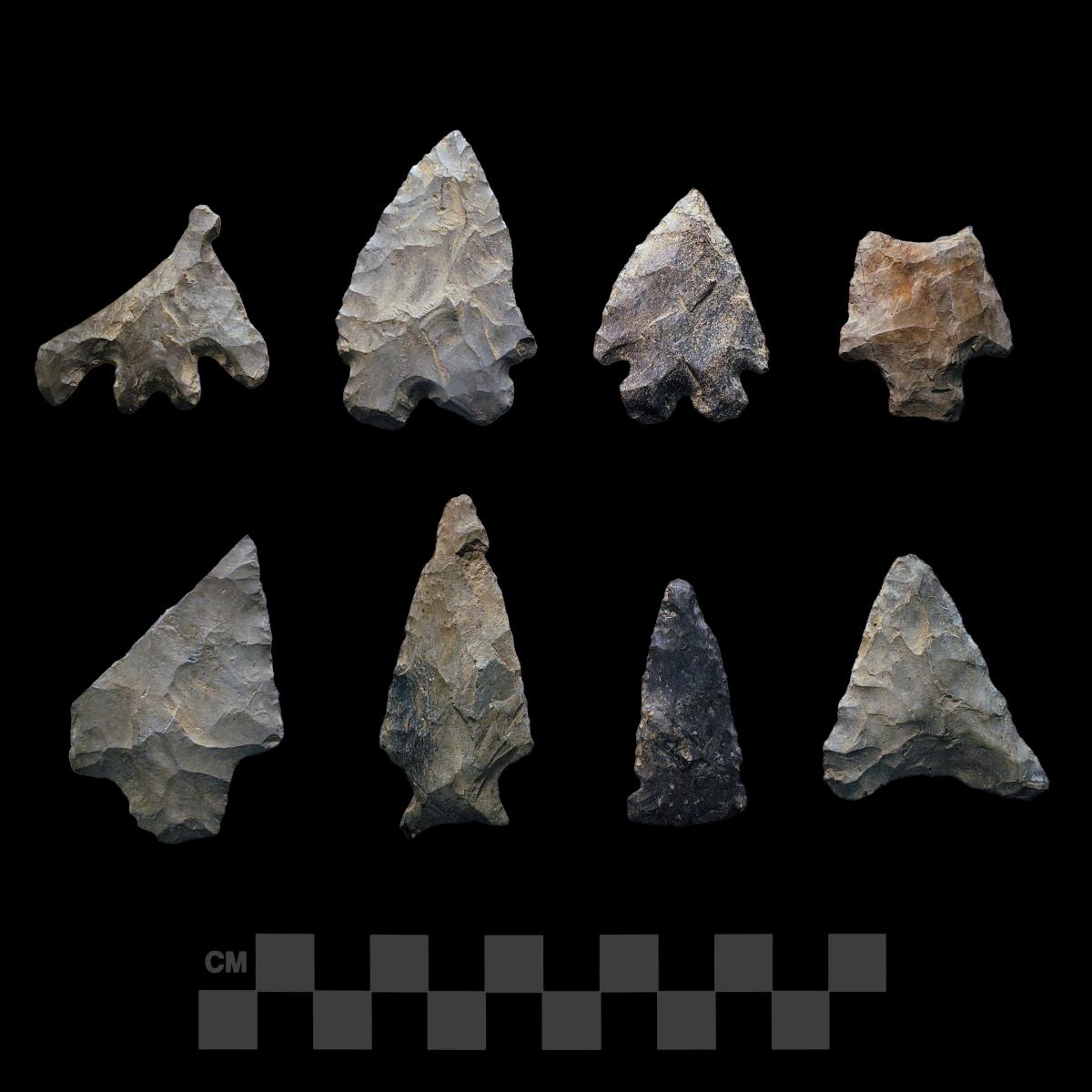
Over the years, the NYSM has received donations of very large archaeological collections numbering hundreds of thousands of specimens—but small collections can also be important. One such donation, modest in size but rich in content, was made to the NYSM in 2019 by the McVaugh family.
Born in 1909, Rogers McVaugh grew up on his parents’ farm north of Kinderhook, Columbia County, in the ancestral territory of Munsee-speaking Mohican people. As a young man in the 1920s, McVaugh collected ancient Native American stone tools while plowing his family’s land, and recently his son Michael donated the collection to the Museum.
This small group of about fifty objects consists primarily of projectile points. Made by percussion flaking of fine-grained stone, these points were lashed to the tips of hunting weaponry. Based on documented changes in form through time, this collection records as many as 9,000 years of Indigenous history in what is Columbia County today. Importantly, these and other archaeological collections and sites from this part of the Hudson Valley hold special significance for the Stockbridge Munsee Mohican Band of Indians as part of their cultural heritage.
Discover more about NYSM Native American Archaeology research and collections featured during Native American History Month: http://www.nysm.nysed.gov/native-american-heritage-month
Science Tuesday: DNA Research in Ornithology
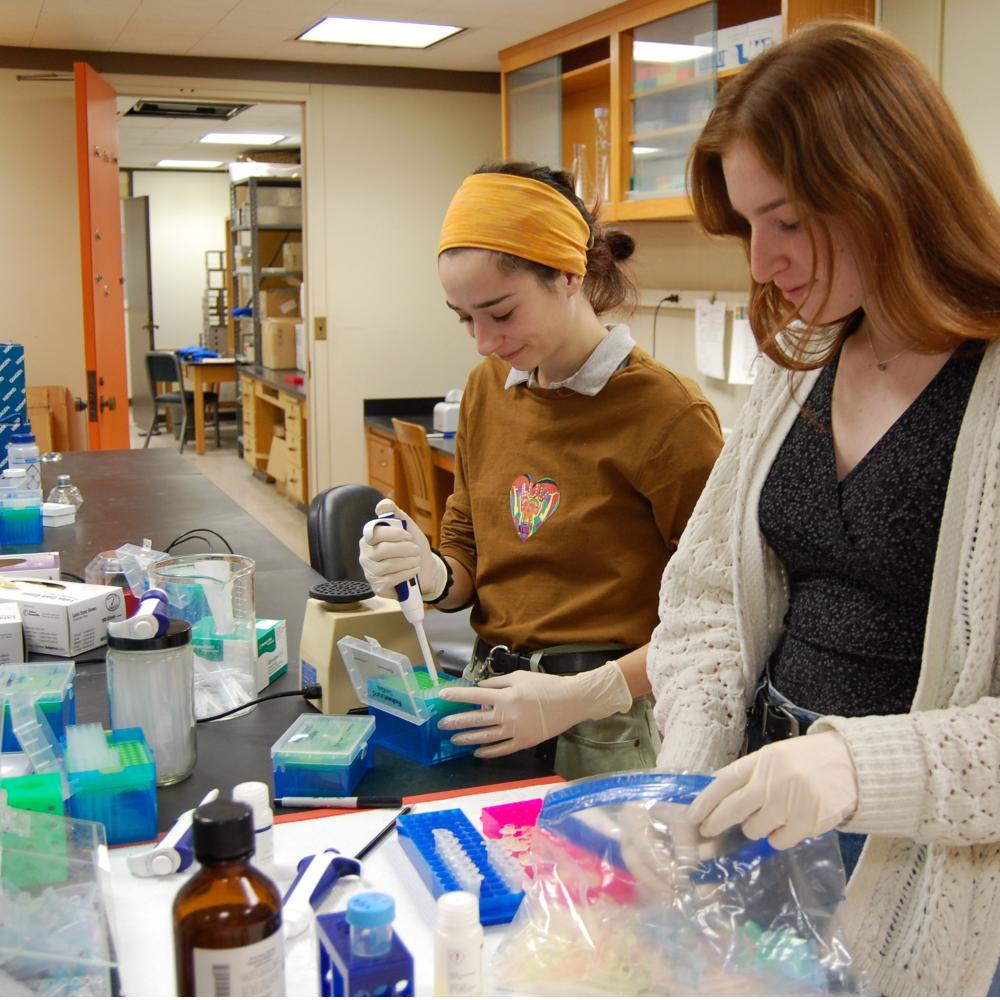
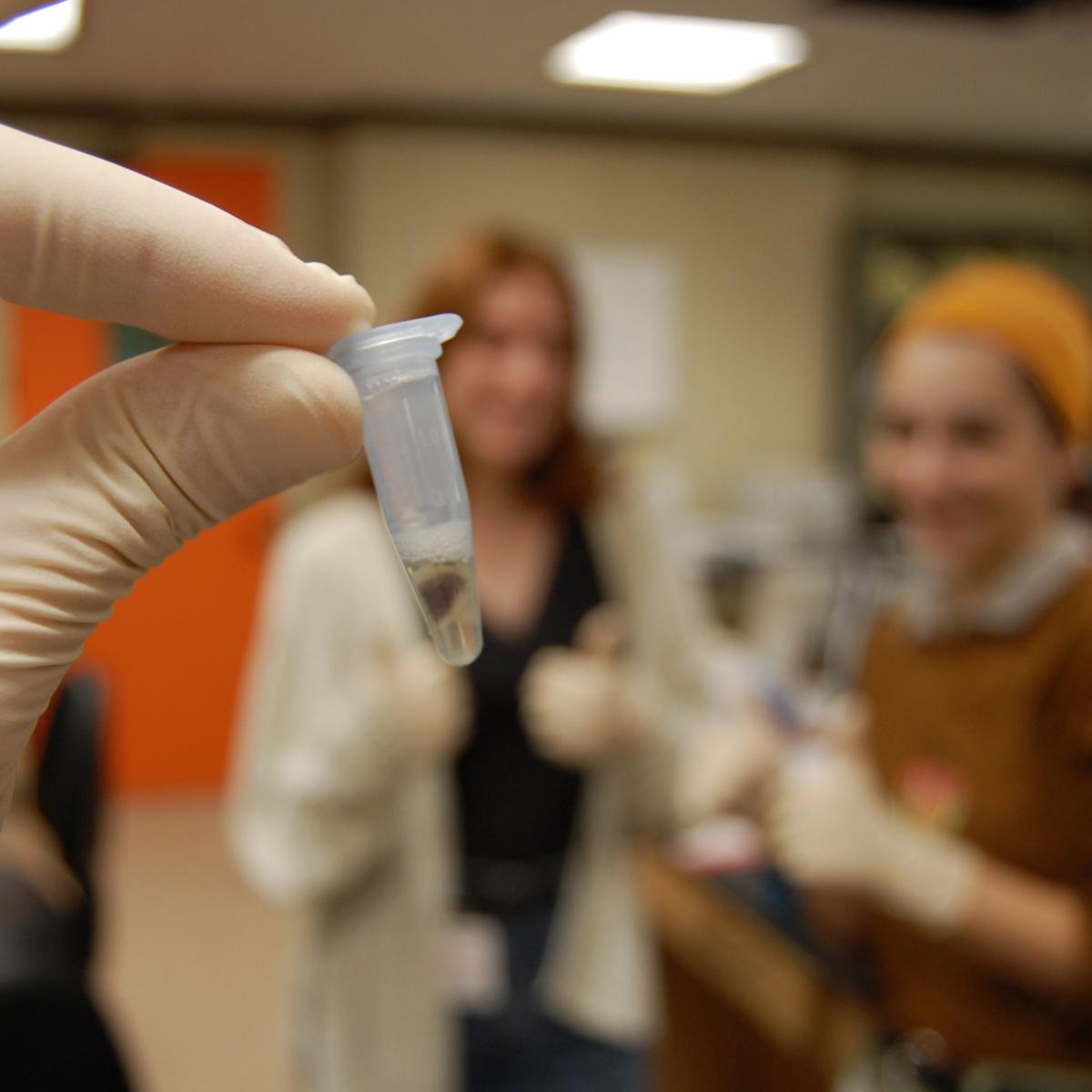
Museum specimens are important sources of DNA, used by researchers to discover the evolutionary relationships among species. NYSM zoology curators save small samples of muscle and other tissues from the specimens they prepare for our collections. The tissue samples from fish, bird, and mammal specimens, stored at -80 degrees Celsius in our genetics lab, become the basis for research conducted by the curators and their students.
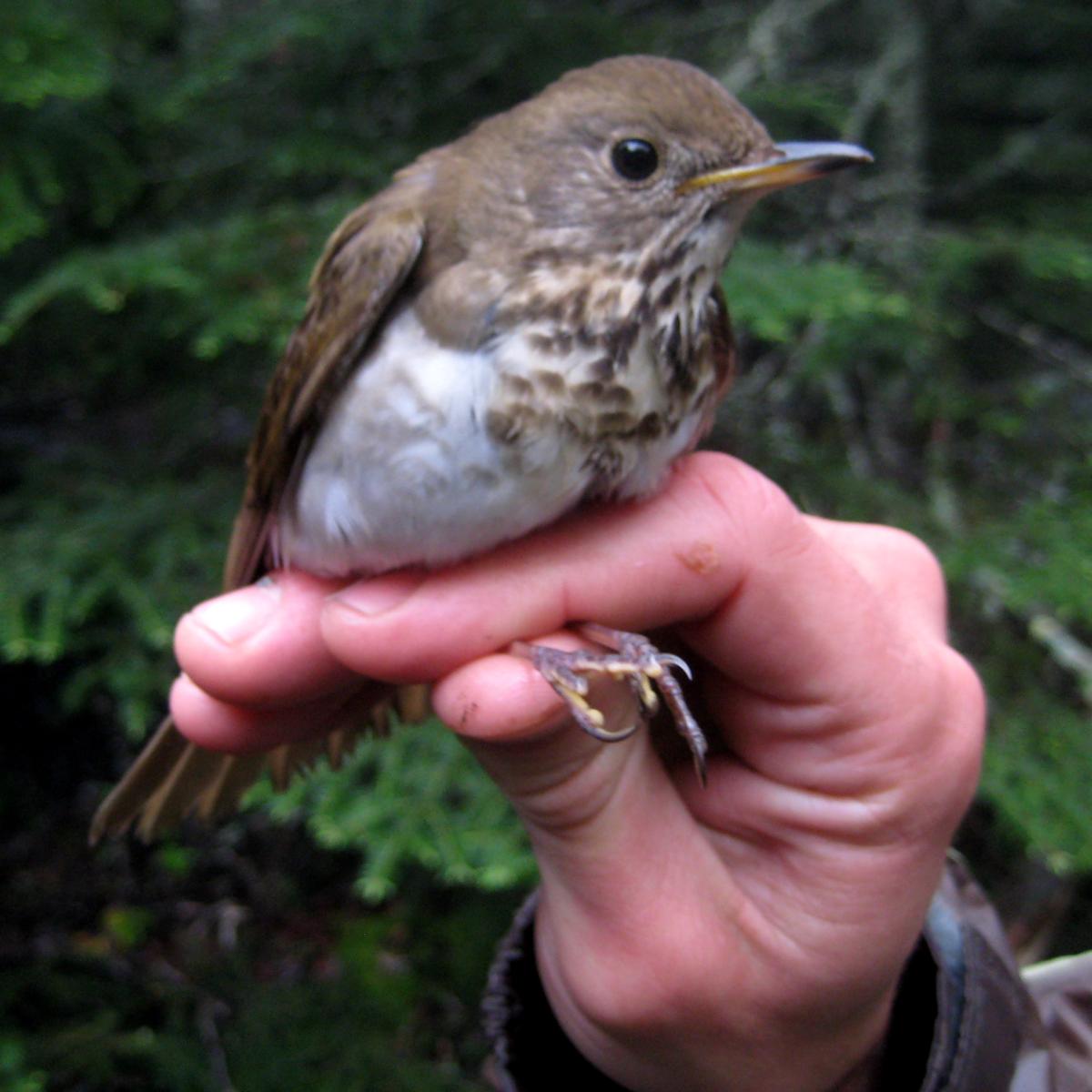
This fall semester, two biology students from the University at Albany, Sarah Palmieri and Morgan Lynn, have been working in the lab with Dr. Jeremy Kirchman, the NYSM’s Curator of Ornithology, to extract and analyze DNA from samples taken from closely-related thrush species that breed in in the Catskills and Adirondacks. The students enjoy coming to the museum each week to work in the lab and learn about genetics research. This experience may be a springboard for Sarah and Morgan as they pursue future work or graduate studies in biology.
Discover more about ongoing research in the NYSM Ornithology Lab here: http://www.nysm.nysed.gov/research-collections/biology/ornithology
Science Tuesday: "Living Fossils!"
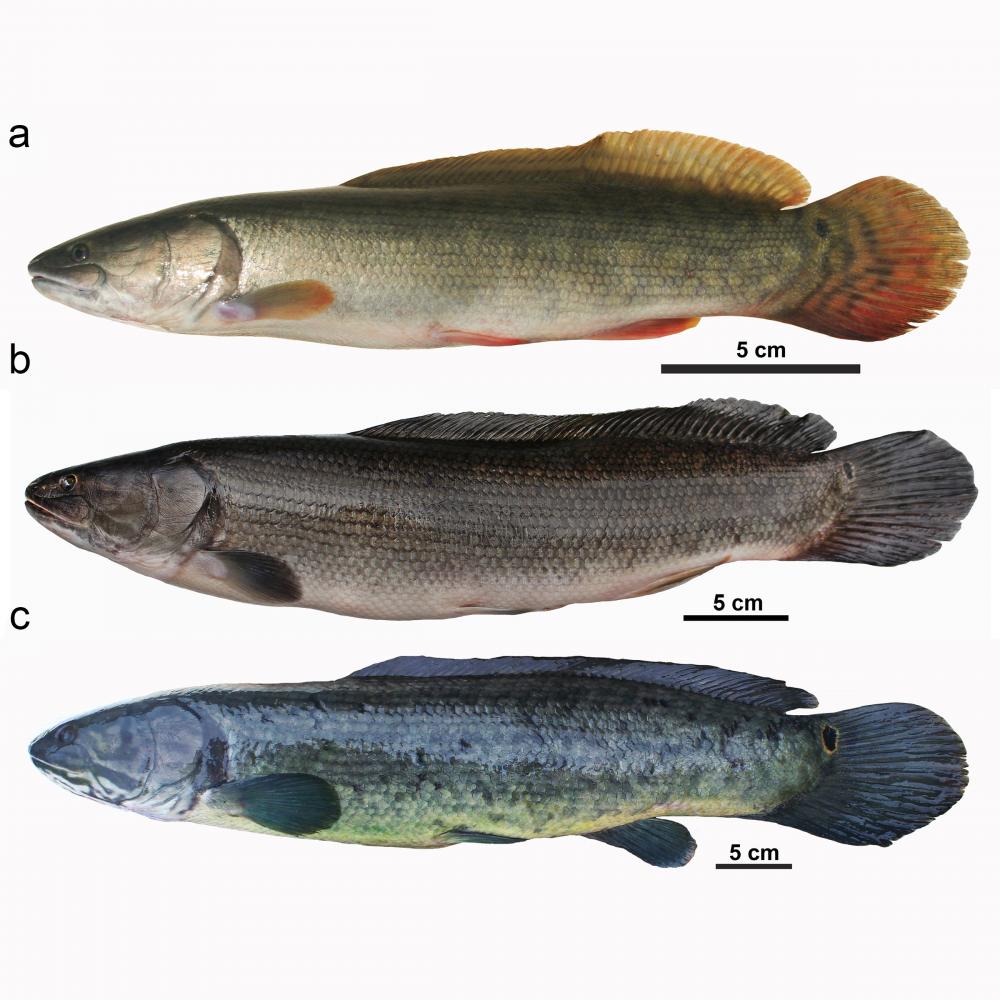
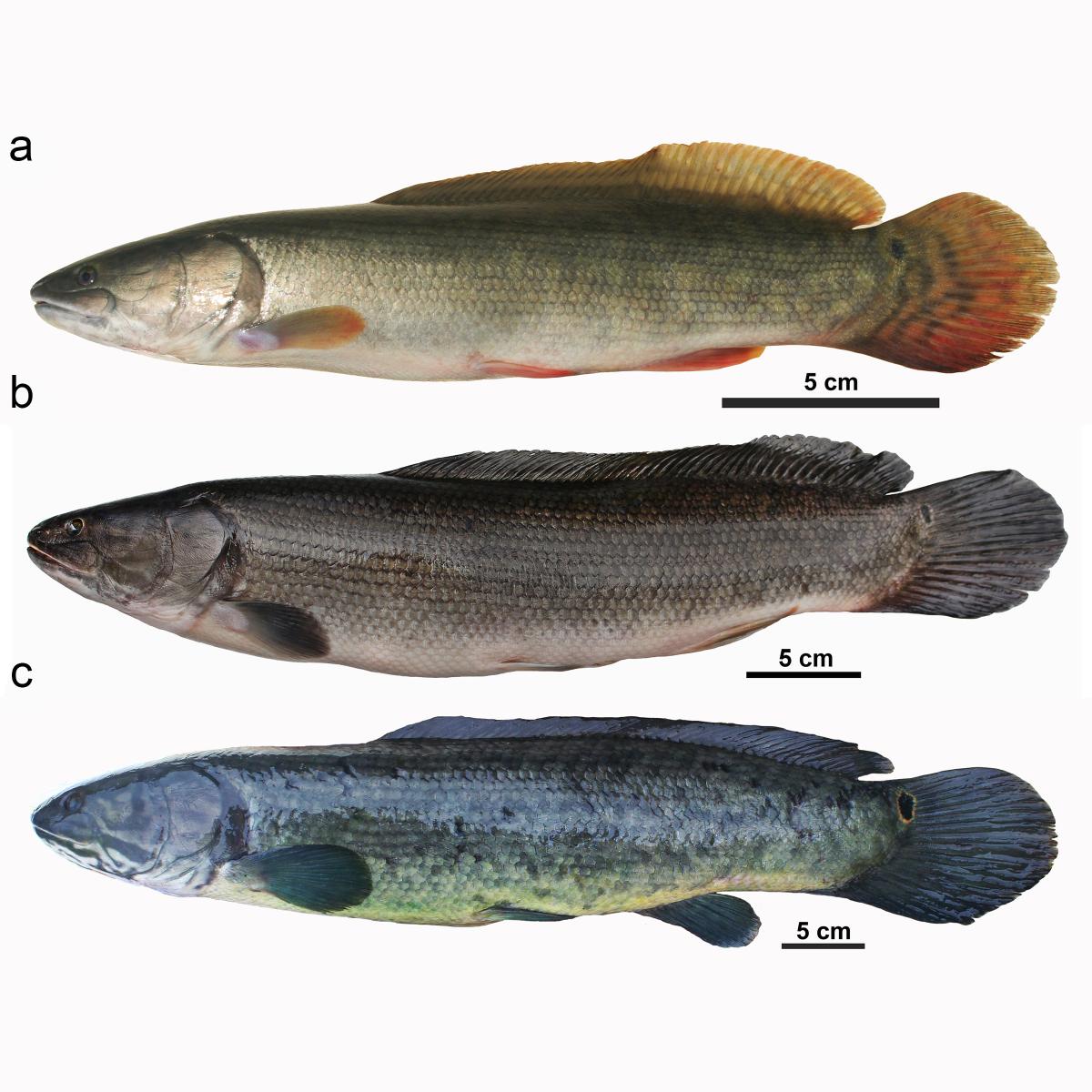
Bowfin fishes are recognized as evolutionary relicts or ‘living fossils’ that historically were distributed worldwide, going back almost 150 million years and living alongside dinosaurs. These fishes retain many of the morphological traits of their fossil ancestors and are found only in the United States and Canada east of the Rockies.
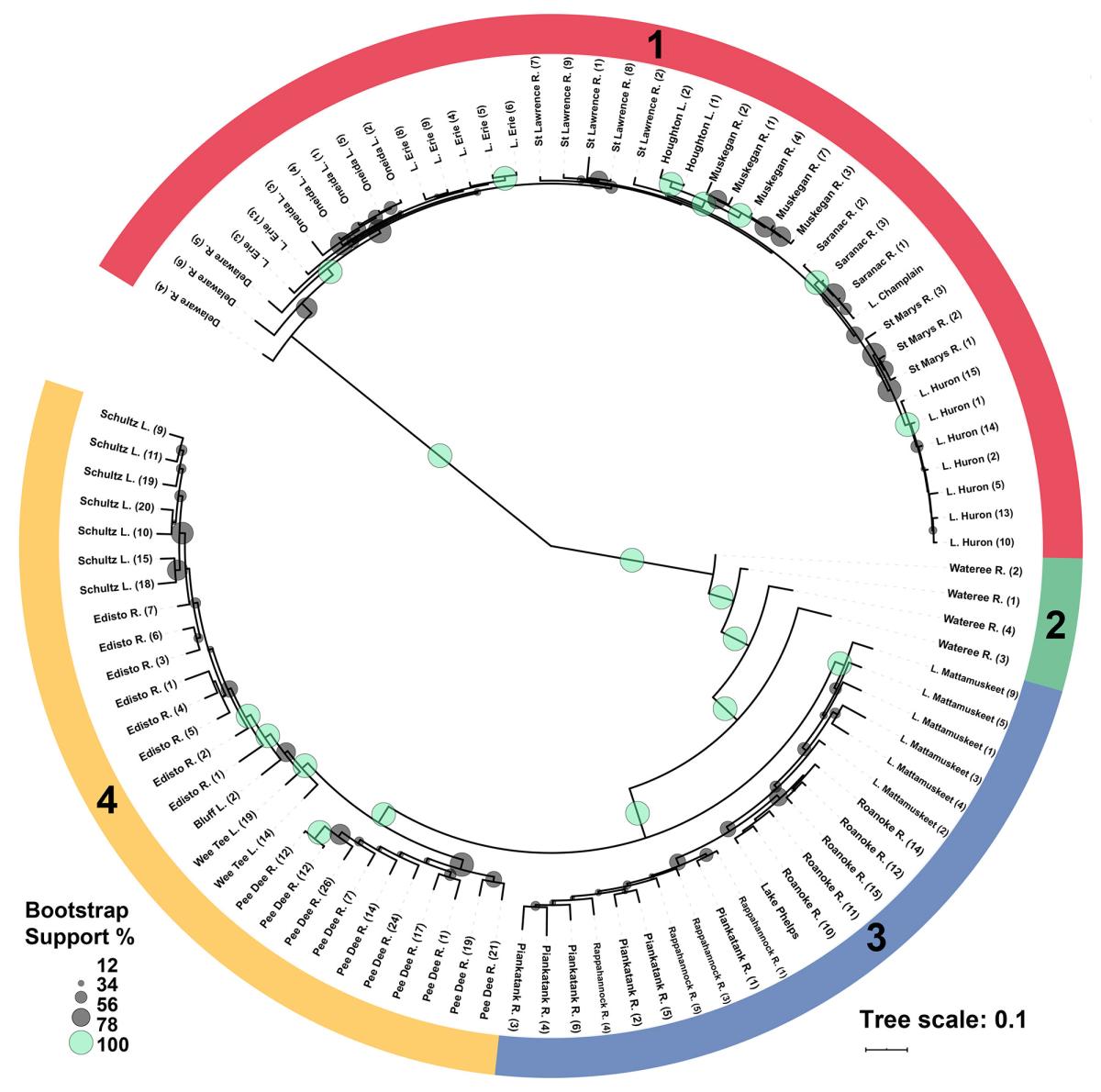
Researchers at the New York State Museum and SUNY-ESF have recently published a peer-reviewed journal article that demonstrates the existence of at least two species of living Bowfin which have been widely accepted to represent only a single, widespread species for over 125 years. Using genomic data in conjunction with several different phylogenetic and population genetic analyses, they were able to show that individuals from upstate New York and the Great Lakes represent Amia ocellicauda (first described in 1836) rather than the widely recognized A. calva. Though geographic gaps in sampling prevented a full evaluation of living Bowfin diversity and the ranges of those species, these results are suggestive that much remains to be found.
The full article is available at: https://www.nature.com/articles/s41598-022-20875-4.
Figure 1. The two species of Bowfin indicated in the journal article. A and B represent Amia calva from South Carolina populations, while C represents A. ocellicauda from Georgian Bay, Lake Huron, ON.
Figure 2. A circular evolutionary tree showing the relationships between the Bowfin specimens analyzed. Individuals falling under the red bar are A. ocellicauda, while the others are considered A. calva, for the time being. As indicated by the different colored bars and branching patterns, additional, unrecognized diversity may exist within these specimens.
African American Farmers in the Upper Hudson Valley, 1820–1880
Agriculture has been central to the cultural history of the Hudson River Valley from the first indigenous farmers to 17th-century Dutch farms, and finally through the development of modern mechanized farming during the 19th century. Regrettably, the role of free African American farmers in the agricultural development of New York State has received little to no attention nor recognition.
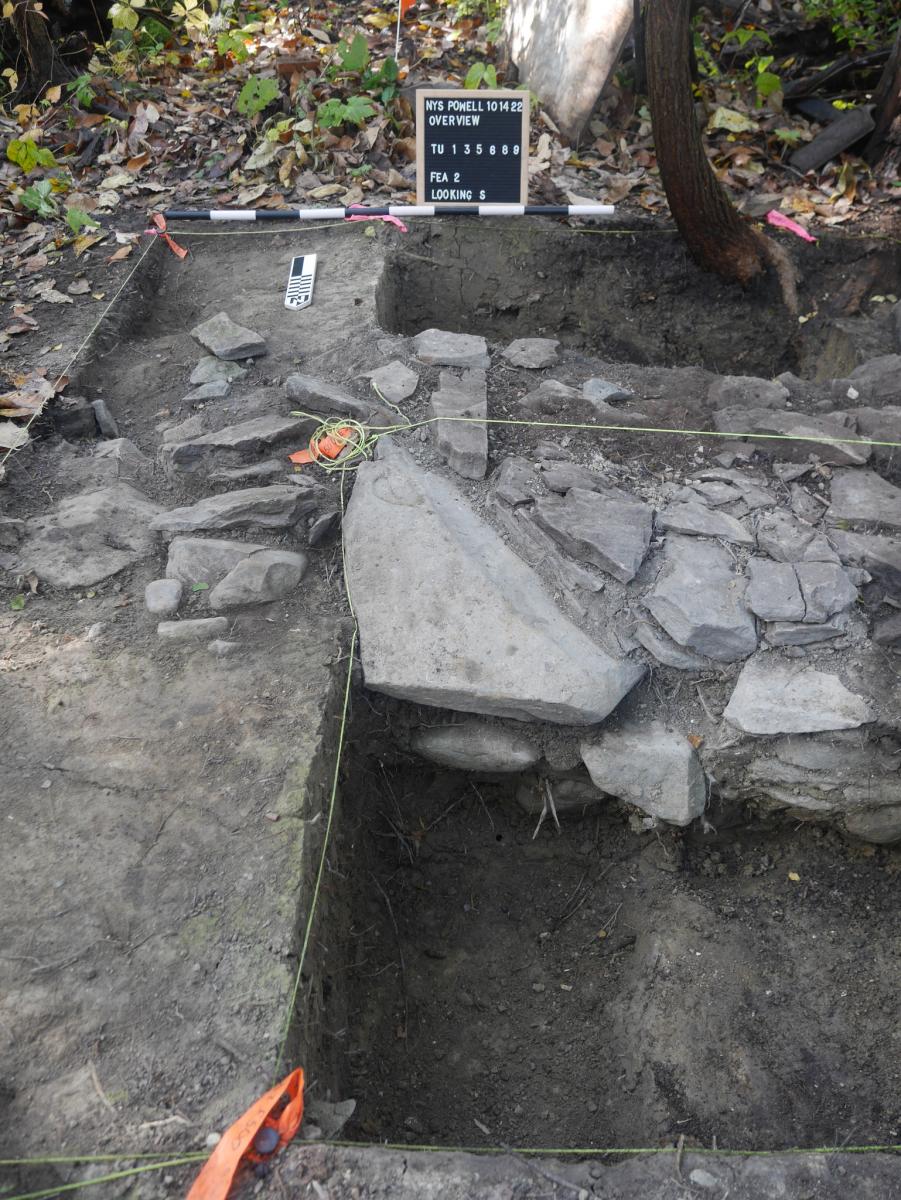
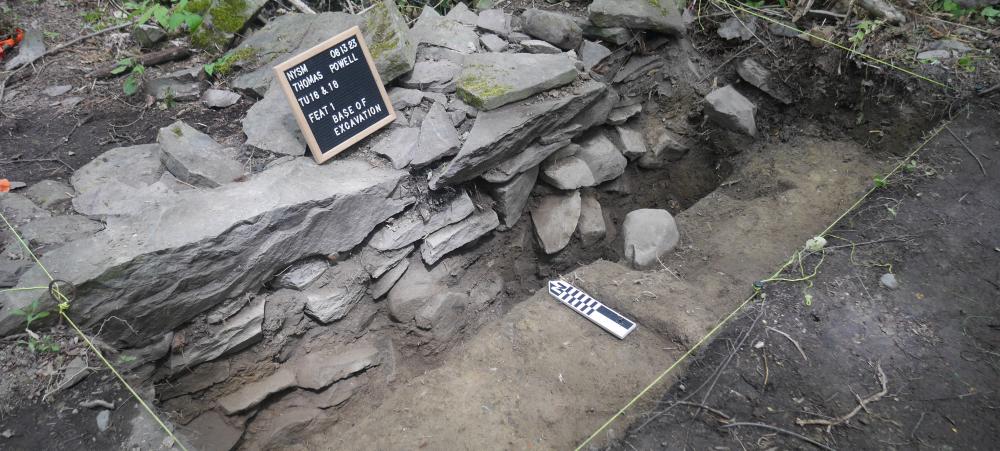
African Americans provided much of the manual labor on large farms throughout the 18th century and a small percentage continued as independent farmers in New York following emancipation. The Powell family farmstead represents a rare example of an African-American-owned farm in Albany County. Three generations of the Powell family lived and worked on this farm which eventually expanded to 40 acres.
Archaeological excavations at the site have documented the expansion of the Powell house as their fortunes improved into the 1880s. Althought the Powell family ultimately lost their farm like so many other African American farmers, present-day public and private partnerships should work to preserve these important heritage sites for future generations before they are gone forever.
Interested in learning more about the history and archaeology of the Powell Farmstead? Take a guided virtual tour of the site through this video series hosted by NYSM Historical Archaeologist Michael Lucas: http://www.nysm.nysed.gov/black-history-month/thomas-powell-farmstead
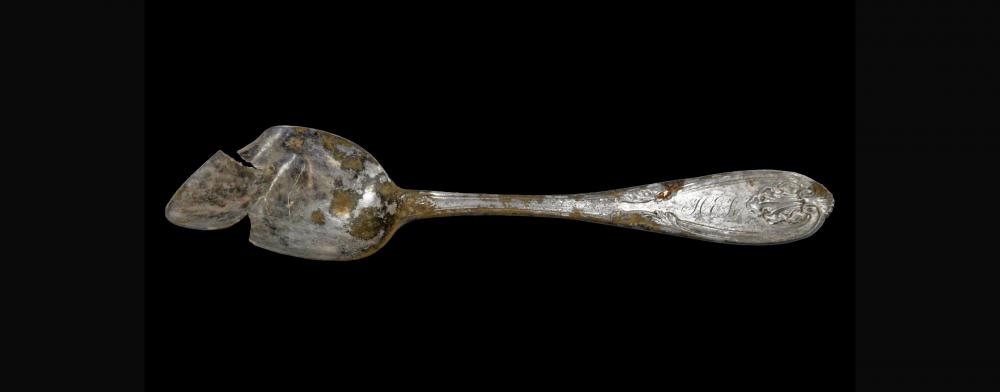
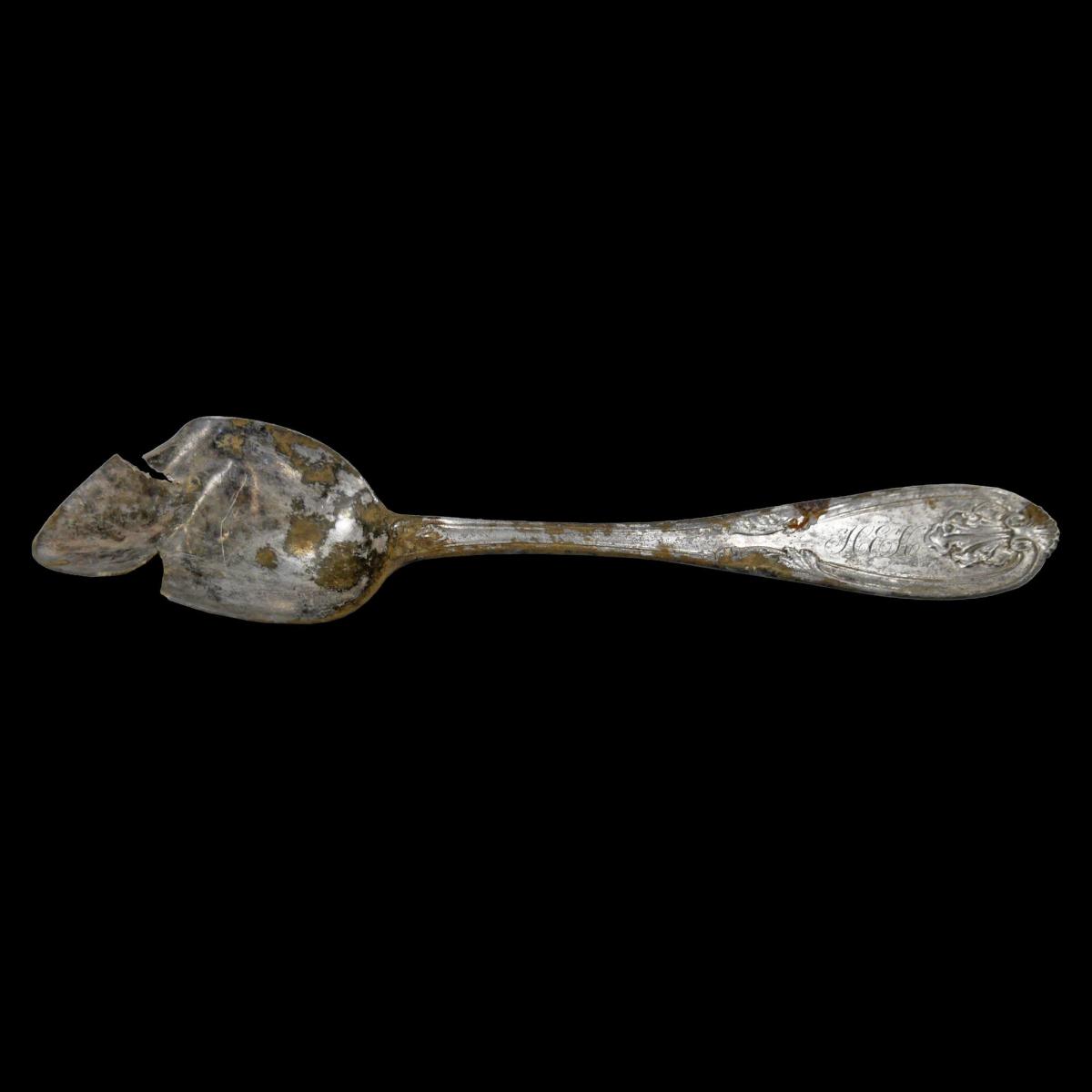
Included below are photos of a silver spoon with Hannah Elizabeth Powell’s (nee Kilbourne) initials and a Stone Chimney foundation from the Powell Farmstead site.
NYSM Archaeologist Featured in the Times Union for Research Identifying 19th-Century African American Farms
NYSM Historical Archaeologist Michael Lucas and his team were recently featured in the Times Union for their fieldwork and research leading to the identification of Albany-area farms owned and operated by African Americans during the 1800s.
Discover how the study of the artifacts recovered from each site has helped reveal new information about the lives of 19th-century African American farmers in the Capital Region: https://www.timesunion.com/business/article/ny-museum-researcher-share-…
A Centennial Celebration of the Fourth of July

A majestic American eagle clutches two 32-star flags and carries a pennant in its beak declaring "Life, Liberty, and the Pursuit of Happiness." Overhead, sun rays and a laurel sprig shine down, while beneath, another laurel sprig sits over a shield celebrating the "Anniversary of the Nation's Birth."
This magnificent painting from the NYSM History Collection was created in recognition of the Centennial Celebration of Independence on July 4th, 1876. Encircled by a belt proclaiming the "Declaration of Independence July 4th 1776," and "Centennial Celebration of Independence July 4th 1876," it's a tribute to the 35 states of the Union at that time, each proudly named in arc-shaped tabs with decorative scalloping surrounding the central motif. Adding to its vintage charm is a border of decorative vines and acorns, along with crossed 32-star flags in each corner.
Although this oilcloth shows its age with wear, cracks, and frayed edges, its patriotic spirit remains undimmed. So this 4th of July, let's remember the rich history that brought us together and the enduring symbols of our freedom.
The Section 233 Permit Program provides for archeological and paleontological research on state lands and is coordinated by the State Museum. This program is mandated by Education Law and protects public cultural and geological resources. Proposals for access to state lands for research purposes are reviewed and permits issued in conjunction with other state agencies. Most applications relate to diving activities and this program provides effective protection for many recently discovered underwater sites in New York.
Recently the Museum participated in an interagency initiative to create precedent setting submerged history diving preserves of several sunken French and Indian War vessels in Lake George. As an aspect of Education Law Section 233, staff also provide interagency consultation on the management of historic collections on State property.
People have occupied portions of New York State for over 10,000 years. Only the last few decades of this long and complex period are thoroughly recorded and well understood. The only way we can come to know and appreciate the one hundred centuries that came before is through archeology. If we can find the remains left behind of the sites these people inhabited, the tools they used, the constructions they created, and even of the people themselves, we can finally reveal the way life was in New York hundreds and thousands of years ago.
Yet the archeological record that remains hidden in the ground is a fragile record. It is finite and nonrenewable. Once destroyed, it can never be duplicated, and once the information these sites contain is lost, it can never be recreated. Every time the ground is disturbed, whether by natural or human events, the potential loss of these endangered resources increases. Almost daily some part of our common archeological heritage is damaged or lost, often unintentionally, by the actions we come to accept as part of everyday modern life.
To help prevent such losses on land under its own control, the State of New York enacted Section 233 of the Education Law in 1958. The intent of this law was to protect these "publicly owned" cultural resources "both for scientific and for educational and historic purposes." This law represents the interests of all the people of New York in their common heritage and protects their rights to benefit from the scientific and educational values preserved in these resources for all time to come.
Section 233 has three major components. First, it protects archeological sites and "objects of historic interest" from damage by preventing artifact removal from state lands without written permission. Second, it provides a program of archeological study permits by which serious students of our cultural past may pursue scientific studies on archeological resources on state lands. And third, it requires of anyone who unexpectedly discovers such objects on state lands to report it to the appropriate persons.
Section 233 is part of Education Law and is mandated to the State Education Department in recognition of the very strong educational motives which underwrote the original intent of this archeological preservation effort. The administration of Section 233 is delegated within the Education Department to the New York State Museum, because "scientific specimens and collections, works of art, objects of historic interest and similar property . . . owned by the state . . . shall constitute the collections of the state museum." Responsibility for the management of publicly owned cultural resources under Section 233 falls to the State Museum's Historical and Anthropological Surveys, which have expertise and longstanding research traditions in these areas.
1. All scientific specimens and collections, works of art, objects of historic interest and similar property appropriate to a general museum, if owned by the state and not placed in other custody by a specific law, shall constitute the collections of the state museum. The state museum shall be the custodian of the collections, shall perform standard curatorial, research and educational activities and a director appointed by the regents shall constitute its head.
2. Any scientific collection made by a member of the museum staff during his term of office shall, unless otherwise authorized by resolution of the regents, belong to the state and form a part of the state museum.
3. The state of New York, through its legislative authority accepts the provisions of section one hundred twenty of the federal-aid highway act of nineteen hundred fifty-six (70 Stat. 374) relating to the salvage of archaeological and paleontological objects, including ruins, sites, Indian burial grounds, buildings, artifacts, fossils or other objects of antiquity having national significance from an historical or scientific standpoint, and empowers and directs the commissioner of education to make agreements with appropriate state departments or agencies and such agency or agencies as the federal government may designate to carry out the purposes of such provision of law.
4. Except as otherwise provided in subdivision three of this section, no person shall appropriate, excavate, injure or destroy any object of archaeological and paleontological interest, situated on or under lands owned by the state of New York, without the written permission of the commissioner of education. A violation of this provision shall constitute a misdemeanor. The discovery of such objects shall be forthwith reported to the commissioner by the state department or agency having jurisdiction over such lands.
5. Permits for the examination, excavation or gathering of archaeological and paleontological objects upon the lands under their respective jurisdictions may be granted by the heads of state departments or other state agencies to persons authorized by the commissioner of education for the purposes of the state museum and state science service, with a view to the preservation of any such objects worthy of permanent preservation and, in all cases, to the acquisition and dissemination of knowledge relating thereto.
L.1947, c. 820; amended L.1958, c. 121, eff. March 6, 1958.
23 U.S.C.A. § 170.
Educational Regulations Part 180
Section 180.1 Loan of Material.
Scientific specimens and collections may be loaned to scientific institutions, museums, libraries or other responsible organizations or to qualified scientists engaged in research, upon terms and conditions to be set forth in an agreement between the department acting through the Assistant Commissioner of State Museum and Science Service and the organization or individual requesting the loan.
180.2 Archeological and paleontological permits.
(a) Permits valid for a period not exceeding one year for the examination or gathering of paleontological objects on specified lands for specified periods may be issued by the Assistant Commissioner for State Museum and Science Service to the appropriate department of recognized universities, research institutions, government surveys, colleges and museums.
(b) Permits valid for a period not exceeding one year for examination, excavation or gathering of paleontological objects issued to the foregoing named institutions shall be valid for use by authorized staff and members of the faculty, student assistants and graduate students of such institutions.
(c) Permits vaid for a period not exceeding one year for examination, excavation or gathering of archeological objects on specified lands for specified periods may be issued by the Assistant Commissioner for State Museum and Science Service to qualfiied individual members of the staffs of recognized universities, research institutions, colleges or museums and shall be valid only for use by the individuals to whom they are issued.
(d) Permits valid for a period not exceeding one year may also be granted to individuals not affiliated with the above institutions but who are professionally competent in the opinion of the Assistant Commissioner for State Museum and Science Service.
(e) Permits valid for a period not exceeding one year may also be granted to individuals for the examination, excavation and collection of marine fossils on specified lands for specified periods.
(f) Discoveries in the follwoing categories shall be reported to the State Museum: evidence of human remains, bones, burials, pottery, village sites, buildings, and large masses of fossil plants and fossil reefs. All other marine fossils are unrestricted and may be collected by holders of permits without first reporting to the State Museum.
(g) Permits issued under the provisions of this Part may be revoked at any time.
Educational Regulations Part 181
Archives and History
Stautory authority: Education Law Section 207
Section 181.1 Loan of Material.
Historical objects and collections, paintings, and other art forms may be loaned to educational institutions, historical societies, museums, libraries or other responsible organizations for study and exhibition, upon terms and conditions to be set forth in an agreement between the department acting through the State Historian and the organization or individual requesting the loan.
181.2 Permits for survey and retrieval of objects of historical interest.
(a) Permits, valid for a period not exceeding one year, to survey and retreive objects of historical interest situated on or under State property, may be issued to qualified public agencies, historical societies, museums, other educational institutions and individuals.
(b) Discovery and retrieval of objects of historical interest on State property shall be reported to the Commissioner of Education.
(c) Permits issued under the provisions of this Part may be revoked at any time.
The legislation generally describes the protected resources as "any object of archeological or paleontological interest." In general, objects deposited on state lands that are less than 50 years old are not considered to be of "archeological interest." However, there may be specific collecting policies that prevent the removal of such objects of even relatively recent vintage (such as in State Parks or State Historic Sites). Archeological sites in which deposits of spatially related objects exist can reveal a great deal about the events which created these sites and are clearly "of archeological interest." Certain types of isolated objects may also be of significance even if not associated with any particular site. Before removing any object that appears to be in isolation, consult with the State Museum. Many apparently isolated objects are in fact merely the exposed portion of a buried site that would be damaged if surface materials were continually collected as they become exposed.
Archeological sites on state owned lands fall into two major categories: land sites and underwater sites. Land sites are most frequently thought of as "Indian" sites. The thousands of years of Native prehistory in New York, from Paleo-Indian migratory bands to the Iroquois and Algonkian farmers encountered by the first explorers, represents one of the most important components of our archeological heritage. Since there was virtually no written record created of these prehistoric times, archeological studies represent the only means of coming to know our prehistoric predecessors. But there is also a great deal to be learned from the remains of Colonial habitations, military sites, transportation systems, and the more common archeological resources that represent the Historic Period. In spite of volumes of documentation, historians still find many areas of our past that cannot be fully understood without the archeological data contained in sites of these more recent times. A significant portion of these irreplaceable land sites are situated on some form of state land.
Underwater sites are also on state lands, only these are submerged lands, covered by navigable bodies of water. Very few bodies of water in New York State are privately owned, and even small lakes and ponds that are completely surrounded by private lots may still be public waterways. Such public waterways and the lands beneath them are under the jurisdiction of the State, and therefore any archeological resources resting on these bottomlands are under the protection of Section 233.
For the most part, these submerged resources are represented by sunken ships and boats and the sites of cultural materials associated with such sinkings. The data on nautical technology and maritime history that is so often missing from libraries and archives can only be found in the sites of original vessels from the period of interest, be it prehistoric canoes, batteaux of the colonial period, great fighting ships of the American Revolution and the War of 1812, or the vessels of commerce of the 19th century canal-boat and lake-freighter era.
But even deposits of what many would term "garbage" that lie on our lake bottoms can reveal as much about the people that created them as can modern books full of words and pictures. The deep refuse deposits alongside docks and commercial establishments can reveal more about the business of business than the paper records that may or may not be preserved.
A permit granted under Section 233 is an authorization to collect or excavate archeological materials on state lands. Given the mandate to preserve and protect these resources for their scientific and educational value, the State Museum only grants permits for projects that are consistent with the standards and goals of scientific research.
Permits are required for any activity that will "appropriate, excavate, injure, or destroy any object of archeological or paleontological interest, situated on or under lands owned by the State of New York." Under the regulations of the Commissioner of Education, reconnaissance survey projects may also require a permit, even though no excavation of any site is proposed. Even though some land survey involves little more than walking around, and most underwater surveys involve little more than swimming or boating, having a survey permit on file opens up a dialogue between the surveyor and the State Museum through which they can exchange information. It also places others on notice that the applicant has a prior interest in the survey area. In lieu of a formal permit for non-contactinvestigations, where no physical disturbance of the site is proposed, the State Museum offers the option of registering the survey with a simple one-page form. This is particularly useful in identifying the researcher's intent to study an area and helps avoid conflicts that may arise later.
Title to the bed of numerous bodies of water is held in trust for the people of the State of New York under the jurisdiction of the Office of General Services. Visit their website to apply for access to these lands.
Permits are usually granted to professional archeologists associated with institutions which have a tradition of solid research and the facilities to support the project. At the data recovery stage, preservation facilities and qualified conservation staff are critical to the success of the project. The applicant must be able to comply with the State Museum's policies regarding acquisition, preparation, and care of collections.
However, individuals may apply, particularly at the survey stage, to conduct data gathering and identification studies. Even though not professional archeologists nor affiliated with a museum, university, or other institution, such researchers can make a significant contribution to the knowledge of our archeological heritage, particularly in the realm of underwater resources. Such studies are most effective if they use field data to resolve questions arising from documentary sources or reveal new historical data relating to past events. Activities designed merely to retrieve artifacts are not usually considered appropriate on archeological sites that belong to the public. Site preservation is a priority in the management of these resources for the benefit of all New York residents.
If the application is approved by both agencies, and is in compliance with all other state or federal requirements for the protection of cultural resources, the signed permit will be returned to the applicant. Normally the review and approval process takes about 45 days if all the necessary information is available.
Unless otherwise requested, the term of the project will be assumed to be for one year. The term of the permit will be for one year from the date of final approval.
By law, material on or under any land belongs to the landowner, whether the land is public or private. On public lands this material belongs to the state or federal agency that manages the property, and their permission is required before this material can be removed or disturbed. Where these items are of "historic interest," additional protection is afforded them under Section 233. Permission for the disturbance or removal of these objects of "historic interest" is obtained through the permit process described above.
Removal of objects during an approved Section 233 permit does not alter their ownership, and they remain the property of the state agency which administers the land in the interest of the residents of New York, along with any records generated as part of the research project. Under Section 233 the care and preservation of these "objects of historic interest" is usually delegated to the New York State Museum. Therefore, any collections derived from a permitted activity on state lands must be made and prepared in accordance with the State Museum's policies regarding collections acquisition and care. For the purpose of study, a loan of the collections resulting from a permitted project will automatically be made to the applicant for a period up to one year (depending upon the size and scope of the project) after the end date of the permit. Extensions of this loan may be requested, as necessary, from the State Museum.
It is the policy of the State Museum to encourage the general public to become interested in local history and prehistory. To aid in this educational effort, the State Museum frequently arranges for loans of collections for exhibition to secure and responsible institutions. Requests for such loans should be made to the State Museum.
Because the purpose of the management of public archeological resources is to preserve these resources for all the residents of New York, present and future, and to create educational benefit from these resources through controlled scientific study, it would be inappropriate to release artifacts from integrated archeological sites to private ownership or sale. The possible benefits such sale might seem to provide in support of scientific research would not equal the negative consequences such a policy would produce. In some cases, however, isolated objects which lack historic interest for one reason or another may be released from public ownership if requested in writing.
In no case should any form of excavation or disturbance be undertaken on state land without first seeking and obtaining permission, even when it is believed that the objects to be collected are not of "historic interest." The judgement of "historic interest" can only be made by the interagency permit panel.
When archeological sites on public lands are damaged or destroyed, everyone loses a part of our shared heritage, spanning over 10,000 years of human history. The greatest loss falls to our children and to unborn generations who will inherit a State in which the opportunities to see, appreciate, and investigate our archeological resources will be greatly diminished.
No state agency, no governmental program, no law can protect these irreplaceable resources unless people interested in seeing this part of their heritage preserved make a conscious commitment to contribute to this effort.
How To Apply
Completely fill-out the application coversheet.
The contact name is to be legally responsible for the scientific operations of the project. Normally this person is the principal investigator and usually is also a professional archeologist, geologist or paleontologist. If the researcher represents an organization, it is usually preferable to have the permit issued to the researcher rather than to the corporate head of the organization.
Attach all supporting documentation
Please provide this in PDF format.
Documentation on what the site is, i.e., its age, type, function, history and condition.
[Permits to excavate or remove artifacts or specimens from a site will normally not be given until complete documentary research on the site has been completed. The application letter should reflect the findings of that documentary research and should indicate how the project design reflects what is already known about the site from prior research.]
This includes:
- Non-contact survey methodology and recording [if proposed].
- Excavation of non-cultural or sterile overburden and recording [if proposed].
- Excavation of cultural or geological deposits, exposure and recovery of objects or specimens, mapping and data recording [if proposed].
[Permits are given for research purposes, and proposals should include a research design appropriate to current professional standards and the scope of the project. More complex projects with a greater potential impact on archeological or paleontological resources will require more detailed proposals and research design information. It is advisable to have the proposal reviewed by a professional archeologist, geologist or someone with specific expertise in the type of project being proposed. Their letter of evaluation should accompany the application.]
Plans for, and facilities to support, the conservation, cataloging, storage and analysis of excavated and collected materials.
[All excavated and collected materials should be maintained in a stable state for study and prepared for storage using applicable standards of the New York State Museum. You may obtain additional information on those standards, including fees associated with permanent curation (if any), by contacting us using the address data at the top of this page.]
Proposal and estimated time frame for submission of a preliminary and final research report and any plans to submit results for publication.
[Annual reports on the progress of the project, and at its completion, are expected to be filed in a timely manner with the New York State Museum.]
A portion of a USGS topographic map, DOT Planimetric map, or navigation chart showing the location and boundaries of the project study area. Be sure the map is identified as to type, source, scale and date of publication.
Email or mail all documents to:
Christina Rieth
New York State Museum
Cultural Education Center 3118
Empire State Plaza
Albany, New York 12230
Phone: (518)402-5975
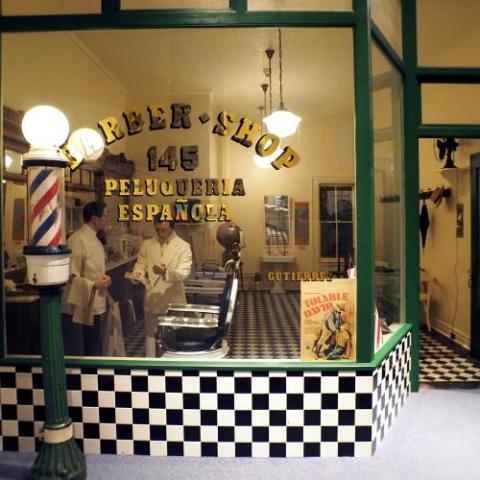
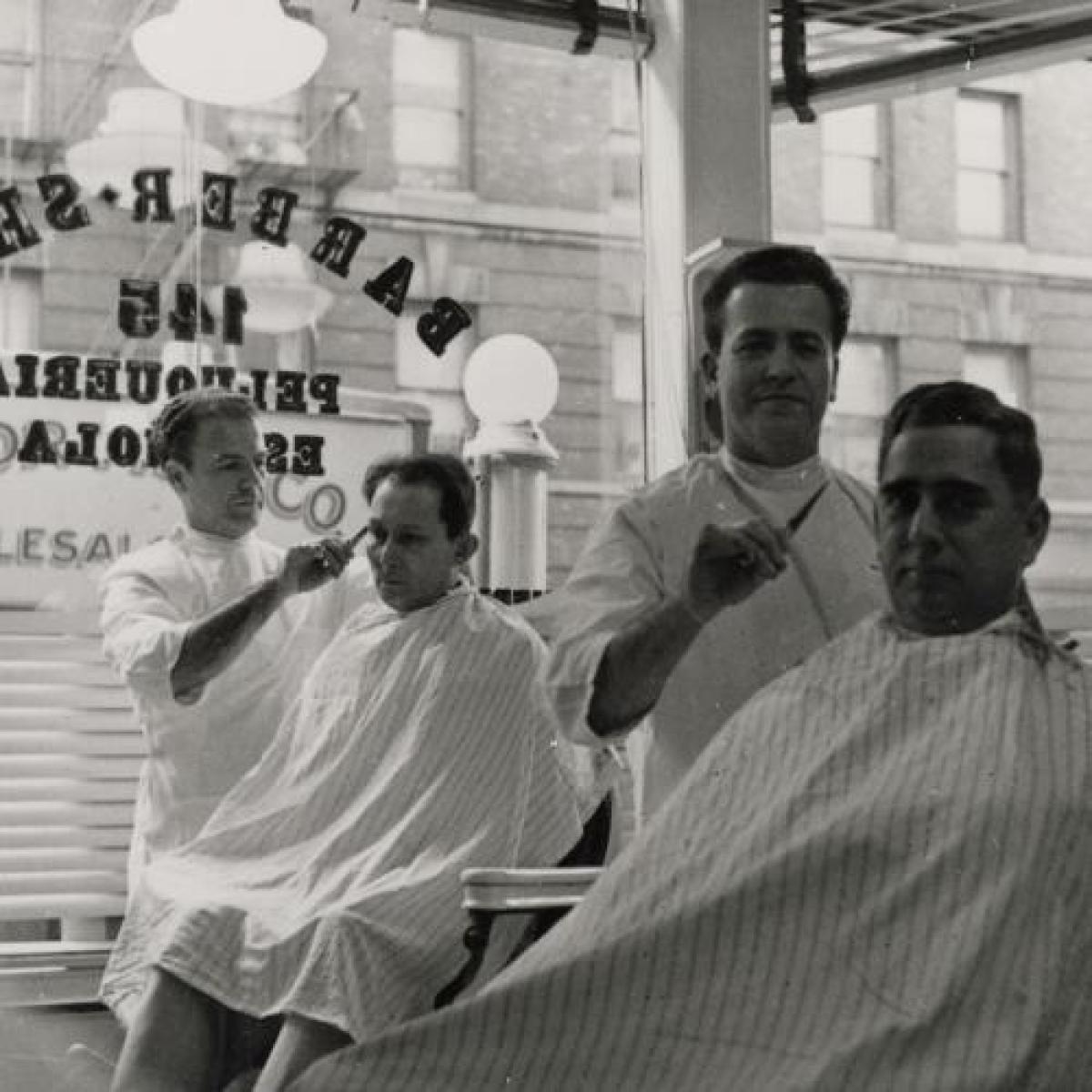
The Gutierrez Barbershop / Peluqueria Hispañola
On view in New York Metropolis Hall's City of Neighborhoods
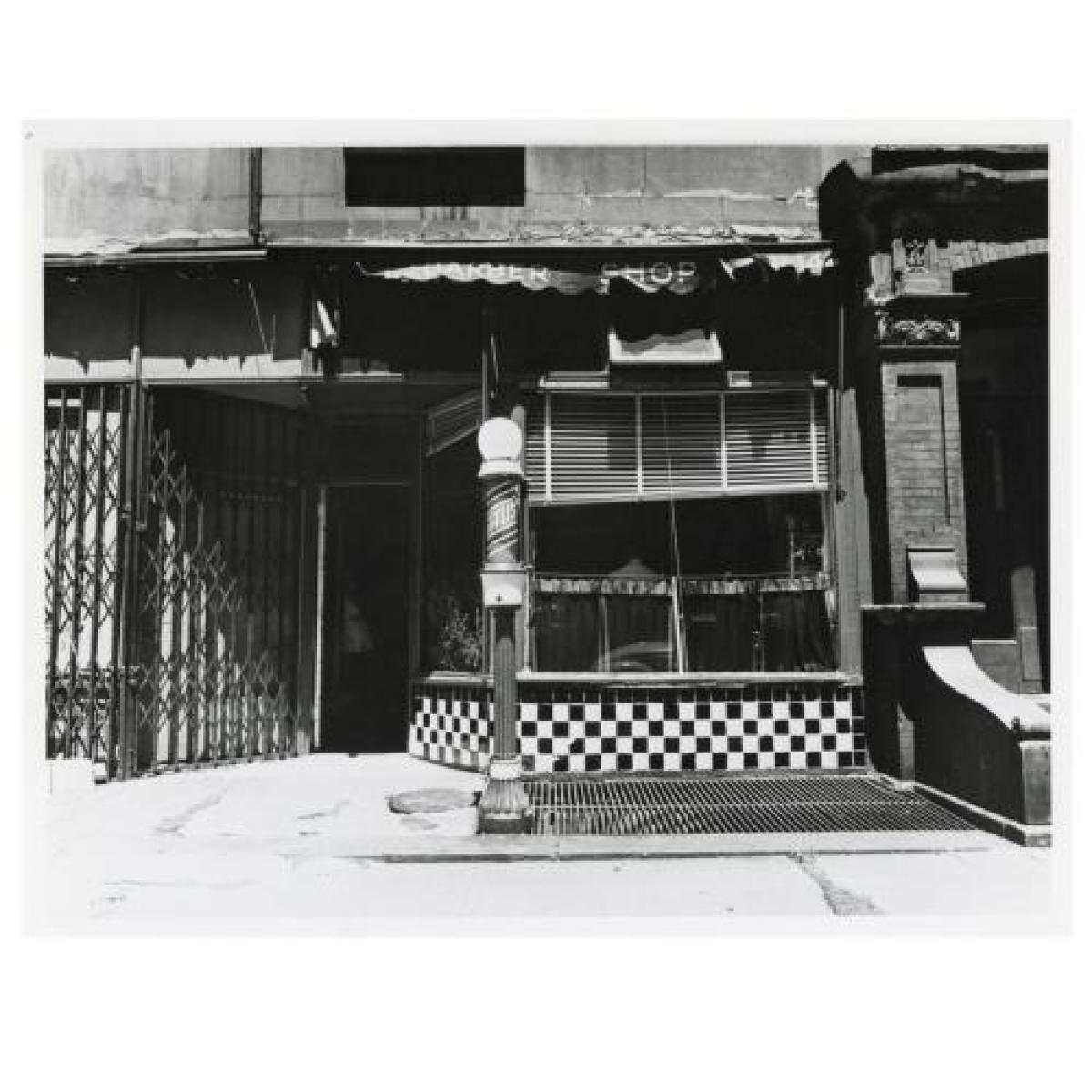
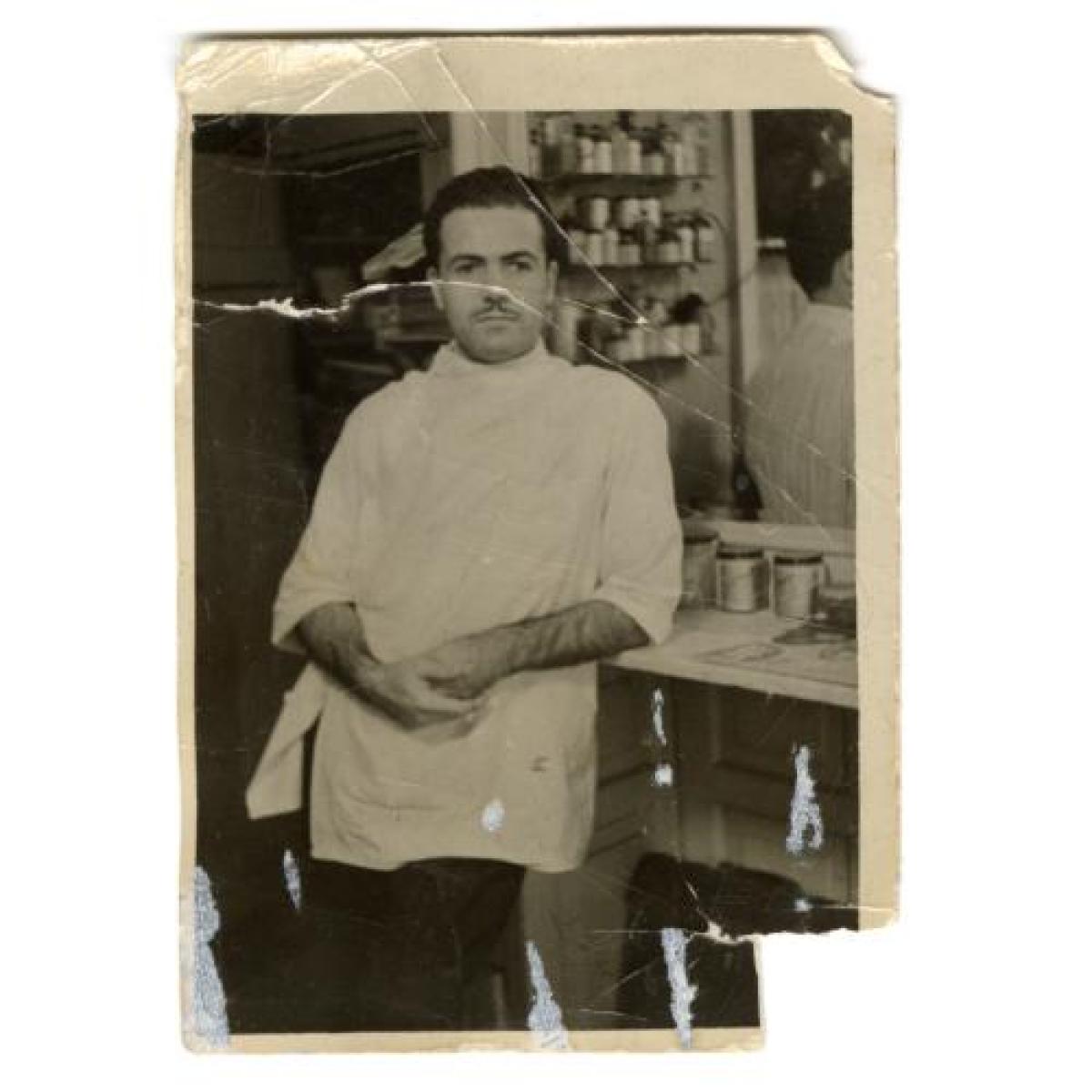
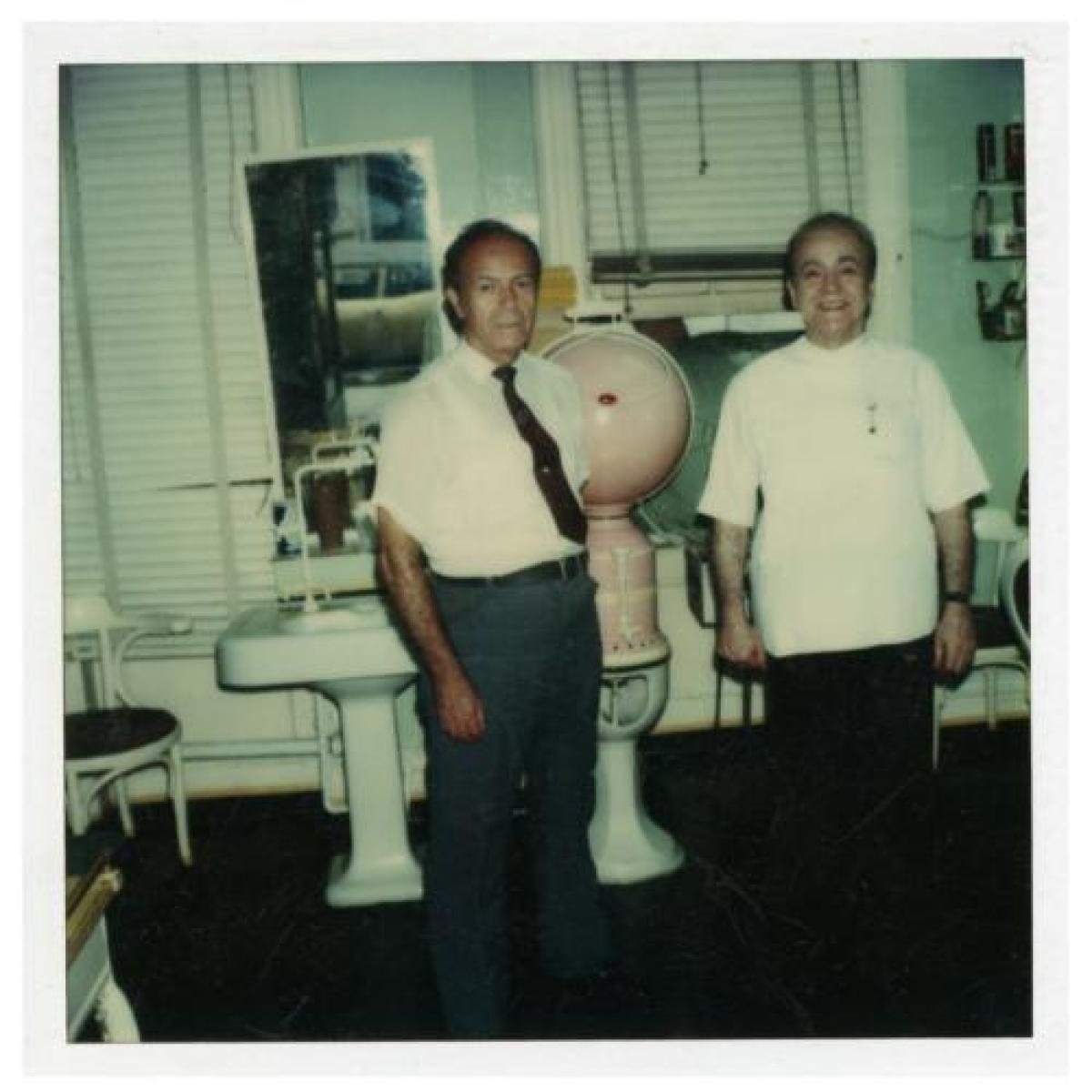
In 1929, Antonio Gutierrez emigrated from Spain and acquired a barber shop in New York City. The shop, located at 145 W. 67th Street, became a destination for Spanish-speaking customers from across the city. Antonio's son, Miguel Gutierrez Granados, joined him working in the shop and eventually took over its operations.
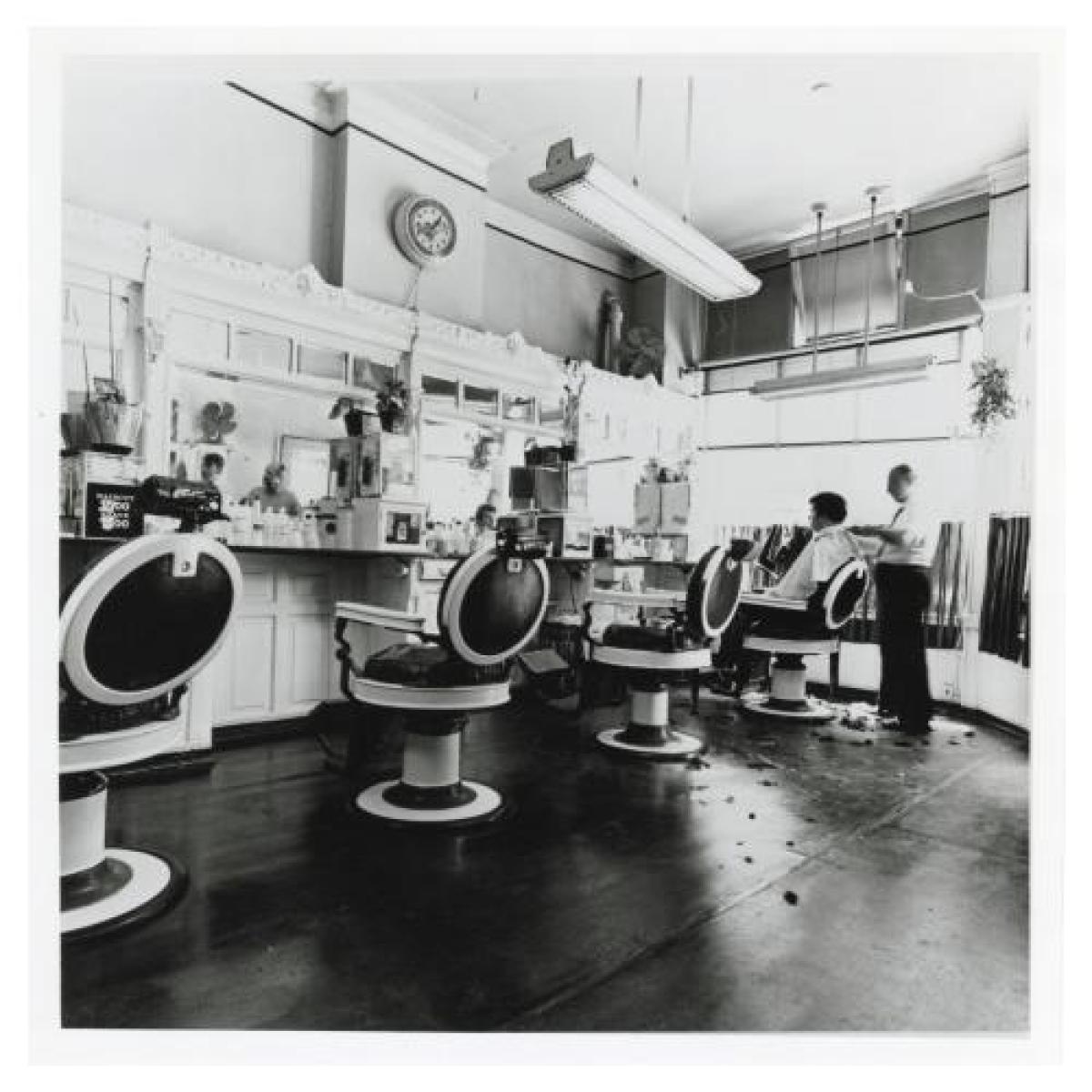
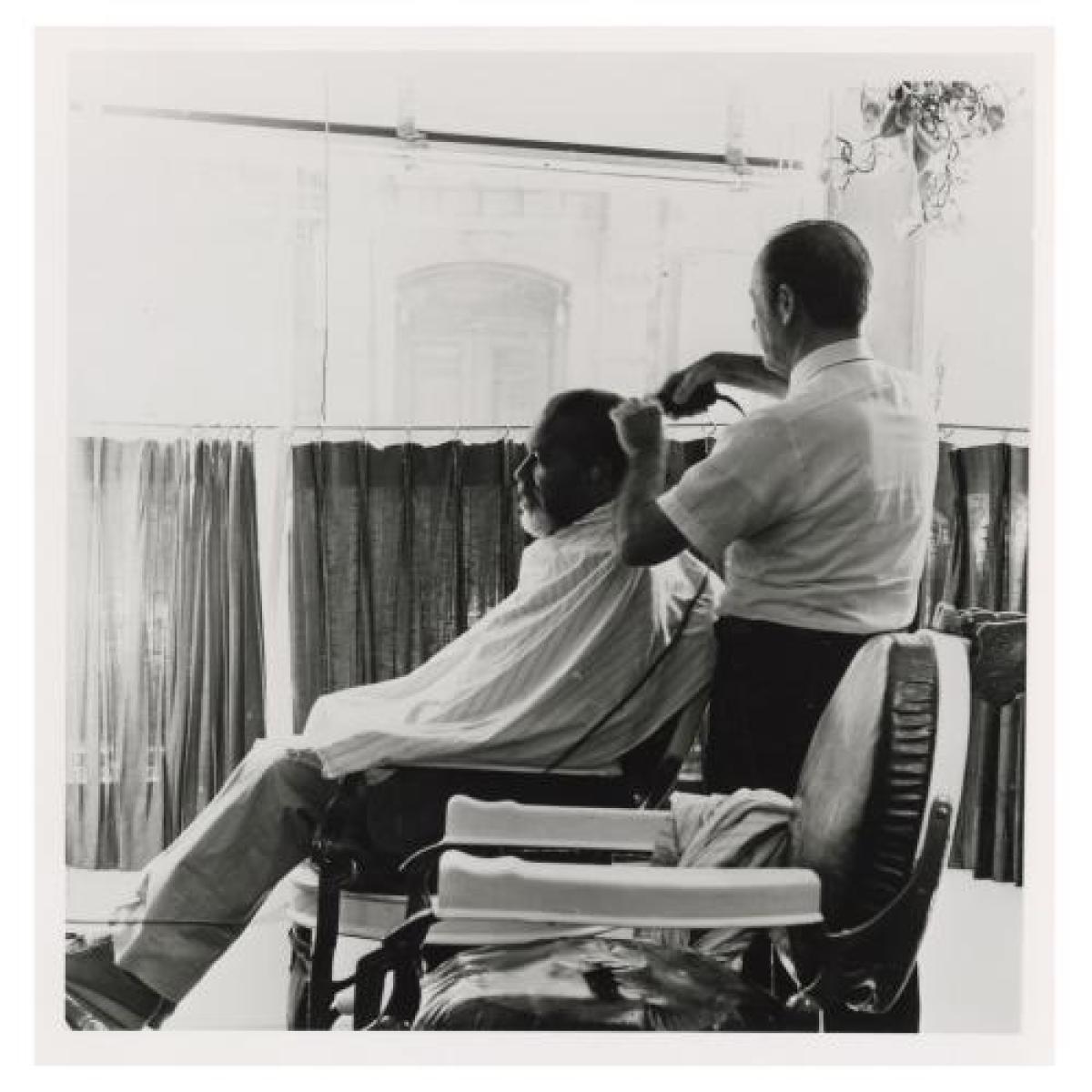
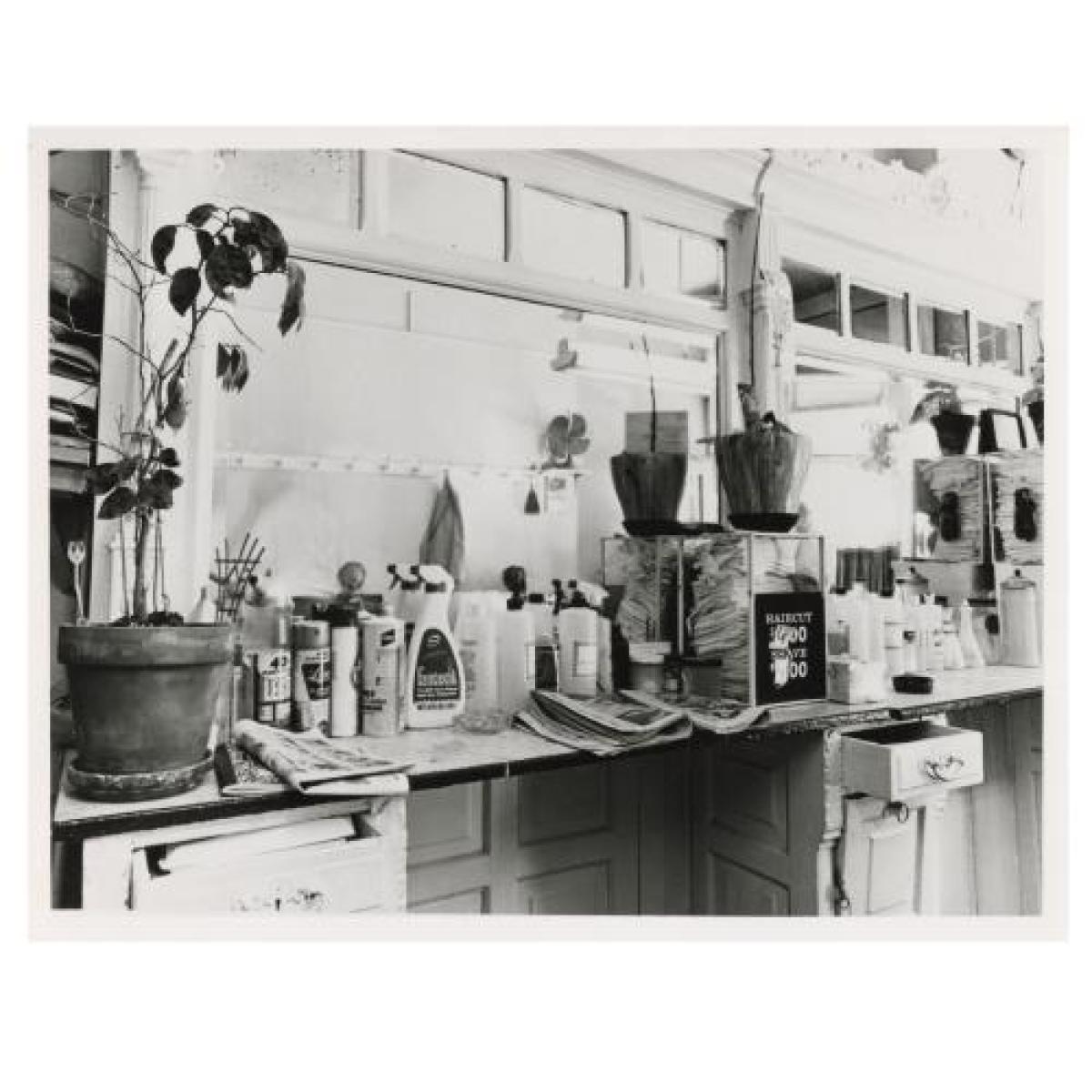
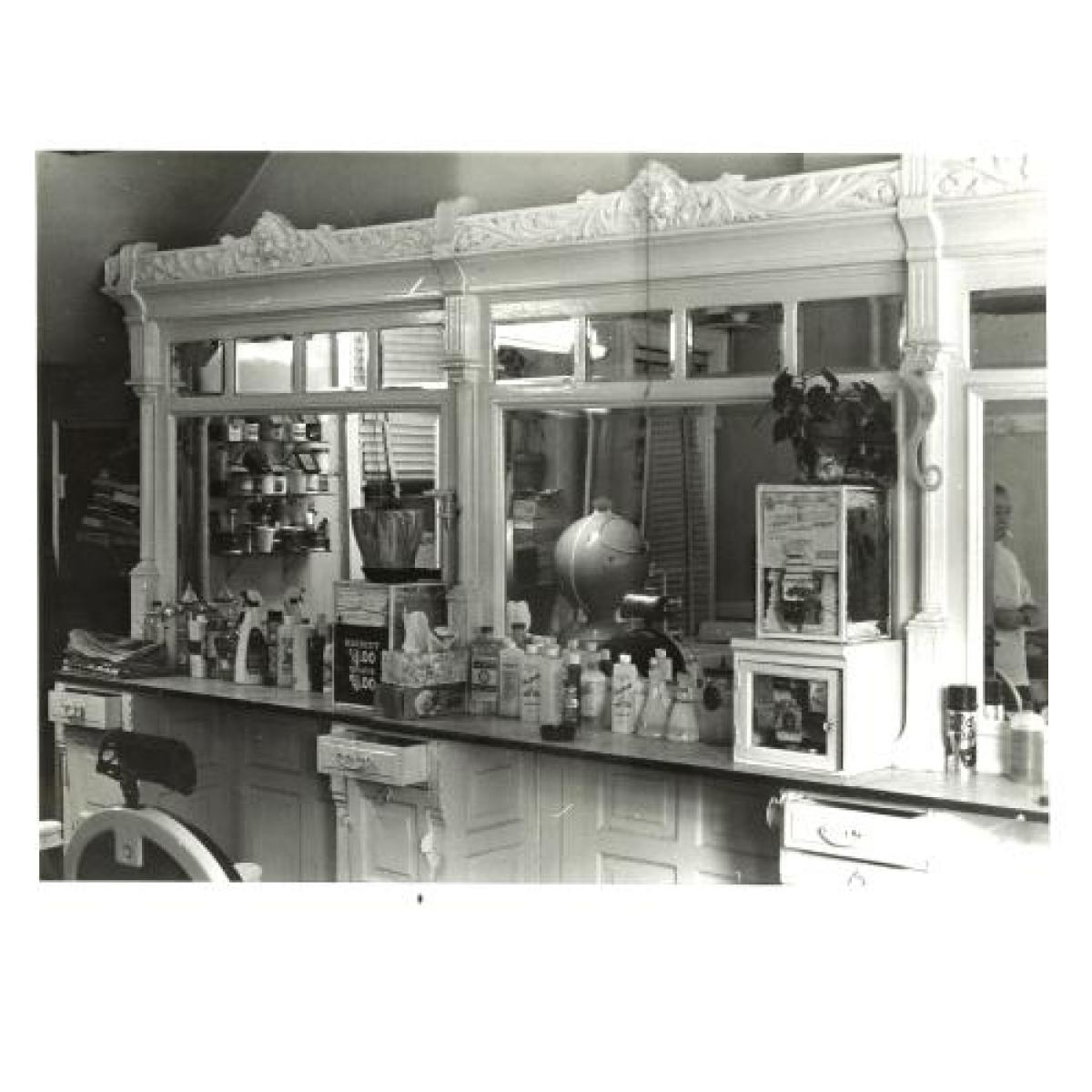
In 2005, when the barber shop was facing demolition to make way for new development, Miguel got in touch with the New York State Museum and the Museum acquired the shop's fixtures and contents. For many years, the Gutierrez Barber Shop has been a feature in the NYSM's Metropolitan Hall and serves as a reminder of the important role that barber shops have played in Hispanic communities as a place where people could come together, regardless of their background, and feel like they belonged.
Take a Virtual Tour of the Ongoing Exhibit
Explore Gutierrez's barbershop like never before through immersive 3D scans of the reconstructed exhibit. Viewers can step into the space, experience the original objects and fixtures up close, and imagine what it was like to sit in the iconic barber chair!
Hispanic Heritage: Highlights from the Collection
The History and Historic Archaeology collections at the New York State Museum document New York’s diverse history from the 17th century through the present day. The objects below are a few examples that help tell the histories of those with Hispanic and/or Latino ancestry in New York.
Mexican Coins from 18th Century New York
A curious collection of three silver coins milled in Mexico during the 1770s and 1780s was discovered in the 1980s by archaeologists excavating a late 18th-century cellar in lower Manhattan. It is not uncommon to find colonial Mexican coinage in New York as these coins were legal currency in the United States until 1857. These coins are illustrative of the reliance of the United States on the Spanish colonial world as they worked to develop a standard currency.
(Left)
Undated Charles III silver
NYSM Collection A-A2005.29A.1239.99
(Top Center)
Pierced 1774 Charles III, silver 2 Reales
NYSM Collection A-A2005.29A.1239.101
(Right)
1780s Charles III copper ½ Reales
NYSM Collection A-A2005.29A.1239.98

Poster by Jacqueline Skiles, printed collaboratively by the Collective Graphics Workshop, c. 1971.
This poster was produced during a demonstration at the Mexican Consulate in New York City. The Collective Graphics Workshop was an artist collective, primarily focused on anti-war activism.
NYSM Collection, H-1991.99.197

Polychrome painted majolica cup sherd, c. 1651–1664.
This beautiful ceramic cup is painted in a style likely attributed to a tradition called Puebla Polychrome, produced in Puebla Mexico beginning around 1650. Puebla potters drew on the earlier decorative motifs produced in Spain called Talavera Polychrome. Mexican potteries began producing majolica style pottery by the 1550s and their wares had largely supplanted the European types throughout the Caribbean by the 1630s.
The cup was discovered by Dr. Paul Huey during his early 1970s excavations at the 17th century Dutch West India Company outpost of Fort Orange, located at the present-day site of Albany, New York. It was recovered from the household refuse associated with the Hendrick Andriessen van Doesburgh house. It is possible that the cup found its way into the Van Doesburgh household via the Dutch trade in the Caribbean rather than an object brought from the Netherlands. The presence of this cup at Fort Orange illustrates the success of the Mexican pottery industry in the 17th century and the far-ranging distribution of these impressive wares throughout the Atlantic world.
NYSM Collection, A.FOR.1971.317.B

Puerto Rican pride buttons
Heritage buttons from the mid-1970s showed off Puerto Rican pride. Buttons were an inexpensive accessory to show one’s pride in their ethnic heritage. These were often sold at parades and fairs.
NYSM Collection, H-1978.26.20, H-1978.26.5, H-1978.26.24

Creative Women’s Collective Prints
These silkscreen prints were made by students at Creative Women’s Collective (CWC) workshops. The CWC was a New York City-based activist artists’ collective. Members used artistic skills to convey social justice messages, including women’s rights, immigrants’ rights, and peace. The CWC supported the neighborhood in which it was located through training and employment opportunities for neighborhood youth through a program funded by the Comprehensive Employment and Training Act (CETA). Many of these students were recent immigrants to New York City, and some came from countries ravaged by war and violence—the theme of peace appears often in their works.
“Libertad y paz,” photocopy and silkscreen print, c. 1980, Wilson Sarchi (an 18 year old immigrant from Colombia)
“Love Not War,” silkscreen print, c. 1986, José Garcia
“No Draft, No War, U.S. Out of El Salvador,” silkscreen print, c. 1980, Rebecca Karen Smith (a high school student)
NYSM Collection, H-1991.99.140, H-1991.99.144, H-1991.99.146


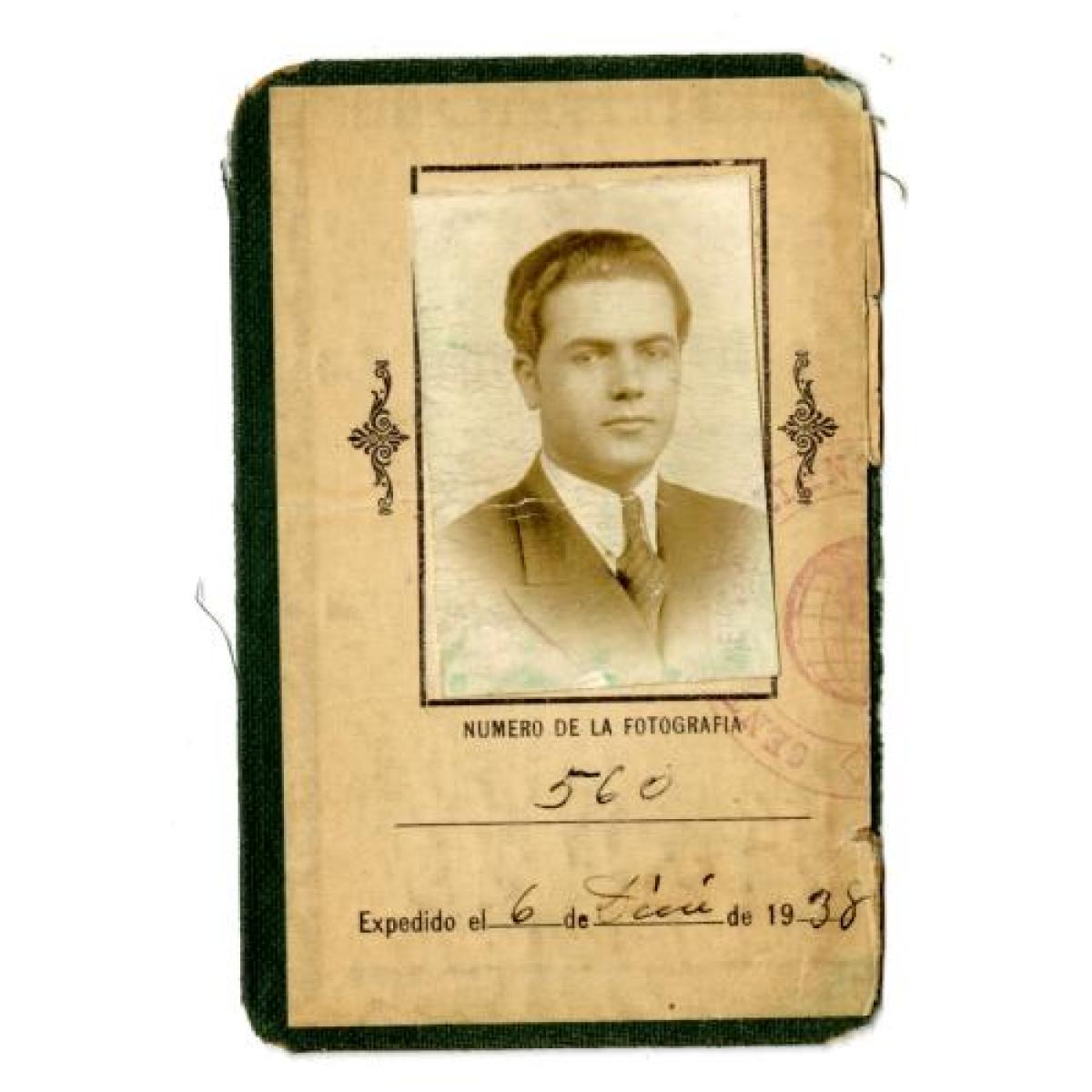
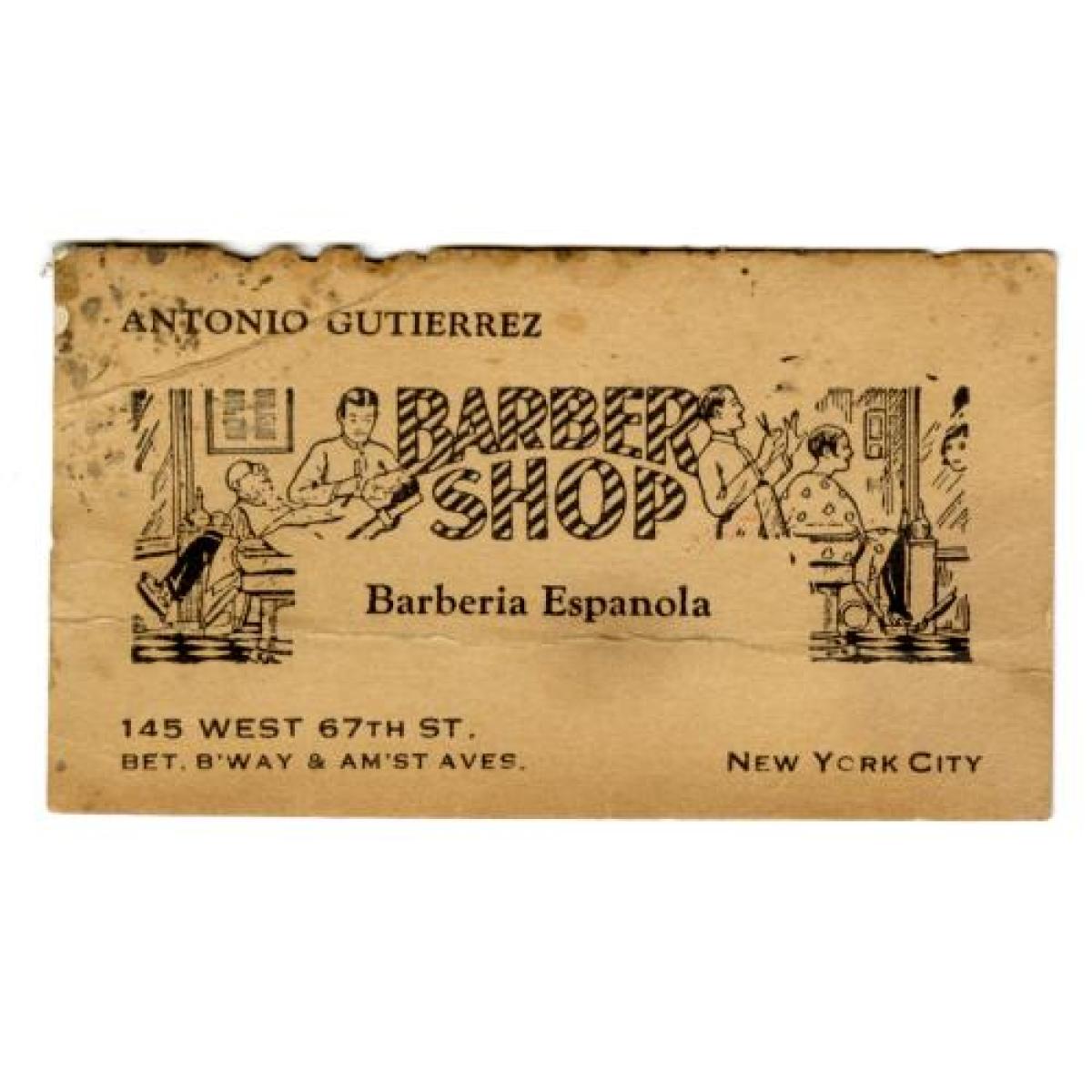
Gutierrez’ Barbershop / Peluquieria Española
These items belonged to Antonio Gutierrez who emigrated from Spain and acquired a barbershop in New York City in 1929. They are a part of a larger collection of items donated to the New York State Museum by his son, Miguel Gutierrez Granados, who also worked and operated the shop.
In 2005, the NYSM acquired the shop's fixtures and contents, most of which are on display in New York Metropolis Hall's City of Neighborhoods.
Visit the Gutierrez Barbershop / Peluquieria Español webpage to view additional photographs and learn more about the barberhop's history and the vital social and cultural role it played in New York City.
NYSM Collection, H-1981.85


New Acquisition: Double Weave Basket by Artist Carrie Hill (Kanien’keha:ka, Akwesasne)
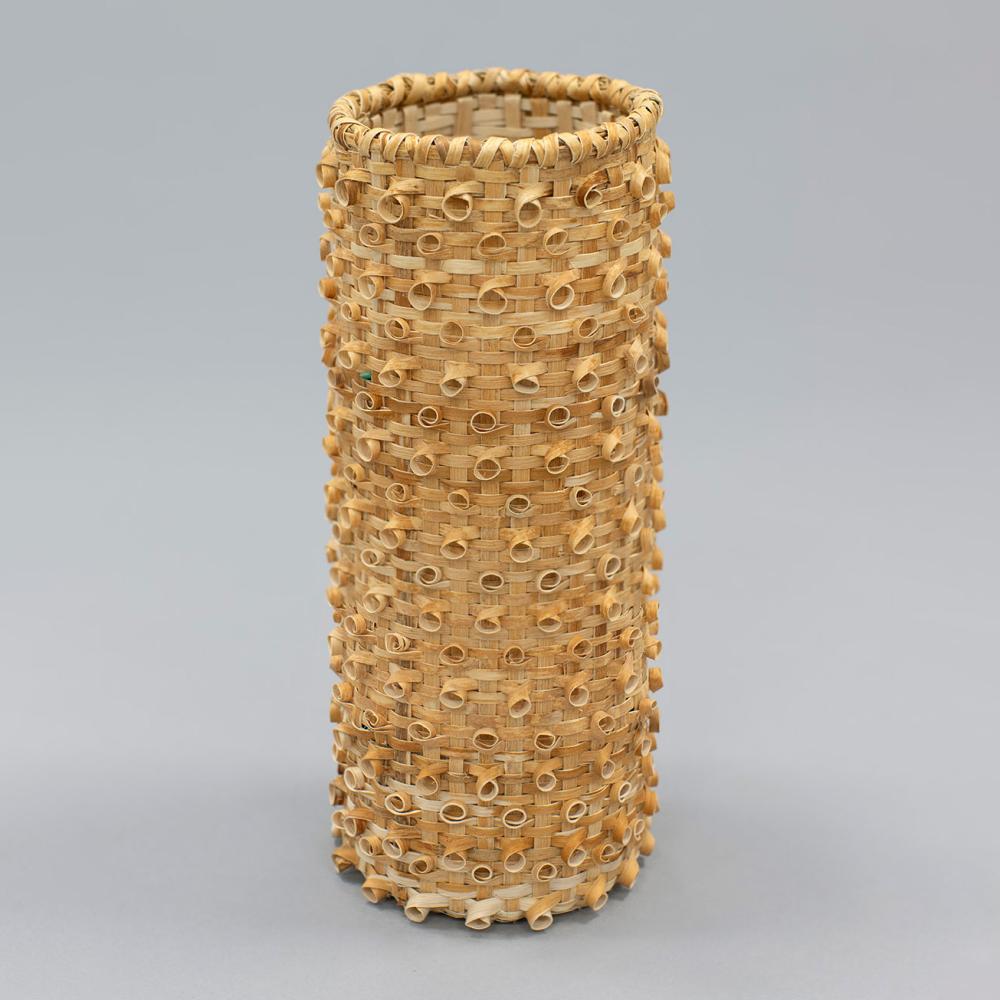
“My Tsi:tsi Revisited” is an extraordinary double weave basket by Carrie Hill (Kanien’keha:ka, Akwesasne) that addresses the devastating impact of the invasive wood-boring beetle Emerald Ash Borer (EAB) on Haudenosaunee and Indigenous basketry. The beetle burrows into the Black Ash trees and the larvae feed on the inner layers of the bark leaving holes and weakening the splints. The beetle activity ruins the shiny and smooth qualities for which ash splint baskets are appreciated. Eventually, the EAB kills the tree, the preferred source for Haudenosaunee basketmakers. For Carrie Hill, “creating baskets from Black Ash has been something that goes back in my family for generations and is now being affected by this beetle.”
Carrie’s basket is made with splints damaged by the EAB. “The basket is double-walled,” Carrie explains, “to show hidden spots where the beetle eeks its way in.” A few of the fancy curls are dyed green to represent the beetle. “I’ve noticed through my travels,” Carrie shares, “the devastation evident in the dead Black Ash trees that litter the scenery and was drawn to create to speak to this again.” “Tsi:tsi” Carrie says, loosely translates from Kanien’keha (Mohawk language) to “boogey man” in English.
The Saint Regis Mohawk Tribes EAB mitigation efforts are ongoing to support the survival of Black Ash trees and sustain this significant art practice, which has deep roots in the Akwesasne (Saint Regis Mohawk Tribe) community. Other Indigenous Nations in what is now Canada and Wisconsin are similarly working to manage the devastation of EAB on Ash trees.
Carrie Hill (Kanien’keha:ka, Akwesasne)
My Tsi:tsi Revisited, Double weave fancy basket, 2024
Black Ash splints, green dyed splint curls.
NYSM E-2024.21.01
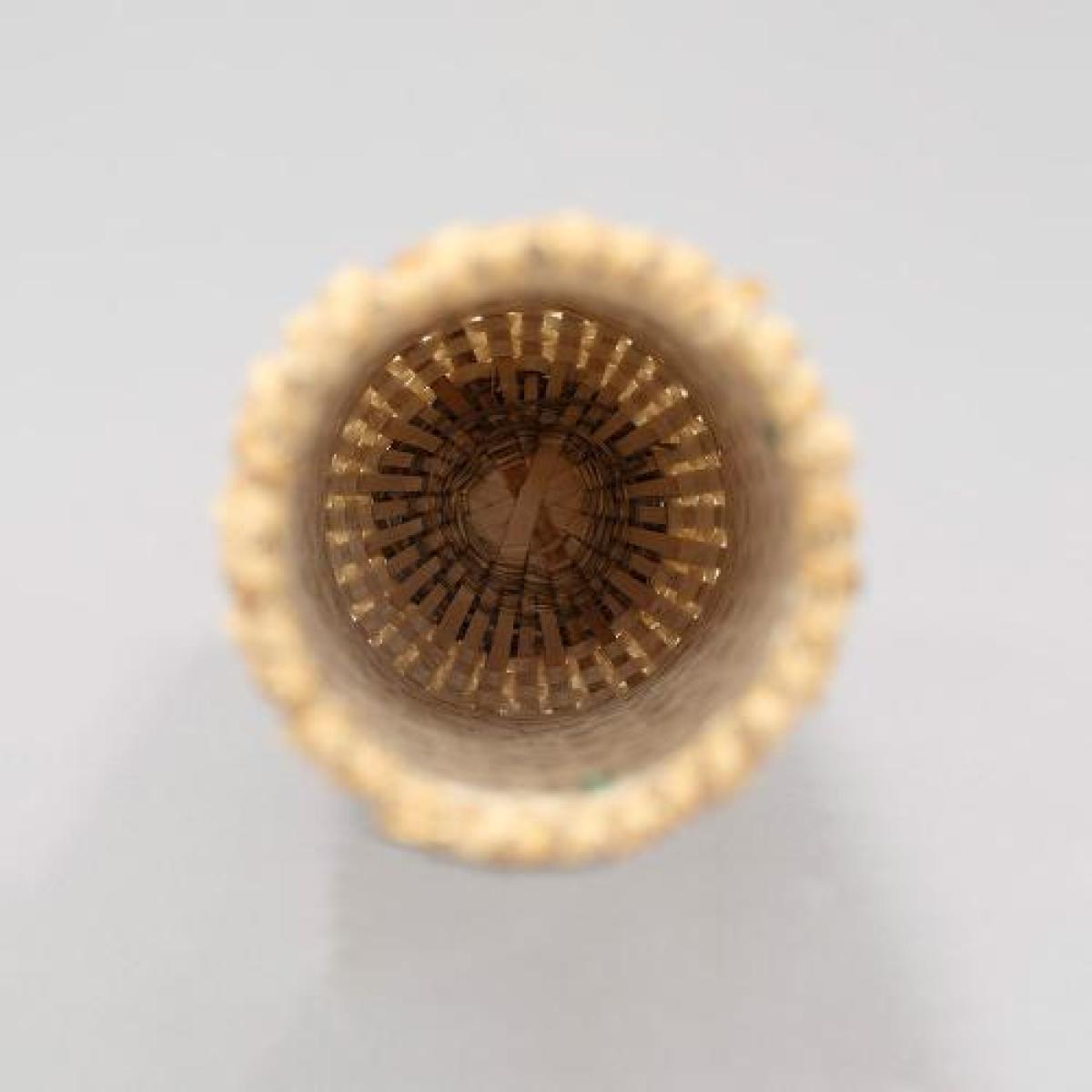
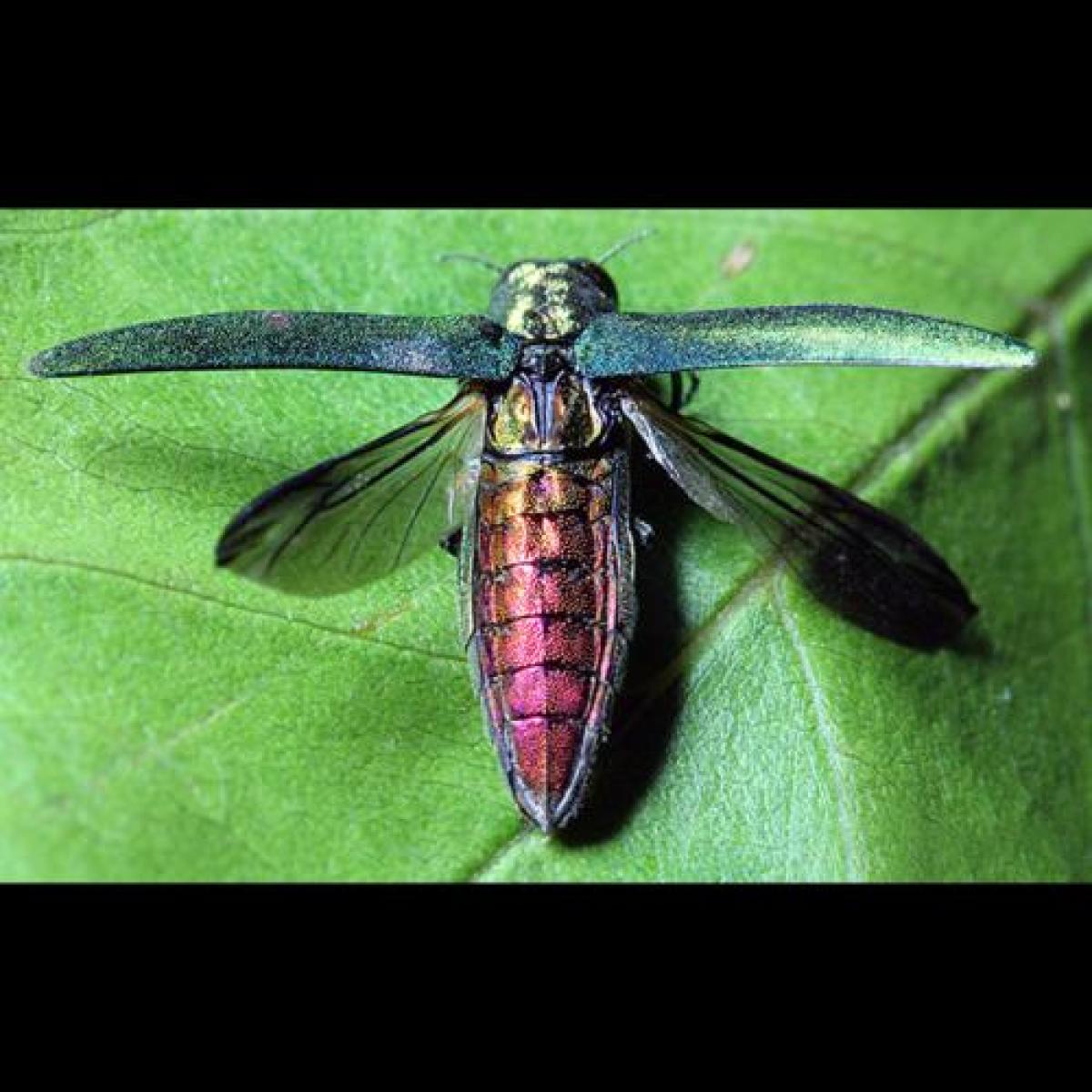

Related Information:
Native American Heritage Month
Celebrate and honor the cultural heritage, diverse histories, and continuing contributions of Native People during Native American Heritage Month (and every month) at the New York State Museum.
Collection of Contemporary Indigenous Art
The NYSM Contemporary Indigenous Art Collection honors a living legacy of master craftsmanship and vibrant innovation in the artistic expressions of New York State's First Nations.
Unearthing History: Archaeologists Explore Ancient Genesee Overlook Site in New York
Archaeologists from the NYSM’s Cultural Resource Survey Program are in the field, excavating at the precontact Native American Genesee Overlook site in Western New York. The site was found during a survey in advance of road construction, when chipped stone artifacts were found across a broad terrace near the Genesee River in 2023.
The CRSP team is now digging several square excavation units (most measuring 1x1 meter or about 3x3 feet in size) in order to understand more about the Indigenous site. Important questions to ask include who the people who made the stone objects were, how long ago they were here, whether they visited only once or many times, and what brought them to this location and what they did here.
The team has uncovered some clues. The stone tools, made from local chert (flint), suggest the site was occupied during the Late Archaic period, a long span of roughly 3,000 to 6,000 years ago. Remnants of hearths have been uncovered suggesting that people lived on the site, and charcoal from the hearths will be used for more precise radiocarbon dating. Stay tuned for more on this developing research!
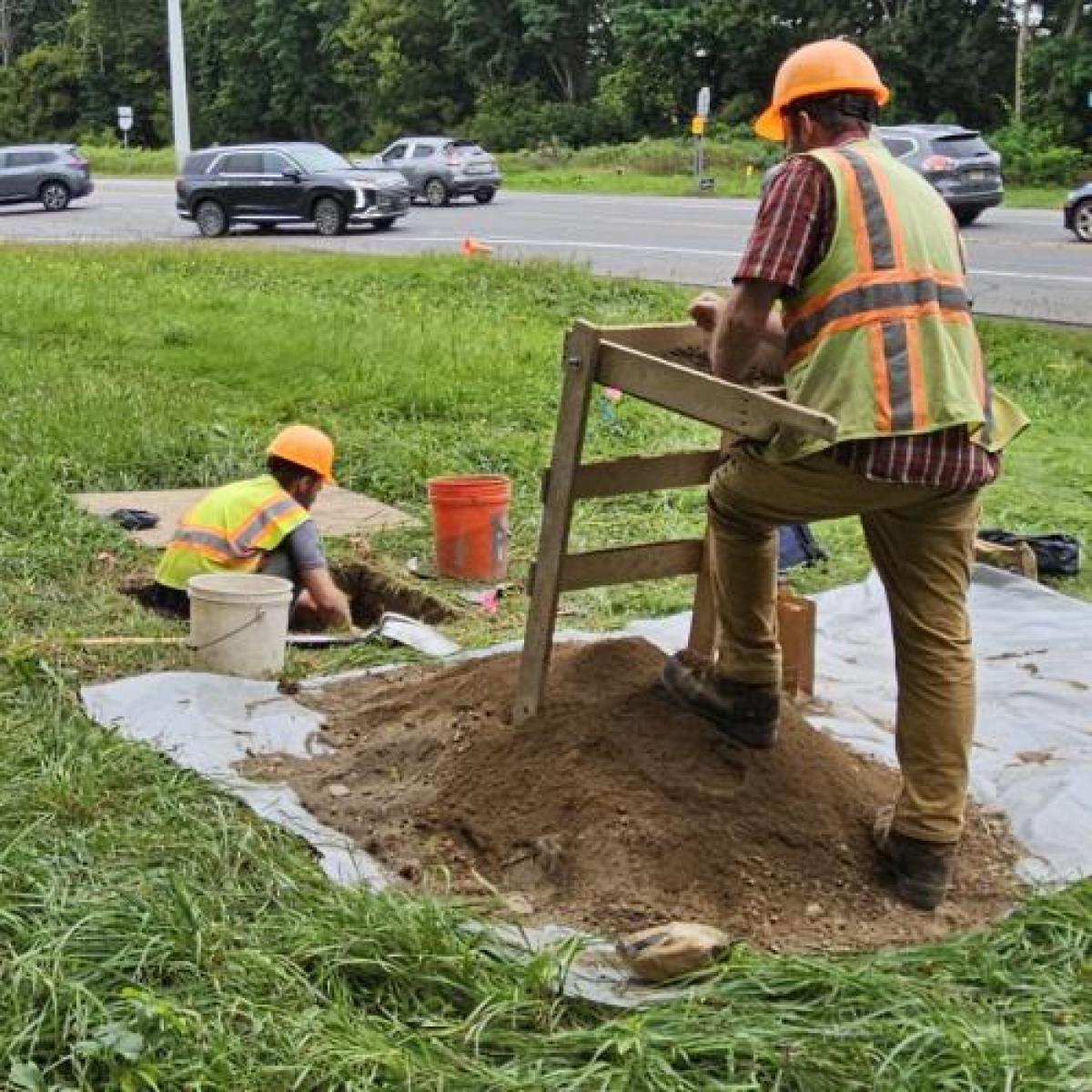
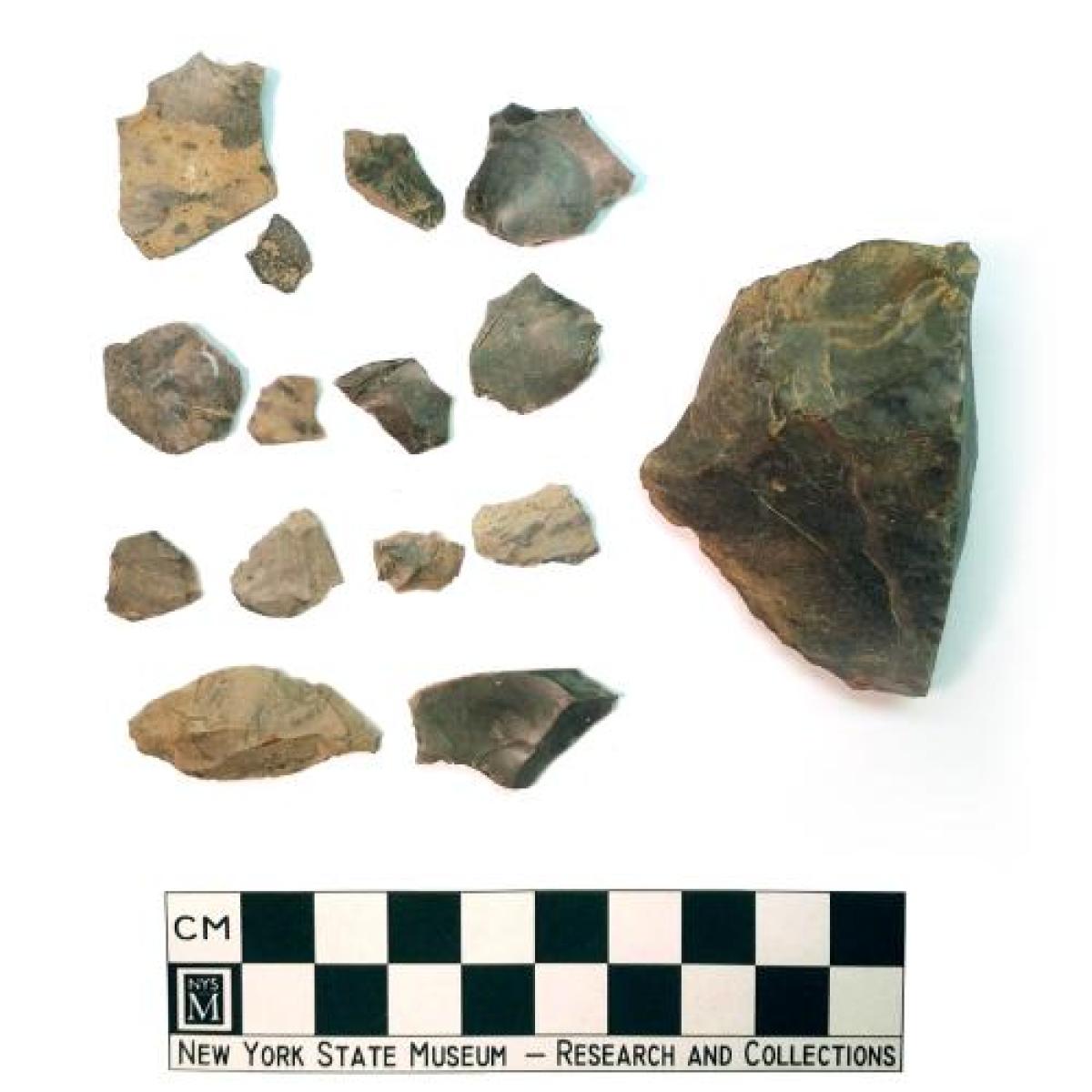
Rare Fossil Discovery Sheds Light on Ancient Life in New York
A newly published scientific paper is highlighting a remarkable discovery from the New York State Museum’s paleontology collection: a 420-million-year-old fossil from the Silurian Period, identified as Naraoia bertiensis. This incredibly rare specimen is one of only two known fossils of its kind ever found from this era, offering groundbreaking insights into the evolution and distribution of early marine life.
Naraoia were soft-bodied arthropods that once roamed the sea floor. During the Silurian Period, the region we now call New York was located south of the equator and submerged under a shallow tropical sea—ideal conditions for ancient marine ecosystems. However, due to their delicate, flexible exoskeletons, Naraoia fossils could only form under exceptional conditions, making discoveries like this exceedingly uncommon.
The fossil was found on private property near Herkimer, New York, though the exact date of its discovery is unknown. Its presence in the Museum’s collection has now provided scientists with critical new data on the species’ geographic range and survival into the Silurian, long after its peak in the Cambrian Period.
The study, titled Novel evidence for the youngest Naraoia and a reassessment of naraoiid paleobiogeography, was co-authored by Dr. Lisa Amati, New York State Paleontologist, along with researchers from the American Museum of Natural History and the Czech Republic. Their work highlights how even a single fossil can offer key insights into the history of life on Earth.
This discovery also underscores the importance of museum collections in supporting cutting-edge research. Behind the scenes, Museum scientists continue to reveal hidden stories from New York’s deep past—stories that help us better understand the ancient world and the ever-evolving history of life on our planet.
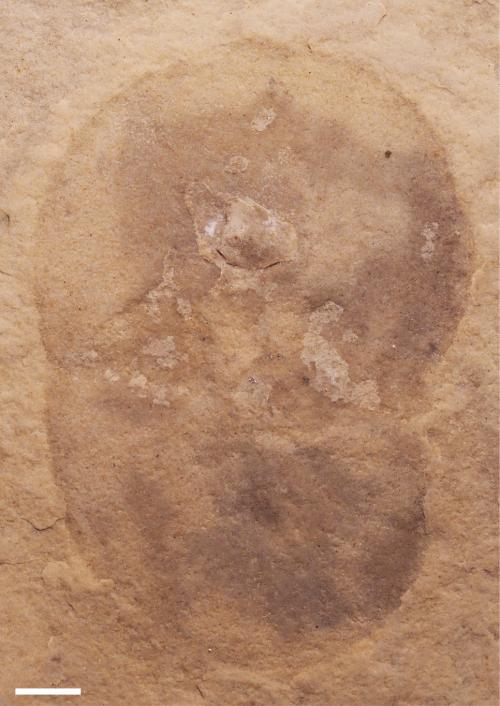
Naraoia bertiensis
Credit: Russell Bicknell
Introduction to Work at the Million Dollar Beach Site
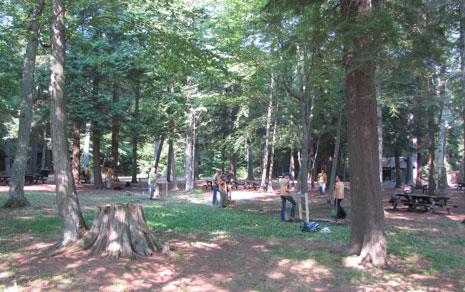
The Million Dollar Beach Site was identified in August of 2013 during a survey of the area around the DEC parking lot and campground prior to road improvements (see Photo 1). This survey proceeded directly into limited test excavations after the discovery of almost 2,000 prehistoric artifacts and diagnostic material culture related to the Early Archaic (8,000-6,000 BC) and Late Archaic (4,000-1,500 BC) Periods as well as some artifacts and a lime kiln associated with historic Fort George. The site is concentrated around the road and its northern border extends from underneath the beach parking lot, through the median between the lot and the road, underneath the road itself, and into the camp ground. The highest density of material has been identified in the areas closest to the road but a lower density scatter was noted for the majority of the campground area and into wooded areas surrounding it. Overall, it encompasses at least several acres.
A diverse array of artifacts was recovered including 28 whole and broken bifaces, 11 whole and broken projectile points (i.e. Bifurcate, Genesee, Lamoka, and unidentified projectile points – see Photo 2), several spokeshaves, expedient utilized flakes, a drill, and a uniface. These artifacts are manufactured from a variety of materials including Onondaga, Normanskill, and Mt.Merino chert. In addition, quartzite, jasper, and argillite flakes have been recovered. Analysis of the survey and excavation work is ongoing but has so far has documented thousands more artifacts and has identified at least two possible workshop locations. These two potential lithic reduction workshop locations are both located near the road and have a very high density of flakes. One was identified during the survey and a single shovel test into it produced over 1,000 pieces of debitage. The second (see Photo 3), was exposed during the test excavations and a significant goal of the next phase of work will be to horizontally expose more of this feature to map and document it in greater detail. Both concentrations seem to be comprised primarily of a local chert available only a few hundred feet away in the side of Fort George Hill but future visual and (X-ray Fluorescence) XRF analyses will help to determine if this is true or not.
The initial phase of work was wrapped up in November of 2013 with plans made to return in late Winter or very early Spring of 2014 to complete work in several high density areas within the park.
Please check back in the future for additional updates on this work!
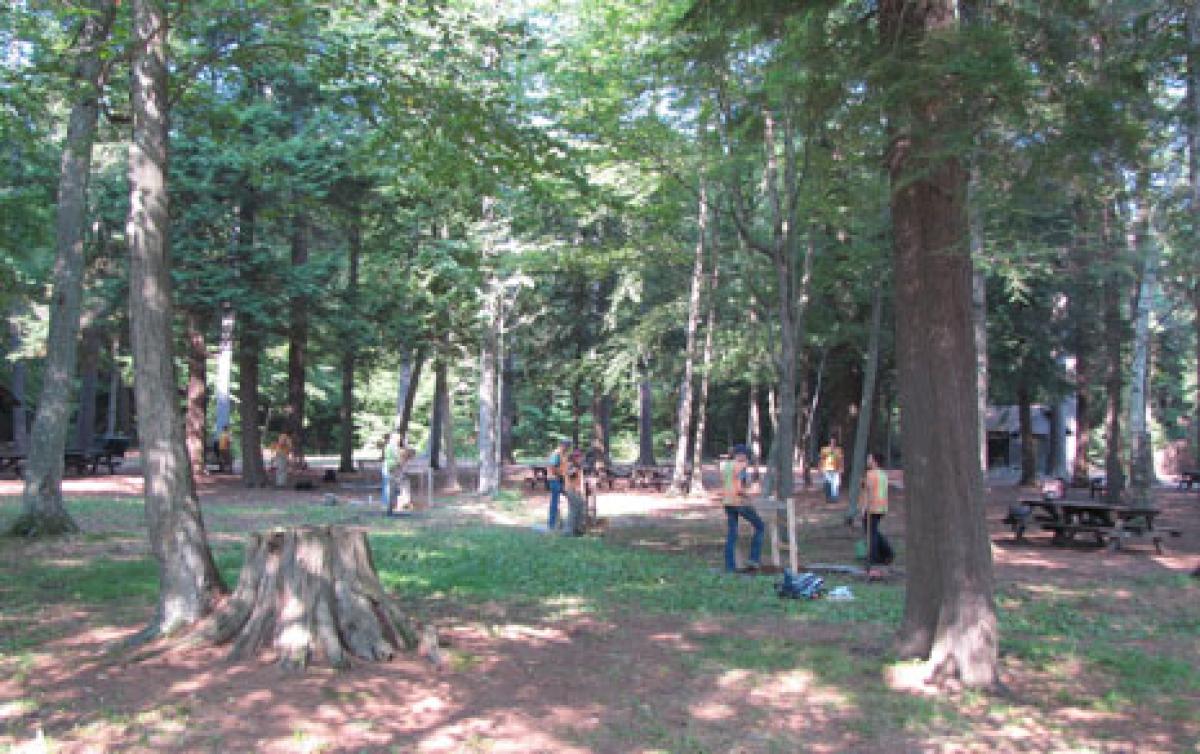
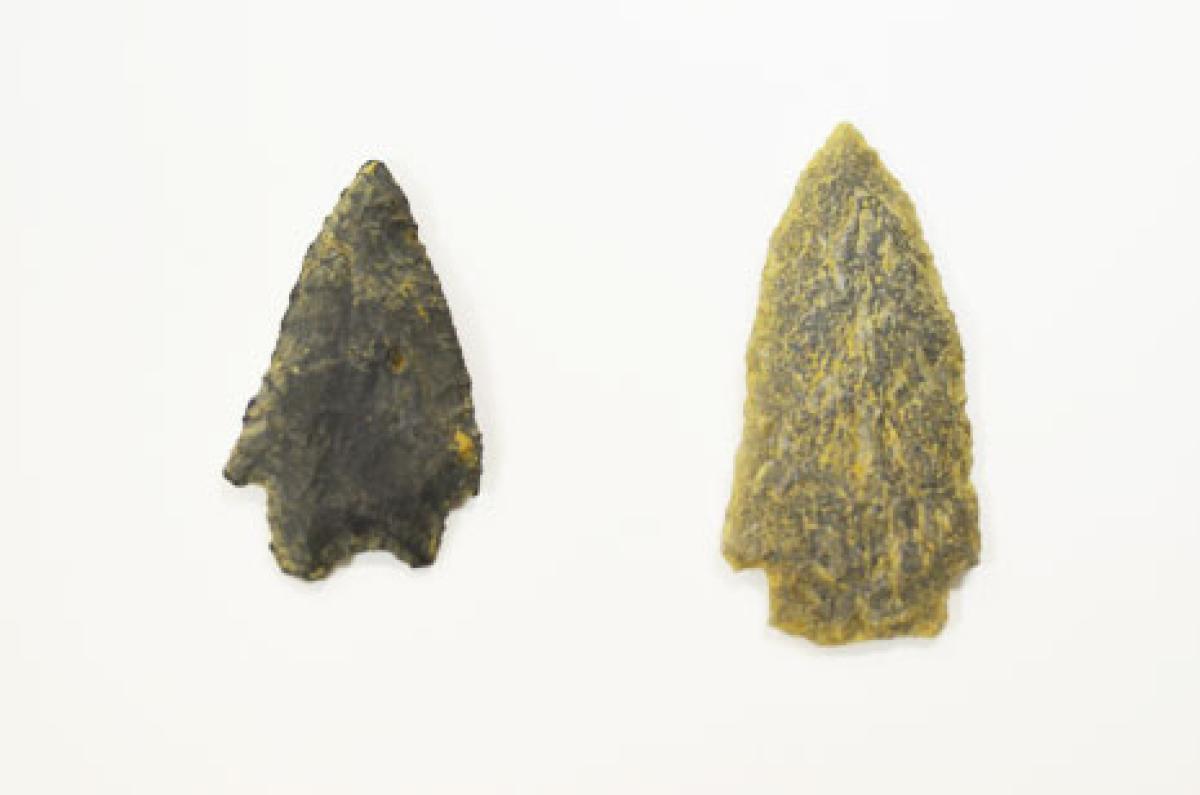
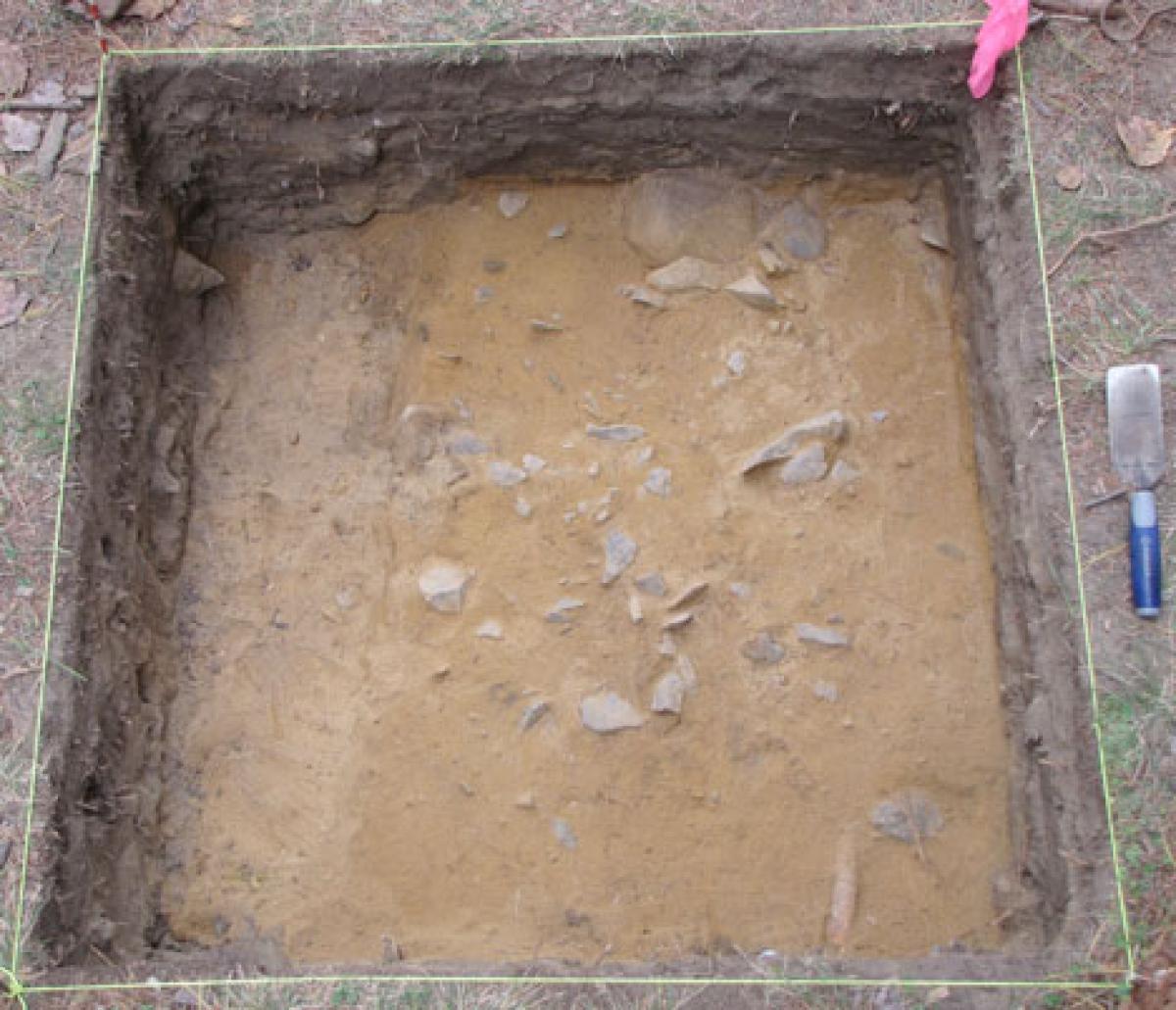
Million Dollar Beach Site
Archaeological Excavations in the Village of Lake George, NY
The Million Dollar Beach Site is a multi-component archaeological site directly adjacent to the famous waterfront in the Village of Lake George. Limited excavations of the site toward the goal of better preserving it in place while maintaining use of the beach parking lot, road, and campground, are currently underway in a collaborative effort between the New York State Museum’s Cultural Resource Survey Program and the Department of Environmental Conservation.
Project Directors: Barry Dale, Aaron Gore and Steve Morange
New Acquisition: Mahican and Mohawk Baskets

The Museum recently acquired a collection of 19th and 20th century Mahican and Mohawk baskets. The baskets range in size and decoration, from miniature baskets to large gathering baskets, fancy baskets with curlicues, and baskets with stamped and dyed splints in indigo and yellow colors.
This acquisition adds baskets to the Native American ethnography collection from time periods that were not previously well represented, including the 1960s and 1970s. Three of the baskets are attributed to basketmakers Mariam Lee, Effie Cornplanter, and Nettie Watt. This collection of baskets will help Museum curators and researchers better understand the symbolic language of basket designs and the nuances in technique and aesthetics that are sometimes shared between basketmakers across ethnic groups and geographic areas.
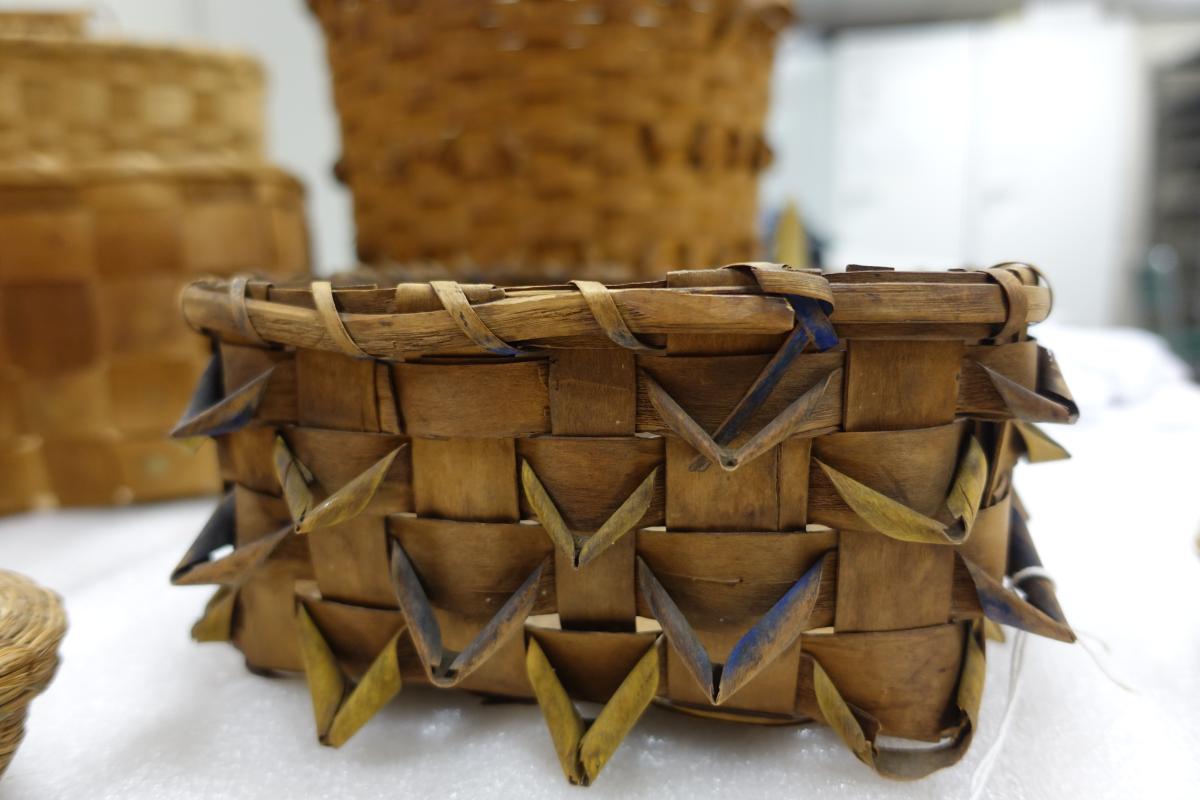
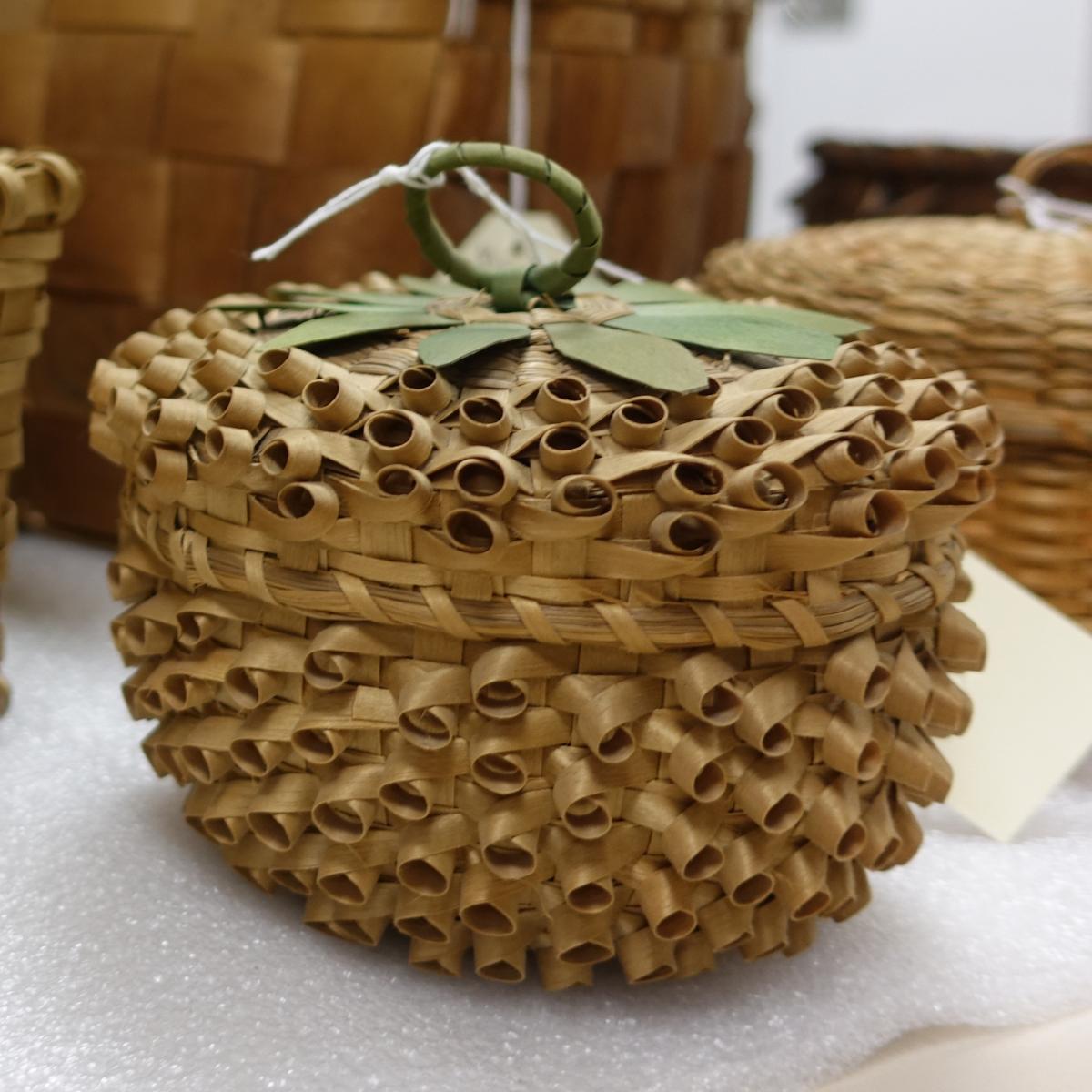
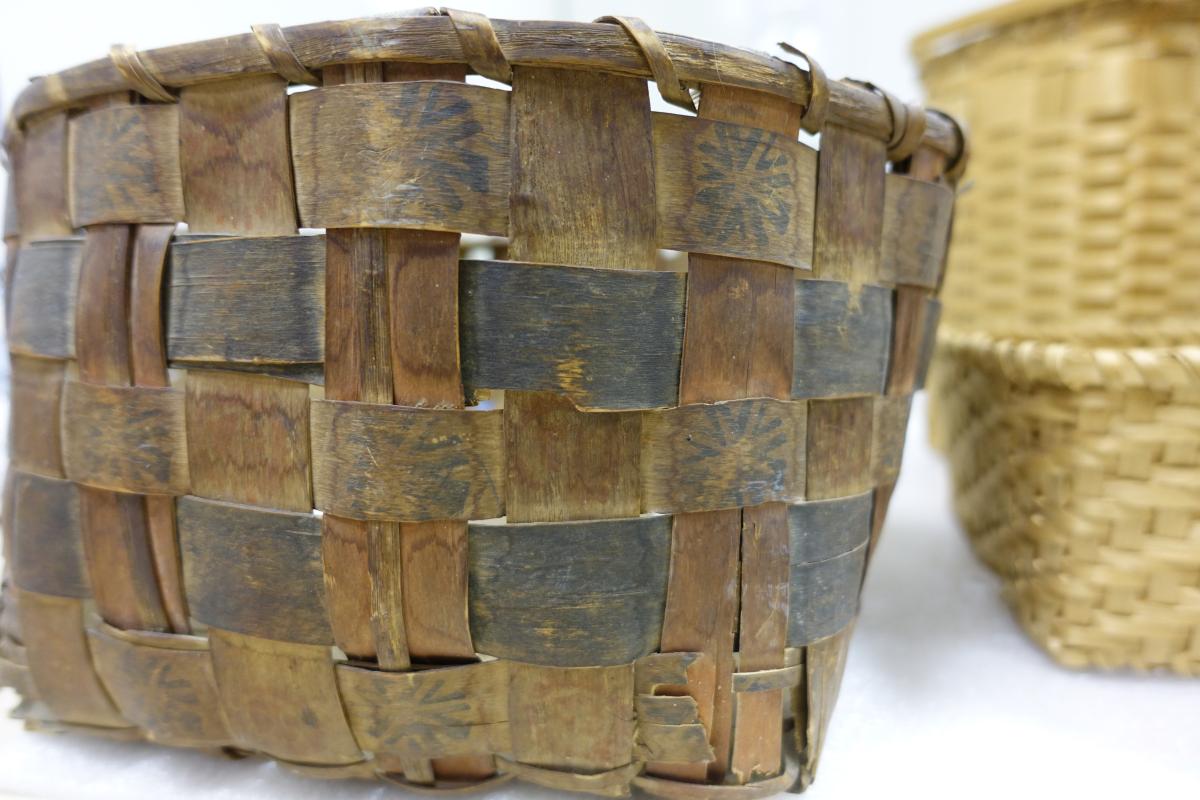
NYSM Archaeologists Return for Fourth Field Season at OPS Paleoindian Site
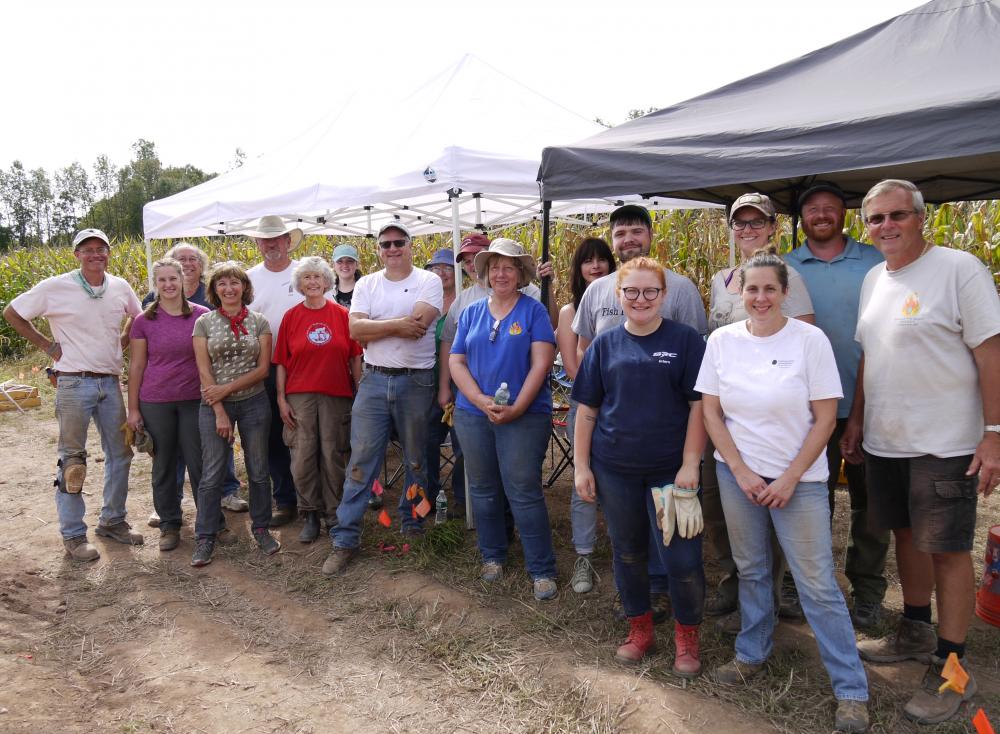
In September, NYSM archaeologists completed the 2018 excavations at the OPS Paleoindian site in Madison County, New York. The OPS site has yielded fluted points of the Crowfield "style," indicating an early Native American encampment dating to the late Ice Age, circa 12,000-11,600 years ago. Working in collaboration with the site discoverers, Mike Beardsley and Mark Clymer, and volunteer archaeologists from across New York, we completed close-interval shovel testing at the site, and then conducted block excavations. This work produced endscrapers, a graver, and broken preforms and flaking debris from fluted point manufacture, documenting an ancient activity area at this Paleoindian encampment. Esopus chert dominates the artifact assemblage, suggesting these peoples travelled seasonally between outcrops of this toolstone in the Mohawk Valley and the Ontario Lake plain. We look forward to field excavations in June and September 2019, and individuals interested in volunteering should contact Dr. Jonathan Lothrop, NYSM curator of archaeology: Jonathan.Lothrop@nysed.gov
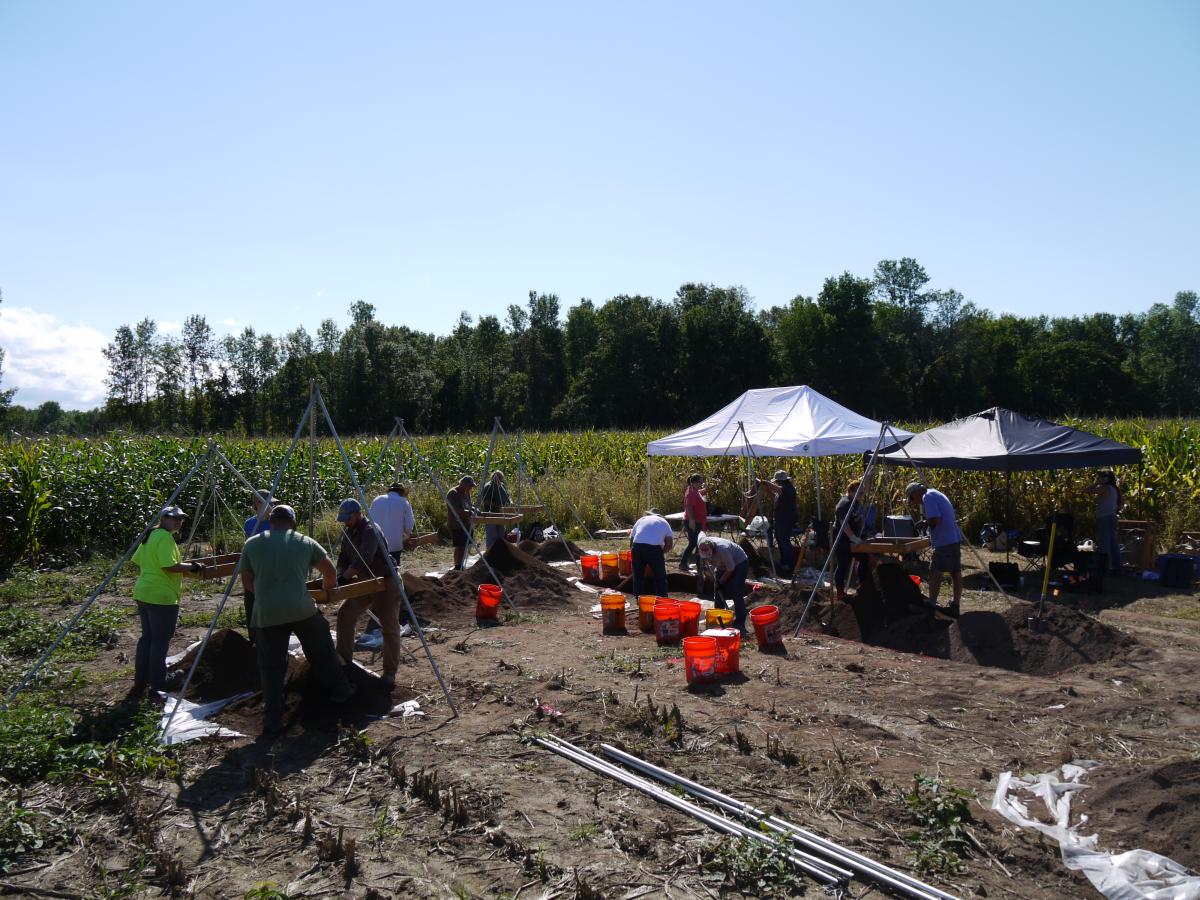
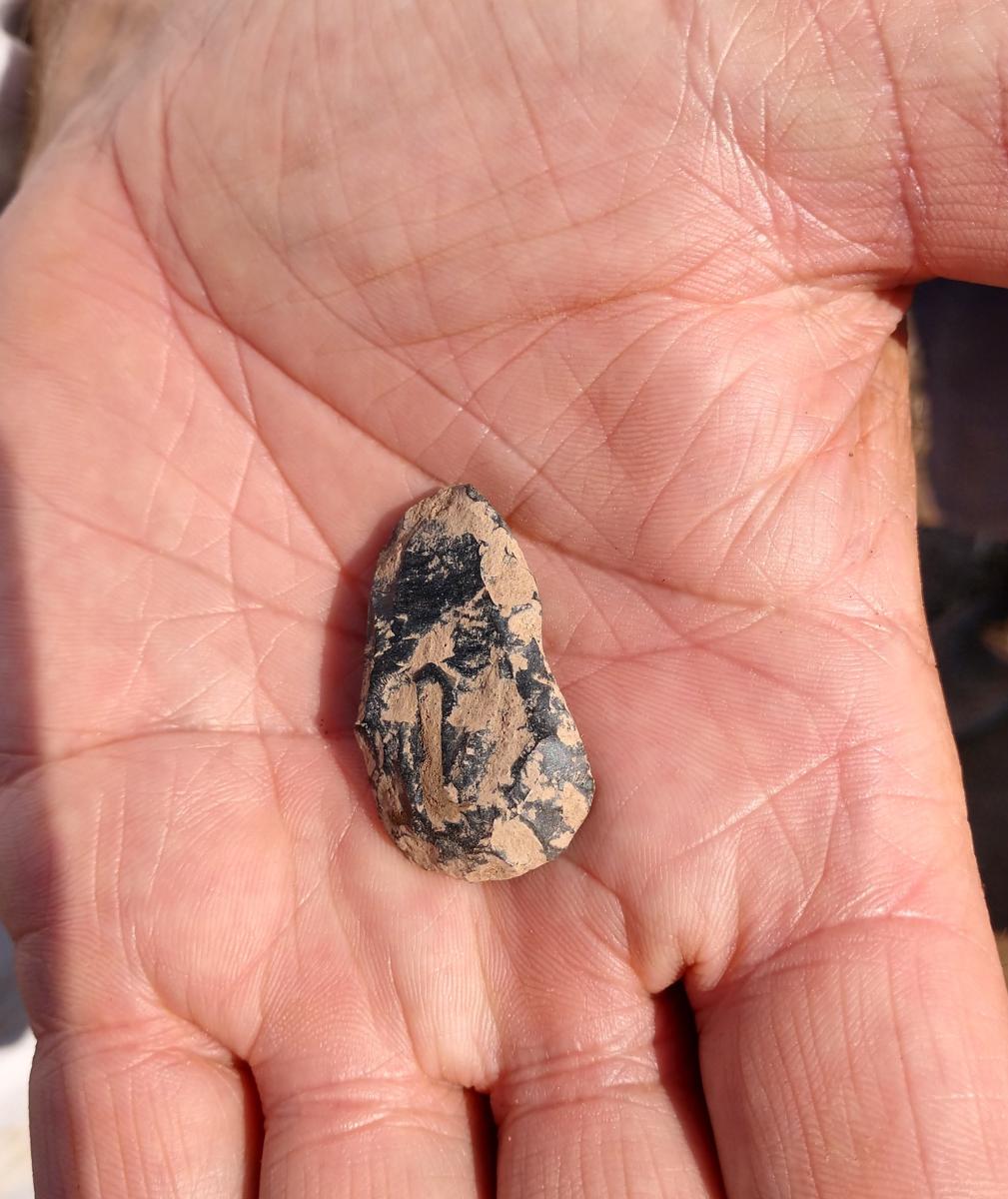
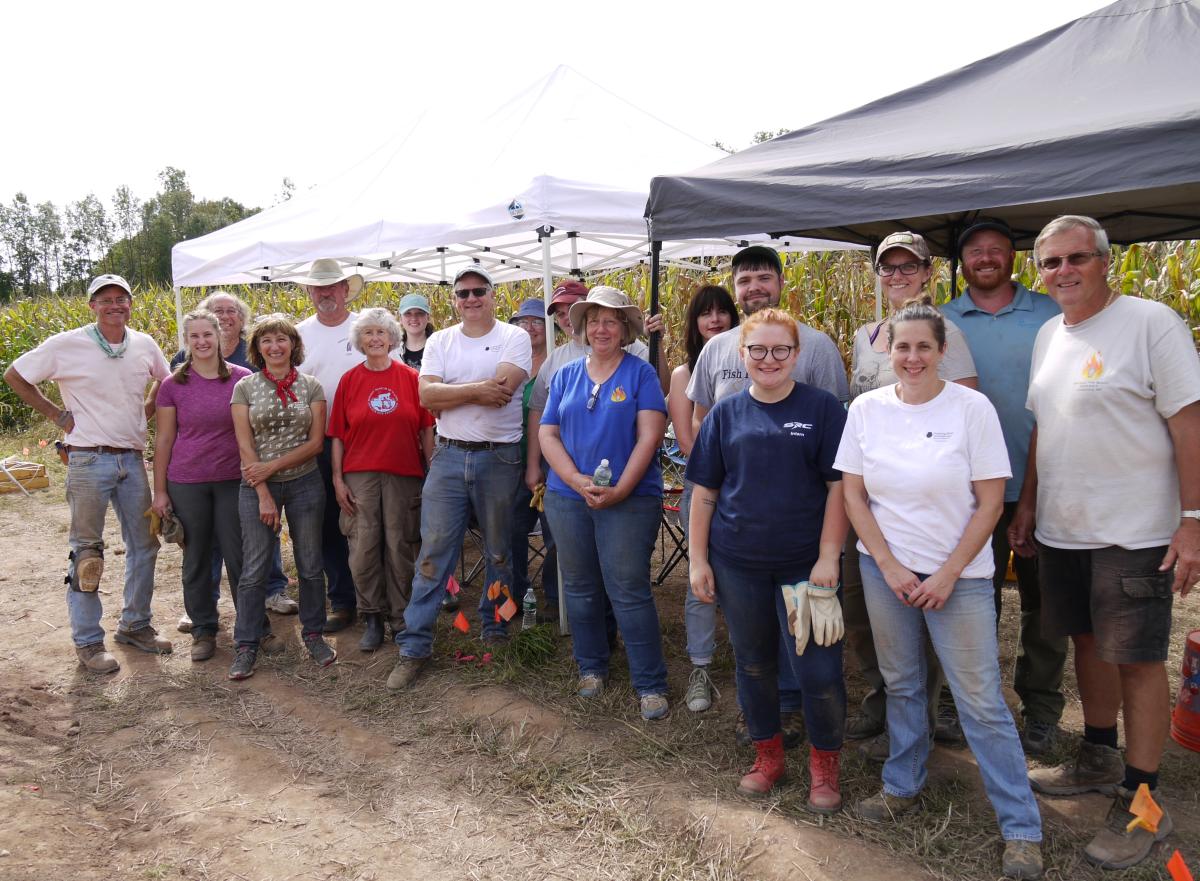
Collaborative exhibit, “Community and Continuity: Native American Art of New York,” receives critical recognition
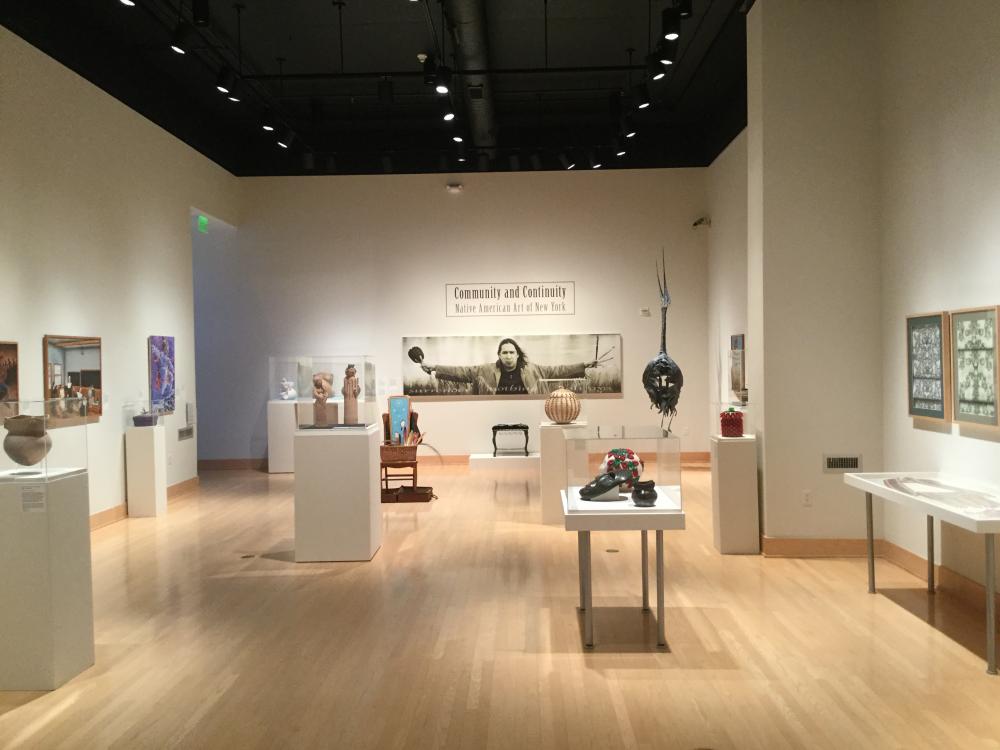
“Community and Continuity: Native American Art of New York,” an exhibition at The Samuel Dorsky Museum of Art at SUNY New Paltz, featuring selections from the New York State Museum’s collections of contemporary Native American Art and archeological artifacts, has been critically reviewed in a recent issue of Hyperallergic.com.
"What unites this patchwork exhibition is land. The artists are all Native Americans whose ancestry is tied to the place now known as New York State...it goes without saying that Indigenous artists are underrepresented in most mainstream art museum collections...it is refreshing – and exceptional – that 'Community and Continuity' has 32 artists on view...the show does what an art museum should: it provides a place for a variety of voices to be heard."
--Nikki Lohr, in Hyperallergic October 22, 2018 (click hyperlink for complete review)
“Community and Continuity” is the product of a partnership between the Dorsky Museum and the New York State Museum (NYSM) consisting of approximately 50 pieces of contemporary art, curated to showcase the diversity of Native American creative output and exemplify the state’s thriving, vibrant and continuous Indigenous presence. Many of these works have been collected as part of a NYSM initiative, launched in 1996, to collect art that reflects the rich traditions of creating that have been central to Native American communities in New York State for generations. Complementing the contemporary artworks is a selection of archaeological artifacts of fired clay, bone, and shell from the NYSM collection and from Historic Huguenot Street. These pieces are included to provide a glimpse into the prolific artistic traditions of Indigenous peoples from the 15th – 17th centuries, and deepen the exhibition’s exploration of the theme of continuity.
The exhibition, curated by Gwendolyn Saul, curator of ethnography at the New York State Museum, and John P. Hart, director of the NYSM’s Research and Collections Division, is on view at the Samuel Dorsky Museum of Art at SUNY New Paltz, 1 Hawk Drive, New Paltz, NY through December 9, 2018.
For further information, please contact Dr. Gwendolyn Saul, gwendolyn.saul@nysed.gov.
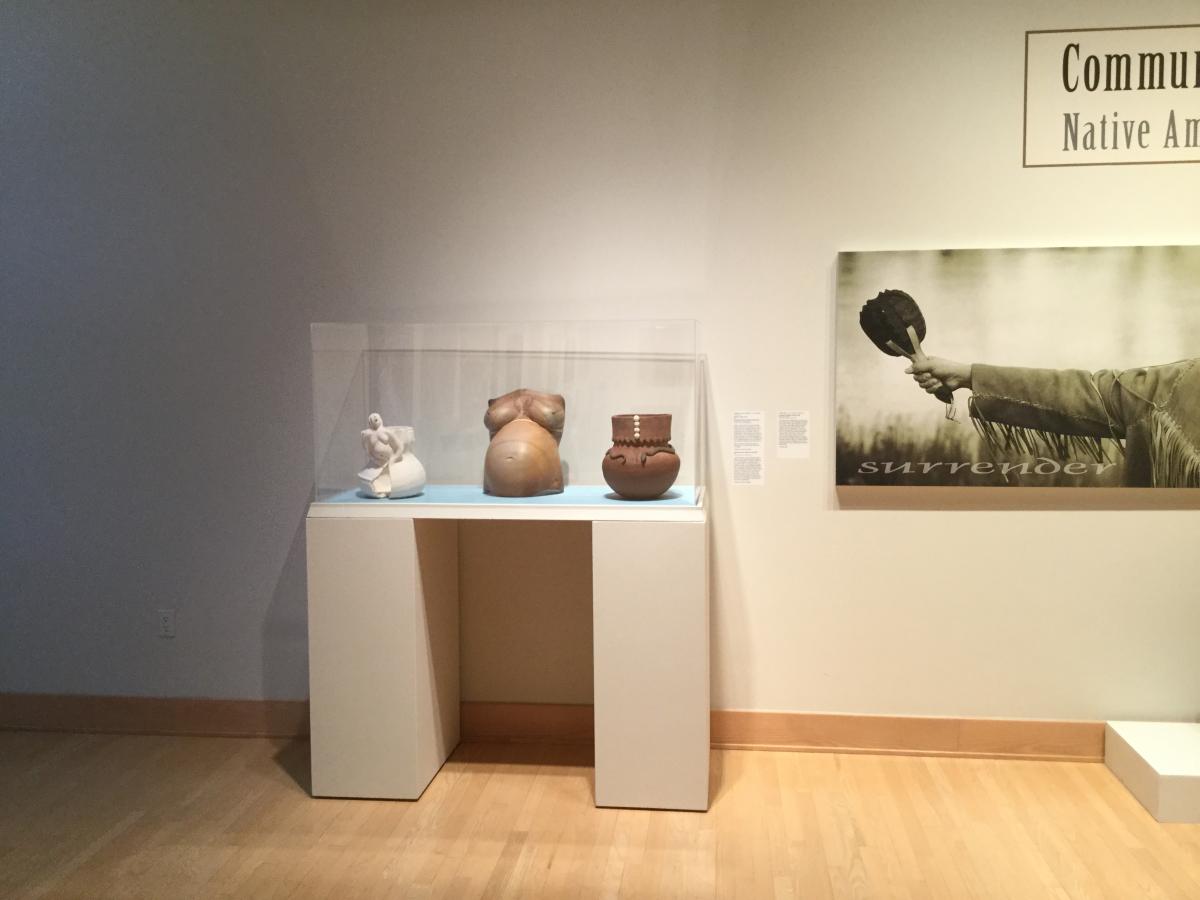
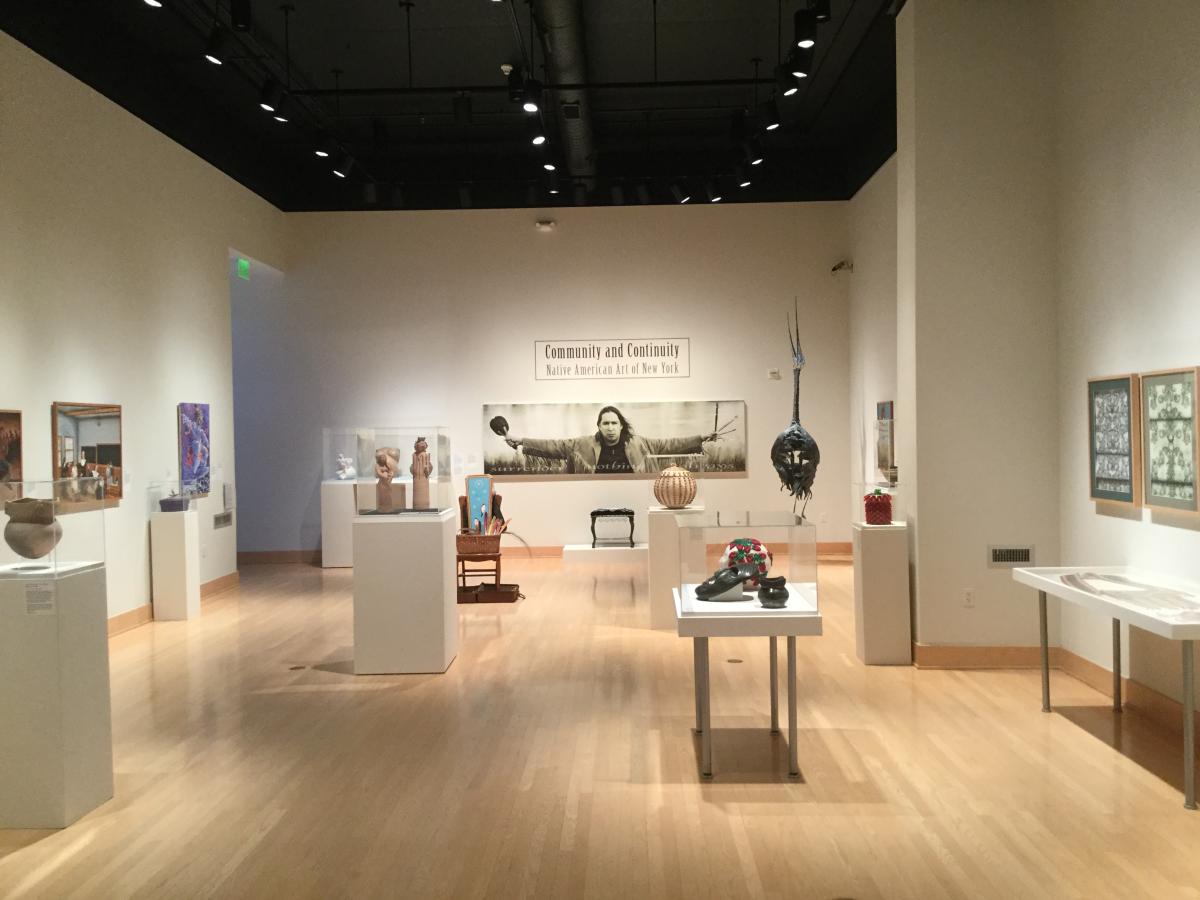
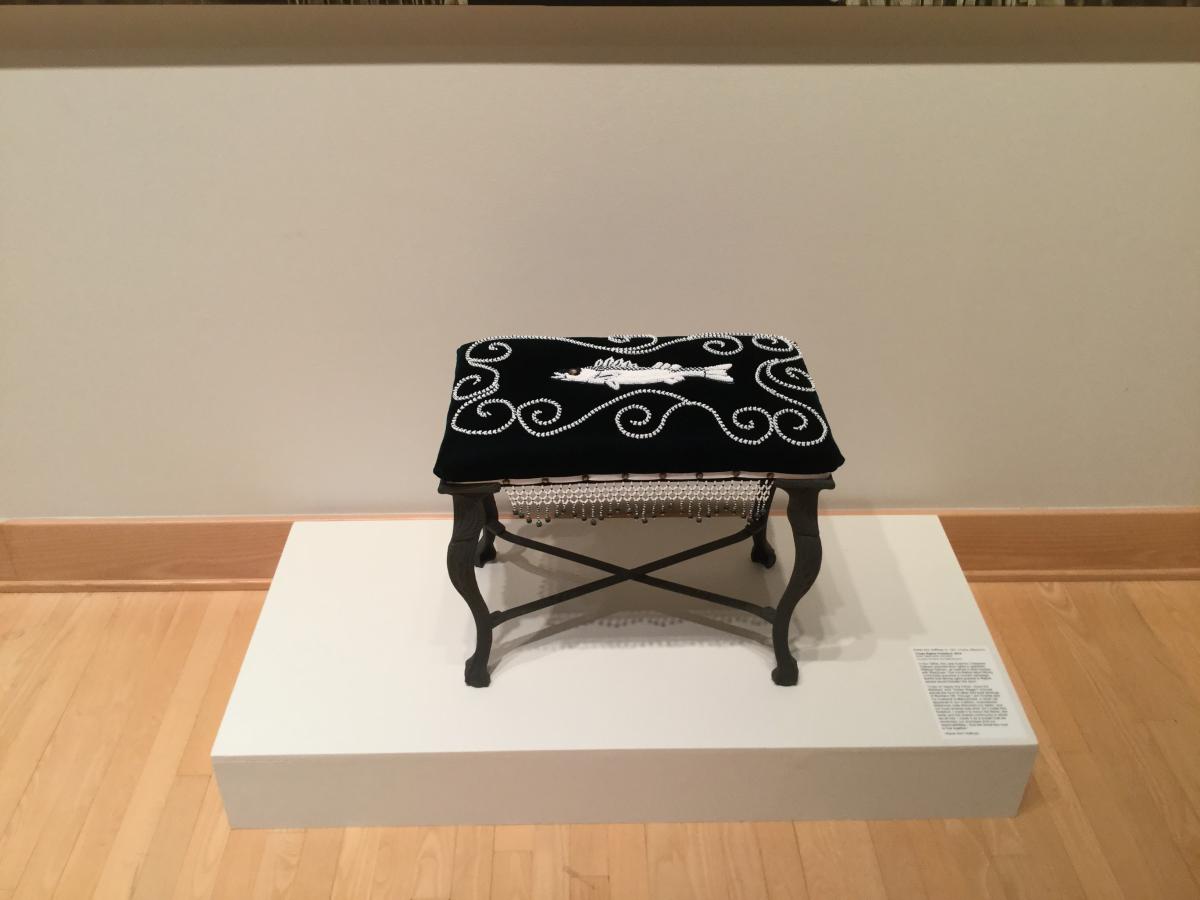
Owlville Pine South (OPS) Archaeological Site Owners Donate Paleoindian Artifacts to NYSM

In June 2015, avocational archaeologists Mike Beardsley and Mark Clymer were surveying for Native American archaeological sites on farm property owned by Tom and Joyce Bush in central New York. Walking across their fields, Mike spied a large scraping tool of chert. Days later, he discovered a fluted point in the same area, confirming the presence of a Paleoindian site, later named Owlville Pine South or OPS. Since then, NYSM archaeologists have annually directed volunteer excavations at OPS, uncovering stone tools left at this Ice Age Native American encampment. Recognizing the importance of the OPS site as a window into the earliest human presence in central New York, Tom and Joyce Bush have unconditionally supported this ongoing field research. In 2019, they generously donated to the NYSM all artifacts collected and excavated to date at OPS, making them available for research, public education and exhibition.
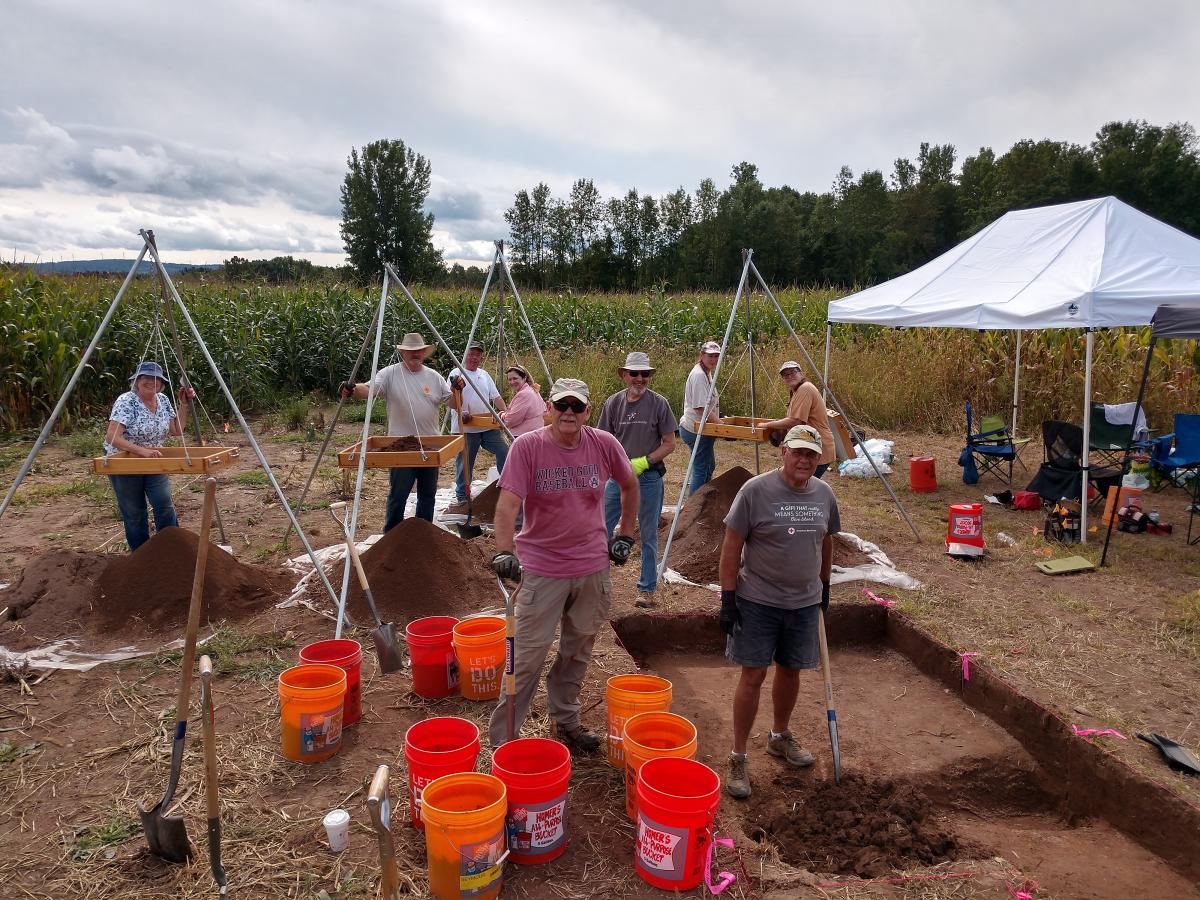
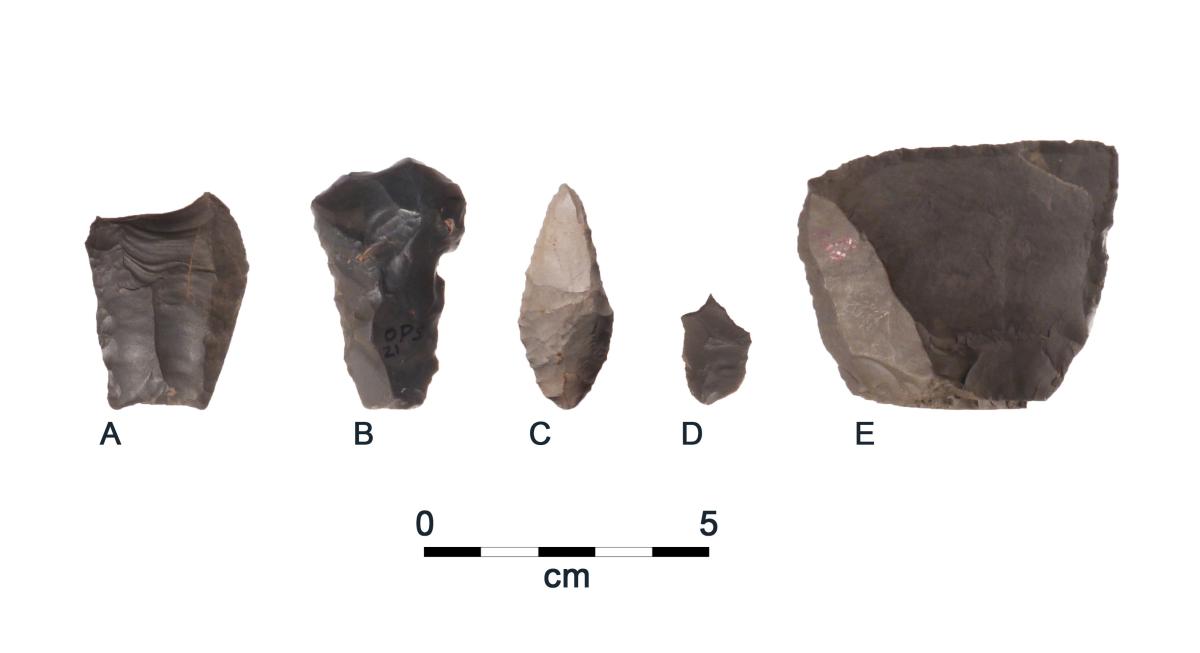
NYSM Archaeologists Return for Fifth Field Season at OPS Paleoindian Site
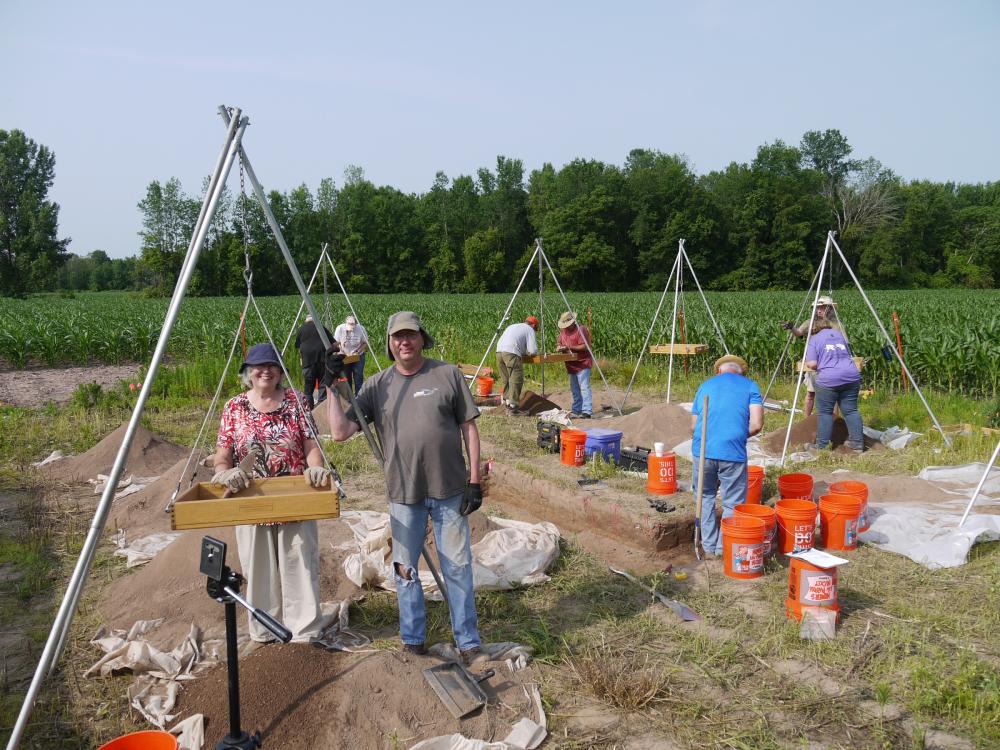
In July and September 2019, NYSM archaeologists and volunteers conducted their fifth season of excavations at the OPS Paleoindian site in Madison County. Discovered in 2015, the OPS site has yielded stone fluted points of the Crowfield "style," indicating an early Native American encampment dating to the late Ice Age, circa 12,000-11,600 years ago. In 2019, our volunteer archaeologists dug 65 1-meter (3-foot) test units as part of a larger block excavation. Targeting an ancient activity area at this Paleoindian encampment, our efforts were rewarded with two fluted points, other stone tools and chert flaking debris from tool manufacture.
A video by Matt Urtz, Madison County Historian and videographer Samantha Field documents our field work:
This fall, we’ll continue our OPS block excavation during the weeks of September 14-18 and September 21-25, 2020. Volunteers welcome – all you need is an interest in getting your hands dirty while helping to reveal the human history of the Ice Age in central New York! Contact Dr. Jonathan Lothrop, NYSM curator of archaeology: Jonathan.Lothrop@nysed.gov


Decorated Stoneware from the Weitsman Collection

The artful designs on 19th-century stoneware are today considered to be prime examples of American Folk Art. Stoneware was the basic utilitarian ware of the 1800s, and was primarily used in the preparation, storage, and serving of food. Adam J. Weitsman of Owego, New York, began collecting stoneware in 1980, when he was 11 years old. He has acquired and donated over 500 pieces of decorated stoneware to the State Museum to ensure that the collection would be preserved, studied, and appreciated for years to come.
New York State Museum Collections
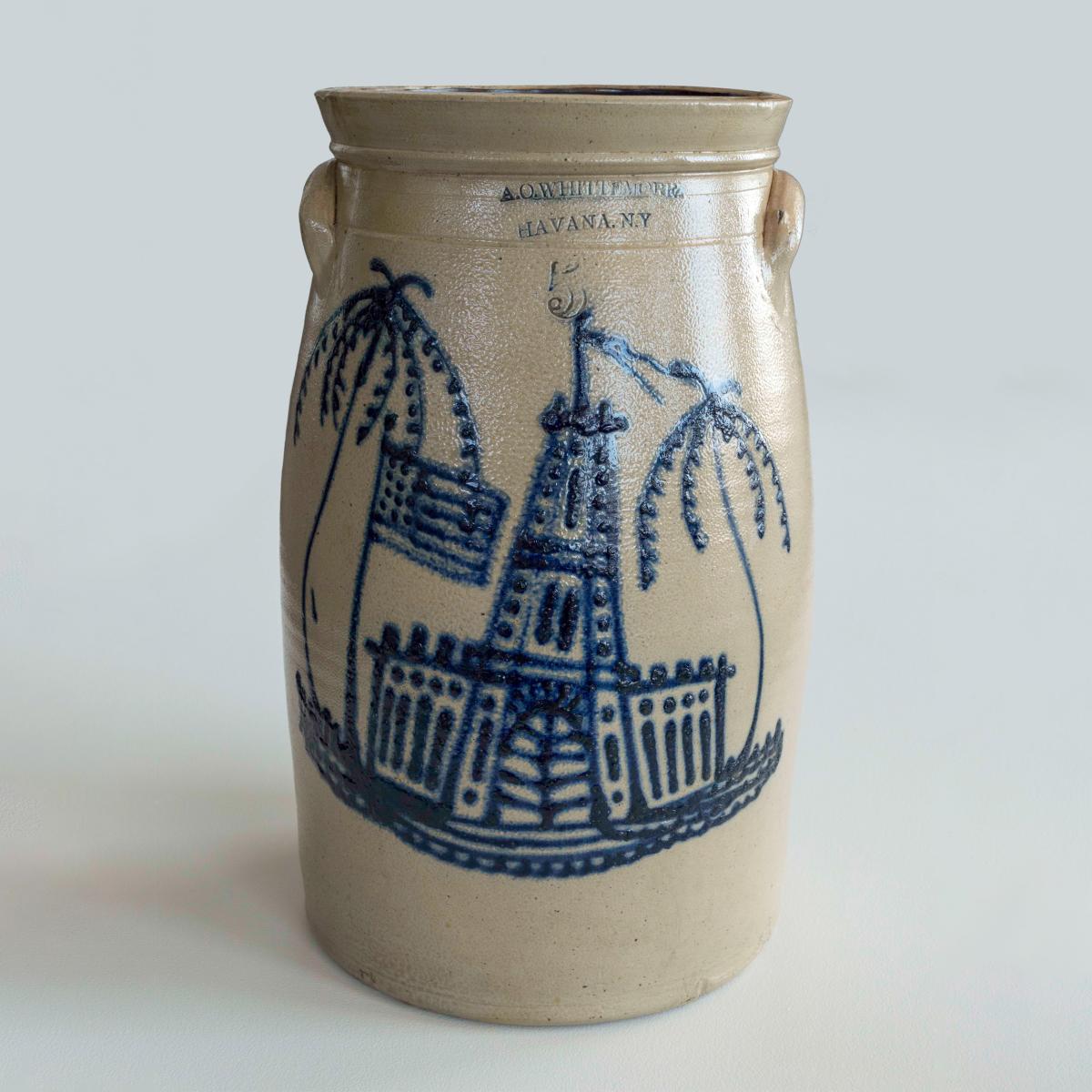
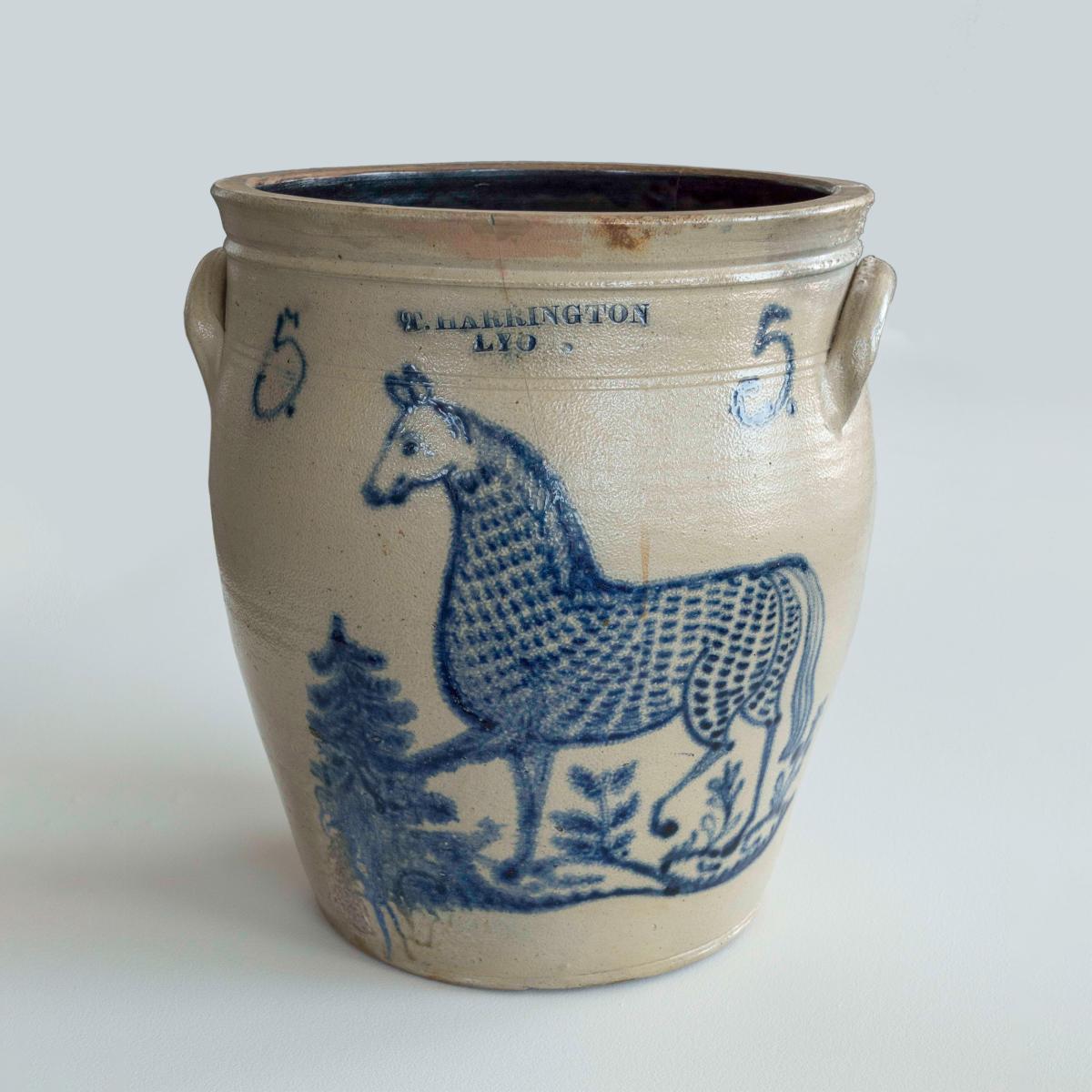
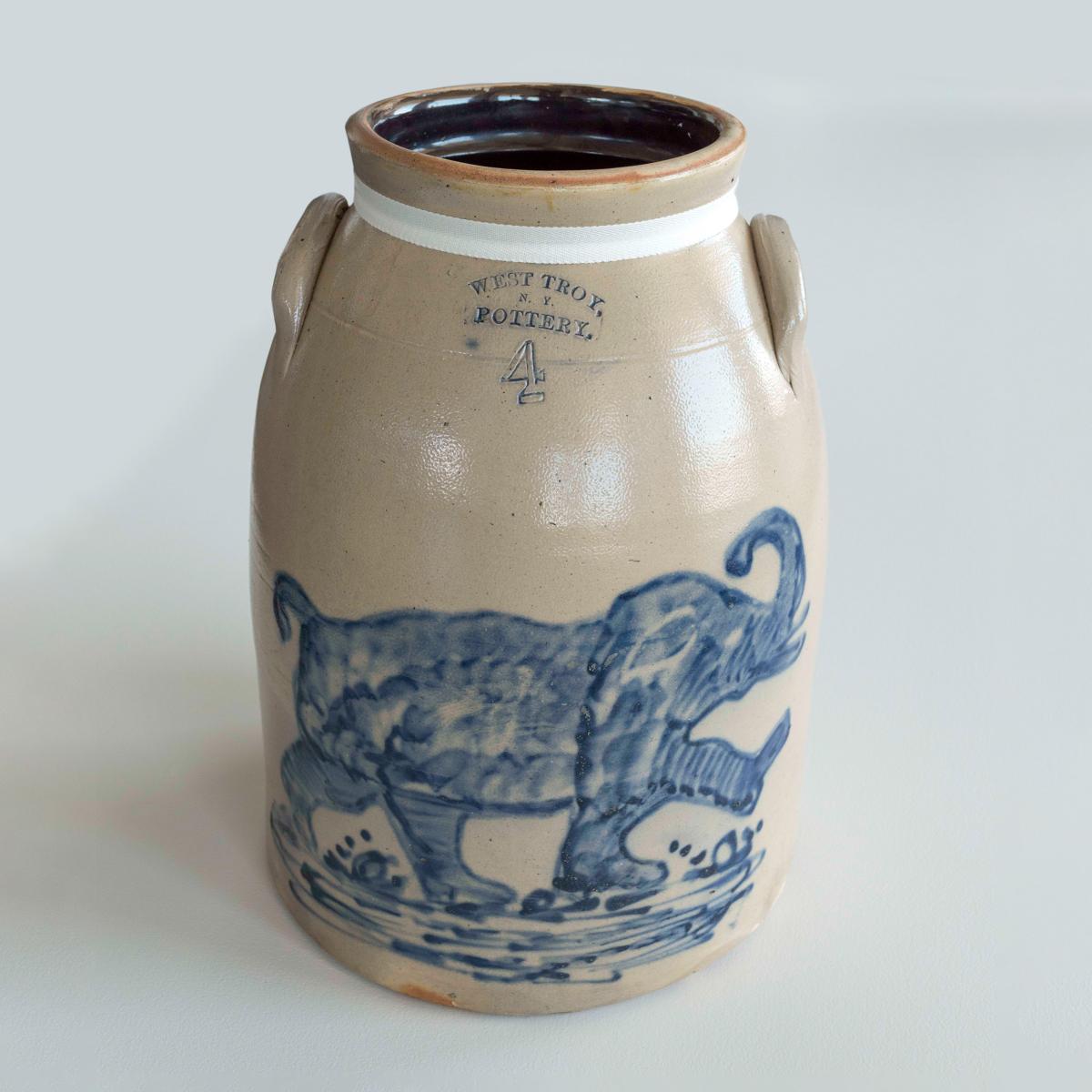
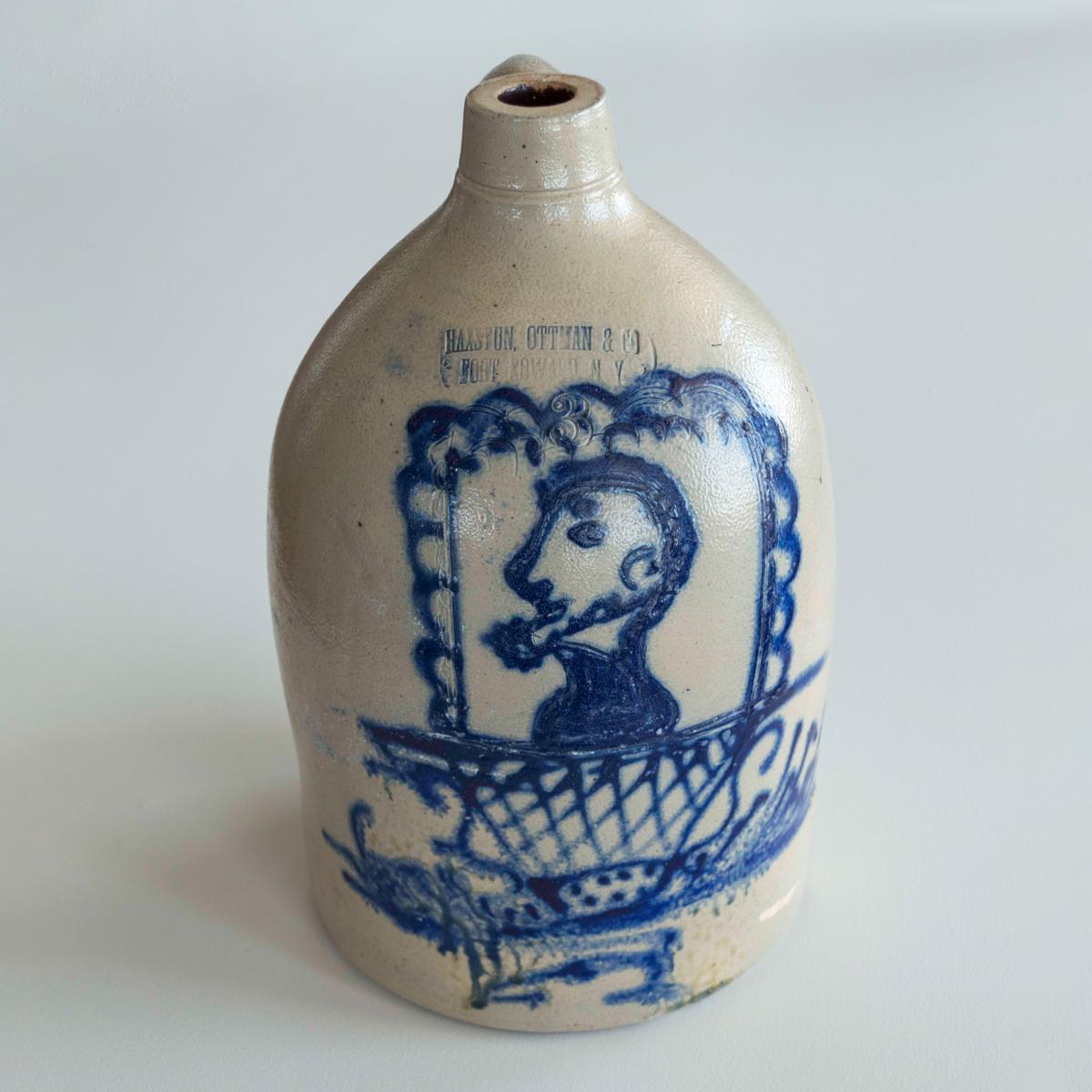
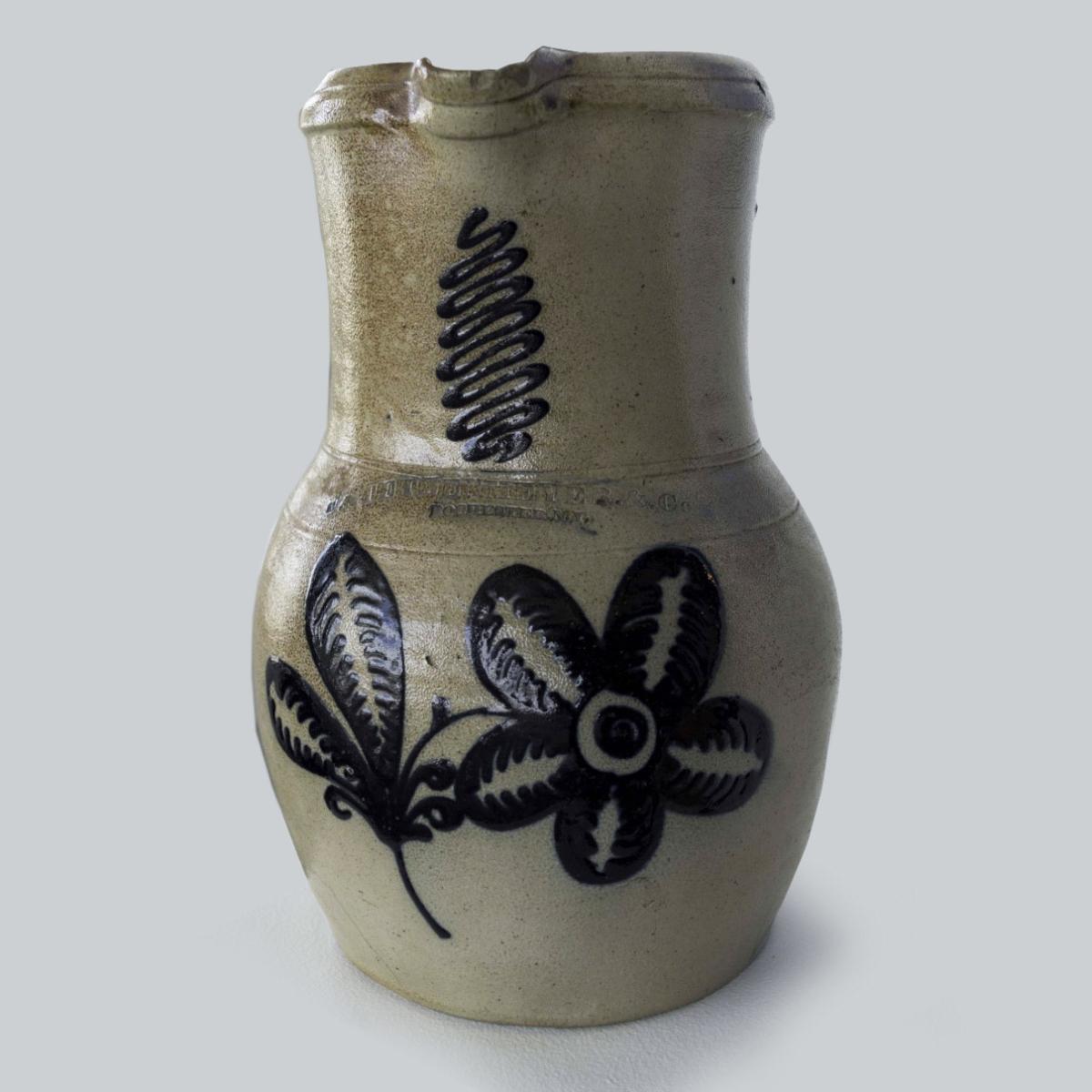
Guiding Questions:
- Why would stoneware be a common kitchen item in the 19th century?
Learn more about the Weitsman collection:
New Acquisition: Silk Beaded Bag by Kenneth Williams Jr. (Cattaraugus Seneca and Arapaho)
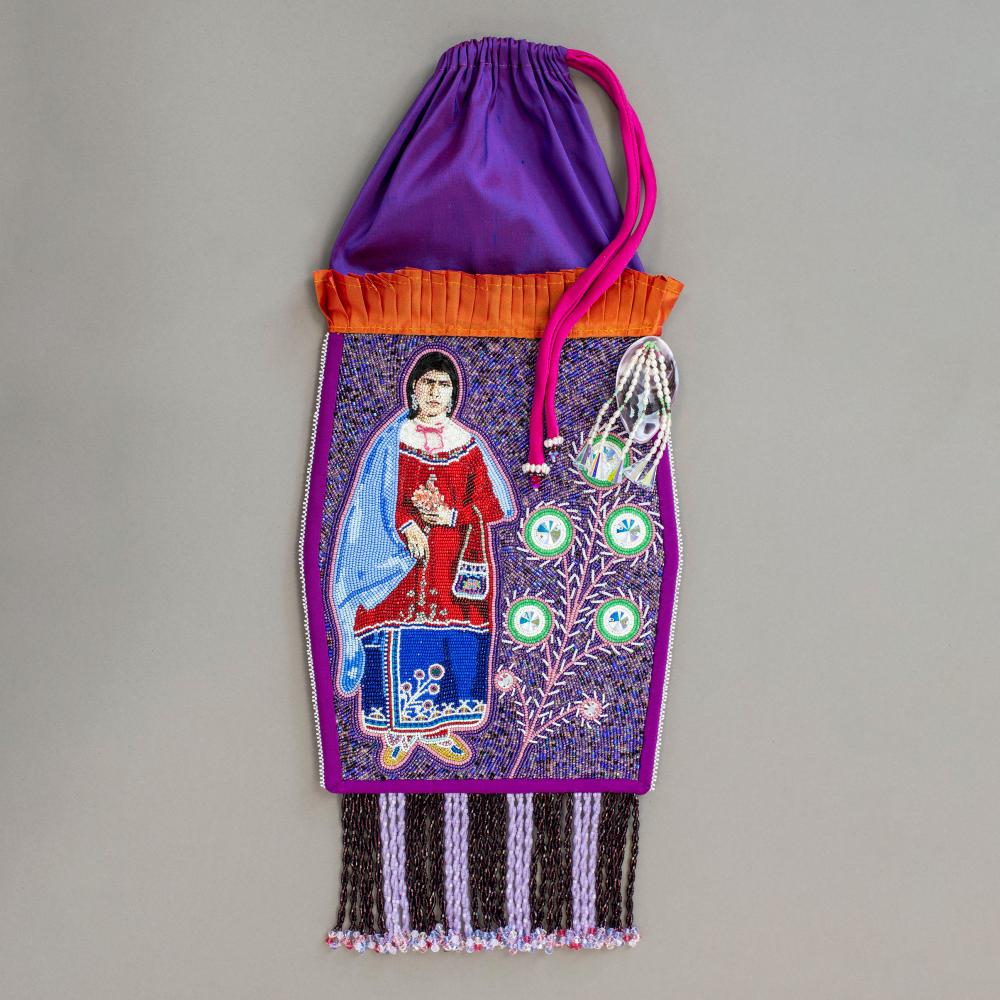
Inspired by the path-breaking beadwork artistry of Gahano (Caroline Parker Mt. Pleasant, Tonawanda Seneca), Ken Williams Jr.’s hand stitched silk and beaded bag pays tribute to the artistry of Seneca and Haudenosaunee beadwork in every detail. From the shape and construction of the bag, the tiny size 22 beads that define Gahano’s face, and the incorporation of the Celestial Tree design on the right side of the bag, embellished with Swarovski crystals and referencing Haudenosaunee histories and teachings, Ken’s artwork dazzles.
This new addition to the NYSM Contemporary Native Art Collection (2019-2020) is meaningful for several reasons, not least of which is that Gahano’s seminal outfit (that she designed, sewed, and beaded herself c. 1847) and featured on Ken’s bag is part of the NYSM Ethnographic collections. On the opposite side of the beadwork panel featuring Gahano, is a wool panel with beadwork echoing the designs along the edges of Gahano’s skirt and a burst of stars created with meticulous stitches of silk thread. Ken’s partner, Diné fashion designer Orlando Dugi created a special carrying bag for Ken’s work to travel in once it was completed (pictured above, it is a quilted silk lined wool zippered bag emblazoned with four pink crystals). Ken’s work can be found in the museum collections of the Wheelwright Museum of the American Indian, the Heard Museum, Montclair Art Museum, Utah Museum of Natural History, Museum of Indian Arts and Culture (MIAC), the National Museum of Scotland, and the Hood Museum of Art, Dartmouth College. NYSM has the honor of being the first museum in New York to include Ken’s work in permanent collections.
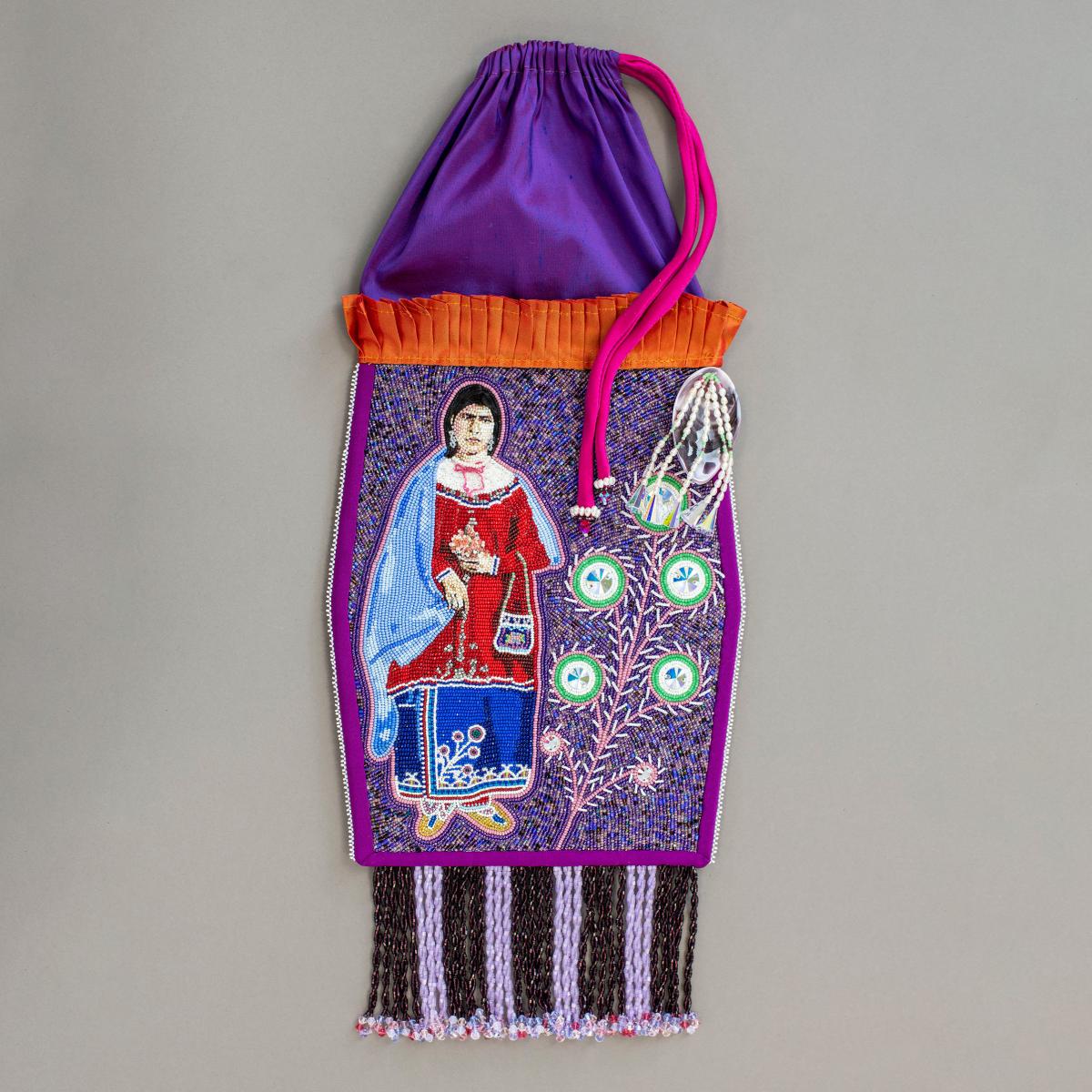
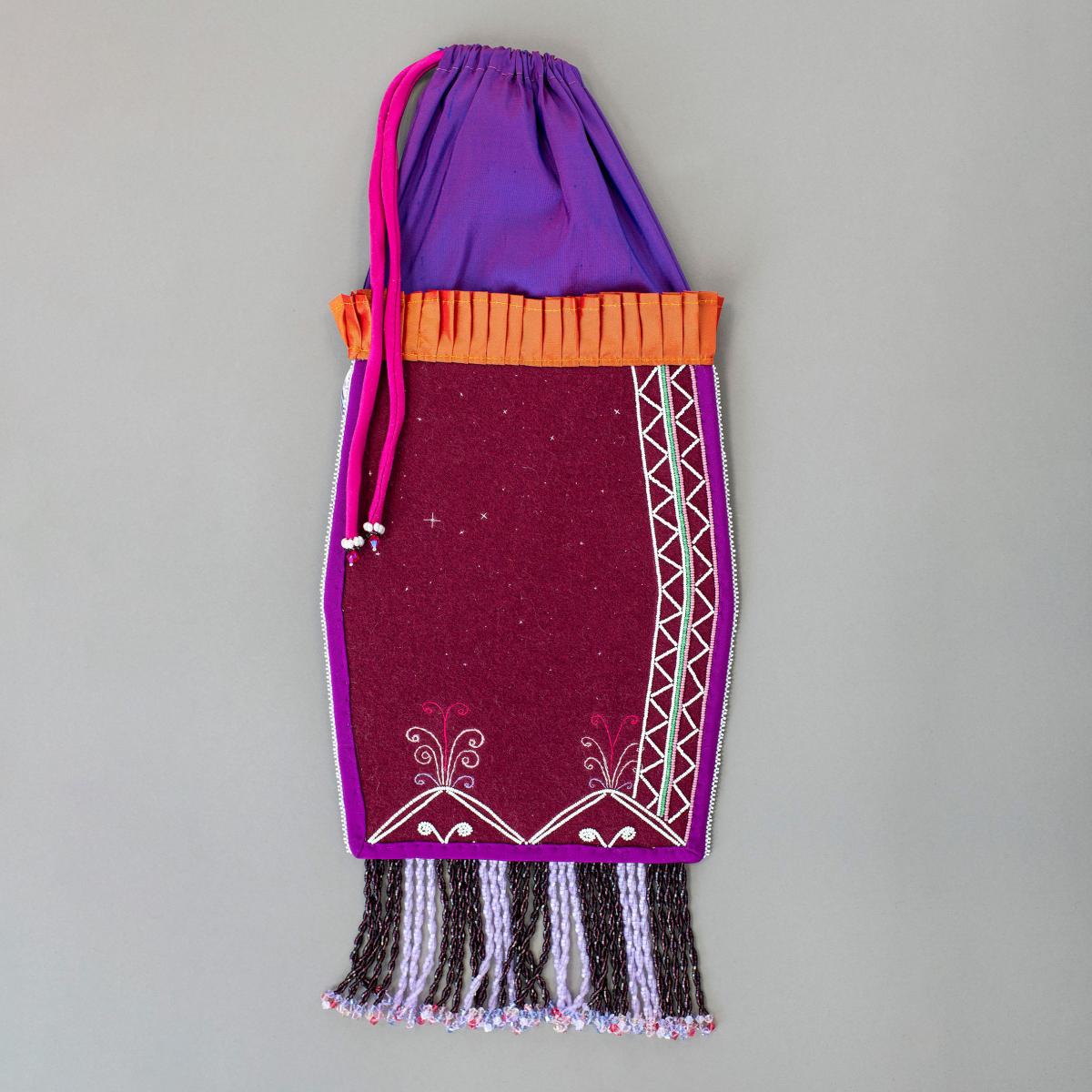
New Acquisition: The Pierce House Collection
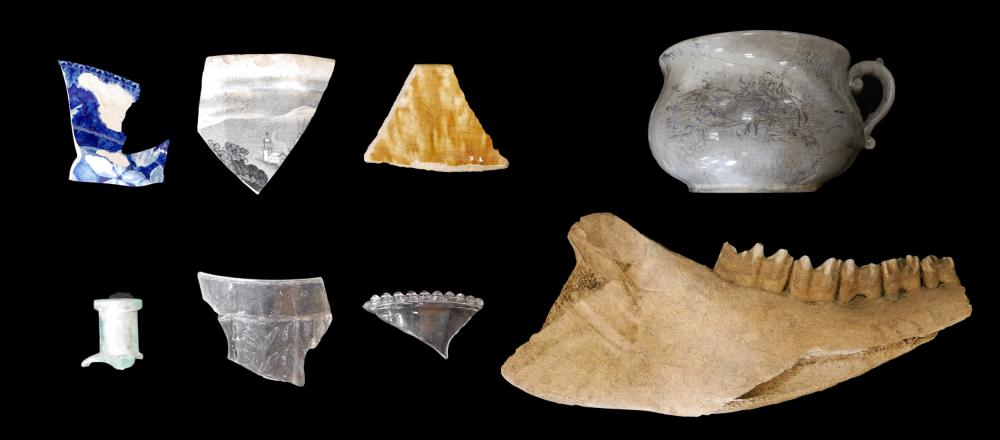
The NYSM Historical Archaeology Collection recently acquired the Pierce House Collection containing a wide variety of mid-nineteenth century household artifacts from a farmstead located in the town of Lewis, Essex County, New York. Documenting the transition from a tenant to owner occupied farmstead from 1850-1880 in the Adirondacks, this collection is one of the few examples of its type in the Museum holdings and is an excellent complement to our existing farmstead assemblages from other parts of the state.
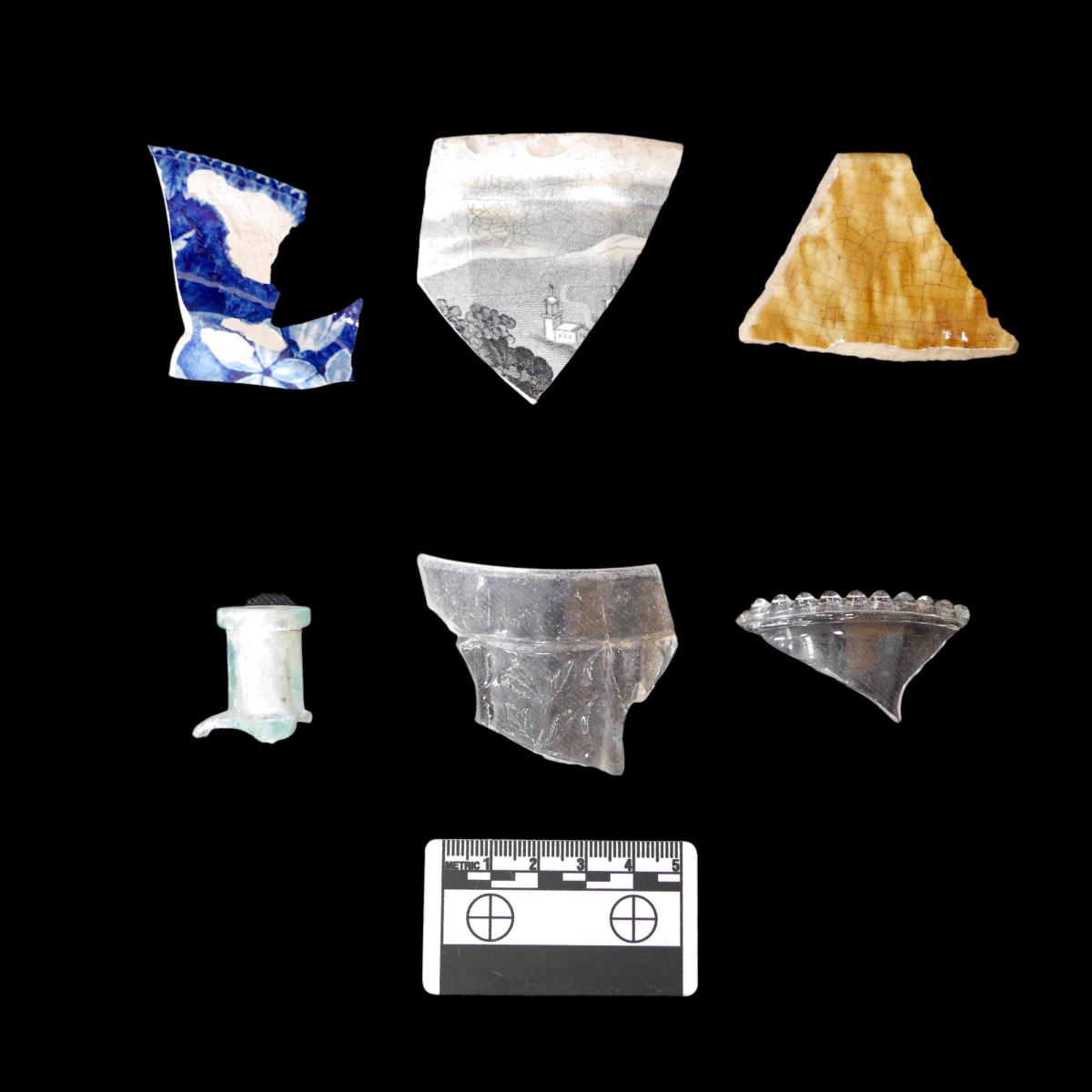
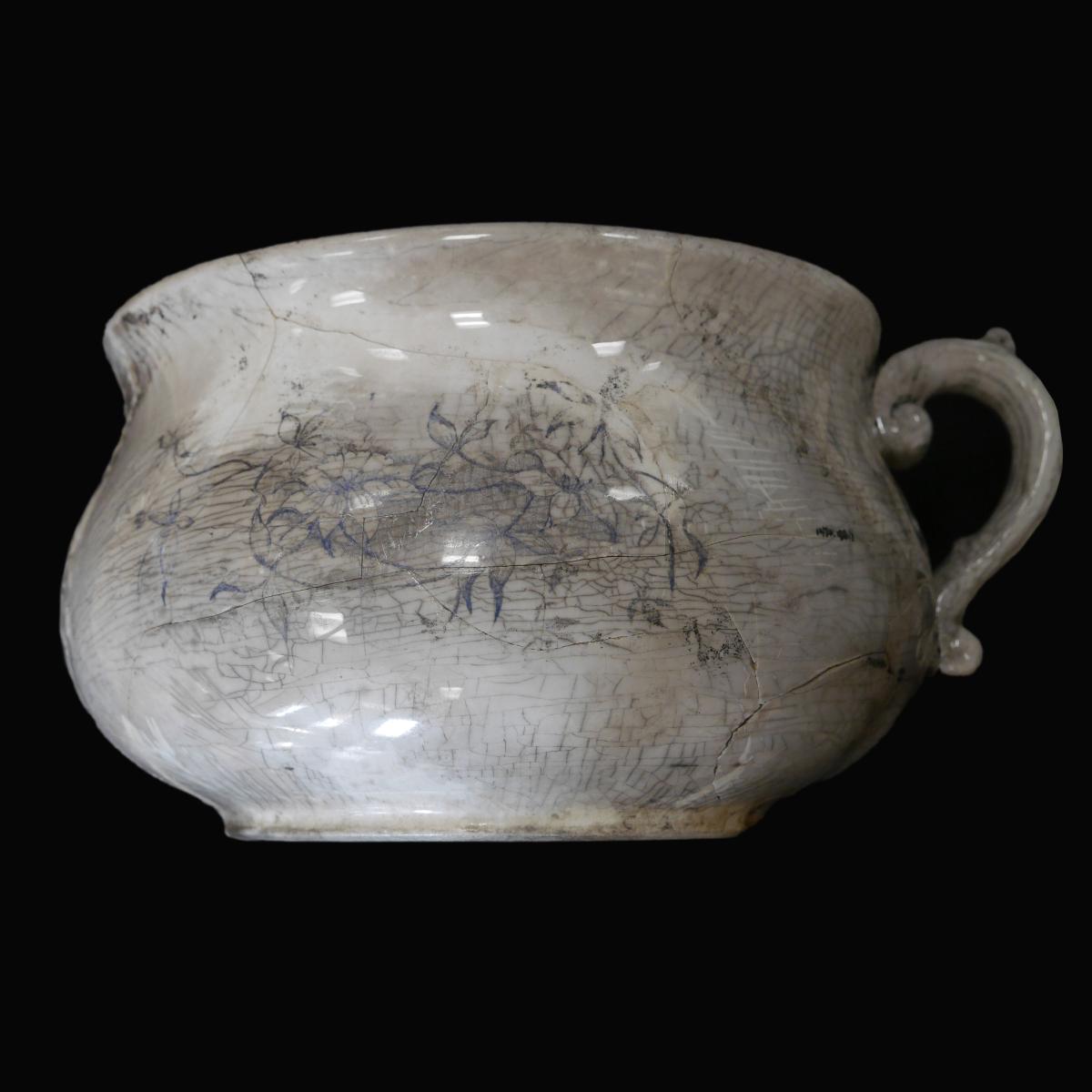
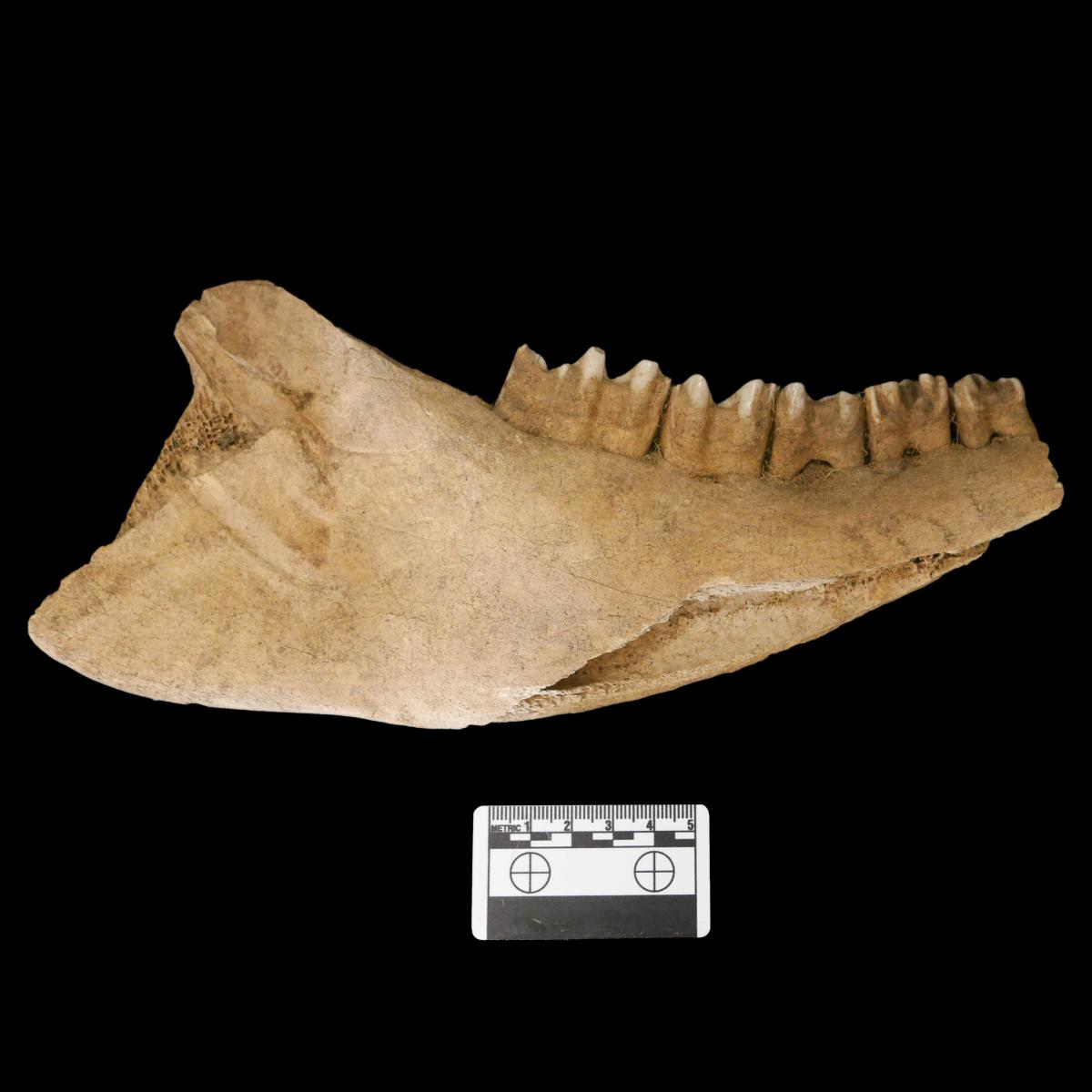
New Acquisitions: Artwork by Ken Rush
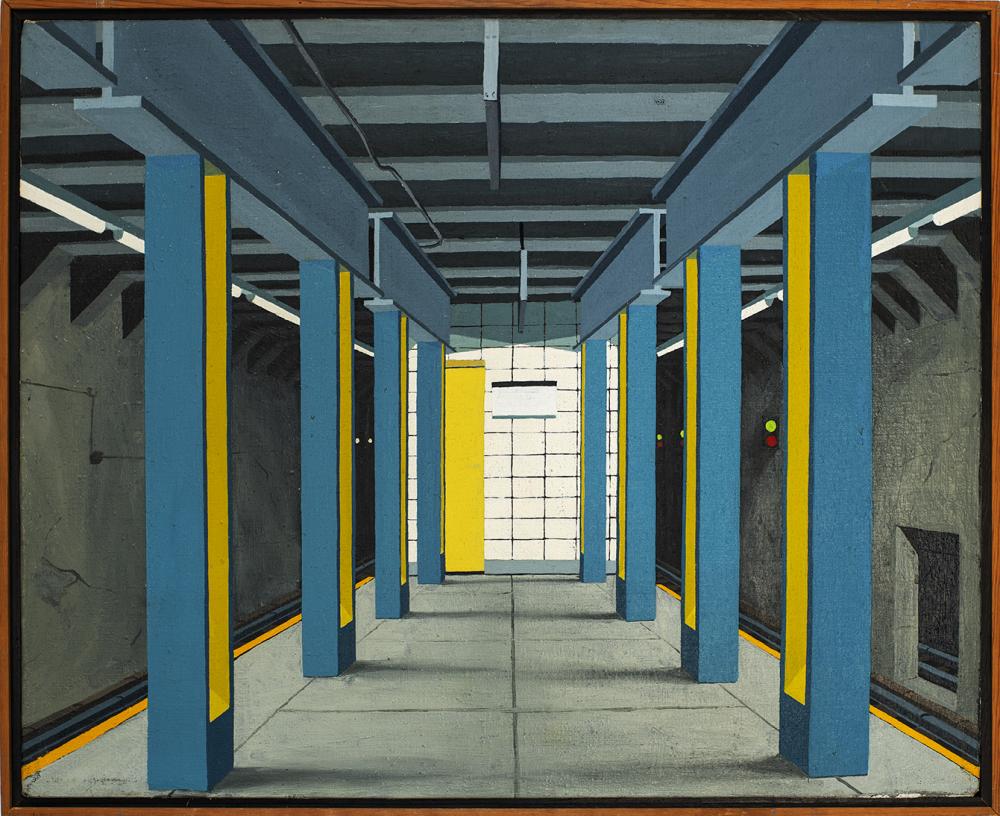
The NYSM History Collection recently acquired a collection of paintings by Ken Rush (b.1948). Rush divides his time between Vermont and Brooklyn producing rural and urban subjects that move between the realistic and the abstract. In this group of quiet, almost haunting subway paintings, he works with the geometry of flat planes and deep space focusing on the structure of the place, avoiding all references to people, the trains, and even the trash.

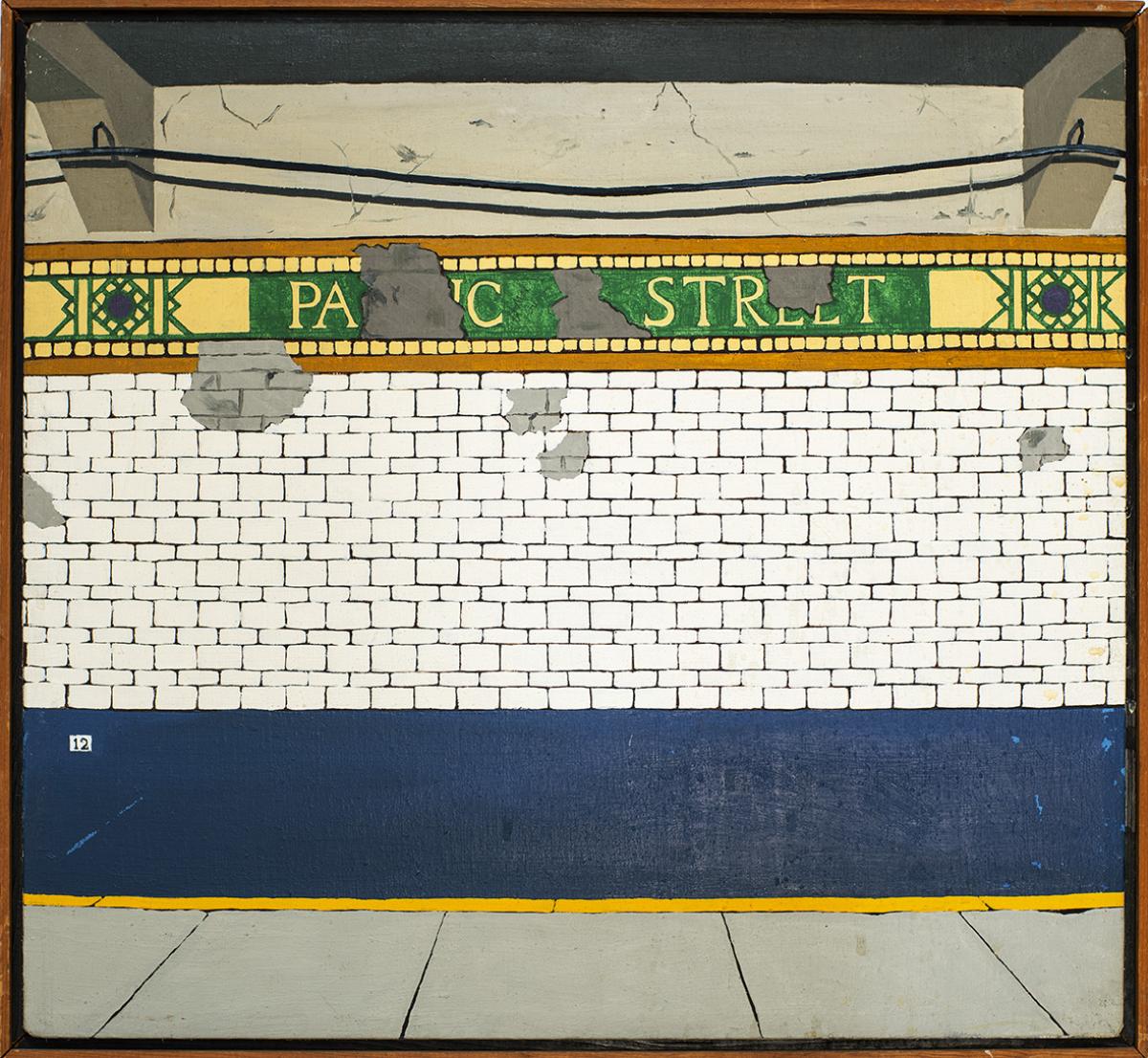
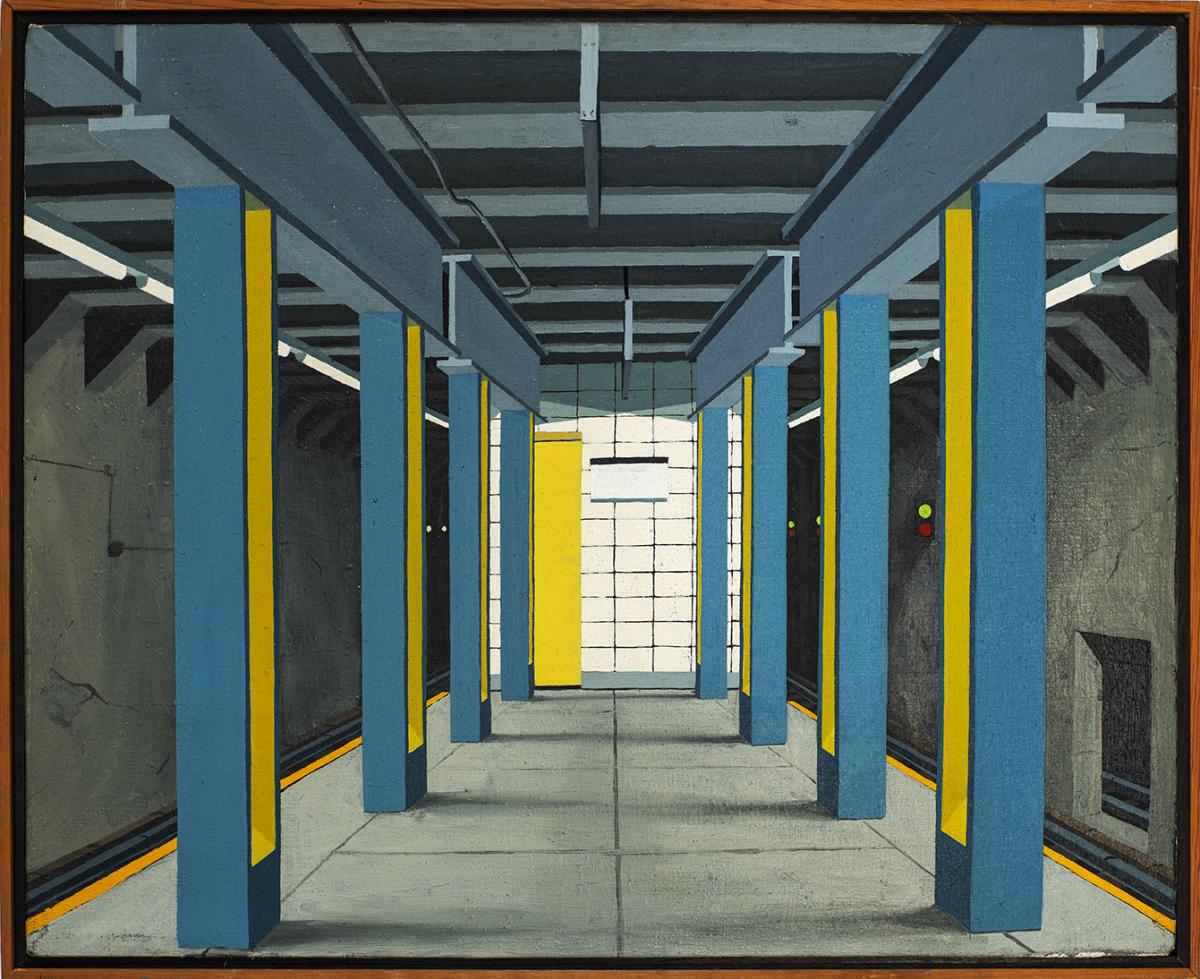
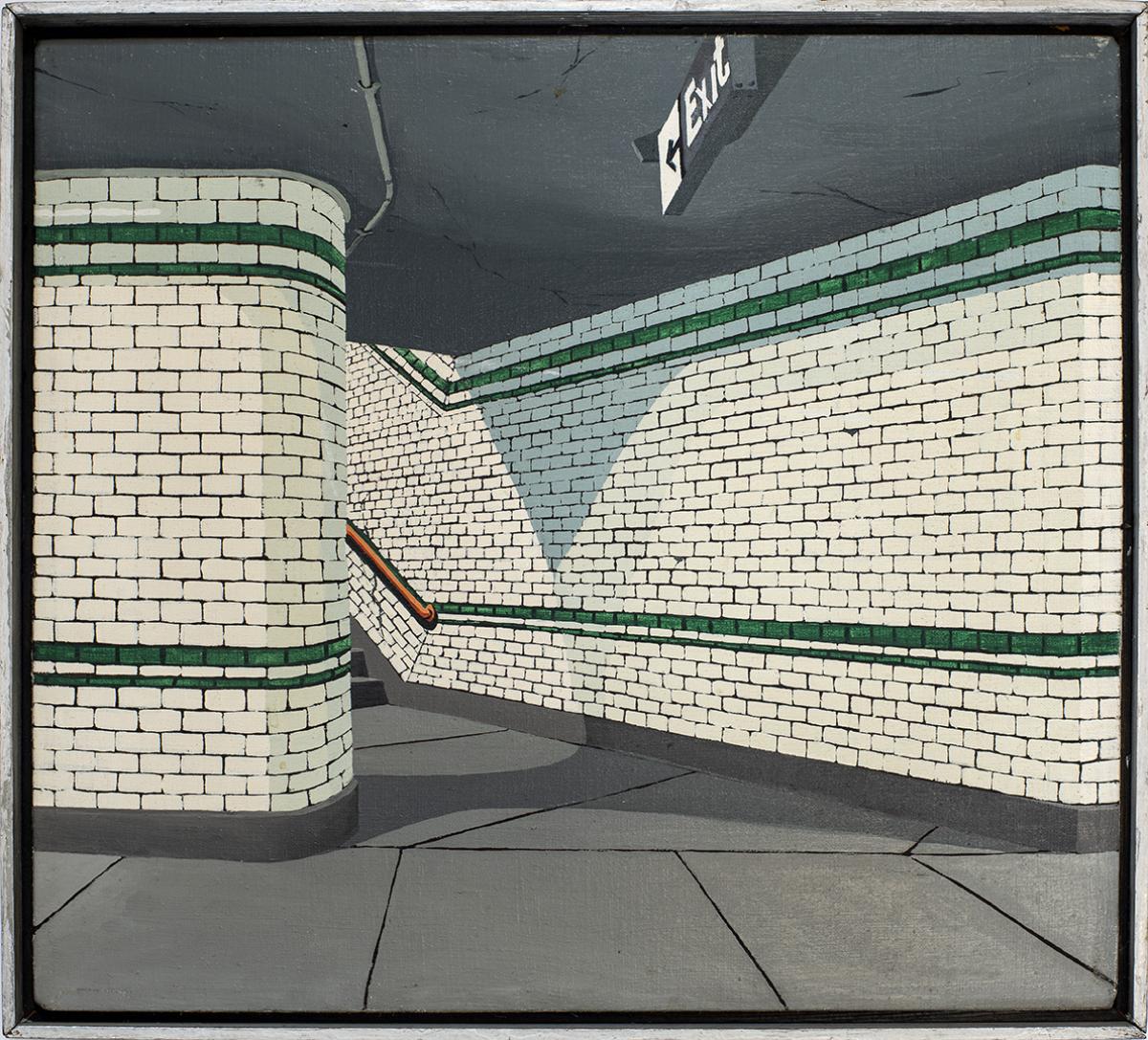
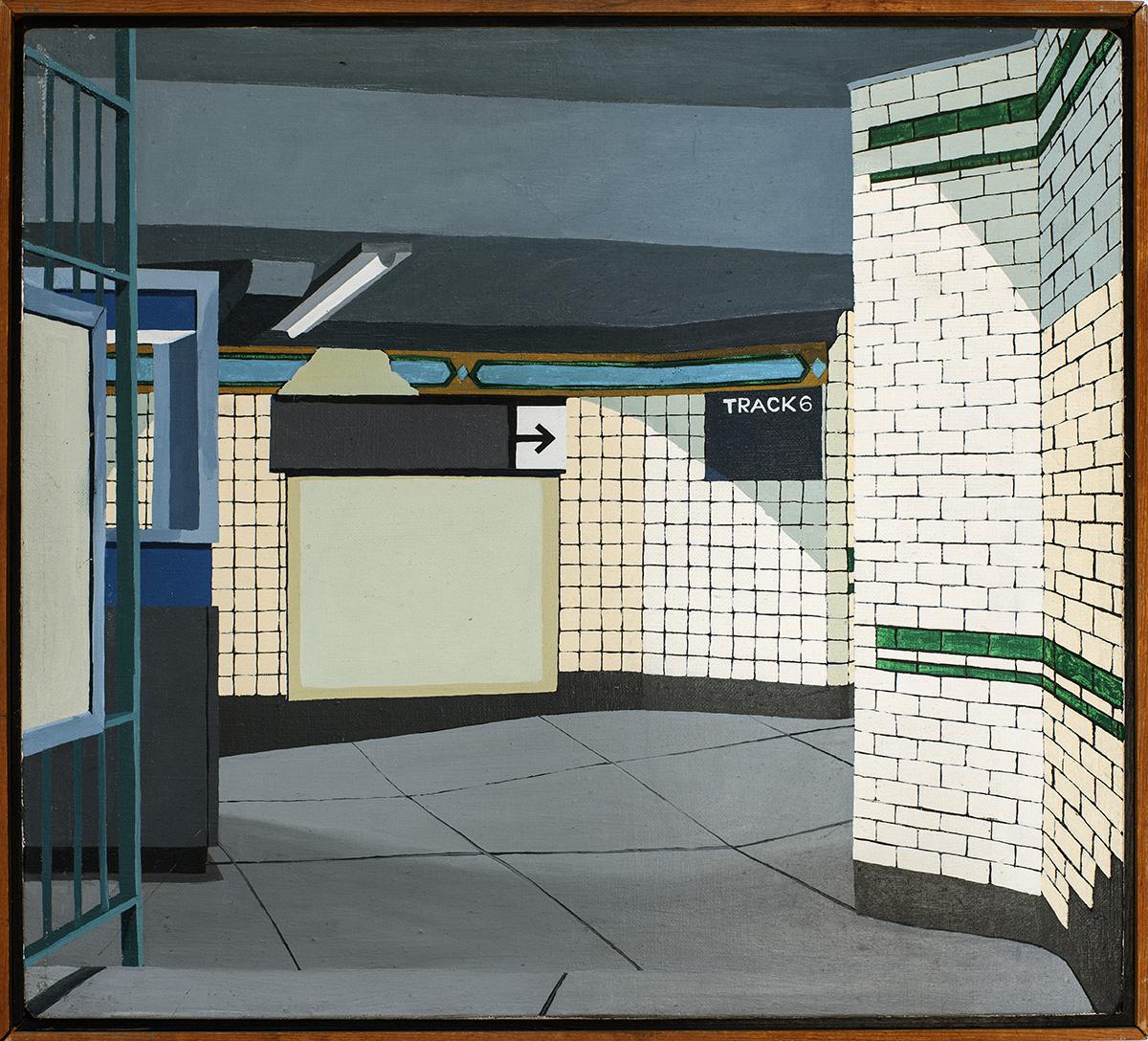
New Acquisition: 420 Albee Square Collection

In March of 2015, archaeologists excavated 3 wells, 3 cisterns, and one possible privy at 420 Albee Square in Brooklyn, New York. The New York State Museum acquired the resulting collection in 2020. The artifacts recovered from the excavations illustrate the changing demographics in Brooklyn at the turn of the century. During this period, the area transitioned from single family, upper- and middle-class households, to a working-class neighborhood with boarding houses.
One cistern represents the material culture of working-class families living in a boarding house during the last decade of the 19th century. Adjacent cisterns and wells represent the transition from an upper- to middle-class household to a boardinghouse occupied by working class families. Finally, one cistern contained refuse from an upper-middle class single-family during the late 19th century. Together these assemblages document the material consumption patterns of working, middle, and upper-class households in Brooklyn at the turn of the 20th century. Artifacts in the collection include typical household refuse such as bottles, ceramics, and food remains.
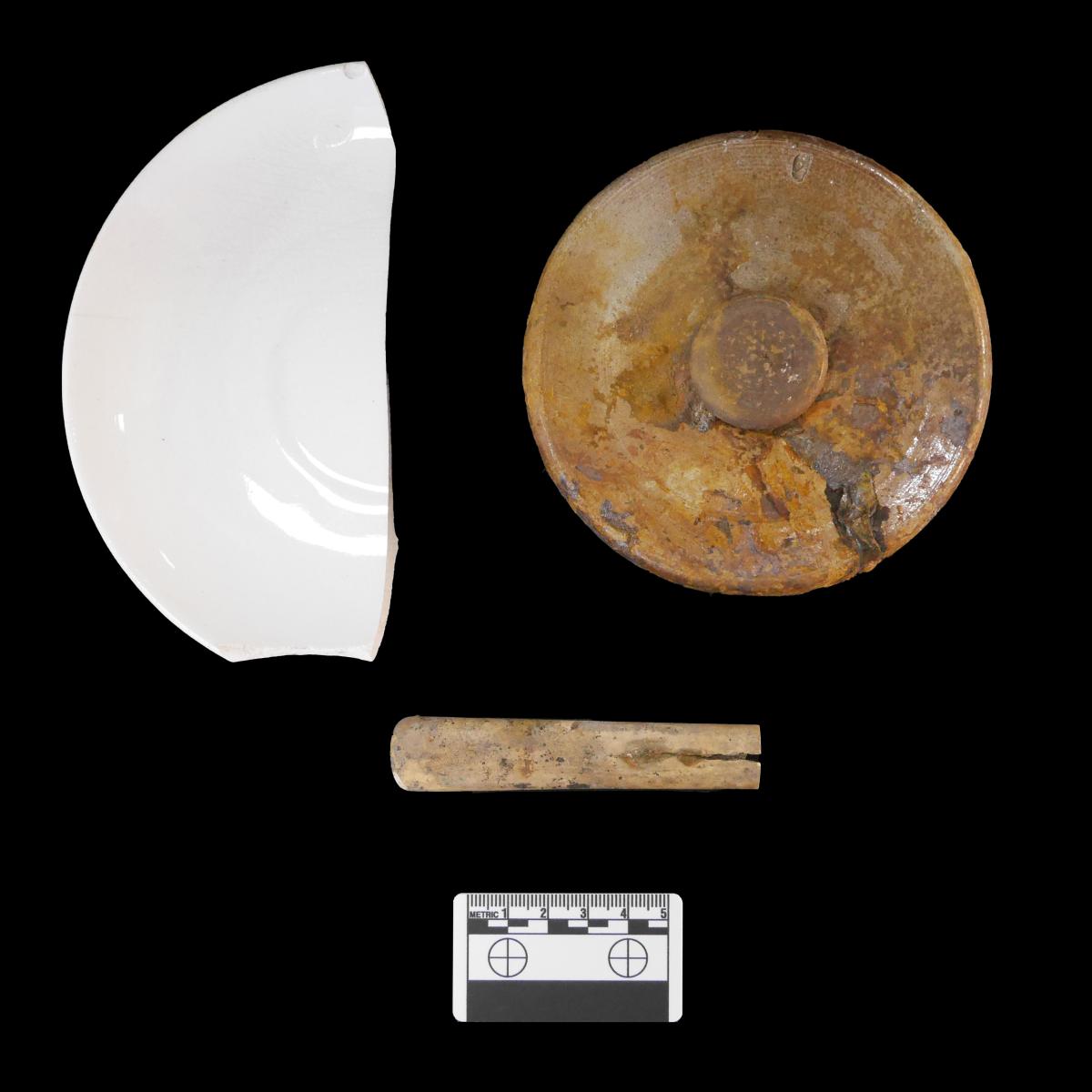
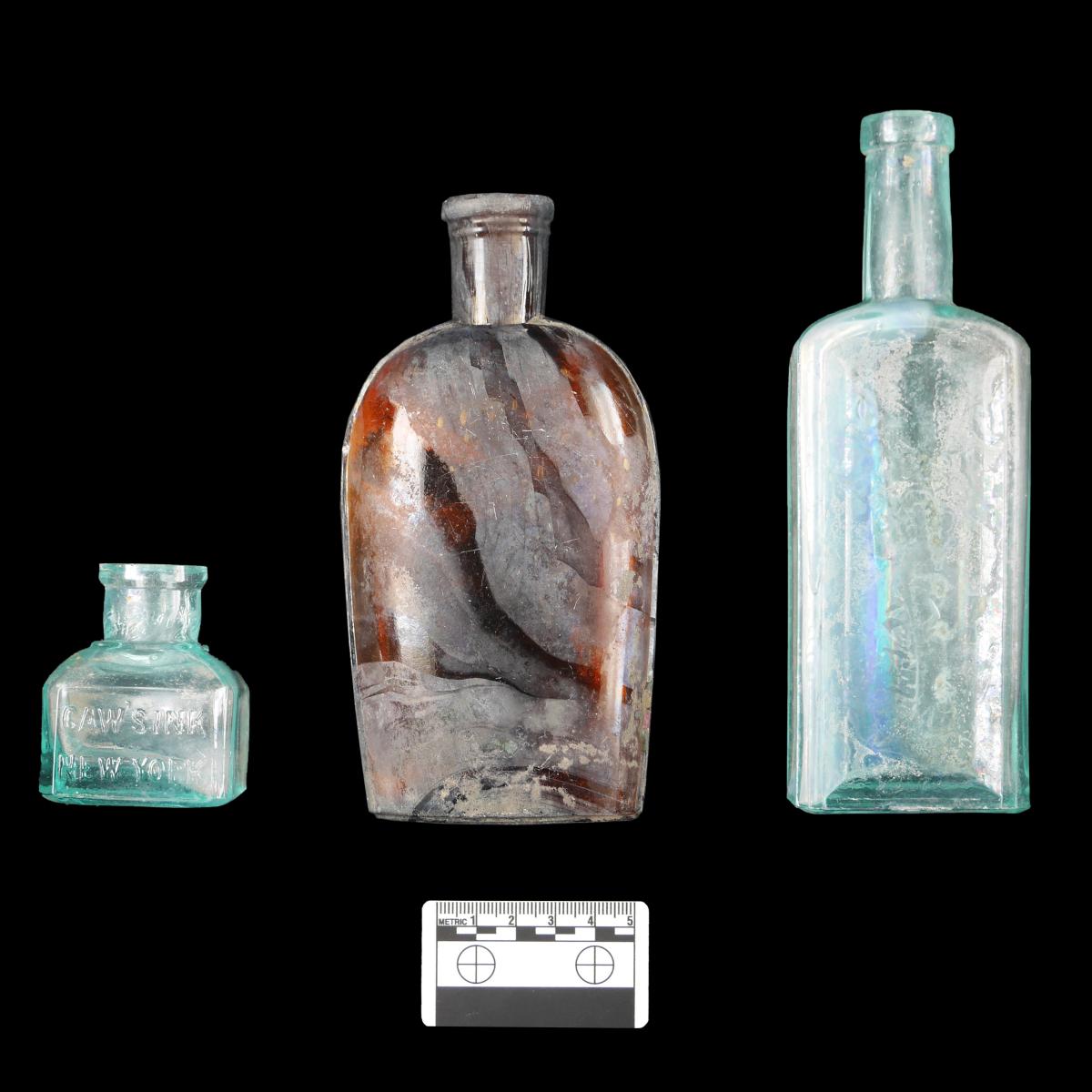
ScienceTuesday: What We Can Learn from Ball Clay Tobacco Pipes
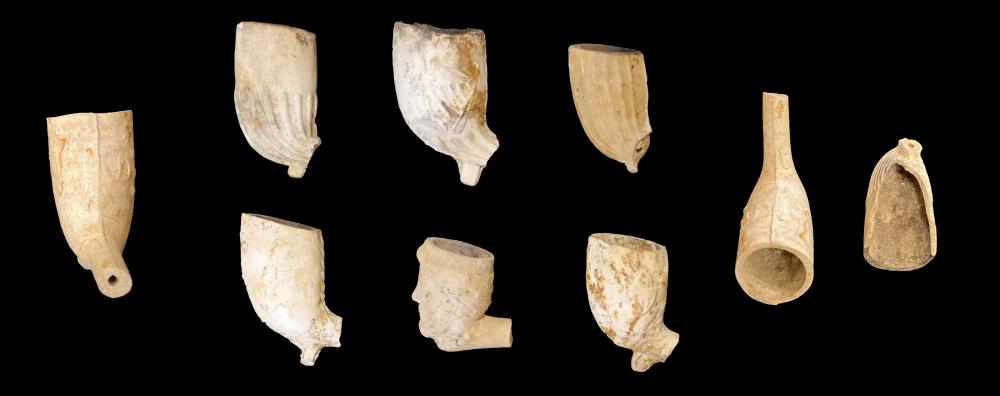
Ball clay tobacco pipe fragments are one of the most common artifacts found on archaeological sites from the 17th through the 19th centuries. There are many reasons for this including the fact that most people smoked, tobacco pipes were relatively cheap and broke easily, and they survive well in the archaeological record. Tobacco pipes were also a mobile form of material culture. Unlike ceramics, for example, pipes could be easily transported from one setting to the next. Thus, they could be broken and discarded in any number of indoor, outdoor, public, and private venues. This mobility between social settings makes pipe assemblages one of the most promising data sets for studying the dynamic nature of a human agency.
Archaeological literature on seventeenth- and eighteenth- century tobacco pipes is plentiful while research on nineteenth century assemblages has lagged. A study of mid-nineteenth century pipe assemblages is being undertaken by archaeologists at the New York State Museum to determine the level of diversity within the assemblages and what that might tell us about the lives of the household occupants.
Ten primarily working-class household assemblages dating from 1825 to 1870 are being analyzed for bowl capacity, level of diversity, usage, decoration, bowl dimension, and other distinguishing criteria. One observation was the level of staining from soot as an indication of which pipes were most heavily used. One finding is that although nearly 50 specific types were identified in the assemblages, most types contained examples of moderate to heavy staining.
When we grouped those pipes by general decorative theme, however, we discovered something interesting among the top four categories. Between 63 and 65 percent of fluted, undecorated, and floral pipes exhibited moderate to heavy staining while only 38 percent of pipes with patriotic decorative motifs were heavily used. The analyses are ongoing, but this preliminary finding suggests that patriotic pipes may have been used for special occasions rather than everyday use. This is one example of how this study will demonstrate the utility of this material type for answering important questions about past human agency. Other preferences such as bowl capacity and decoration will be compared with household composition and other variables.
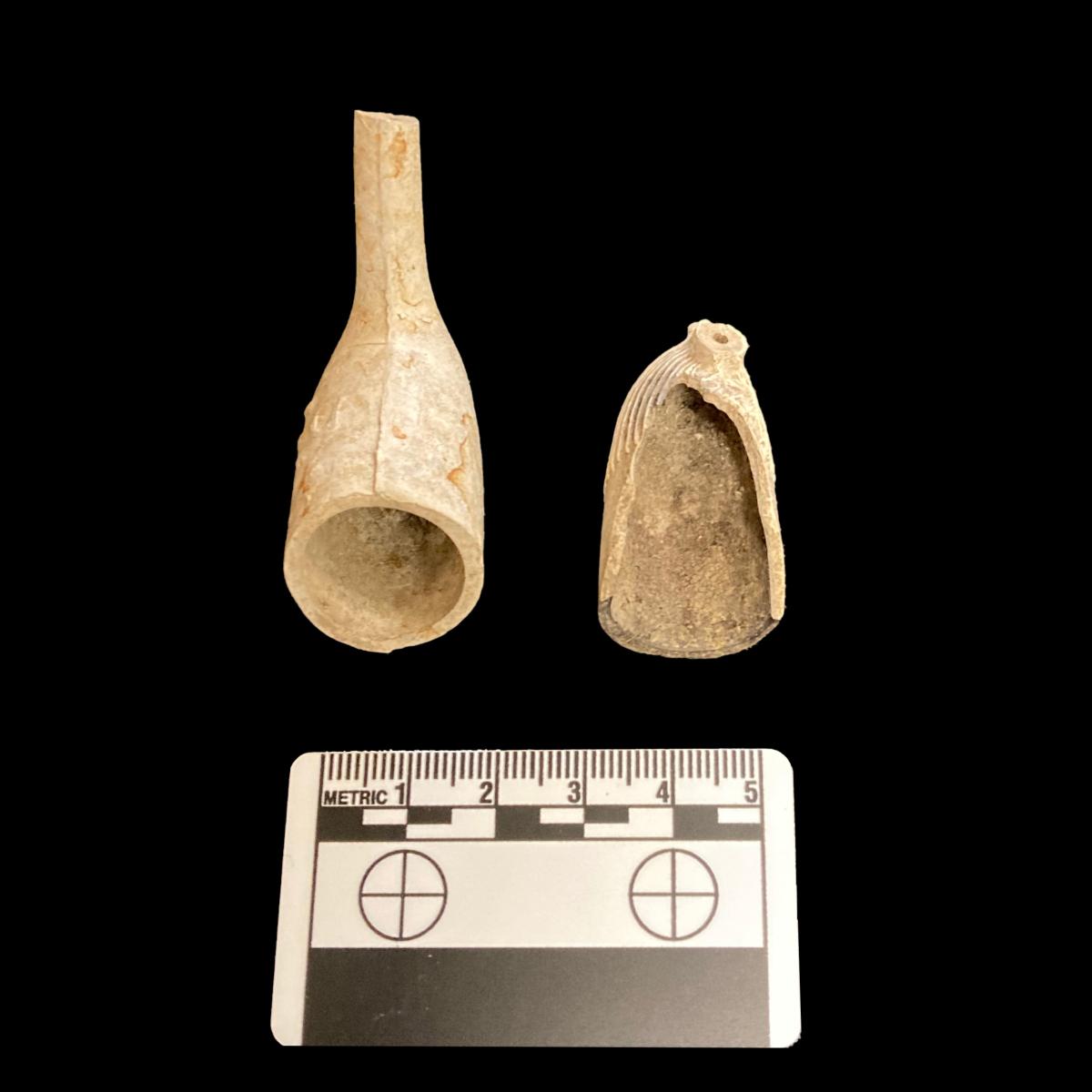
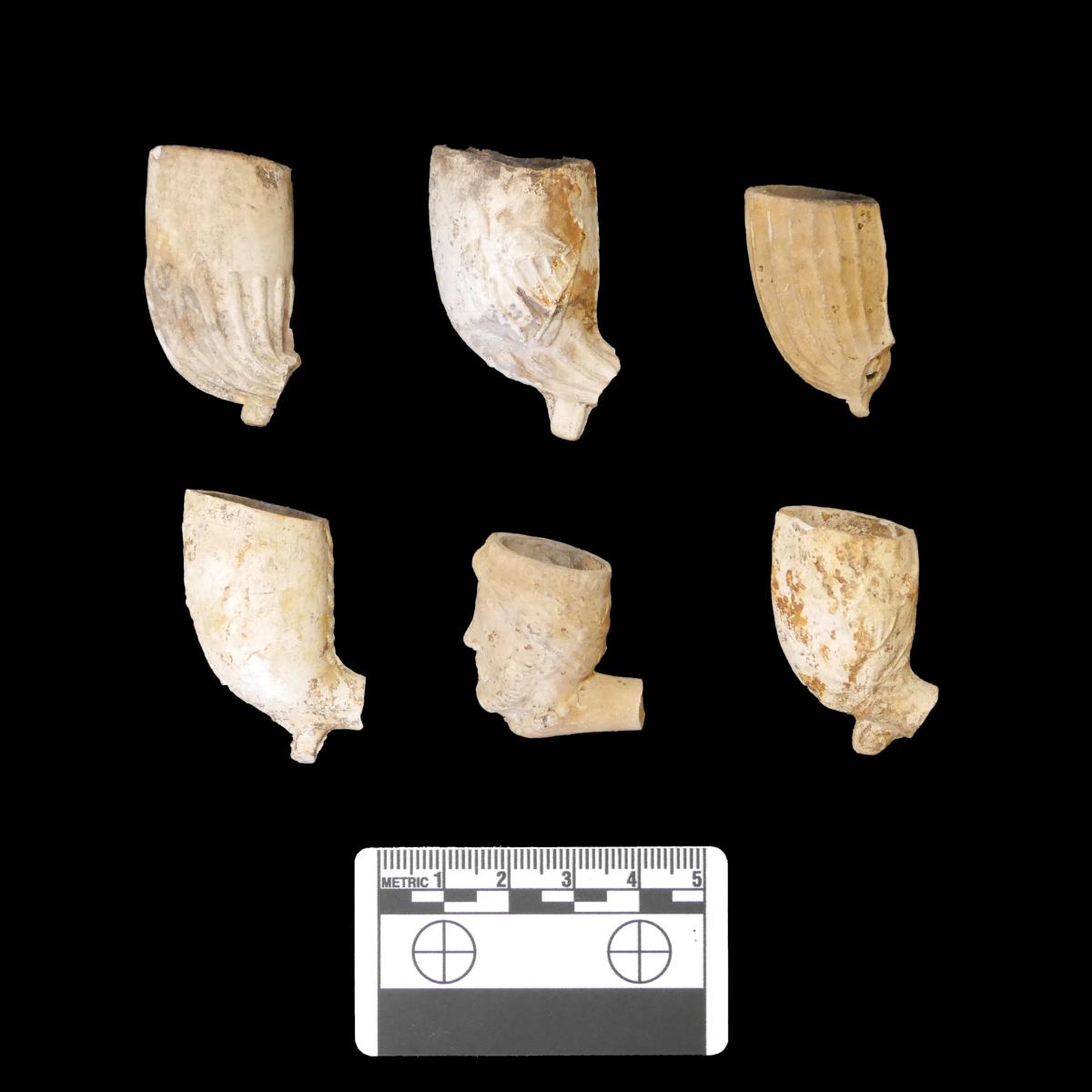
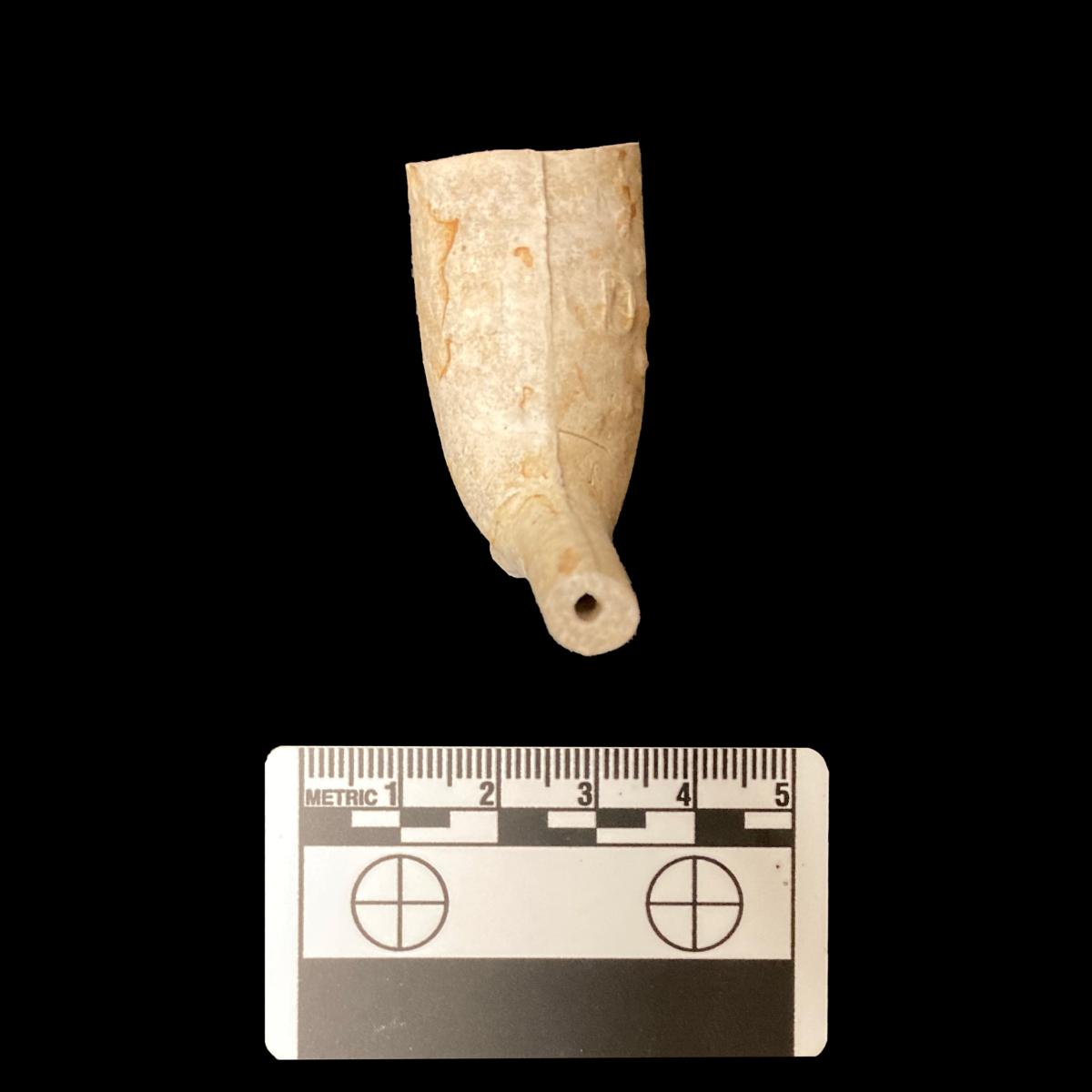
New Acquisition: Revolutionary War Military and Domestic Artifacts from Long Island
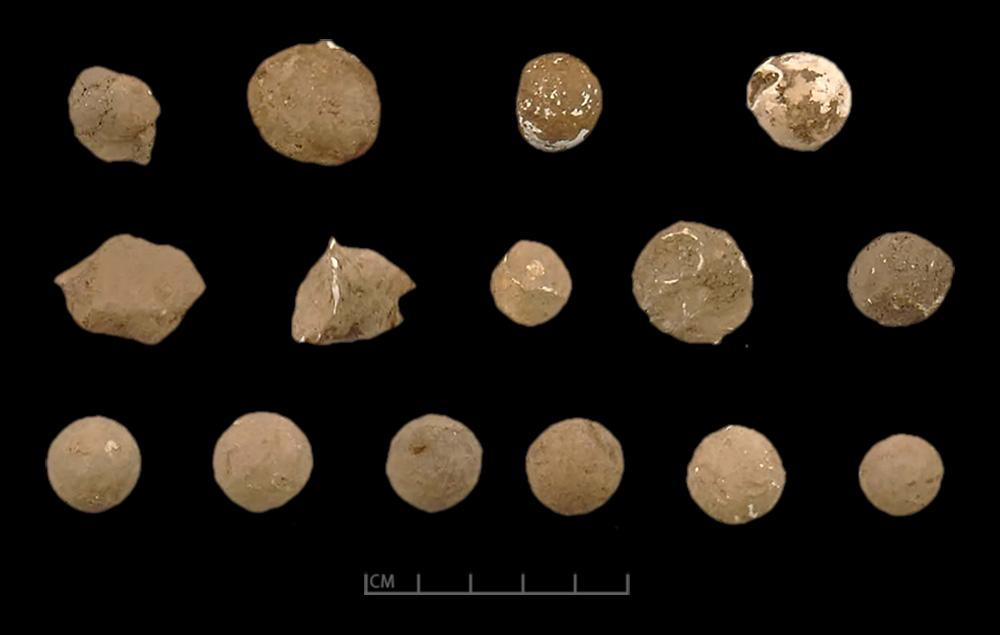
In August 2021, the New York State Museum acquired 200 artifacts from the LAMAR Institute in Savannah, Georgia. These artifacts are the result of the only systematic archaeological study of three Revolutionary War battlefield sites on the north shore of Long Island.
Fort Franklin Battlefield (July 1781), Setauket Battlefield (August 1777), and Fort Slongo Battlefield (October 1781) were surveyed in 2019 as part of an American Battlefield Protection Program Planning grant awarded to the LAMAR Institute. The sites were surveyed to identify battlefield components using current best practice standards in military archaeology including historical research, KOCOA analysis, LIDAR, GPR, metal detector survey and mapping, test excavation, and collector interviews. A variety of military and domestic artifacts were collected during the surveys including musket balls, grape shot, buttons, buckles, horse tack, and other objects. Roughly 200 artifacts were retained from the survey and the volume of the collection is 2 cubic feet including correspondence, documentation, and field notes.
The most definitive evidence of military action was recovered from the Slongo and Franklin surveys. Primarily domestic material was recovered from Setauket and may be related to the fort rather than the battle. The area where these battles took place is now mostly residential suburbia. This is the first systematic archaeological battlefield survey of these sites and contributes important information about the role of Long Island in the war. These artifacts complement our existing military collections and provide scarce comparative material from these ephemeral sites.
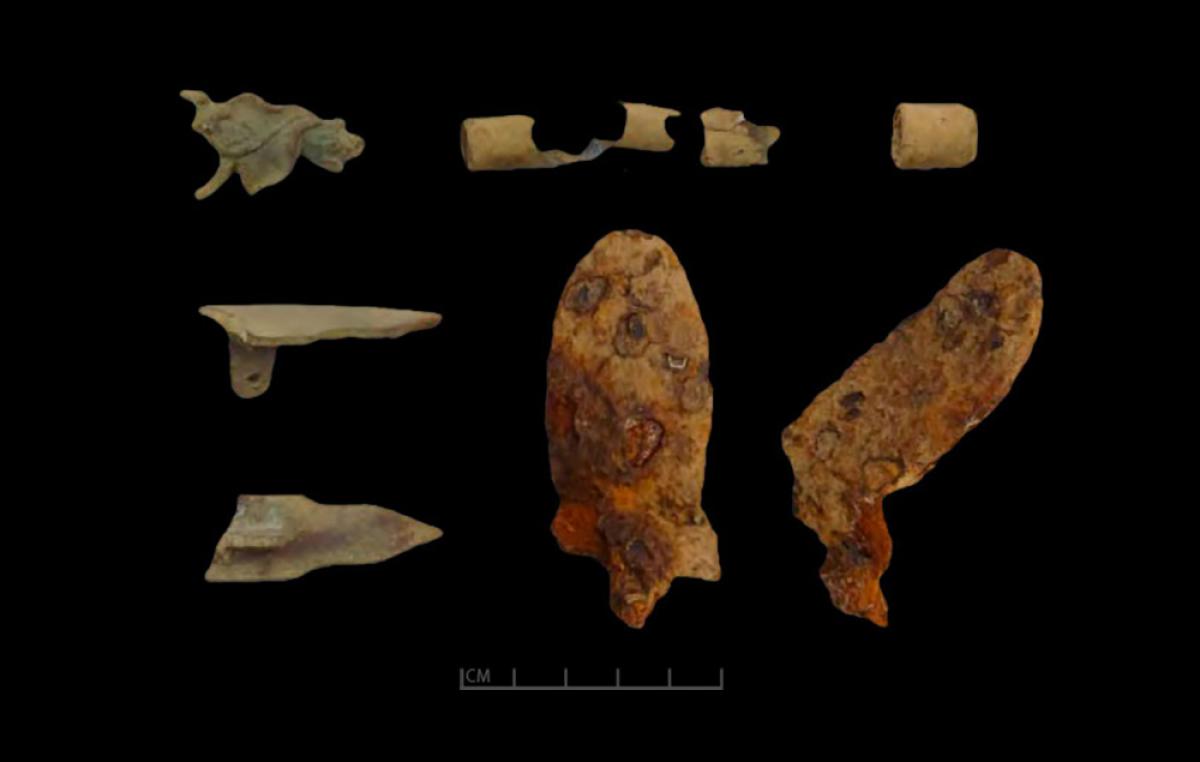
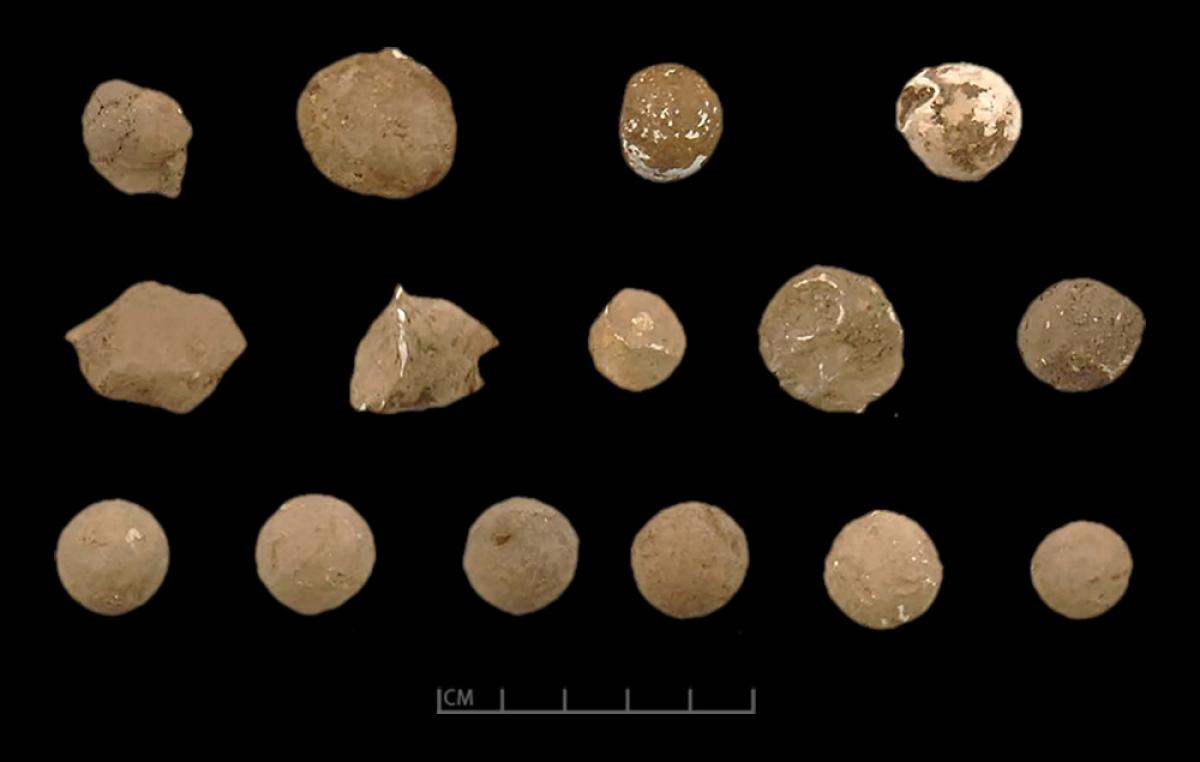
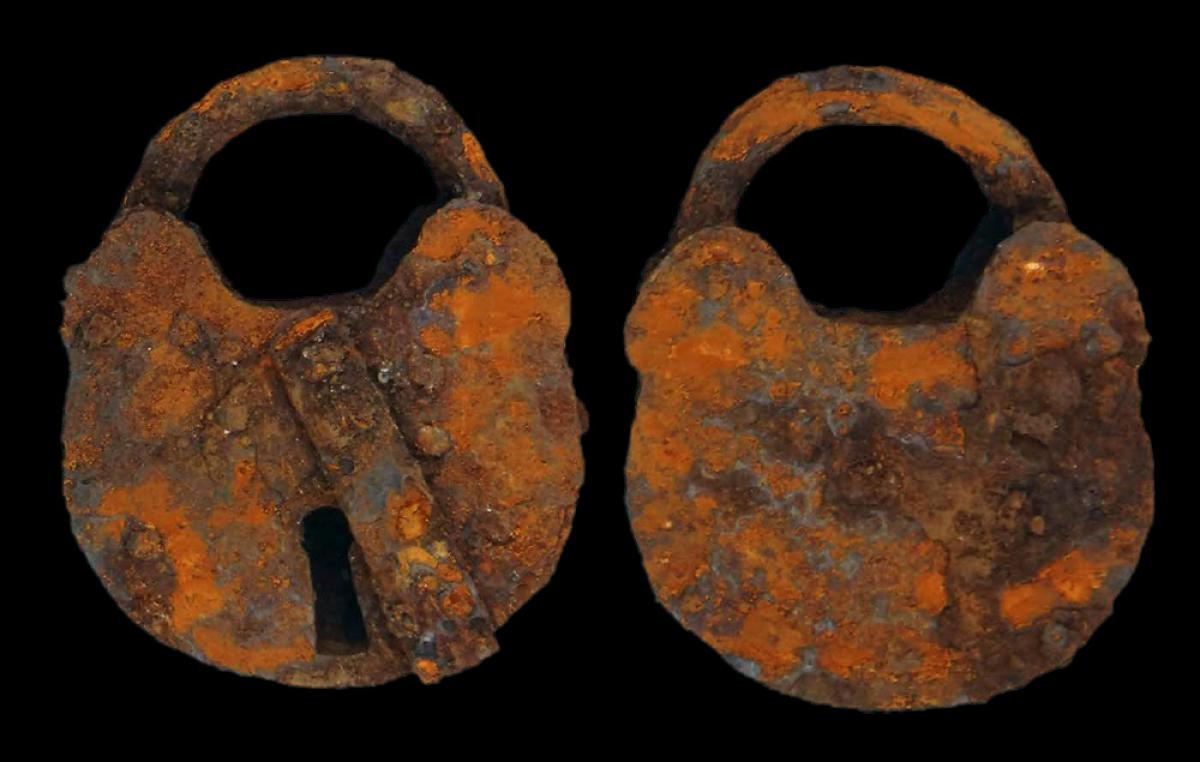
New Acquisition: Stoneware Water Cooler

This impressive stoneware water cooler is incised and impressed with decorations that depict the celebration of the Great National Jubilee of the Order of the Sons of Temperance, an organization founded in New York City in 1842.
Temperance iconography is portrayed throughout the design. It also illustrates the national headquarters of the organization, at 315 Broadway in New York City. While this cooler was made for an event in New York City, it bears a stamp on the upper body for the “SALINA DIVISION. NO. 86/SONS OF TEMPERANCE” in Syracuse, allowing the chapter to be represented in the celebration.
William H. Farrar (active, 1840–1872) was one of the most influential potters of the 19th century, and products from his Geddes shop were nationally admired.
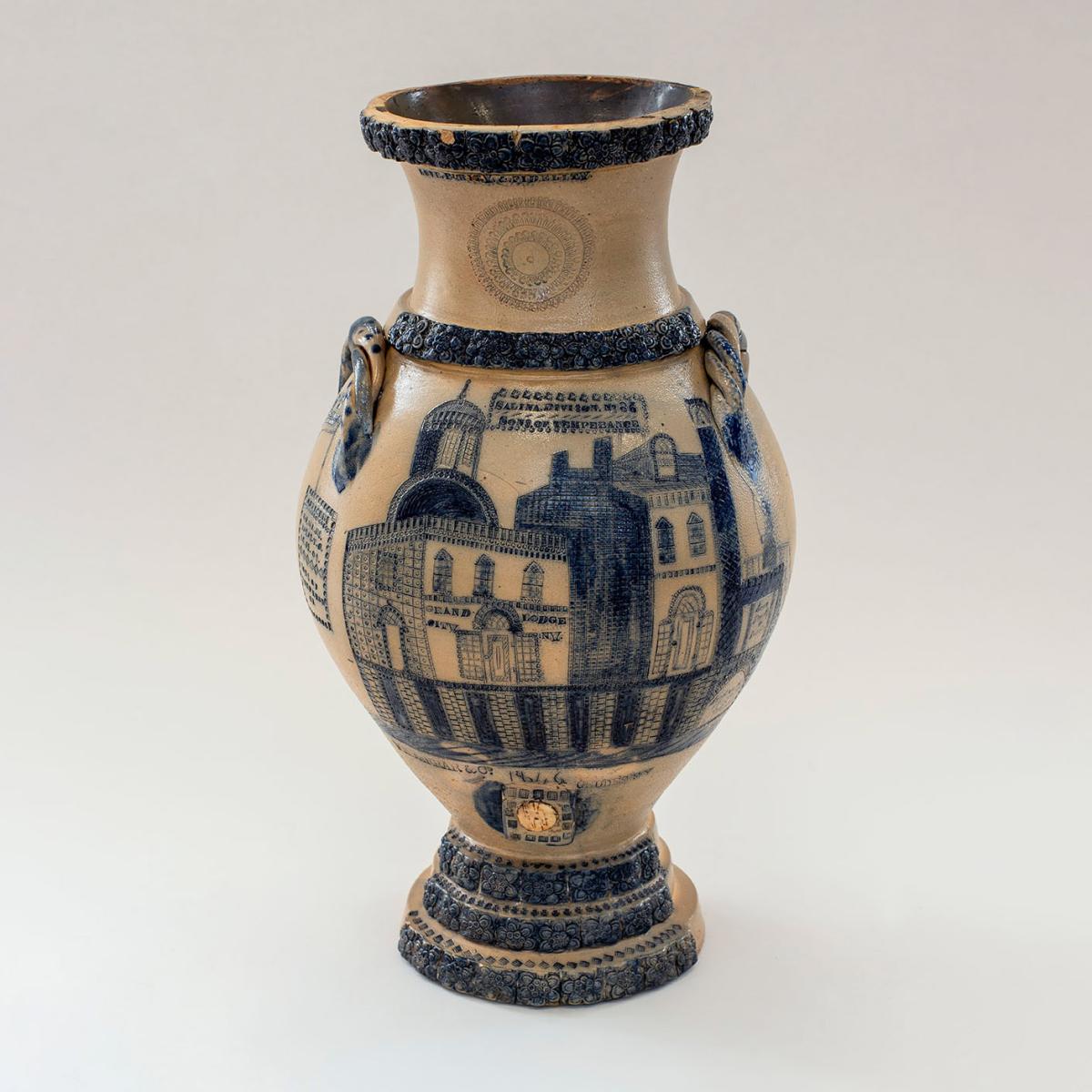
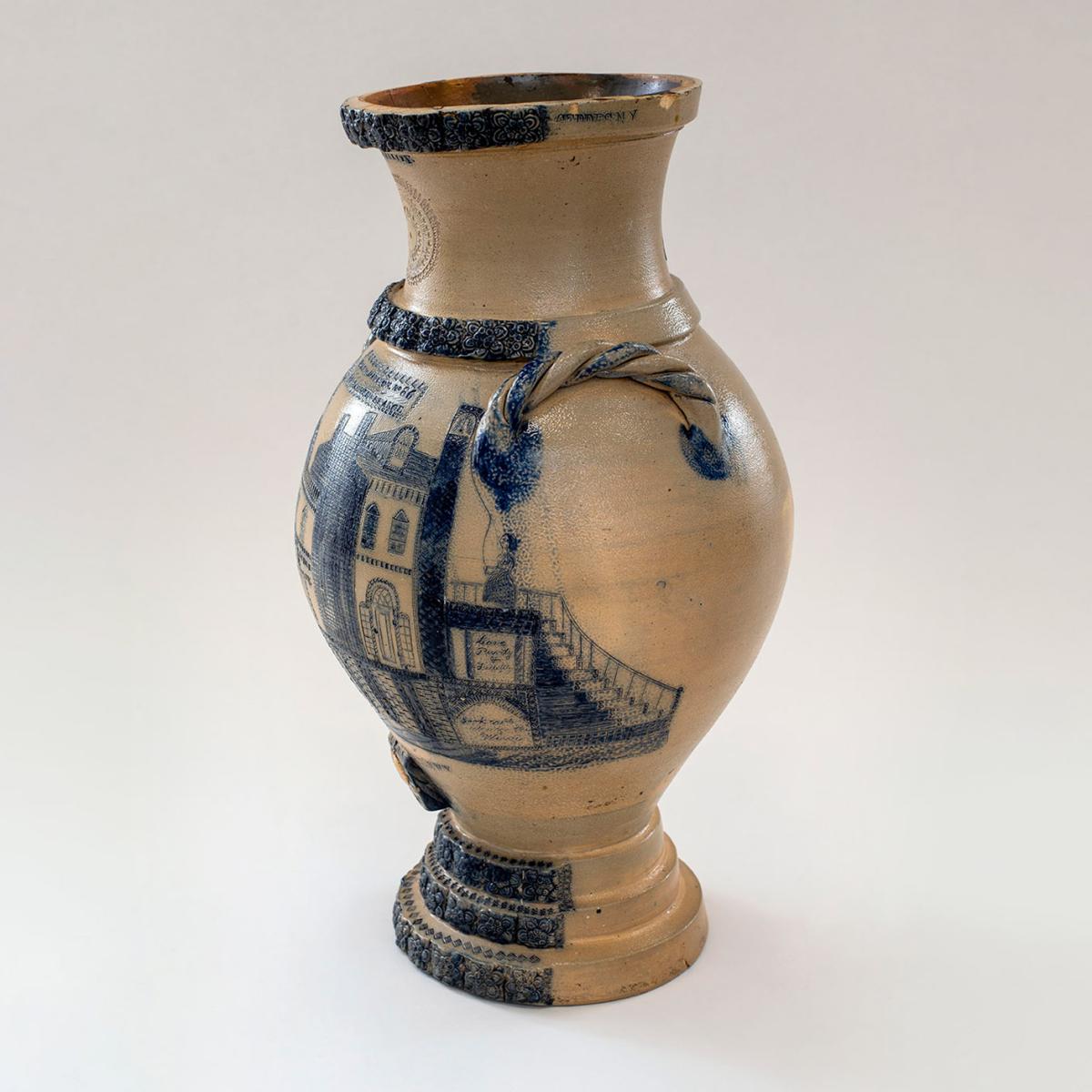
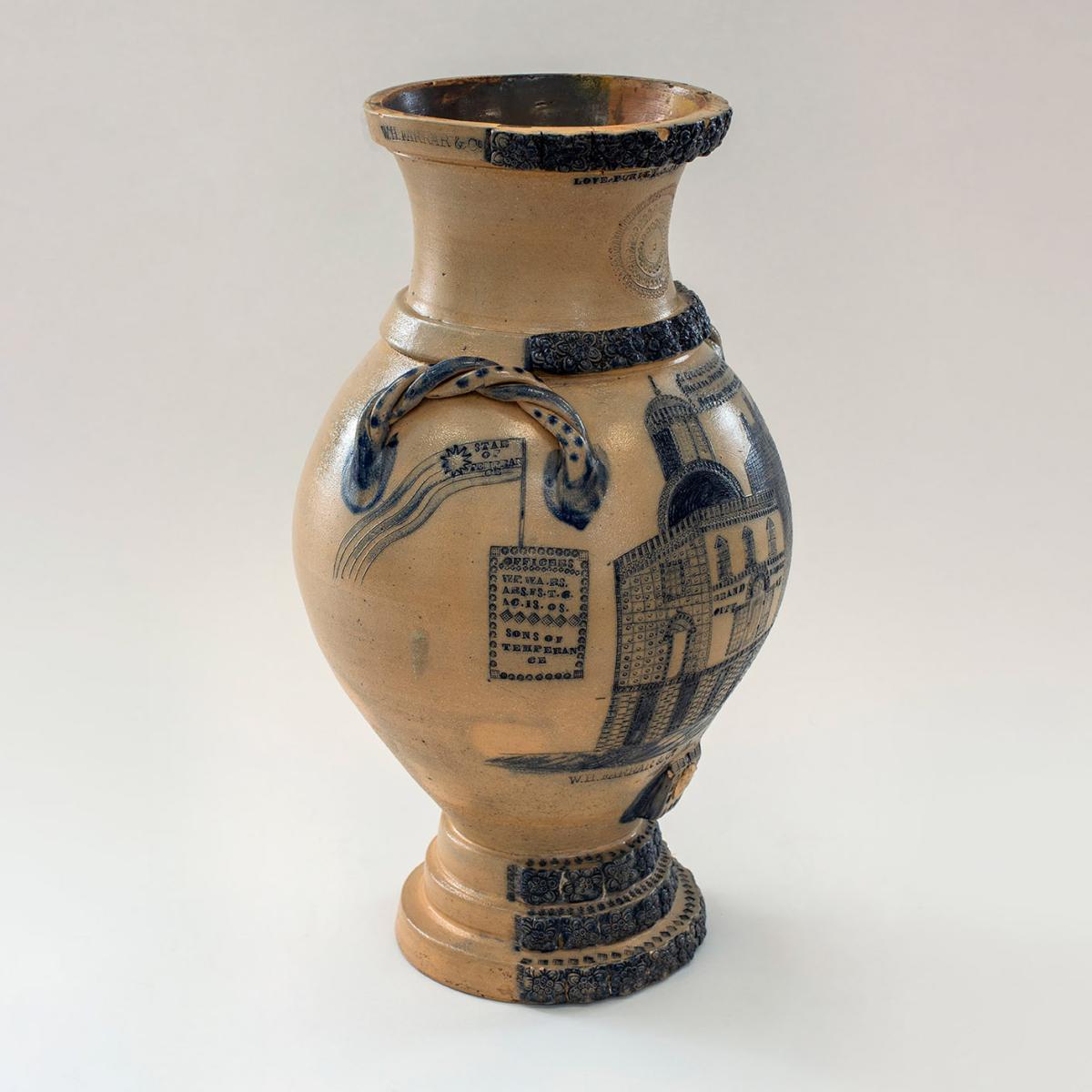
7-gallon water cooler, 1846
Stamped: W. H. Farrar & Co./Geddes, N.Y.
26 in. x 15 in.
Weitsman Stoneware Collection, New York State Museum
Digitizing the Collections
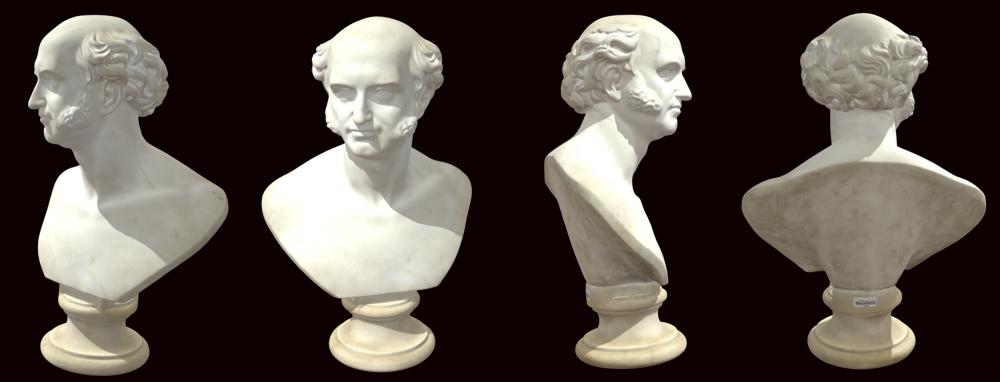
Dr. Bernard Means, professor at Virginia Commonwealth University and director of the Virtual Curation Lab, has returned to the NYSM to help digitize our collections. From fossils and skeletons to artwork, historic furniture, and even rare books, the 3-D scans will provide a digital archive that can be virtually accessed (and even printed) anywhere in the world!
Featured here is a recent 3-D scan of a 19th century marble bust representing the eighth president of the United States, Martin Van Buren. Sculpted from life by German artist Ferdinand Pettrich, the marble bust had been on long-term display at Ichabod Crane High School in Kinderhook, Columbia County, where Van Buren was born and lived much of his life. Returned to the NYSM in 2021, the original bust remains safe and secure in our collections while the 3-D scan can be manipulated from all angles online and publicly downloaded for years to come.
View and interact with the 3-D scan of Martin Van Buren’s bust here: https://skfb.ly/ouGUB
The 3-D digitization of the NYSM collections is supported in part with federal American Rescue Plan Act (ARPA) funds allocated to the New York State Library by the Institute of Museum and Library Services (IMLS).
You can see all of NYSM’s current 3-D models here: https://sketchfab.com/virtualcurationlab/collections/new-york-state-mus…
Want to learn more about the Virtual Curation Lab? Check them out here: https://sketchfab.com/virtualcurationlab
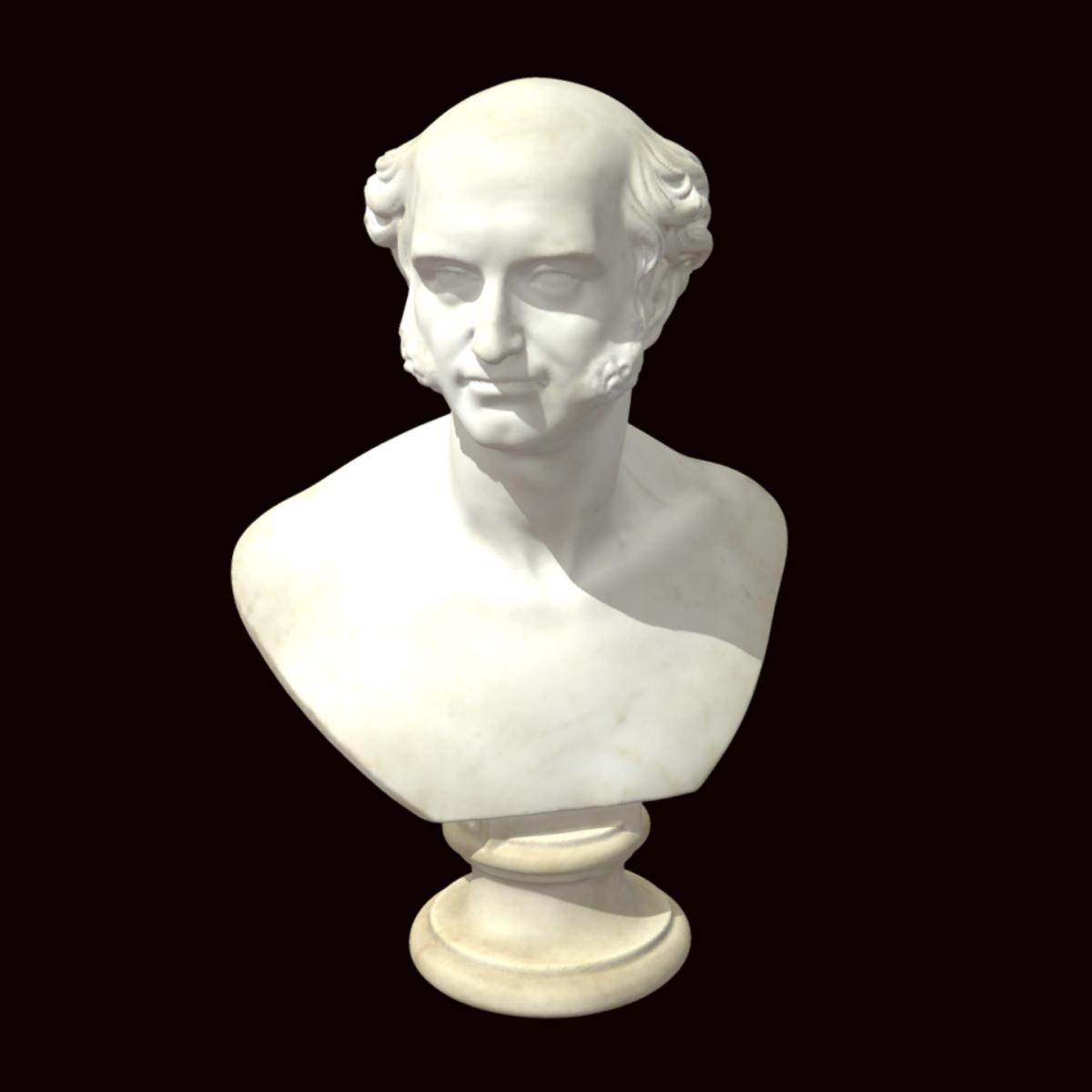
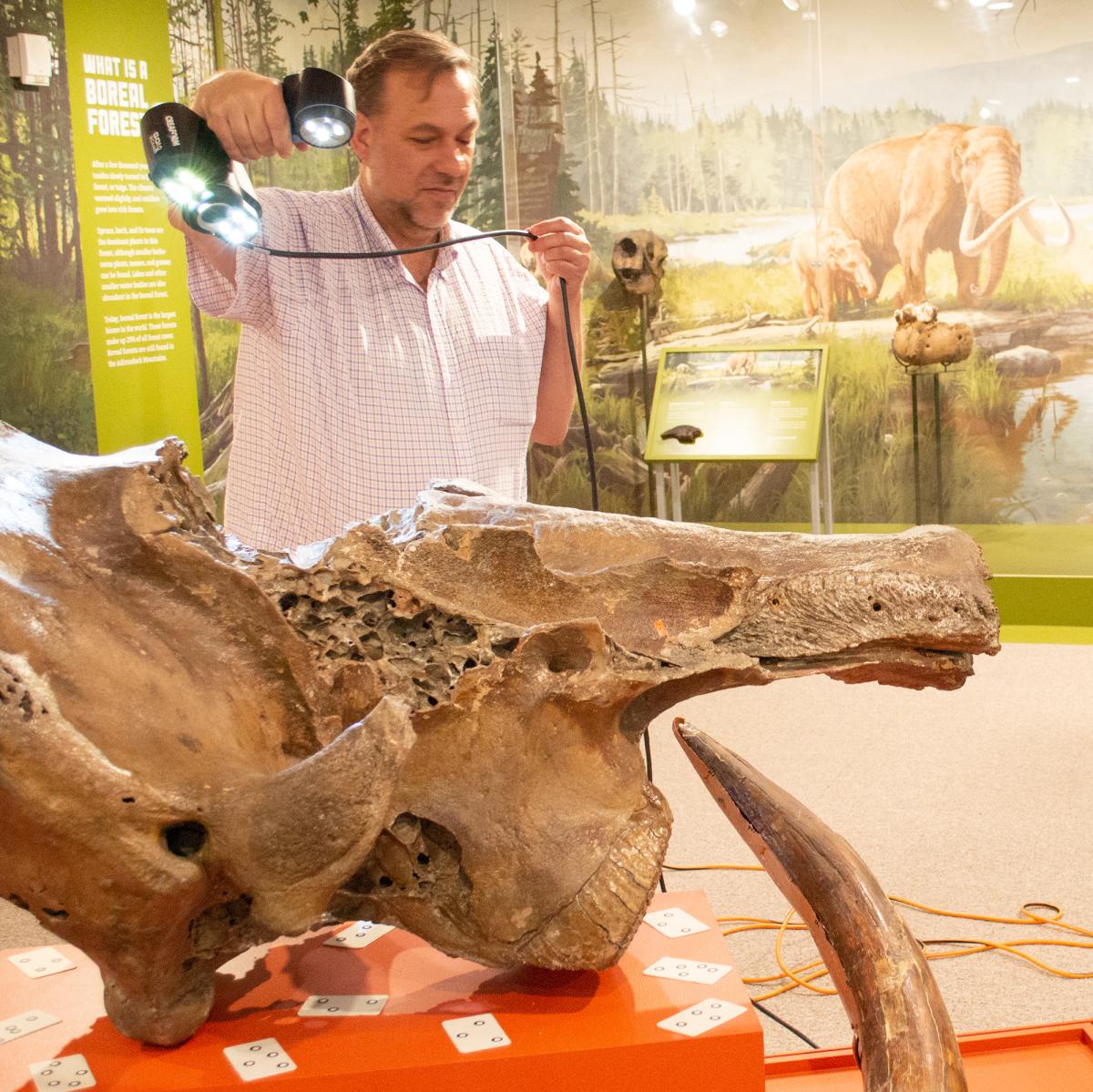
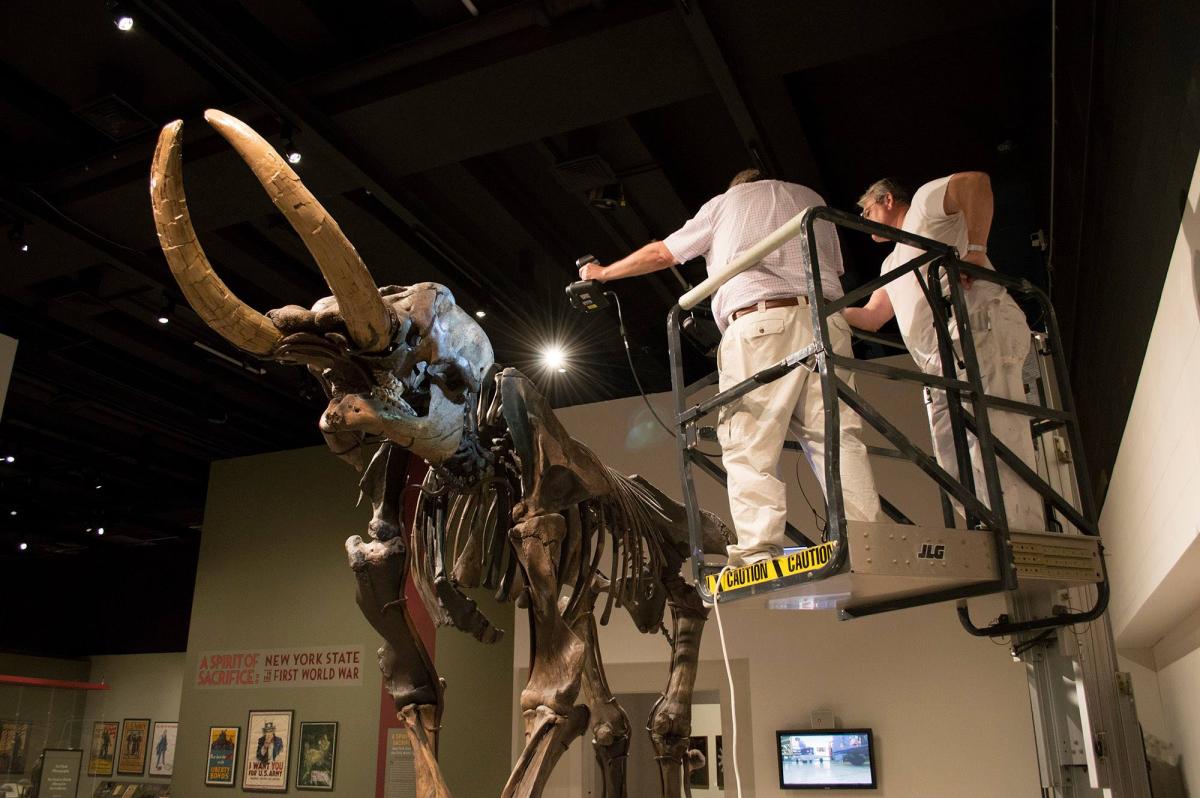
New Acquisition: Play Furniture
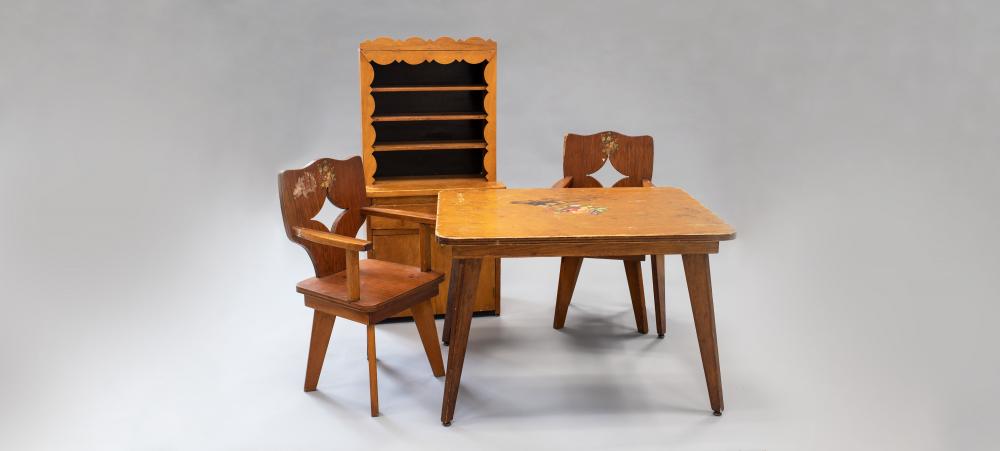
This set of child-sized furniture was a birthday gift to the donor, Mary Alice Cole, from her parents, in the 1960s. She recalled many families in Watervliet, NY, having play houses in the back yard, where “playing house” was a popular activity for girls.
Through much of the 20th century, play, and the toys that went with it, was very gendered. Boys and girls were encouraged to participate in play that mimicked what they would be expected to do as adults—cooking, cleaning, and playing house for girls; construction, vehicles, and soldiers for boys.
This set of play furniture (with the addition of a chair from her husband’s family) was also used by Cole’s children, grandchildren, nieces, and nephews—boys and girls—in a play house built by her husband.
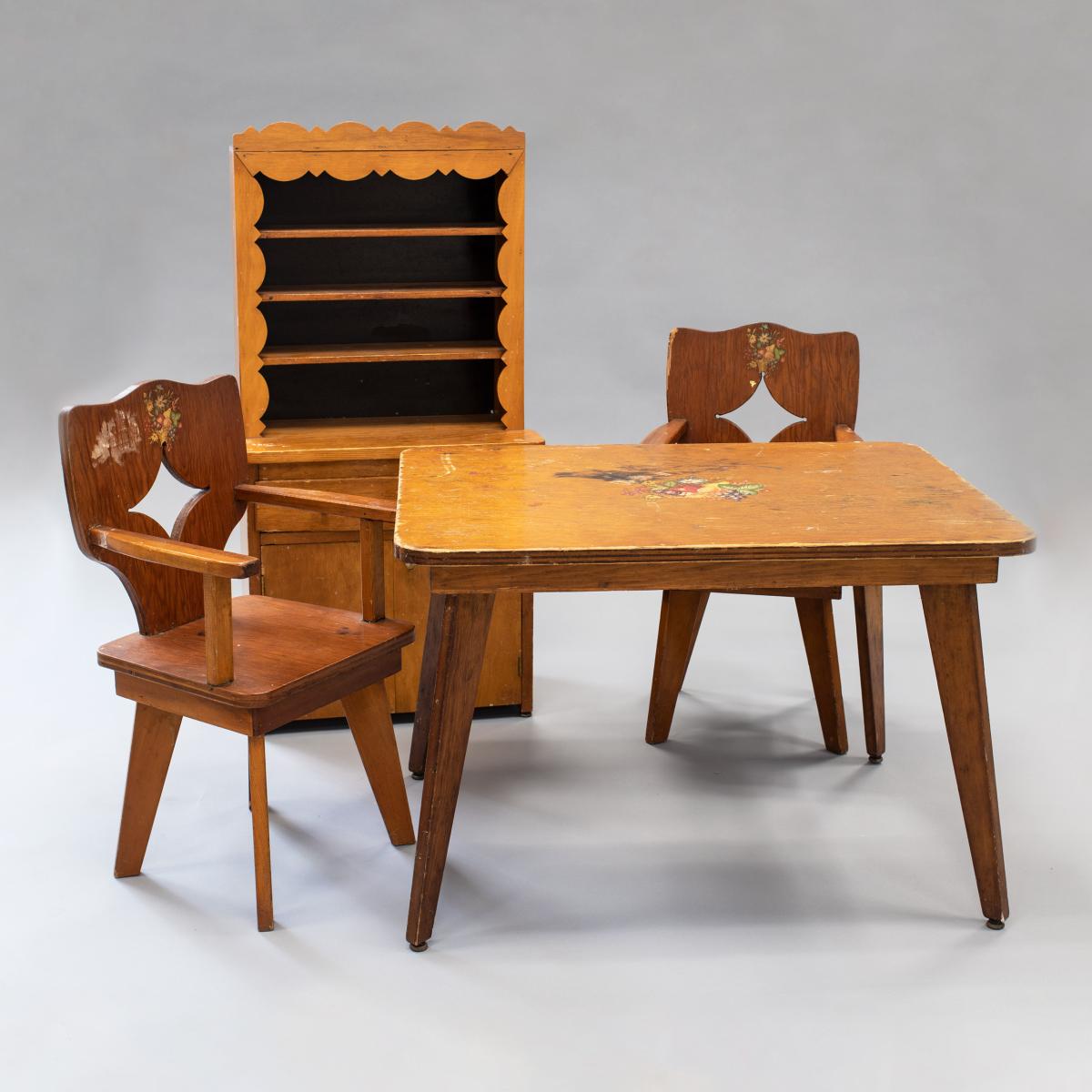
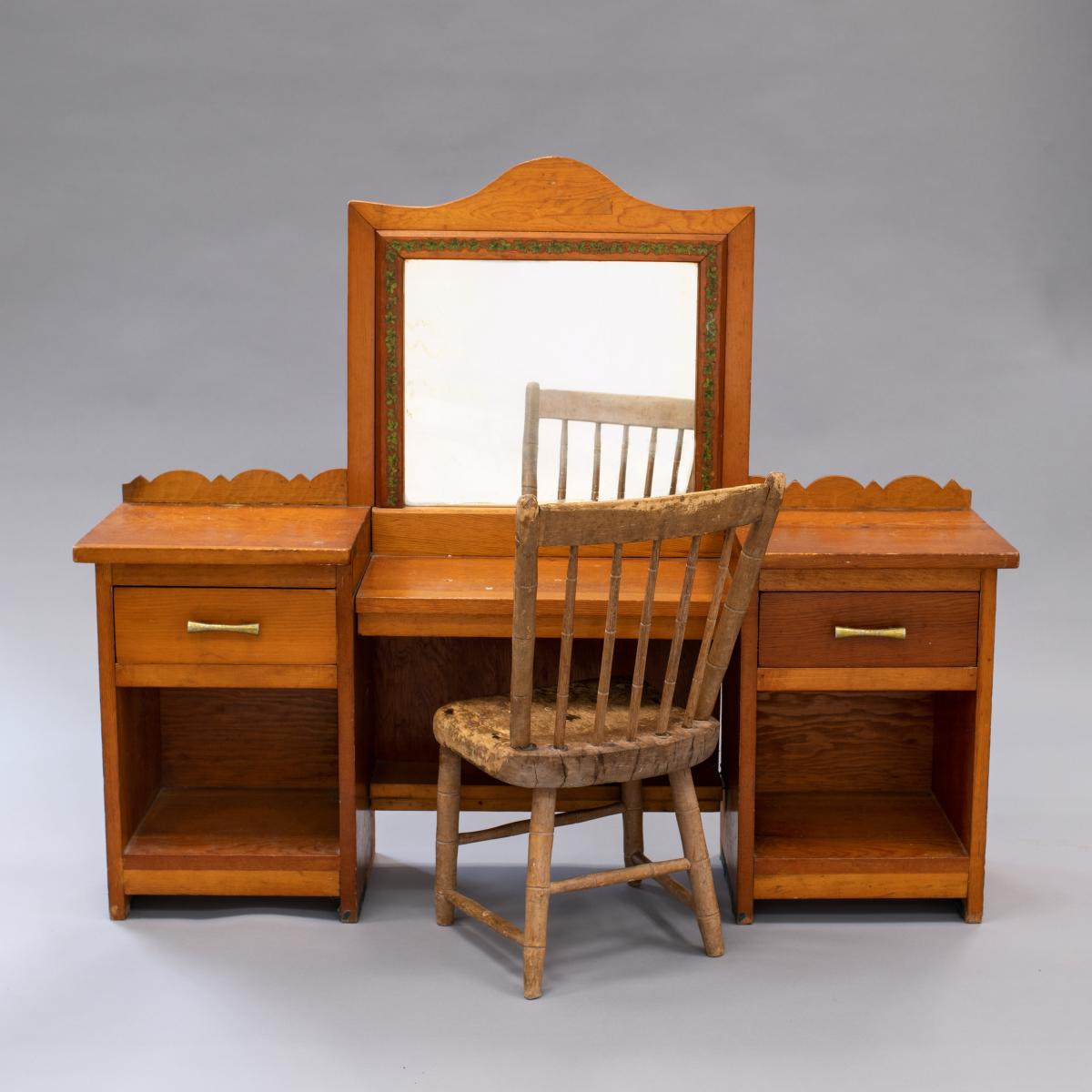
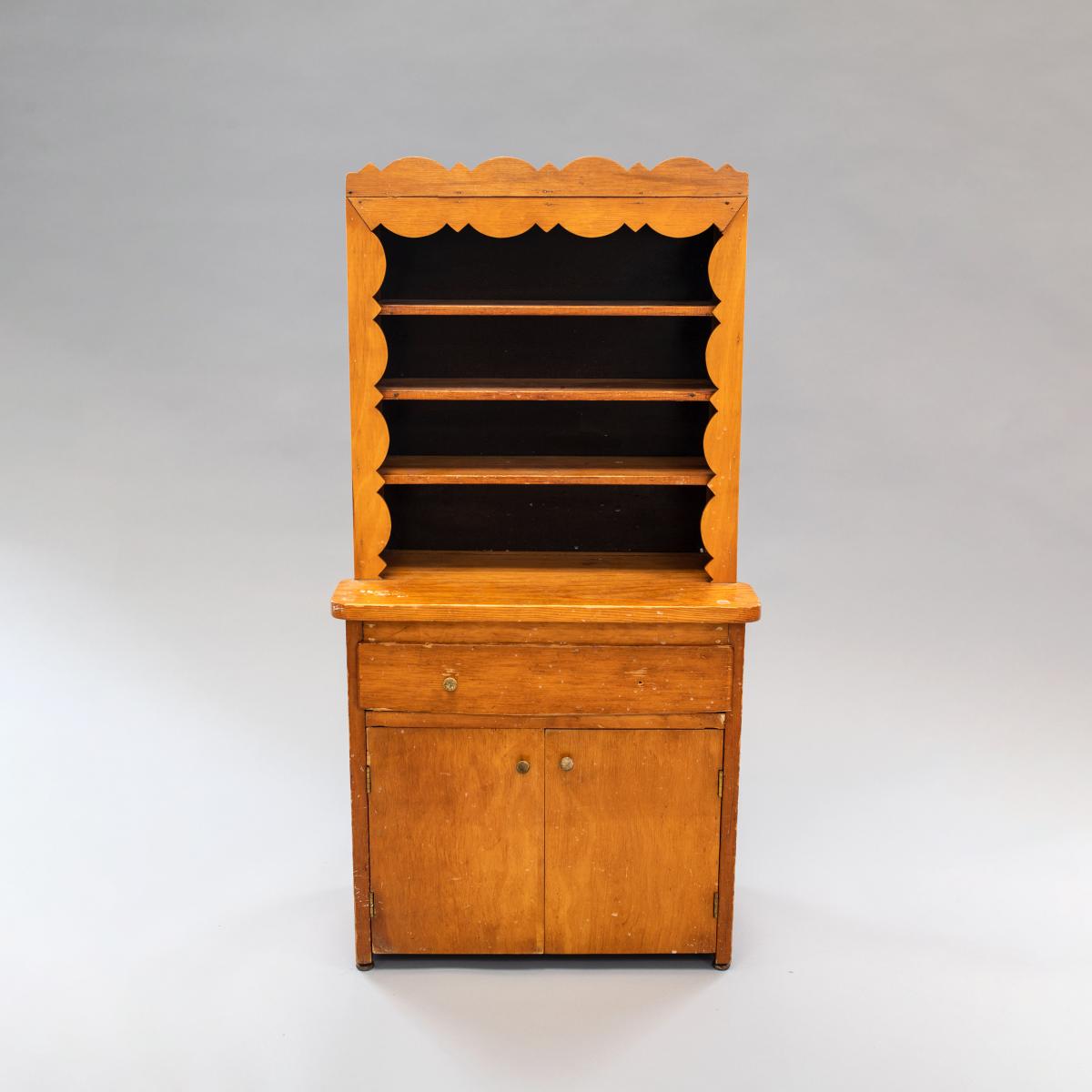
Play furniture, ca. 1960, collection of the New York State Museum.
Science Tuesday: Uncovering Commeraw Stoneware

New York stoneware vessels bearing the name “Commeraw” have been included in collections for years, but more recently they have become recognized for their historical importance. Thomas Commeraw was an African American potter who worked in the Corlear’s Hook area of Manhattan from 1793 until the 1810s. Enslaved at birth, Commeraw went on to become a successful entrepreneur, prominent political figure, and influential member of the African American community in New York during the early 1800s.
Scholarly interest in Commeraw and his pottery has led to the reexamination of his wares from archaeological collections. A recent study has identified numerous examples of Commeraw pottery in the Historical Archaeology Collection at the NYSM. This study focused on the collection from four households in Lower Manhattan’s east side and found that Commeraw wares were purchased by middle and upper-class single households as well as upscale boardinghouses.
In one case, Richard and Penelope Bowne purchased at least three Commeraw vessels for their home at 146 Pearl Street. Richard Bowne was a druggist who, along with his brother-in-law Oliver Hull, maintained a business on the street level while his family lived on the upper floors of the building. This study shows the reach of Commeraw’s business into the expanding middle and upper classes of early New York.