

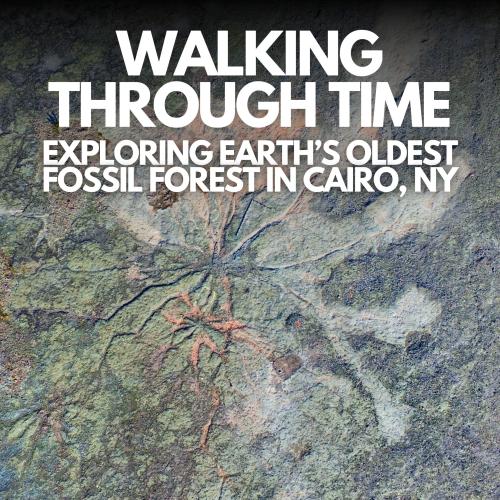
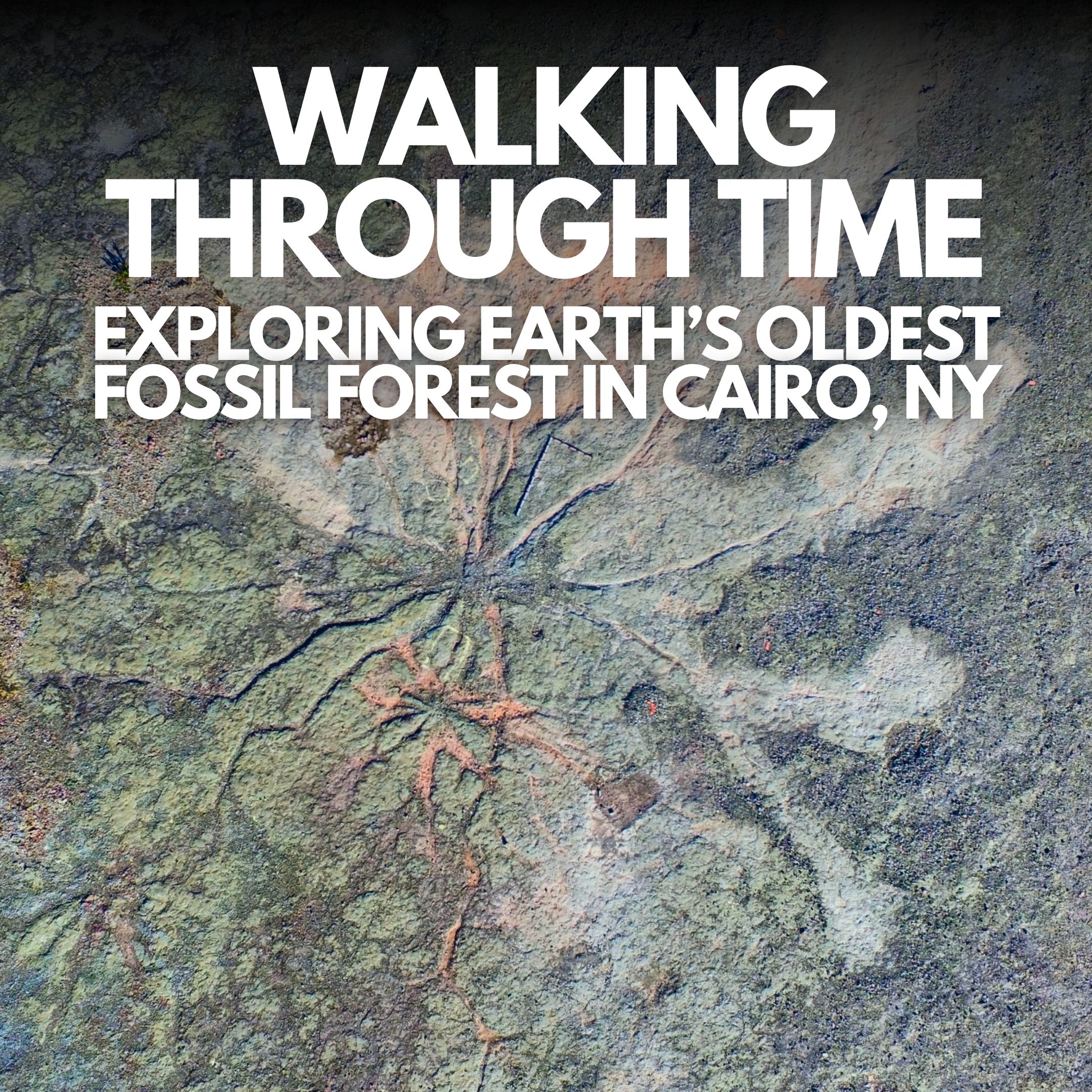
Join Dr. Chuck Ver Straeten, Curator of Sedimentary Rocks at the New York State Museum, for a rare, off-site guided exploration of the Cairo Fossil Forest—site of the world’s oldest known forest, right here in New York State! This one-of-a-kind fieldwalk takes you across the quarry floor where scientists discovered fossilized root systems from three types of ancient trees dating back 385 million years and predating the dinosaurs by over 155 million years.
Dr. Ver Straeten will lead participants through the fossil-rich terrain, sharing the groundbreaking scientific discoveries made by a team of international researchers and NYSM scientists. As you walk among the remnants of ancient trees, you'll visualize how this Devonian forest once looked and functioned—an immersive experience that brings deep time into the present.
This program takes place off-site in Cairo, NY, and involves moderate walking on uneven ground. Participants must be at least 8 years old. Closed-toe shoes are strongly recommended. Attendance is limited and pre-registration is required
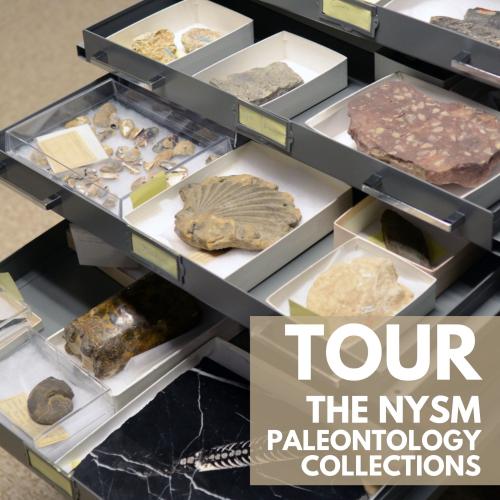
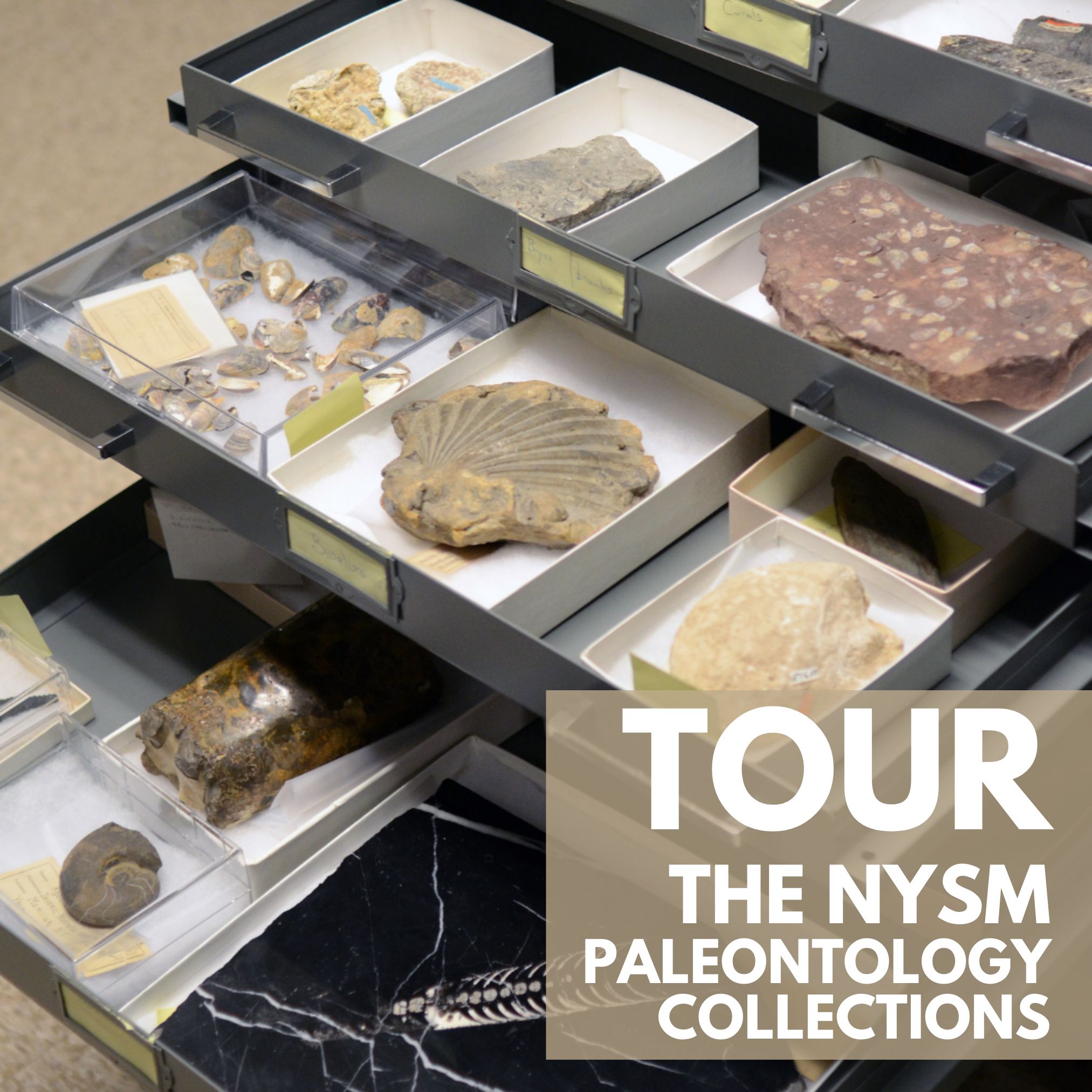
Step behind the scenes of the New York State Museum for an exclusive tour of the Paleontology Collection with Dr. Lisa Amati, State Paleontologist and Curator of Paleontology. Discover the fascinating world of ancient sea creatures like trilobites and crinoids and experience specimens of the unique fossil plants from the world's oldest fossil forests!
Explore fossilized evidence of life that predates the dinosaurs and learn how these specimens help scientists piece together Earth’s deep past.
Perfect for curious minds ages 6 and up. Tours are limited to 12 participants per session—registration is required!
Registration:
Thank you for your interest, but registration for this program is now full!
New York State Museum Expands Commemoration of America’s 250th Anniversary With Exhibit Exploring the Complex Legacy of George Washington
Exhibit Features Washington’s Dress Sword and Surveying Equipment
Download High-Resolution Photos from the Online Press Kit
The New York State Museum is proud to announce its latest exhibit in recognition of the upcoming 250th anniversary of the signing of the Declaration of Independence. George Washington: An American Paradox examines the multifaceted legacy of the nation’s first president. Long revered as a symbol of American ideals and known as the “Father of Our Nation,” the exhibit also confronts Washington’s complicated views on topics such as slavery and Indigenous Peoples, providing appropriate context for visitors of all ages.
On view in the Museum’s West Gallery, the exhibit features several of the most significant items from the collections of the New York State Museum and New York State Library, including:
- Washington’s Dress Sword – According to tradition, this sword was gifted to Washington in 1780 by Frederick the Great of Prussia, accompanied by the message: “From the oldest general of the world to the greatest.” Passed down through the Washington family, the sword was seized during John Brown’s 1859 raid on Harpers Ferry and later recovered. It was acquired by the New York State Legislature in 1871 and restored after damage sustained in the 1911 State Capitol fire. The sword appears in John Vanderlyn’s 1834 full-length portrait of Washington, which still hangs in the U.S. Capitol.
- Lafayette’s Pistol – Used by the Marquis de Lafayette during the Revolutionary War and gifted to Washington after the conflict, this pistol—like the sword—was taken during the Harpers Ferry raid and later returned.
- Washington’s Surveying Equipment – A box containing a compass, measuring chain, and six marking pins offers insight into Washington’s first profession. Appointed by Lord Fairfax at 16, Washington’s early surveying work introduced him to frontier life and to the Native Peoples with whom he would have complex and often contradictory relationships throughout his career.
- Oneida Shawl (on view later this summer) – According to Oneida oral tradition, this shawl was presented to Polly Cooper by Martha Washington in gratitude for her aid to the Continental Army.
- Federal Hall Chair – One of a pair of Hepplewhite mahogany side chairs believed to have been used during Washington’s 1789 inauguration in New York City. The event was attended by members of Congress, New York State officials, and foreign dignitaries. The oath of office was administered by Robert Livingston, Chancellor of New York.

Dr. Jennifer Lemak, Chief Curator of History at the New York State Museum said,
“As Commander-in-Chief of the Continental Army and the first President of the United States, George Washington is often celebrated for his lasting impact on the formation of our country, including his role in establishing the federal government and supporting the U.S. Constitution. But in creating this exhibit, we aimed to present a more balanced account of his legacy—one that includes his role in the displacement of Native populations and the enslavement of over 500 people. We hope visitors will leave with a deeper, more informed understanding of Washington as a leader and as a person.”
Principal Librarian Liza Duncan said, “The New York State Library is honored to share these extraordinary artifacts—Washington’s sword, Lafayette’s pistol, and his early surveying tools—with New Yorkers and visitors from across the country. Presenting these items offers a powerful opportunity to reflect on the legacy of our nation’s founding and bring history to life in a tangible, personal way.”
For details about the New York State Library’s George Washington collection, visit the collection page.
About the Office of Cultural Education
Established in 1836, the New York State Museum is the oldest and largest public museum in the United States. Home to leading scientists, historians, archeologists, and anthropologists, its collections represent the State’s rich cultural and natural heritage from the past and present, including a staggering 20+ million artifacts spanning 1.1 billion years ago to today. Located at 222 Madison Avenue in Albany, the Museum is open Tuesday through Sunday from 9:30 a.m. to 5 p.m. It is closed on the Fourth of July, Thanksgiving, Christmas, and New Year's Day. Admission is free. For additional information, visit the New York State Museum website and subscribe to our newsletter.
The New York State Library, established in 1818, is the largest state library system in the nation and one of the largest research libraries in North America. It oversees a vast network of more than 7,000 libraries statewide. Collections are made available onsite and through a robust interlibrary loan program. The Library’s mission is advanced through several key divisions, including the Research Library, which houses a collection of over 20 million items, the Talking Book and Braille Library, and the Division of Library Development. The Library preserves and maintains invaluable historical collections and works, and serves as a Regional Depository for federal publications. Additionally, the State Library is the official repository of New York State government publications, ensuring their enduring preservation and accessibility for future generations. For more information, please visit the New York State Library website and subscribe to our monthly newsletter.
Established in 1971, the New York State Archives has amassed one of the most extensive and historically significant state archive collections in the nation. The Archives manages, preserves, and provides open access to over 270 million colonial and New York State records dating back to the 1630s. In addition, the Archives provides records and archival management services to nearly 4,500 counties, cities, towns, villages, school districts, and other local governments across New York State. The Archives offers technical assistance, training, and grants to non-government repositories through the Documentary Heritage Program and Documentary Heritage and Preservation Services for New York (DHPSNY). Researchers can access public records through the Archives’ online Digital Collections or by appointment on the 11th floor of the Cultural Education Center. For more information, please visit www.archives.nysed.gov.
The Archives Partnership Trust, a 501(c)3 organization, works to advance New York State History by making the voices within over 350 years of records accessible, relevant, and heard. Education, preservation, and outreach programs unite scholars, students, and the interested public in the discovery, interpretation, and promotion of our shared history. Programs created and supported by the Trust include: ConsidertheSourceNY.org; Larry J. Hackman Research Residency Program; Student Research Awards; countless preservation projects to help stabilize and rehabilitate fragile records; and outreach programs such as New York Archives Magazine, the Empire State Archives and History Award, and other public education programs. Subscribe to our newsletter to receive timely updates.
The State Museum, State Library, and State Archives are programs of the New York State Education Department’s Office of Cultural Education. Further information about programs and events can be obtained by calling (518) 474-5877 or by visiting the Office of Cultural Education website.
###
(518) 474-1201
Press@nysed.gov
www.nysed.gov
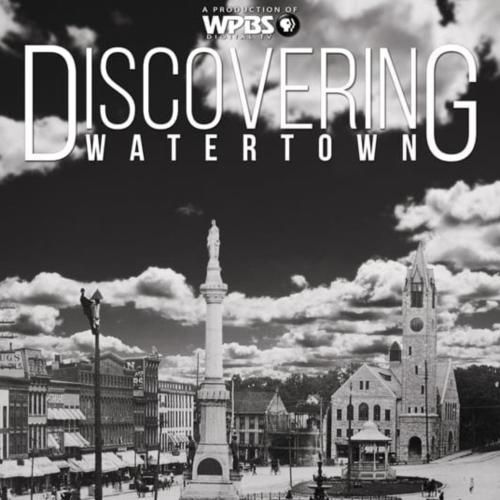
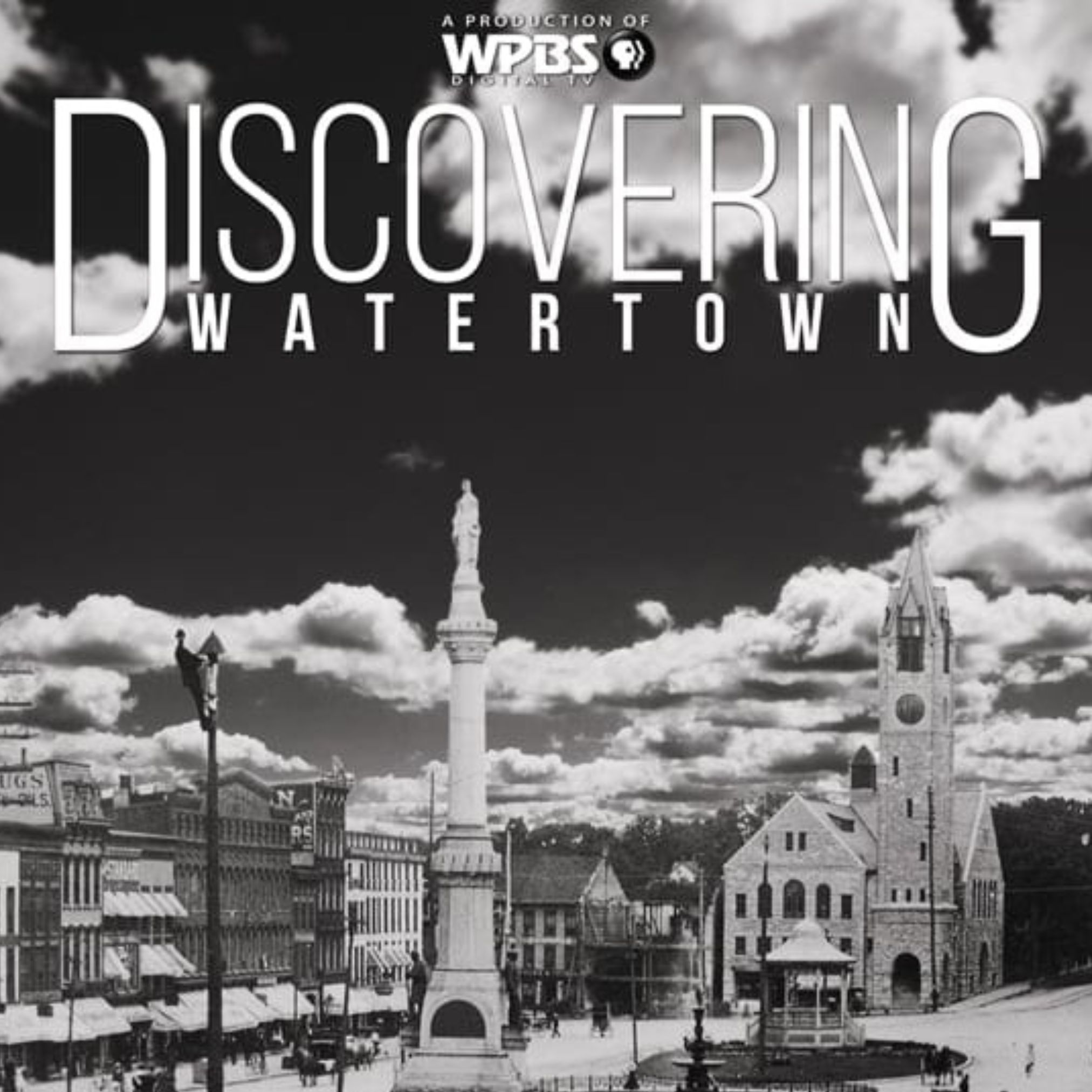
Join us for a special screening of Discovering Watertown, this WPBS documentary shares the fascinating and rich history of Watertown, NY, by covering its settlement and early years, its industrial growth, and the Modern Era.
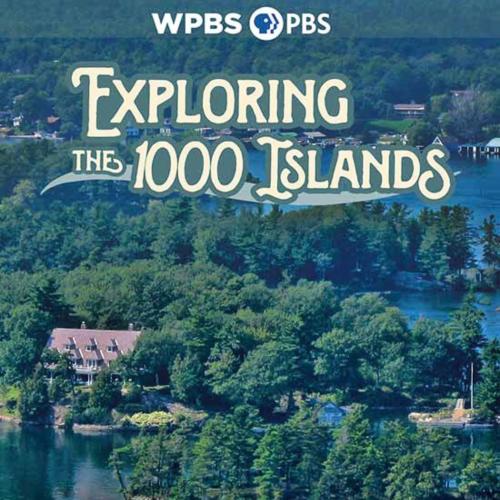
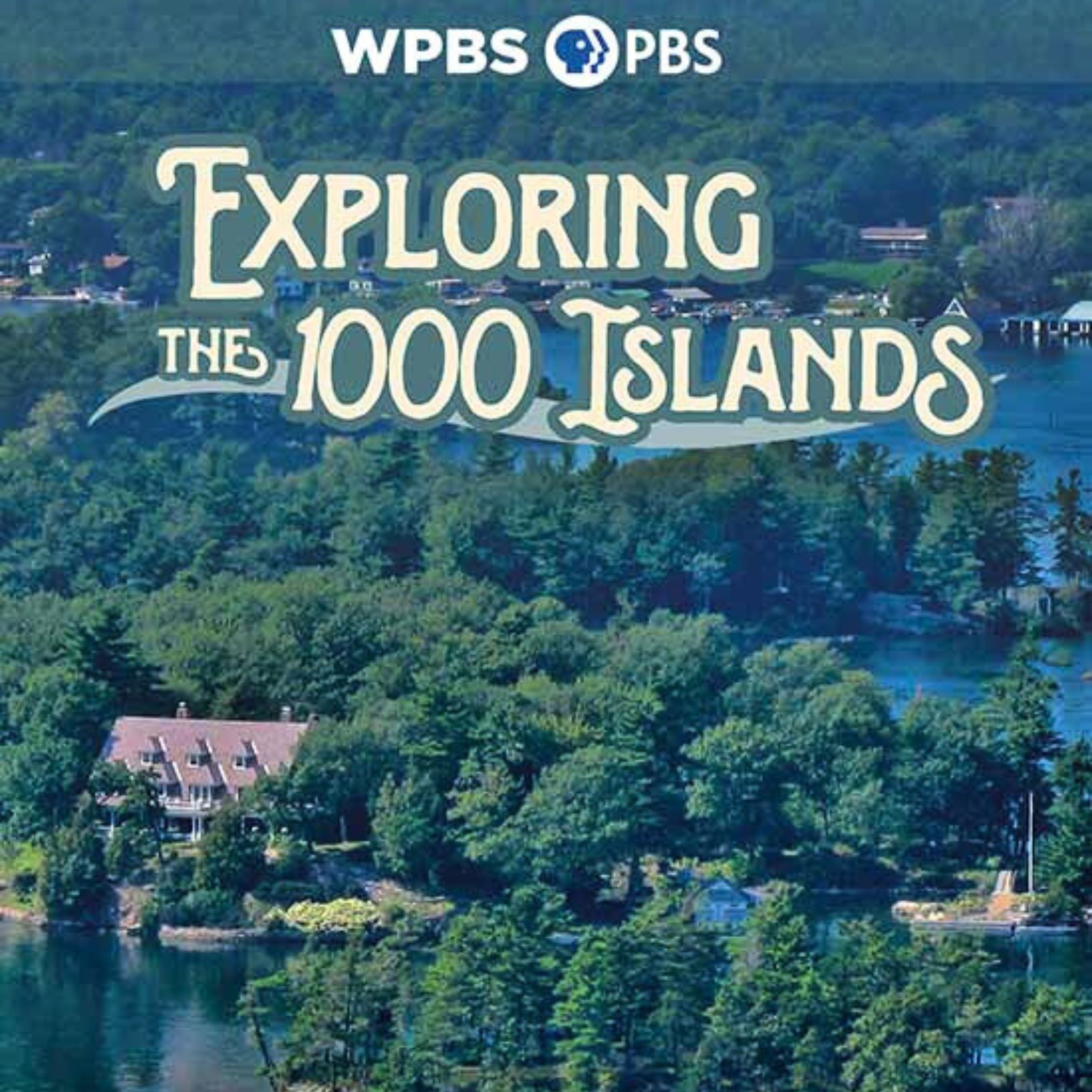
Join us for a special screening of Exploring the 1000 Islands, a WPBS documentary that journeys through the rich and layered history of this iconic New York region. Discover the stories from the first explorers to the development of tourism and the construction of hundreds of luxury hotels eventually destroyed by fire or torn down, to the new millionaires who built gilded age mansions and castles on many of the islands. This film brings to life the natural beauty and cultural legacy of one of the state’s most storied destinations.
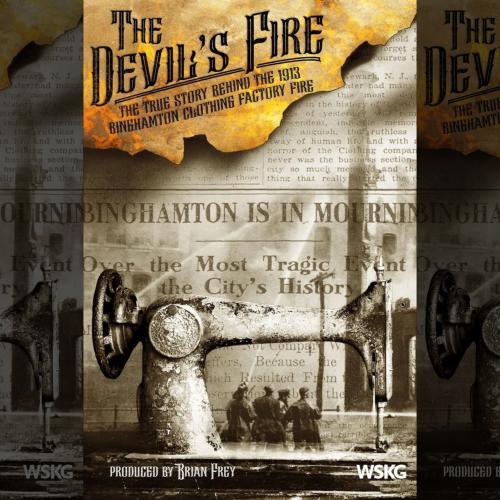
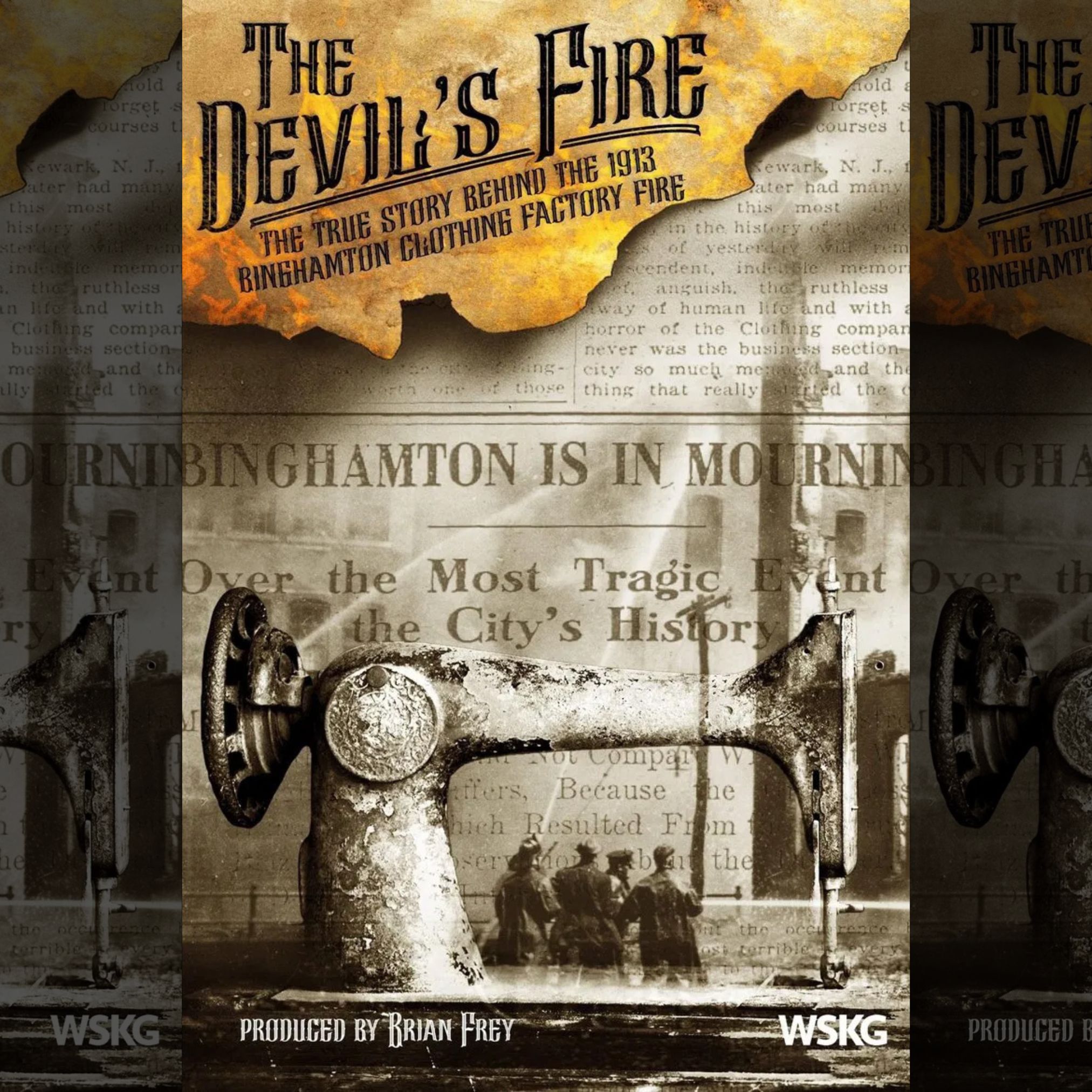
Join us for a powerful screening of The Devil’s Fire, a WSKG PBS documentary that uncovers the harrowing true story of the 1913 Binghamton Clothing Factory Fire. Using never-before-seen photographs and investigative archival material, the film tells the story behind the Binghamton Clothing Company's charismatic owner, Reed B. Freeman, and the young immigrant workers trapped in the deadly blaze that hot Tuesday in July of 1913.
Beat the Heat with Free Summer Programs at the New York State Museum
Engaging, No-Cost Activities for Learners of All Ages
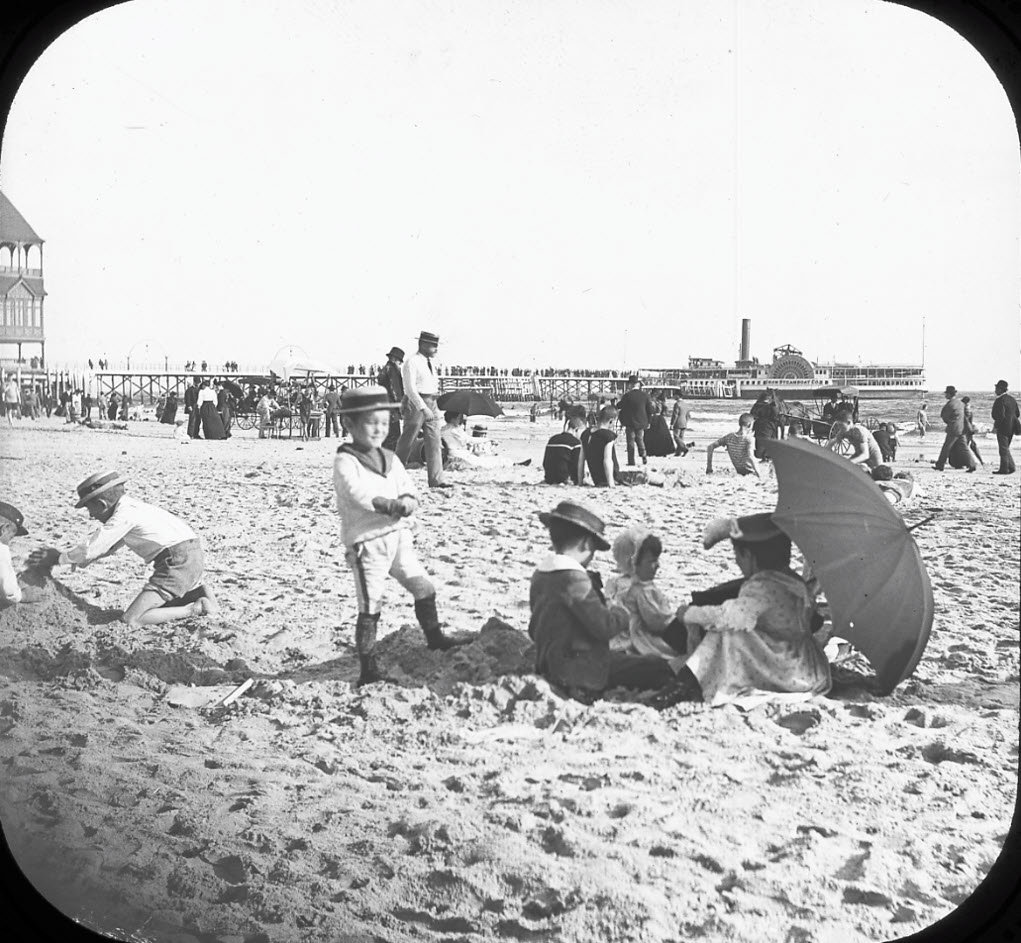
Vacationers enjoy a day on a Coney Island beach.
Credit: New York State Archives
As summer temperatures rise, so do the opportunities for families to enjoy fun, educational, and completely free programs at the New York State Museum. These engaging weekday events offer learners of all ages a chance to explore New York’s rich history, vibrant culture, and scientific discoveries through hands-on activities, storytelling, expert talks, and film screenings. Whether you're a curious child, a lifelong learner, or planning a summer camp field trip, there's something for everyone!
Weekday Programs
These events, offered in partnership with the New York State Library, New York State Archives, the Archives Partnership Trust, and Public Broadcasting Stations across the state, provide a wide range of enriching experiences.
Tuesdays – “Discover New York Stories on Screen”
12:00 PM | Huxley Theater
Embark on a fascinating visual journey through New York’s past and present with screenings of PBS documentaries, archival footage, and classic films. Celebrate the state’s diverse heritage, cultural achievements, and scientific milestones.
Wednesdays – “Museum Storytime Adventures”
10:30 AM | Kids Cove
Spark young imaginations with a fun-filled morning of stories, songs, and movement! Designed for young children and their families, each week introduces a new interactive theme that brings learning to life.
Thursdays – “Archives Jr. Investigation Station”
10:30 AM | Kids Cove
Get hands-on with history! Inspired by real archival materials, these engaging activities help children discover the importance of preserving personal and community stories.
Thursdays - “Archive Adventures: Discover New York’s Hidden Stories”
11:00 AM | Discovery Place
Curious about New York’s past? Discover the hidden stories that shaped the state—one document at a time!
Fridays – “Exploration with Experts”
12:00 PM | Various Locations
Meet museum curators, enjoy live demonstrations, and engage in interactive learning experiences throughout the Museum. These programs offer a deeper look into exhibits and topics, perfect for curious minds of all ages.
For Camps & Large Group Visits
Planning a field trip? The State Museum welcomes summer camps and large groups for self-guided explorations of New York’s unique history and natural environment. Free off-site bus parking is available. Groups are asked to register on the New York State Museum website.
New York Archives Jr! Magazine
Not able to visit in person? Dive into history at home with New York Archives Jr!—a student-friendly companion to New York Archives magazine. Each issue adapts a featured article for upper elementary readers and includes fun facts, local connections, and engaging primary source activities.
This summer’s edition highlights the incredible story behind the building of the Erie Canal. Download free PDFs or request complimentary classroom sets at the New York Archives Jr! website.
About the Office of Cultural Education
Established in 1836, the New York State Museum is the oldest and largest public museum in the United States. Home to leading scientists, historians, archeologists, and anthropologists, its collections represent the State’s rich cultural and natural heritage from the past and present, including a staggering 20+ million artifacts spanning 1.1 billion years ago to today. Located at 222 Madison Avenue in Albany, the Museum is open Tuesday through Sunday from 9:30 a.m. to 5 p.m. It is closed on the Fourth of July, Thanksgiving, Christmas, and New Year's Day. Admission is free. For additional information, visit the New York State Museum website and subscribe to our newsletter.
The New York State Library, established in 1818, is the largest state library system in the nation and one of the largest research libraries in North America. It oversees a vast network of more than 7,000 libraries statewide. Collections are made available onsite and through a robust interlibrary loan program. The Library’s mission is advanced through several key divisions, including the Research Library, which houses a collection of over 20 million items, the Talking Book and Braille Library, and the Division of Library Development. The Library preserves and maintains invaluable historical collections and works, and serves as a Regional Depository for federal publications. Additionally, the State Library is the official repository of New York State government publications, ensuring their enduring preservation and accessibility for future generations. For more information, please visit the New York State Library website and subscribe to our monthly newsletter.
Established in 1971, the New York State Archives has amassed one of the most extensive and historically significant state archive collections in the nation. The Archives manages, preserves, and provides open access to over 270 million colonial and New York State records dating back to the 1630s. In addition, the Archives provides records and archival management services to nearly 4,500 counties, cities, towns, villages, school districts, and other local governments across New York State. The Archives offers technical assistance, training, and grants to non-government repositories through the Documentary Heritage Program and Documentary Heritage and Preservation Services for New York (DHPSNY). Researchers can access public records through the Archives’ online Digital Collections or by appointment on the 11th floor of the Cultural Education Center. For more information, please visit www.archives.nysed.gov.
The Archives Partnership Trust, a 501(c)3 organization, works to advance New York State History by making the voices within over 350 years of records accessible, relevant, and heard. Education, preservation, and outreach programs unite scholars, students, and the interested public in the discovery, interpretation, and promotion of our shared history. Programs created and supported by the Trust include: ConsidertheSourceNY.org; Larry J. Hackman Research Residency Program; Student Research Awards; countless preservation projects to help stabilize and rehabilitate fragile records; and outreach programs such as New York Archives Magazine, the Empire State Archives and History Award, and other public education programs. Subscribe to our newsletter to receive timely updates.
The State Museum, State Library, and State Archives are programs of the New York State Education Department’s Office of Cultural Education. Further information about programs and events can be obtained by calling (518) 474-5877 or by visiting the Office of Cultural Education website.
(518) 474-1201
Press@nysed.gov
www.nysed.gov
New York State Museum Announces Publication Celebrating Artist Margery Ryerson
Digital Download File Available on Museum Website
The New York State Museum is proud to announce the release of Margery Ryerson: Art is Contagious, an exquisitely illustrated catalog accompanying the acclaimed exhibition of the same name. Authored by Senior Historian Karen E. Quinn with contributions from Chief Curator of History Jennifer Lemak, this comprehensive publication celebrates the extraordinary life and work of Margery Ryerson (1886–1989), an artist whose images of everyday life continue to resonate and inspire.
The catalog highlights Ryerson’s landscapes, cityscapes, still lifes, and portraits, as well as her pioneering artistic engagement with New York City’s settlement houses—community centers established in the late 19th and early 20th centuries to support immigrants and the urban poor. Through her teaching and art, Ryerson immersed herself in these vibrant neighborhoods, capturing the daily lives of immigrant children and families often overlooked by mainstream society.
Karen E. Quinn, Author and Senior Historian and Curator of Art and Culture at the New York State Museum, said, "Ryerson’s work reveals an unfiltered honesty that was rare in her time and remains refreshing today. She believed that art was for everyone and approached her subjects—especially children in settlement houses—with a genuine curiosity and warmth. Her belief that 'art is contagious' truly permeates every brushstroke and line."
Jennifer Lemak, Chief Curator of History at the New York State Museum, said, "Margery Ryerson understood art as a vital, transformative force. Her teaching and portrayals of young immigrants and working-class children in New York City’s settlement houses connected art to community and everyday life, making it accessible to those often excluded from traditional art spaces."
Ryerson’s choice to portray children and families in natural, unposed moments—napping in nurseries, waiting for their mothers, or engrossed in music and dance classes—set her apart from many contemporaries who favored idealized or sentimental subjects. Her images celebrated authenticity and dignity, emphasizing the humanity and spirit of immigrant and working-class communities. In doing so, she not only documented life in these neighborhoods but also affirmed the value of every child’s story.
In addition to her powerful settlement house portraits, the book provides rich historical context on Ryerson’s connections with major art movements and her collaborations with influential teachers like Robert Henri and Charles Hawthorne. It includes more than 100 images, many drawn from both museum collections and private holdings, offering an expansive look at her career.
Margery Ryerson: Art is Contagious is available through the New York State Museum. For more information about the publication, please contact Jennifer Lemak at jennifer.lemak@nysed.gov. The ongoing exhibition will remain on view at the New York State Museum through September 7, 2025.
About the New York State Museum
Established in 1836, the New York State Museum is the oldest and largest public museum in the United States. Home to leading scientists, historians, archeologists, and anthropologists, its collections represent the State’s rich cultural and natural heritage from the past and present, including a staggering 20+ million artifacts spanning 1.1 billion years ago to today. Located at 222 Madison Avenue in Albany, the Museum is open Tuesday through Sunday from 9:30 a.m. to 5 p.m. It is closed on the Fourth of July, Thanksgiving, Christmas, and New Year's Day. Admission is free. For additional information, visit the New York State Museum website and subscribe to our newsletter.
(518) 474-1201
Press@nysed.gov
www.nysed.gov
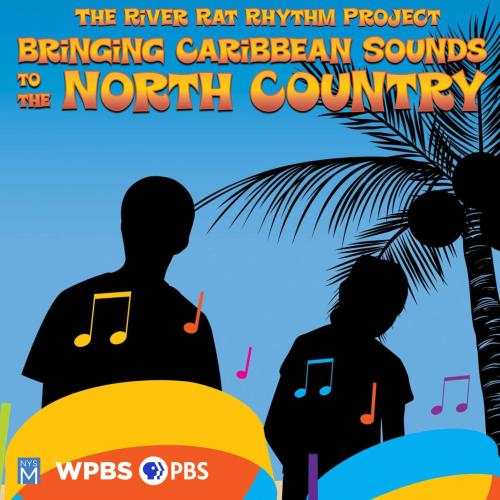

Join us for a special screening of Bringing Caribbean Sounds to the North Country, a WPBS original film that celebrates the joyful energy of the River Rat Rhythm Project Steel Drum Band. This documentary follows a unique community ensemble of nearly 50 members—from age 6 to 70—who come together from across New York’s North Country to perform the vibrant and uplifting music of the Caribbean.
Through traditional island tunes and contemporary arrangements, the River Rat Rhythm Project creates a musical experience that transcends generations and geography. This film highlights their dedication, talent, and the transformative power of music in building community and cultural connection.


Join Dr. Andrew Kozlowski, Curator of Quaternary Landscape Materials, for a 30-minute guided tour of Ice Ages: How Ice Shaped the Land and the Life in New York. This exhibit takes you on a journey through New York’s geological history, from the massive glaciers that sculpted the landscape to the giant mammals like mastodons and woolly mammoths that roamed the land 15,000 years ago. Dr. Kozlowski, an expert in Pleistocene geology, will share insights from his research on glacial deposits and landforms, offering a deeper understanding of how the Ice Ages shaped the state’s present-day topography and ecosystems. Don’t miss the chance to see rare Ice Age fossils from the museum's collection and learn about the forces that transformed New York’s landscape.
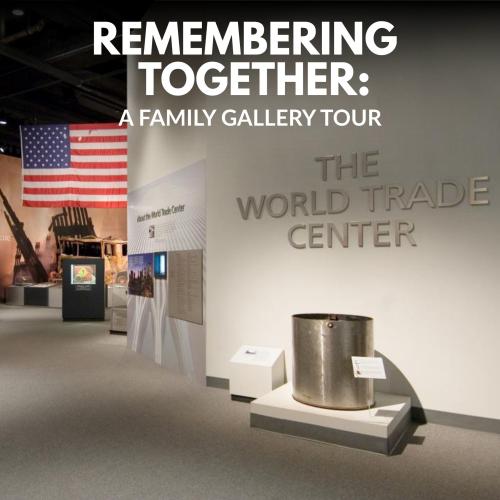

Join us for a special family-friendly program designed to help children and caregivers explore the story of September 11, 2001, with care, compassion, and curiosity. The program begins with a children's book reading that introduces the themes of resilience, hope, and community, followed by an age-appropriate guided tour of the exhibit World Trade Center: Rescue, Recovery, Response led by Senior Historian and Curator Aaron Noble.
After the tour, families are invited to participate in a hands-on craft activity inspired by the themes of remembrance and unity. This program is designed with younger audiences in mind and offers a gentle introduction to a complex moment in our shared history.
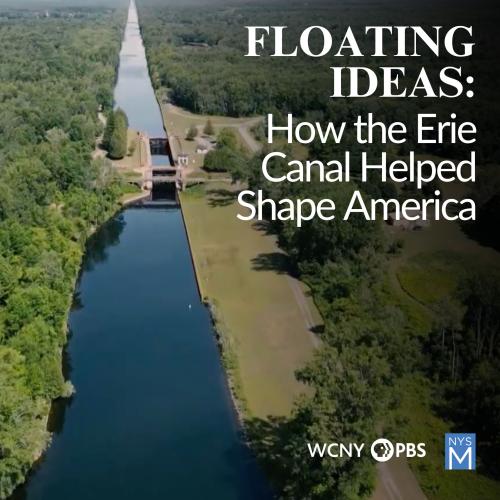
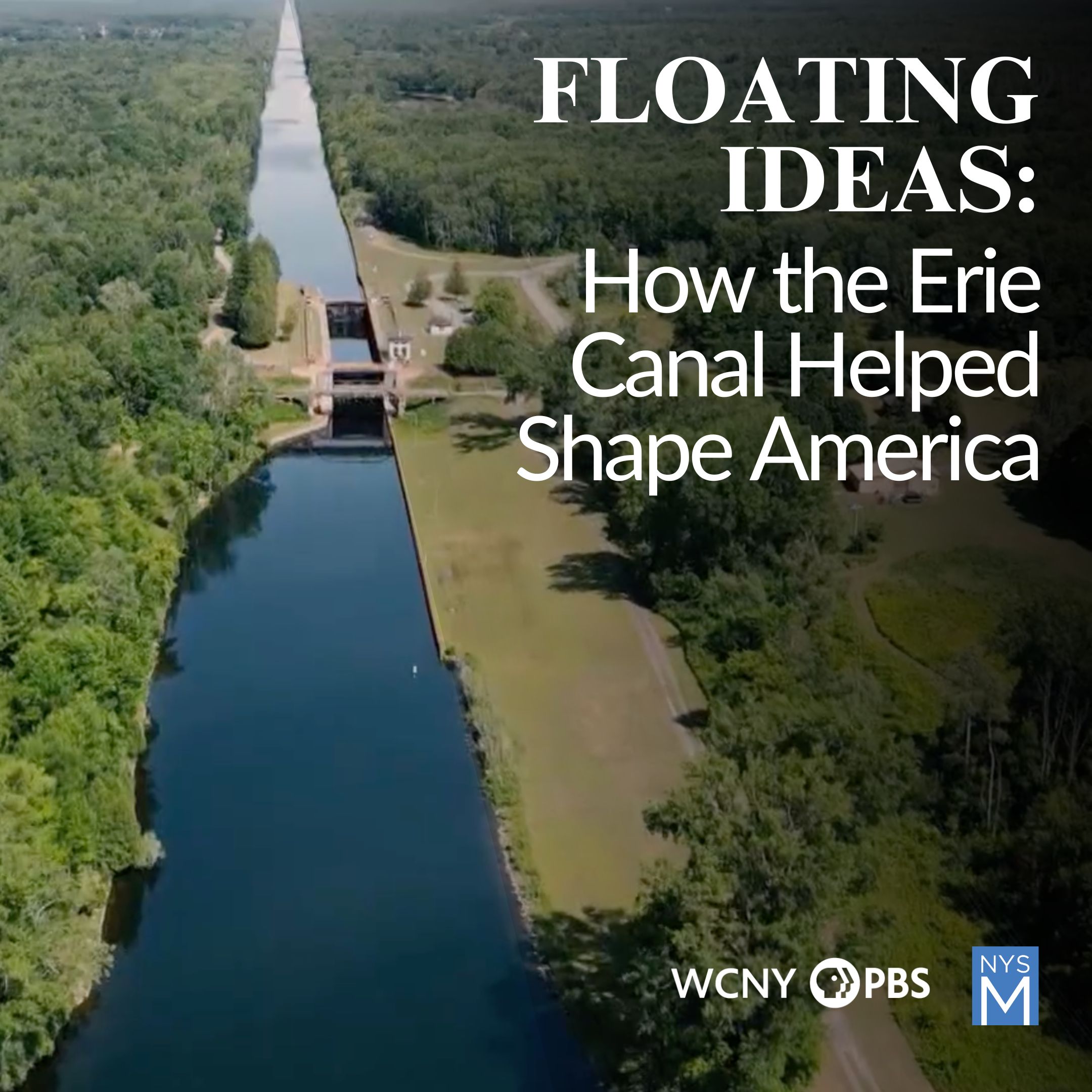
Join us for a special screening of WCNY's documentary Floating Ideas: How the Erie Canal Helped Shape America, as we examine the spread of ideas along the Erie Canal, with an emphasis on women’s rights, suffrage, and the quest for social justice.
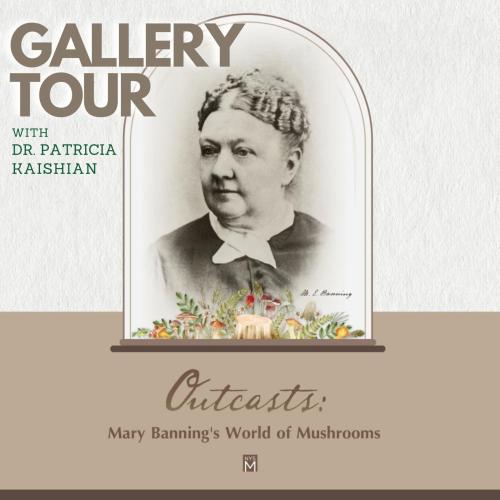
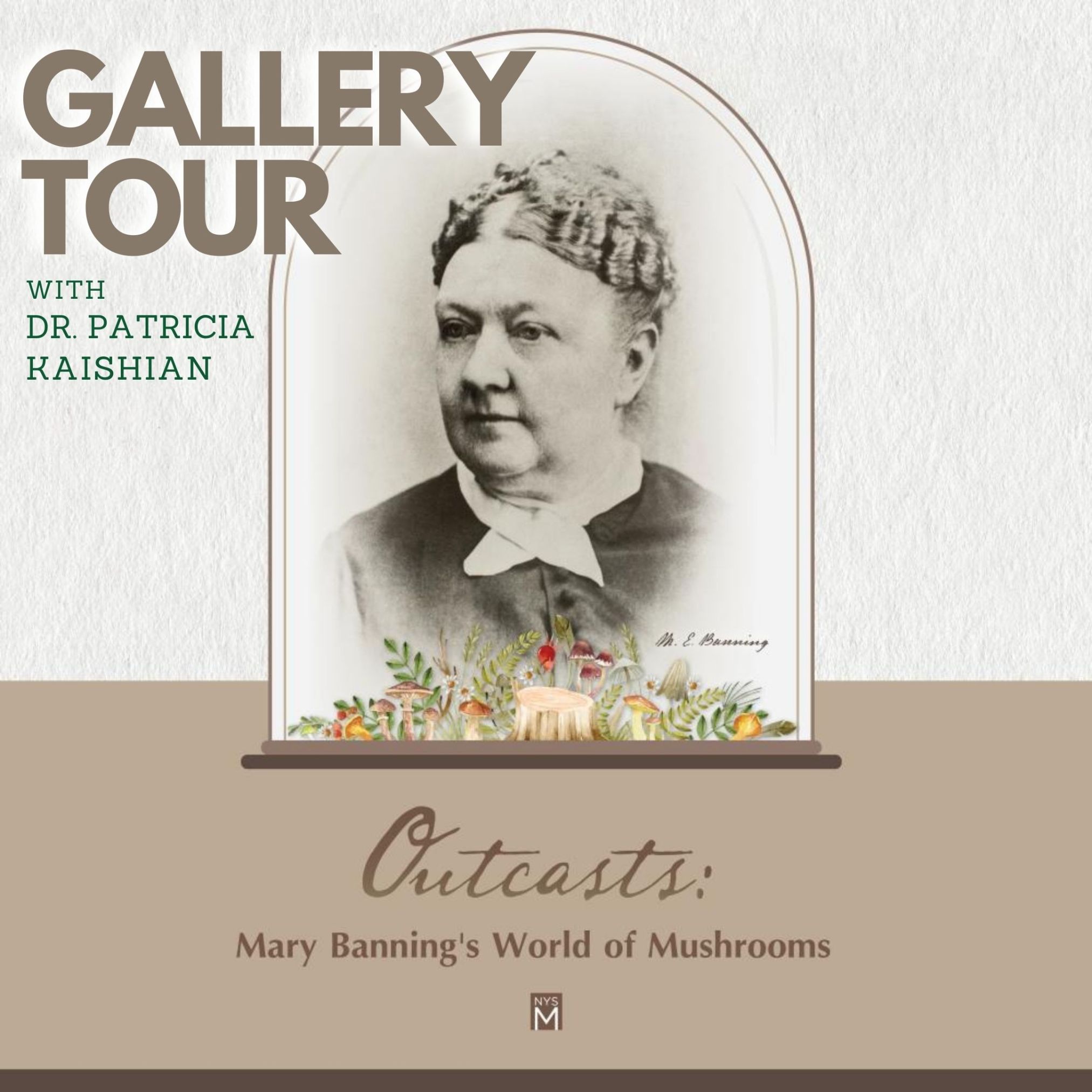
Join Dr. Patricia Kaishian, Curator of Mycology at the New York State Museum, for an immersive gallery tour of Outcasts: Mary Banning’s World of Mushrooms. This exhibition highlights the fascinating life and work of Mary Elizabeth Banning, one of the first American mycologists, who defied the social and scientific barriers of her time to make significant contributions to the study of fungi. As Dr. Kaishian walks you through the exhibit, you'll discover Banning’s extraordinary illustrations and letters, her pioneering research on mushrooms, and the historical context in which she worked. Learn how fungi—often seen as "outcasts" in the natural world—were embraced by outcast scientists like Banning, who defied expectations to make lasting contributions to science. Don’t miss this unique opportunity to explore the often-overlooked world of fungi and celebrate the legacy of a remarkable woman scientist.
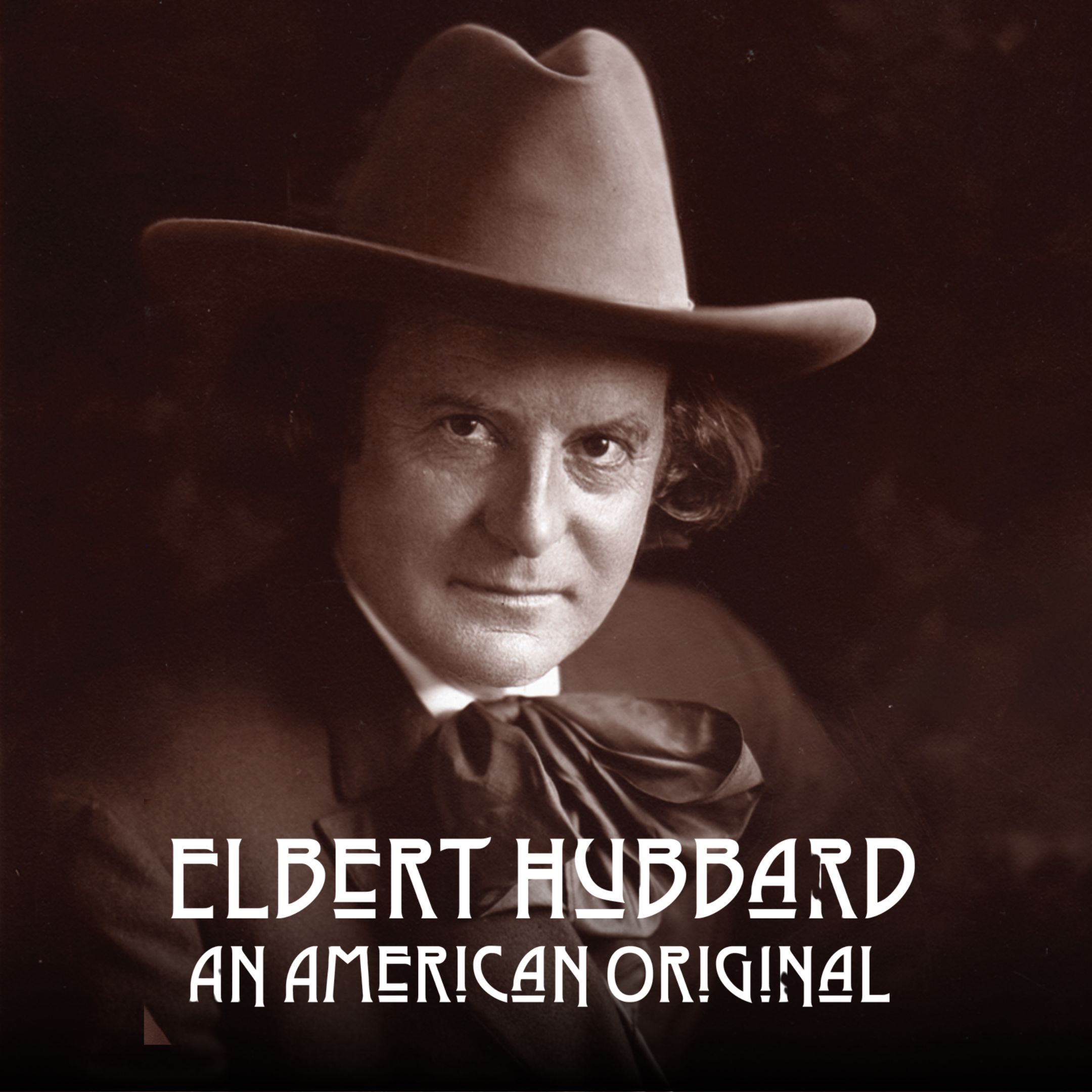
Join us for a special screening of Elbert Hubbard: An American Original, a PBS documentary that explores the life and legacy of one of the most fascinating figures of the early 20th century. Set against the backdrop of a rapidly industrializing America, the film follows Hubbard’s journey from successful soap salesman to influential leader of the American Arts and Crafts Movement. A bold thinker and charismatic writer, Hubbard founded the Roycroft Campus in East Aurora, NY, a hub of craftsmanship and creativity that remains vibrant today. This film offers an inspiring look at how one man challenged the rise of mass production by championing the value of artistry, individuality, and hand-crafted work.
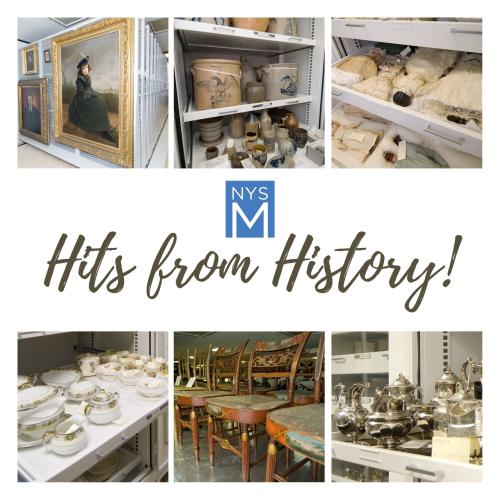
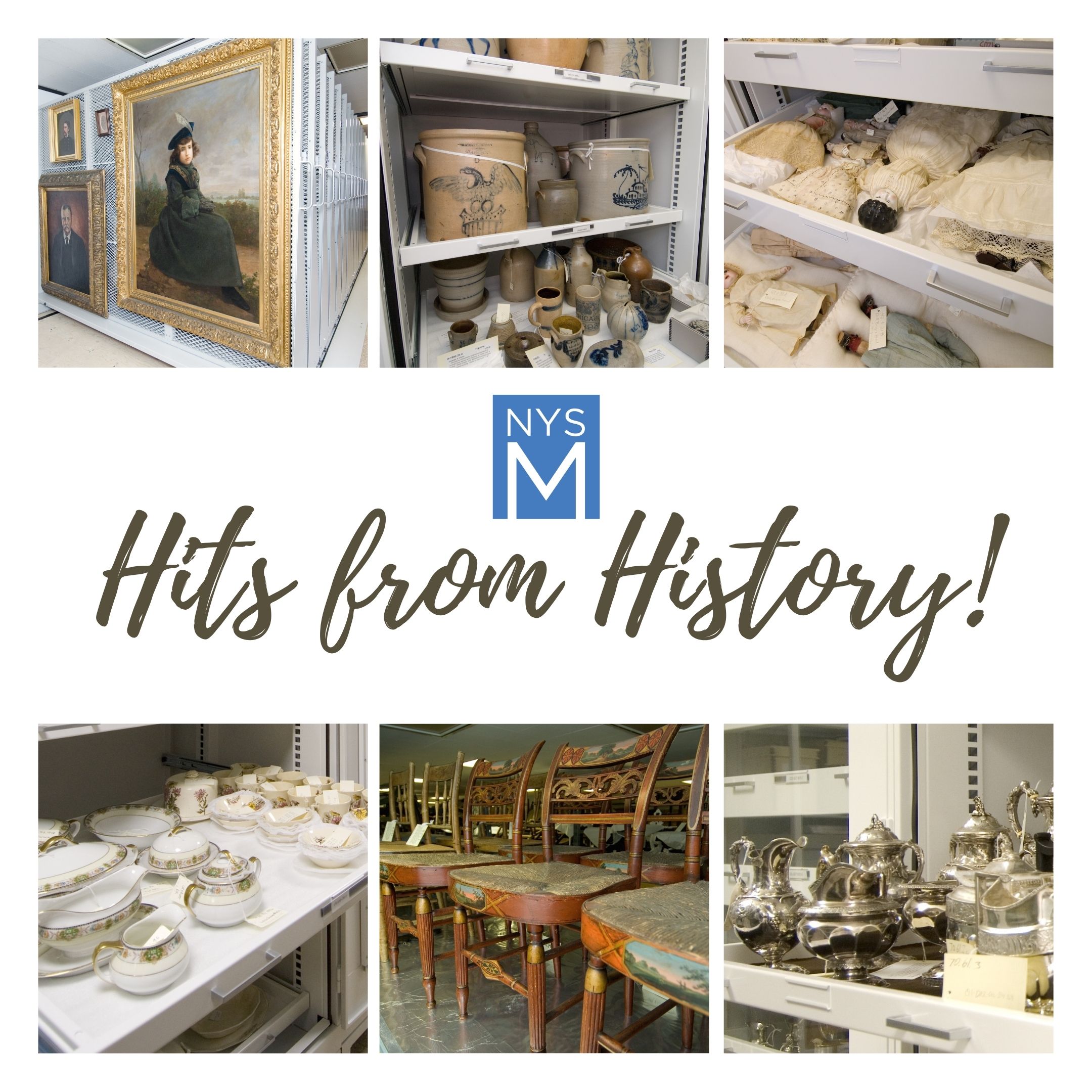
Take a time-traveling tour with Chief Curator of History Dr. Jennifer Lemak as she shares her all-time favorite artifacts from the NYSM History Collection. Expect mermaids, marvels, and mysterious objects you never knew existed. History has never been this fun!
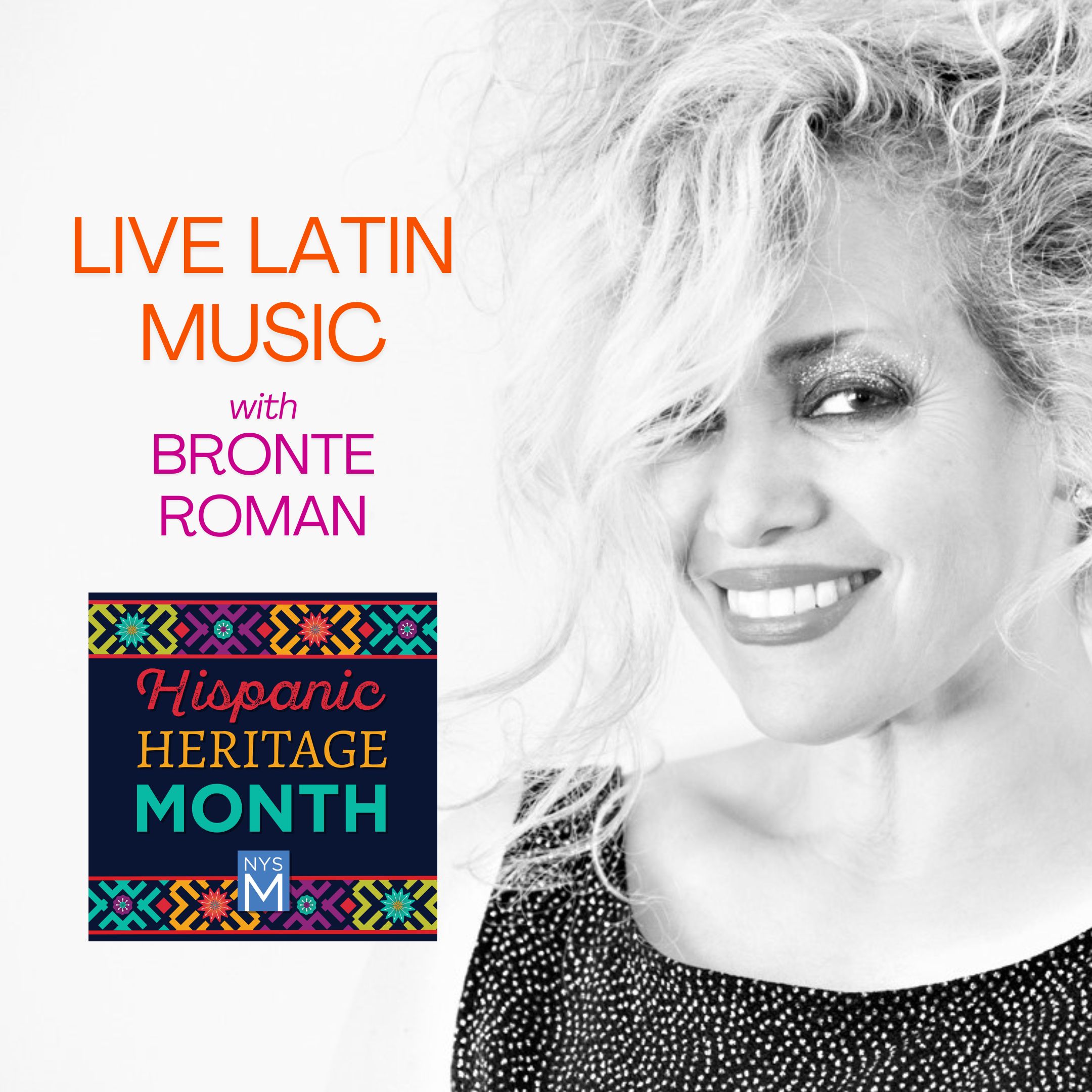
Celebrate Hispanic Heritage Month with Bronte Roman at the New York State Museum. Experience Bronte’s musical fusion of Latin-Pop and Latin-Traditional Hits in a performance that showcases her vibrant energy and unique vocal style. Don’t miss this chance to experience Bronte’s exceptional talent and passion live!
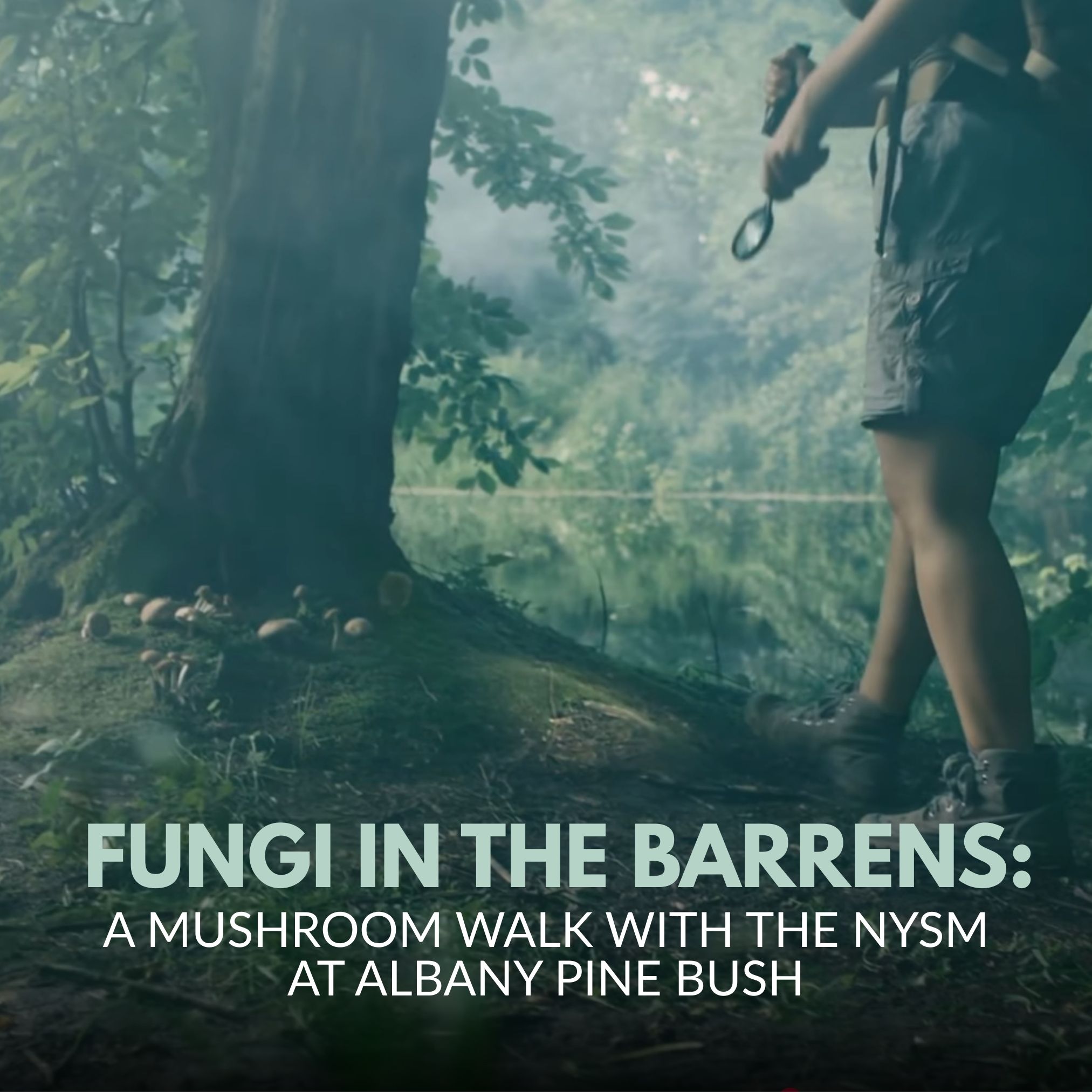
Explore the wild and wonderful world of fungi with the New York State Museum at the Albany Pine Bush Preserve! Join Dr. Patricia Ononiwu Kaishian, NYSM Curator of Mycology, for a beginner-friendly mushroom walk through the Hunger Kill Barrens, a forested habitat within the unique and ecologically rare Pine Bush. Discover the important role fungi play in this ecosystem and enjoy an engaging stroll through one of the Capital Region’s natural treasures.
This walk takes place at the Albany Pine Bush Preserve and involves uneven terrain—please wear closed-toe shoes and be prepared for outdoor conditions.
Registration Information:
Our apologies, but registration for this program is now full!
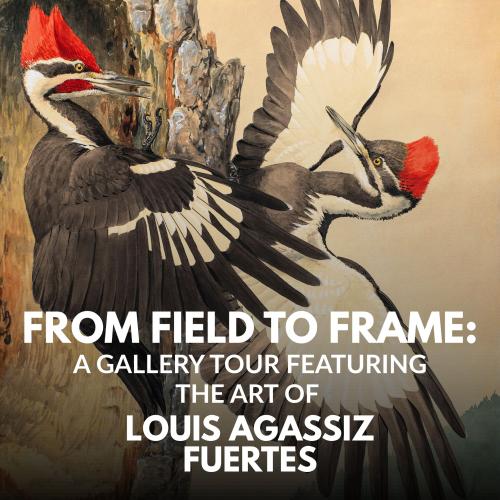
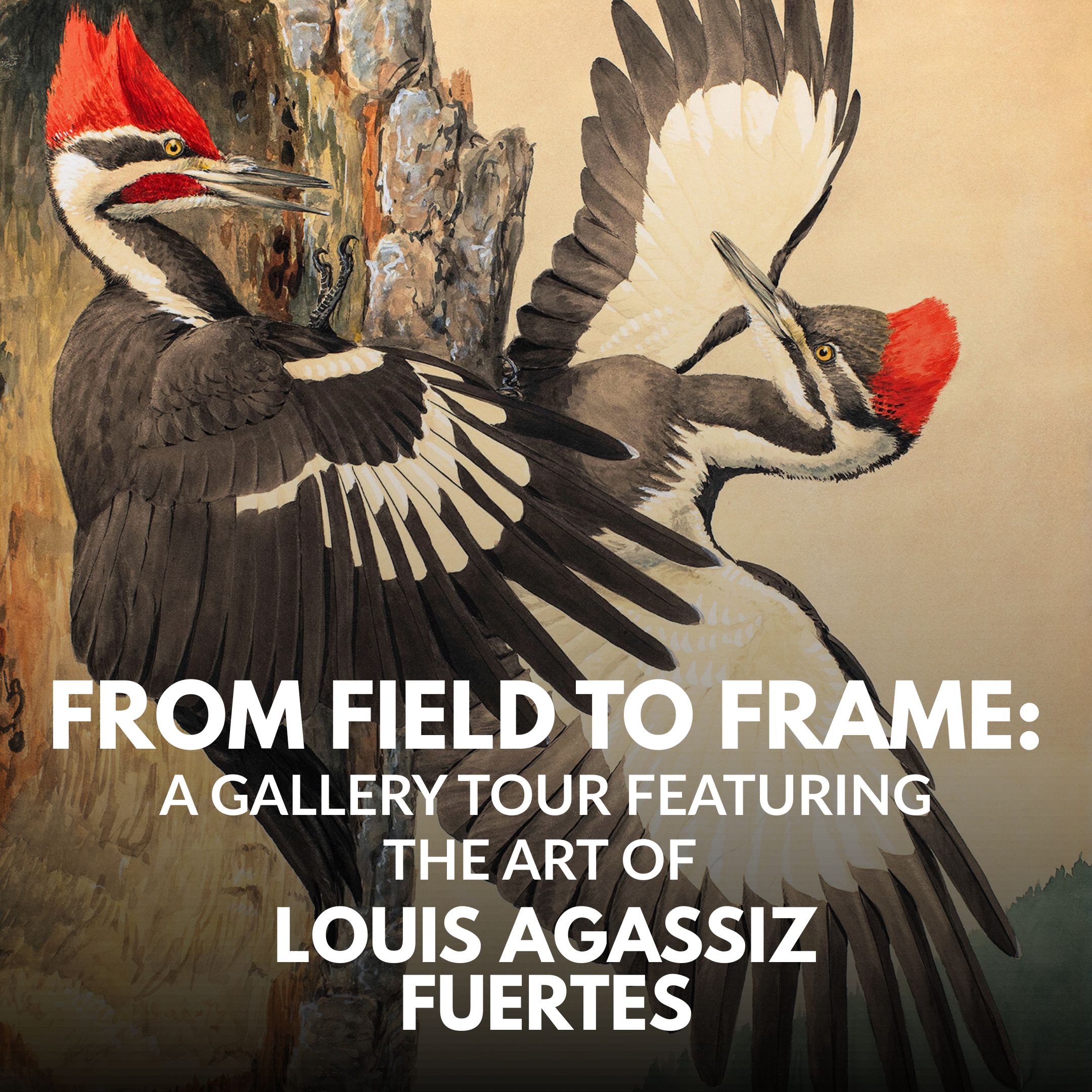
Join Dr. Jeremy Kirchman, Curator of Birds and Mammals at the New York State Museum, for a guided tour through the Birds of New York gallery celebrating the intersection of science and art. In honor of Hispanic Heritage Month, this special program highlights the extraordinary watercolor paintings of Louis Agassiz Fuertes, a pioneering ornithologist and illustrator of Puerto Rican descent whose vivid works continue to inspire bird lovers and scientists alike. Discover the stories behind Fuertes’s travels, techniques, and legacy, and explore how his contributions helped shape both the field of ornithology and the museum’s historic Birds of New York publication. Don’t miss this opportunity to experience Fuertes’s illustrations up close and learn about the remarkable birds that call New York home.
Join us for a special screening of Equal Protection: The Supreme Court’s Battle with Affirmative Action, a thought-provoking documentary that explores the complex history and uncertain future of college admissions in the United States. As two pivotal cases come before the Supreme Court in 2022, the film traces the origins of affirmative action policies, originally designed to address systemic discrimination, and examines how they have evolved through decades of legal and cultural debate. Featuring interviews with scholars, legal experts, and key participants, Equal Protection offers a compelling look at the role of the judiciary in shaping access to higher education and the broader implications for equal opportunity in America.
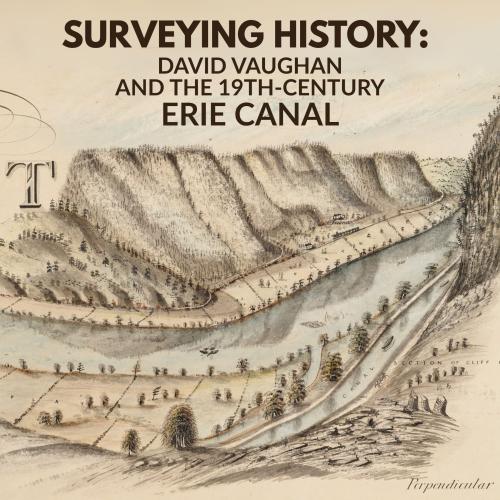
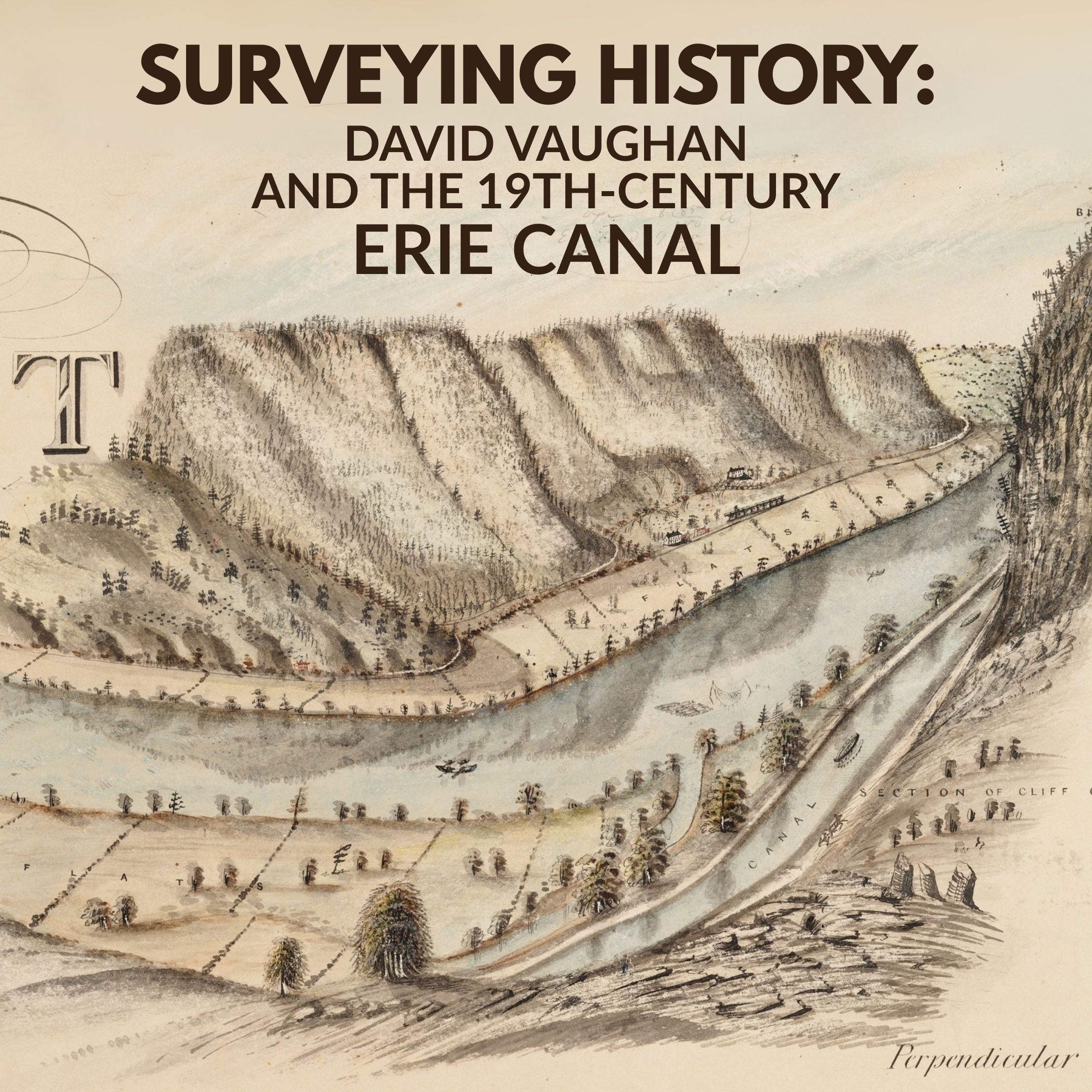
Join historian Craig Williams for an illustrated lecture exploring the extraordinary work of 19th-century canal cartographer David Vaughan. An Irish immigrant who arrived in Albany in the late 1840s, Vaughan brought with him the skills New York State urgently needed to support the first enlargement of the Erie Canal. His detailed maps and plans not only guided the engineering of one of America's greatest infrastructure projects, but also captured the dynamic life and landscapes along the canal. Learn how Vaughan's artistry and precision earned him national recognition, and how his legacy lives on through records preserved in the New York State Archives.
Stefan Bielinski Memorial Lecture: Taking Manhattan - Russell Shorto on the Epic Origins of New York
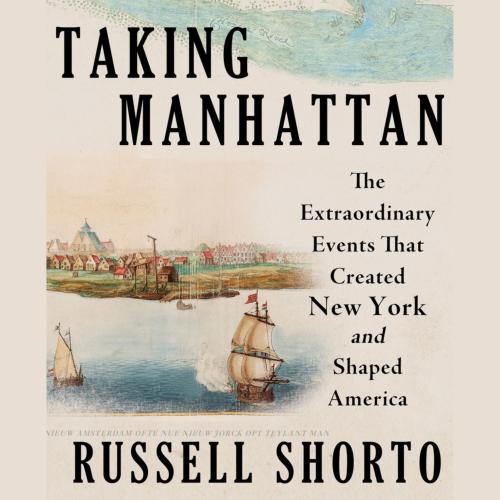
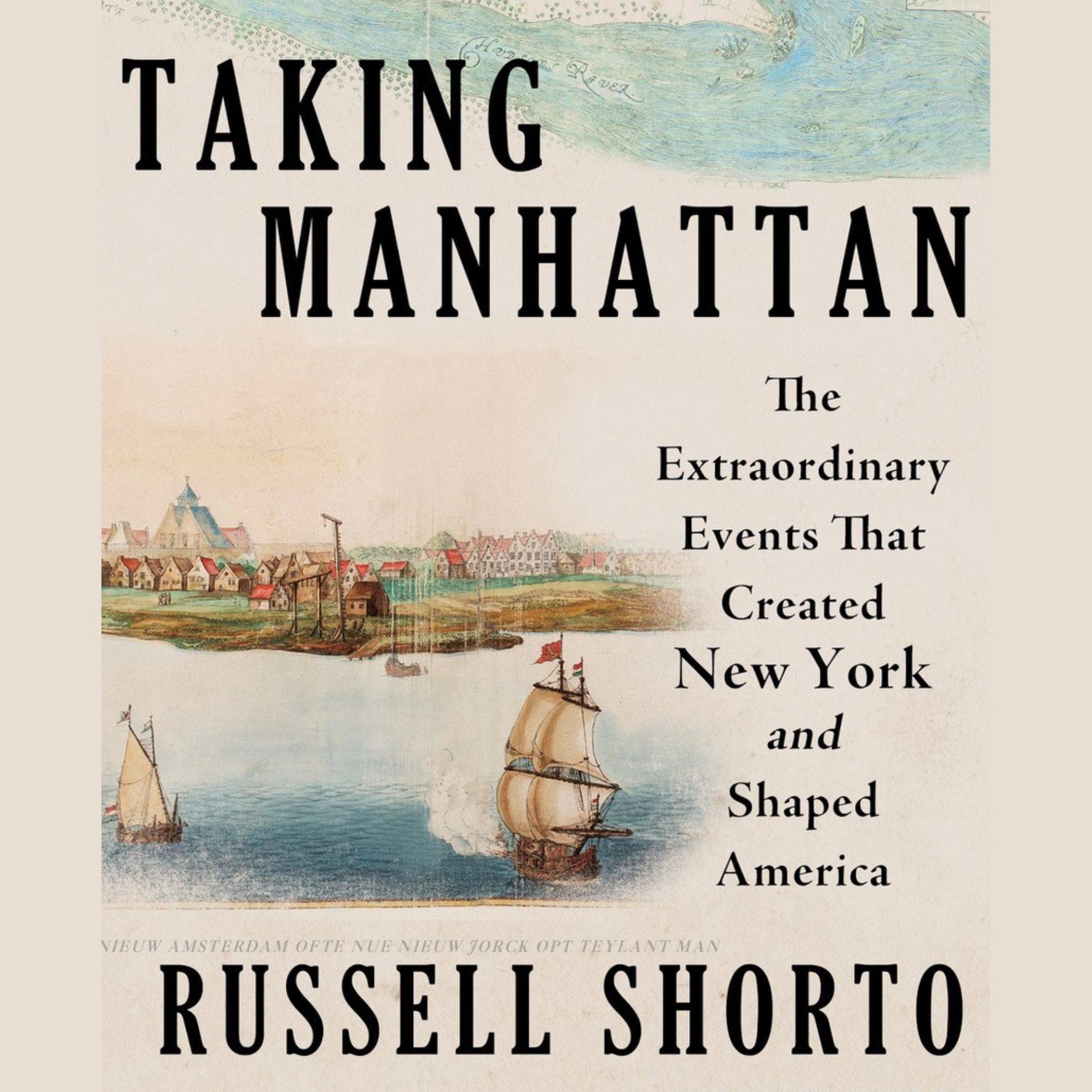
Join acclaimed historian and bestselling author Russell Shorto for a compelling lecture on his new book, Taking Manhattan: The Extraordinary Events That Created New York and Shaped America. In this thrilling and deeply researched narrative, Shorto explores the dramatic events of 1664, when England set its sights on the Dutch-controlled city of New Amsterdam. What unfolded was not only a military conquest, but a complex negotiation between empires and cultures that would give birth to the city we now know as New York. With his blend of storytelling and scholarship, Russell Shorto brings to life the paradox at the heart of New York and America’s origin story as a place of promise built on displacement, resilience, and reinvention.
This program is presented in collaboration with the New York State Museum, the New York State Archives Partnership Trust, and donations in Stefan Bielinski’s honor.
Stefan Bielinski (1946–2024) was a historian at the New York State Museum for 43 years, devoting his life’s work to the Colonial Albany Social History Project.
Exhibit Feature: Here Are the Beatles!
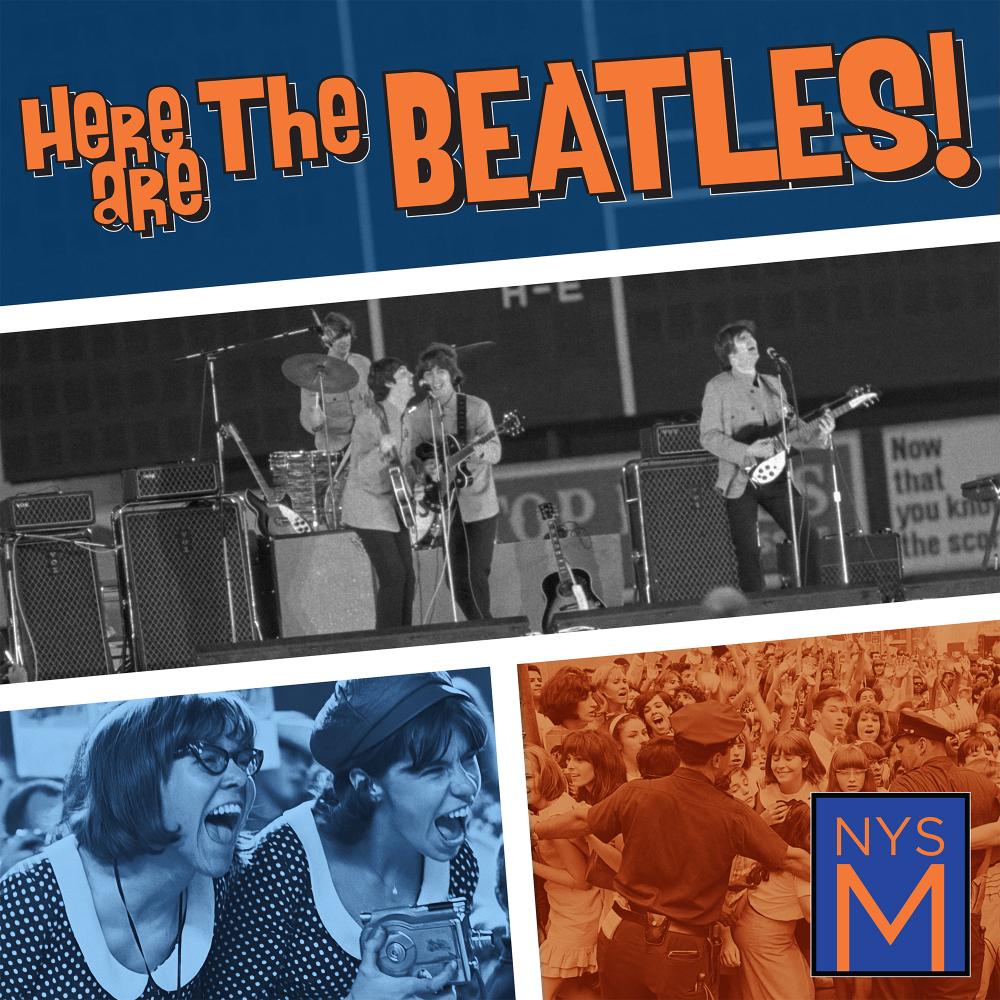
The Beatles' August 15, 1965, concert at Shea Stadium was not just a show, it was a seismic pop culture moment. Playing to over 55,000 screaming fans, it was the first major stadium concert in rock history, setting the stage (literally) for the modern mega-tour. The band could barely hear themselves over the crowd’s roar. The Fab Four joked, made faces, and John Lennon even played the organ with his elbow—classic Beatles mayhem. The sheer size and energy of that night proved rock 'n' roll was here to stay and turning up the volume. It was loud, wild, and utterly groundbreaking. Shea was not just a concert, it was Beatlemania in full, glorious bloom.
The New York State Museum is celebrating the 60th anniversary of the Beatles' iconic Shea Stadium concert with a special pop-up display in our lobby through October 19, 2025.
The Beatles at Shea Stadium
“Here Are The Beatles!” New York State Museum Unveils Groovy New Lobby Display Celebrating 60th Anniversary of the Beatles at Shea Stadium

The New York State Museum is cranking up the volume and turning back the clock with a brand-new lobby display, Here Are The Beatles!, which transports visitors straight to one of the most electrifying nights in rock ‘n’ roll history—August 15, 1965—when the Fab Four took Shea Stadium by storm.
In the summer of 1965, more than 55,000 screaming fans packed into the home of the New York Mets, transforming the baseball diamond into a legendary stage for John, Paul, George, and Ringo. The Beatles delivered a 12-song set that included classics like “Twist and Shout” and “A Hard Day’s Night”—though the roar of the crowd was so deafening, the music was barely audible.
This performance marked the first major stadium concert by a rock band in the United States, paving the way for the countless large-scale music events that have followed. The display immerses visitors in that cultural milestone with vibrant graphics, rare photographs, and reflections from the band.
Carrie Ross, Director of Exhibitions said, "Only New York could give the Beatles a welcome like this. Sixty years later, you can still feel the echo of that crowd, the pulse of the city, and the way the Beatles became part of our New York story. This display is a love letter to the night when the world’s biggest band met the world’s greatest city.”
Here Are The Beatles! will be on view in the Museum’s lobby through the fall. It is free and open to the public during regular museum hours.
About the New York State Museum
Established in 1836, the New York State Museum is the oldest and largest public museum in the United States. Home to leading scientists, historians, archeologists, and anthropologists, its collections represent the State’s rich cultural and natural heritage from the past and present, including a staggering 20+ million artifacts spanning 1.1 billion years ago to today. Located at 222 Madison Avenue in Albany, the Museum is open Tuesday through Sunday from 9:30 a.m. to 5 p.m. It is closed on the Fourth of July, Thanksgiving, Christmas, and New Year's Day. Admission is free. For additional information, visit the New York State Museum website and subscribe to our newsletter.
###
(518) 474-1201
Press@nysed.gov
www.nysed.gov
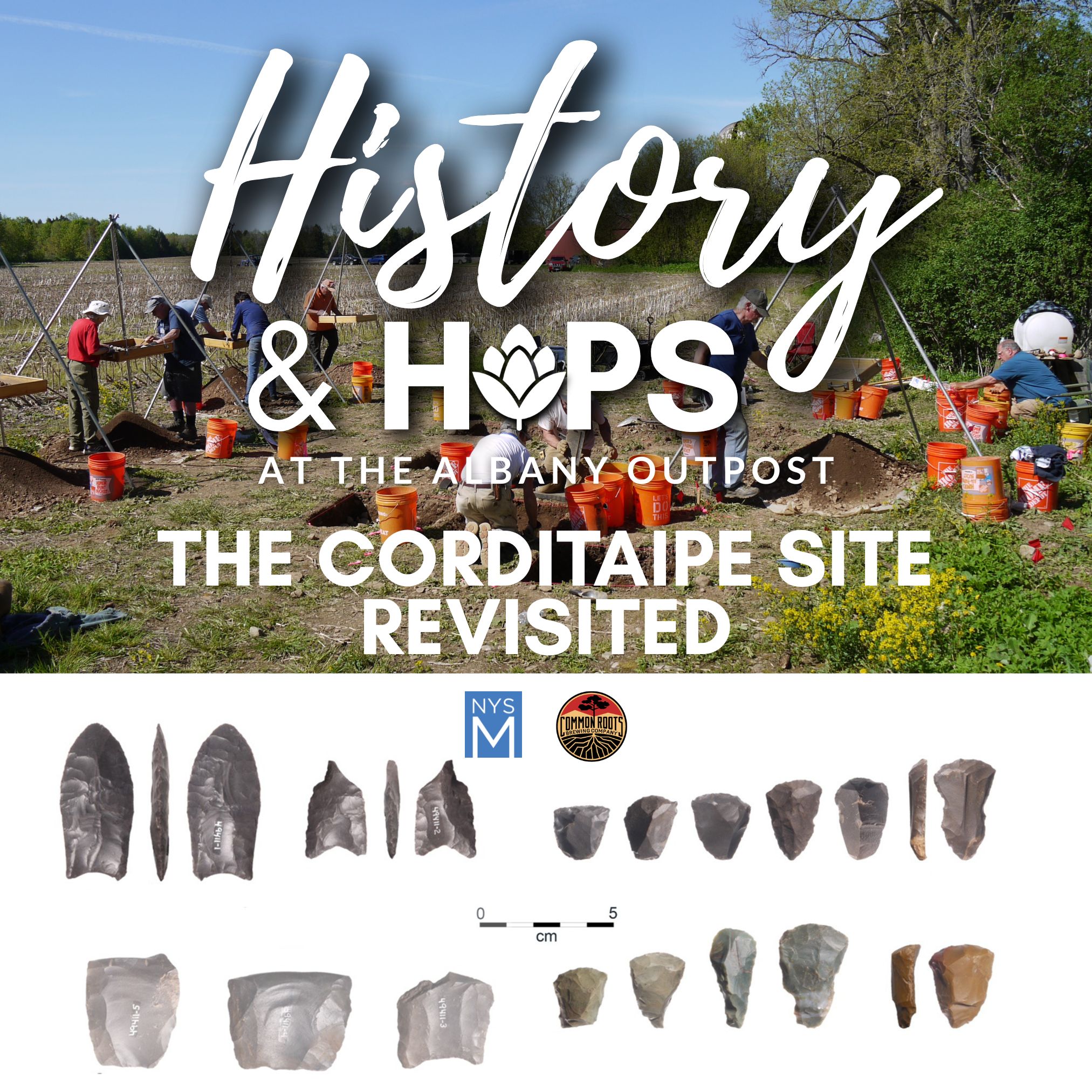
Discovered in 1975, the Corditaipe archaeological site is an Ice Age encampment located in the upper Mohawk Valley, the homelands of the Oneida Nation. Since 2019, NYSM archaeologists and volunteers have been re-investigating the Corditaipe site to better understand its age and the nature of the Indigenous encampments. Join Curator of Archaeology Dr. Jonathan Lothrop to hear about our fieldwork to date and initial insights on life in the Ice Age of eastern New York.
This fun, interactive program is free to attend. Food and drink are not included, but are available for individual purchase at the venue.
Location:
Common Roots Albany Outpost
19 Quackenbush Square
Albany, NY 12207
https://commonrootsbrewing.com
State Museum’s Youth Employment Program Highlights Talent, Creativity, and Career Pathways
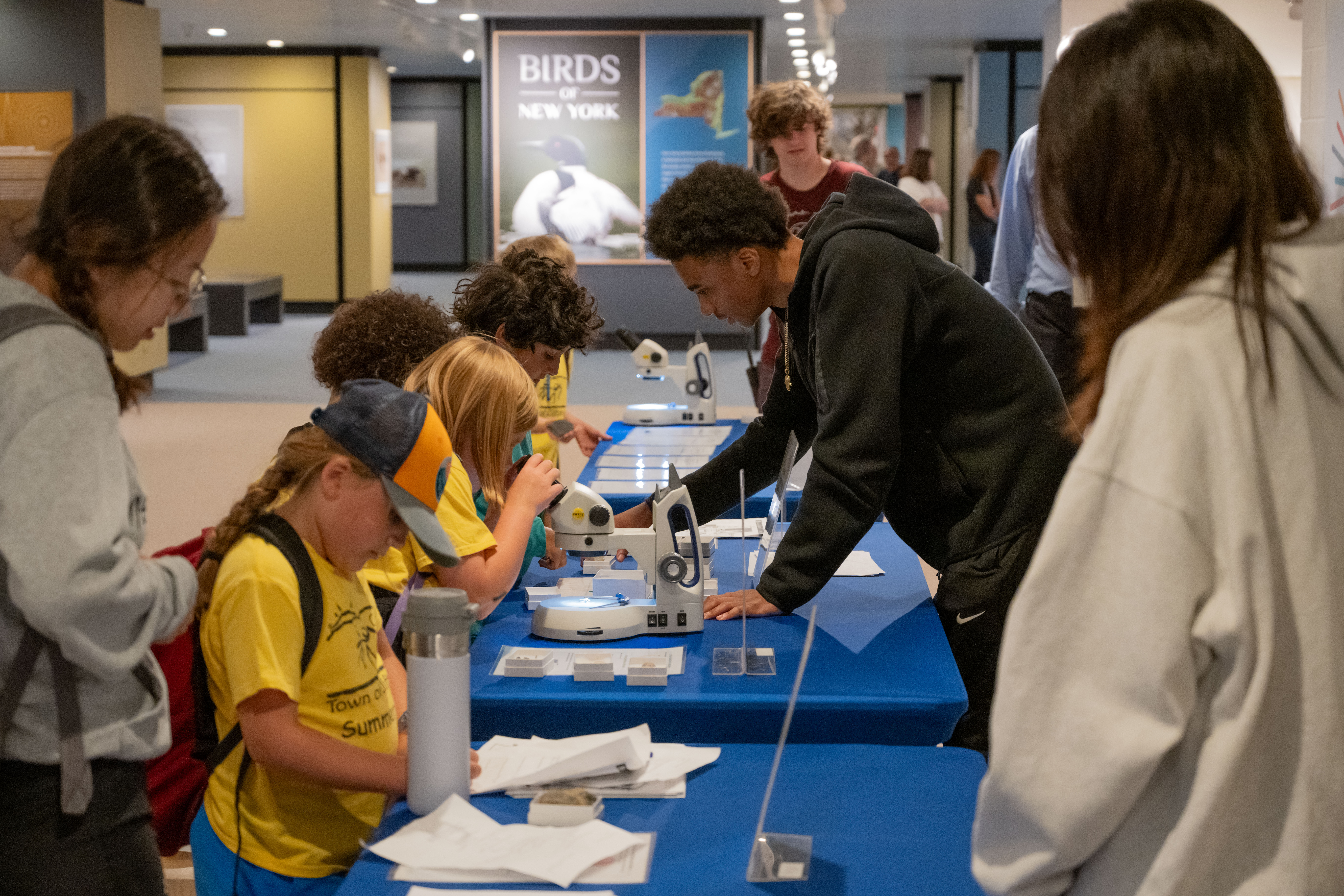
Download Photos from the Online Press Kit
The New York State Museum, in collaboration with the City of Albany’s LIGHT Youth Employment Program, recently concluded its 2025 summer youth internship program with a vibrant, three-day public event. Earlier this month, high school students from Albany took center stage, leading interactive, pop-up programs for families and young visitors. These student-designed activities offered fresh, hands-on ways to explore New York’s history, science, and culture.
This event celebrated the end of a six-week paid internship that brought 13 local students, ages 16 to 18, into the Museum through partnerships with the LIGHT Summer Youth Employment Program (SYEP) and the Girls Inc. Eureka! program. Over the course of their internship, students worked alongside museum professionals—scientists, historians, educators, archivists, and exhibit designers—gaining valuable behind-the-scenes experience and creating engaging programs for the public.
Michael Mastroianni, Deputy Commissioner for Cultural Education said, “The New York State Museum is the perfect place to bring education to life—a space where young people, the leaders of tomorrow, can connect with experts, engage with real-world topics, and discover their place in a larger community of learning. We’re proud to serve as a home for programs that inspire growth, spark creativity, and open doors to future careers. Our sincere thanks to the City of Albany and Girls Inc. Eureka! for their invaluable partnership and shared commitment to empowering the next generation of changemakers.”
Kat Morehouse, Coordinator of Public Programming said, “This program is a powerful example of what meaningful education looks like—hands-on, student-driven, and directly connected to real-world careers. Over the course of six weeks, these young people didn’t just learn about museum work—they became part of it. They brought bold ideas, genuine curiosity, and a collaborative spirit that energized our staff and inspired our visitors. Watching them grow into confident communicators, critical thinkers, and emerging leaders has been one of the most rewarding experiences of our year. They are not only the future of museums—they are the future of every field that values creativity, purpose, and community.”
This summer’s cohort included 11 students from the City of Albany’s LIGHT SYEP and two students from the Girls Inc. Eureka! program. Interns worked 20 hours per week, earning $15.50 an hour, and collaborated with over 15 Museum content specialists as well as the Education Office to build meaningful, research-based programming.
The summer programming series drew dozens of families over three days, engaging visitors in everything from fossil exploration to cultural artifacts and interactive science demonstrations.
Ananya, a Girls Inc. Eureka! student said, “Interning at the museum gives me the opportunity to explore different career options in the science field, and it is really interesting. I also love meeting new people when doing floor activities.”
Jonah, a Summer Youth Employment Program student said, “Being paid to learn interesting stuff and interact with professionals is an opportunity unlike any other.”
The City of Albany’s LIGHT Summer Youth Employment Program is a longstanding initiative that connects youth ages 14–18 with paid work experiences that foster career readiness, civic engagement, and academic growth. Girls Inc. Eureka! is a free, five-year program that introduces girls to STEM, personal development, fitness, and career exploration.
The New York State Museum extends its sincere thanks to all partners, mentors, and visitors who made this summer’s program a resounding success—and looks forward to continuing this impactful work in the years ahead.
About the New York State Museum
Established in 1836, the New York State Museum is the oldest and largest public museum in the United States. Home to leading scientists, historians, archeologists, and anthropologists, its collections represent the State’s rich cultural and natural heritage from the past and present, including a staggering 20+ million artifacts spanning 1.1 billion years ago to today. Located at 222 Madison Avenue in Albany, the Museum is open Tuesday through Sunday from 9:30 a.m. to 5 p.m. It is closed on the Fourth of July, Thanksgiving, Christmas, and New Year's Day. Admission is free. For additional information, visit the New York State Museum website and subscribe to our newsletter.
(518) 474-1201
Press@nysed.gov
www.nysed.gov
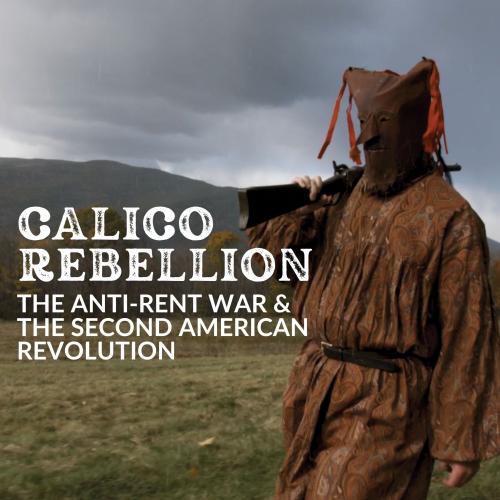
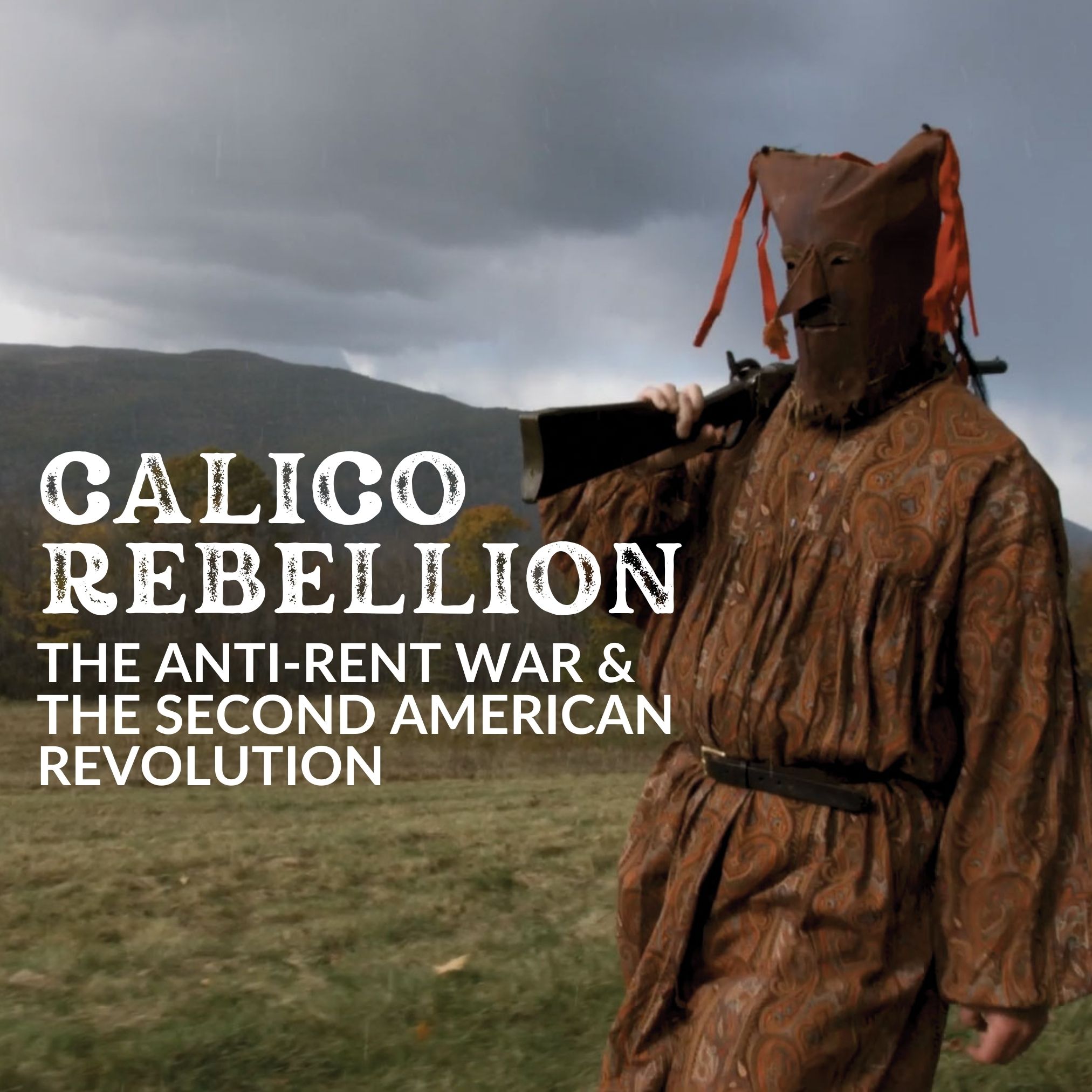
Join us for a special screening of Calico Rebellion: The Anti-Rent War and the Second American Revolution, an award-winning documentary that brings to life one of New York’s most dramatic but often overlooked chapters of history. In the lush woods of New York State’s Catskill Mountains, an almost mythical memory lives on. Of a time when men—armed with rifles and pitchforks, disguised in spooky masks and gowns—descended from bucolic hills to stage the Anti-Rent War, or “Second American Revolution,” as they called it, to challenge the unbridled power of the patroons. That farmers’ uprising 180 years ago changed the course of American history. Today it lives on through direct descendants of those rebellious farmers, through their stories, songs, and eerie costumes preserved since the 1840s.
Following the film, the filmmaker, members of the production team, and the Anti-Renters' direct descendants will lead a moderated discussion with the audience, offering insight into the making of the film, the legacy of the Anti-Rent movement, and the individuals who continue to preserve this story today. Learn more: www.calicorebellion.com
This program is presented as part of New York State History Month, a time to celebrate and reflect on the people, events, and movements that shaped our state and nation.
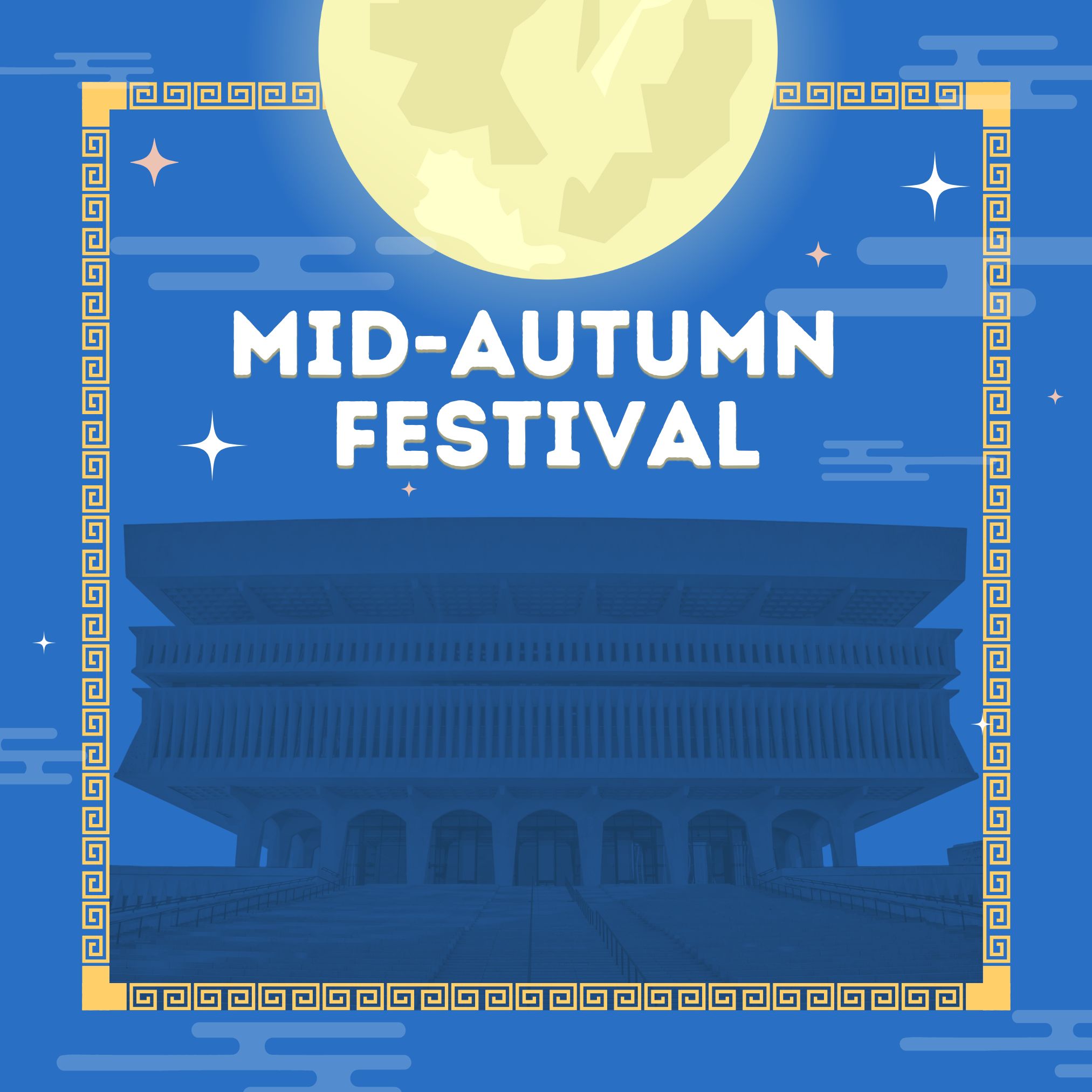
Join us for a hands-on celebration of the Mid-Autumn Festival, a cherished tradition in China honoring family, friends, and the bountiful fall harvest. In this family-friendly activity, participants of all ages will create their own decorative crafts inspired by the full moon and autumn harvest. Learn about the history and customs of this important holiday, share stories of gratitude and good fortune, and take home a special creation to light up your own celebration.
Join us every Tuesday in October for Folklore & Frost, a local documentary series exploring the rich history and mysterious tales of Northern New York. Each episode highlights historic sites where unexplained occurrences and ghostly legends are part of everyday life. From haunted inns and old courthouses to mysterious apparitions and strange happenings, these stories bring the past—and the paranormal—to life.
Schedule:
- October 7: Folklore & Frost - Unexplained Occurrences
- October 14: Folklore & Frost - The Big County and Beyond
- October 21: Folklore & Frost - Legends of Early Downtown Watertown
- October 28: Folklore & Frost - Haunted Happenings
Step into the history, hauntings, and folklore of Northern New York and discover the stories that continue to intrigue and mystify the community.
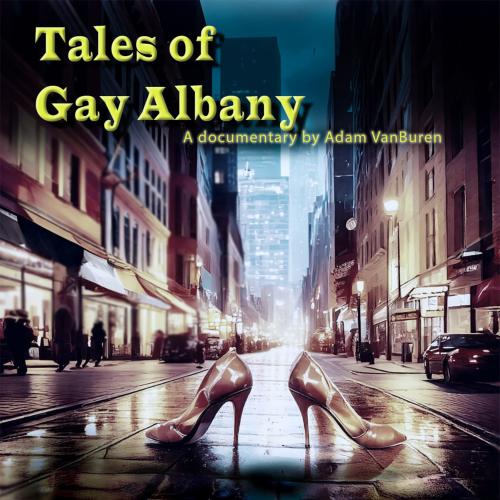
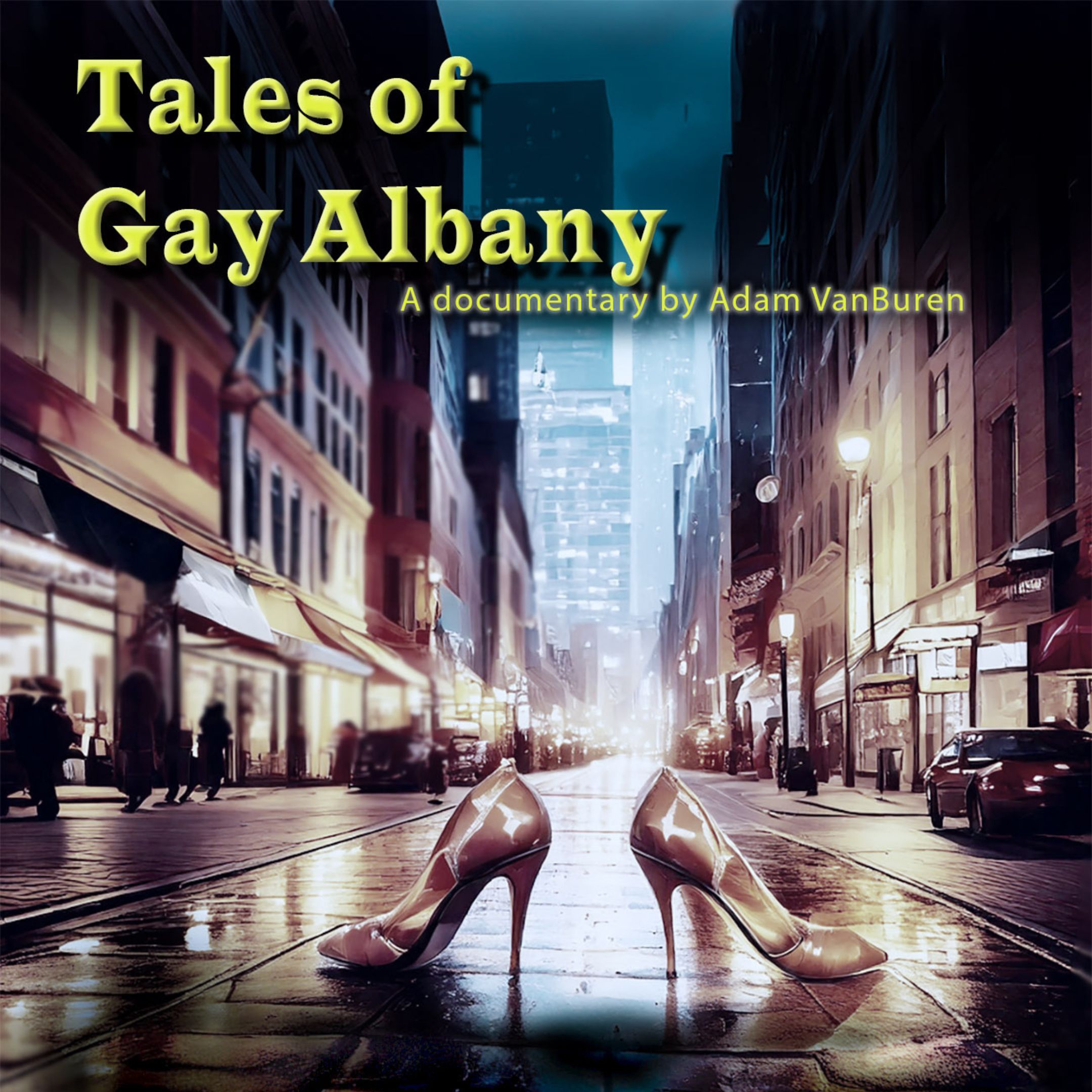
Join us for a screening of Tales of Gay Albany. This documentary by Adam VanBuren shares the voices and experiences of community members who built joy and connection in Albany’s gay nightlife scene of the 1980s and 1990s. Following the screening, filmmaker Adam VanBuren and NYSM Senior Historian Ashley Hopkins-Benton will lead a discussion on the power of community storytelling and the importance of preserving LGBTQ+ history.
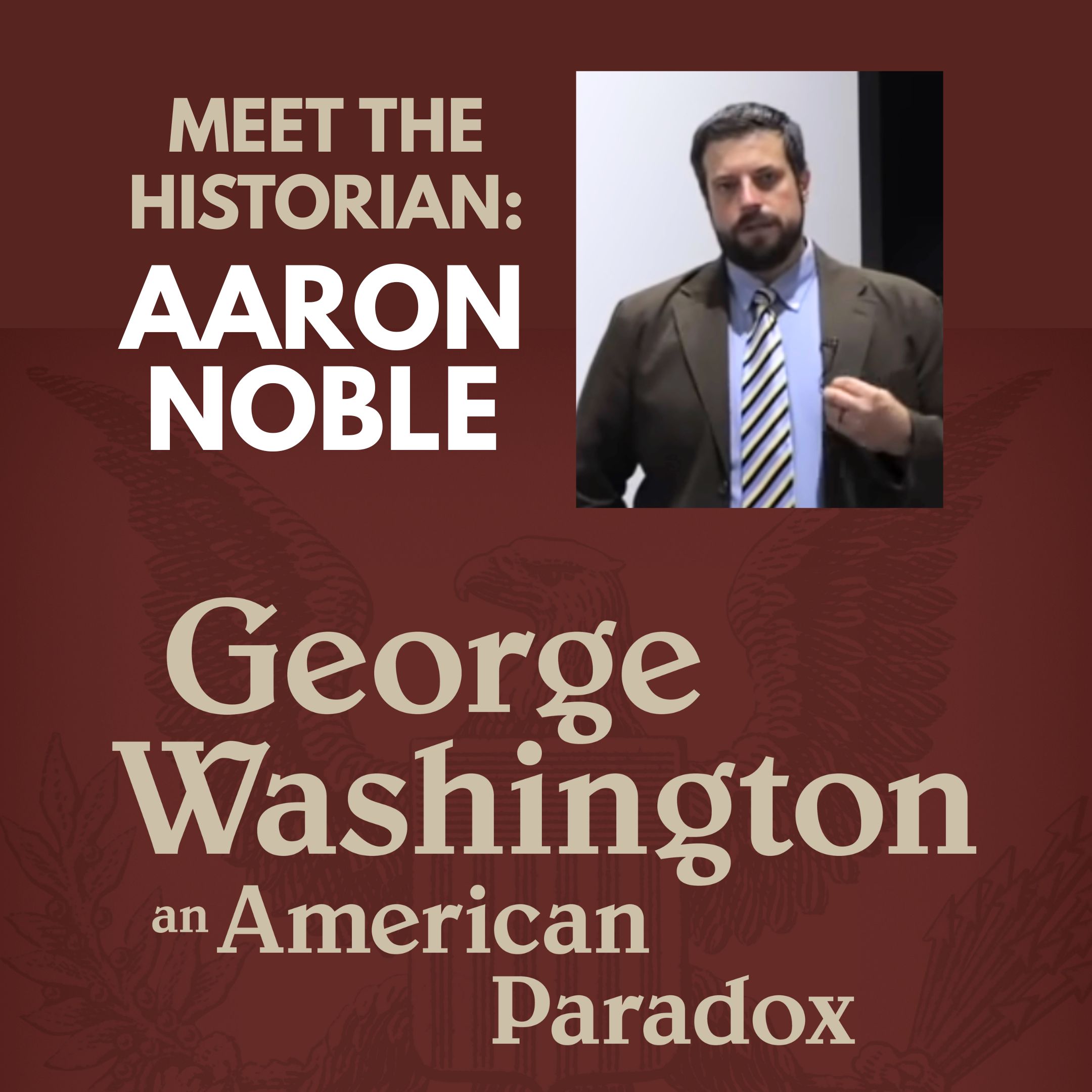
Get up close with history! Meet Senior Historian Aaron Noble across from our George Washington: An American Paradox exhibit, explore powder horns from the Museum’s collection, and let the kids enjoy a hands-on coloring activity. Ask questions, explore, and have fun with the past!
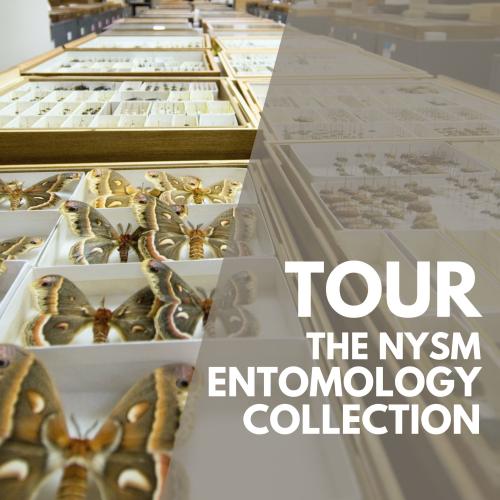
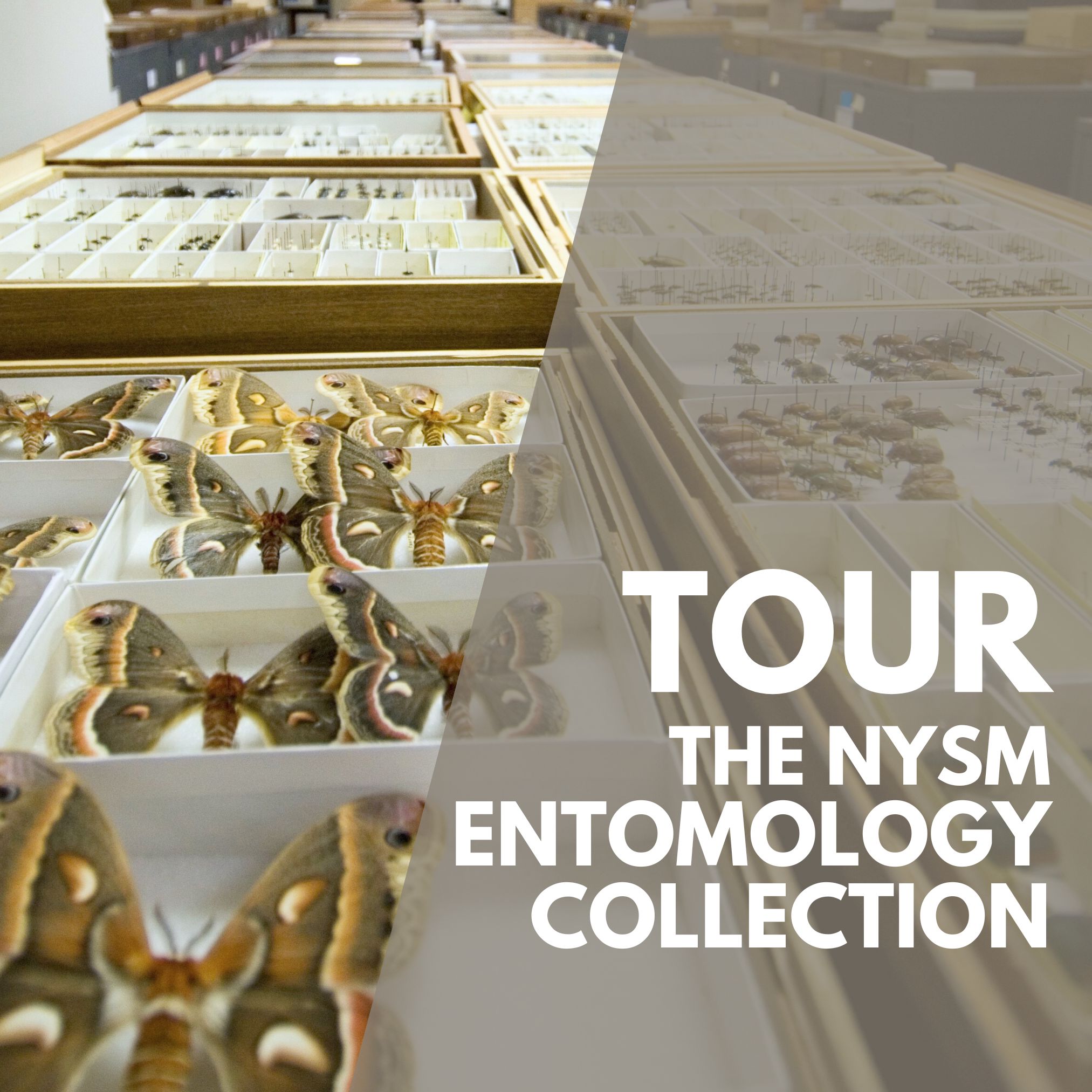
Have you ever seen a nearly two-foot-long walking stick? Or a beetle as large as the palm of your hand? Did you know that an adult insect's life span can be as short as twenty minutes or as long as 50 years? Join New York State Entomologist, Dr. Timothy McCabe, as he reveals more incredible insects and fun facts on a tour of the New York State Museum’s Entomology collection.
Visitors who have received registration confirmation should meet in the Museum Lobby prior to the start of the tour.
Registration: Our apologies, this program's registration has reached capacity.
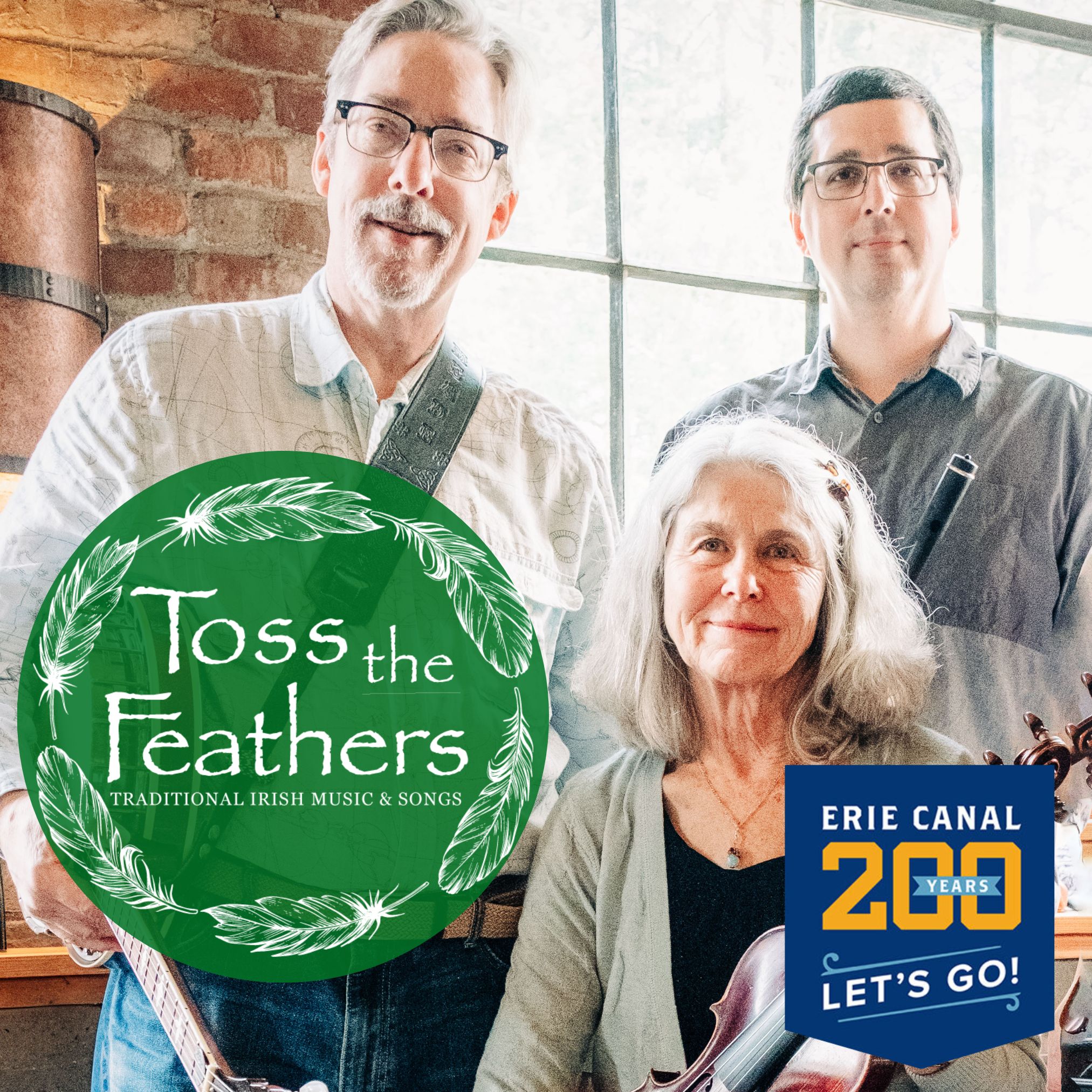
Join Toss the Feathers for Musical Postcards from Irish Albany & Troy, a lively program of traditional Irish music, stories, and song that celebrates the remarkable history of the Irish people in the Upper Hudson Valley. Presented on the 200th anniversary of the Erie Canal’s opening, this concert shines a spotlight on the thousands of Irish immigrants whose labor and spirit helped carve the Canal into existence. Through music, stories, songs, and slides that bring history to life, audiences will travel back to a time when Irish voices and fiddles echoed along the waterways of Albany and Troy.
Presented as part of New York State History Month and the Erie Canal Bicentennial, this special concert honors the enduring legacy of Irish culture and community in New York State.
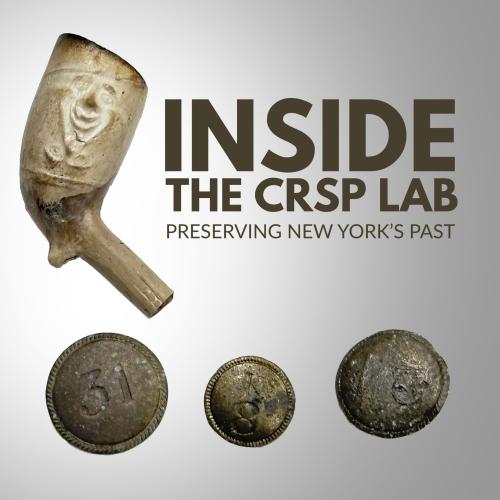
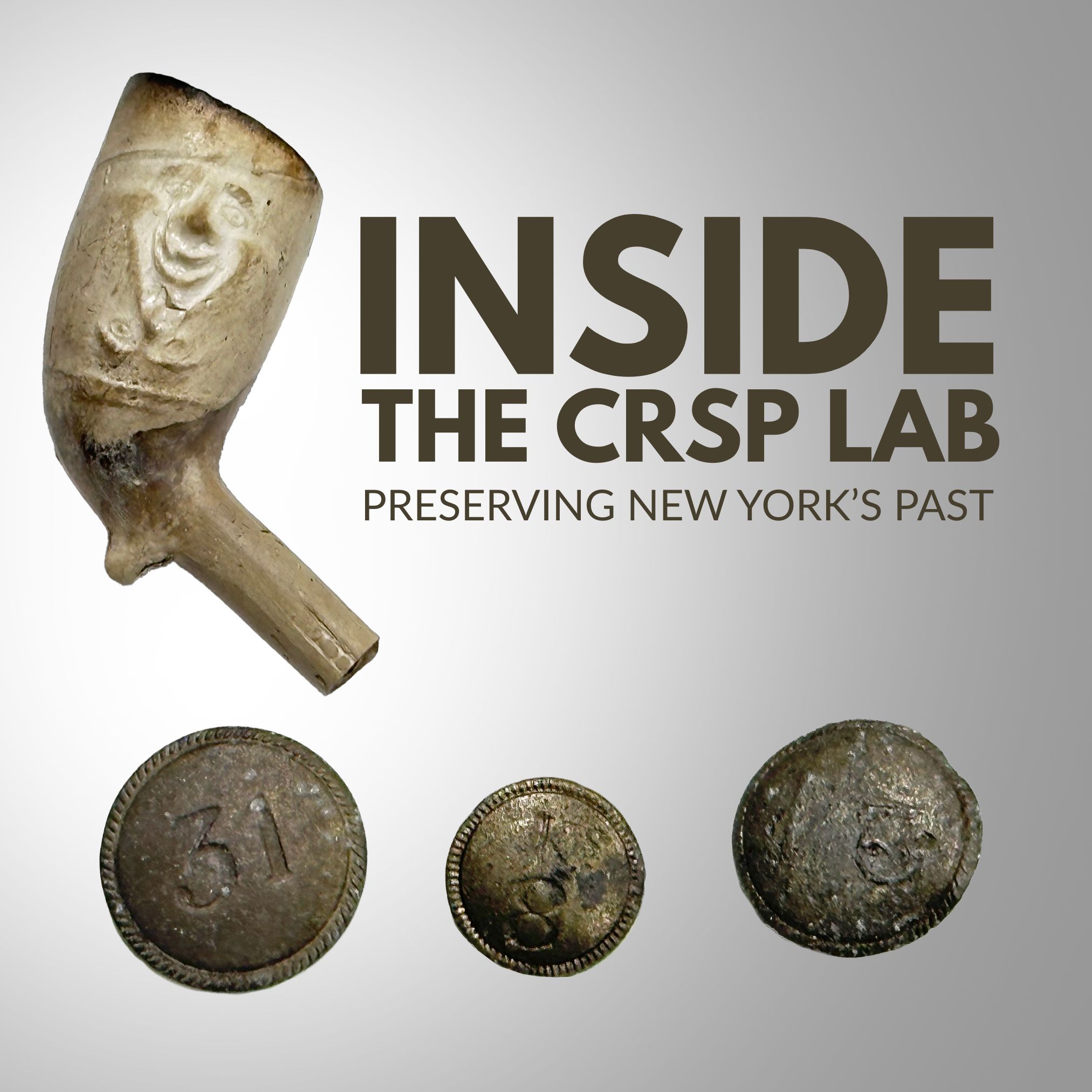
Join Dr. Christina Rieth, State Archaeologist and Co-Director of the Cultural Resource Survey Program (CRSP), for a behind-the-scenes look at how the museum helps preserve New York’s history. Explore artifacts from CRSP projects on display in the lab and learn how they are studied, curated, and shared with the public. Discover how CRSP’s work supporting state agencies, protecting archaeological resources, and advancing research ensures that the stories of New York’s past remain accessible for generations to come.
Registration is required: https://forms.office.com/r/40AWY6iDck
Registration is required: https://forms.office.com/r/40AWY6iDck
Celebrate National Chemistry Week at the New York State Museum! Join chemists from the Eastern New York Local Section of the American Chemical Society for a free, family-friendly event exploring this year’s theme, The Hidden Life of Spices. Experience hands-on experiments, interactive demonstrations, and fun chemistry activities that reveal the science behind the flavors and aromas we encounter every day. Discover how chemistry shapes the world around us!
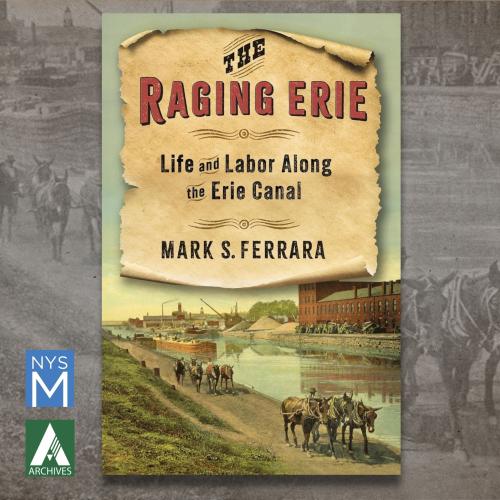
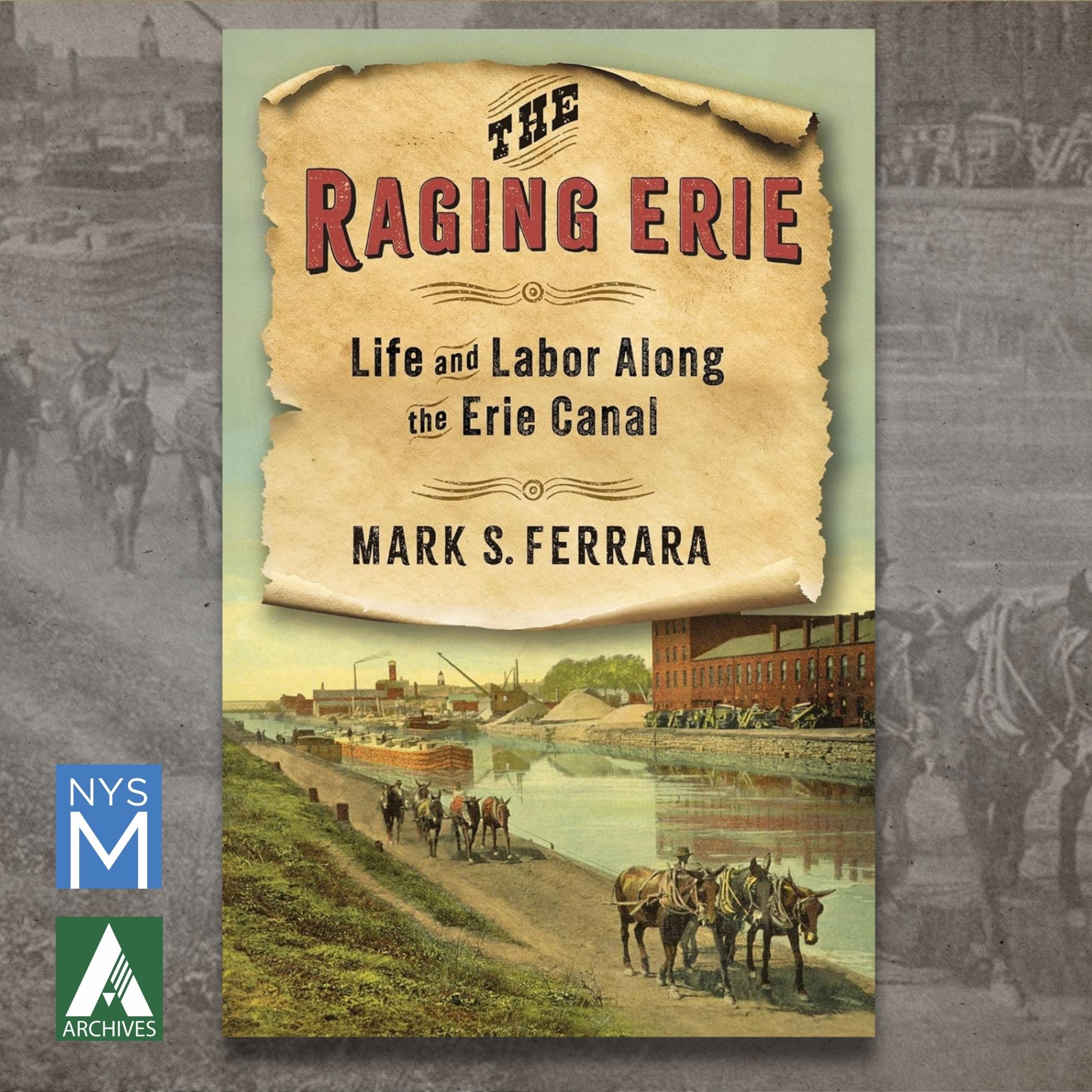
Join author Mark Ferrara, Professor of English at State University of New York at Oneonta and author of The Raging Erie: Life and Labor Along the Erie Canal (Columbia University Press, 2024) to discuss his recent book and some of the stories of the people who lived and worked along the banks of the canal, emphasizing the forgotten role of the poor and working class in this epochal transformation.
Brian Keough, New York State Archivist will talk about and show examples of records documenting New York's canals from the earliest Erie Canal surveys to the completion and operation of the Barge Canal spanning 1794–1958 (bulk 1817–1926) and totaling over 2,560 cubic feet. These archival documents are part of the holdings of the New York State Archives and Records Administration, part of the Office of Cultural Education in the State Education Department
This on-site program will be held at the Huxley Theatre in the New York State Museum on the first floor of the Cultural Education Center, 222 Madison Avenue, Albany, NY 12230.
Our in-person seats are fully booked, but you don’t have to miss out! A live stream will be available on the Museum's YouTube channel starting at 6:00 PM
Baseball and New York City (NYC) have shared a love affair like no other—full of big players, big deals, big heartbreaks, and big comebacks!
Throughout the evening, John Thorn, the official historian of Major League Baseball (MLB), will bring this epic romance to life. From the city's early courtship with the game to their dramatic breakups and joyful reunions, Thorn will reveal how NYC and MLB shaped each other's history—and captured the hearts of millions.
The night kicks off with a reception at 5 p.m. when attendees can explore baseball treasures from the New York State Library, New York State Museum, and New York State Archives.
State Librarian Lauren Moore will deliver opening remarks at 6 p.m., followed by Thorn’s talk covering the history of baseball in NYC from its earliest days to 1962, when, via the Mets, NYC again became a two-horse town. Afterward, New York State Museum historian Steve Loughman will take the mic to lead a lively conversation and audience Q&A with Thorn.
"Whether you're a lifelong baseball fan, a proud New Yorker, or love a great story, this program promises history, heart, and a whole lot of fun," says Moore.
About the Presenter
John Thorn is in his fifteenth year as the Official Historian of Major League Baseball. His many baseball books over the past five decades include Total Baseball, Treasures of the Baseball Hall of Fame, Baseball in the Garden of Eden, and Our Game, which also supplies the title for his blog.
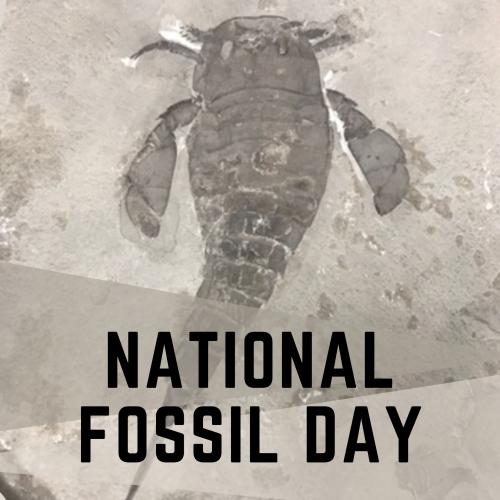
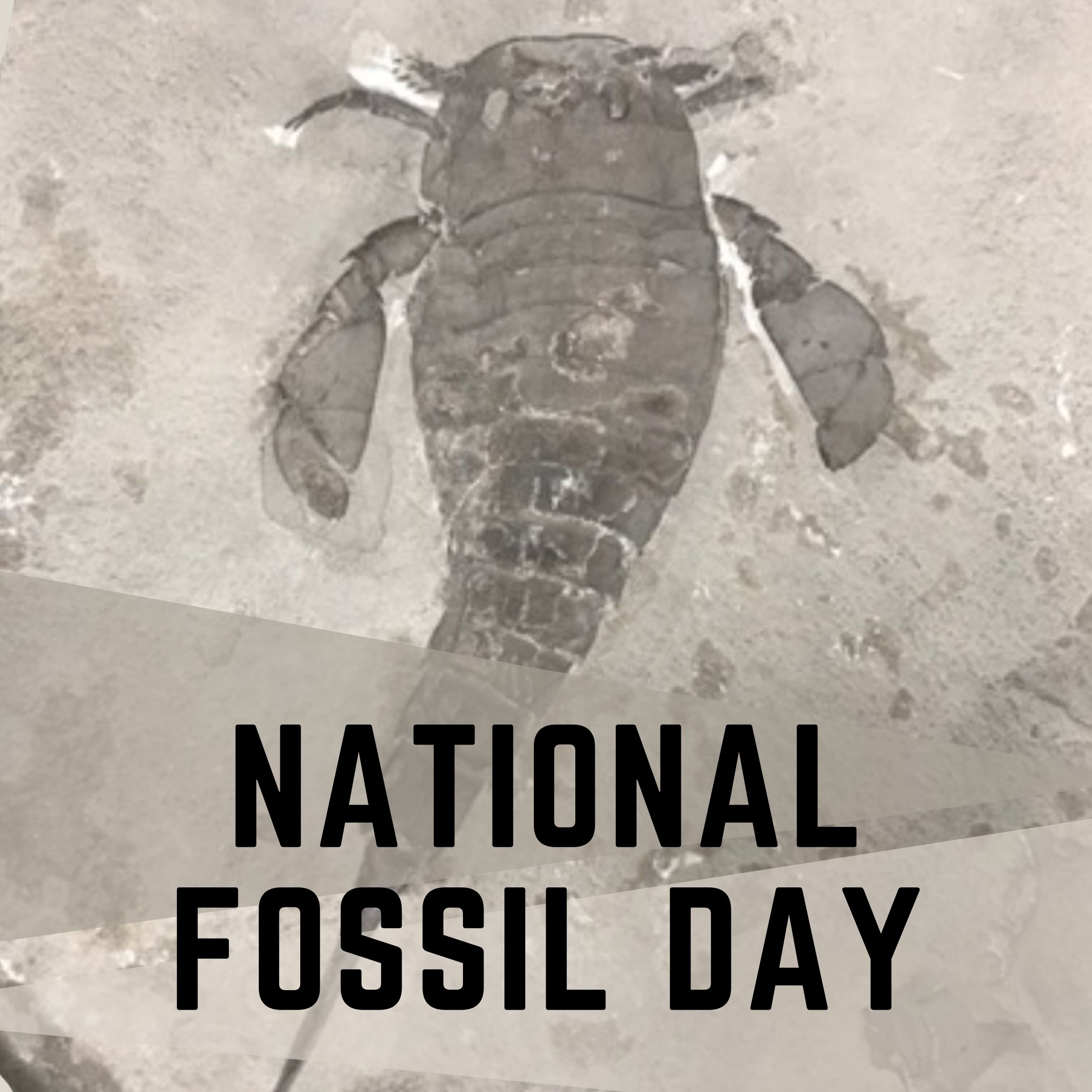
Stop by the New York State Museum after school to celebrate National Fossil Day with hands-on fossil fun! Explore real fossils up close, try a fossil matching activity, check out trace fossils, and peer through microscopes to see ancient details. Kids can also take home a fossil-themed coloring sheet to continue the adventure.
A New Chapter at the New York State Museum—Introducing Director Jennifer Saunders
The New York State Museum is pleased to share a welcome message from its new Director, Jennifer Saunders. Having joined the Museum in early September, Saunders brings both enthusiasm and a forward-looking vision to the role.
Transcript of Welcome Message from Director Jennifer Saunders
“Hello. My name is Jennifer Saunders, and I have the privilege of serving as the new Director of the New York State Museum.
I am so excited to be joining the incredible team here. I’ve been on the job for about a week now, and I can already tell you that we have an amazing group of professionals here at the New York State Museum who are dedicated to exploring and sharing the rich natural and human history of this State.
It’s also clear to me that New Yorkers love their State Museum. From preschoolers to scientific researchers, to lifelong learners—everyone can find someone to learn and enjoy here.
I also believe that we have so much more to offer. We have more than 16 million specimens and objects in our collection, and just as many stories to tell.
Our mission may be the past, but I’m focused on the future and how we can better serve you here at the State Museum.
I can’t wait to talk to our visitors, researchers, and folks from across New York to hear your ideas for making the New York State Museum the best it’s ever been.
It is an honor to serve you in this role. I’m so excited to be here, and on this journey with you.
Thank you.”
(518) 474-1201
Press@nysed.gov
www.nysed.gov
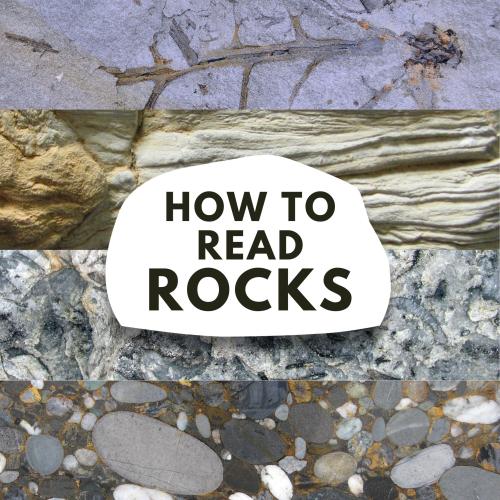
Join Dr. Chuck Ver Straeten, Curator of Sedimentary Rocks, for a hands-on exploration of sedimentary rocks and learn how to "read" their history. Discover how the features visible in these rocks reveal clues about past environments, from ancient seas to volcanic landscapes. Whether you're a budding geologist or just curious about the natural world, this interactive session will help you understand the fascinating processes behind rock formation and the stories they tell about millions of years of Earth's history. Ideal for all ages!
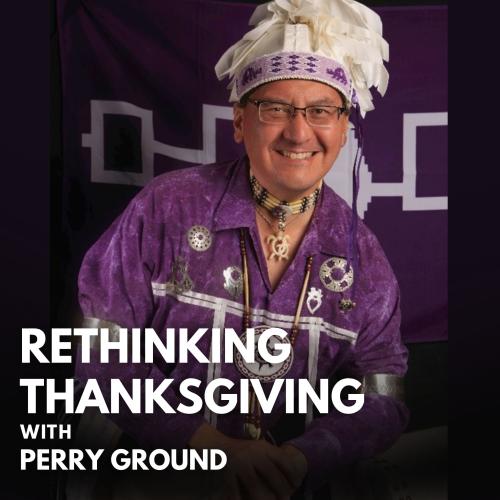
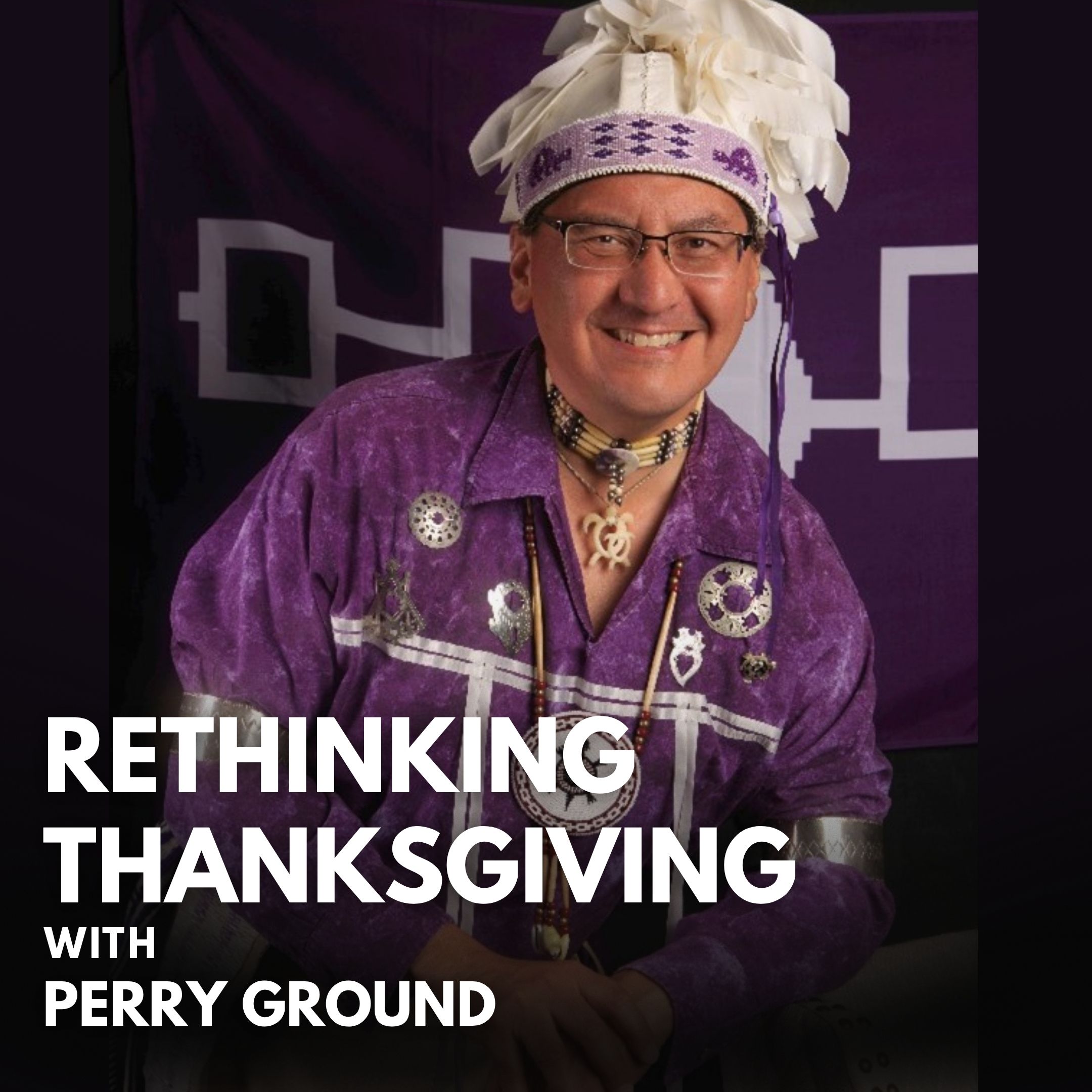
Join Perry Ground (Turtle Clan, Onondaga) to take a fresh look at a familiar holiday. Through stories and discussion, Perry guides participants in exploring the deeper history and culture behind Thanksgiving, uncovering common misconceptions and shedding light on perspectives often overlooked. This session invites curiosity, reflection, and conversation, giving participants a chance to see Thanksgiving through a new lens.
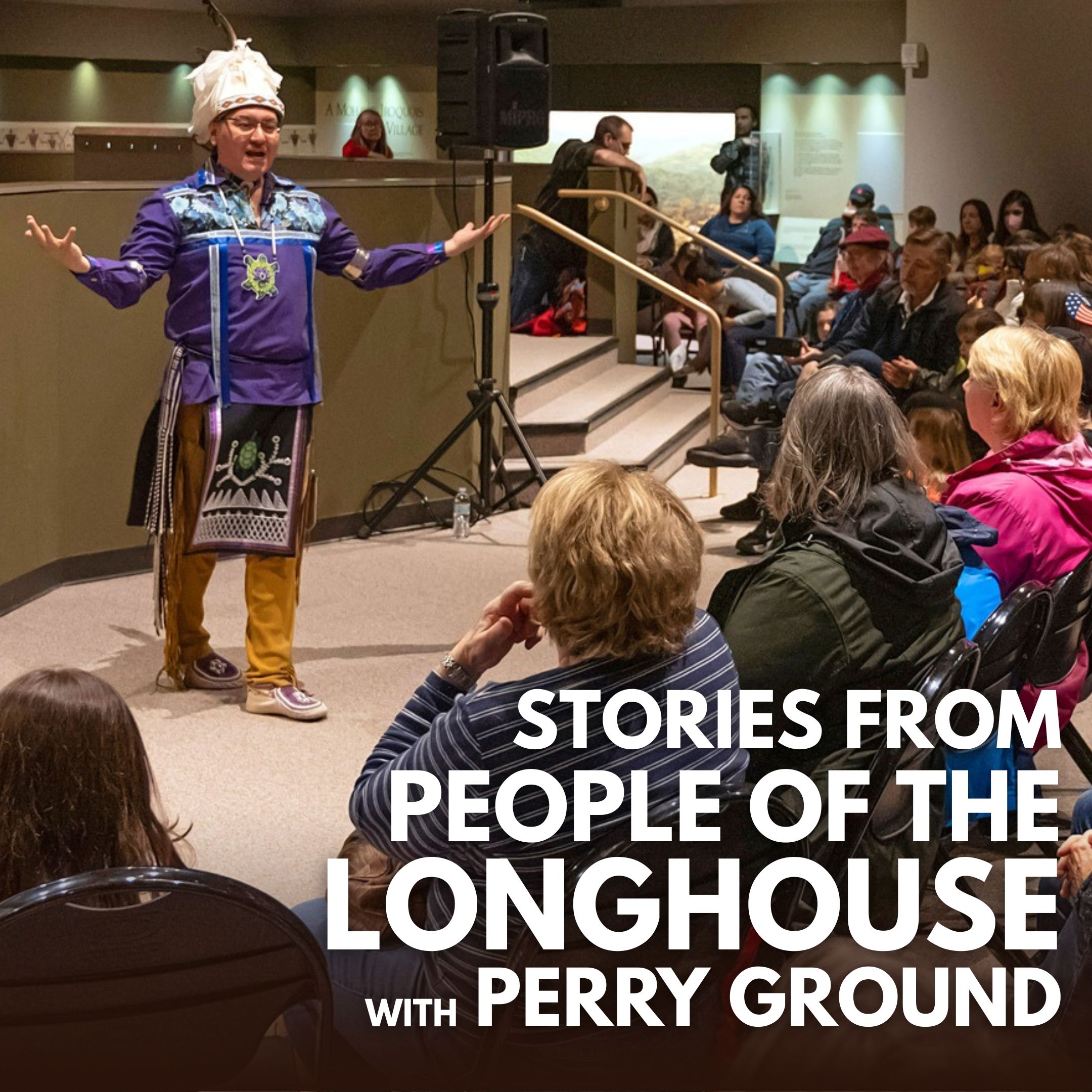
Join Perry Ground (Turtle Clan, Onondaga) as he shares Stories from the People of the Longhouse. This engaging storytelling session features traditional Haudenosaunee legends that have been told for hundreds of years. Through these stories, participants will learn about the beliefs, customs, and history of the Haudenosaunee people, gaining insight into a cultural tradition that remains an important part of Haudenosaunee life today.
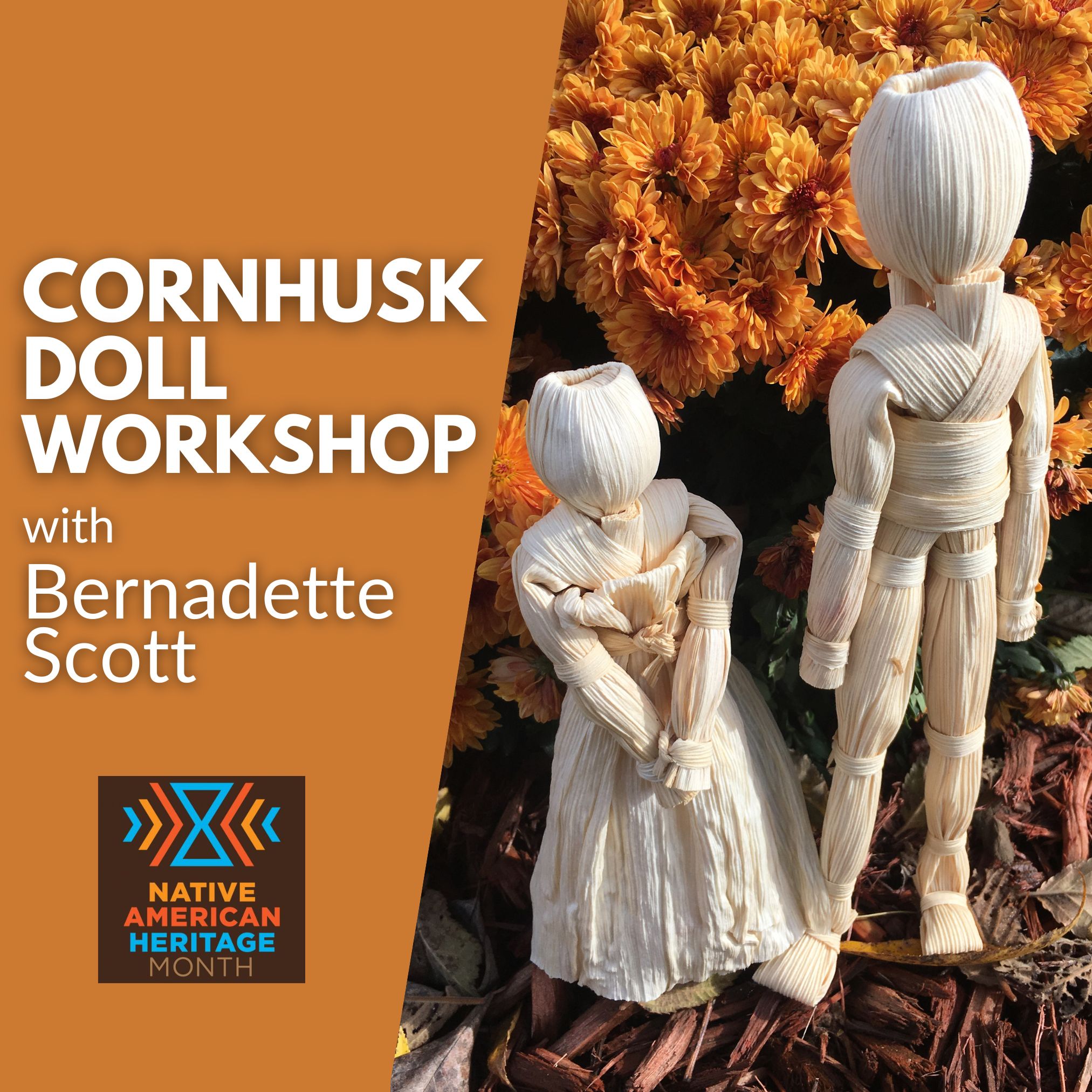
Discover the beauty and tradition of cornhusk artistry in this hands-on workshop led by Bernadette Scott (Deer Clan, Seneca) residing on the Cattaraugus Territory, NY. Participants of all ages are invited to learn techniques for transforming cornhusks into beautiful, handcrafted pieces, while exploring the cultural significance of this traditional Haudenosaunee craft. Whether it’s weaving, shaping, or braiding, you’ll leave with your own unique creation and a deeper connection to the heritage carried through this enduring tradition. Bring family and friends to share in this opportunity for cultural learning and creative expression.
Join the New York State Museum and WMHT for a family-friendly celebration of Sesame Street! Explore the beloved Sesame Street exhibit and see the iconic set up close, then enjoy a day filled with crafts, music, and videos highlighting your favorite moments from the show. Come celebrate the show that has helped children everywhere grow smarter, stronger, and kinder!
Please note: This event does not feature live costumed characters, just the magic of the exhibit and activities that honor 56 years of learning, laughter, and music on Sesame Street.
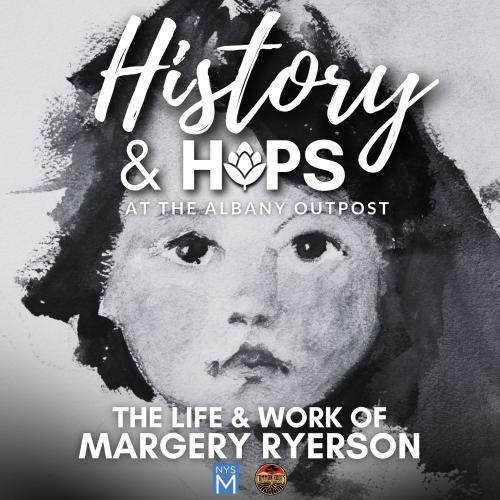
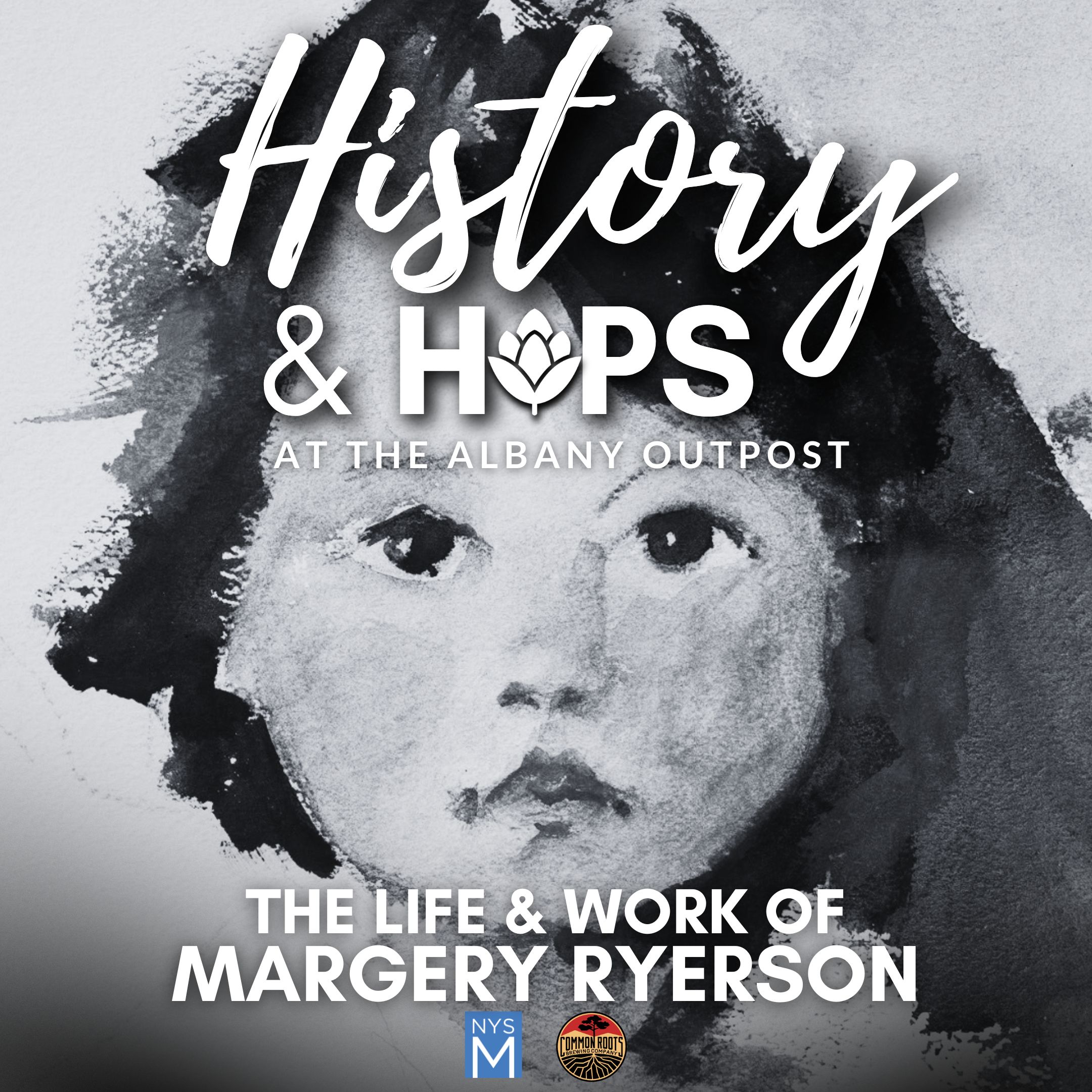
Raise a glass with the New York State Museum at Common Roots Albany Outpost for an evening of art, history, and conversation. Karen Quinn, Senior Historian and Curator of Art and Culture, will bring to life the fascinating story of Margery Ryerson (1886–1989), a trailblazing painter, printmaker, and writer whose seven-decade career captured the energy of New York City’s streets, settlement houses, and everyday life. From candid portraits of children to vibrant cityscapes and landscapes, Ryerson’s work tells the stories of immigrants, communities, and the people she taught and inspired. Raise a pint, dive into her world, and discover how this remarkable artist chronicled the city she called home.
This fun, interactive program is free to attend. Food and drink are not included, but are available for individual purchase at the venue.
Location:
Common Roots Albany Outpost
19 Quackenbush Square
Albany, NY 12207
https://commonrootsbrewing.com/
Join Jane Wilcox for an engaging dive into the holdings of the New York State Archives at the Cultural Education Center in Albany. Discover both familiar and hidden resources that can help advance your New York research, including a live demonstration of the online Finding Aids. Learn practical tips for navigating records that may hold clues to your family history and uncover new paths for your genealogical journey.
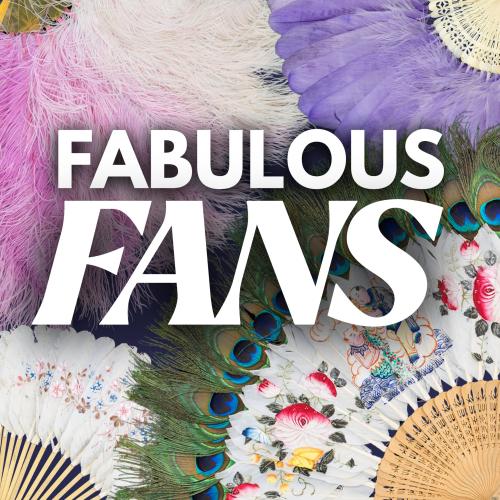
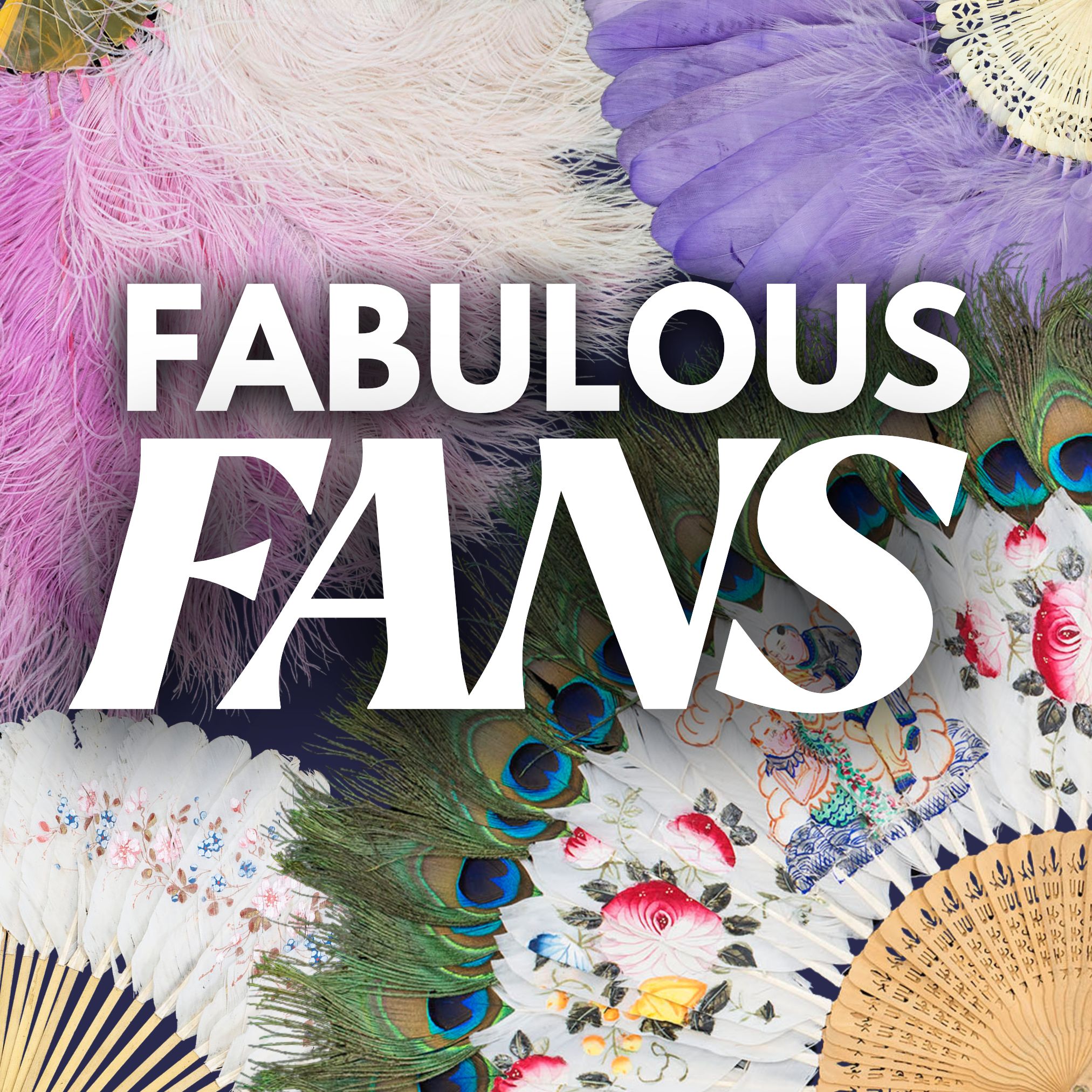
Discover the beauty of history through feathers! Join Robyn Gibson, History Department Rights and Reproductions Manager at the New York State Museum, as she shares stunning feathered fans—from peacock to ostrich—straight from the Museum’s collection. After seeing these historic treasures up close, children can get creative in a hands-on craft activity, designing and decorating their very own colorful fans to take home. Enjoy this fun, interactive program for little historians and makers alike!
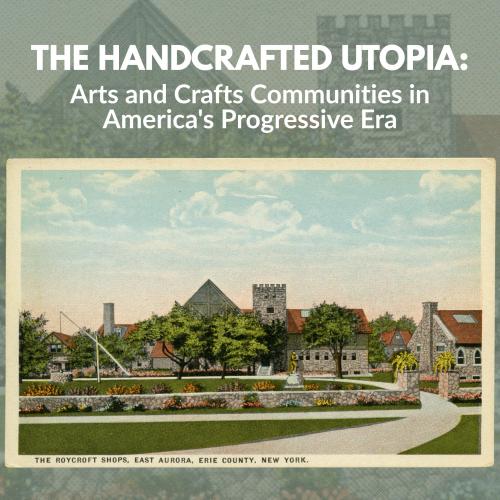

Join historian and author Dr. Thomas Guiler, Director of Museum Affairs at the Oneida Community Mansion House, for an engaging talk exploring the rise of communal Arts and Crafts Movements in early 20th-century America. Drawing from his newly released book, The Handcrafted Utopia: Arts and Crafts Communities in Progressive America (Couper Press, 2025) Dr. Guiler examines the rich histories of visionary communities like Rose Valley, Byrdcliffe, and Roycroft—utopian experiments where artists and idealists sought to merge beauty, labor, and social reform.
Discover how these communities used handcrafted decorative arts as a means of building more meaningful lives and learn about the unique role New York State played in this transformative cultural moment. A Q&A and book signing will follow the presentation.
Celebrate late fall with this cozy, hands-on craft! Make charming, felted acorns in a fun, family-friendly activity that’s enjoyable for all ages.
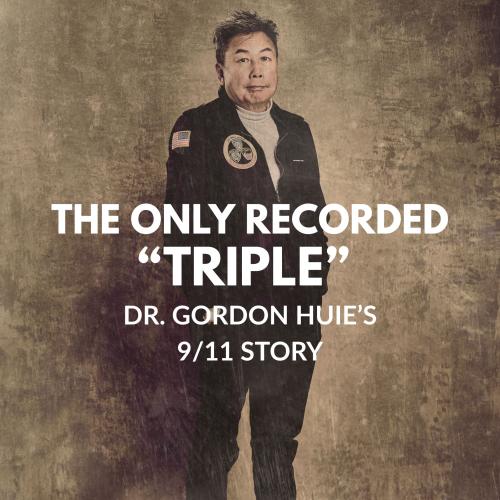
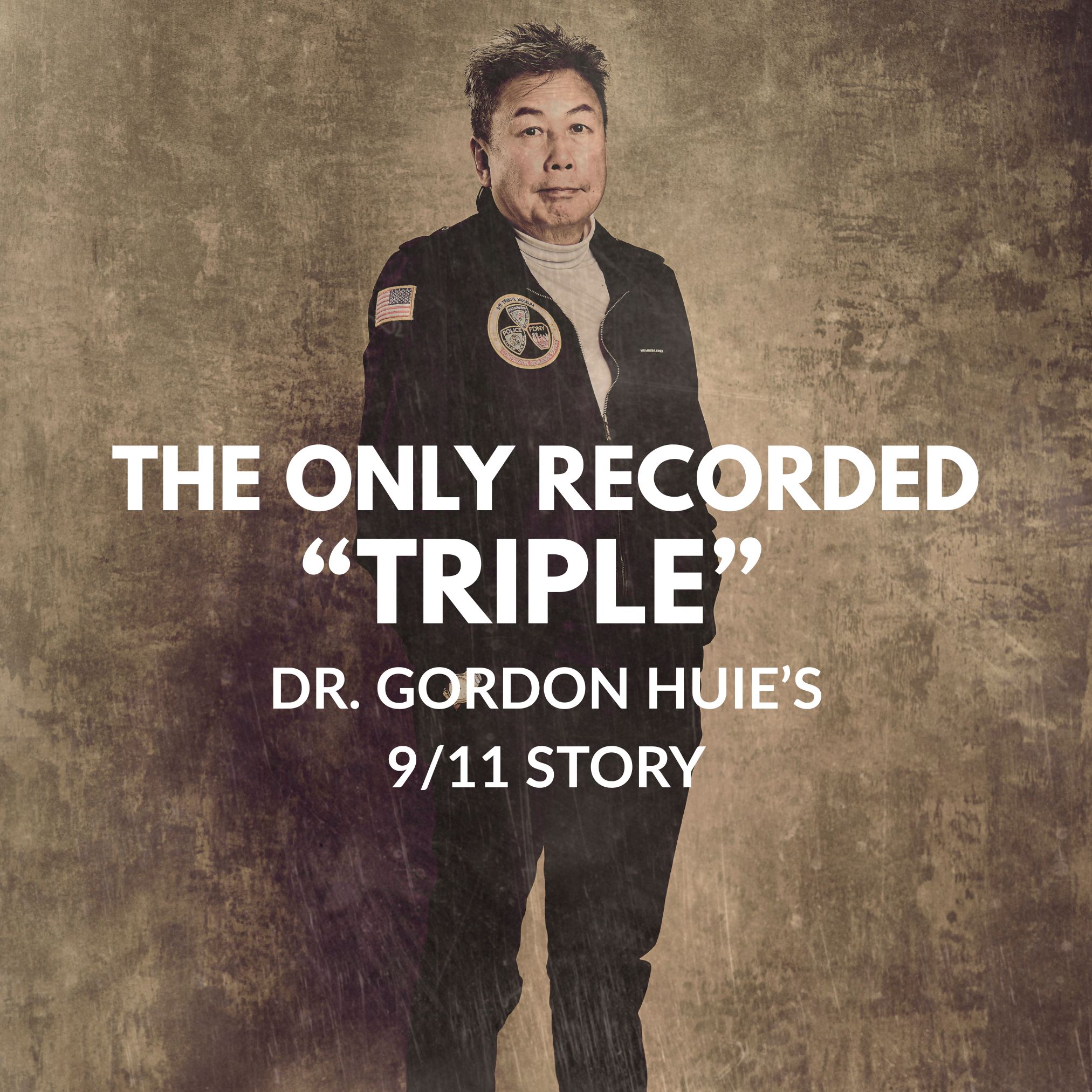
Join us to hear world-renowned speaker Dr. Gordon Huie as he recounts his deeply moving narrative of what it was like on that fateful morning in September 2001. Known as the only recorded “Triple” connected to the attacks in New York City, Dr. Huie brings awareness through his personal photos, videos, and testimony to aspects of 9/11 that much of the world did not realize.
A former U.S. Army combat medic, and later a medical officer in the U.S. Air Force, Dr. Huie went on to a distinguished career as an orthopedic surgeon before retiring. His story is one of extraordinary service, sacrifice, and resilience, offering a rare and unforgettable perspective on one of the most defining moments in modern history.
This free public event will also be eligible for Continuing Teacher and Leader Education (CTLE) credit for classroom educators.
MLB & NYC: A Love Story—An Evening at the Museum with Major League Baseball’s Official Historian John Thorn
On Monday, October 6, the New York State Museum will welcome John Thorn, the Official Historian of Major League Baseball (MLB), for a special evening presentation on baseball’s deep connection with New York City. Thorn will explore how the sport and the city have shaped one another over time while capturing the hearts of millions. This one-night-only program will highlight the pivotal role New York has played in the history of the national pastime and its enduring impact on American culture.
Hosted by the New York State Library and the Office of Cultural Education, this landmark program offers New Yorkers a rare chance to experience the history of America’s pastime through the eyes of one of its greatest storytellers.
Doors open at 5 p.m. with a special exhibit of baseball treasures from the New York State Library, Museum, and Archives. At 6 p.m. in the Huxley Theater, State Librarian Lauren Moore will deliver opening remarks to kick off the evening.
John Thorn’s keynote address will then take the audience on a journey through New York’s baseball story—from its earliest ball clubs and golden dynasties to periods of challenge and renewal—culminating in the 1962 arrival of the Mets, which returned New York to a two-team stage. The program will conclude with a conversation and audience Q&A moderated by New York State Museum Historian Steve Loughman.
Event Details
- Date: Monday, October 6
- Time: 6 p.m. (Doors open at 5 p.m.)
- Location: Huxley Theater, New York State Museum
- Featuring: John Thorn, Official Historian of Major League Baseball
- Register
- (Seating is limited; advance registration is required. If registration is full, a waitlist will be available.)
New York State Librarian Lauren Moore said, “Baseball is woven into the history and identity of New York. This program highlights not only the game’s role in our culture, but also its ability to bring people together across generations and communities. We are proud to welcome John Thorn to share his expertise and shine a light on the enduring connection between New York and the national pastime.”
Official MLB Historian John Thorn said, “I have loved baseball all my life, as an immigrant boy in New York who went on to become MLB's official historian. Let's celebrate our game and how it supplied a model to the nation."
Deputy Commissioner for Cultural Education Michael Mastroianni said, “We are so honored to welcome John Thorn to the State Museum. His insight and storytelling bring to life the history of the game and its unique connection to New York. This evening will be unforgettable for baseball fans and history lovers alike!”
About John Thorn
Now in his fifteenth year as MLB’s Official Historian, John Thorn is the celebrated author of Total Baseball, Treasures of the Baseball Hall of Fame, Baseball in the Garden of Eden, and Our Game (also the title of his long-running blog). Over five decades, his work has illuminated how baseball’s history reflects—and shapes—the American experience.
About the New York State Library
The New York State Library, established in 1818, is the largest state library in the nation and one of the largest research libraries in North America. It oversees a vast network of more than 7,000 libraries statewide, serving a diverse audience that includes researchers, educators, patrons, lawmakers, state agencies, and the general public.
The Library preserves and maintains invaluable historical collections and works, and serves as a Regional Depository for federal publications. It administers the Federal Depository Library Program in partnership with 65 selective Federal depository libraries throughout New York State. Additionally, the State Library is the official repository of New York State government publications, ensuring their enduring preservation and accessibility for future generations.
The Library’s mission is advanced through several key divisions, including the Research Library, which houses a collection of over 20 million items, the Talking Book and Braille Library, a free service for eligible New Yorkers unable to use standard print materials, and the Division of Library Development, which identifies opportunities to improve and expand modern library services throughout the state.
A vital part of the Office of Cultural Education, the New York State Library is located at 222 Madison Avenue in Albany, N.Y., and is open to the public Monday through Friday from 9:30 a.m. to 5:00 p.m. Its robust collections are accessible onsite and through an interlibrary loan program. Researchers worldwide can also explore government documents and historical materials through the New York State Library’s Digital Collections.
For more information, please visit the New York State Library website and subscribe to our monthly newsletter.
(518) 474-1201
Press@nysed.gov
www.nysed.gov