

We the People
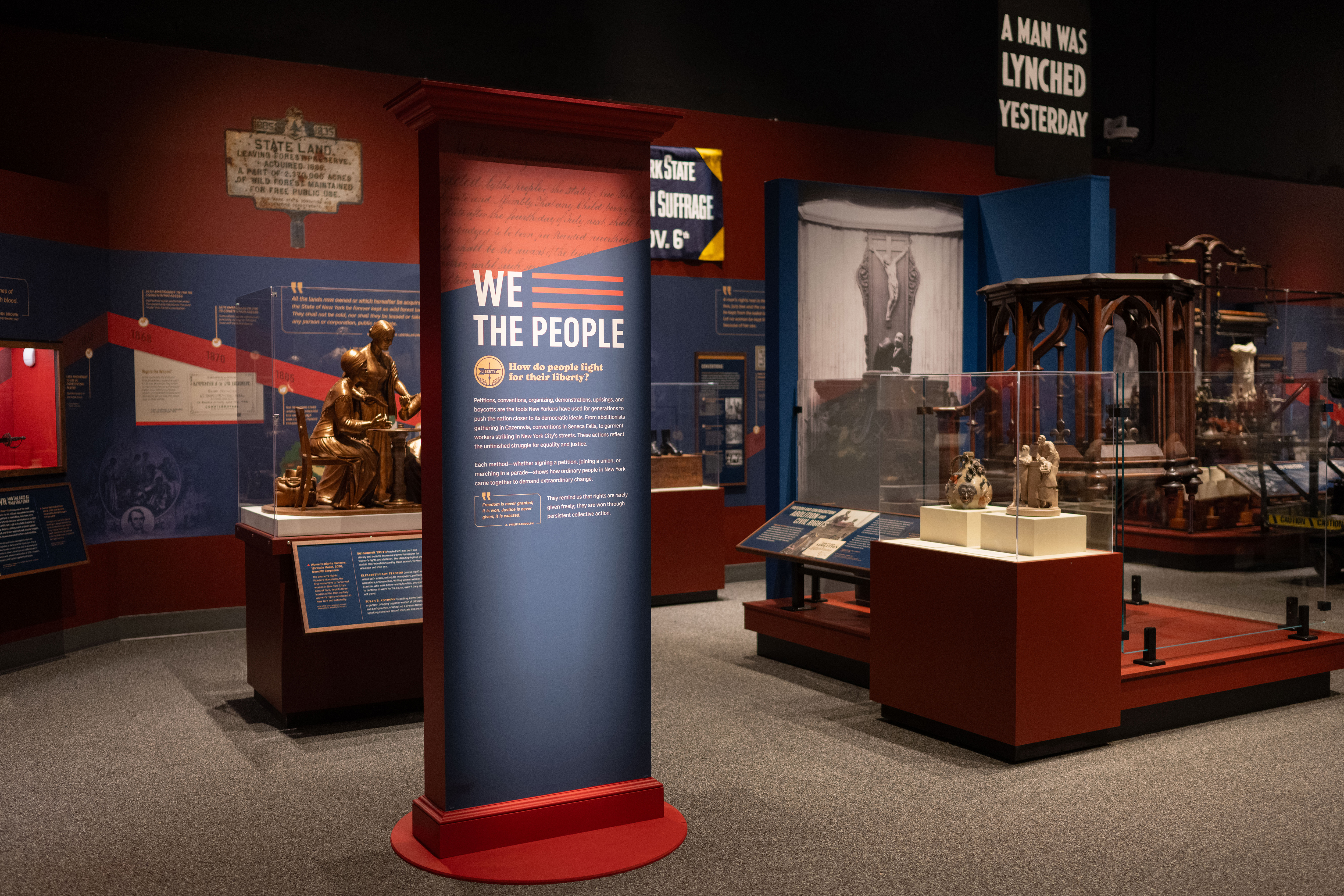
Following the video, visitors enter the final section of the exhibition, titled “We the People." A tall introductory panel poses the question, “How do people fight for their liberty?” This section explores six major movements for social change: Women’s Rights, Abolition and Civil Rights, Labor Rights, Immigration Rights, Environmental Activism, and LGBTQ+ Rights. Each thematic area is anchored by a prominent artifact and supported by additional objects and images, with key moments from each movement placed within a shared legislative timeline.
The timeline stretches nearly 80 feet long across the gallery. A thick red line winds over a dark blue background with imagery, forming a sweeping visual backdrop for the six themes. Beginning in 1799 with the Act for the Gradual Emancipation of Slavery, it traces more than two centuries of activism and social change. Key moments from each thematic area appear along its length, creating a layered approach that allows visitors to explore individual movements while also seeing how they intersect, influence one another, and evolve over time.
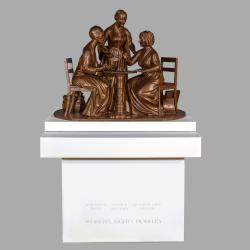
The “Women’s Rights” section features a one-third scale model of the Women’s Rights Pioneers Monument, showing Sojourner Truth, Elizabeth Cady Stanton, and Susan B. Anthony together in bronze-colored form that’s approximately three feet tall by four feet wide and is displayed on a pedestal.
Nearby is an area called “Freedom and Contradiction: Abolition and Civil Rights.” It features a dark wooden church pulpit, roughly six feet by six feet. A small media screen shows a reenactor delivering Frederick Douglass’s famous 1852 speech, What to the Slave Is the Fourth of July, written by Douglass and performed by Frederick Jones.
In the “Labor Rights” area, an industrial knitting machine serves as the central object. Measuring more than eight and a half feet tall and six and a half feet wide, the machine is cast and painted, with a four-legged table base and a rectangular top. Two rotary mechanisms extend from the structure, connecting to spools of yarn and emphasizing the machine’s industrial function.
The Immigration Rights section, titled “The American Dream,” includes a sculpted plaster head created by immigrant artist Henry DiSpirito. The sculpture features finely carved facial details and a prominent mustache, while the hair is rendered in a more stylized manner.
Within the “Environmental Activism” area, a highlighted grouping of objects featuring the Bald Eagle motif reflects the bird’s shifting significance—from a symbol of the young American republic to an emblem of conservation as the species itself faced near extinction. The grouping includes a large red coffee mill, nearly three feet tall and two feet wide, decorated with an eagle holding banners bearing the company name Enterprise Mffg. Co. Additional objects include a stoneware crock and pitcher, a wooden clock with painted details, a bronze painted eagle figurine with outstretched wings, and an engraved scrimshaw busk.
Finally, as you return toward the entryway, “LGBTQ+ Rights” is marked by a full-size Volkswagen Beetle painted in bright rainbow-colored stripes, with the word “fagbug” in bold white letters that span nearly the entire side of the car. It is paired with its original silver hood that bears graffiti in red spray paint that reads “U R Gay.”
The exhibition concludes at the end of the timeline, bringing you to the present day and inviting reflection with a final question: “What will future revolutions look like?” From there, the path leads back to the gallery entrance, completing the U-shaped route through the Exhibition Hall.
Petitions, conventions, organizing, demonstrations, uprisings, and boycotts are the tools New Yorkers have used for generations to push the nation closer to its democratic ideals. From abolitionists gathering in Cazenovia, conventions in Seneca Falls, to garment workers striking in New York City’s streets, these actions reflect the unfinished struggle for equality and justice.
Each method—whether signing a petition, joining a union, or marching in a parade—shows how ordinary people in New York came together to demand extraordinary change. They remind us that rights are rarely given freely; they are won through persistent collective action.
Women's Rights
From the American Revolution through the early 20th century, women who were denied political, educational, professional, and religious equality organized through reform movements to secure the right to vote and ultimately pursued constitutional equality through the Equal Rights Amendment.
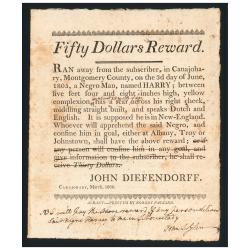
Freedom and Contradiction: Abolition and Civil Rights
From the era of slavery through emancipation and beyond, enslaved people and their allies, many in New York, fought for freedom and civil rights, a struggle that led to the Thirteenth Amendment to the United States Constitution and continues today in the ongoing pursuit of liberty and equality for all.
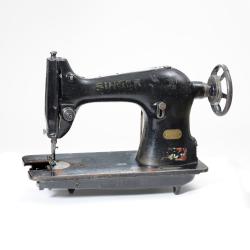
Labor Rights in NYS
From the early 19th century to the present, working people in New York, including immigrants, women, and people of color, have organized for labor rights and social justice, shaping laws and movements that advanced workplace protections, civil rights, and economic equality.
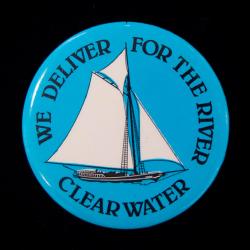
Environmental Activism
From the growth of industry to modern environmental activism, people in New York have worked to protect natural resources and public health, culminating in the 2021 adoption of the Green Amendment to the New York State Constitution guaranteeing the right to clean air, water, and a healthful environment.
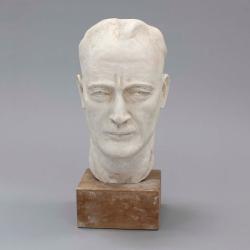
The American Dream
Immigrants to the United States have pursued opportunity, safety, and democracy despite discrimination and hardship, while playing key roles in movements for labor reform and equal rights.
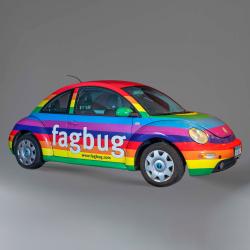
LGBTQ+ Rights
Activists in New York and across the United States have fought for LGBTQ+ rights in courts, legislatures, and communities, a movement commemorated each year during Pride in honor of the Stonewall uprising.