

State Museum to Exhibit Nature-Based Artwork From Artists Around the World
An exhibition featuring nature-based artwork created by talented artists from around the world will open at the New York State Museum on April 19, 2014. Focus on Nature XIII: Natural and Cultural History Illustration showcases 91 natural and cultural history illustrations from 71 artists.
Open through January 4, 2015 in Photography Gallery, this biennial exhibition has continued to grow in both scope and reputation. This year's artwork was selected from 379 entries submitted by 172 artists. Artists represented this year are from Australia, Brazil, Canada, Chile, England, France, Israel, Italy, the Netherlands, Portugal, South Korea, Spain, Sweden, Switzerland, and the United States of America. A list of the featured artists is available here: http://www.nysm.nysed.gov/fon/exhibitions/fon13/artists.pdf.
"Focus on Nature continues to be a popular exhibition and the Board of Regents and the State Museum are proud to again display illustrations created by artists from around the world," said State Museum Director Mark Schaming. "The selected works this year are extraordinary and are brilliant examples of illustrations of the natural world by a group of very accomplished artists."
The exhibition's goal is to demonstrate the important role illustration has in natural science research and education and to display images of nature that people might not otherwise be able to experience. A five-member jury of artists and scientists selected the artwork included in the exhibition based on the illustration's scientific accuracy and uniqueness, educational value and artistic quality.
The subjects represented in the exhibition are diverse, ranging from those only found in the artists' home countries, to those that have a worldwide distribution. The exhibition features illustrations of extinct creatures such as the Titanosaur by Chilean artist Mauricio Alvarez Abel and the Kosmoceratops by New York artist James Gurney, to newly discovered and named organisms such as the Principe Thrush (Turdus xanthorhynchus) and Coelogyne species. A special feature of this year's exhibition is a 3-D illustration of Neanderthal (Homo neanderthalensis) by Swiss artist Livia Maria Enderli. This reconstruction of a skull from an archaeological site in Uzbekistan found in 1938 uses the latest technology available to artists and scientists.
More information about Focus on Nature can be found at: http://www.nysm.nysed.gov/fon/. Photos from the exhibit are available at: http://www.nysm.nysed.gov/PRkit/2014/fon/.
The State Museum is a program of the New York State Education Department's Office of Cultural Education. Located on Madison Avenue in Albany, the Museum is open Tuesday through Sunday from 9:30 a.m. to 5 p.m. It is closed on Thanksgiving, Christmas and New Year's Day. Admission is free. Further information about programs and events can be obtained by calling (518) 474-5877 or visiting the Museum website.
Phone: (518) 474-1201
Best of Suny Art Exhibition Opens May 31 at State Museum
The Best of SUNY Student Art Exhibition returns to the New York State Museum May 31, showcasing artwork created by SUNY’s talented student artists from across New York State.
Open through August 31, 2014, the exhibition features artworks chosen by individual art departments across SUNY’s campuses. The exhibition includes 69 artworks selected from 295 submissions. The exhibition includes drawings, paintings, photography, sculpture and digitally produced works.
A list of the artists featured in the exhibition is available at the following link: http://www.nysm.nysed.gov/PRkit/2014/SUNY/NYSM-SUNY2014.pdf.
Three student artists will receive $1,000 scholarships. Honorable Mention awards of $500 will be given to four additional students. SUNY will announce the awardees in June.
“The Board of Regents understands the importance of art education," New York State Education Commissioner John B. King, Jr. said. "The Best of SUNY Student Art Exhibition at the State Museum speaks volumes of the quality of artwork created by talented SUNY students and also highlights the gifted faculty who teach in the arts. And now thousands of New Yorkers will have the opportunity to view these impressive pieces of art over the next few months.”
“We are deeply proud to have our Best of SUNY art exhibition on display at the New York State Museum again this year,” said SUNY Chancellor Nancy L. Zimpher. “Showcasing our top student works from the past year in this annual exhibit has become a must-see attraction for those who live in Albany as well as the Museum’s many visitors from across the state and nation. Congratulations to all of this year’s contributors.”
“The New York State Museum is pleased to once again host the Best of SUNY Student Art Exhibition,” said State Museum Director Mark Schaming. “Each year a new group of talented student artists create diverse artwork that reflects the superior art education opportunities at SUNY campuses across the state. This exhibition is a great tribute to the artists, faculty and families across the state who are dedicated to a public education in the visual arts.”
The SUNY student art shows were initiated in 2002 so that the work of SUNY’s most talented student artists would be seen by a wider audience. SUNY student art is also on display year-round at State University Plaza in Albany, SUNY Global Center in New York City, and Governor Cuomo’s Washington, DC office.
Photos from the exhibition are available at: http://www.nysm.nysed.gov/PRkit/2014/SUNY/.
The State University of New York is the largest comprehensive university system in the United States, educating nearly 463,000 students in more than 7,500 degree and certificate programs, and more than 1.8 million NYS citizens in professional development and personal enrichment programs, on 64 college and university campuses, and online through Open SUNY. There are nearly 3 million SUNY alumni worldwide. To learn more about how SUNY creates opportunity, visit SUNY.
The State Museum is a program of the New York State Education Department’s Office of Cultural Education. Located on Madison Avenue in Albany, the Museum is open Tuesday through Sunday from 9:30 a.m. to 5 p.m. It is closed on Thanksgiving, Christmas and New Year's Day. Admission is free. Further information about programs and events can be obtained by calling (518) 474-5877 or visiting the Museum website.
Phone: (518) 474-1201
State Museum Exhibits Two Historical Vehicles at New York State Fair, August 21 – September 1
The New York State Museum will display two historical vehicles at the Great New York State Fair in Syracuse, NY, August 21 – September 1, 2014. The two vehicles, a 1932 Packard Phaeton and a 1967 Lincoln Executive Limousine, were used by New York Governors Franklin D. Roosevelt and Nelson A. Rockefeller, respectively.
"The Board of Regents and the New York State Museum are honored to exhibit two historical vehicles from the Museum's collections at the Great New York State Fair," said State Museum Director Mark Schaming. "For the first time at the State Fair, thousands of New Yorkers will have the opportunity to see these two historical cars that transported Governors Roosevelt and Rockefeller across New York State."
The 1932 Packard Phaeton was purchased in 1932 by Governor Franklin D. Roosevelt for his use in Albany. When Roosevelt was elected to the Presidency, the vehicle became part of the state fleet. Though kept in running condition, it was rarely used after 1942 when Governor Thomas Dewey acquired a Cadillac. In 1982, Governor Hugh Carey transported Queen Beatrix and Prince Claus of the Netherlands in the Packard when they visited Albany.
The 1967 Lincoln Executive Limousine was placed into service for Governor Nelson A. Rockefeller on March 6, 1967. Rockefeller privately purchased an identical vehicle for his use while in New York City. Its amenities included air conditioning, radio, cassette player and television receiver, as well as a sliding window for privacy. The car was used by succeeding governors until 1988.
Earlier this year, both vehicles were on display at the New York International Auto Show at the Jacob Javits Center in New York City. The display at the State Fair will mark the second time both vehicles are on display together outside of Albany, NY.
Photos of the 1932 Packard Phaeton and the 1967 Lincoln Executive Limousine are available at:http://www.nysm.nysed.gov/PRkit/2014/autoshow/. An online webpage with information about the two vehicles is available here: http://www.nysm.nysed.gov/virtual/exhibits/vehicles/
The State Museum is a program of the New York State Education Department's Office of Cultural Education. Located on Madison Avenue in Albany, the Museum is open Tuesday through Sunday from 9:30 a.m. to 5 p.m. It is closed on Thanksgiving, Christmas and New Year's Day. Admission is free. Further information about programs and events can be obtained by calling (518) 474-5877 or visiting the Museum website.
Phone: (518) 474-1201
State Museum to Open Two Exhibitions on Plant Fossils and Extinction of Passenger Pigeon
Two exhibitions featuring New York State plant fossils and specimens of the extinct passenger pigeon will open at the New York State Museum on August 30, 2014. The Binghamton University Paleobotany Collection and The Passenger Pigeon: From Billions to Zero will be the Museum's newest exhibitions located in the New York Discoveries area.
"We're eager to open two new long-term exhibitions for our visitors," said State Museum Director Mark Schaming. "The Board of Regents and the State Museum are grateful for Binghamton University's donation of their significant paleobotany collection. We have organized an exhibition to display this impressive collection of fossils to the people of New York State. The passenger pigeon is also an important New York story; the exhibition describes how the once-popular passenger pigeon went from a population of billions to zero."
In 2013, the New York State Museum acquired Binghamton University's paleobotany collection containing thousands of plant fossils. In conjunction with the Museum's previous holdings, it is the largest Middle Devonian plant fossil collection in North America. While most of the collection derives from New York, some fossils are from Pennsylvania, Virginia, Canada, and Belgium. The Binghamton University Paleobotany Collection showcases this important collection that allows scientists to learn more about how the diversification of plants caused significant changes in Earth's atmosphere over 350 million years ago. The exhibition will feature fourteen plant fossils from the collection.
Two hundred years ago, the passenger pigeon was the most common bird in North America. Because they were so abundant, passenger pigeons were an important food source for humans for thousands of years. In the mid-1800s, over-hunting and habitat destruction led to a rapid decline in the passenger pigeon population. On September 1, 1914, the last passenger pigeon died. The Passenger Pigeon: From Billions to Zero marks the 100 year anniversary of the extinction of this once common bird. The exhibition will provide visitors a rare opportunity to see passenger pigeon specimens and related artifacts from the Museum's biology and history collections.
Dr. Jeremy Kirchman, Curator of Birds at the New York State Museum, will present a free lecture, "The Passenger Pigeon: Icon of Extinction" on Sunday, September 28 at 1:00 PM in the Huxley Theater. "Only a few generations ago passenger pigeons were so numerous no one could have imagined they would become extinct." said Dr. Kirchman. "By commemorating the centennial of the passenger pigeon extinction with an exhibition and free public programs, we hope to remind visitors how over-exploitation of natural resources can lead to permanent loss of biodiversity."
Photos from The Binghamton University Paleobotany Collection are available at: http://www.nysm.nysed.gov/PRkit/2014/paleobotany/. Photos from The Passenger Pigeon: From Billions to Zero are available at: http://www.nysm.nysed.gov/PRkit/2014/pigeon/.
The State Museum is a program of the New York State Education Department's Office of Cultural Education. Located on Madison Avenue in Albany, the Museum is open Tuesday through Sunday from 9:30 a.m. to 5 p.m. It is closed on Thanksgiving, Christmas and New Year's Day. Admission is free. Further information about programs and events can be obtained by calling (518) 474-5877 or visiting the Museum website.
Phone: (518) 474-1201
State Museum Opens World Trade Center “Family Room” Exhibition
A new exhibition that honors those lost in the September 11 World Trade Center attacks will open on September 11, 2014 at the New York State Museum, a program of the New York State Education Department. The Family Room at One Liberty Plaza – World Trade Center Site includes personal remembrances, photographs, and tributes from the Family Room at the World Trade Center site. The Family Room was established as a private place for families to remember their loved ones killed in the 2001 attacks. Contents from the Family Room were transferred this summer to the State Museum.
"America suffered tremendous loss on September 11, 2001," said Board of Regents Chancellor Merryl H. Tisch. "The family members of those lost at the World Trade Center have remembered and honored their loved ones at a private Family Room for over a decade. The Board of Regents and the State Museum are humbled to preserve the Family Room's personal remembrances and tributes for future generations. We consider ourselves a temporary home. We're going to use this opportunity to find a permanent place closer to ground zero that would be of significance to the families."
"History is sometimes written in tears. Thanks to the dedicated family members who worked with us to preserve the memory and history of the Family Room, we can share that history with all of New York," said State Education Commissioner John B. King, Jr. "We are honored to be entrusted with the thousands of personal memorials and tributes from the Family Room. The exhibition at the State Museum will give visitors a deeper understanding of the ongoing impact of September 11 and the immense grief families experienced in the days, months, and years following the attacks."
"It is an honor to serve as the permanent repository of the Family Room's precious legacy," said State Museum Director Mark Schaming. "The families of those lost on September 11 have allowed us into this very personal place for the first time. The countless personal photos and reflections speak to the enormous loss that the families have experienced since that tragic day."
Soon after September 11, 2001, the Lower Manhattan Development Corporation (LMDC) recognized the need for a private space near the World Trade Center site for families to grieve and remember their loved ones. A room adjacent to the LMDC offices on the 20th floor of One Liberty Plaza was designated as the Family Room, which overlooked the World Trade Center site, and was closed to the media and the public. Over the past 13 years, family members installed thousands of photographs, notes, tributes and other personal objects in remembrance of their loved ones.
In 2014, the National September 11 Memorial & Museum opened and a new family space was established. Most of the original Family Room's contents have been transferred to the New York State Museum with the cooperation of family members who are dedicated to preserving the memory and history of this special room.
The exhibition includes artifacts from the Family Room, quotes from family members, large photographs of the room, and a visitor-operated digital program that includes full 360-degree images of the Family Room.
More information about the exhibition is available at: http://www.nysm.nysed.gov/familyroom/. Photos from the exhibition are available at: http://www.nysm.nysed.gov/PRkit/2014/familyroom/.
NOTE: Attached are quotes from family members who visited the Family Room at One Liberty Plaza.
The State Museum is the nation's largest repository of artifacts recovered from the World Trade Center site after September 11, 2001. Artifacts are rotated through the Museum's permanent World Trade Center exhibition, which opened in September 2002. The Museum also supports other institutions nationwide and around the world with their World Trade Center-related exhibitions.
The State Museum is a program of the New York State Education Department's Office of Cultural Education. Located on Madison Avenue in Albany, the Museum is open Tuesday through Sunday from 9:30 a.m. to 5 p.m. It is closed on Thanksgiving, Christmas and New Year's Day. Admission is free. Further information about programs and events can be obtained by calling (518) 474-5877 or visiting the Museum website.
Below are quotes from family members who visited the Family Room at One Liberty Plaza:
"For so many years the Family Room was all we had. Many of us had no remains of our loved ones. The 9/11 Memorial and Museum were not yet open, and the Family Room became a place of pilgrimage, tribute, quiet reflection and pride—it was our place to grieve, to connect to our loved ones. Through years of visits and tributes, it grew organically, and over time, the space was infused with a power and sacredness." – Anthony Gardner, brother of Harvey Joseph Gardner III (1 WTC, 83rd Floor) and Founding Director of The September 11th Education Trust.
"The Family Room was a place where we could collectively, as family members, memorialize our loved ones and express in some small way the grief we were feeling and the love we had for those we lost so senselessly on 9/11. Whenever I visited the Family Room, I would always go to my sister's picture to see her beautiful face and to think about how much I miss her. While there I would make sure to also look at all the faces of the people whose pictures hung on the wall. Over time those faces became so familiar to me and I was able to connect with them by seeing the personal tributes their families left for them and hoped families visiting the room felt that same connection to my sister, Lorraine." – Patricia Reilly, sister of Lorraine Mary Greene Lee.
"My visits to the room were not long, 15 minutes or so were about all I could absorb. On every visit I was always taken aback by the breadth and the depth of 9/11 as a tragedy; raw emotion and surreal reality were the norm. It became such that there was no longer room to leave a memento of remembrance for my husband, so on my visits I would sit and write a short letter to him in the journal book. I would cry in the elevator up to the Family Room, while I was in the room, and then in the elevator down to the lobby. These tears flowed without any urging, it was just what happened and I suppose will always happen when I am surrounded by and remember such personal sorrow. This room was as difficult for me to enter as it was to leave and here's the reason why. Inside the room I found neither peace nor justice and I found even less outside of the room. I would describe this room as an infinite collection and compilation of respectful grief, contained anger, exacting despair, fleeting hope and traumatic, somber reflections around unwarranted and unjustified death." – Lynn S. McGuinn, wife of Francis Noel McGuinn.
"I never put up a missing flyer of Gary. I knew he was dead. I didn't want to return to the site. It was the dedication of the Family Room at One Liberty Plaza that brought me downtown for the first time, after having worked in the World Trade Center for so many years. You will not see a picture of my 36 year old brother in the Family Room. It was never there. That did not however stop me from going to that organically formed room of love, loss and remembrance countless times. By sharing our Family Room with you we share a piece of ourselves. We share our love for those we lost. We entrust you to share in their memory." – Edie Lutnick, sister of Gary Lutnick (Cantor Fitzgerald, 104th Floor).
"Part of my job, while working at the Lower Manhattan Development Corporation, was taking care of the Family Room. It was an extremely emotional, yet gratifying task. Sometimes I would sit alone in the room, at the end of my day, switch off the lights, breathe in the scent of fresh flowers, and I swear I could feel the presence of angels among me. This room, created by and for family members, will forever hold a special place in my heart. It was truly a memorial and a tribute to my brother John and all our unforgettable loved ones." – Anthoula Katsimatides, sister of John Katsimatides.
"Al and I came to the family room often in the early days. We would look out at the site and see the "progress." What was so special about this room is that it was away from everyone. It was a quiet space filled with the faces of those who were "lost." Everyone in the room had the same pain so crying and sadness was OK because we all felt the same. We continued to come for many years. The pictures increased and each time we came we looked at different pictures. In spite of the overwhelming sadness we were comforted and felt safe in this room. Our journey to healing began here and we feel sad that the room is no more." – Retired Deputy Chief Alexander and Maureen Santora, parents of firefighter Christopher A. Santora, Engine 54.
"The Family Room space was like no other. The moment you entered you were transported back to that time. It was a singular intersection where horrific tragedy and boundless caring and love meet. Each visit was a new experience and familiar all at once. Selectively visited, I always found it comforting to be there. Somehow, it brought me closer to Glenn, and all those lost, peaceful souls. And that is good." – Jay S. Winuk, brother of Glenn J. Winuk, Attorney and Volunteer Firefighter/EMT, 9/11 Rescuer. Jay Winuk is a co-founder of 9/11 National Day of Service and Remembrance.
Phone: (518) 474-1201
State Museum to Host Eugene Speicher Art Exhibition, Opens October 18
The New York State Museum will open a new exhibition featuring the work of New York artist Eugene Speicher on October 18, 2014. Along His Own Lines: A Retrospective of New York Realist Eugene Speicher explores Speicher's diverse art career ranging from portraits to still life to landscape.
On display in West Gallery through March 22, 2015, the exhibition features more than 70 artworks by Speicher, demonstrating his lengthy and successful art career. The exhibition is organized by the Samuel Dorsky Museum of Art at State University of New York at New Paltz.
"The Board of Regents and the State Museum are committed to partnering with institutions across New York to bring great collections to Albany," said State Museum Director Mark Schaming."We are pleased to be a venue for the work of Eugene Speicher, an important American artist who, through his life's work in New York State, has left an enduring impact on the art world of the twentieth century."
Born in Buffalo, NY, Speicher first garnered national recognition in the 1910s for his incisive portraits of actors, artists, and friends. Speicher's portraits were highly sought after by collectors and prominent museums and he developed a national reputation for portraiture. At the height of his success in the mid-1920s, Speicher largely abandoned commissioned portraiture and instead chose to paint more personal subjects, mainly flower still lifes, landscapes, and figurative compositions.
From 1912 and through the 1940s, Speicher received many significant awards and his work was acquired by major art museums for their permanent collections. Today, Eugene Speicher is best remembered as a New York realist associated with Robert Henri, George Bellows, and Leon Kroll, all of whom were involved with the Woodstock art colony.
The New York State Museum will host a public opening reception for the exhibition on Saturday, October 18, 2014. Light refreshments will be served at 1:00 PM, followed by a tour of the exhibition by curator Valerie Ann Leeds at 2:00 PM. The reception is open to the public; no RSVP required.
Major lenders for this exhibition include the Samuel Dorsky Museum of Art at SUNY New Paltz; The Metropolitan Museum of Art; The Whitney Museum of American Art; American Academy of Arts and Letters; National Academy Museum; Woodstock Artists Association and Museum; and Arthur A. Anderson.
Photos from the exhibition are available at: http://www.nysm.nysed.gov/PRkit/2014/speicher/.
The New York State Museum is a program of the New York State Education Department's Office of Cultural Education. Located on Madison Avenue in Albany, the Museum is open Tuesday through Sunday from 9:30 a.m. to 5 p.m. It is closed on Thanksgiving, Christmas and New Year's Day. Admission is free. Further information about programs and events can be obtained by calling (518) 474-5877 or visiting the Museum website.
Phone: (518) 474-1201
New York State Museum Celebrates New York State History Month in November
The New York State Museum will celebrate New York State History Month in November with a variety of free, public programs for children, families and adults. The Museum will also open a new exhibition that explores the history of the Shaker community on November 15, The Shakers: America's Quiet Revolutionaries.
"November is New York State History Month," said State Museum Director Mark Schaming. "The Board of Regents and the State Museum understand the importance of history education. New York's history is central to American history. Across the State and at the State Museum, New Yorkers can learn about the Empire State's history at our wonderful museums and educational institutions. From talks with historians to children's educational activities, there's a free history program for everyone, everywhere in New York."
"New York State History Month is a time for all New Yorkers to appreciate the importance of the Empire State's history and visit some of the extraordinary cultural institutions and historic sites throughout New York," said New York State Historian Robert Weible.
The Museum has created a webpage to celebrate New York State History Month. The website features a list of history programs and statewide history organizations, educational resources, and a "New York Minutes" feature which includes a New York State history fact of the day for every day in November.
Below is a schedule of free programs at the Museum to celebrate New York State History Month, including a special presentation by Harold Holzer, one of the county's leading authorities on Abraham Lincoln and the Civil War era. Holzer will speak about the Civil War, his new book on President Lincoln, and the catalog book for the State Museum's 2012 award-winning Civil War exhibition. For more information about any of the programs below, visit New York State History Month.
American Experience: The Rise and Fall of Penn Station
Film Screening, November 2, 2:00 – 3:00 PM
Lasting Impact: The Waterford Flight
Lecture, November 12, 7:00 – 8:00 PM
Behind the Scenes Tour: State Museum Shaker Collection
Tour, November 15, 1:00 PM (pre-registration is required, call 518-474-0575)
Cities Under Pressure: How the Great Migration Affected Upstate New York
Lecture, November 19, 7:00 – 8:00 PM
New York State's Great Places and Spaces
Family Program, November 22, 12:00 – 4:00 PM
Gallery Tour of The Shakers: America's Quiet Revolutionaries
Tour, November 22, 1:00 – 3:00 PM
Civil War History: Special Presentation by Harold Holzer and Double Book Signing
Lecture and Book Signing, November 24, 7:00 PM
Celebrating 100 Years of the New York State Museum's Carousel
Family Program, November 29, 1:00 – 4:00 PM
Preserving the Carousel: The History and Conservation of the Museum's Carousel
Lecture, November 29, 2:00 – 3:00 PM
The New York State Museum is a program of the New York State Education Department's Office of Cultural Education. Located on Madison Avenue in Albany, the Museum is open Tuesday through Sunday from 9:30 a.m. to 5 p.m. It is closed on Thanksgiving, Christmas and New Year's Day. Admission is free. Further information about programs and events can be obtained by calling (518) 474-5877 or visiting the Museum website.
Phone: (518) 474-1201
State Museum to Open Shaker Exhibition
The New York State Museum will open a new major exhibition about the history and culture of the Shakers on November 15, 2014. The Shakers: America's Quiet Revolutionaries will feature over 150 historic images and nearly 200 Shaker artifacts, including artifacts from three Shaker historical sites: the Shaker Heritage Society, Hancock Shaker Village and the Shaker Museum | Mount Lebanon.
Open through March 6, 2016, the 7,000 square foot exhibition explores the Shakers as one of the most significant and influential communal religious groups in American history. A two-minute video trailer for the exhibition is available.
"The Board of Regents and the New York State Museum are committed to collaborating with institutions across the state to bring great collections to Albany. That's why we have partnered with three significant Shaker historical sites to bring State Museum visitors a comprehensive exhibition about the people, history and culture of the Shakers," said State Museum Director Mark Schaming. "For the first time, visitors will not only find Shaker artifacts from the State Museum's own collections, but also unique artifacts from the Shaker Heritage Society, Hancock Shaker Village and the Shaker Museum | Mount Lebanon. "This expansive exhibition, in addition to a variety of public educational programs and online resources, offers visitors a unique opportunity to learn about the history and lasting influence of the Shakers."
In the late 1700s, the Shakers sought religious freedom in America, but their unique culture and spiritual practices set them apart from society. Their devotional routines as well as their product innovations and views towards gender equality seemed "revolutionary".
Thematically divided into six areas, the exhibition shows how the Shakers' unique model of an equal society challenged the norms of the "outside world":
Settlement in America, 1774–1787 – explores the beginnings of the Shaker society, including their journey to America and their establishment at Niskayuna (Albany), Mother Ann Lee's missionary travels, and the efforts of the first Shakers to grow their numbers and establish the first communities.
Shaker Theology and Religious Practice – explores the central beliefs of the Shakers. Drawing upon the words of the Shakers themselves, visitors will learn how Shakers worship not only within the Meetinghouse, but through tasks performed in their everyday lives.
Spreading the Faith, Keeping Union – documents the first attempt to replicate the Shaker communities at Watervliet and Mount Lebanon (later expanding to 19 major communities nationwide).
Shaker Made: Agriculture and Industry – highlights four major industries of the Shakers: broom making, garden seeds, medicines and chairs. This section also explores how the Shakers used their products and reputation for honest business practices to present a "brand" to potential converts.
Comfortable Shaker Home: Being a Shaker – explores the concept of family, as defined by the Shakers, including the care of children, the elderly and the disabled, as well as gender relations.
Enduring Design: The Shaker Influence on Design – shows how Shaker design influenced artists and designers around the world up through the present day.
The exhibition is presented by the New York State Museum in collaboration with the Shaker Heritage Society, Hancock Shaker Village, Shaker Museum | Mount Lebanon, the New York State Library and the New York State Archives. Additional support for the exhibition is provided by the Albany County Convention and Visitors Bureau and RBC Wealth Management.
The State Museum is planning a variety of programs to complement the exhibition, including lectures, guided tours and educational activities for children and families. More information about the exhibition can be found here:http://www.nysm.nysed.gov/shakers/. Photos of artifacts from the exhibition are available here: http://www.nysm.nysed.gov/PRkit/2014/shakers/.
The New York State Museum is a program of the New York State Education Department's Office of Cultural Education. Located on Madison Avenue in Albany, the Museum is open Tuesday through Sunday from 9:30 a.m. to 5 p.m. It is closed on Thanksgiving, Christmas and New Year's Day. Admission is free. Further information about programs and events can be obtained by calling (518) 474-5877 or visiting the Museum website.
Phone: (518) 474-1201
State Museum Hosts Taste NY Holiday Expo on December 7
Visitors can shop at more than 60 "made in New York" food and beverage vendors at the New York State Museum's Taste NY Holiday Expo on Sunday, December 7, 11:00am – 4:30pm. Admission is $5 (cash only); children ages 12 and under are free.
Over 60 vendors will offer samples and sales of chocolates; cheese; maple and apple products; hand-crafted beer, wine and spirits; and other edible gifts. All participating vendors produce their products in New York State. There will also be cooking and tasting demonstrations, children's activities, and a chocolate fountain station, courtesy of We Do Fondue and Price Chopper.
A full schedule of activities is below:
12:00pm – 4:30pm, Display: Schenectady County Historical Society's Mabee Farms presents: "Colonial Cuisine and Brewing".
12:00 – 4:30pm, Display: Empire State Eats! New York State Foodways Project
12:00, 1:00 and 2:00pm sessions, Children's Activity: Edible Aliens. Limit of 20 per session.
12:00pm, Tasting Demo: Sample New York State Cheeses with the Honest Weight Food Co-op
1:00pm, Cooking Demonstration: Holiday Cooking with Chef Michael Lapi
2:00pm, Cooking Demonstration: Holiday Cooking with Chef Steve Kerzner
2:00pm – 4:00pm, Display: Peter Rose presents her new book, "Delicious December", along with an array of artifacts reflecting Dutch New York's contributions to our American holiday traditions.
3:00pm, Information Session: Field Goods: Fresh Foods from Small Farms
The annual Holiday Tree Lighting and Fireworks Festival at the Empire State Plaza will also be held on December 7, 1:00 – 8:00pm.
For more information, including a list of participating vendors, visit:http://www.nysm.nysed.gov/programs/tasteNY/.
Taste NY is an initiative that highlights the quality, diversity, and economic impact of New York's food and beverage industry. Taste NY provides an opportunity for New York growers and producers to receive increased exposure of their products to consumers, restaurateurs, retailers, wholesalers, and distributors.
The New York State Museum is a program of the New York State Education Department's Office of Cultural Education. Located on Madison Avenue in Albany, the Museum is open Tuesday through Sunday from 9:30 a.m. to 5 p.m. It is closed on Thanksgiving, Christmas and New Year's Day. Admission is free. Further information about programs and events can be obtained by calling (518) 474-5877 or visiting the Museum website.
Phone: (518) 474-1201
State Museum Opens Contemporary Native American Art Exhibition
The New York State Museum will open a new exhibition featuring contemporary Native American artwork on December 13, 2014. Represent: Contemporary Native American Art features twenty-one artworks created by eighteen artists from Native American Nations in New York State.
On display in Crossroads Gallery through September 20, 2015, the exhibition features a variety of contemporary Native American artwork. From baskets and beadwork to modern art, the artwork celebrates the traditional roots of Native American artistry through modern expression.
“This year the State Museum acquired twenty-one artworks created by Native American artists throughout the state to add to our permanent collection,” said State Museum Director Mark Schaming. “The Museum worked with Native American communities to collect contemporary works of art that represent the culture, history and artistic direction of these talented artists. Now we are pleased to premiere this important collection at the State Museum.”
The Board of Regents and the State Museum are dedicated to educating New Yorkers and visitors to the State Museum about the State’s history. In addition to the exhibition, there will be a variety of free educational programs about Native American art throughout the run of the exhibition. The first family program, “Family Fun Day: Native Peoples Art”, will be held on Saturday, December 20 from 1:00 – 4:00pm.
The Museum will also host a public opening reception for the exhibition on Sunday, December 14, 1:00 – 3:00pm. Light refreshments will be served. The reception is open to the public; no RSVP required.
The artists and their work include:
David Fadden, Mohawk
At the Social, Acrylic on canvas
Ronni-leigh Goeman, Onondaga, and Stonehorse Goeman, Tonawanda Seneca
Blue Heron with Baby basket, Black ash, sweet grass, buffalo horn, moose hair and antler
Tony Gonyea, Onondaga
Two-Row Wampum Belt, Ceramic beads, deerskin, and sinew
Tom Huff, Seneca-Cayuga
Ancestors/Tree of Life, Brazilian soapstone with walnut base
Mary Jacobs, Seneca
Beaded Velvet New Age Hat, Velvet, glass beads, and satin ribbon
David Bunn Martine, Chiricahua Apache-Shinnecock/Mohawk
Mandush, Shinnecock Sachem of the 17th century, Acrylic on canvas
Towanna Miller, Mohawk
Residential School, Acrylic on canvas
Penelope Minner, Seneca
Corn Wash, Market, and Tote/Purse Baskets, Black ash
Roger Perkins, Mohawk
Bear Clan, Digital print, archival ink on canvas
I Pop Arted Tonto, Digital print, archival ink on canvas
Bryan Printup, Tuscarora
Ring Bearer Cushion, Velvet, glass beads
Sheila Ransom, Mohawk
Bird’s Beak Fancy Basket, Black ash and sweet grass
Natasha Smoke Santiago, Mohawk
Emerging Corn, Densite plastic, acrylic and cornhusk
Alyssa Schmidt, Seneca
Beaded Hair Ornament and Earrings, Glass beads, fabric
Antoinette Scott, Seneca
Three Sisters: Corn, Beans, and Squash, Cornhusk, glass beads, cotton fabric
Samuel Thomas, Lower Cayuga
Bandolier Bag, Wool and cotton, glass beads, 14 karat gold beads, and satin ribbon
Carson Waterman, Seneca
Man with Gustowets, Acrylic on canvas
Photos from the exhibition are available at: http://www.nysm.nysed.gov/PRkit/2014/represent/.
The New York State Museum is a program of the New York State Education Department's Office of Cultural Education. Located on Madison Avenue in Albany, the Museum is open Tuesday through Sunday from 9:30 a.m. to 5 p.m. It is closed on Thanksgiving, Christmas and New Year's Day. Admission is free. Further information about programs and events can be obtained by calling (518) 474-5877 or visiting the Museum website.
Phone: (518) 474-1201
State Museum to Open Shaker Photography Exhibition
The New York State Museum will open a new exhibition featuring Shaker photographs on February 14, 2015. A Promising Venture: Shaker Photographs from the WPA features the photography of Noel Vicentini and documents Shaker sites, architecture, craft and people.
On display in Photography Gallery through December 31, 2015, the exhibition is organized by Hancock Shaker Village and features more than 100 photographs. This exhibition complements the State Museum’s 7,000 square-foot exhibition, The Shakers: America’s Quiet Revolutionaries, which explores the history and culture of the Shakers.
"We are pleased to be a venue for this impressive collection of Shaker WPA photographs," said State Museum Director Mark Schaming. "Vicentini's photographs capture the definitive aesthetic of the Shakers and are a great companion to the State Museum’s major Shaker exhibition now on view. The Board of Regents and the State Museum are grateful to Hancock Shaker Village for organizing this remarkable exhibition."
During the Great Depression, the United States Government established the Works Progress Administration (WPA), including the Federal Art Project, to put Americans back to work. The Index of American Design, a division of the Federal Art Project, grew out of a desire to document and preserve the nation’s artistic heritage. Shaker design fit perfectly into this program, a truly American aesthetic worthy of recognition.
Noel A. Vicentini and his assistant, George Herlick, were two of many artists sent to document the Shakers during the summer of 1936. His images captured the Shaker villages during a time of decline. Vicentini’s photographs helped to inspire a national design aesthetic. His images stand on their own as works of fine art, beautiful scenes of form and design, yet they also tell a story about Shaker history and culture during a time of great change.
Photos from the exhibition are available at: http://www.nysm.nysed.gov/PRkit/2015/shakersWPA/.
The New York State Museum is a program of the New York State Education Department's Office of Cultural Education. Located on Madison Avenue in Albany, the Museum is open Tuesday through Sunday from 9:30 a.m. to 5 p.m. It is closed on Thanksgiving, Christmas and New Year's Day. Admission is free. Further information about programs and events can be obtained by calling (518) 474-5877 or visiting the Museum website.
Phone: (518) 474-1201
State Museum Honors World War I Medal of Honor Recipients Henry Johnson and William Shemin with Special Exhibition
The New York State Museum will open a special exhibition honoring two World War I Army Sergeants from New York State who will posthumously receive the Medal of Honor on June 2, 2015. Sergeant Henry Johnson and Sergeant William Shemin will receive the Medal of Honor, the nation’s highest military honor, in a White House ceremony led by President Barack Obama.
On display in the Main Lobby through June 8, 2015, The Battle for Henry Johnson and A Wrong Made Right explores Johnson and Shemin’s heroic actions as World War I soldiers as well as the public efforts to officially recognize their bravery decades after their deaths. The exhibition also features photographs of Johnson and Shemin as well as World War I era artifacts.
“The State Museum is proud to commemorate Sergeant Henry Johnson and Sergeant William Shemin’s award of the Medal of Honor as New York State and the nation celebrate two great American soldiers,” said New York State Museum Director Mark Schaming. “The Medal of Honor formally recognizes Johnson and Shemin’s great courage and is an important moment in American and New York State history.”
Sergeant Henry Johnson
On the night of May 14, 1918, Henry Johnson and fellow soldier Needham Roberts were at a listening outpost in No Man's Land to detect enemy movements when they were attacked by a German raiding party. Roberts was quickly incapacitated, but he continued to hand grenades to a wounded Johnson. The Germans attempted to drag Roberts back to their trenches, but Johnson pursued them. Firing his rifle until it jammed and then using it as a club until it broke, Johnson drew a bolo knife and continued to fight. After reinforcements arrived, Johnson collapsed from twenty-one wounds.
Although Johnson’s heroism was well-publicized immediately after his homecoming, the fanfare surrounding him quickly disappeared. He was unable to collect any benefits due to him as a wounded veteran despite ample evidence of those wounds. He died on July 10, 1929 at the age of 32 and is buried at Arlington National Cemetery.
The racial climate in the nation at the time also meant that official recognition of Johnson’s bravery would not be forthcoming. In 1996 Johnson was awarded the Purple Heart – an award presented to every American service man or woman wounded in combat. In 2002, Johnson was posthumously awarded the Distinguished Service Cross, the nation’s second highest award for valor. President Barack Obama will present the Medal of Honor to Sergeant Henry Johnson in a White House ceremony on June 2, 2015.
Sergeant William Shemin
In the summer of 1918, American and other Allied forces launched attacks on German fortifications in the Aisne-Marne region of France. Among the Americans involved in the fighting was Sergeant William Shemin. During combat operations near the Vesle River from August 7-9, 1918, Sergeant Shemin and the 4th Division encountered stiff German resistance as they attempted to secure Allied gains from the Aisne-Marne Offensive.
During the fighting, William Shemin left the cover of his platoon's trench and crossed open space, repeatedly exposing himself to heavy machine gun and rifle fire to rescue three wounded soldiers. After officers and senior noncommissioned officers of the unit were killed or wounded, Sergeant Shemin took command of the platoon and displayed great initiative under fire until he was wounded August 9.
For his actions, Sergeant William Shemin received the Purple Heart and was awarded the Distinguished Service Cross, this nation’s second-highest award for valor, in 1919. The heroism that Shemin displayed was considered by many, including Jim Pritchard, one of the three soldiers rescued by William Shemin, to be worthy of the Medal of Honor. Pritchard confided to Shemin’s daughter that he believed the reason her father had not received the honor he had earned was due to his Jewish heritage. President Barack Obama will present the Medal of Honor to Sergeant William Shemin in a White House ceremony on June 2, 2015.
The New York State Museum is a program of the New York State Education Department's Office of Cultural Education. Located on Madison Avenue in Albany, the Museum is open Tuesday through Sunday from 9:30 a.m. to 5 p.m. It is closed on Thanksgiving, Christmas and New Year's Day. Admission is free. Further information about programs and events can be obtained by calling (518) 474-5877 or visiting the Museum website.
Phone: (518) 474-1201
Best of SUNY Art Exhibition Opens June 6 at State Museum
The Best of SUNY Student Art Exhibition returns to the New York State Museum on June 6, 2015. The annual exhibition showcases artwork created by SUNY’s talented student artists from across New York State.
Open through September 6, 2015, the exhibition features artworks chosen by individual art departments across SUNY’s campuses. The exhibition includes 84 artworks selected from over 300 submissions. The exhibition includes drawings, paintings, photography, sculpture and digitally produced works.
A list of the artists featured in the exhibition is available at the following link:http://www.nysm.nysed.gov/PRkit/2015/SUNY/. Three student artists will receive $1,000 scholarships. Honorable Mention awards of $500 will be given to four additional students. SUNY will announce the awardees in June.
“The New York State Museum is an ideal location for the outstanding student works included in the annual Best of SUNY art exhibition,” said SUNY Chancellor Nancy L. Zimpher. “This year’s pieces are breathtaking and imaginative, and they come to us from students at campuses across the State. We are proud to showcase their work here in the heart of New York’s capital city, where the museum attracts visitors from throughout state and the country. Congratulations to all of our student artists.”
“The Board of Regents and the State Museum recognize the importance of visual arts in higher education, which is why we are honored to once again host the Best of SUNY Student Art exhibition,” said State Museum Director Mark Schaming. “The quality and diversity of the artwork on display is a reflection of the hard work, dedication and talent of SUNY art students and deserves to be shared with the public. We’re pleased that Museum visitors will have the opportunity to view these impressive artworks over the next several months.”
The SUNY student art shows were initiated in 2002 as a platform for the work of SUNY’s most talented student artists to be seen by a wider audience. SUNY student art is also on display year-round at State University Plaza in Albany, SUNY Global Center in New York City, and Governor Cuomo’s Washington, DC office.
Photos from the exhibition are available at: http://www.nysm.nysed.gov/PRkit/2015/SUNY/.
The State University of New York is the largest comprehensive university system in the United States, educating nearly 463,000 students in more than 7,500 degree and certificate programs, and more than 1.8 million NYS citizens in professional development and personal enrichment programs, on 64 college and university campuses, and online through Open SUNY. There are nearly 3 million SUNY alumni worldwide. To learn more about how SUNY creates opportunity, visit SUNY.
The State Museum is a program of the New York State Education Department’s Office of Cultural Education. Located on Madison Avenue in Albany, the Museum is open Tuesday through Sunday from 9:30 a.m. to 5 p.m. It is closed on Thanksgiving, Christmas and New Year's Day. Admission is free. Further information about programs and events can be obtained by calling (518) 474-5877 or visiting the Museum website.
Phone: (518) 474-1201
State Museum Announces Gallery Renovation Project
The New York State Board of Regents today reviewed a multi-year renovation plan for the New York State Museum's exhibition galleries. The master plan calls for 35,000 square feet of new exhibitions, a changeable wall system and new interactive technology and media. A full master plan of the renovation project, including artist renderings and floor plans, is available here:http://www.nysm.nysed.gov/information/aboutus/renewal.html.
"The New York State Museum is an educational treasure for all New Yorkers," said New York State Board of Regents Chancellor Merryl H. Tisch. "The renovated galleries will tell the stories of New York State's history in ways they have never been told before. New York State is the most important state in the nation – historically, scientifically and culturally. And the Museum's new exhibition galleries will tell that story using our own world-class collections and the extraordinary collections of museums across the state."
The master plan unveiled today outlines the vision and goals for the new galleries and the overall approach for the renovation project. The goal of the renovation is to share New York State's natural, cultural and human history in an integrated, relevant, and memorable way. New exhibitions will link to existing exhibitions, such as the World Trade Center exhibition, the Cohoes Mastodon and Native Peoples of New York Hall.
The new galleries will be developed under a conceptual approach of "New York Stories" – with every exhibition telling the stories of the state in a diverse and compelling way. The new galleries will address the following themes:
A State of Change: demonstrates New York State's geographic and geological change through natural and human impact.
Politics and Prose: presents New York State as a place of debate, dialogue and documentation.
Emergence of a State: defines New York State through its people, places and events.
Culture, Community and Context: explores New York State's people, cities, and culture through topics such as art, music, architecture and beliefs.
New York in 100 Objects: an exhibition of 100 objects, including objects borrowed from museums across the state, that represents the history of New York.
"The State Museum master plan provides a vision for revitalizing areas of the Museum and improving visitor experience," said Regent Roger Tilles, Chair of the Regents Committee on Cultural Education. "The new exhibitions will integrate stories of science, history and culture and deliver an outstanding educational experience for all visitors – from children to adults."
"Every year, the New York State Museum attracts and educates hundreds of thousands of visitors, including tens of thousands of students across the state," said Acting State Education Commissioner Beth Berlin. "The Museum is embarking on a multi-year renovation project that will refresh existing exhibitions and create new galleries. Those new exhibitions and galleries will give visitors a renewed experience at the Museum. Every visitor will leave with a greater understanding of the natural, cultural and human history of the Empire State."
"For nearly 180 years, the New York State Museum has been a symbol of inquiry, discovery and education for all New Yorkers," said New York State Museum Director Mark Schaming. "Today, we are excited to unveil our master plan and begin an important renovation project that will introduce new and diverse stories never told before and preserve New York's rich historical, cultural and scientific legacies. We thank Governor Andrew Cuomo for the funding for this important project that will enhance visitor experience at the Museum."
The renovation is funded through a $14 million New York State capital bond item. With the master plan complete, the next stage is the exhibition design process. The renovation is expected to occur over a four-year timeline and will be completed in multiple phases. The Museum will remain open throughout the project, although certain gallery spaces will be closed temporarily while undergoing renovation.
The Museum encourages the public to participate in the renovation project by submitting their suggestions and feedback to museuminfo@nysed.gov. In addition, the Museum will provide regular project updates through the Museum's website, social media accounts, and email newsletter.
Artist renderings are available for download here:
http://www.nysm.nysed.gov/PRkit/2015/renewal/.
The New York State Museum is a program of the New York State Education Department's Office of Cultural Education. Located on Madison Avenue in Albany, the Museum is open Tuesday through Sunday from 9:30 a.m. to 5 p.m. It is closed on Thanksgiving, Christmas and New Year's Day. Admission is free. Further information about programs and events can be obtained by calling (518) 474-5877 or visiting the Museum website.
Phone: (518) 474-1201
Dr. Lisa Amati Appointed New York State Paleontologist
The New York State Board of Regents has appointed Dr. Lisa Amati as New York State Paleontologist. As State Paleontologist, Dr. Amati is responsible for curating the New York State Museum's paleontology collection, conducting paleontological field and laboratory research, overseeing the development of research grants and participating in the development of public and educational programs.
"Dr. Lisa Amati is a well-respected paleontologist and experienced educator," said State Museum Director Mark Schaming. "Her scholarship and experience as a college professor will contribute significantly to the museum's mission as an educational and research institution. The New York State Museum is proud to welcome her as curator of paleontology and New York State Paleontologist."
Dr. Amati was previously an associate professor of geology at SUNY Potsdam. She received her B.S. from the University of Wyoming, M.S. from Kent State University, and Ph.D. the University of Oklahoma. Dr. Amati's research is focused on the paleontology of New York State with a concentration on the ecology and evolution of 450 million year old trilobites.
She is the second woman to serve as New York State Paleontologist. Winifred Goldring was the first woman State Paleontologist and served in that role from 1939 to 1954.
Education Law section 235 requires that the Board of Regents appoint the State Paleontologist and that the State Paleontologist be a member of the staff at the New York State Museum.
The State Museum is a program of the New York State Education Department's Office of Cultural Education. Located on Madison Avenue in Albany, the Museum is open Tuesday through Sunday from 9:30 a.m. to 5 p.m. It is closed on Thanksgiving, Christmas and New Year's Day. Admission is free. Further information about programs and events can be obtained by calling (518) 474-5877 or visiting the Museum website.
Phone: (518) 474-1201
State Museum Opens Empire State Plaza at 50 Exhibition
The New York State Museum has opened a new exhibition commemorating the 50th anniversary of the laying of the cornerstone for the Empire State Plaza that occurred on June 21,1965. The Empire State Plaza at 50 is organized in collaboration with the New York State Office of General Services and features dozens of images as well as artwork from the Empire State Plaza Art Collection.
Open through January 17, 2016, the exhibition also features a 1963 model of an "Albany of the Future", which includes a model of the Empire State Plaza. In addition, two pieces from the Empire State Plaza Art Collection will be on exhibition: Four at Forty-Five by Alexander Calder and Studies for the Sun by Isamu Noguchi. A portrait of Nelson Rockefeller by Andy Warhol will also be on display.
"This June is the 50th anniversary of the laying of the cornerstone for the Governor Nelson A. Rockefeller Empire State Plaza," said New York State Museum Director Mark Schaming. "In cooperation with the New York State Office of General Services, the State Museum is proud to open The Empire State Plaza at 50 exhibition. The State Museum and the Board of Regents are dedicated to educating Museum visitors about New York's history. This exhibition explores the Empire State Plaza's history and how Albany became the public space where New York State government, culture and community converge."
Office of General Services Commissioner RoAnn Destito said, "The New York State Museum has done an exceptional job creating an exhibit that captures the construction of the Empire State Plaza including the stories of those who built it, explanations about how the complex works mechanically, the architectural influences that inspired its design, and the art collection that adorns it. I join Governor Cuomo in encouraging people to visit the museum to learn more about this project and many other interesting pieces of New York State History."
A collection of video shorts that explore various features and workings of the Empire State Plaza will be screened Saturday, June 20 through Friday, June 26 (except for Monday June 22) at 12:30pm at the New York State Museum's Huxley Theater. Screenings are free and open to the public.
Photos from the exhibition are available at: http://nysm.nysed.gov/PRkit/2015/plaza50/.
The New York State Museum is a program of the New York State Education Department's Office of Cultural Education. Located on Madison Avenue in Albany, the Museum is open Tuesday through Sunday from 9:30 a.m. to 5 p.m. It is closed on Thanksgiving, Christmas and New Year's Day. Admission is free. Further information about programs and events can be obtained by calling (518) 474-5877 or visiting the Museum website.
Phone: (518) 474-1201
State Museum Displays Recently Conserved 19th Century Presentation Flag
The New York State Museum will display a recently conserved 19th century presentation flag reportedly given to the Six Nations Iroquois by the United States government around 1813. On display for six months in Native Peoples of New York Hall, the flag was conserved by the New York State Office of Parks, Recreation and Historic Preservation.
Measuring 60 inches by 118 inches, the flag is one of many presentation flags commissioned by the United States government given as tokens of peace to Native American leaders in the early 19th century. Differing from the more common “stars and stripes” design, presentation flags often depict an eagle in the canton (upper corner). The eagle on this flag is nearly identical to others painted by William Berrett, an artist who sometimes painted flags sewn by Elizabeth Claypoole, better known as Betsy Ross.
Prior to conservation, the flag was in very fragile condition and could not be unfolded, studied or displayed without causing significant damage. The New York State Office of Parks, Recreation and Historic Preservation prepared and conserved the flag so that it may be properly stored and displayed.
The New York State Museum acquired the flag from the Minnesota Historical Society in 1962. According to the society’s records, it was donated to them in 1889 by Clay McCauley, a minister who also worked for the Bureau of American Ethnology. McCauley attributed the flag to Eleazer Williams, a controversial missionary of Mohawk and European descent who preached among the Oneida and Mohawk Nations in the first half of the 19th century.
It is not known how Williams acquired the flag, but he served in the U.S. Army from about 1812 to 1814. Envisioning one great Iroquois empire in the west, Williams worked with the Ogden Land Company to convince Native Americans in New York to move to Wisconsin in the 1820s, thus opening their lands for Euro-American settlement. Most Nations refused the move to Wisconsin with the exception of the Stockbridge Munsee and some members of the Oneida Nation, where they still have reservations today.
A photo of the flag is available here: http://www.nysm.nysed.gov/PRkit/2015/flag/.
The State Museum is a program of the New York State Education Department’s Office of Cultural Education. Located on Madison Avenue in Albany, the Museum is open Tuesday through Sunday from 9:30 a.m. to 5 p.m. It is closed on Thanksgiving, Christmas and New Year's Day. Admission is free. Further information about programs and events can be obtained by calling (518) 474-5877 or visiting the Museum website.
###
Phone: (518) 474-1201
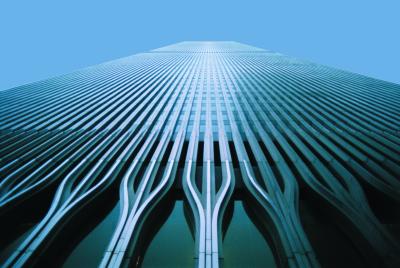
The World Trade Center: Rescue, Recovery, Response


Ongoing Exhibition
The World Trade Center: Rescue, Recovery, Response details the history of the World Trade Center, the September 11 attacks, the rescue efforts, the evidence recovery operation at the Fresh Kills facility, and the public response to the September 11th events. The exhibition includes many objects, images, videos, and interactive stations documenting this tragic chapter in New York and America's history.
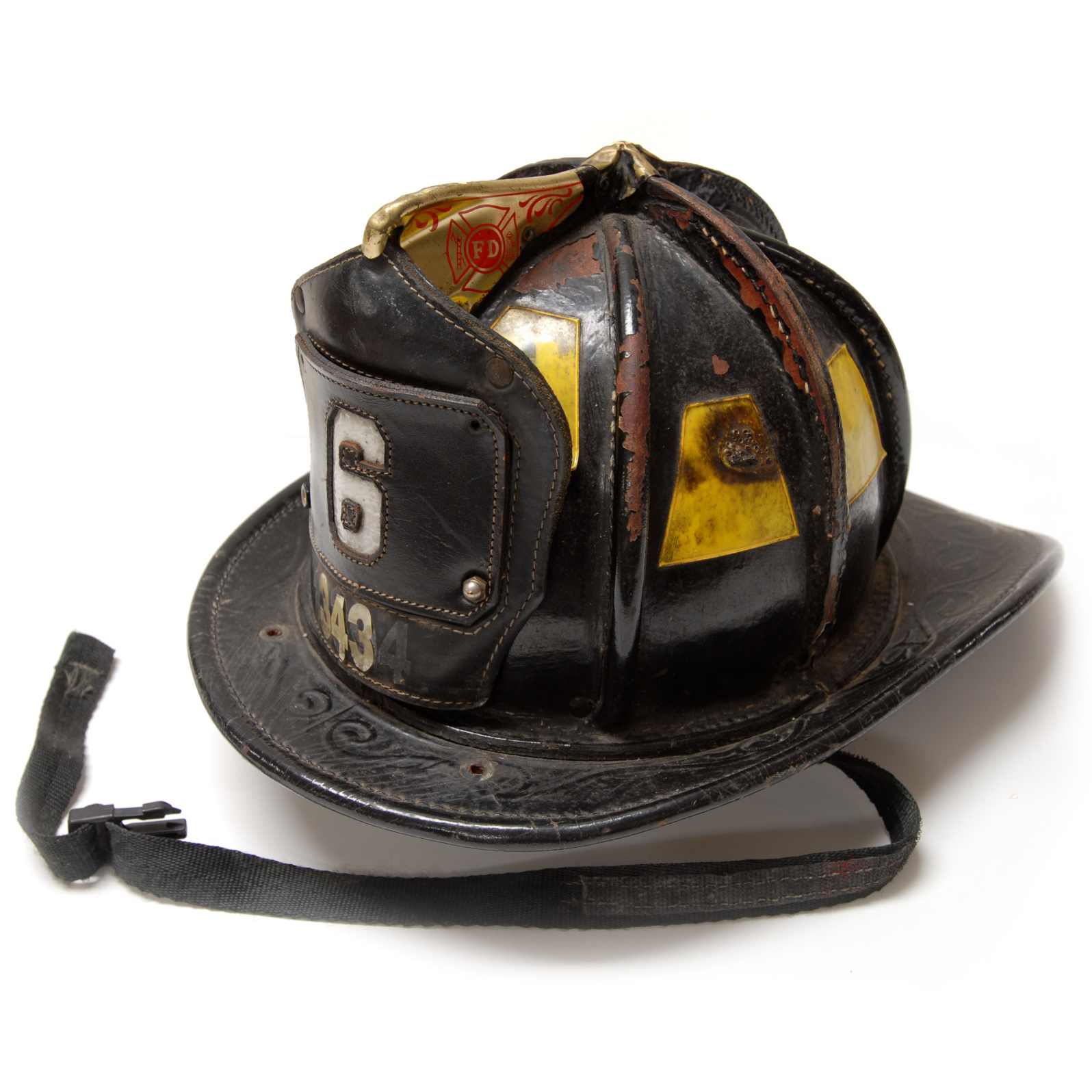
Rescue
A detailed timeline traces the first 24 hours of September 11, 2001, and presents indelible images from that day. See the heavily damaged Engine 6 pumper, recovered New York Police Department and Fire Department objects, architectural remains, several battered flags, and a large steel column from floors 7–9 of the South Tower.
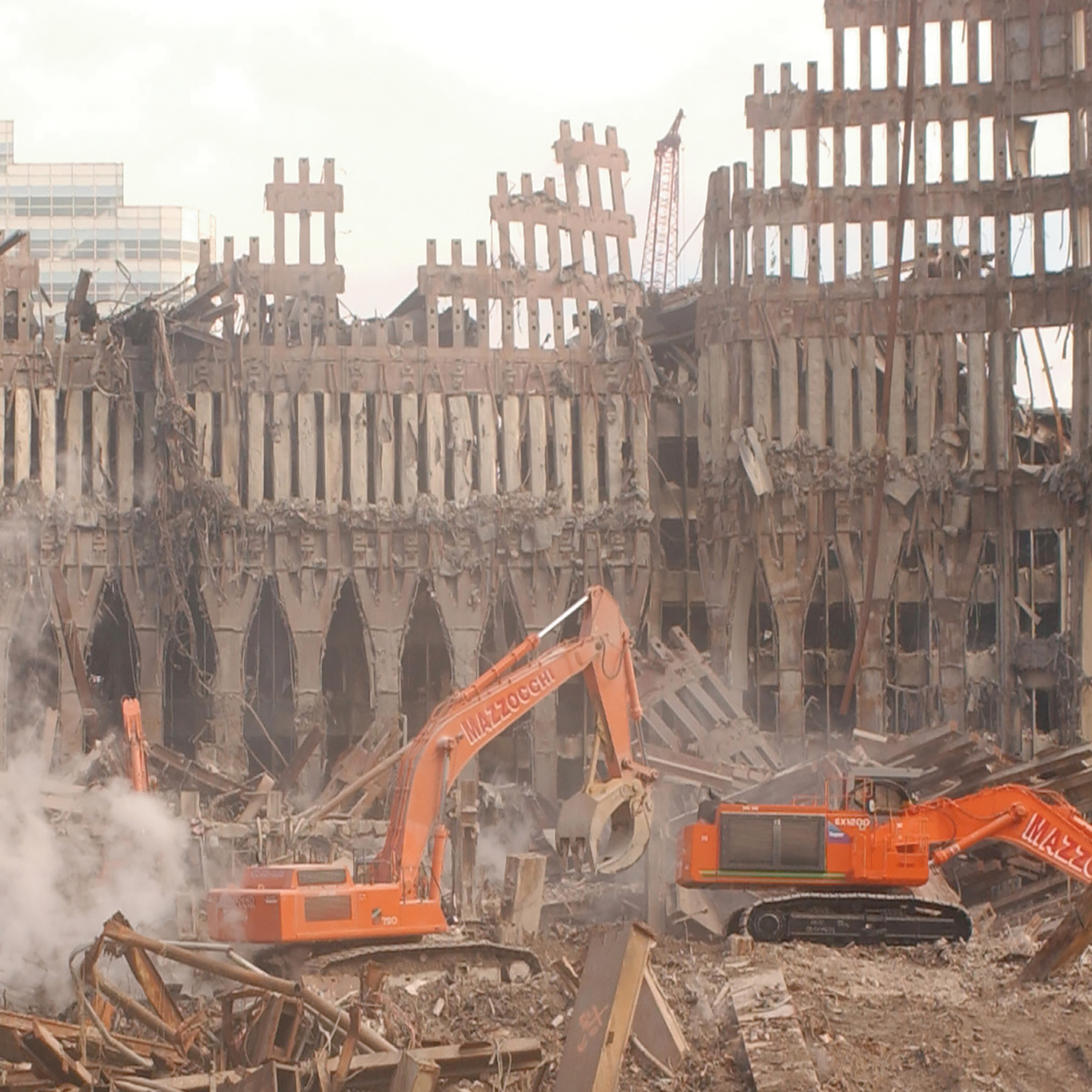
Recovery
The stories of the recovery operation at Fresh Kills are told through the many objects found in the mountains of debris, including material from the everyday life of the buildings, the steering wheel from a car, Observation Deck souvenirs, melted floppy discs, keys, and a crushed payphone. A large collection of firearms from WTC Building 6 are on exhibition along with several destroyed street lampposts, fire hydrants, and a destroyed elevator door from one of the World Trade Center towers.
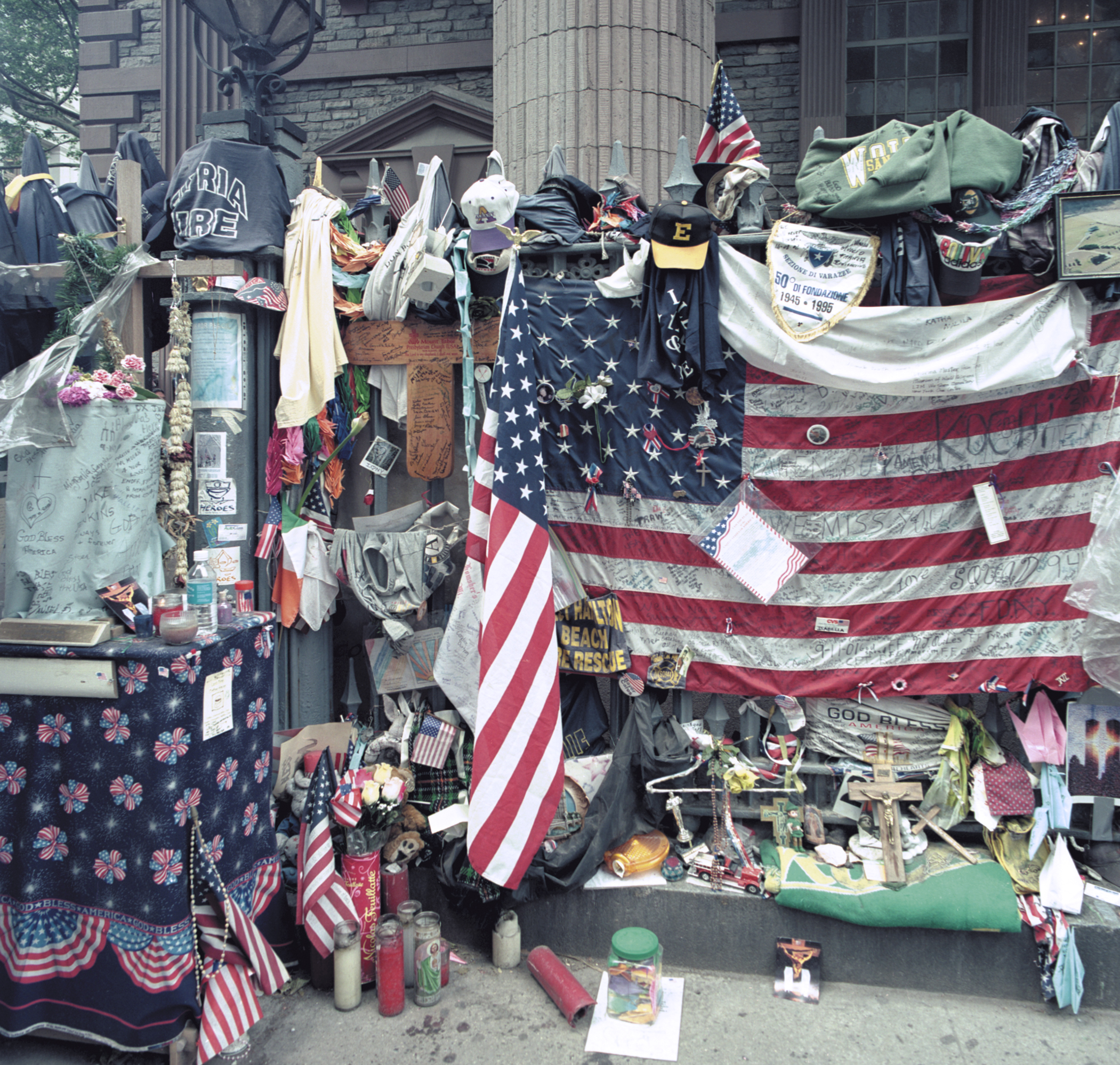
Response
Highlights a selection of objects from the State Museum's collection of emotional material created in response to September 11, such as a portion of a preserved fence section covered with memorial flags, banners, photographs, and flowers located on Broadway at Liberty Street.
Additional Exhibit Features

Sadako's Crane
In 1955, Sadako Sasaki, a twelve-year-old Japanese victim of the atomic bombing of Hiroshima, Japan, created this delicate origami crane while she was diagnosed and hospitalized with leukemia. Donated to the 9/11 Tribute Museum in 2007 as a symbol of peace and resilience, the original origami crane will be on view in the NYSM's World Trade Center Gallery each September in honor of the 9/11 anniversary. In an effort to limit light exposure, a reproduction crane will be on view throughout the rest of the year.
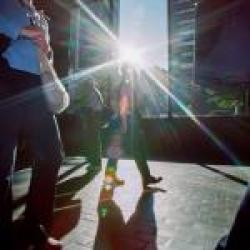
World Trade Center Commuters - The Kristen Artz Collection
These photographs document morning commuters entering the World Trade Center Mall in weeks prior to the attacks of September 11, 2001 and are a historical record documenting space that no longer exists and possibly people who died in the attacks or from resulting illnesses.
Educational Resource
Online Feature
Quackenbush Parking Garage
Historical Archaeology
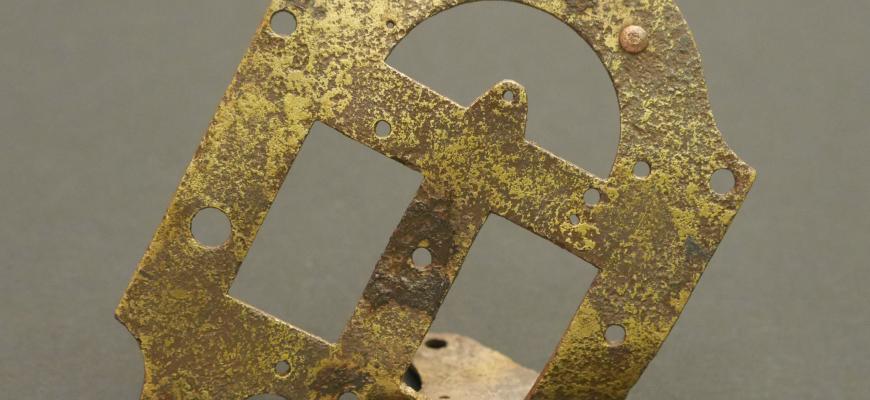
Archaeological excavations undertaken prior to the construction of a parking garage in 2000 and 2001 resulted in the recovery of over 10,000 artifacts dating from the mid-seventeenth through the nineteenth centuries. These excavations took place outside the original stockade associated with the seventeenth-century Dutch settlement at Albany called Beverwyck (1652-1664). Significant individual components of the collection include artifacts from a brick maker’s house and yard dating to the second half of the seventeenth century, a mid-eighteenth century rum distillery, and several nineteenth century features and deposits.
Sub Component
Brick Makers House and Brick Yard
This collection contains artifacts from a house which may have been the residence of a brick maker.The archaeological remains consisted of a wooden floor constructed directly on the ground and the base of a brick fireplace and chimney. Red earthenware tiles were used for the roof and the house had glass windows, delft tiles, and iron hardware. Ranging in date from the 1640s to c. 1700, nearly 5,000 artifacts are associated with the house site including European ceramics, glassware, tobacco smoking pipes, glass trade beads, and shell beads called wampum. An associated seventeenth century brickyard deposit containing less than 500 artifacts is also included in the collection.
- Stratum VI: Pre-contact to 1630, 319 artifacts.
- Stratum V: 1631-1651, 1643 artifacts.
- Stratum IV: 1652-1653, 42 artifacts.
- Stratum III: 1654, 280 artifacts.
- Stratum II: 1655-1686, 1370 artifacts
- Stratum I: Post 1686, 920 artifacts.
- Brickyard: 17th century, 418 artifacts.
An Eighteenth Century Rum Distillery
A large rum distillery or “Still-House,” was excavated during the winter of 2000-2001 before the construction of the Quackenbush Parking Garage in downtown Albany. The Still-House was constructed during the French and Indian War and renovated in the 1790s. Remains of 21 large wooden vats, a system of wooden pipes that connected groups of the vats, and the stone bases of two stills and the chimney were located within the building, the foundation of which measured 60 by 36 feet. The largest vats were eight feet in diameter and could hold nearly 1900 gallons of fermented rum. Artifacts recovered from the distillery include two large wooden vats and a wooden pipe that connected the vats. Smaller items include rum bottles, a spigot, and tobacco pipe fragments. A privy from the renovated distillery was excavated as well.
- Deposits: 18th century, 1071 artifacts.
- Wooden vats, pipes, and other features associated with the distillery: 18th century, 815 artifacts.
- Privy: ca.1800, 275 artifacts.
Nineteenth Century Deposits and Features
This collection contains artifacts from features and soil deposits dating to the nineteenth century. The most significant of these are 4 privies and a cistern that were filled with a variety of nineteenth century objects.
- Deposits: 19th century, 186 artifacts
- Brick Cistern: 19th century, 1 artifact.
- Stone Foundation: 19th century, 12 artifacts.
- Privy: 19th century, 2 artifacts.
- Privy: 19th century, 35 artifacts.
- Privy: 19th century, 15 artifacts.
- Privy: 19th century, 395 artifacts.
The Abandonment of Henry Johnson
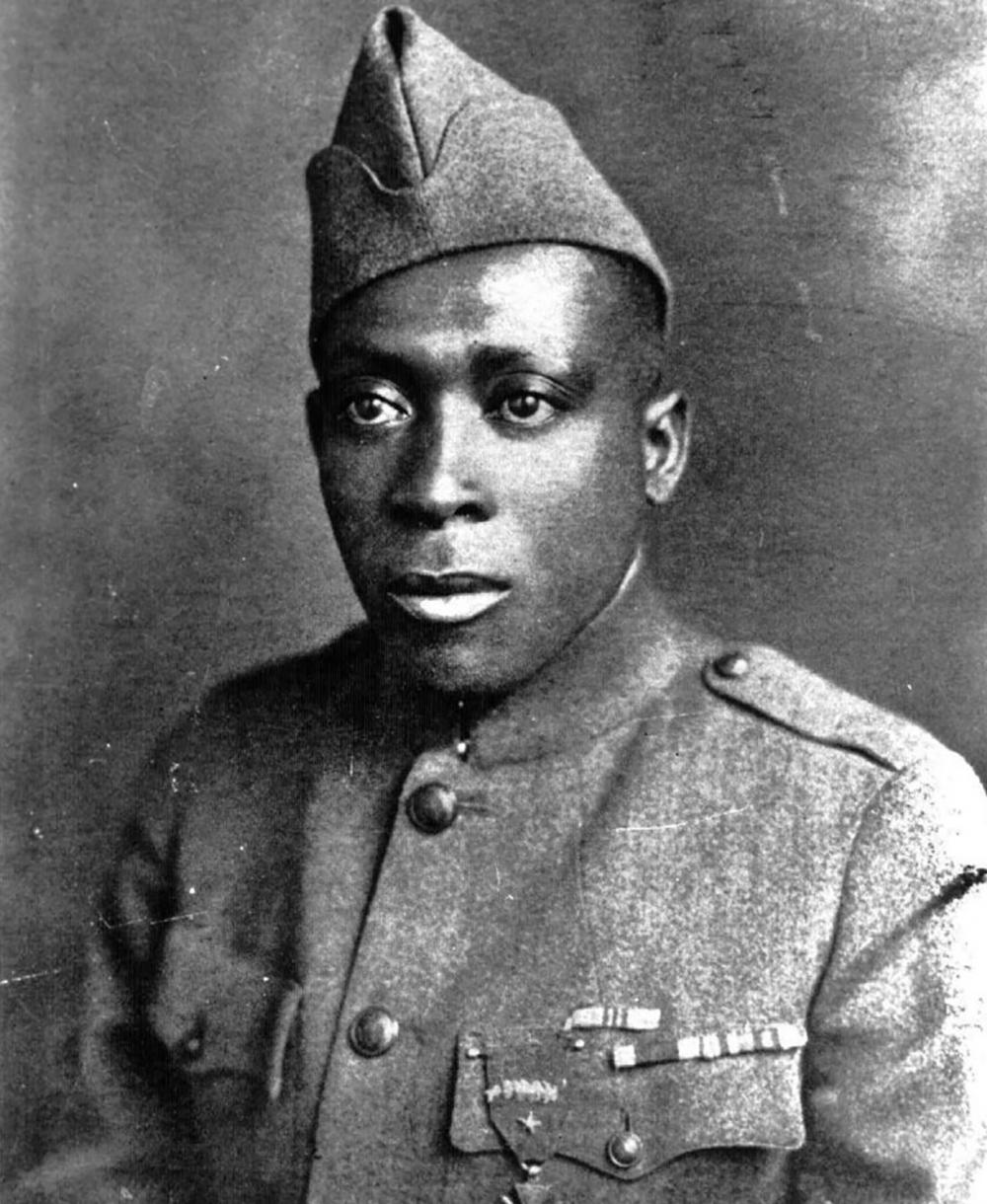
Henry Johnson
Henry Johnson returned to Albany after World War I a hero. Just a few months later, he disappeared almost completely from public memory. This research will examine what happened after Johnson’s homecoming and what role race and other factors played into the tragic fall of an American hero.
The Empire State in the Great War

The Empire Division
Examining the role that New York State and its citizens played in the United States’ efforts during World War I both on the battlefield and on the Home Front.
DEC/Picotte Office Building Collection
Historical Archaeology
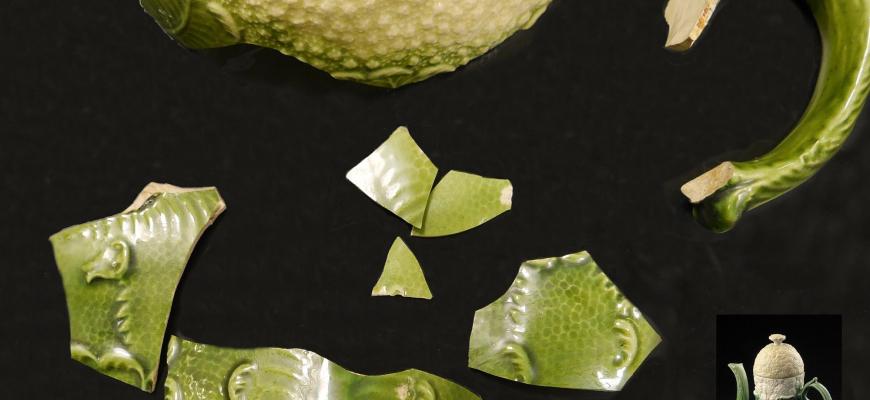
The DEC/Picotte Office Building Collection includes 146,000 artifacts from an excavation on the east side of Broadway between Columbia Street and Orange Street in Albany where the New York State Department of Environmental Conservation Office Building is currently located. During the colonial period, this area was near the waterfront but outside of the city wall, and occupied by tanneries and shoemakers. The buildings in these blocks were destroyed by the fire of 1797, but were rebuilt in the nineteenth century. Many important components of Albany’s history dating from the seventeenth through the early twentieth centuries are represented in this collection.
Sub Component
Trader’s House
Mid-seventeenth-century deposits included in the collection may represent an illegal trading operation. These deposits and features were located on the northern edge of Beverwyck alongside the Hudson River where furs from the north or west that were bound for Fort Orange could be intercepted. Many objects exported from the Netherlands were discovered at the site, including tobacco pipes impressed with the Fleur-de-lis, EB heel marks, and the image of a crocodile regurgitating Sir Walter Raleigh (because he tasted so bad after smoking).. Ceramic sherds of delft and Dutch majolica tablewares were unearthed along with sherds of Frechen, Westerwald, and green-glazed earthenware. Prunts from 17th century wine glasses and wine bottle fragments are also present in this collection. Clothing accessories recovered include pins, hook-and-eye fragments, a lace tip (aglet), and cast metal buttons. Glass trade beads, marbles, two small quartz crystals, and a 17th century Dutch half duit coin were among the items found at this site.
- Deposits: Mid-17th century, 444 artifacts.
- Hearth: Mid-18th century, 71 artifacts.
John Bogart House
The remains of a house owned by John Bogart destroyed in the 1797 fire were excavated at this site. The stone foundation that supported brick exterior walls, charred wooden floorboards, an interior wall, and a fireplace were recorded. A small pit that contained a rope-tied barrel was found inside the house. The barrel contained a knife with a bone handle, heavy iron chain links, an axe head, a well hook, a crushed pocket watch, and a variety of 18th-century ceramic sherds. A wood-lined privy associated with this house was also discovered to contain 297 ceramic sherds made in the second half of the 18th century. The collection includes a spigot key for a tap, two tine forks, a chisel, a wood plane, a horseshoe, lead shot and copper thimbles. There are several shoe buckles, buttons (one Continental Army button marked with USA), a drop earring, a copper alloy cross pendant, lice combs, and coins recovered from this site. An additional 1,800 artifacts predating the Bogart family occupation of the house were also recorded.
- Deposits: Post-1797, 2,213 artifacts.
- Deposits: Pre-1797, 1,832 artifacts.
- Wood-lined Privy: 1780-1797, 673 artifacts.
- Barrel Feature: Late 18th century, 473 artifacts.
Nineteenth Century Pottery Dump
Archaeologists encountered evidence of an unusual pottery dump at the north end of the DEC/Picotte site, east of Montgomery Street. The pottery was broken and discarded from the Fondey’s warehouse after the 1797 fire. Dumped upon the 1797 fire debris, the pottery sherds were found situated beneath the stone foundation of the later (c.1820) John Davis house. Individual painting styles were discovered on these ceramics. Although the ceramics were mass-produced, the painted designs were done individually, by hand. Painters were often children and women who were paid by the finished piece and subsequently marked their work for payment.
- Deposit: 1797-ca.1820, 60,400 artifacts
John Spoor House
- Deposits: Unknown dates, 556 artifacts.
- Builder’s Trench: 1797, 146 artifacts.
- Wooden Sleeper/Floor: Late 18th century, 11 artifacts.
- Builder’s Trench: Late 18th to Early 19th century, 42 artifacts.
Area 9 Excavations
- Non-stratified Deposits: No date, 599 artifacts.
Jellis Winnie House
- Builder’s Trench: Early 19th century, 88 artifacts.
- Barrel Feature: Late 18th century, 73 artifacts.
- Barrel Feature: Late 18th century, 210 artifacts.
- Burned Beams: Late 18th century, 57 artifacts.
Hutton Brothers Silversmith
- All Deposits: No dates, 2082 artifacts.
- Wooden Floor: Early 19th century, 1 artifact.
- Brick Hearth: Early 19th century, 1 artifact.
Residential and Commercial District
- Units 1-12 All Layers: No dates, 99,714 artifacts.
- Wood Lined Privy: 1810-1830, 498 artifacts.
- Wood and Stone Privy: 1770-1800, 1,569 artifacts.
- Wood Lined Privy: 1775-1800, 6,419 artifacts.
- Cut Stone Privy: 1850-1870, 2,462 artifacts.
- Wood Lined Privy: 1840-1860, 1,454 artifacts.
- Brick and Stone Privy: 1850-1870, 862 artifacts.
- Wood Lined Privy: 1860-1880, 289 artifacts.
- Cut Stone Privy: 1840-1850, 7 artifacts.
- Brick Cistern: 1850-1860, 805 artifacts.
- Barrel Cistern: Mid-19th century, 132 artifacts.
- Barrel Feature: 19th century, 17 artifacts.
- Pit Feature: 19th century, 1028 artifacts.
- Brick Cistern: Mid-19th century, 190 artifacts.
- Foundation Wall: Early 19th century, 63 artifacts.
- Barrel Feature: 19th century, 215 artifacts.
- Builder’s Trench: Mid-19th century, 24 artifacts.
- Drainage Trench: 19th century, 48 artifacts.
- Bricks/Fill: Late 19th century, 24 artifacts.
- Brick Drain: 19th century, 89 artifacts.
- Builder’s Trench for Feature 17: Mid-19th century, 134 artifacts.
- Possible Builder’s Trench for Feature 25: Mid/Late 19th century, 9 artifacts.
- Stone Cistern: Pre-1850, 329 artifacts.
- Builder’s Trench for Stone Foundation: 19th century, 181 artifacts.
- Ceramic Pipe: Late 19th century, 157 artifacts.
- Builder’s Trench for Stone Foundation: Mid/Late 19th century, 84 artifacts.
- Builder’s Trench for Feature 118: Mid-19th century, 264 artifacts.
- Clay Lining around Feature 118: Mid-19th century, 54 artifacts.
- Cistern: 1840-1860, 444 artifacts.
- Cold Room: 1840-1860, 16 artifacts.
- Wastewater Basin: 1840-1860, 19 artifacts.
- Linear Brick Drain: 1840-1860, 29 artifacts.
- Pipe Trench for Water Pipe: 1840-1860, 229 artifacts.
- Builder’s Trench for Feature 27: 1840-1860, 255 artifacts.
- Wooden Cistern: 1820-1840, 134 artifacts.
- Stone Wall: 18th century, 172 artifacts.
- Stone Drain: After 1820, 217 artifacts.
- Brick and Thin Tile Interior: 17th century, 465 artifacts.
- Water Pipe and Trench: 1840s, 11 artifacts.
- Fill: 19th century, 1 artifact.
- Post Mold: 19th century, 7 artifacts.
- Disturbance: 19th century, 5 artifacts.
- Fill: 19th century, 515 artifacts.
- Disturbed Stone Stairs: 19th century, 66 artifacts.
- Filled Pit: Early 19th century, 83 artifacts.
- Post Mold: 19th century, 5 artifacts.
- Drain: 19th century, 14 artifacts.
- Builder’s Trench: Mid-19th century, 194 artifacts.
- Post Hole: 19th century, 13 artifacts.
- Wooden Posts: No date, 3 artifacts.
- House Foundation: 1841, 7 artifacts.
- Lime Deposit: Early 19th century, 1 artifact.
Structures Area 2
- Linear Wooden Paving: 19th century, 43 artifacts.
- Brick Structure: 19th century, 12 artifacts.
- Fill Associated with Structure: Early 19th century, 6 artifacts.
Structure Area 7
- Deposits: No dates, 301 artifacts.
Hudson River Dock Area 9
- Deposits: No dates, 908 artifacts.
Fox Creek Deposits, Area 10
- Deposits: No dates, 6,938 artifacts.
- Wood Lined Privy: 1840-1860, 209 artifacts.
- Wood Fill: 18th century, 114 artifacts.
Other Features and Deposits
- Barrel Privy: 1740-1760, 308 artifacts.
Sheridan Hollow Parking Facility
Historical Archaeology

This collection resulted from an archeological data retrieval undertaken along Sheridan Avenue in the City of Albany, New York. This area of Albany developed during the mid-19th century in the midst of the city’s decades-long growth spurt and was mostly populated by Irish immigrants and first-generation Irish-Americans. New houses, shops, schools, churches, and factories were constructed as the city expanded outward from its historic center, and by the 1840s the South End of Albany and Sheridan Hollow were under development. Over 9,000 artifacts from features and deposits associated with the occupation of Sheridan Hollow from c. 1840-1920 are included in the collection.
- Deposits: No dates, 15 artifacts.
- Architectural remains of two houses: ca. 1840, 139 artifacts.
- Wooden Privy: Late 19th century, 503 artifacts.
- Wooden Privy: Mid-19th century, 4,450 artifacts.
- Unidentified Brick Feature: ca. 1840, 2016 artifacts.
- Brick Drain: ca. 1850 - Late 19th century, 4 artifacts.
- Wooden Privy: Early to Mid-19th century, 921 artifacts.
- Wooden Privy: Mid to Late 19th century, 105 artifacts.
- Wooden Barrel Privy: ca. 1800, 567 artifacts.
- Concrete Privy: Late 19th century, 56 artifacts.
- Wooden Cistern: Mid-19th century, 369 artifacts.
- Brick Drain connected to Feature 4: ca. 1840, 41 artifacts.
- Concrete Drain Pipe: Late 19th century, 8 artifacts.
West Athens Hill Site
Prehistoric/Contact-Era Native American Collections
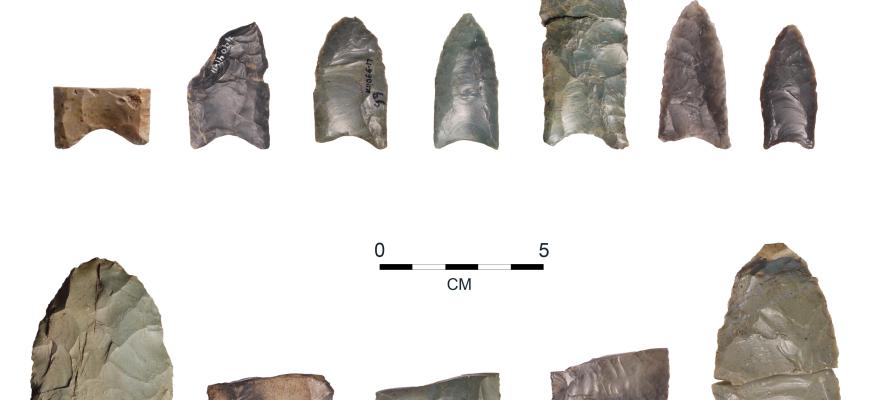
In the 1960s, former state archaeologist Robert E. Funk excavated the West Athens Hill site in Greene County. West Athens Hill is well known as one of the oldest prehistoric archaeological sites in New York, dating to circa 12,500 years ago, and documents one of the earliest encampments of Native Americans who colonized New York at the end of the Ice Age. Funk's investigations revealed how these first peoples of New York systematically mined the distinctive green chert found on this hilltop outcrop to fashion spear points and other stone tools to support their hunting and gathering life way.
Stanford Gibson Collection
Prehistoric/Contact-Era Native American Collections
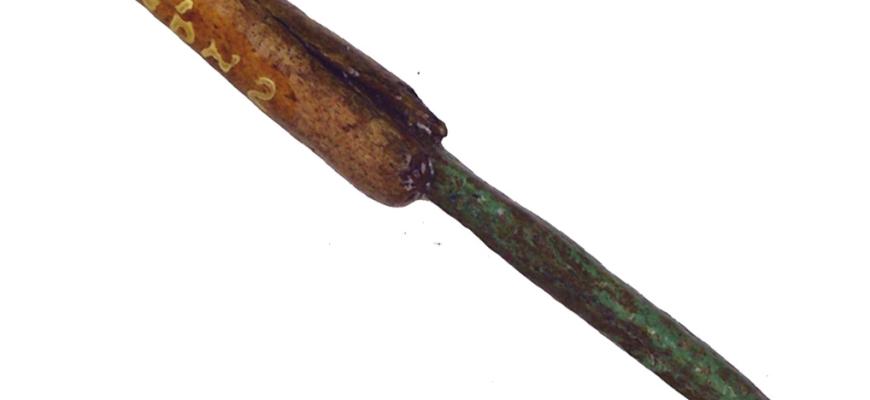
In 2009 the NYSM acquired Stanford Gibson’s collection recovered from 28 prehistoric Native American archaeological sites in central New York. One of these, the White site in Chenango County, stands out due to its diverse artifact assemblage and the insights it revealed on Native American life ways in central New York, circa 900 A.D. Archaeologists have noted that the White site yielded some artifacts that represent exotic imports, likely obtained from contemporaneous Native American groups elsewhere in Eastern North America, pointing to far-flung connections with groups outside New York at this time.
Minerals
Mineralogy
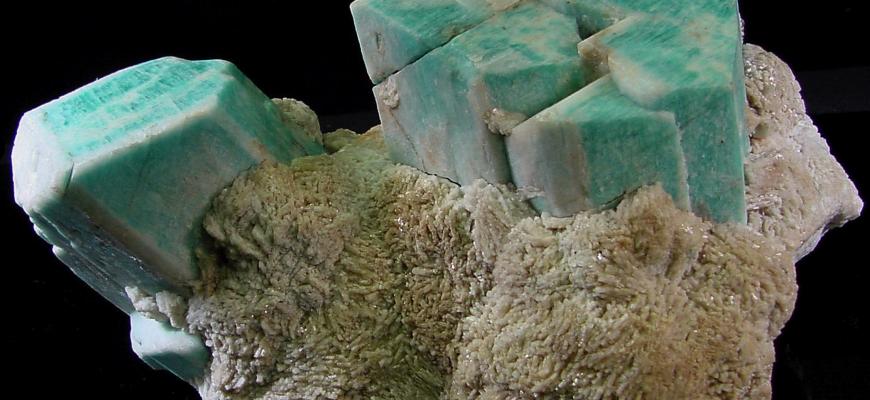
The Mineralogy Collection constitutes the world's largest and most complete array of New York State minerals. It contains approximately 35,000 specimens divided into two sub-collections. More than 11,000 of the specimens are in the "New York" collection and the others are in the "non-New York" collection representing world-wide localities. Almost all minerals reported from New York are in the "New York" collection. This collection contains about 290 valid mineral species, is organized based on the chemical composition and crystal structure, and the minerals are ordered according to Dana's System of Mineralogy. Validity of the mineral species is based on the International Mineralogical Association—Commission on New Minerals, Nomenclature and Classification rules and reports. Species from most classic, depleted, and new collection sites are represented. The mineral collection contains specimens used for public display, research, and reference. Multiple specimens of a given species from the same locality may be present in the collection to allow for study material. The "non-New York" mineral collection is dominated by specimens from sites in the Americas, but Europe and Africa are also very well represented.
Garoga Site Collection
Prehistoric/Contact-Era Native American Collections
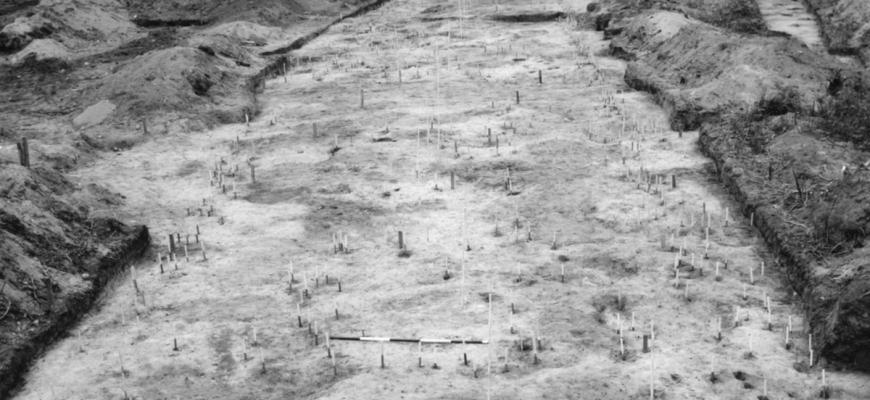
Garoga is a 16th-century Mohawk–Iroquois village site, located in Fulton County, that has been excavated periodically by archaeologists since the late 19th century. The NYSM has acquired several of these assemblages, including those resulting from large-scale excavations by state archaeologists William A. Ritchie and Robert E. Funk in the 1960s. As a result Garoga is one of the most studied Mohawk village sites, and research on our holdings continues to yield important information on the ancient Mohawk way of life prior to extensive contact with non-native peoples.
Swart Collection
Prehistoric/Contact-Era Native American Collections
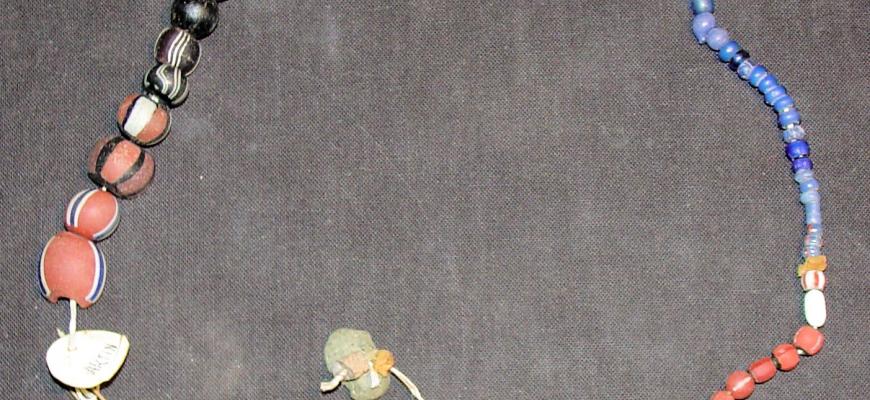
The New York State Museum curates the largest series of archaeological collections from Mohawk Iroquois sites in the world. One of these collections – the Swart family collection – was assembled during the 20th century by three generations of the Swart family, all of whom had a passion for archaeology. At the age of eight, Joel Swart found his first artifact and began collecting on his sister’s farm. His son, John, became involved with the Van Epps-Hartley chapter of the NYS Archaeological Association and worked as a federally-funded WPA archaeologist in the 1930s and 1940s. John’s son, Jan, devoted his life to documenting archaeological sites in eastern New York. The collection they assembled with help from their family and friends represents hundreds of sites throughout the Mohawk Valley, and provides a basis for ongoing research into the pre-contact and contact-era Mohawk Iroquois.
Donald Rumrill Collection
Prehistoric/Contact-Era Native American Collections
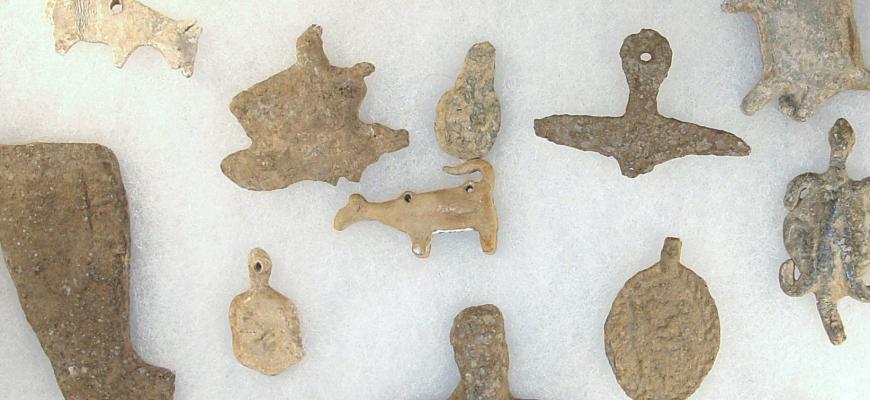
Between the 1640s and 1670s, eastern Iroquois used lead obtained from fur traders to fashion small effigy figures and other forms by cold hammering or casting. The effigies sometimes take a human form, but also appear as animals or other human/animal forms. Animal effigies might have reflected the makers' clan, or perhaps some form of "charm." The Iroquois also fashioned crucifixes of lead, perhaps reflecting early contact with Jesuit missionaries. From the 1940s into the 1970s, avocational archaeologist Donald Rumrill investigated a number of Mohawk Iroquois sites, assembling a large collection of these distinctive lead effigies and crosses.
Lepidoptera Biology
I am particularly interested in moth lineages that have larvae that feed on Protococcus viridis; a globally distributed alga that is typically found on tree trunks.
Lepidoptera Taxonomy
Isolated populations are particularly intriguing for biologists. They foster endemic species and harbor relictual populations that are indicative of past climatic and geologic events. Focusing on these types of populations leads to the discovery of new species and even new genera.
Lepidoptera Conservation
Human activities have constrained animal and plant communities to relatively small areas that are subject to catastrophic extinction. Identifying and managing these small enclaves are critical to the survival of species.
Bryophytes
Botany & Mycology
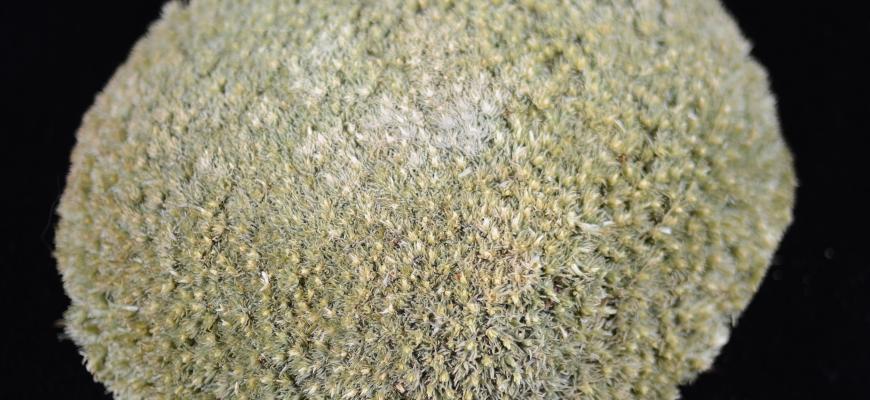
The Bryophyte Herbarium of the New York State Museum includes mosses, liverworts, and hornworts and it serves to document these plant groups as they are represented in the New York flora. While most of the bryophyte collection is from New York, also included are significant holdings from other parts of the United States and from other countries. The total number of accessioned specimens exceeds 50,000.
The Bryophyte Herbarium has had a long history, and accordingly it houses numerous collections dating from the 1800s. Important historical collections include specimens from Coe Finch Austin, Elizabeth G. Britton, George W. Clinton, Roy Latham, John M. Macoun, and W. H. Wiegmann. An important nineteen volume bound set of bryophytes prepared by Lewis Caleb Beck includes collections that likely predate 1829. Other major collections are the results of research and studies by former state botanists and curators, Charles H. Peck, Stanley J. Smith, and Norton G. Miller.
For information about requesting Specimen Loans, please see the Loan Policy.
Database Records

Database records of the collection are available by searching the Consortium of North American Bryophyte Herbaria website portal:
http://bryophyteportal.org/portal/index.php.
Approximately 40% of the Bryophyte Herbarium is currently digitized.
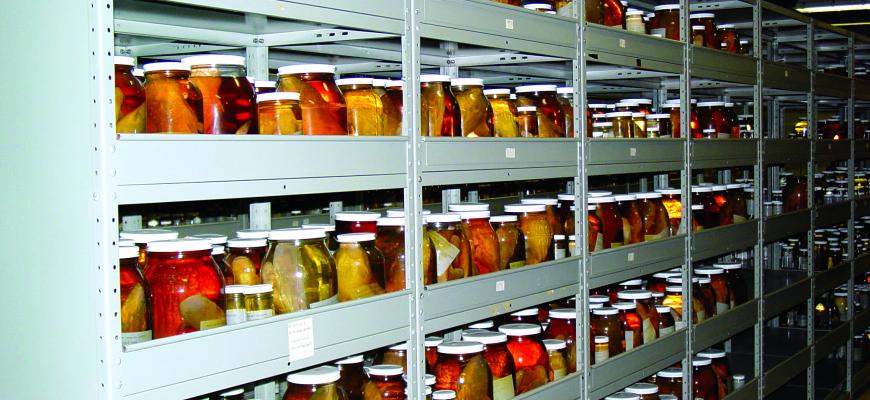
Vascular Plants
Botany & Mycology
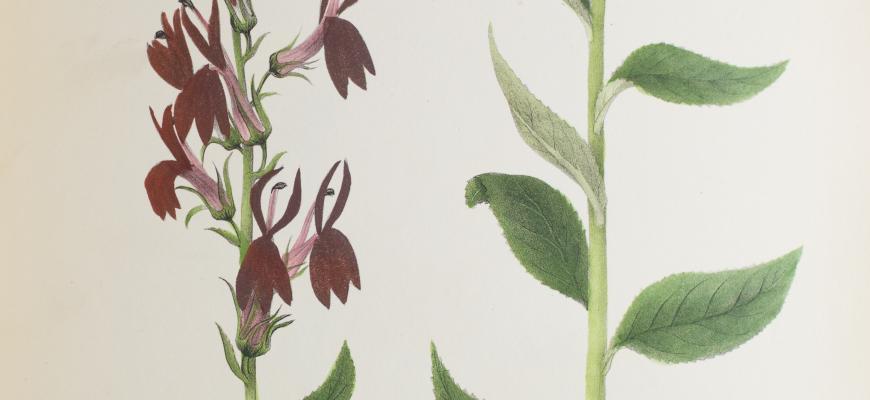
The Vascular Plant Herbarium is a repository of plants collected primarily from New York and adjacent states or provinces. It also contains a significant number of specimens from other areas of North America and abroad. The early establishment and importance of the Herbarium through John Torrey’s collections for A Flora of the State of New York (1843) and the prominence of Herbarium staff attracted many important botanists and collections. This included material from Lewis Caleb Beck, Chester Dewey, Henry Parker Sartwell, Edward Tuckerman, Asa Gray, and Peter D. Knieskern among others. The herbarium also received important type specimens from M. A. Curtis, L. S. Rose, I. W. Clokey, C. F. Austin, B. D. Gilbert, C. S. Sheldon, E. Brainerd, C. S. Sargent, E. P. Bicknell, and H. M. Denslow. Throughout its history, the herbarium grew considerably from collections made by state botanists, Charles H. Peck (tenure: 1868-1913), Homer D. House (tenure: 1913–1948, active until his death in 1949), Eugene C. Ogden (tenure: 1952–1975), and Richard M. Mitchell (tenure: 1975-2002) and curators, Stanley J. Smith (tenure: 1947-1978) and Charles J. Sheviak (tenure: 1978-2013).
In addition to collections made by museum staff, and by the many other botanists who document the flora of New York, the herbarium preserves important collections that were transferred from other institutions. These transferred institutional collections include the following:
- ASLC: The herbarium of the Adirondack Lakes Survey Corporation.
- ASRC: The herbarium of the Atmospheric Sciences Research Center, Whiteface Mountain Field Station.
- BROC: The original State University College at Brockport herbarium. That institution continues to maintain an herbarium with many new collections.
- GESU: A major component of the State University of New York at Geneseo herbarium. This institution continues to maintain an herbarium.
- GLA: The herbarium of the George Landis Arboretum comprised almost entirely of collections made by Theodore C. Baim.
- MSMC: The herbarium of Mount Saint Mary College, which comprises the herbarium of New York University’s Sterling Forest Research Center.
- POST: The C.W. Post Herbarium from Long Island University. This collection includes the CUNY Hunter College herbarium.
- Wildlife Resources Center (New York State Department of Environmental Conservation).
- Today, the Vascular Plant Herbarium continues to grow and contains approximately 210,000 accessioned specimens.
Vascular Plant Databases
A portion of the NYSM Vascular Plant database focusing on invasive species can be accessed here: https://greatlakesinvasives.org/portal/collections/misc/collprofiles.ph…
The remaining portion of the NYSM Vascular Plant database can be accessed here: https://neherbaria.org/portal/collections/misc/collprofiles.php?collid=…
More specimen records will be added in the future.
For information about requesting Specimen Loans, please see the Loan Policy.
DNA studies examine the past and future of the birds of New York's Catskills and Adirondacks.
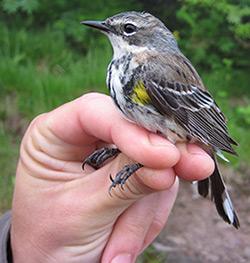
Two papers have been published describing ornithological research by NYSM scientists. The papers are based on Ph.D. dissertation work conducted by Dr. Joel Ralston, former University at Albany graduate student, and NYSM Graduate Fellow under the supervision of NYSM Curator of Birds, Dr. Jeremy Kirchman.
The research examines patterns of genetic diversity in Blackpoll Warblers, small migratory birds that breed in the high-elevation forests of the Catskills and Adirondacks. The two ornithologists hiked up mountains to capture breeding warblers in nets, banded the birds and took tiny blood samples, and used the blood to obtain DNA sequences. Adding samples from other museum collections and blood sampled by other ornitholgists working outside New York, the team assembled data set of DNA sequences from over 350 individual birds. It is among the first comprehensive surveys of genetic variation in a bird species that breeds in the boreal forests of North America.
Analyses in the first paper (Continent-scale genetic structure in a boreal forest migrant, the Blackpoll Warbler (Setophaga striata). The Auk, July 2012, pp. 467-478) provide a detailed picture of how these migratory birds have responded to past climate changes. In particular, the study used DNA data to retrace the history of colonization following the retreat of glaciers from what is now the boreal forest biome beginning about 21,000 years ago. The birds apparently colonized the Adirondacks and Catskills when they expanded out of a "refugium" population that was located in the Southeastern United States during the Pleistocene.
The second study (Predicted range shifts in North American boreal forest birds and the effect of climate change on genetic diversity in Blackpoll Warblers (Setophaga striata), in press at Conservation Genetics) used the same tissue samples and additional genetic data (DNA sequences plus microsatellite genotypes) to examine the implications of ongoing climate warming for boreal forest birds that breed at high elevations at the southern periphery of the boreal forest biome that stretches from Alaska to the Canadian Maritime Provinces and Maine.
For this study the researchers first used current climate data and occurrence data (latitudes and longitudes from museum specimens) for 15 bird species that breed in the Adirondacks and Catskills to construct computer models of their current distributions. Then they used predicted climatic conditions, based on published carbon dioxide emissions scenarios, to estimate the breeding distributions of boreal birds the year 2080.
The results indicate that all of the fifteen species will shift their ranges north in the coming decades, and nearly all will become extirpated from their high-elevation habitats in New York, Vermont, and New Hampshire by 2080. The genetic data for Blackpoll Warblers suggest that, despite this extensive range shift, they will not loose much genetic variation and the species is not at risk of becoming extinct. However, other species may not be so lucky. Even so, it is disheartening to consider that within a single generation, we may see wholesale shifts in the Adirondack and Catskills ecosystems, and the day may come when one has to travel north of New York State to see breeding Blackpolls, Bicknell's Thrush, Spruce Grouse, Black-backed Woodpecker among many other prominent species.
Taxonomy and Systematics of the Mimic Shiner (Notropis volucellus)
The Mimic Shiner (Notropis volucellus) is a small, silvery, North American minnow with a wide geographic distribution that includes portions of the Mississippi River, Great Lakes, Hudson Bay, Gulf of Mexico, and several Atlantic Coast drainage basins. As currently classified, the Mimic Shiner has long been thought to contain multiple undescribed, morphologically similar species but, to date, little research has been performed to determine the identity, geographic distribution, and evolutionary relationships of these cryptic species, which has been called “one of the most interesting, needed, and difficult problems remaining in the systematics of North American freshwater fishes” (Etnier and Starnes 1993, p. 233). In New York, this species has a curious distribution, with populations being found in the northeastern watersheds of the Saint Lawrence River Basin and the southwestern watersheds of the Ohio River and Great Lakes watersheds, but nowhere in between. Our examinations of specimens deposited in the NYSM Ichthyology collection have uncovered several differences in morphology (particularly in pigmentation patterns) between these populations. In order to fully demonstrate the distinctiveness of these populations and determine their evolutionary and geographical origins, we have begun an examination of this species complex throughout its entire range, which includes both classical morphological methods and molecular phylogenetic analyses based on mitochondrial and nuclear DNA sequences. We anticipate this work to result in the description of several new species in the coming years, as well as an increased understanding of the interspecific and intrageneric evolutionary relationships of this perplexing group of minnows.
Transcriptomic Identification of Toxic Components of Catfish Venoms
Recent research has indicated that over 2,500 fish species (or ≈ 10% of all known species) possess venom glands associated with specialized teeth, or fin, opercular, and/or or cleithral spines. The secretions produced by these glands cause a wide array of physiological effects in vertebrate organisms, including severe pain, cardiovascular, neuromuscular, and general cytolytic effects, and, as might be expected, have been shown to have significant impacts on the predator/prey interactions of the species that produce them. In spite of this, however, the venoms of fishes have received comparatively little attention from scientists relative to those of other venomous organisms, to the point that we lack even the most basic information regarding venom composition, toxin identity, and genetic architecture of venom production for nearly all venomous fish species.
Over half of all venomous fish species are catfishes, which possess venom glands lining the spines that are found along the front edges of their pectoral and/or dorsal fins. Using comparative next generation RNA sequencing of fin spines and histologically similar fin tissues, we will compare the gene transcripts that code for protein production in these two tissue types and, by using bioinformatic methods to eliminate transcripts that both have in common, identify only those transcripts that are unique to venom gland cells. Additional examination of these transcripts, in conjunction with information gained from earlier studies and proteomic sequencing, will allow us to identify those transcripts that code for venom proteins, as well as the genes that are responsible for the production of these venom protein RNAs. These results will provide the first insight into the genetic mechanisms underlying venom production in a group of venomous fishes, and will serve as a springboard for future studies in this developing area of research.
Characterization of a Pearl Dace (Margariscus sp.) Hybrid Zone in Western New York
Two species of Pearl Dace are known to occur in New York State. The Allegheny Pearl Dace (Margariscus margarita) is found in the Hudson River watershed and those of the Southern Tier, while the Northern Pearl Dace (M. nachtreibi) is found in the watersheds of the Saint Lawrence drainage and direct tributaries to Lake Ontario. Although these two species are recognized as distinct, the descriptions and morphological characters used to tell them apart are currently insufficient as many of these characters overlap, making positive identifications unnecessarily difficult. During a routine morphological study to identify consistent diagnostic traits for these species, we discovered that individuals from several locations in the Eastern Lake Ontario Basin showed characteristics that were intermediate between Allegheny and Northern Pearl Dace, indicating that these specimens were of hybrid origin. This has necessitated an expansion of this project to include genetic data and specimens from throughout the two species' ranges in New York, in order to fully delimit and characterize the range and population genetics within this hybrid zone, as well as to fulfill our original objective of being able to reliably identify Pearl Dace Specimens from New York. Because the hybrid zone occurs at the nearest margins of the two recognized species’ ranges, our genetic studies also have the potential to generate significant insights into the processes leading to the isolation and speciation of these two forms.
The Weidhaas, Nevin, and Delfinado Mite Collections
Entomological Collection
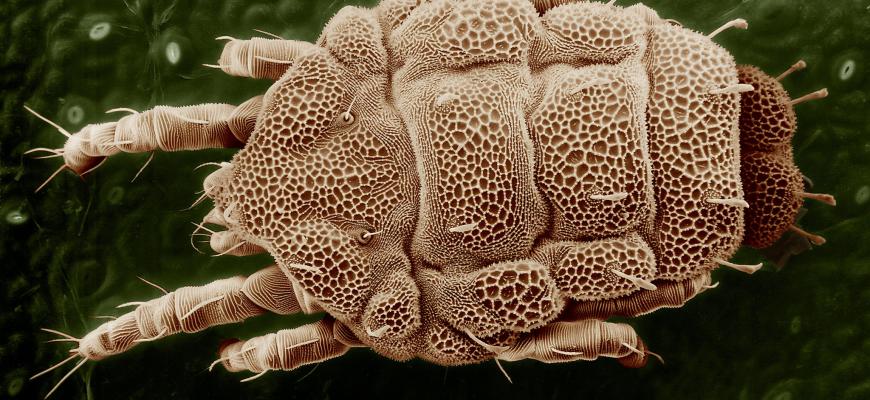
In 1963, Weidhaas co-authored, “The occurrence and importance of tetranychid and eriophyid mites on woody [ornamental] plants in New York" with R. M. Reeves. There are 22 boxes of slides (100 slides / box) of mites in the Weidhaas collection.
F. Reese Nevin taught acarology for the College of Arts and Science, in Plattsburgh, New York. There are 48 boxes (100 slides / box) of mites in the Nevin collection.
Mercedes Delfinado co-authored with (and eventually married) USDA Acarologist Ed Baker. Dr. Delfinado described over 60 mite species associated with host insects.
There are 120 boxes of slides (100 slides / box) of mites in the Delfinado collection.
E. P. Felt Gall Collection
Entomological Collection
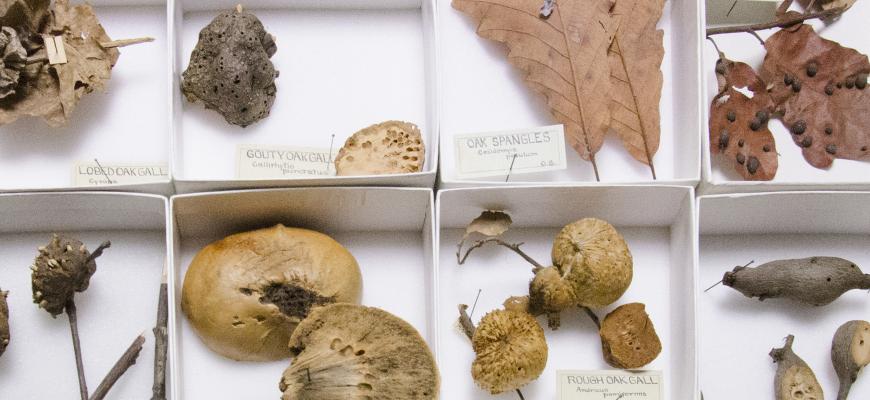
The New York State Museum has an extensive collection of plant galls. The collection—the finest of its kind—fills 72 drawers, each 18-by-18-inches. The collection contains plant galls that were dried and preserved, most in the early 20th century but some as early as the 1850s. They have been continuously cared for and are in excellent condition.
Plant galls comprise tissue that the plant produced as a defense against an invading organism. The plant tissue reacts to an invader by encapsulating the invader in a gall. The gall can be very ornate and is highly characteristic of the specific species of invader. A polyphagous (literally “many foods”) gall insect will attack numerous plant species, and each plant species will produce a different-looking gall even though the invading insect is the same identical species.
The gall collection also includes the associated insects. Dr. Ephraim Porter Felt (1868–1943), the third state entomologist for New York, described more than 200 species of gall flies. He preserved the plant gall that was associated with the emerging fly. This field of study requires botanical expertise as well as a certain tenacity since many flies take a year to emerge.
Asa Fitch Type Specimen Collection
Entomological Collection
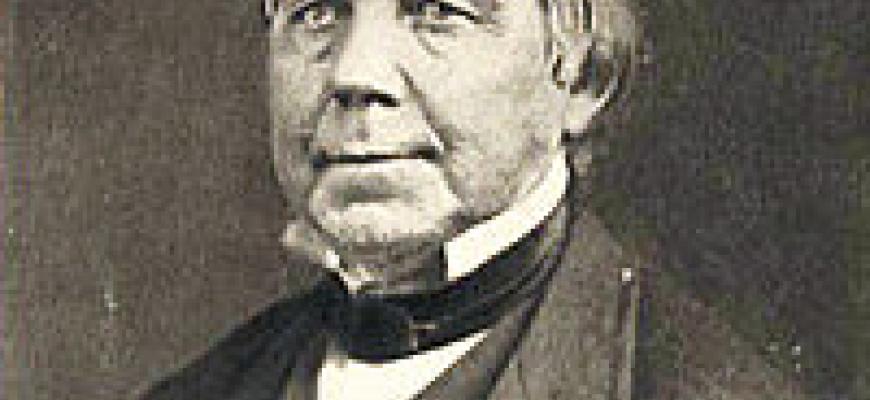
The New York State Museum has the original drawer of Heteroptera types that has been maintained in their original arrangement as prepared by Asa Fitch.
Asa Fitch is considered the founder of economic entomology in America. His early studies of various grain insects lead to methods of preventing crop damage and his volumious reports set the standard for practicing entomology. Fitch began working for New York State informally in 1838 when Ebenezer Emmons, a chief geologist working for the State's Geological Survey, hired him to assist with the publication of papers describing insects of importance to agriculture. In 1847, Fitch was employed directly by the State Cabinet of Natural History to collect and name specimens of New York insects. With his 1854 appointment Entomologist of the New York State Agricultural Society, Fitch became the first occupational entomologist in the United States. More significantly, however, Fitch used this appointment as a vehicle to help solve public problems, namely how to prevent crop damage by various insects. Many types of Fitch's species of Hemiptera are in the Museum's collection.
Fitch served as official entomologist for 19 years until he was incapacitated by health in 1873. During this time, he published 14 official annual reports on the Noxious, Beneficial and Other Insects of the State of New York. These reports set the standard for entomologists and agriculturalists. Fitch is also credited with discovering the Rodent Bot fly (Cuterebra emasculator). Today, many of his notebooks are now the property of the Smithsonian Institution.
Rock Collection
Mineralogy
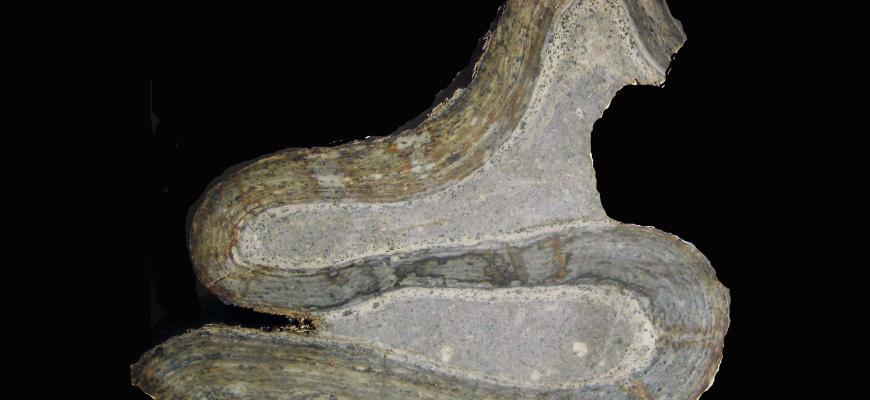
Roughly 2,000 specimens comprise this collection of rocks from New York. All rock types and most stratigraphic formations are represented. The collection is organized by physiographic region. These regions are the Ontario Lowlands, Allegheny Highlands, Tug Hill Plateau, St. Lawrence Lowlands, Adirondack Lowlands, Adirondack Highlands, Mohawk Lowlands, Catskill Highlands, Hudson Lowlands, Champlain Lowlands, Taconic Highlands, Hudson Highlands, and Atlantic (coastal plain) Lowlands. Most specimens are hand-sized. Many were collected in the course of specific geological investigations. Consequently, samples are irregularly distributed statewide. A catalog is available.
Empire State Organized Geologic Information System (ESOGIS)
ESOGIS

The Empire State Organized Geologic Information System (ESOGIS) is your complete resource for shallow well and deep well information in the state of New York. In addition to allowing you to query and view data for all of New York's 42,000+ deep wells, and thousands of shallow wells, we provide easy access to digital maps, published papers (PDF), and other related information. Whether you have been interested in New York's shallow wells or deep wells for many years or you are just beginning your research, ESOGIS provides you with a wealth of information delivered to your desktop.
Visit ESOGIS: http://esogis.nysm.nysed.gov
Meteorite Collection
Mineralogy
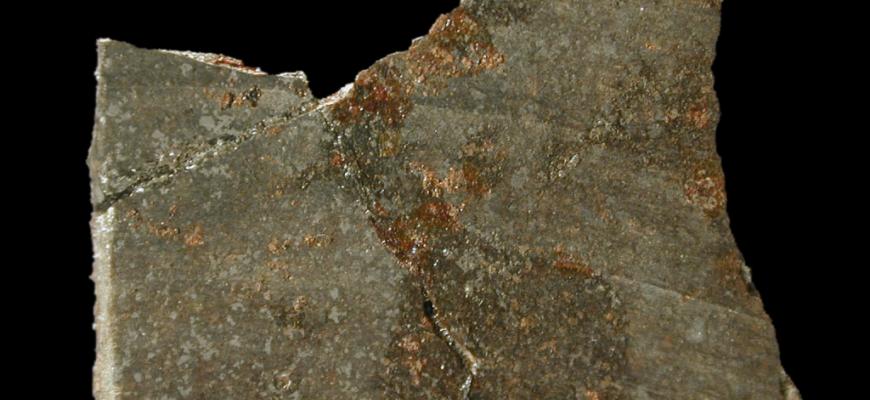
The New York State Museum has a small collection of meteorite specimens from 28 localities, one pseudo meteorite, three tektites, and one lunar basalt. The majority of the specimens were acquired between 1880 and 1920. The Bethlehem, Burlington, Mount Morris, and Tomhannock Creek meteorites and the Scriba pseudo meteorite are the only meteorites from New York State represented in the collection. A catalog of the meteorite collection is available. It includes information on provenance, weight, size, description, and references.
Economic Geology Collection
Mineralogy
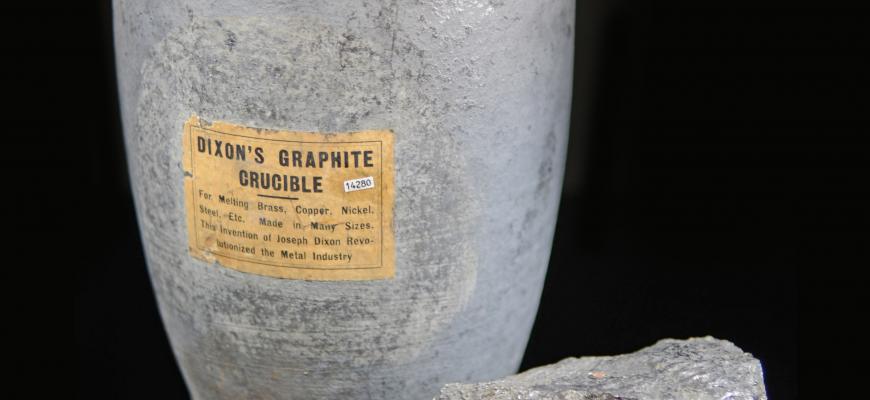
The New York State Museum Economic Geology Collection contains approximately 2,000 specimens of ore, concentrates, gangue, and finished products collected from the operations of the mineral industry of New York during the past century. Most of the material mined in New York is represented in this collection. The bulk of the specimens were on public display when the State Museum was housed in the State Education Building. Specific commodity representation in this collection is related to the importance and duration of the industry producing the product. Hence, there are more specimens of iron and zinc ore than of pigments or slate roofing shingles. The majority of specimens were collected while the mines were in actual operation, so provenance is good overall. A catalog of this collection is available.
Gem Collection
Mineralogy
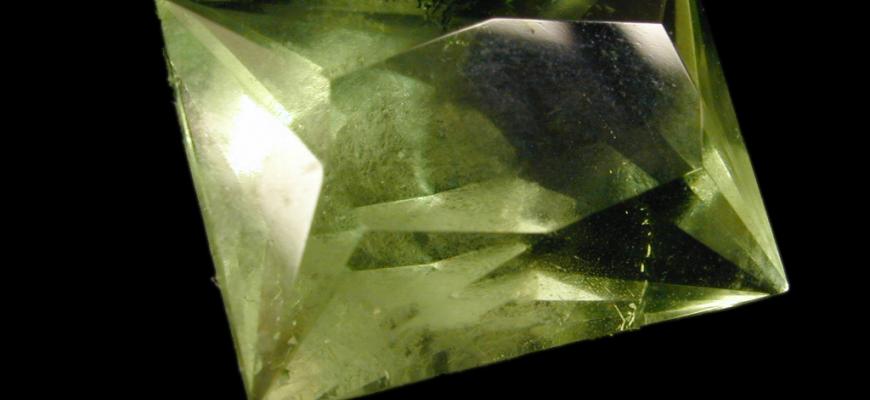
The mineral collection of the New York State Museum contains one thousand specimens of gem material. The term "gem" refers to inorganic materials that have been cut into faceted stones, cabochons, or beads, and organic materials such as coral and pearls which have not necessarily been modified from their natural state. The specimens are not mounted in jewelry and this collection does not contain carved mineral material. Uncut gem-quality minerals and polished slabs of agate or other gem species are not included in the gem collection. A catalog of this collection is available. The catalog is organized alphabetically by species and subdivided by variety. Both natural and synthetic minerals are included. Locality information, cut, color, weight, and source are provided along with specimen number. Information is most complete for material from New York localities. Locality data are lacking for some entries.
Collection of Contemporary Indigenous Art
Native American Ethnography
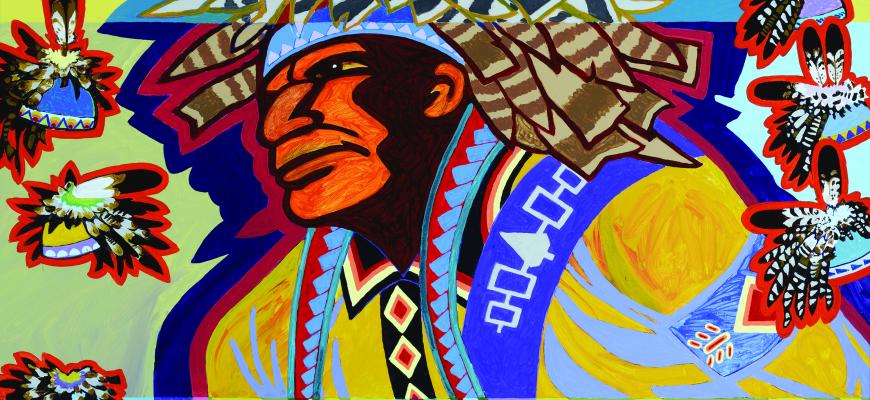
The Contemporary Indigenous Art Collection honors a living legacy of master craftsmanship and vibrant innovation in the artistic expressions of New York State's First Nations. Building on an initiative begun in 1986 and now numbering more than 130 objects, the collection offers insight into the endurance and evolution of tradition in tribal communities and a profound determination to survive and express as sovereign nations. Included in the collection are examples of beadwork, basketry, sculpture, silverwork, clothing, carving, painting, and pottery. The collection reflects the broad range of artwork from Native artists from functional to unique and decorative, and from traditional to modern in style and technique.
These objects speak of Indigenous experience in the first person, forging a respectful partnership between the State Museum and those whose spiritual, economic, and material presence long predates the founding of New York State.
List of Artists in the Contemporary Indigenous Art Collection
| Artist | Nation/Clan | Medium |
| Angus, Wilma | Haudenosaunee, Mohawk (Kanien'keha) | Basketry |
| Antone, Kaluyahawi Jocelyn | Haudenosaunee, Oneida, Turtle Clan; Cree | Illustration, mixed media |
| Arquette, Henry (Atsienhanonne) | Haudenosaunee, Mohawk, Akwesasne | Basketry |
| Arquette, Joseph | Haudenosaunee, Mohawk, Wolf Clan | Basketry |
| Beebe, Bruce | Haudenosaunee, Cayuga | Mixed metals |
| Benedict, Florence | Haudenosaunee, Mohawk | Basketry |
| Benedict, James V | Haudenosaunee, Mohawk-Onondaga, Turtle Clan | Beadwork, leather, |
| Benedict, Luz | Haudensaunee, Mohawk | Basketry |
| Benedict, Rebecca | Haudensaunee, Mohawk | Basketry |
| Benedict, Salli | Haudensaunee, Mohawk | Basketry |
| Benson, Noel Chrisjohn | Haudenosaunee, Oneida | Sculpture, mixed media |
| Bigtree, Mae | Haudenosaunee, Mohawk | Basketry |
| Boots, Bruce | Haudenosaunee, Mohawk | Painting |
| Chavez, Lydia A. Wallace- | Algonquin, Unkechaug | Wampum Belt Reproduction, Jewelry |
| Chrisjohn, Richard | Haudenosaunee, Oneida | Woodwork |
| Cook, Florence Anne Lazore (Wahianoron) | Haudenosaunee, Mohawk Akwesasne | Basketry |
| Cook, Julius M. (Sakaronhio'keweh | Haudenosaunee, Mohawk | Silverwork/ jewelry |
| Cooke, Toni | Haudenosaunee, Oneida | Wampum Belt Reproduction |
| D'Alimonte, Robert | Haudenosaunee, Tuscarora | Mixed media |
| Dark Mountain, Dawn | Haudenosaunee, Oneida Wisconsin, Turtle Clan | Watercolor painting and beadwork |
| David, Dinah | Haudenosaunee, Mohawk, Wolf Clan | Beadwork, Jewelry |
| David, Lorena | Haudenosaunee, Mohawk | Beadwork |
| David, Madeline | Haudenosaunee, Mohawk | Basketry |
| Dennis, Jeremy | Algonquian, Shinnecock; Hassanamisco-Nipmuc | Photography |
| Dione, Glen | Haudenosaunee, Mohawk | Jewelry |
| Dowdy, Kyle L | Hausenosaunee, Seneca | Traditional clothing |
| Doxtater, Angel | Haudenosaunee, Mohawk, Six Nations | Cornhusk weaving and figurines |
| Fadden, David | Haudenosaunee, Mohawk | Painting |
| Fauzy, Mary Lou (Printup) | Haudenosaunee, Tuscarora | Beadwork |
| Goeman, Ronni-Leigh | Haudenosaunee, Onondaga | Basketry |
| Goeman, Stonehorse Lone | Haudenosaunee, Tonawanda-Seneca | Sculpture/Bone and antler carving |
| Gonyea, Tony | Haudenosaunee, Onondaga | Wampum Belt Reproduction |
| Gray, Barbara | Haudenosaunee, Mohawk | Basketry |
| Greene, David A. (Odahijo) | Haudenosaunee, Cayuga, Wolf Clan | Sculpture |
| Havens, Jay | Haudenosanee, Mohawk | Sculpture |
| Haynes, Hayden | Haudenosaunee, Seneca | Sculpture, Antler carving |
| Herne, Sue Ellen | Haudenosaunee, Mohawk | Sculpture/Mixed media |
| Hill, Brenda | Haudenosaunee, Tuscarora | Pottery |
| Hill, Carrie | Haudenosaunee, Mohawk | Basketry |
| Hill, Daniel C | Haudenosaunee, Cayuga | Silverwork |
| Hill, Lorna Thomas | Haudenosaunee, Cayuga | Beadwork |
| Hill, Rain | Haudenosaunee, Mohawk | Basketry |
| Hill, Rosemary Louise | Haudenosaunee, Tuscarora, Beaver Clan | Beadwork |
| Hill, Stanley R | Haudenosaunee, Mohawk, Turtle Clan | Sculpture, Antler carving |
| Hoffman, Karen Ann | Haudenosaunee, Oneida Wisconsin | Beadwork |
| Huff, Tom | Haudenosaunee, Cayuga and Seneca | Sculpture, Stone carving |
| Jacobs, Jamie | Haudenosaunee, Seneca, Bear Clan | Quillwork |
| Jacobs, Larry "Many Hats" | Algonquin, Stockbridge-Munsee | Instrument |
| Jacobs, Margaret | Haudenosaunee, Mohawk, Turtle Clan | Sculpture, Metals |
| Jacobs, Mary | Haudenosaunee, Seneca | Beadwork |
| Jacobs, Samantha | Haudenosaunee, Seneca, Turtle Clan | Beadwork, Tufting |
| Jacques, Alfred | Haudenosaunee, Onondaga | Woodwork |
| Jemison, G. Peter | Haudenosaunee, Seneca, Heron Clan | Painting |
| Jimerson, Norman L | Haudenosaunee, Seneca, Beaver Clan | Sculpture, Stone carving |
| Johnson, Cecily | Haudenosaunee, Mohawk, Wolf Clan | Jewelry, Beadwork |
| Johnson, Sue | Haudenosaunee, Mohawk, Wolf Clan | Jewelry |
| Jonathan, Grant Wade | Haudenosaunee, Tuscarora | Beadwork |
| Jones, Peter B | Haudenosaunee, Onondaga, Beaver Clan | Pottery, sculpture |
| Jones, Roberta Huff | Haudenosaunee, Seneca, Bear Clan | Jewelry |
| Lazore, Brandon | Haudenosaunee, Onondaga, Snipe Clan | Painting |
| Lazore, Kevin | Haudenosaunee, Mohawk | Basketry |
| Lazore, Michaelee | Haudenosaunee, Mohawk, Turtle Clan | Beadwork |
| Lazore, Robin | Haudenosaunee, Mohawk (Akwesasne) | Basketry |
| Leonard, Courtney | Shinnecock | Sculpture/Ceramics |
| Lone, Faye | Haudenosaunee, Tonawanda Seneca, Hawk Clan | Textile |
| Loran, Bill (Katsirotae) | Haudenosaunee, Mohawk, Wolf Clan | Traditional clothing |
| Martine, David | Algonquian, Shinnecock, Montauk, Chiricahua Ft. Sill Apache | Painting |
| McDonald, Irene | Haudenosaunee, Mohawk, Turtle Clan | Basketry |
| McLeod (Tome), Kristina M | Haudenosaunee, Seneca, Deer Clan | Jewelry |
| Miller, Towanna | Haudenosaunee, Mohawk | Painting |
| Minner, Penny | Haudenosaunee, Seneca | Basketry |
| Mitchell, Ann | Haudenosaunee, Mohawk | Basketry |
| Niro, Shelley | Haudenosaunee, Mohawk, Turtle Clan | Photography |
| Parish, Roger | Haudenosaunee, Mohawk | Painting, monoprint |
| Perkins, Niio | Haudenosaunee, Mohawk (Akwesasne) | Beadwork, Traditional clothing |
| Perkins, Roger | Haudenosaunee, Mohawk, Bear Clan (Akwesasne) | Pottery, Digital Compositions |
| Prescott, Todd S | Haudenosaunee, Tuscarora, Beaver Clan | Traditional clothing |
| Printup, Bryan | Haudenosaunee, Tuscarora Beaver clan | Beadwork |
| Printup Jr., Erwin | Haudenosaunee, Cayuga-Tuscarora, Bear Clan | Painting |
| Printup, Murisa | Haudenosaunee, Tuscarora | Mixed media, beadwork |
| Printup, Thomas | Haudenosaunee, Seneca, Hawk Clan | Beadwork |
| Printup-Winden, Dorothy | Haudenosaunee, Tuscarora, Deer Clan | Beadwork |
| Ransom, Sheila Kanieson | Haudenosaunee, Mohawk | Basketry |
| Redeye, Luanne | Haudenosaunee, Seneca, Hawk Clan | Painting |
| Santiago, Natasha Smoke | Haudenosaunee, Mohawk, Turtle Clan | Sculpture, Pottery |
| Schenandoah, Diane | Haudenosaunee, Oneida | Sculpture |
| Schmidt, Alyssa | Haudenosaunee, Seneca | Beadwork, Jewelry |
| Scott, Antoinette | Haudenosaunee, Seneca | Cornhusk doll |
| Shenandoah, Leah | Haudenosaunee, Onyo’ta:aká: (Oneida), Wolf Clan | Mixed media |
| Skidders, Marjorie J. | Haudenosaunee, Mohawk (Akwesasne) | Photography |
| Skye, Isabella | Haudenosaunee, Mohawk | Cornhusk doll |
| Skye, Raymond R. | Haudenosaunee, Tuscarora, Turtle Clan | Printmaking, Drawing |
| Skye, Rhea | Haudenosaunee, Mohawk, Turtle Clan | Corn Husk Dolls |
| Smoke, Gladys | Haudenosaunee, Mohawk, Bear Clan | Traditional clothing |
| Snow, N. Tessie | Haudenosaunee, Seneca, Heron Clan | Corn Husk Dolls |
| Swamp, Andy | Haudenosaunee, Mohawk, Wolf Clan | Instrument |
| Tarbell-Boehning, Tammy | Haudenosaunee, Mohawk, Turtle Clan | Sculpture, Pottery, Beadwork |
| Tarrant, Tohanash | Shinnecock; Hopi; Ho-Chunk | Beadwork |
| Thomas, Benjamin | Haudenosaunee, Mohawk, Wolf Clan | Sculpture |
| Thomas, Eli | Haudenosaunee, Onondaga | Painting |
| Thomas, Gregg | Haudenosaunee, Onondaga | Drawing |
| Thomas, Samuel | Haudenosaunee, Caygua, Wolf Clan | Beadwork |
| Vandewalker, Brooke | Haudenosaunee, Onondaga | Basketry |
| Waterman, Carson | Haudenosaunee, Seneca | Painting, printmaking |
| Watt, James | Haudenosaunee, Seneca, Heron Clan | Jewelry |
| White Pigeon, Denise | Haudenosaunee, Seneca, Beaver Clan | Corn Husk Dolls |
| Williams Jr., Kenneth D. | Haudenosaunee, Cattaraugus Seneca; Arapaho | Beadwork |
| Zumpano, Wilma M. | Haudenosaunee, Mohawk | Beadwork |
Related Exhibitions
Research and Collections of Arthur C. Parker
Native American Ethnography

Arthur C. Parker was the first full-time archaeologist at the New York State Museum from 1906 until 1925. Born on the Cattaraugus Seneca Reservation, he was initially hired as an ethnologist by the New York State Library in 1904 to document Iroquois traditions, but soon joined the New York State Museum where he continued his ethnological work in addition to archaeological research.
Parker collected both Iroquois and Algonquian material culture including cooking utensils such as baskets, spoons, stirring paddles, wooden bowls, and maple sugaring tools, and tools used in silversmithing and basket making. He published Museum Bulletins on the Iroquois Uses of Maize and other Food Plants, The Code of Handsome Lake, The Seneca Prophet, The Constitution of the Five Nations, and The Archeological History of New York as well as articles on Iroquois history and culture. His dioramas depicting Iroquois life in the past set a new professional standard in museum exhibits and incorporated numerous items commissioned from Iroquois craftspeople.
Johnson Family Collection of Abenaki Basketry and Tools
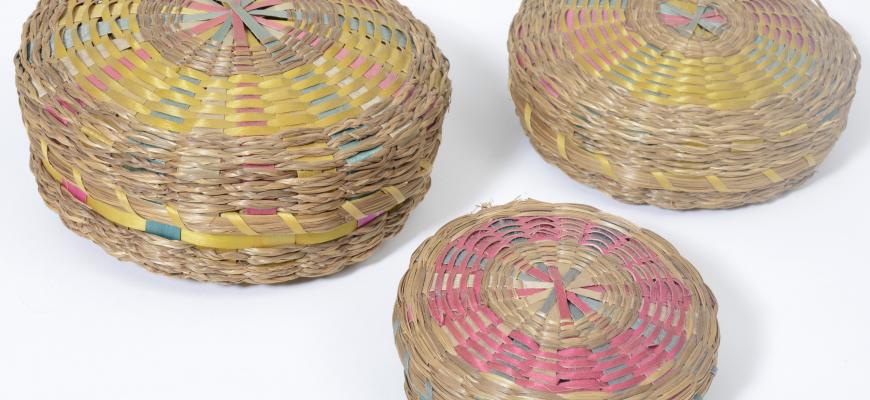
Native American Ethnography
The Abenaki basketry collection donated by Rodney Johnson of Rochester, NY, is a unique collection of 20th century Native American material culture handed down through four generations of his family. The collection, which includes baskets, basket-making tools, birch bark and wooden items, represents the types of things once made by Mr. Johnson’s great-grandparents, Norman and Angeline Sarah (Totoson) Johnson and his great-uncle George Johnson in Lake George, NY, during the early to mid-1900s.
As early as the mid-19th century, Native American families would sell beadwork, baskets, and other hand-made items as souvenirs to tourists at well-known vacation destinations such as Niagara Falls, Saratoga Springs, and Lake George. The Johnson family was among a group of Native American artisans who settled in Lake George where they ran a small store selling baskets, canoes, and other items. Their family’s collection, which also includes a cradleboard donated by his great-grandmother in 1909, is the largest and best documented collection of Abenaki material culture ever acquired by the NYSM.