Join Beyond Plastics for a special screening of the documentary The Plastic Detox, followed by a panel discussion exploring the environmental and public health impacts of plastic pollution. The conversation will bring together voices in the field, including Beyond Plastics president Judith Enck and Dr. Kathy Nolan, president of Physicians for Social Responsibility - New York State Chapter. Together, they will discuss key themes from the film, including the lifecycle of plastics, their effects on human health and ecosystems, and actionable strategies for addressing plastic waste at local, national, and global levels.
Celebrate Mother’s Day with creativity and color! Join us for a family-friendly craft
Celebrate Mother’s Day with creativity and color! Join us for a family-friendly craft making activity inspired by the beauty of spring blooms. Kids and families are invited to design their own one-of-a-kind crafts using a variety of art materials, perfect for gifting to the special mothers, grandmothers, or caregivers in their lives. Drop in and let your imagination blossom in this fun, hands-on activity that’s bursting with love and creativity—just in time for Mother’s Day!
All ages welcome. Supplies provided.
Drop in and let your imagination blossom in this fun, hands-on activity that’s bursting
with love and creativity—just in time for Mother’s Day!
All ages welcome. Supplies provided
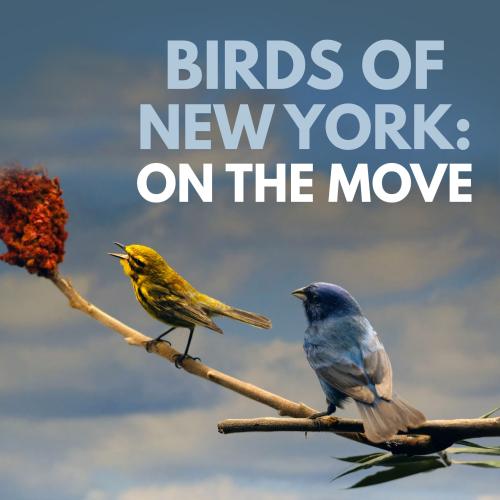
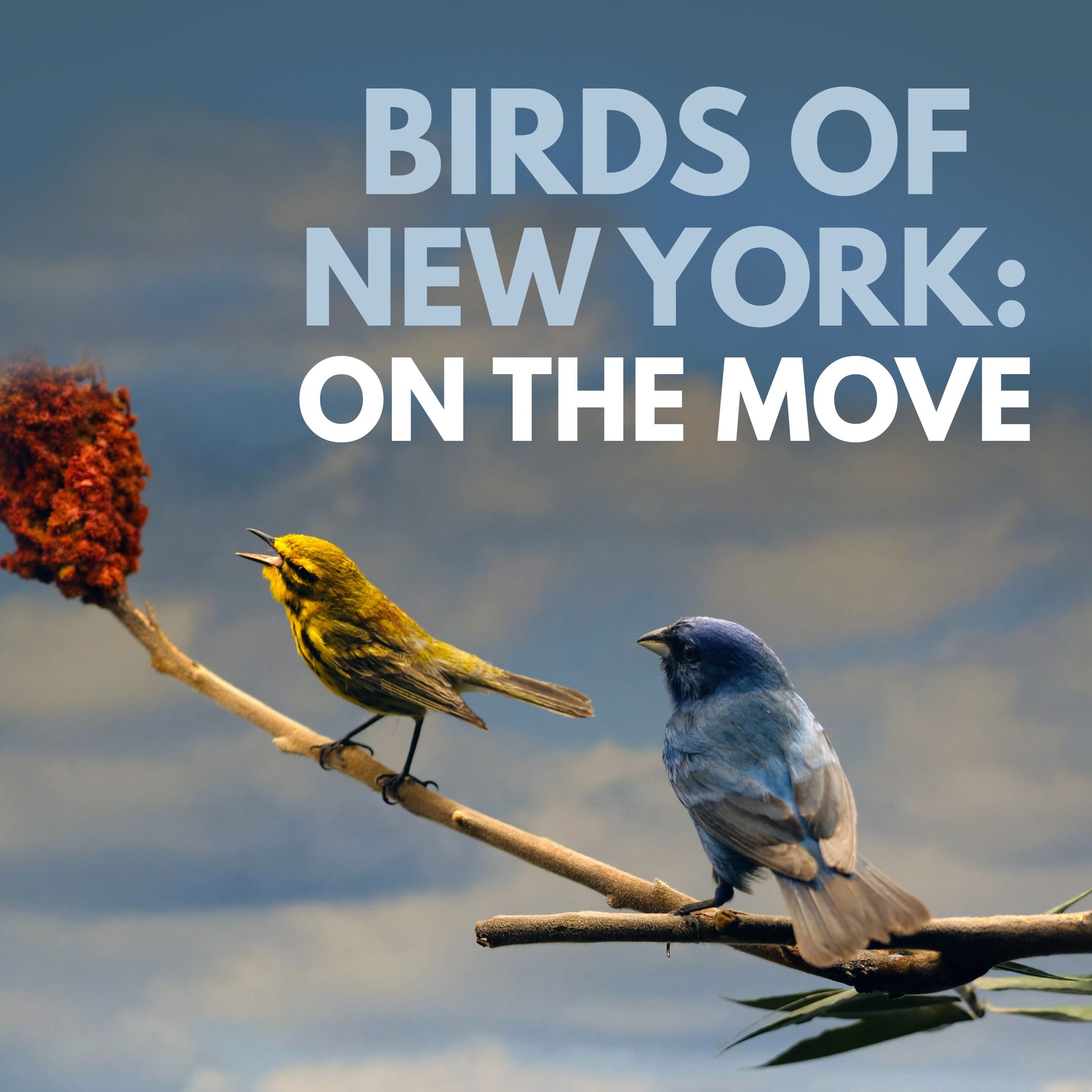
Join Dr. Jeremy Kirchman, Curator of Birds and Mammals at the New York State Museum, for a gallery tour of Birds of New York with a special focus on spring migration. Discover how and why birds navigate to and through New York. Dr. Kirchman will guide you through the exhibit’s habitat groups, highlighting the remarkable journeys and diverse ecologies of migratory bird species. The tour concludes with time for Q&A, so come with your birding questions!
Additional Information
America 250
Statewide 250th Commemoration Efforts
Local and Regional Initiatives
National 250th Initiatives

Partner Organizations

Bugs are changing—just like the seasons! 🐛🦋 Join us outside Discovery Place for a fun, hands-on bug adventure where kids can explore real specimens, learn how insects grow and transform, and meet favorites like butterflies, bees, and ladybugs. Discover the wild world of metamorphosis in action!
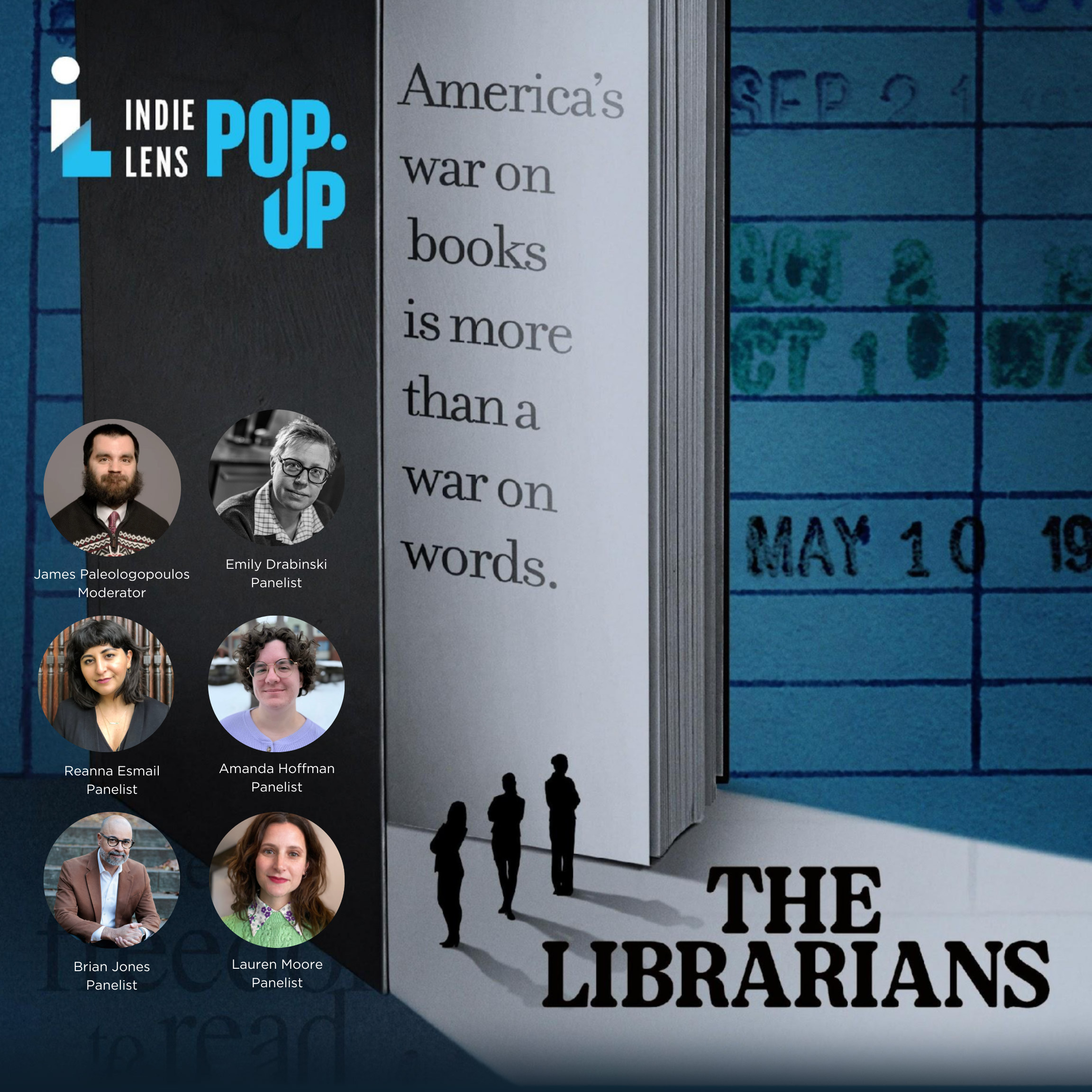
From Oscar-nominated Director and Producer Kim A. Snyder ("Death By Numbers," “Newtown,” “Us Kids”) and Executive Producer Sarah Jessica Parker, “The Librarians” takes viewers from Texas to Florida and beyond, where local libraries have become unexpected battlegrounds in a national struggle over parental control, intellectual freedom, and democracy itself. Sparked by the controversial “Krause List” in Texas, which targets 850 books centered on race and LGBTQIA+ stories, the film takes a deep investigative dive into the escalating movement against book banning. The film captures the courage and resilience of the everyday heroes, librarians, as well as concerned parents and students flanking them, who have become first responders in the fight for the freedom to read, standing defiantly against censorship at all costs.
This event will begin with a screening of the film in the Huxley Theater, followed by a panel discussion with State Librarian Lauren Moore, New York Public Library Senior Director of Reading and Engagement and author Brian Jones, Past-President of the American Library Association Emily Drabinski, American Libraries columnist and Library Freedom Project member Reanna Esmail, and Amanda Hoffman, a former library assistant who fought for their community through the turmoil surrounding a Drag Queen Story Hour. They will discuss the challenges libraries face today, their personal experiences in the battle against censorship, and their suggestions for what libraries and their supporters can do in the continuing struggle for intellectual freedom.
The discussion will be moderated by James Paleologopoulos, Producer for WAMC/Northeast Public Radio’s On the Road, and will be recorded for later broadcast.
Registration encouraged: https://nyslibrary.libcal.com/event/16637063
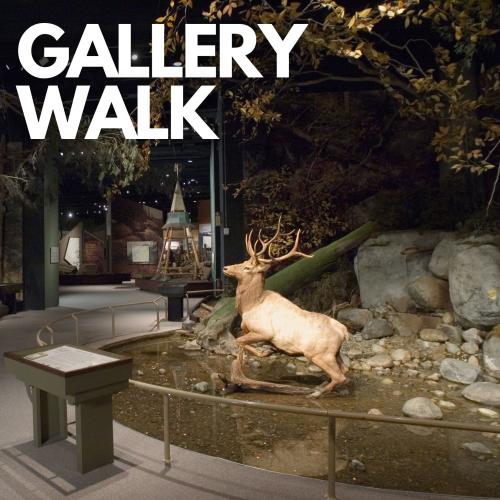
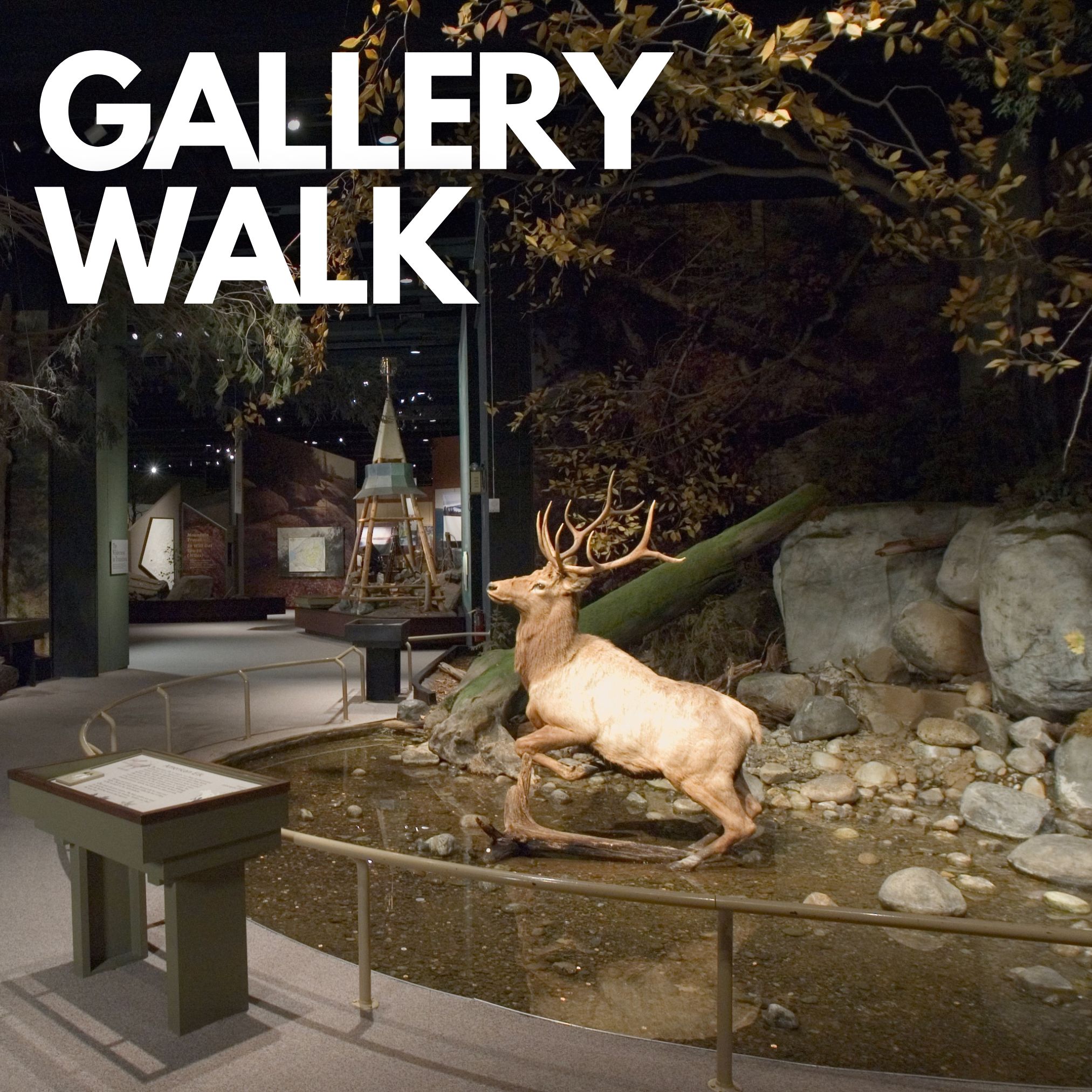
Join Dr. Chuck Ver Straeten, Curator of Sedimentary Rocks, for a 40-minute gallery walk through the Adirondack Hall. Together, we’ll explore the remarkable rocks of New York State and the fascinating stories they hold about ancient waterways and landscapes that shaped the region over 1.2 billion years. As we move through the gallery, Dr. Ver Straeten will bring these stones to life, revealing how each layer preserves clues to long-lost environments and dramatic changes through deep time. The program wraps up with a short look at one of New York’s most charismatic and rarely seen wild residents, the North American porcupine, drawing on fieldwork and trail camera research to share surprising insights into its behavior and ecology.
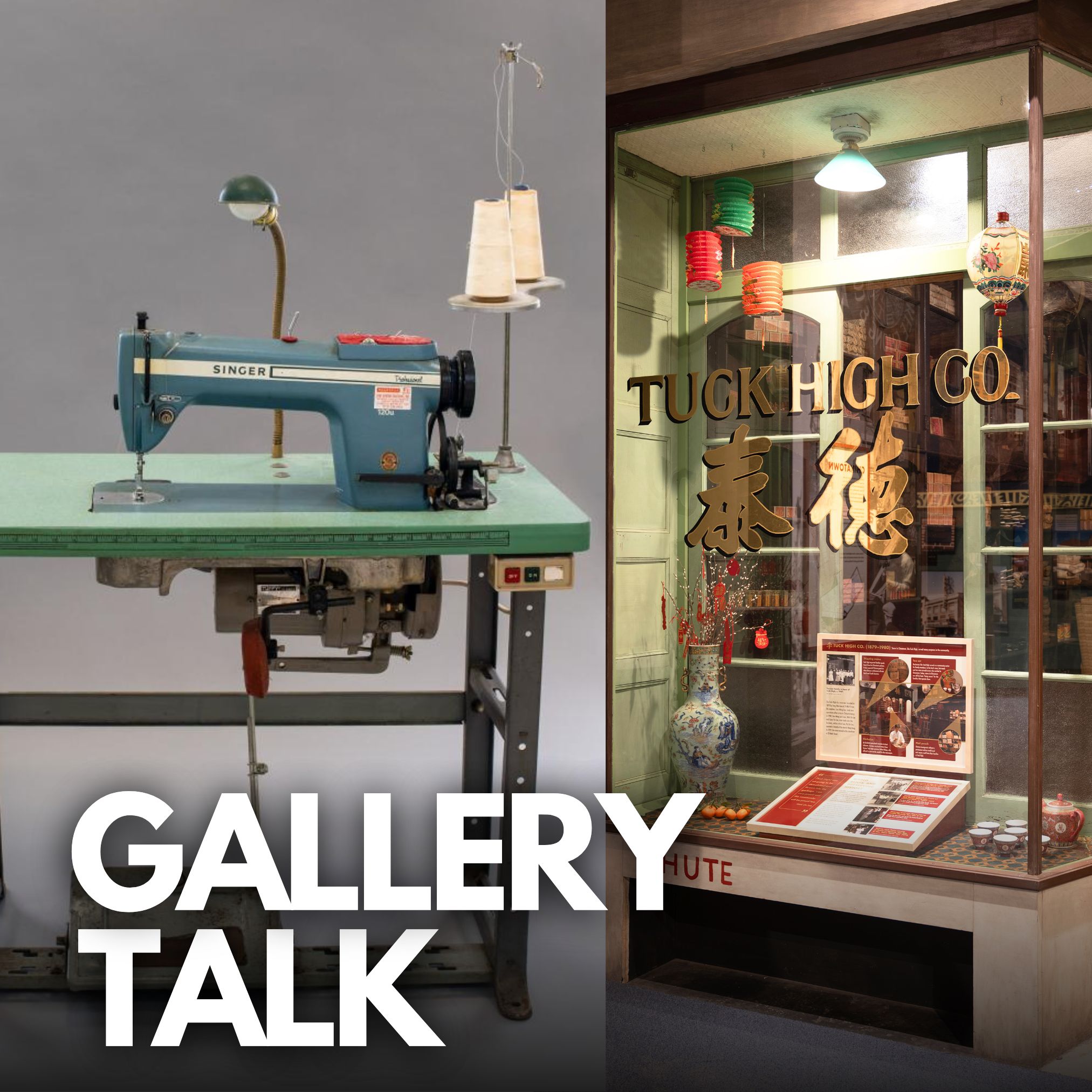
Join Ashley Hopkins-Benton, Senior Historian and Curator of Social History, for a gallery talk at the Tuck High Co. Chinatown Store exhibit. Centered on a 1970s Singer industrial sewing machine, this program explores how a single object can hold multiple meanings and connections across time, place, and community.
As we kick off Asian American and Pacific Islander Heritage Month, discover how everyday artifacts can reveal deeper stories about work, family, and identity in New York State and consider whose histories are carried within the objects around us.
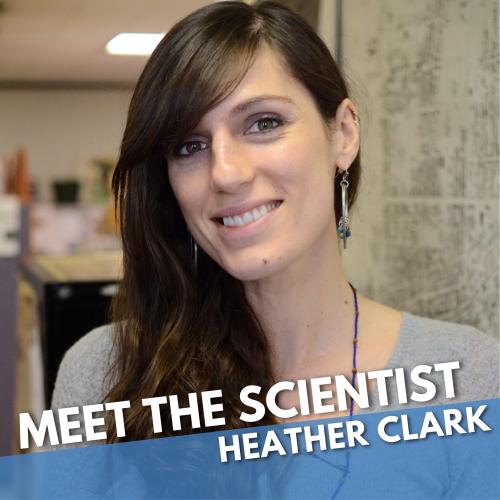
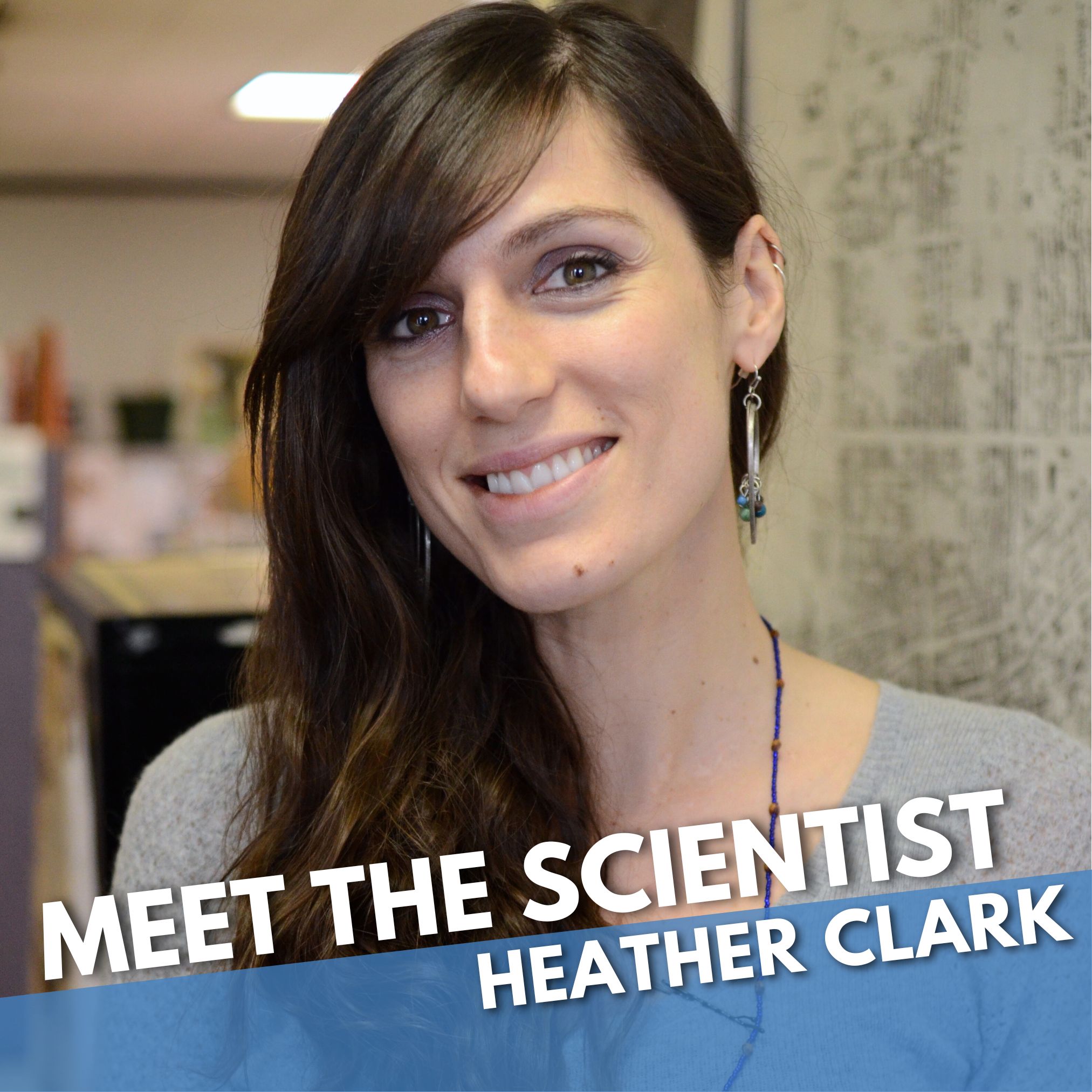
Join Heather Clark, CRSP Principal Investigator and CADD Specialist, for an informal “Meet the Scientist” tabling program featuring fascinating discoveries from the O’Donnell Site in Dutchess County. Heather will share a selection of historic ceramics recovered during excavation, highlighting the remarkable variety, craftsmanship, and stories these artifacts reveal about the past.
Drop by to view these objects up close, learn how they were identified and analyzed, and ask questions about the archaeological process to bring history back to light.
Join us for a one-hour drop-in session where objects, ideas, and questions come together. Get hands-on and see where your curiosity takes you—right inside the Museum’s collections and stories.
Featured Past Exhibit: Each One Inspired: Indigenous Art Across the Homelands
This contemporary art exhibition featured over 60 works from the NYSM Contemporary Indigenous Art Collection and was on view at the New York State Museum from September 5, 2023 to June 2, 2024. We invite you to explore a selection of the works below.
In 1996, the NYSM began an initiative to collect contemporary Indigenous artwork with the goal of creating an expansive and representative collection of Indigenous works by artists whose homelands lie within what is now New York.
The following artists are featured (in order of appearance in the exhibition):
Dawn Dark Mountain, Anthony Gonyea, Rose Kerstetter, Brenda Hill, Lydia Wallace-Chavez, Natasha Smoke-Santiago, Peter B. Jones, Raohserasawi Hemlock, Norman Jimerson, Carson Waterman, Samuel Thomas, Dan Hill, Luanne Redeye, Marjorie Skidders, Brandon Lazore, David Fadden, Larry Jacobs, Reva Fuhrman, Erin Lee Antonak, Tohanash Tarrant, Grant Jonathan, Bryan Printup, Rosemary Hill, Samantha Jacobs, Mary Jacobs, Carrie Hill, Rain Hill, Robin Lazore, Brooke Vandewalker, Ronni-Leigh Goeman, Stonehorse Goeman, John Fadden, Murisa Printup, Robert D’Alimonte, Noel Benson, Diane Schenandoah, Matilda Hill, Dorothy Printup Winden, Louise Henry, Sophronia Thompson, Penny Hudson, Ethyl Zomont, Angel Doxtater, Leah Shenandoah, Faye Lone, Niio Perkins, Isabella Thompson, Bruce Boots, Jeremy Dennis, G. Peter Jemison, David Martine, Jamie Jacobs, Ken D. Williams Jr., Orlando Dugi, Wilma Zumpano-Cook, Jay Havens, Ann Mitchell, Stan Hill Sr., Erwin Printup Jr., Hayden Haynes, Stan Hill Jr., and Karen Ann Hoffman, Margaret Jacobs, and Robert Griffing.
Erin Lee Antonak, OnΛyota’a:ka (Oneida Nation, NY)
Erin Lee Antonak, OnΛyota'a:ka (Oneida Nation, NY)
Mom?, 2020-2021
Cornhusk, welded steel, muslin cloth
NYSM E-2023.5.1-2
Erin Lee Antonak grew up in a family of artists who sold craft and art pieces at pow wows, festival gatherings, and to museums. She became skilled at working with cornhusk, a material used by Haudenosaunee women for thousands of years, to make objects for everyday and ceremonial use. As a young adult, Erin faced a family emergency that required her to move home and take care of her mom and siblings. During that time, she found healing through creating works with cornhusk. Her artwork seeks to explore the connection between resilince, healing, and craftwork, as well as her own identity as an Oneida woman.
How do we activate our DNA to source resilience through craft? And how do we recognize our strength through craft?
New York State Museum, E-2023.5.1
Margaret Jacobs, Kanien’ kehá:ka, (Mohawk)
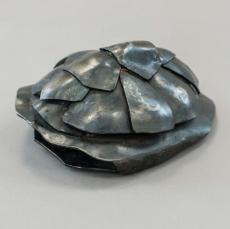
Margaret Jacobs, Kanien’keha, (Mohawk)
Shedding Armor, 2019
Pounded steel
NYSM E-2019.13
Margaret Jacobs, Kanien’keha, (Mohawk)
Shedding Armor, 2019
Pounded steel
NYSM E-2019.13
In my work, I am exploring the fragility and complexity of decay and growth in nature by creating organic imagery from steel, and the visual narratives in my work come from elements that are important to me personally, familiarly, and culturally. Shedding Armor speaks to the stability and adaptability of Turtle Island as well as alluding to its simultaneous need to be protected.
New York State Museum, E-2019.13
Jeremy Dennis, Shinnecock and Hassanamisco-Nipmuc
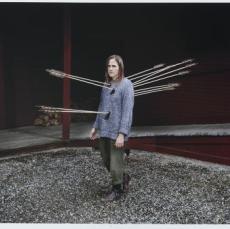
Jeremy Dennis, Shinnecock and Hassanamisco-Nipmuc
Nothing Happened Here #2, 2016
digital C-print
NYSM E-2016.44
Nothing Happened Here explores the violence/non-violence of postcolonial Native American psychology. My work is a reflection of my experience and observations in my community, the Shinnecock Reservation in Southampton, New York, and specifically the burden of loss of culture through assimilation, omission of our history in school curriculum, loss of land, and economic disadvantage.
The arrows act as a symbol of everlasting indigenous presence. The decision to use non-native subjects reveals a shared burden. How do we overcome this troubled past?
New York State Museum, E-2016.44
G. Peter Jemison, Onöndowa’ga:’ (Seneca)
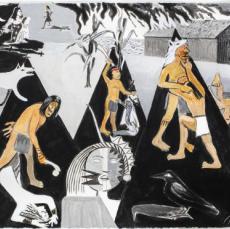
G. Peter Jemison, Onöndowa’ga:’ (Seneca)
1687 War (after Guernica), 2015
Acrylic, watercolor and pencil on hot press paper
NYSM E-2018.16
Ganondagan State Historic Site, where Pete Jemison was the site manager from 1985 to 2022, is located on what was once a Seneca village. In 1687, the French forces attacked the village. However, they were outsmarted by the Seneca who sent their women and children safely away and burned the remaining crops and longhouses before the French could destroy them. Jemison’s painting references Picasso’s Guernica (1937) to make a statement about the horrors of warfare.
New York State Museum, E-2018.16
Wilma M. Zumpano-Cook, Kanien’ kehá:ka (Mohawk)
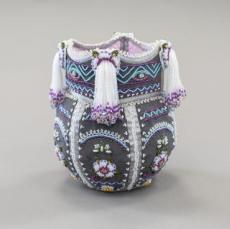
Wilma M. Zumpano-Cook, Kanien’ kehá:ka (Mohawk)
The Vessel, 2018
Glass vase covered with velvet and cotton fabric panels and embellished with glass beads
NYSM E-2019.15
This piece is inspired by Haudenosaunee pottery from the 1500s. This vessel is made of fabric panels and glass beads covering a glass vase that provides the form. The beadwork designs and techniques Zumpano-Cook uses were developed and continued to be used by Mohawk beadworkers in the 19th and 20th centuries.
New York State Museum, E-2019.15
Yaihra? tha? (Murisa Printup) and Rayekwiratkyehena:we:k (Robert D’Alimonte), Skarù:rę? (Tuscarora)
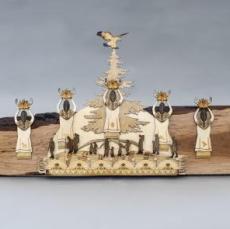
Yaihra? tha? (Murisa Printup) and Rayekwiratkyehena:we:k (Robert D’Alimonte), Skarù:rę? (Tuscarora)
Skarù:rę? Seeking Peace, 2018
White pine plaque with bas relief
New York State Museum, E-2019.17
In August 2018, the Great Law Recital was hosted by the Tuscarora Nation. By all accounts, this was the first time this had been done since we made the migration up north in the early 1700s to join our brothers and sisters among the Haudenosaunee Confederacy.
During the early 1700s, as colonists were encroaching on our land, a war broke out. We lost nearly 1,000 men, women, and children. Our ancestors headed north to seek peace among the Haudenosaunee—people we lived with about 1,300 years before.
We have lived as the Sixth Nation of the Haudenosaunee Confederacy to this day.
The recital of the Great Law is an event for Haudenosaunee people. The responsibility of hosting the gathering rotates throughout the different Haudenosaunee Nations. The gathering includes leaders and knowledge keepers reciting and sharing oral histories, teachings, and philosophies in Haudenosaunee languages.
Inspired by this historic event, Yaihra? tha? and Rayekwiratkyehena:we:k collaborated to create this piece. It depicts a number of key events: the Tuscarora Migration, the Tuscarora Taken-In Belt, the Great Tree of Peace, and the seven Tuscarora Clans. The Clan Mothers, each holding a gustoweh, are shown raising up their chiefs under the Tree of Peace.
New York State Museum, E-2019.17
Diane Schenandoah, Honwadiyenawa’sek (One Who Helps Them), OnΛyota’a:ka (Oneida Nation, NY)
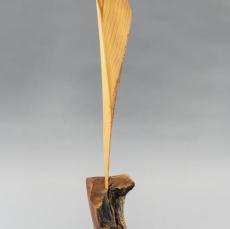
Diane Schenandoah, Honwadiyenawa’sek (One Who Helps Them), OnΛyota’a:ka (Oneida Nation, NY)
Our Grandfathers–The Thunderbeings, 2019
White cedar and Texas mesquite
New York State Museum, E-2019.19
This sculpture honors Yothihsótha (Our Grandfathers) Latihsakayu∙téhseˀ (The Thunderers). In Haudenosaunee creation narratives, the Thunderers bring the gift of rain to the Earth and all living creatures. Their presence signals the beginning of spring.
New York State Museum, E-2019.19
Karen Ann Hoffman, OnΛyota’a:ka (Oneida Nation, WI)
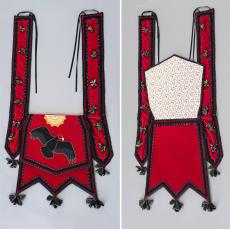
Karen Ann Hoffman, OnΛyota’a:ka (Oneida Nation, WI)
Bernard the Buzzard Bag, 2018
Velvet, calico cloth, glass beads, 14k seed beads, ribbon, whitetail deer toes
NYSM E-2019.18
Hoffman is the recipient of a 2020 National Heritage Fellowship from the National Endowment for the Arts. Her work is represented in private collections and museums across the country, including here at the State Museum, the Smithsonian National Museum of the American Indian, the Field Museum, and the Iroquois Indian Museum.
New York State Museum, E-2019.18
Office of Cultural Education Unveils Statewide Learning Tools for Revolutionary War Commemoration
Free Resources Support Classrooms, Libraries, and Cultural Institutions Across New York State
The New York State Education Department’s Office of Cultural Education is launching a dynamic suite of new educational resources to commemorate the 250th anniversary of America’s founding. Contributions from the New York State Museum, Library, and Archives draw from themes developed by the New York State 250th Commemoration Commission to provide teachers, schools, and cultural institutions with resources to support meaningful engagement with the anniversary through 2033 and beyond.
Chancellor Lester W. Young, Jr. said, “As we commemorate the 250th anniversary of our nation’s founding, we have the opportunity to honor New York’s State pivotal role in its creation while also deepening our understanding of the many stories that shaped our democracy. This milestone serves as an important moment to reflect on our country’s past by amplifying voices and perspectives that have too often been overlooked. Through these new resources, we invite all New Yorkers to engage with the past in ways that inspire thoughtful dialogue, broaden perspectives, and strengthen our collective future.”
State Education Commissioner Betty A. Rosa said, “This vast collection of educational resources provides educators with powerful tools to help bring history to life, while inviting students to explore this commemoration in ways that are engaging, thoughtful, and inclusive. Thanks to the diligent work of our State Museum, Library, and Archives, New Yorkers have access to materials that not only illuminate the past 250 years, but also inspire critical thinking about our nation’s future. We encourage students to honor this historical moment by asking questions, considering multiple perspectives, and creating space for meaningful reflection in the ongoing pursuit of a more just and equitable society.”
The six interpretive themes identified by the NYS 250th Commemoration Commission are Indigenous History is New York’s History, Choose Your Side, Power of Place, We the People, Unfinished Revolutions, and Changing Interpretations of the Revolution.
(518) 474-1201
Press@nysed.gov
www.nysed.gov
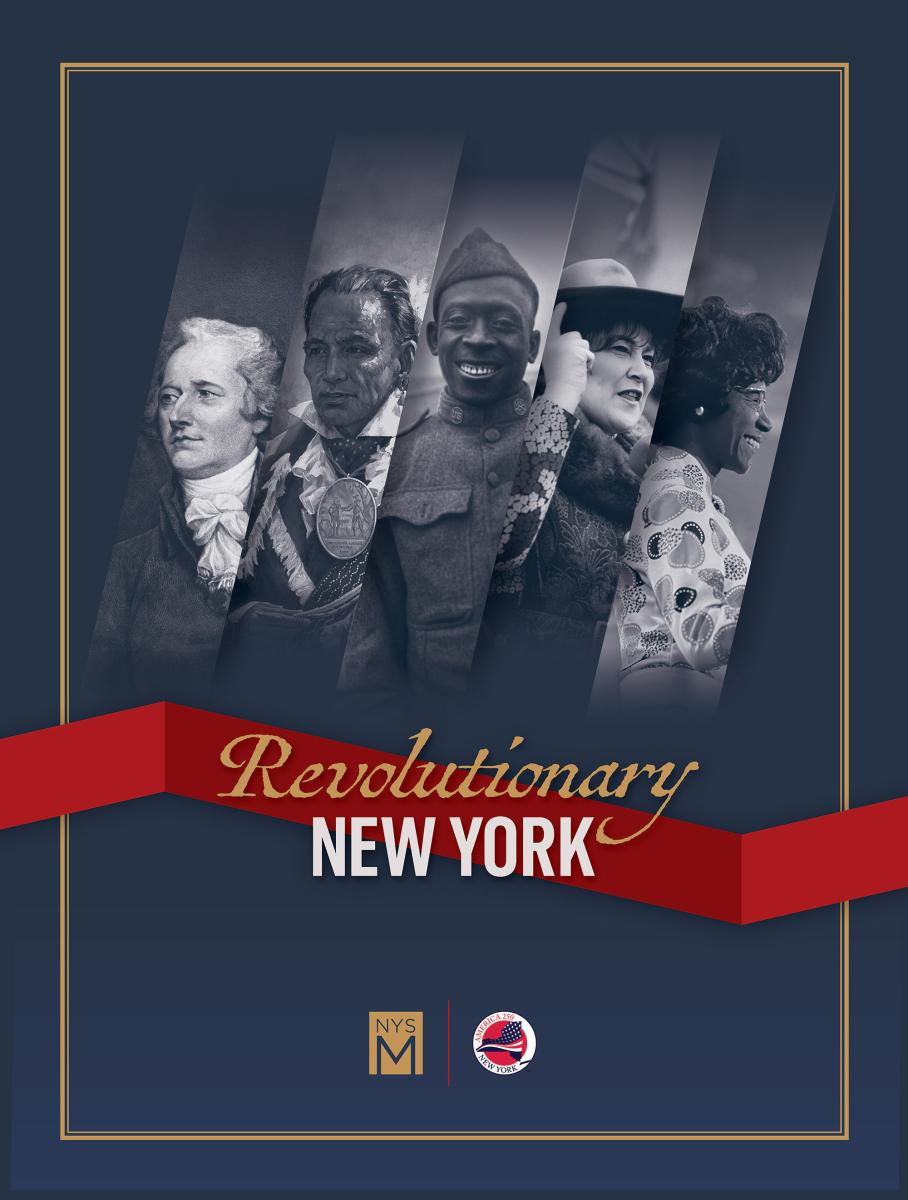
New York State Museum Panel Exhibition: Revolutionary New York
The story of New York’s role in the fight for independence is brought directly to cultural institutions through this carefully curated eight-panel display. The exhibition explores key moments from 1775 to the present, including the Battles of Saratoga, the birth of the women’s suffrage movement in Seneca Falls, the Stonewall Uprising, emancipation and the Underground Railroad, and statewide marriage equality. It features relevant documents, artifacts, and photographs that will also appear in the Museum’s upcoming exhibition, opening this summer.
Designed for audiences unable to travel to the Museum, the display honors the New Yorkers who have worked over the past 250 years to make the promises of the Declaration of Independence a reality.
High resolution digital files are available at no cost, but venues are responsible for printing and mounting the panels at their own expense. Interested institutions should contact the New York State Museum by emailing nysmhistory@nysed.gov.
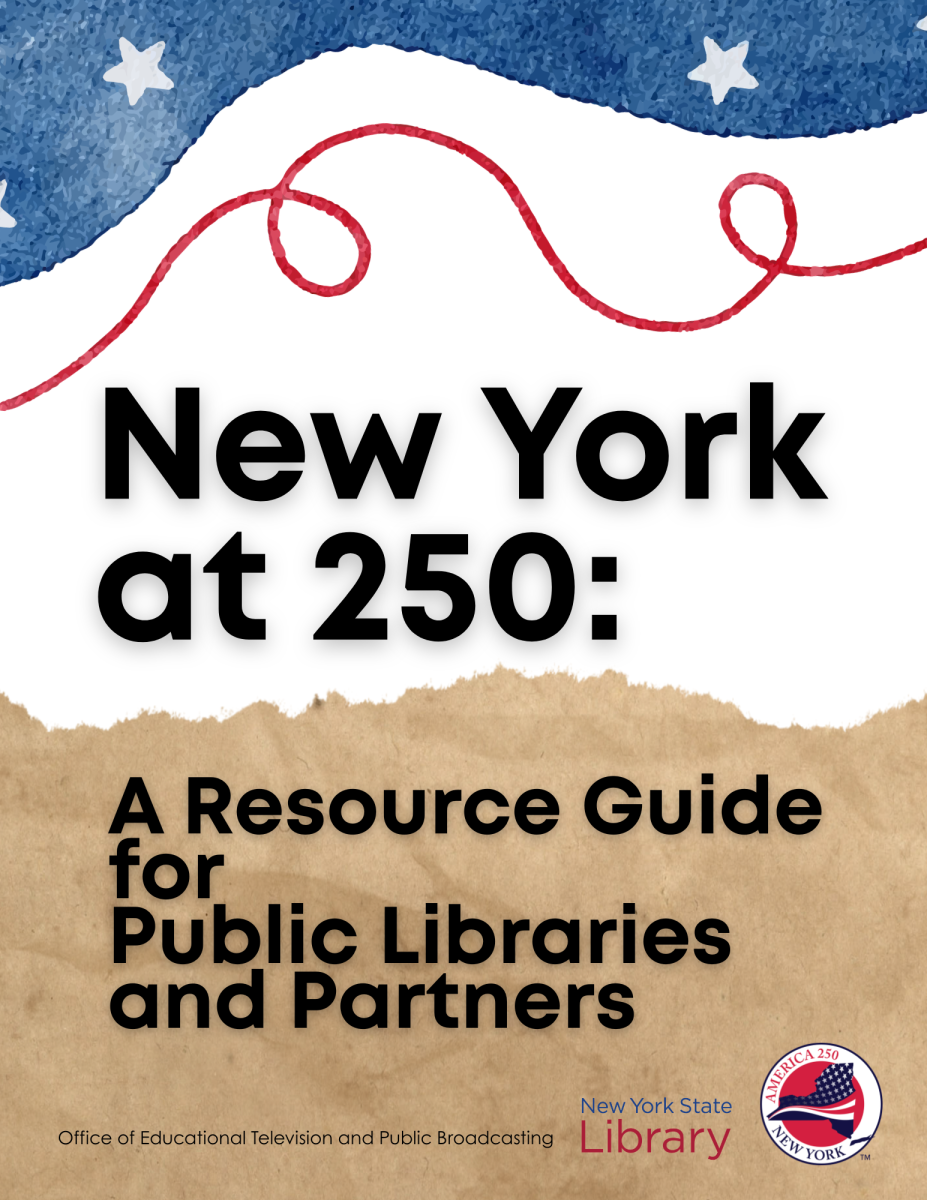
New York State Library Resource Guide: New York at 250
Celebrate history in your own backyard with the help of this comprehensive guide from the New York State Library. New York at 250: A Resource Guide for Public Libraries and Partners provides a practical framework, offering information and support materials for libraries and cultural institutions interested in developing public programs for the 250th commemoration.
Organized into three sections, the guide provides best practices, showcases examples of programs aligned to each of the six interpretive themes, and offers ways to stay connected. Turnkey event ideas are categorized by time commitment, making it easy for organizations of all sizes to find options that fit their capacity.
The guide is available as a downloadable PDF on the New York State Library’s website.
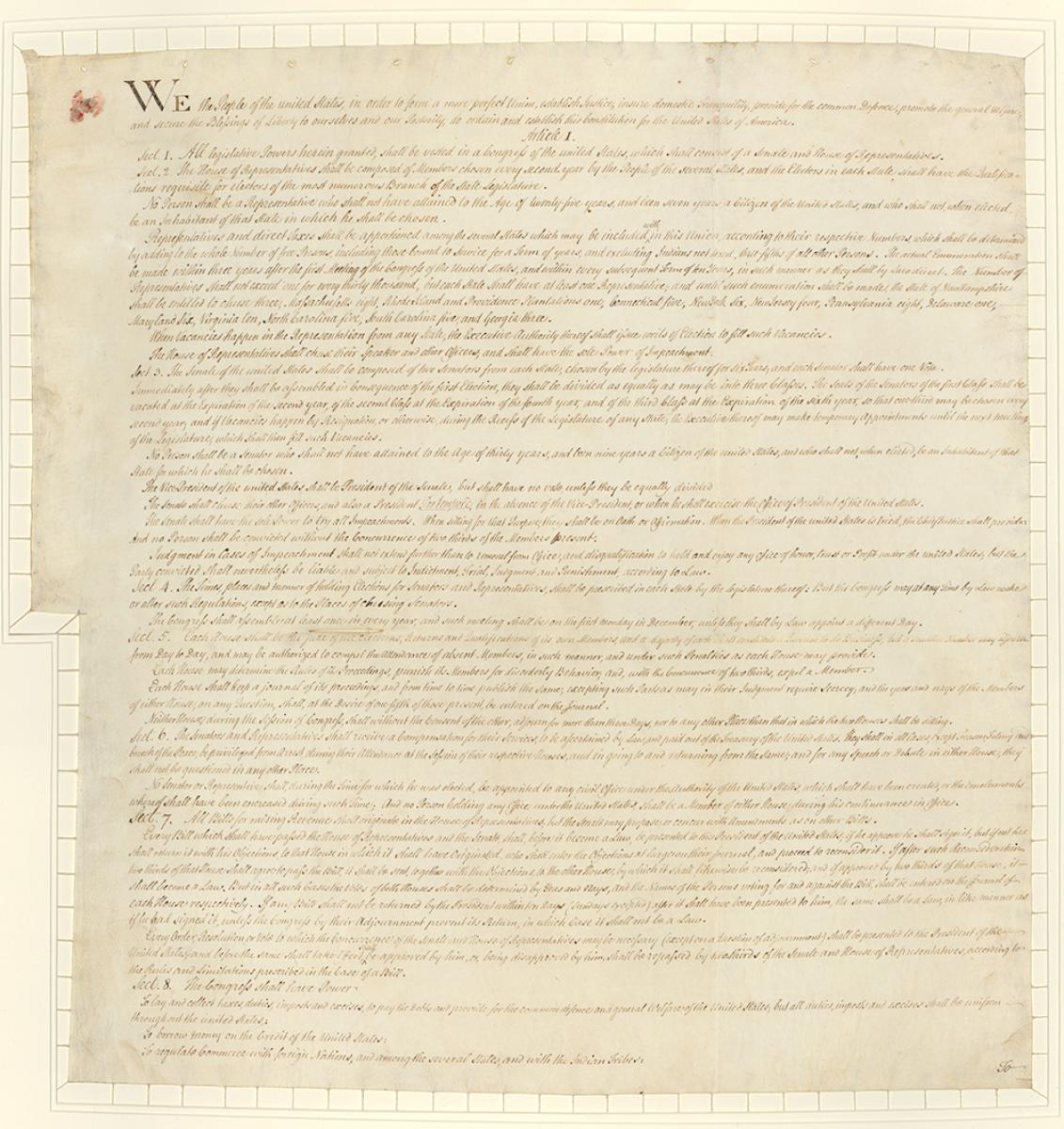
New York State Archives: Freedom Train Documents
In 1949 and 1950, the New York State Freedom Train, inspired by the national Freedom Train, carried 83 documents from New York’s history to cities and towns statewide. These records are now available in digital format thanks to the New York State Archives Partnership Trust, giving educators, researchers, and the public direct access to materials that have shaped our lives.
Documents include the Flushing Remonstrance, a draft of the Emancipation Proclamation handwritten by President Abraham Lincoln, and an engrossed copy of the United States Constitution ratified by the New York State Convention in 1788.
The documents, alongside accompanying learning activities, are available as part of the New York at 250 Resources for Educators on ConsidertheSourceNY.org. There, you can also find additional educational resources, including Revolutionary War themed articles from New York Archives Magazine and New York Archives Jr!, the New York State 250th Commemoration Field Guide, and sample learning activities for each interpretive theme.
About the Office of Cultural Education
Established in 1836, the New York State Museum is the oldest and largest public museum in the United States. Home to leading scientists, historians, archeologists, and anthropologists, its collections represent the State’s rich cultural and natural heritage from the past and present, including a staggering 20+ million artifacts spanning 1.1 billion years ago to today. Located at 222 Madison Avenue in Albany, the Museum is open Tuesday through Sunday from 9:30 a.m. to 5 p.m. It is closed on the Fourth of July, Thanksgiving, Christmas, and New Year's Day. Admission is free. For additional information, visit the New York State Museum website and subscribe to our newsletter.
The New York State Library, established in 1818, is the largest state library system in the nation and one of the largest research libraries in North America. It oversees a vast network of more than 7,000 libraries statewide. Collections are made available onsite and through a robust interlibrary loan program. The Library’s mission is advanced through several key divisions, including the Research Library, which houses a collection of over 20 million items, the Talking Book and Braille Library, and the Division of Library Development. The Library preserves and maintains invaluable historical collections and works, and serves as a Regional Depository for federal publications. Additionally, the State Library is the official repository of New York State government publications, ensuring their enduring preservation and accessibility for future generations. For more information, please visit the New York State Library website and subscribe to our monthly newsletter.
Established in 1971, the New York State Archives has amassed one of the most extensive and historically significant state archive collections in the nation. The Archives manages, preserves, and provides open access to over 270 million colonial and New York State records dating back to the 1630s. In addition, the Archives provides records and archival management services to nearly 4,500 counties, cities, towns, villages, school districts, and other local governments across New York State. The Archives offers technical assistance, training, and grants to non-government repositories through the Documentary Heritage Program and Documentary Heritage and Preservation Services for New York (DHPSNY). Researchers can access public records through the Archives’ online Digital Collections or by appointment on the 11th floor of the Cultural Education Center. For more information, please visit www.archives.nysed.gov.
The Archives Partnership Trust, a 501(c)3 organization, works to advance New York State History by making the voices within over 350 years of records accessible, relevant, and heard. Education, preservation, and outreach programs unite scholars, students, and the interested public in the discovery, interpretation, and promotion of our shared history. Programs created and supported by the Trust include: ConsidertheSourceNY.org; Larry J. Hackman Research Residency Program; Student Research Awards; countless preservation projects to help stabilize and rehabilitate fragile records; and outreach programs such as New York Archives Magazine, the Empire State Archives and History Award, and other public education programs. Subscribe to our newsletter to receive timely updates.
The State Museum, State Library, and State Archives are programs of the New York State Education Department’s Office of Cultural Education. Further information about programs and events can be obtained by calling (518) 474-5877 or by visiting the Office of Cultural Education website.
###
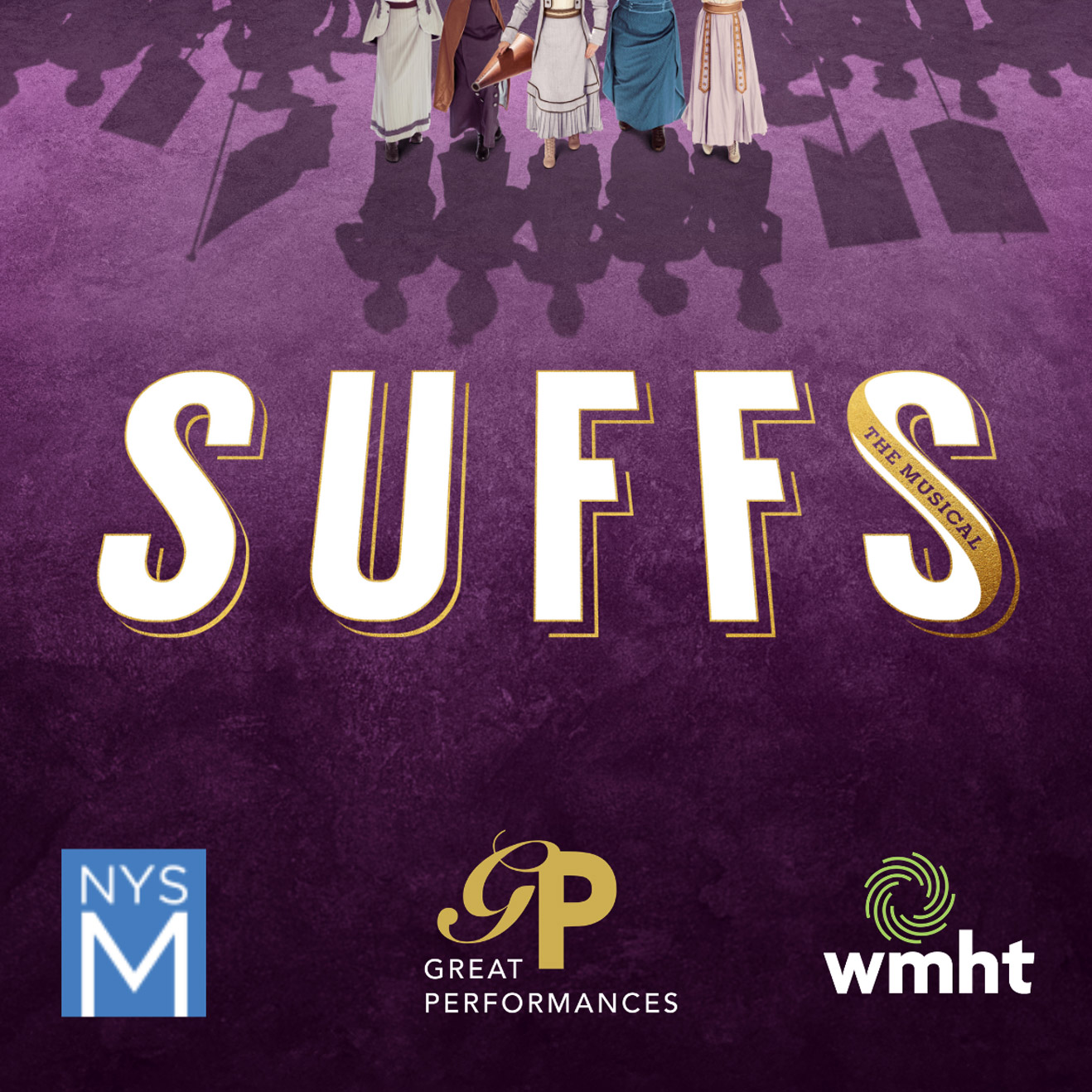
Created by Tony Award winner Shaina Taub, this musical recorded from Broadway tells the story of the American suffragist movement and the remarkable friendships, heartbreak, and action that brought women together or, in some cases, tore them apart. The ensemble cast features Taub as Alice Paul, Tony winner Nikki M. James as Ida B. Wells, Tony nominee Jenn Colella as Carrie Chapman Catt, and Grace McLean as President Woodrow Wilson.
Premieres Friday, May 8, 2026, at 9 p.m. on PBS, PBS Great Performances and the PBS app. This special preview is presented courtesy of The WNET Group and WMHT Public Media.
Free and open to the public, but registration is required. Questions? Email: lwvac@lwvalbany.org.
Cosponsored by the Leagues of Women Voters of Rensselaer, Saratoga, and Schenectady Counties.
Registration Recommended: https://lwvalbany.org/
Join us for a hands-on creative experience inspired by the natural world! In this unique session, participants will get an up-close look at insect specimens from the New York State Museum’s collections and learn directly from State Entomologist Dr. Timothy McCabe. Discover the fascinating details of form, color, and structure before translating what you see into your own artwork. After an engaging introduction to the specimens, artist and educator Audrea Din will guide a short demonstration on color mixing and shadow techniques to help bring your subjects to life. Then, it’s your turn—experiment with watercolor and/or gouache as you create your own insect-inspired masterpiece. We’ll wrap up by gathering for a friendly group critique, where participants can share their work, exchange ideas, and celebrate the creative process.
All materials are provided—just bring your curiosity and creativity! Open to participants ages 13+.
(4) Spots have reopened!
Register Here for Paint the Collections
Celebrate the New York State of Poetry! Student poets from the region will share their poems at a special poetry reading for New York State of Poetry, a program developed by Teachers & Writers Collaborative in partnership with the New York State Council on the Arts. Fifty-nine high schools from across New York State—representing more than 5,000 students—registered for the program. Students explored a curated collection of classic and contemporary poetry, including works by New York State Poet Laureates, and then wrote their own original poems in response. Student poems are published in the 2026 New York State of Poetry anthology.
This event will be hosted by Mary Panza who has been a mainstay of the Albany poetry scene since 1988. She was the host of the long-running Poets Speak Loud open mic series.
Register Here (Recommended) for New York State of Poetry
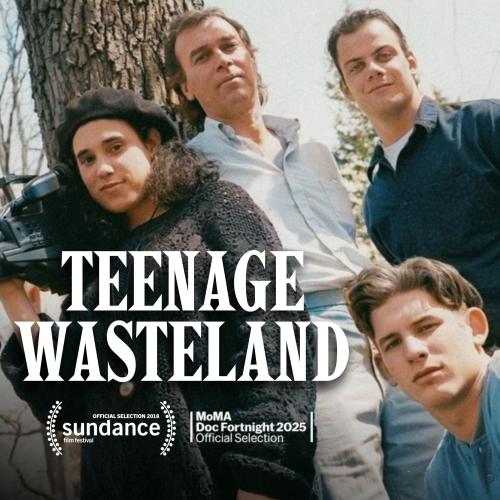
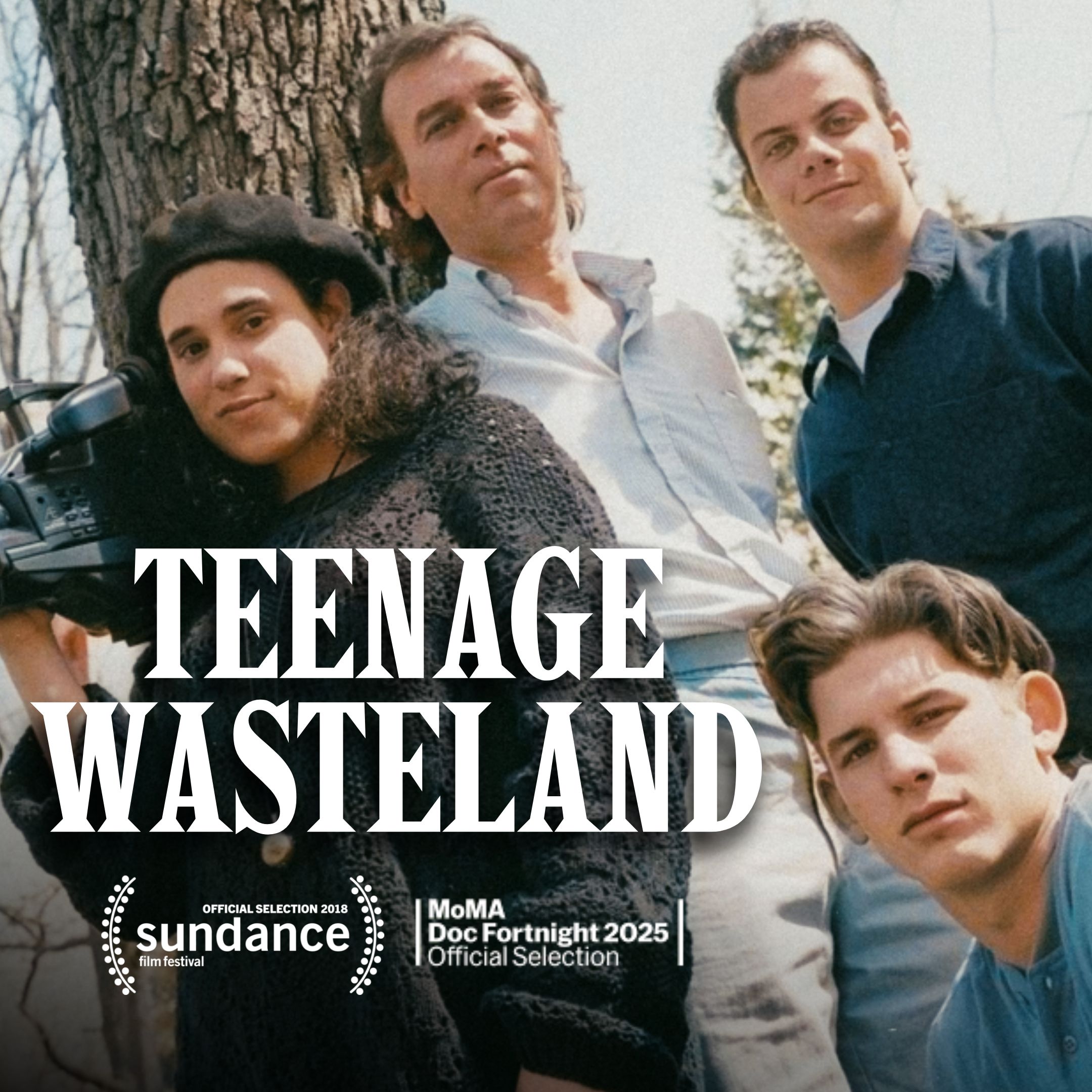
Join Senator Michelle Hinchey and Assemblymember Emily Gallagher for a free screening of the acclaimed documentary film, Teenage Wasteland, 2025 Sundance Film Festival Official Selection and New York Times Critic's Pick. The screening will be followed by a live Q&A with Director Jesse Moss and film subject Fred Isseks.
About the documentary:
Middletown, New York. 1991. Renegade English teacher Fred Isseks sends his students out on a film assignment that exposes a web of toxic dumping, political corruption, and environmental injustice hiding in plain sight. Teenage Wasteland is a coming-of-age story based on exclusive access to hundreds of hours of candid, humorous, and nostalgic footage, and the cooperation of Fred Isseks and his intrepid students as they reckon—30 years later—with a life-defining event and a remarkable story of civic courage. Their story is a testament to speaking truth to power and a reminder that the fight for environmental justice in America and across New York is far from over.
New Divisions of Ancient Geologic Time
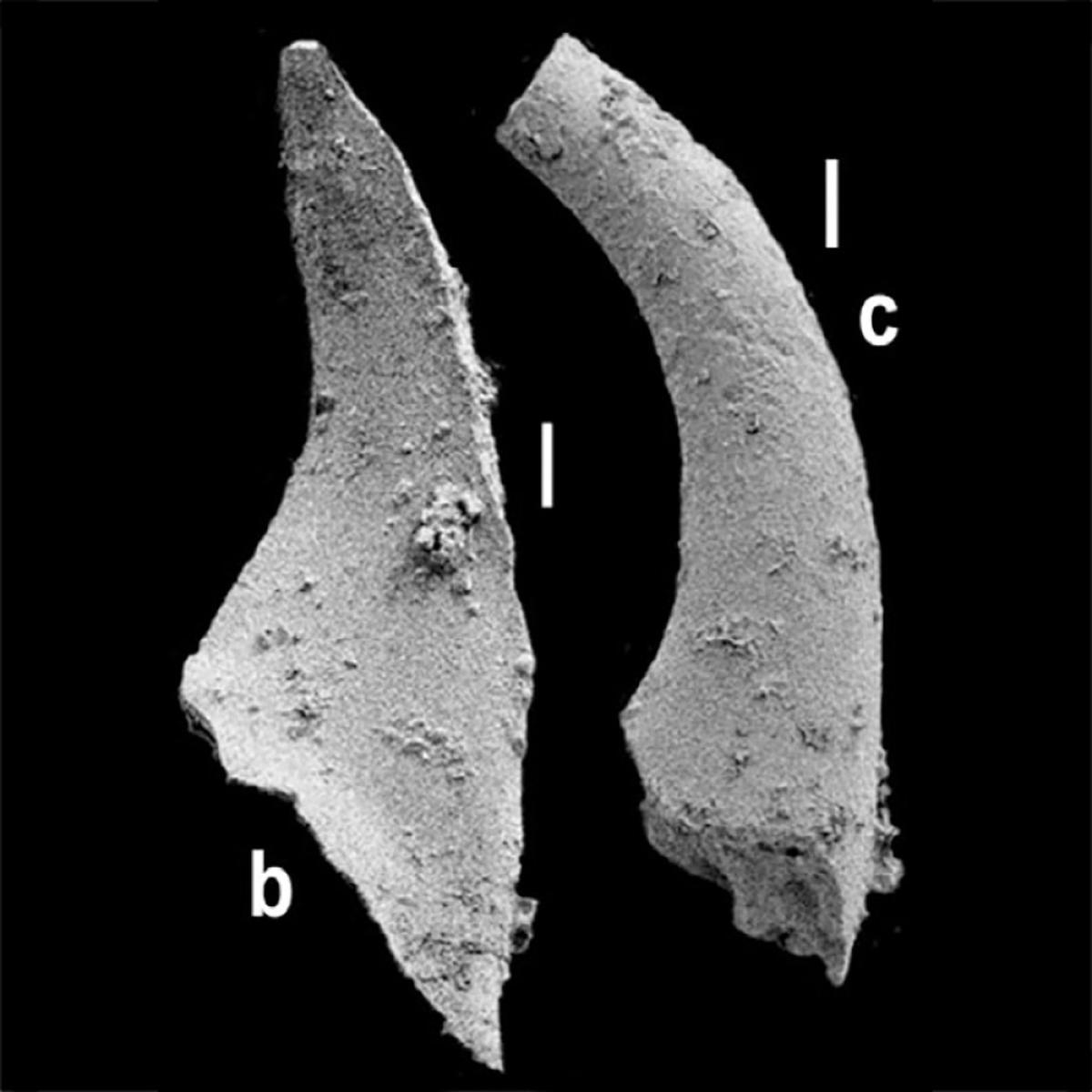
Tooth-like microfossils of the conodont animal Eoconodontus notchpeakensis (scale bars 0.05 mm) from quarry near Whitehall, eastern New York.
Research by Dr. Ed Landing, New York State Paleontologist, emeritus, with the New York State Museum has led to global subdivisions of the Cambrian Period that are used in geology textbooks. The Cambrian (538–497 million years ago) is a key interval in geological time as it featured an evolutionary explosion of multicellular organisms and the origin of modern marine animal groups.
In February 2026, the Cambrian Subcommission (CS) of the International Union of Geological Scientists (IUGS) accepted a proposal made by Landing at a 2010 scientific meeting in Prague. He defined the base of the uppermost Cambrian subdivision at the lowest occurrence (LO) of fossils of a fish-like animal called Eoconodontus notchpeakensis (see figure). The IUGS favored this global horizon, which is right below a major change in oceanic carbon isotope values, over the LO of a trilobite-like form favored by Chinese paleontologists. This uppermost Cambrian subdivision is a ca. 2.7 m.y. interval based on Landing’s precise uranium-lead age dating of ancient volcanic ashes in Wales in the 1990s and revised in 2025.
Other Cambrian subdivisions accepted by the IUGS include Landing as co-author (1987, accepted 1992) of the global standard for the base of the Cambrian. This standard in a sea cliff exposure in SE Newfoundland, Canada, was favored over competing Russian and Chinese proposals that proved to be significantly younger. Landing (2007) named the lowest major divisions of the Cambrian (the Terreneuvian Series with a lowest Fortunian Stage). In 2019, he and co-researchers determined a ca. 519 m.y. uranium-lead age on the top of the global Terreneuvian (which is about the age of the oldest trilobites) based on field work in southern Morocco. Most recently (January 2026) he proposed to the CS, with Drs. Damien Pas, Liège University, Belgium, and Gerd Geyer, Universität Würzburg, Germany, standards for the top of the Terreneuvian based on the peak of a carbon isotope excursion determined at his field areas in Morocco and Siberia.
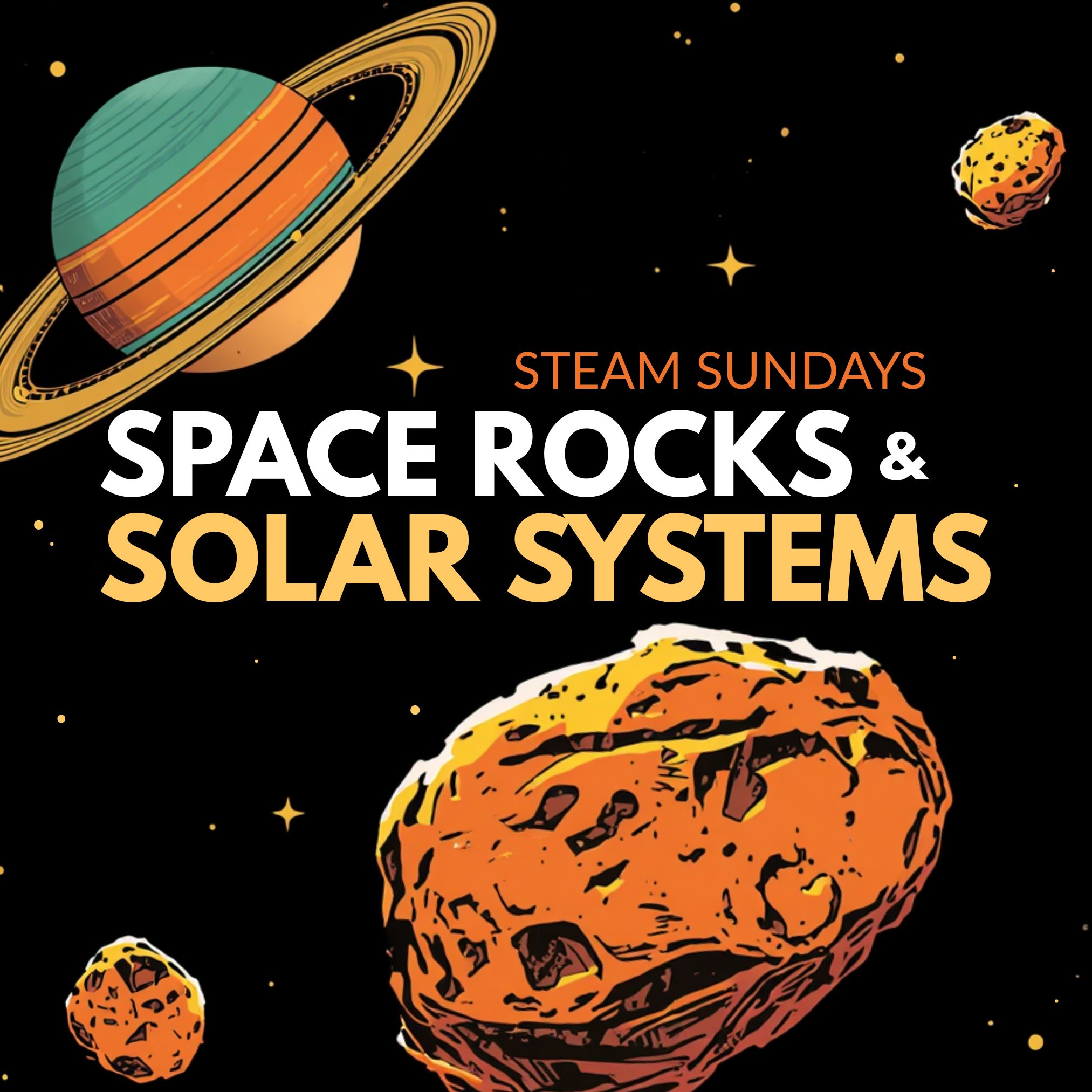
Join us for a fun-filled STEAM Sundays adventure as we blast off into space science! 🚀✨
We’ll start by meeting Dr. Andrew Clift, Curator of Bedrock Core at the New York State Museum, who will help us uncover the mysteries of meteorites, micrometeorites, and how space rocks teach us about our solar system.
Then it’s your turn to become a space explorer! With educator Venu Toolaram, families will jump into a hands-on creative activity to design and build their own solar system models using colorful materials, imagination, and a little bit of cosmic inspiration. Get ready to learn, create, and explore the universe.
No spaceship required, but *registration is!
*Our apologies, but registration is now full.
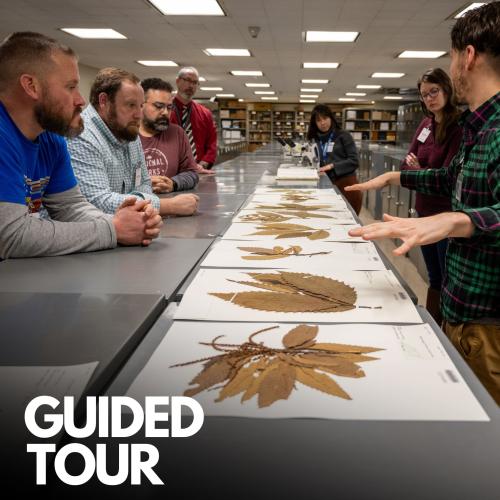
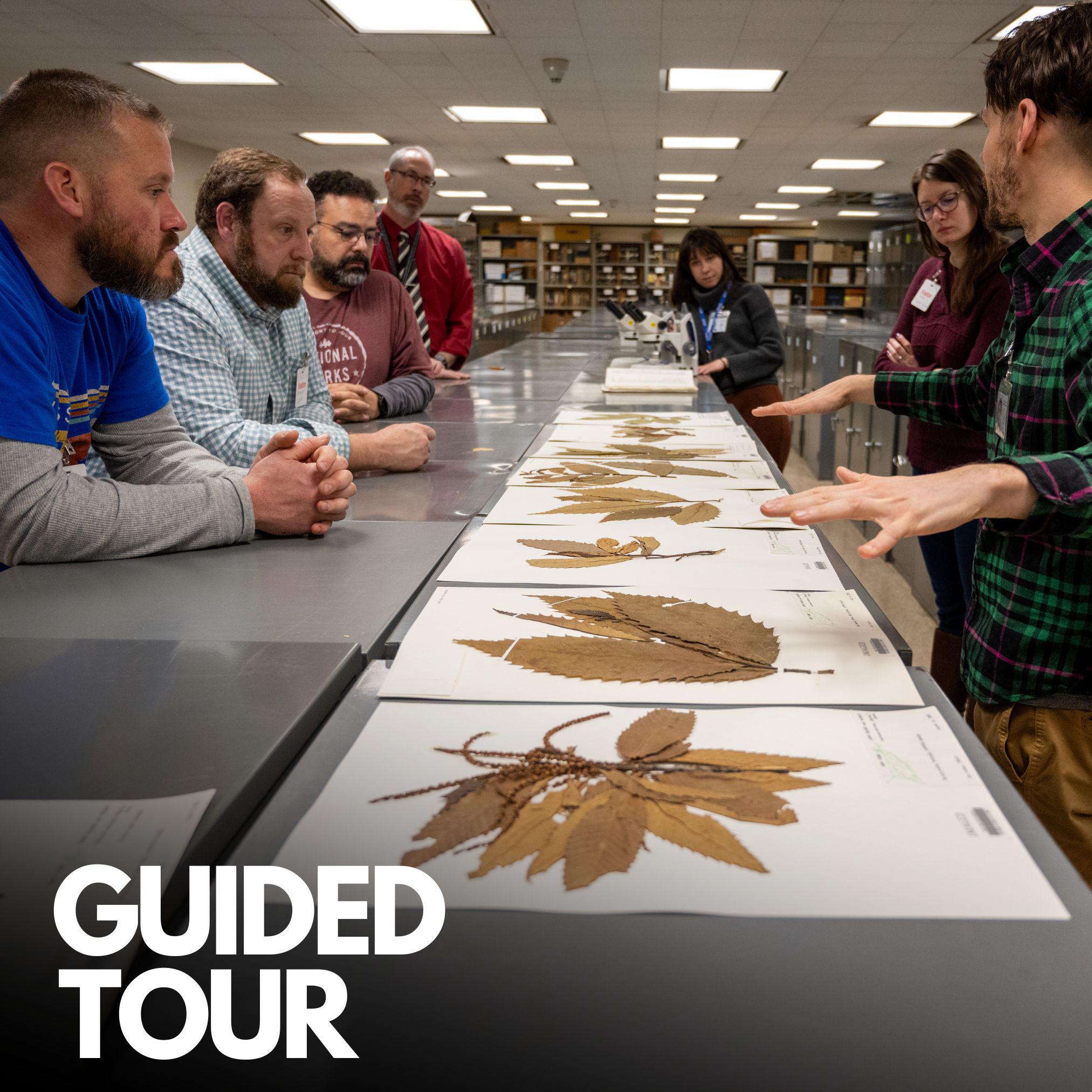
Go behind the scenes with Dr. James C. Lendemer, Curator of Botany at the New York State Museum, for a guided tour of the Museum’s historic herbarium. Explore collections, learn how they’re preserved and studied, and discover how these specimens help scientists track environmental change and biodiversity across New York and beyond.
Capacity is limited; *registration is required.
*Our apologies, registration is now full.
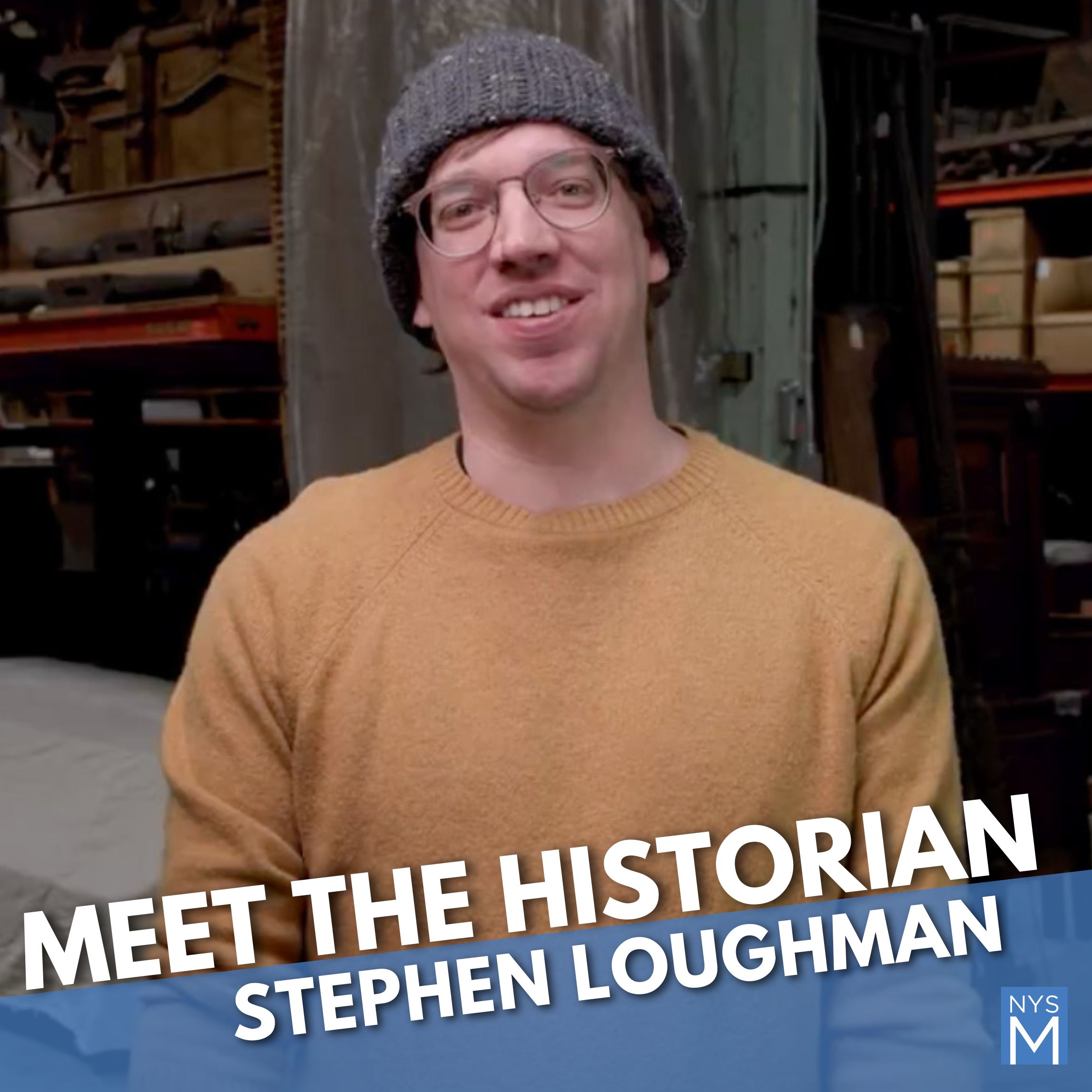
Join History Curator Stephen Loughman in the gallery highlighting the Museum’s Sports Collection. He will share artifacts and stories that explore how athletics have shaped New York’s history and culture. Visitors are invited to stop by, ask questions, and engage directly with the curator.
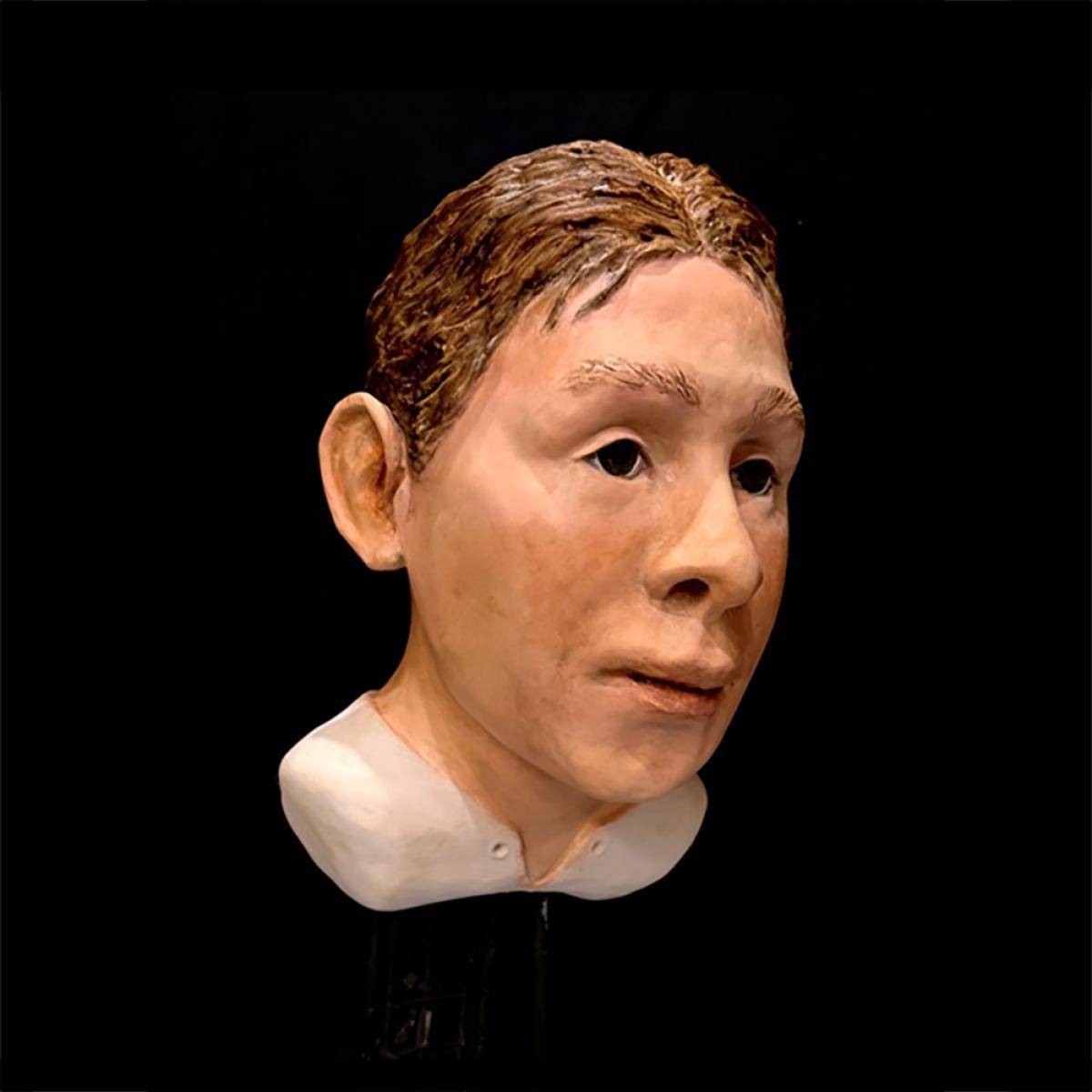
Facial reconstruction created by forensic artist Jenny Kenyon
Courtesy: New York State Museum
Facial Reconstruction Brings Revolutionary War Soldier to Life Ahead of Lake George Ceremony
Nearly 250 Years After His Death, Reconstruction Offers Powerful New Glimpse of Soldier Recovered from Courtland Street Burying Ground
Images Can Be Downloaded in the Online Press Kit
The New York State Museum has unveiled a facial reconstruction of a Revolutionary War soldier whose remains were recovered from the Courtland Street Burying Ground in Lake George, N.Y. Created by forensic artist Jenny Kenyon, the reconstruction depicts a young soldier believed to have been in his teens, offering a powerful new glimpse into the lives of the individuals who died while serving during America’s fight for independence.
The announcement comes ahead of a public reinterment ceremony on Friday, May 22, 2026, when the soldiers’ remains will be laid to rest with honor at Lake George Battlefield Park.
The Courtland Street Burying Ground was discovered in 2019 during construction work. Regimental buttons from one grave linked the cemetery to the 1775-1776 Quebec Campaign of the American Revolution. In response, the New York State Museum and the Department of Environmental Conservation, with support from volunteers, launched a large-scale effort to respectfully recover the fragmented remains of more than 40 individuals whose graves had been disturbed.
Since then, Museum researchers have been working painstakingly to reconstruct the stories of those buried there from thousands of recovered fragments. The new facial reconstruction marks a deeply human milestone in that work, transforming one set of remains into the face of a young person whose life was cut short nearly 250 years ago.
Lisa Anderson, New York State Museum Curator of Bioarcheology, said, “While our work has focused on the more scientific aspects of reconstructing fragments of lives lived 250 years ago, artistry has brought one of these individuals into the present. This facial reconstruction further humanizes the remains that were found and serves as a striking reminder of those who fought for our independence.”
New York State Museum Executive Director Jennifer Saunders said, “The New York State Museum is deeply honored to have helped restore the stories of the people whose remains were disturbed, ensuring they are remembered not as historical fragments, but as individuals who served and sacrificed. As our nation approaches its semiquincentennial, their reinterment carries profound meaning—an act of dignity, remembrance, and gratitude. The facial reconstruction offers a powerful new way to look across the centuries, connect with their humanity, and honor the enduring legacy of their service.”
Museum research indicates that the soldiers likely died in the summer of 1776 at a makeshift hospital at Fort George after contracting smallpox or another disease while serving in Canada. Many of the soldiers who took part in the Quebec Campaign were teenagers and young men in their twenties.
To create the reconstruction, Kenyon worked with faculty from Rensselaer Polytechnic Institute, using 3D-printed scans of the skull as the foundation for the sculpted and painted likeness.
The soldiers will be honored during a public reinterment ceremony at Lake George Battlefield Park on May 22, 2026. A dignified transfer of their remains will occur on May 20, 2026, as they are transported from the New York State Museum to Lake George in a procession of vintage military vehicles and a motorcycle escort.
About the New York State Museum
Established in 1836, the New York State Museum is the oldest and largest public museum in the United States. Home to leading scientists, historians, archeologists, and anthropologists, its collections represent the State’s rich cultural and natural heritage from the past and present, including a staggering 20+ million artifacts spanning 1.1 billion years ago to today. Located at 222 Madison Avenue in Albany, the Museum is open Tuesday through Sunday from 9:30 a.m. to 5 p.m. It is closed on the Fourth of July, Thanksgiving, Christmas, and New Year's Day. Admission is free. For additional information, visit the New York State Museum website and subscribe to our newsletter.
###
(518) 474-1201
Press@nysed.gov
www.nysed.gov
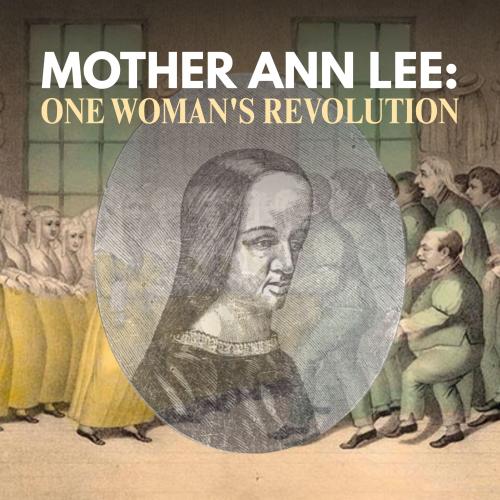
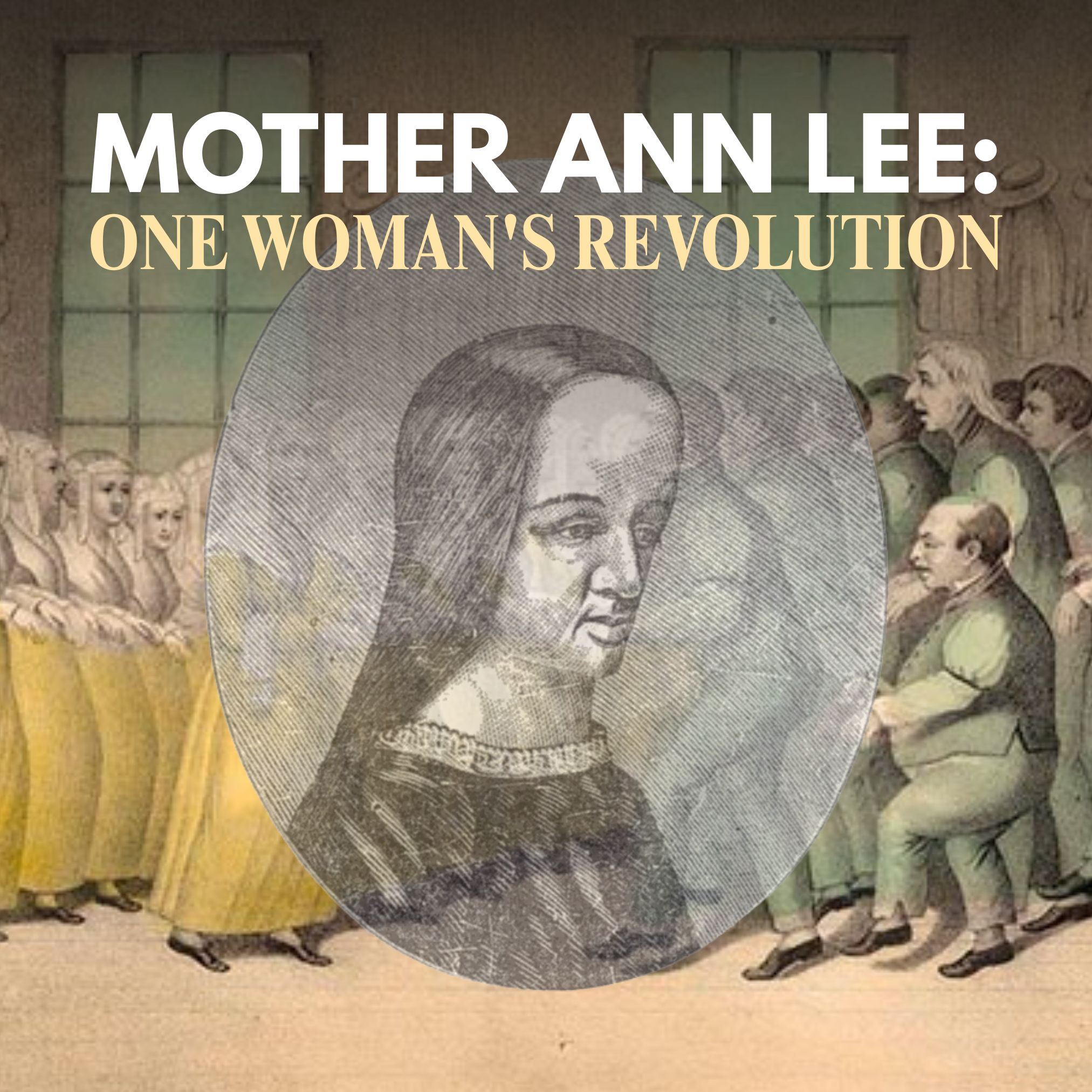
Join Theresa Frey-Alexander of Shaker Heritage Society for a compelling exploration of the life and legacy of Ann Lee and the founding Shakers during the American Revolution. Learn how the tides of world events—and maybe even divine intervention—brought the Shakers to Albany where they waged a parallel, successful, and pacifistic spiritual revolution that marked the formation of the longest enduring American religious movement. Much of the story takes place right in Albany's South End, within steps of the New York State Museum.
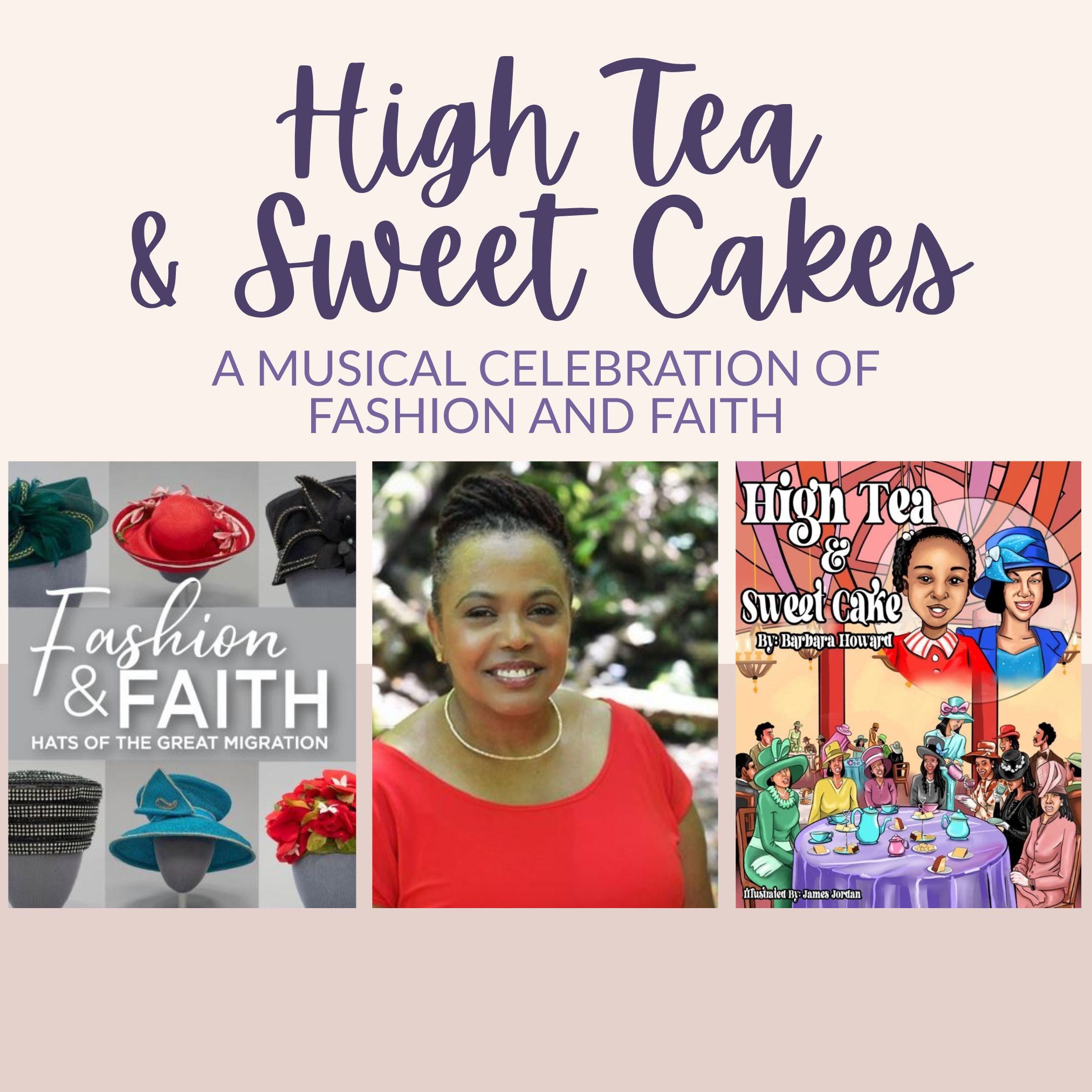
Join us for a special afternoon inspired by the exhibition Fashion and Faith: Hats of the Great Migration, celebrating the Black women whose faith, resilience, and leadership helped shape Albany’s communities.
The program begins with members of Rapp Road Historical Association sharing the story behind the exhibition and the community collaboration that helped bring these powerful histories and treasured hats to the New York State Museum. Through personal stories and historical reflections, visitors will gain deeper insight into the women, families, and neighborhoods represented in the exhibition.
Then see award-winning storyteller, educator, and performer Barbara Howard, who will present a musical interpretation inspired by her heartwarming children’s book High Tea & Sweet Cakes. Filled with storytelling, music, and themes of tradition, family, and community connection, the performance invites audiences of all ages to reflect on the importance of gathering together, honoring heritage, and creating lasting memories across generations.
Unplug, slow down, and engage with the collections in a new way. Join us for a self-guided sketching experience in the galleries as part of a new museum initiative to foster creativity, mindfulness, and deeper observation.
On select Saturdays, visitors are invited to pick up a sketch pad and pencil, find an easel in the designated gallery, and spend time drawing the exhibits that inspire them. Whether you’re an experienced artist or trying sketching for the first time, this relaxed, interactive program offers a new lens through which to connect with the Museum’s collections.
All materials are provided, and no registration is required. Just drop in, draw, and enjoy.
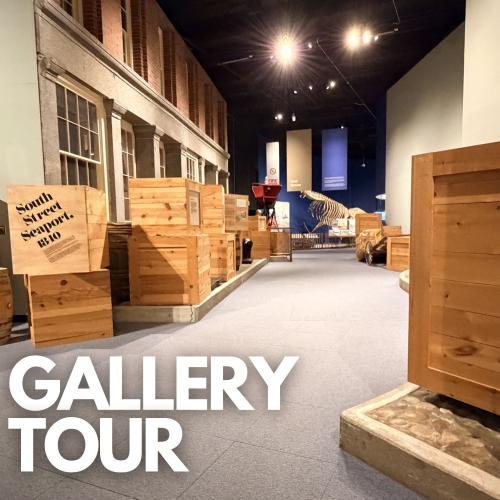
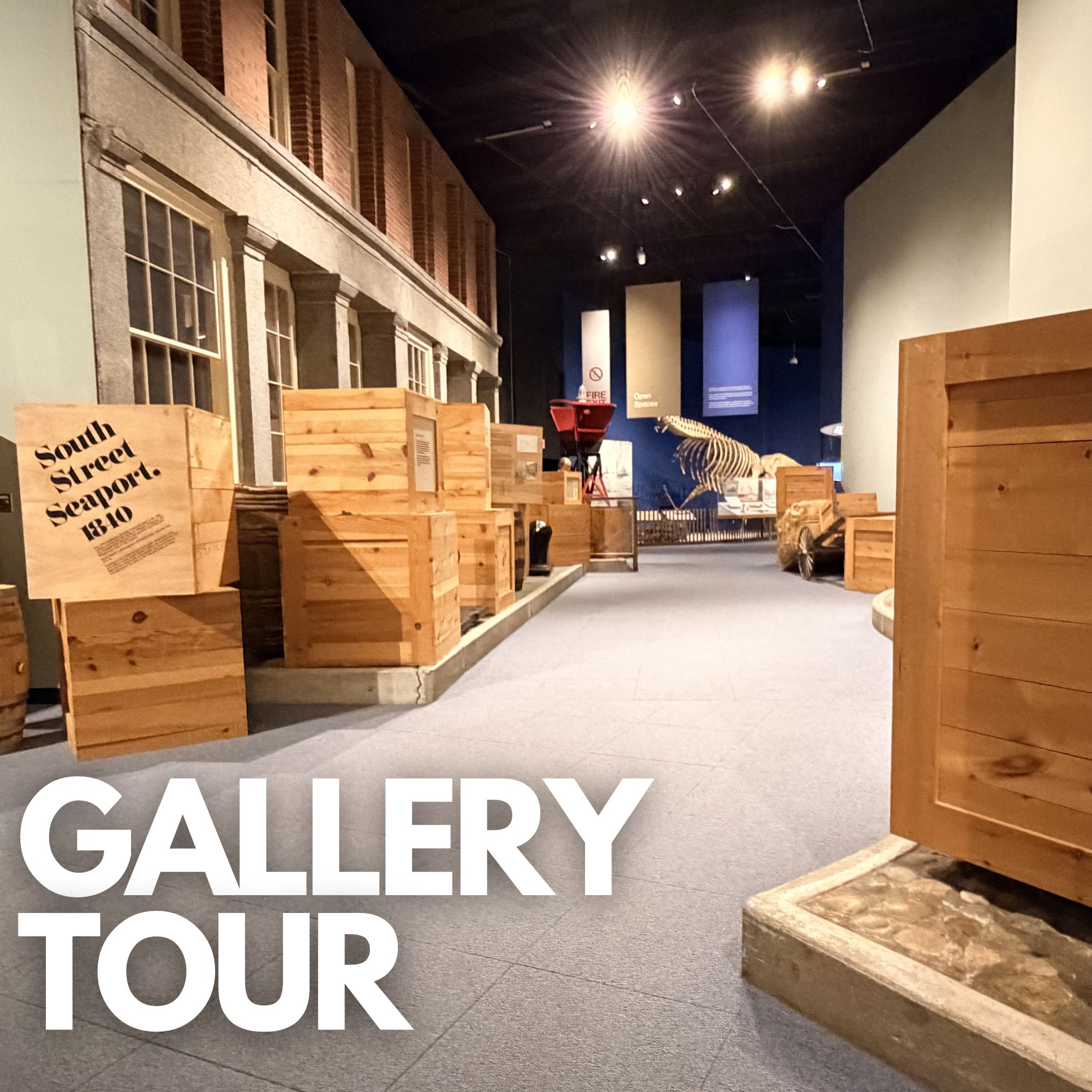
Trace the origins and evolution of New York’s identity through its deep connection to the sea. This gallery tour follows the story of the port from its early days as a Dutch trading outpost and site of imperial competition, through the Revolutionary era and Early Republic, and into the transformative impact of the Erie Canal and Industrial Revolution. Drawing on objects from the South Street Seaport collection, the tour highlights how maritime trade and global exchange shaped New York’s growth into a major commercial and financial hub. Explore how the waterways that defined the city also forged its character—dynamic, competitive, and ever evolving.
Education Programs for Groups
Turn the New York State Museum into your classroom where students can explore, engage with, and learn about New York State’s unique treasures. Register for a group program tailored to compliment classwork in social studies, science, art and culture.
Review Programs
Read Course Descriptions and identity a program for your group.
List of Programs
Be Prepared
Prepare for your visit by reviewing the following Museum policies and procedures. Also included is information regarding parking and lunchroom reservations.
After reviewing each step, if you have any additional questions, please contact the Museum Group Registration Office: (518) 474-5843, or e-mail groupreg@nysed.gov
Hours and Availability
In person Museum Instructor Led Programs are available from 10:00 a.m. to 3:00 p.m. Tuesday through Friday and Virtual Educational Programs are available Monday through Friday from 10:00 a.m. to 3:00 p.m.
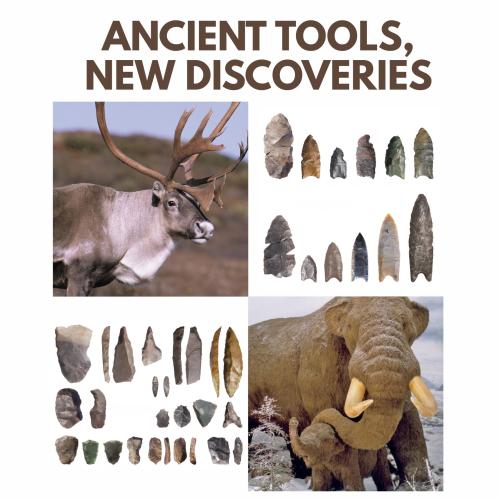
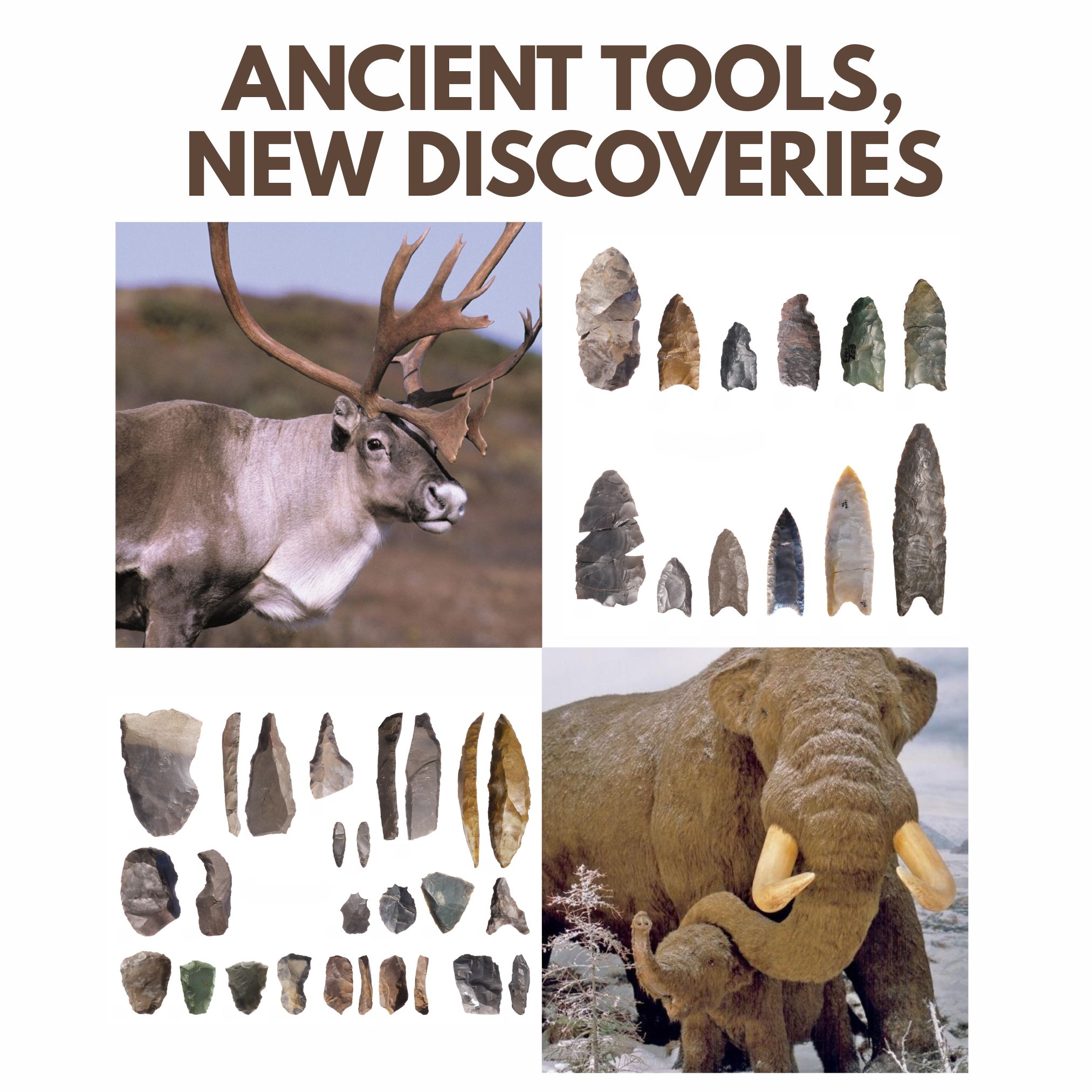
The First Peoples entered what we now call New York during the Ice Age, shortly after 13,000 years ago. They encountered a subarctic climate with bitterly cold winters and recently deglaciated landscapes populated by mammoth, mastodon, and other Ice Age animals. The archaeological sites of these earliest Native Americans tell us they were mobile hunter-gatherers who traversed the New York region during their seasonal travels. But because of New York’s acidic soils, the bones of the animals they hunted to survive are usually not preserved. Join Dr. Jonathan Lothrop, Curator of Archaeology, to hear about protein residues tests on Ice Age tools that offers the first archaeological evidence for hunting. These results shed new and surprising light on the prey species and lifeways of the First Peoples of New York.
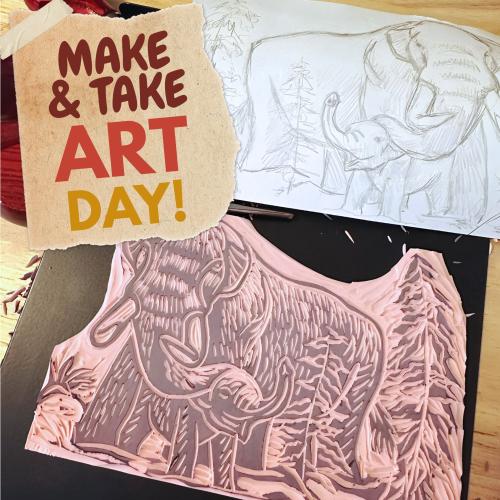
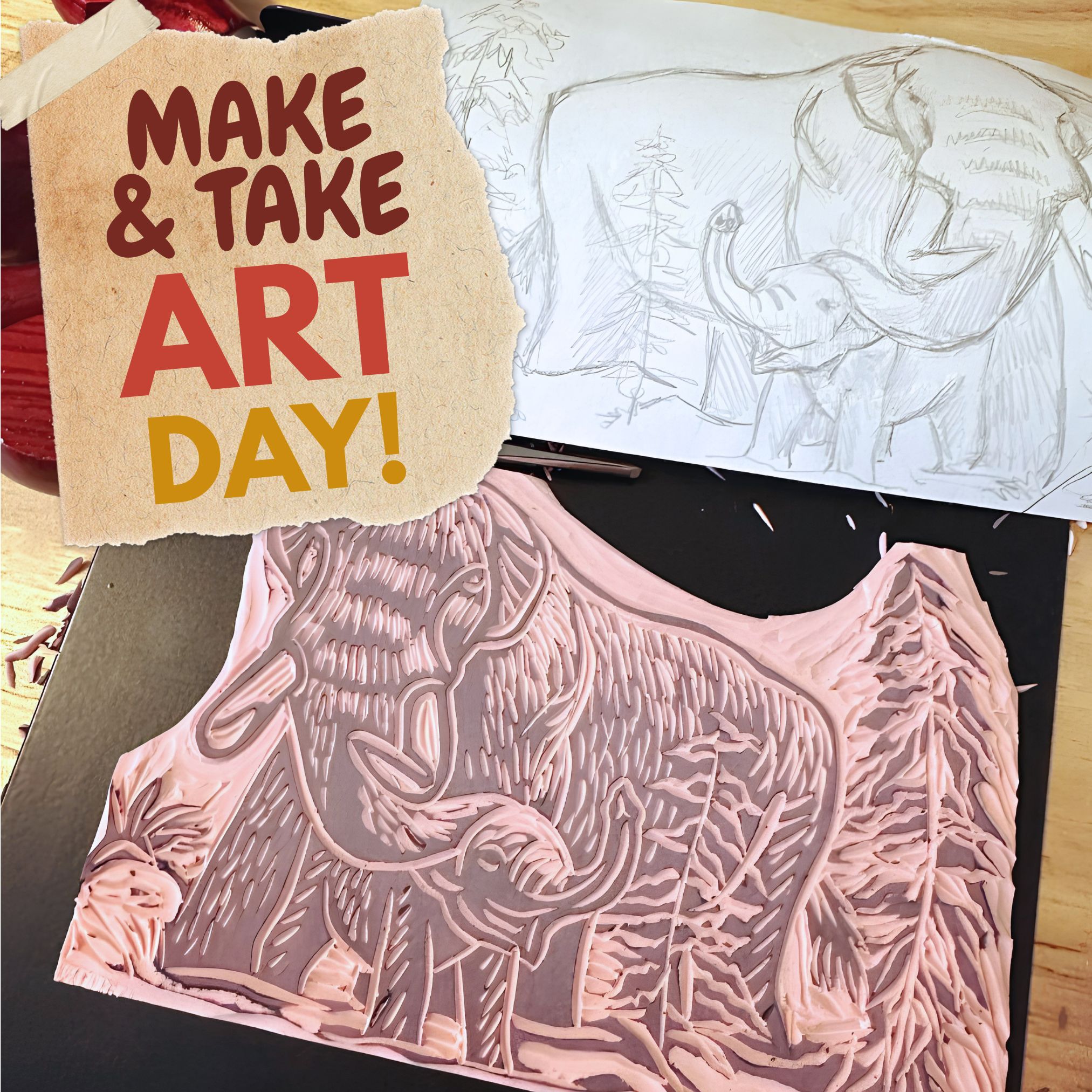
Drop in, get creative, and leave with your own work of art! In this hands-on, all-ages experience, local artists-in-residence at Arlene’s Artist Materials, Casey Beal and Ottavia Huang, invite you to explore watercolor painting and block printing inspired by objects and stories from the museum’s collections. With no experience needed, this relaxed, come-and-go activity is perfect for curious beginners, families, and seasoned creatives alike. Experiment with color, texture, and pattern as you transform simple materials into something uniquely your own. Stop by for a few minutes or stay awhile. Your masterpiece awaits!
Black History Resources
African American history is New York State history. We invite you to explore this resource page offering access to powerful objects from our History and Archaeology collections, educational tools for teachers and caregivers, online and in-gallery exhibitions, videos, and more. These resources are essential for deepening our understanding of the past, honoring the stories of Black New Yorkers, and supporting meaningful learning for all ages.
A new exhibition, Fashion and Faith, is the centerpiece of our Black History Month observance for February 2026. It will be on view from February 14 through July 19, 2026.
NYSM Exhibitions
Fashion and Faith: Hats of the Great Migration
Opening February 14, 2026
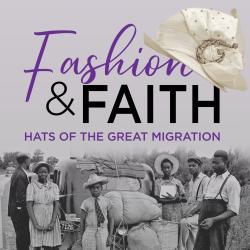
Discover the stories of Black women whose faith, resilience, and leadership shaped Albany during the Great Migration (1910–1970). Through 24 remarkable church hats, this exhibition reveals personal journeys of dignity, community, and hope that anchored Black life in New York’s Capital Region.
Southern Life, Northern City: The History of Albany’s Rapp Road Community
Online Panel Exhibit: Discover the Story of Resilience and Community
This panel exhibit explores the remarkable origins of the Rapp Road Community in Albany, New York. Born from the courage and determination of families who journeyed north from Mississippi during the Great Migration, the Rapp Road Community stands as a testament to hope, heritage, and the pursuit of a better life.
Brought to life by the New York State Museum, under the direction of Dr. Jennifer Lemak, Chief Curator of History, in collaboration with the Rapp Road Historical Association, this project honors the enduring legacy of those who built a thriving community against the backdrop of a changing America.
In the Spotlight
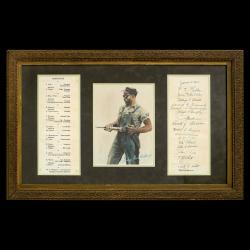
New Acquisition: Iconic Wartime Labor Portrait of George Williams
Learn how a focused foundry worker at Rochester’s Symington-Gould plant became the face of Western New York’s wartime production—and a powerful symbol of America’s fight abroad and at home.
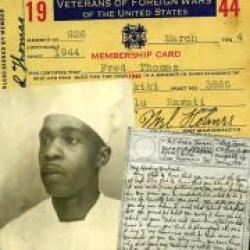
The Private Fred Thomas Collection
Explore this collection of documents, photos, and V-mail letters highlighting the service of Private Fred Thomas and the experiences of his wife, Josie, on the WWII Home Front, offering a unique glimpse into the life of an African American serviceman during the war.
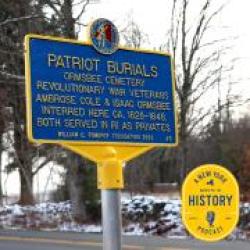
NY Minute in History Podcast: Patriot Burial Markers - Ormsbee Cemetery and the First Rhode Island Regiment
Discover the incredible story the legendary Rhode Island Regiment, a multiracial combat regiment that served through the entirety of the American Revolution.
On View at the NYSM
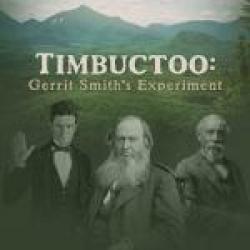
Timbuctoo: Gerrit Smith’s Experiment
Discover the history of Timbuctoo, a little-known Black settlement near Lake Placid, New York, established in 1846 by abolitionist Gerrit Smith in hopes of securing voting rights for the 3,000 black men who settled there. The exhibition features a short video by filmmaker Paul A. Miller about the insurmountable challenges its settlers faced as they fought to establish their unique community amidst New York's Adirondack mountains.
View Exhibit Information:
http://www.nysm.nysed.gov/exhibitions/news/timbuctoo-gerrit-smiths-experiment
Related Resources for Educators:
CTLE (from WMHT):
https://www.wmht.org/education/ctle/
Consider the Source (from NYS Archives):
https://considerthesourceny.org/featured-collections/learning-activities-diversity-and-collaborative-knowledge-program/northern-new-york-learning-activities-diversity-and-collaborative-knowledge-program
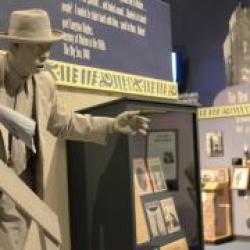
Black Capital: Harlem in the 1920s
Discover the rich and diverse culture of Harlem, New York, in the 1920s and 1930s.
Museum Resources and Research
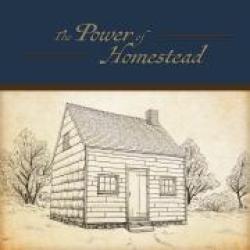
Past Exhibition: The Power of the Homestead
This exhibition told the story of the Powell family, beginning with Thomas and Betty Powell, a couple that had been enslaved by the Fonda and Lansing families near Boght Corners north of Albany, NY. Thomas, Betty, and their descendants maintained the ownership of a homestead and farm for 140 years while experiencing triumph, tragedy, success, and loss.
The First Step to Freedom: The Preliminary Emancipation Proclamation Educator’s Guide (PDF)
This guide was developed around President Abraham Lincoln’s Preliminary Emancipation Proclamation of 1862, a draft of which is in the collections of the New York State Library.
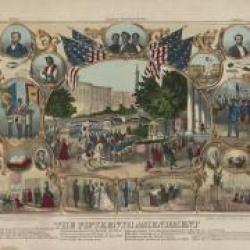
Fifteenth Amendment: Educational Activities
This online guide includes several object-inquiry activities. By exploring primary source materials around the topic of national enfranchisement of Black American men through the ratification of the 15th Amendment, students will develop a better understanding of the context surrounding this important step in America’s history.
http://www.nysm.nysed.gov/fifteenth-amendment
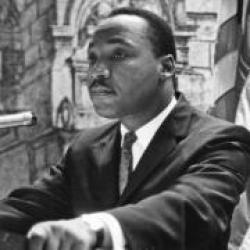
Dr. Martin Luther King Jr.’s Address to the New York State Civil War Centennial Commission
View information and download educator guides designed to provide strategies and resources for teaching about the Civil Rights movement and Dr. Martin Luther King, Jr.
Video & History:
http://www.nysm.nysed.gov/mlk-1962-address
Educator's Guide:
http://www.nysm.nysed.gov/sites/default/files/mlk-educatorsguide.pdf

Open Wounds: The Fifty-Year Legacy of the Attica Prison Uprising
This exhibition seeks to present the various viewpoints of the September 1971 Attica prison uprising and its aftermath. It will also discuss the wider impacts of the event and create a dialogue as to why this story is important fifty years later.
Exhibit Information & Video:
http://www.nysm.nysed.gov/exhibitions/open-wounds-attica-prison-uprising
View/Download Panels (PDF):
http://www.nysm.nysed.gov/common/nysm/files/attica_panels_a.pdf
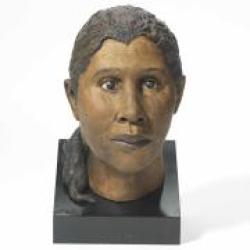
Schuyler Flatts Burial Ground
In 2005, the discovery of human remains during construction in Colonie, NY, offered a unique view of slavery in rural colonial America. Learn more about the history of the Schuyler Flatts Burial Ground. http://www.nysm.nysed.gov/research-collections/archaeology/bioarchaeology/research/schuyler-flatts-burial-ground Classroom Resource: Forgotten Bones: Uncovering a Slave Cemetery by archaeologist and children’s author, Lois Miner Huey, offers an informative and age appropriate look into the work of archaeologists as they “pieced together the truth” around the individuals whose human remains archaeologists discovered at Schuyler Flatts. Huey compares archaeological research with the historical record to show how different forms of evidence are needed to create a better picture of the lives of the people enslaved at Schuyler Flatts. Forgotten Bones helps younger readers learn about the enslavement of people in New York, the different types of primary resources available to learn about people who were enslaved, and how archaeology can help tell the story of those who were enslaved.
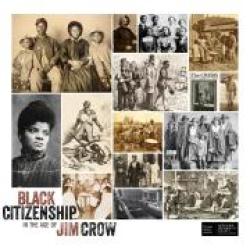
Black Citizenship in the Age of Jim Crow
Black Citizenship in the Age of Jim Crow details the national story of the struggle for Black equality after the end of slavery and through the Jim Crow era. A link is provided to the Educator's Guide created by the New-York Historical Society website.
http://www.nysm.nysed.gov/exhibitions/black-citizenship-age-jim-crow(link is external)
Additional Resources from the Office of Cultural Education
State-wide Black History Month Events
Discover Black History Month events happening across New York State with this comprehensive list from the Office of State History.
New York State Library
The NYS Library maintains several collections related to Black history in New York State, from the Preliminary Emancipation Proclamation through the Harlem Renaissance, and more in between. Ask a Librarian for help with exploring Black history at the NYS Library! You're making history, too, and the NYS Library wants to hear from you! Is there a Black artist, writer, scientist, friend, or family member who has inspired you? Share your story!
NYSL Talking Book & Braille Library
Resources about Black History are available at your library! The NYS Talking Book and Braille Library (TBBL) is a free library service for eligible residents of upstate New York who are unable to use standard print materials due to a visual, physical, or reading disability. The TBBL collection is similar to what’s found in a large public library, including popular fiction and nonfiction titles, as well as informational and recreational materials for all ages and tastes. Learn more about TBBL services and sign up at their website!
New York State Archives
For New York State Educators! Discover a continuously expanding collection of document-based activities created by the Archives Partnership Trust and teachers around the state through Consider the Source Online: Teaching with Historical Records.
For Black History Month, connect your students with ready-to-use archival resources and learning activities aligned with the NYS Learning Standards:
https://considerthesourceny.org/featured-collections/black-history-month-resources
On Display
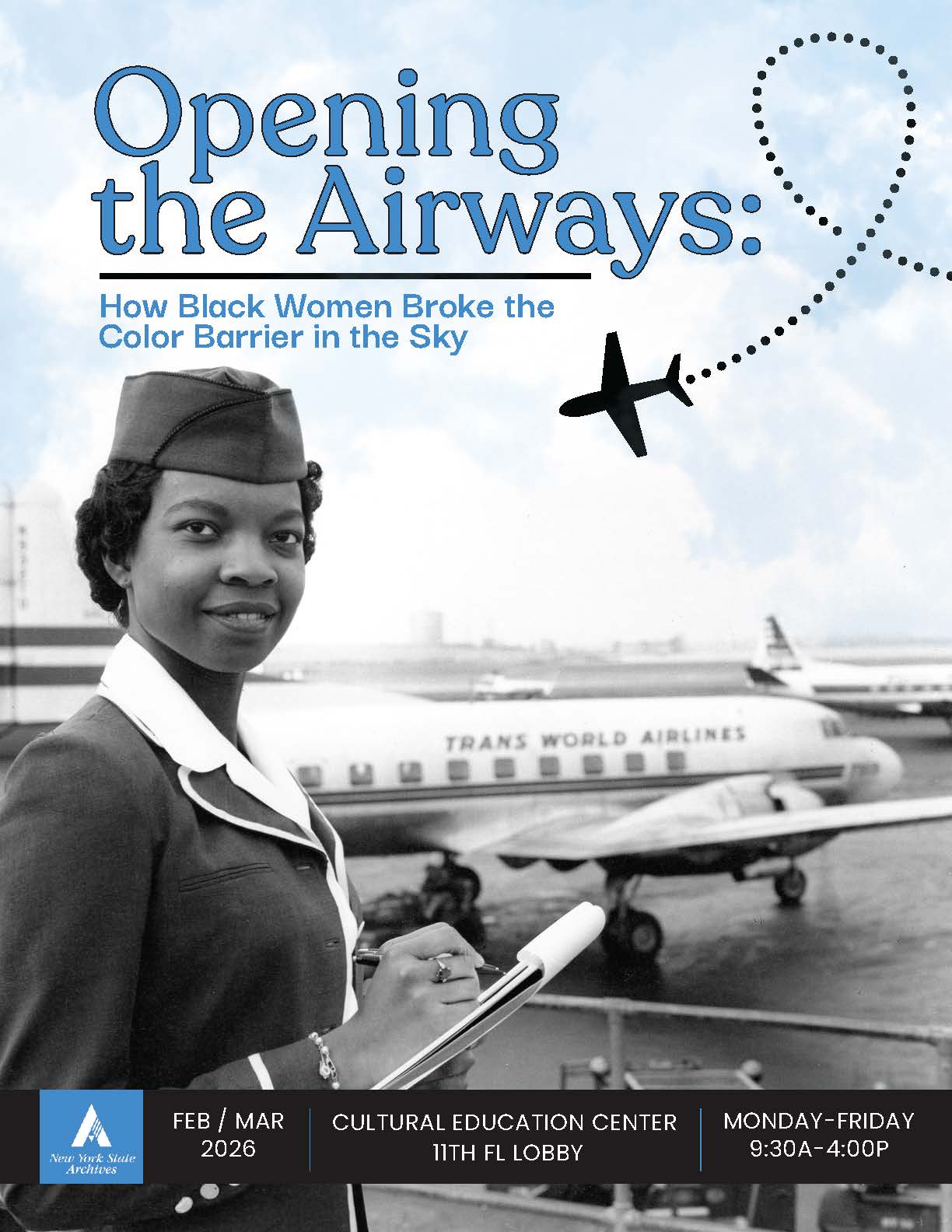
In celebration of Black History Month and Women’s History Month, the NYS Archives presents, Opening the Airways. This display will feature documents, photographs, and ephemera from the State Commission Against Discrimination highlighting the stories of aspiring Black female flight attendants who fought to break the color barrier in the sky. Records will be on view in the 11th floor lobby of the Cultural Education Center throughout the months of February and March.
PBS
Learn more about Black culture and history in New York State and beyond with PBS Learning Media. The variety of multimedia support materials for the classroom are suited for grades PK–12.
https://ny.pbslearningmedia.org/shared/1165858/6602361
View Online:
WMHT | North to New York
https://www.wmht.org/north-to-new-york/
WSKG | North to Freedom
https://www.wskg.org/north-to-freedom
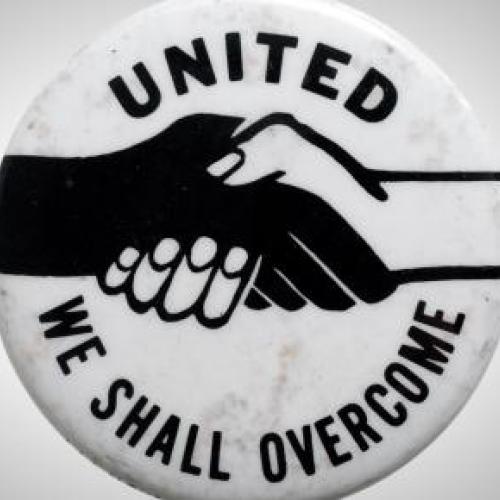
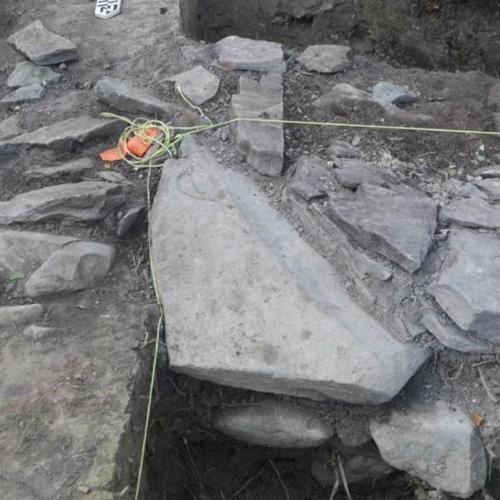
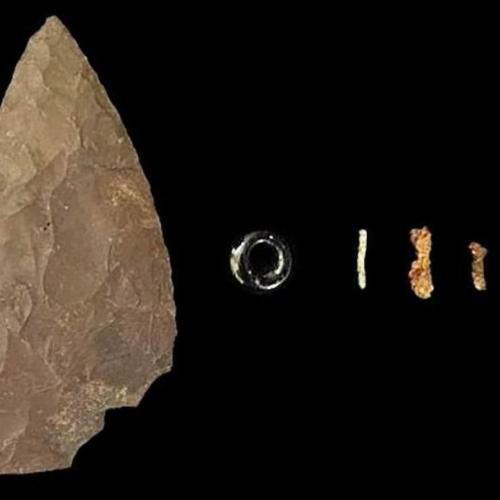
Discover more about the historical and archaeological artifacts featured in the banner above. View all »
NYSM Videos & CTLE
About NYSM CTLE Credits
The New York State Museum is an approved provider of Continuing Teacher and Leader Education (CTLE). Educators can earn 2 hours of CTLE credit by watching the webinar and completing the surveys linked below each video. Please allow up to two weeks to receive confirmation of completion. View all available CTLE from the NYSM.
In The News

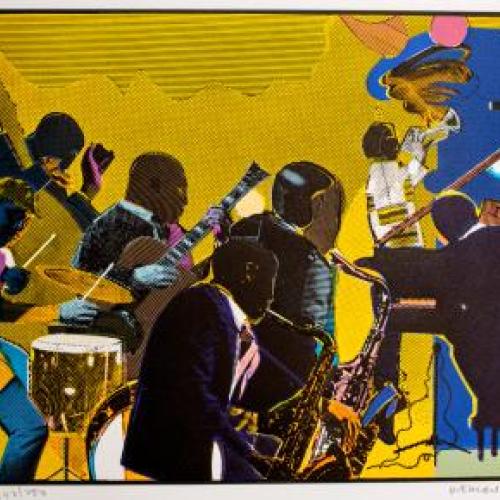
Painter and collagist Romare Bearden (1911–1988) favored subjects related to jazz throughout his career. Influenced by music in his work, among other things, Bearden visually evokes the lively qualities of jazz in this image using brilliant color and layered forms. Created in 1980, this hand-colored etching titled Jazz is now part of the New York State Museum Collection.
Romare Bearden
Jazz, 1980
Hand-colored etching
NYSM Collection, H-1981.29.1
A New York Minute in History Podcast
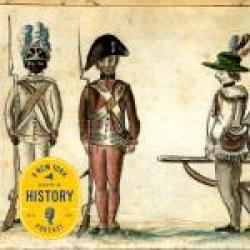
Plymouth Freeman and Unfinished Revolutions
Explore the story of Plymouth Freeman, a black Patriot who served in the Continental Army during the American Revolution, and the role the Declaration of Independence's principles of freedom and equality continue to play in disenfranchised communities.
The Florence Farming Association
This episode tells the story of the Florence Farming and Lumber Association, a settlement of free African Americans in Oneida Count that began in 1846. The Association was the creation of abolitionists Gerrit Smith and Stephen Myers, and was developed on land given by Smith, who at the time was New York’s largest landowner.
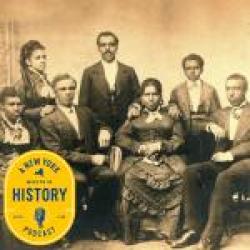
Aaron Mossell and the Struggle to Integrate Lockport’s Schools
Discover the contributions of the Mossell family in western New York, and their efforts to successfully integrate the Niagara County city of Lockport’s public schools in the late 19th century — nearly 80 years before legal segregation ended nationwide.
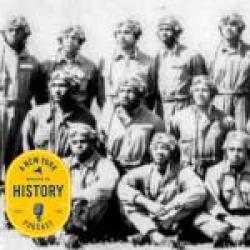
Ithaca’s Tuskegee Airman
Discover the stories of New Yorkers who served in WWII as part of the legendary Tuskegee Airmen, an all-Black group of pilots serving in the then still-segregated U.S. Army on the latest episode of A New York Minute In History.
Listen to the Podcast: Ithaca’s Tuskegee Airman
Educators: Online CTLE Form for Tuskegee Airman
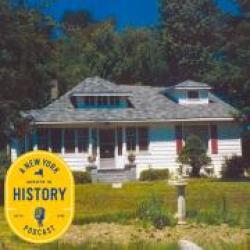
Rapp Road and the Great Migration
Hosts Devin and Lauren delve into the history of Albany County’s Rapp Road Community, an African American neighborhood built by southern immigrants who moved north for a better life in the late 1920s.
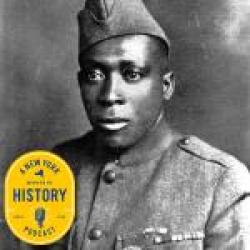
Spirits of Sacrifice
Explore the lives of Henry Johnson and Tommy Hitchcock Jr., World War I heroes with ties to New York. Through interviews with family members, historians, and others, we follow Johnson and Hitchcock to the trenches and airfields of Europe and beyond.
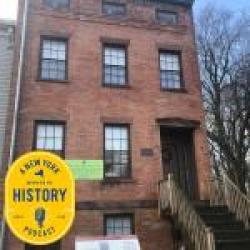
Slavery in New York and Resistance to It
This episode explores slavery in New York and specifically the resistance to the institution, including the Underground Railroad. Co-hosts Devin Lander and Lauren Roberts speak with area experts and tour a historic home in Albany that is living a new life as a museum depicting the history of its previous occupants.
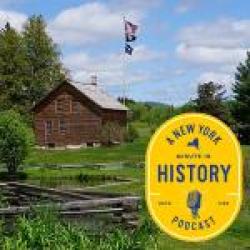
Discovering Timbuctoo
Devin and Lauren dive into the history of Timbuctoo, an African American settlement founded by philanthropist Gerrit Smith in response to an 1846 law requiring all Black men to own $250 worth of property in order to vote in New York state. To counter this racist policy, Smith decided to give away 120,000 acres of land to 3,000 free, Black New Yorkers, hoping to enable them to move out of cities and work the land to its required value.
Articles, Publications, and Additional Research
Advancement Comes Slowly: African American Employment in Rochester, New York During the Great Migration
http://www.jstor.org/stable/23185087
Science Tuesday: Uncovering Commeraw Stoneware
http://www.nysm.nysed.gov/research-collections/archaeology/historical-ar...
Science Tuesday: The Power of a Closer Look - Unearthing Personal Possessions of Enslaved African Americans
http://www.nysm.nysed.gov/research-collections/archaeology/historical-ar...
Collaborative field schools completed at Ten Broeck Mansion in Albany's Arbor Hill neighborhood
http://www.nysm.nysed.gov/research-collections/archaeology/historical-ar...
Slaves Rescued in Utica
http://www.nysm.nysed.gov/research-collections/state-history/notes/slave...
Betsey Prince Site
http://www.nysm.nysed.gov/research-collections/archaeology/historical-ar...(link is external)
The Archaeology of Slavery in the Hudson River Valley
http://www.nysm.nysed.gov/research-collections/archaeology/historical-ar...
Curious about New York's past? Come uncover the stories behind the state's history— one document at a time! Join us every Thursday at 11:00 a.m. for "Ask an Archivist" at the New York Museum. Each session offers a peek into New York State’s rich and surprising history through carefully chosen original documents, photographs, and videos. An expert archivist will be on hand to share stories, answer your questions, and reveal how we uncover and preserve the past. You never know what fascinating piece of history you’ll discover!
Freedom Train
Discover a selection of documents from the Revolutionary War and beyond promoting New York's heritage of freedom.
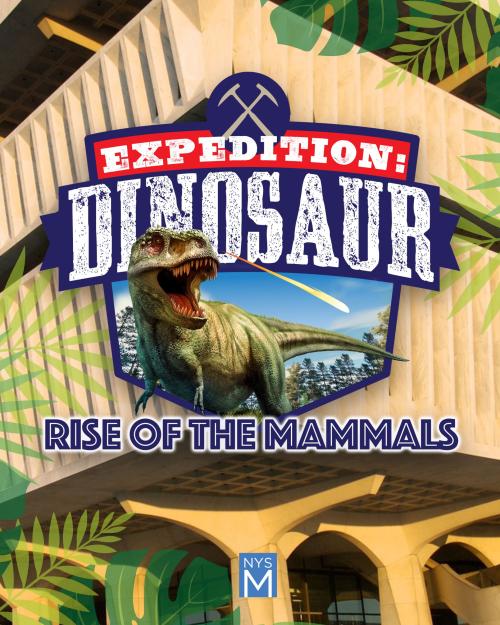
Expedition Dinosaur: Rise of the Mammals


Journey through one of the most dramatic turning points in Earth’s history—the extinction of the dinosaurs and the rise of mammals. Combining life-sized animatronics, immersive environments, fossils, and interactive experiences, this exhibition explores prehistoric life before and after the mass extinction event 66 million years ago. Visitors will encounter creatures ranging from Tyrannosaurus rex and Quetzalcoatlus to early mammals such as Loxolophus and Triisodon, while hands-on activities like the “Fossil Dig,” “Fossil Scanner,” augmented reality sandbox, and “Dinosaur Draw Alive” encourage exploration and discovery for visitors of all ages. The exhibition’s centerpiece, the immersive “Asteroid Experience,” uses 360-degree light and sound effects to recreate the catastrophic event that reshaped life on Earth and ushered in the age of mammals.
Through paleontology, evolution, and interactive discovery, Expedition Dinosaur: Rise of the Mammals®, created and distributed by Stage Nine Design, invites visitors to explore how the end of one era transformed life on Earth and paved the way for another.
Governor Hochul and Commissioner Rosa Announce Grand Opening of First Kids Zone Exhibit at the New York State Museum
Join us for a one-hour drop-in session where objects, ideas, and questions come together. Get hands-on and see where your curiosity takes you—right inside the Museum’s collections and stories.
1. Partners in Work & Life
Artifacts:
Photographs by Berenice Abbott for Changing New York
Where to find them:
Here is New York
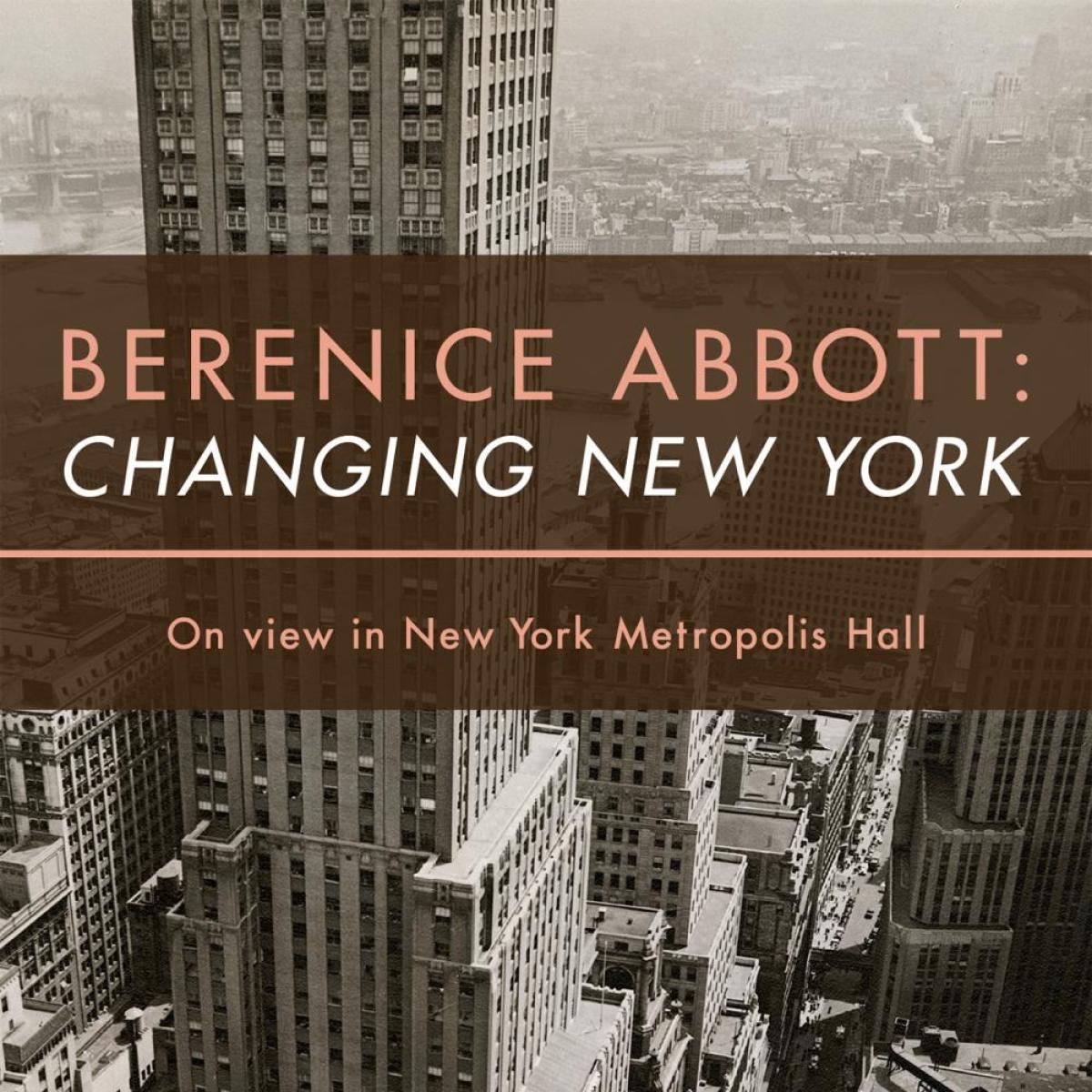
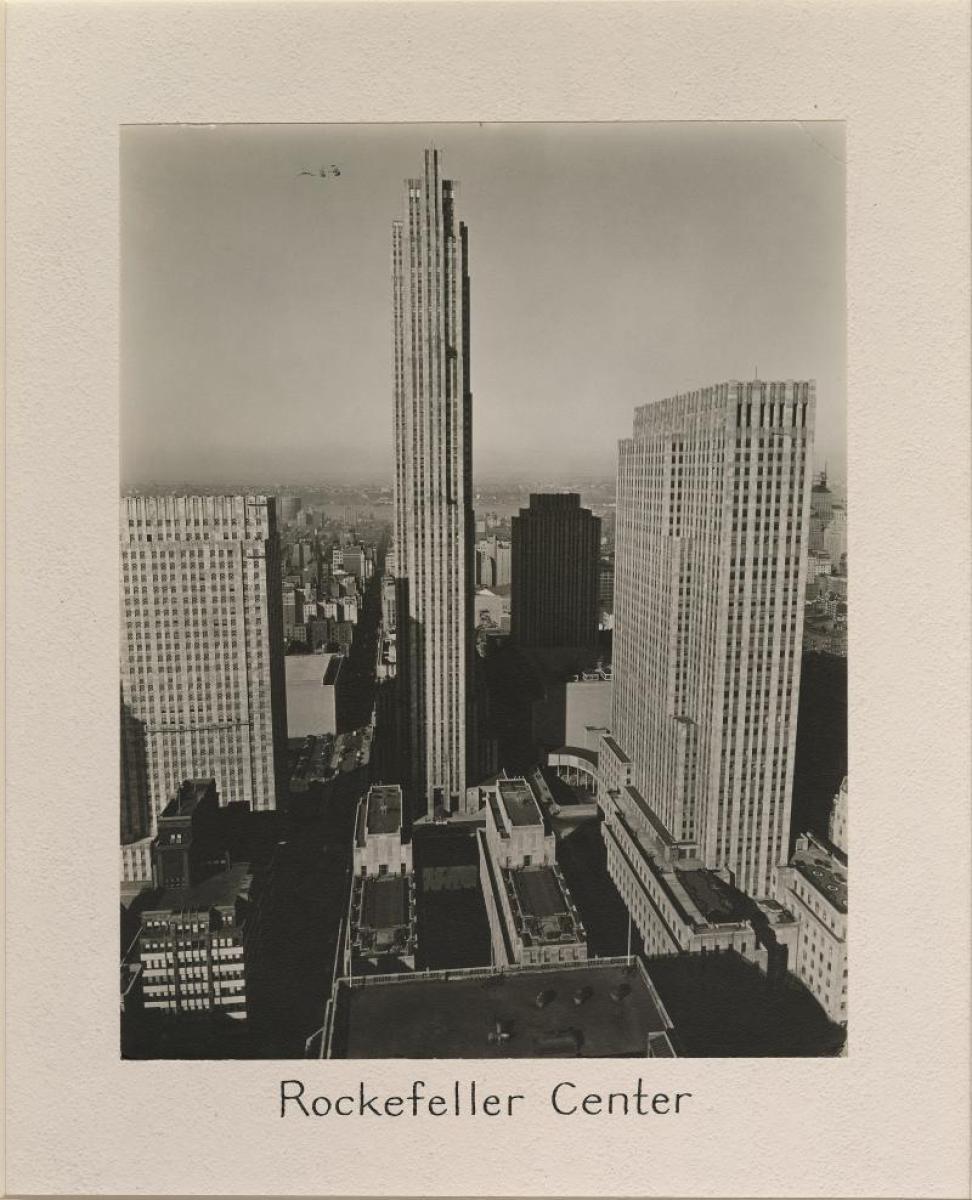

In 1929, after eight years living in Europe, photographer Berenice Abbott (1898–1991) returned to New York City. From 1935 to 1965, she lived and worked together with her partner, art critic Elizabeth McCausland (1899–1965) at 50 Commerce Street in Manhattan.
Abbott was inspired by New York City's dramatic transformation and was determined to capture this momentous change in photographs. In 1935, with the support of the Federal Art Project, Abbott was able to devote her full energies to creating what she called Changing New York. The collection of photographs documenting “the diverse people of the city, the places they live, work and play, and their daily activities” was completed by 1940. Text to accompany Abbott’s photographs was written by McCausland.
In addition to Abbott’s work documenting New York City, she was also a successful portrait photographer and took portraits of several lesbian and bisexual women, including writers Janet Flanner, Djuna Barnes, Jane Heap, and Margaret Anderson, and poet Edna St. Vincent Millay.
2. A Queer-Friendly Beach
Artifact: The A-Train
Where to find it: Metropolis on the Move
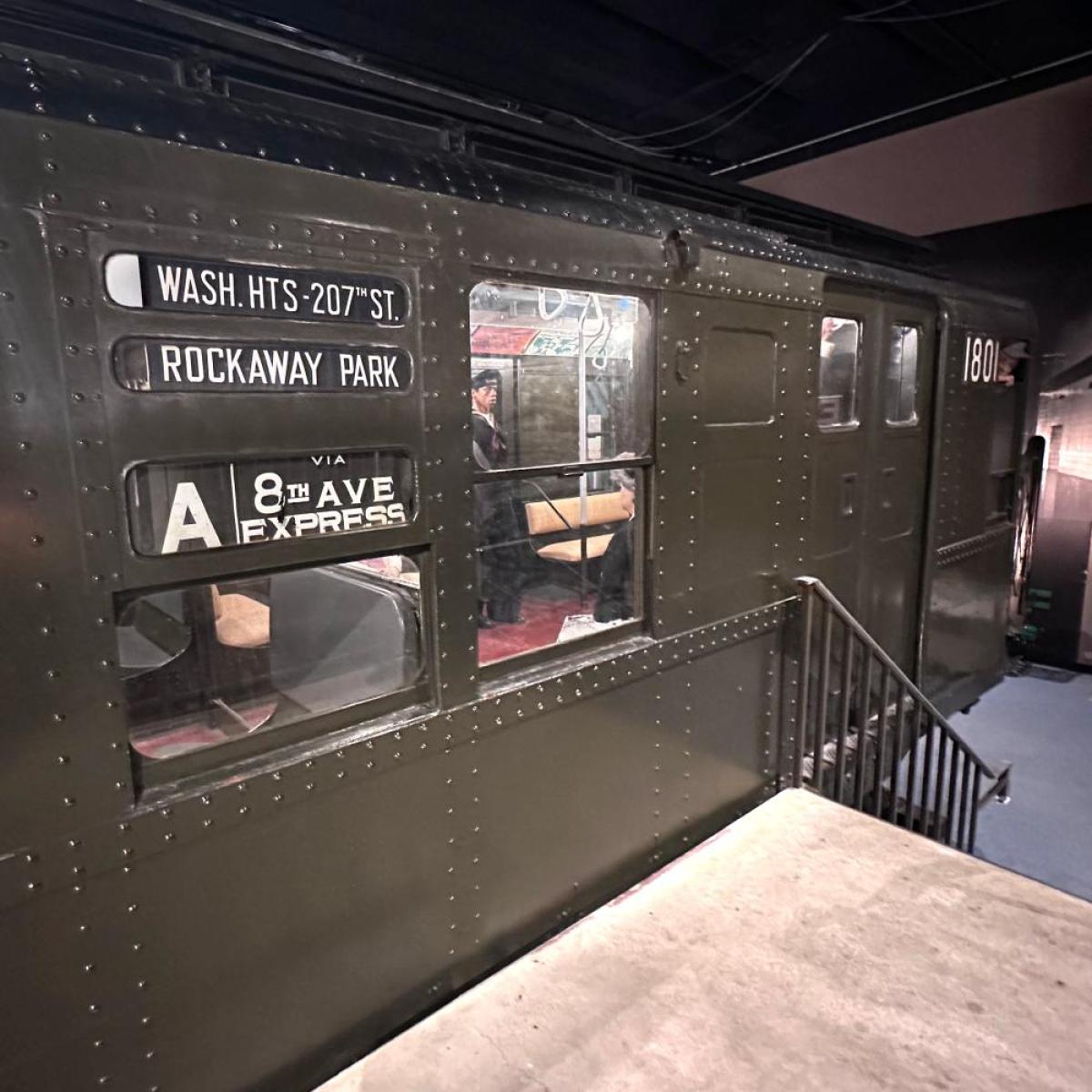
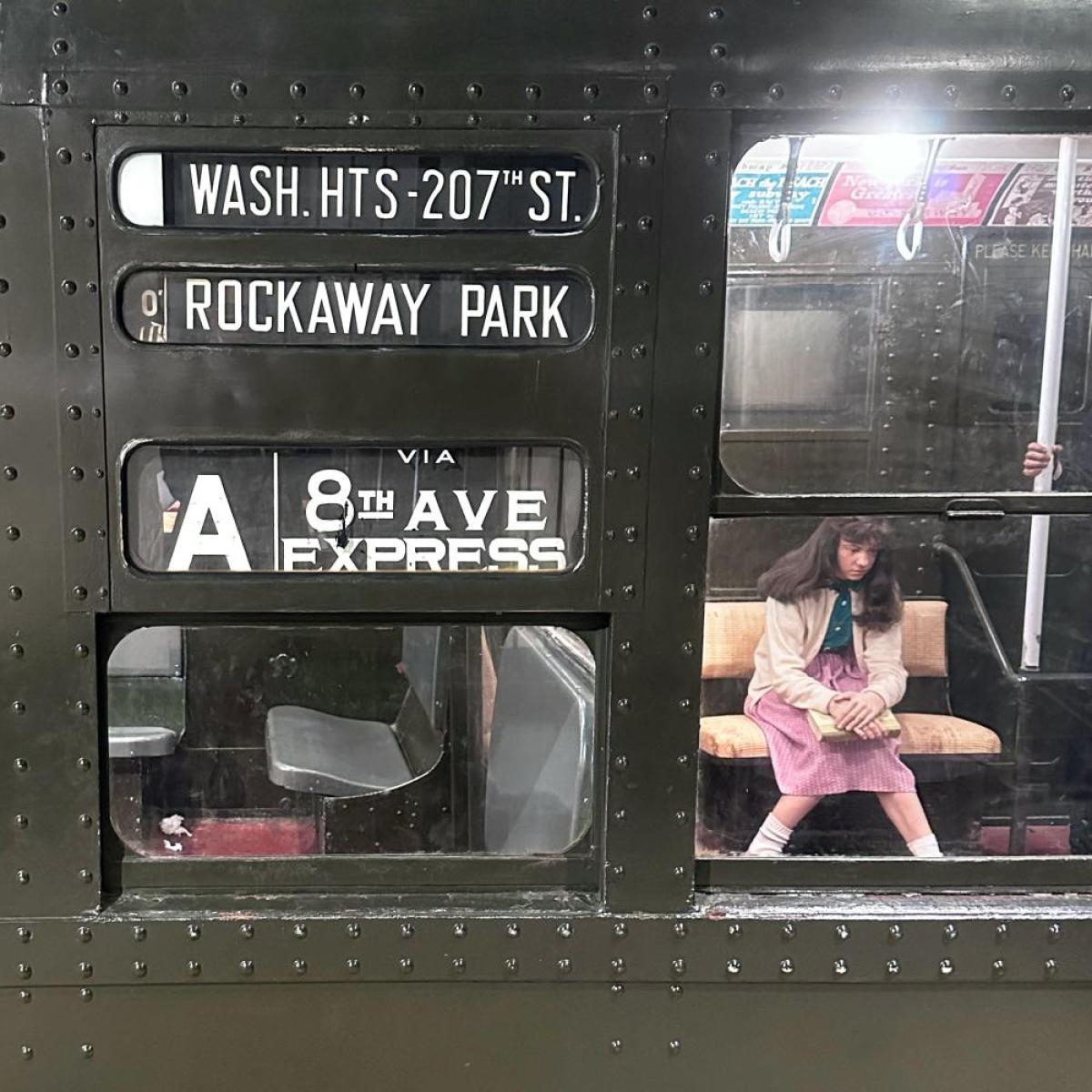
On the sign on the side of the A-train, you will see its downtown terminus—Rockaway Park, Queens. Adjacent to Rockaway Park, is Jacob Riis Park. The beach at Jacob Riis Park, now known as the People’s Beach, was redesigned under the direction of NYC Parks Commissioner Robert Moses in the 1930s. The redesign focused on the beach’s easy accessibility by both public transportation and cars, and it was considered a “more democratic” version of Jones Beach.
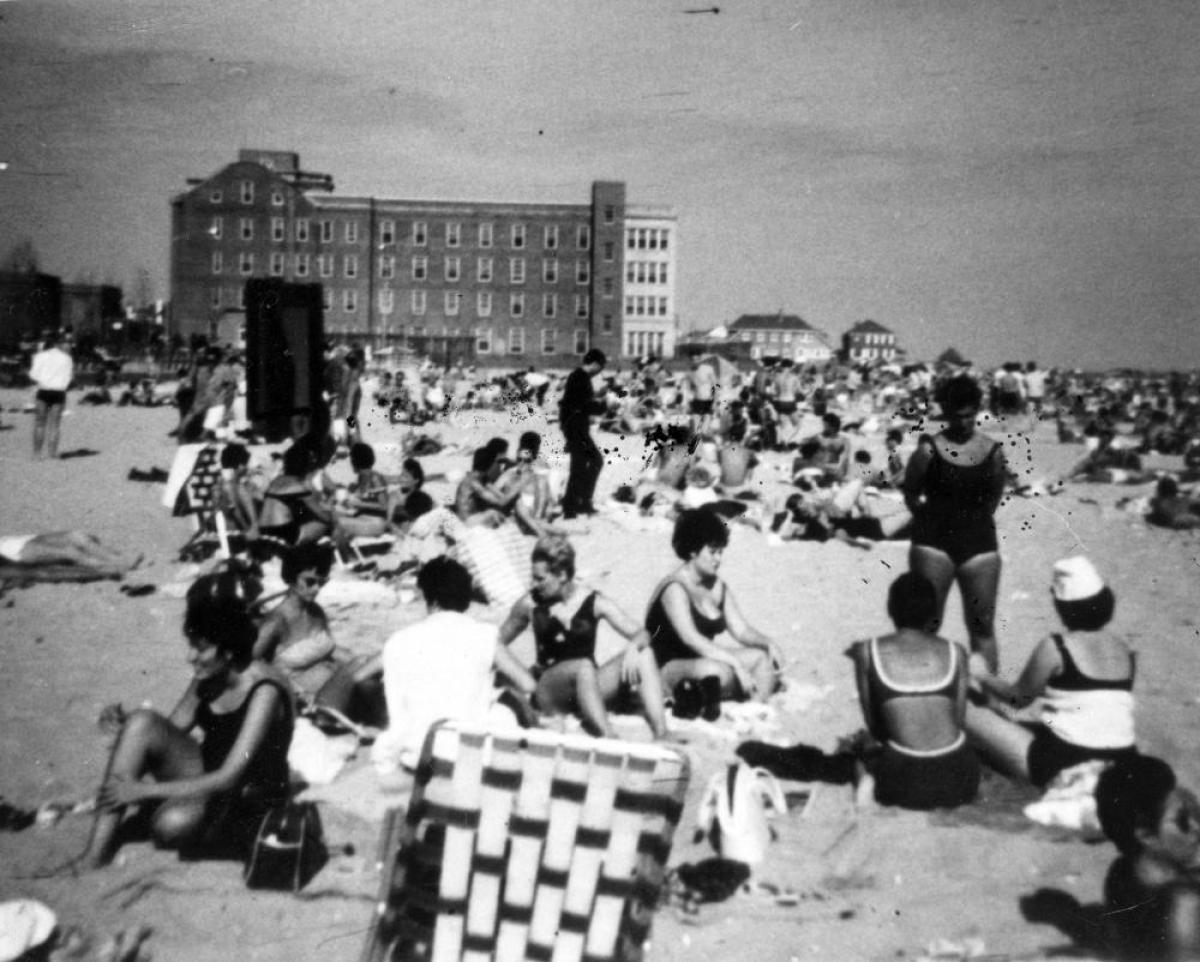
Above Left: A group of Lesbian women at Riis Park, mid 1960s. (Courtesy Lesbian Herstory Archives)
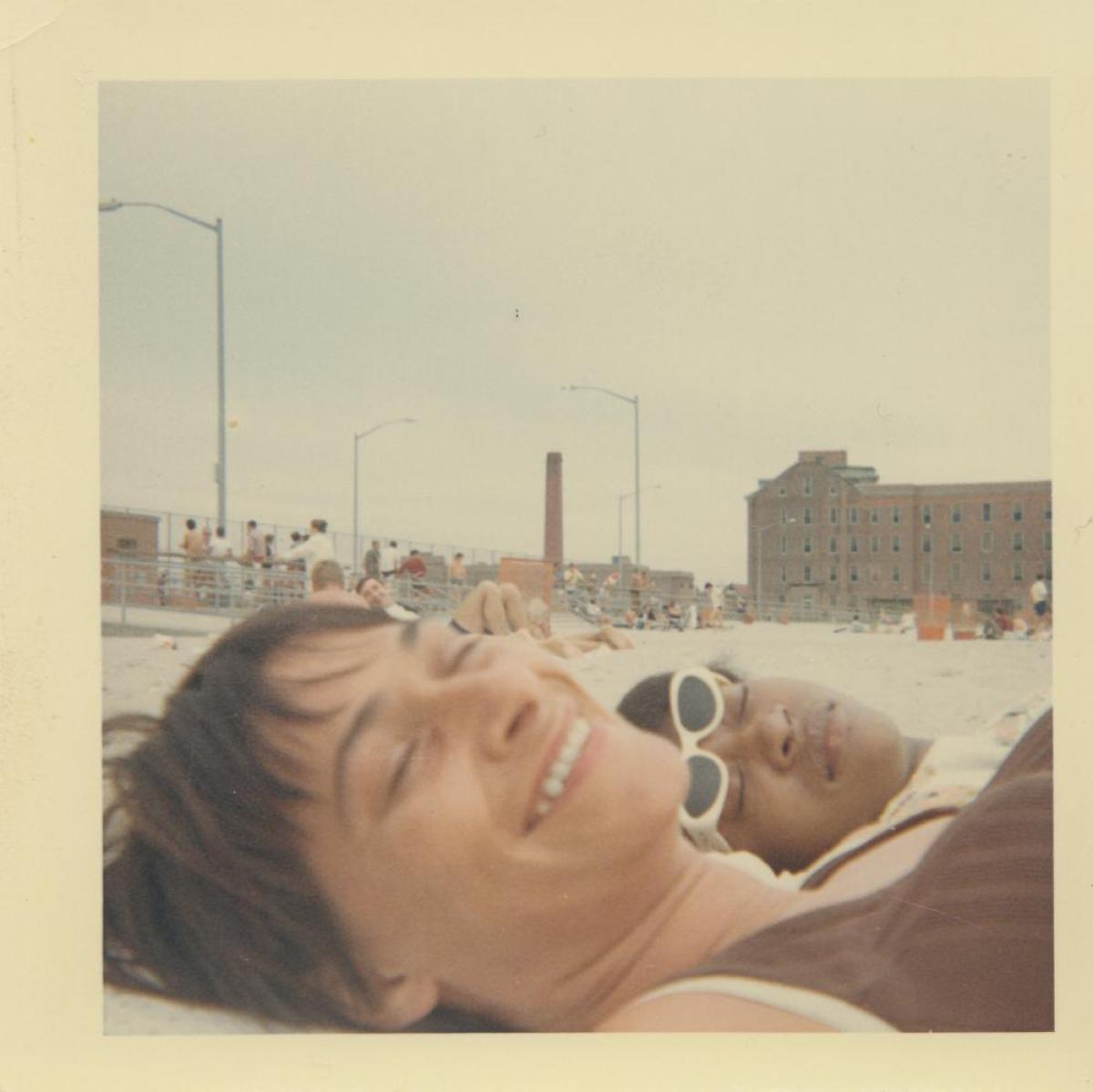
Above Right: Emma Van Cott (front) and Ernestine Eckstein, leader of the NY chapter of the first national Lesbian organization “Daughters Of Bilitis,” at Riis Park, 1965. (Courtesy Lesbian Herstory Archives)
In the 1940s, the easternmost end of Jacob Riis Park Beach became a destination for gay men, and in the 1950s, lesbian women were also drawn to the area. By the 1960s, the beach drew an increasingly diverse group of LGBTQ+ beachgoers, but there were also growing reports of harassment of gay beachgoers by police. In 1971, the Gay Activist Alliance, one of the gay rights organizations that formed in the wake of the Stonewall Uprising, held a voter registration drive at the beach. Today, the eastern section of Jacob Riis Beach remains a destination for LGBTQ+ beachgoers as a queer-friendly space.
3. LGBTQ+ Activists Battle the “Progressive” Newspaper
Artifact:
The Village Voice paperweight
Where to find it:
Metropolis on the Move, Newsstand
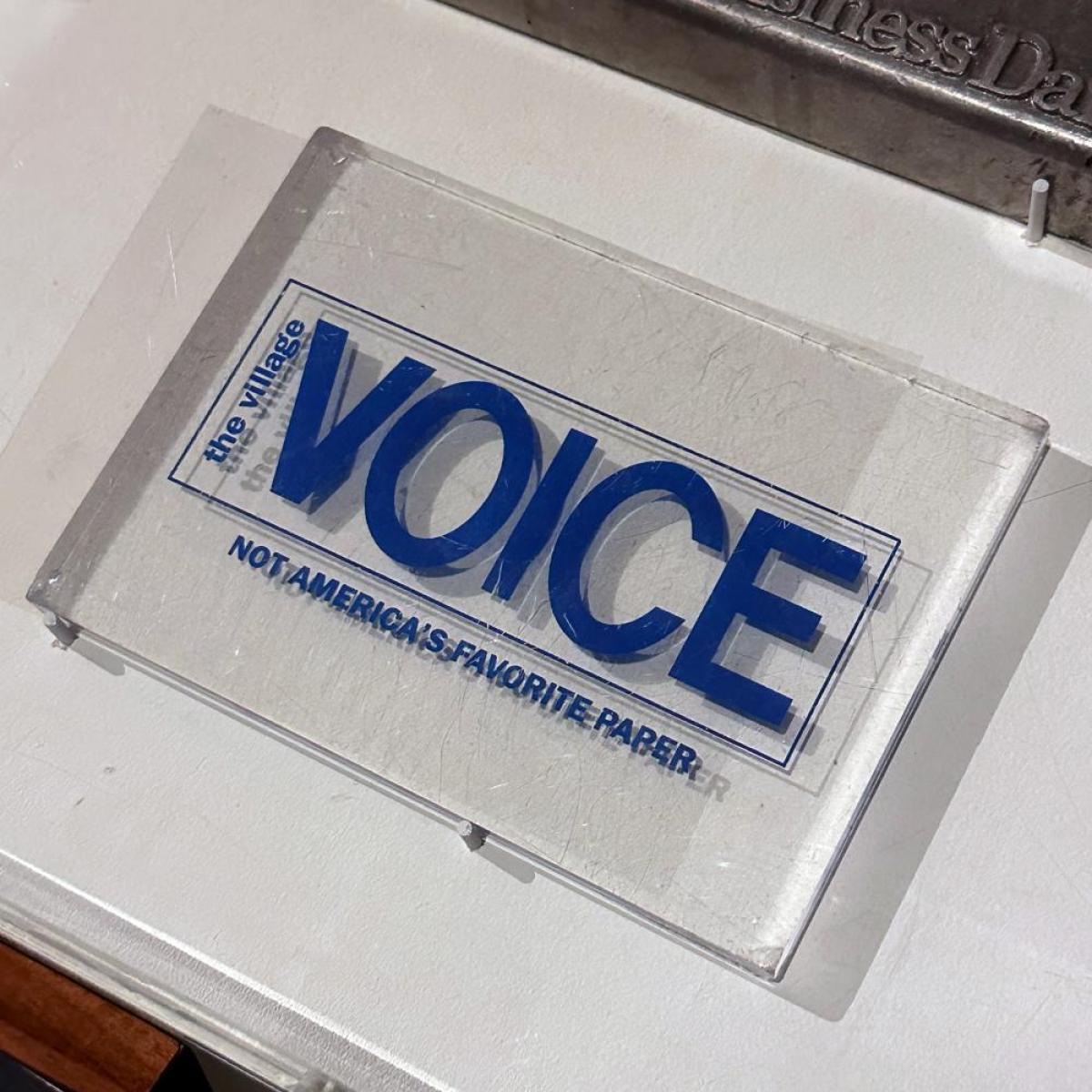
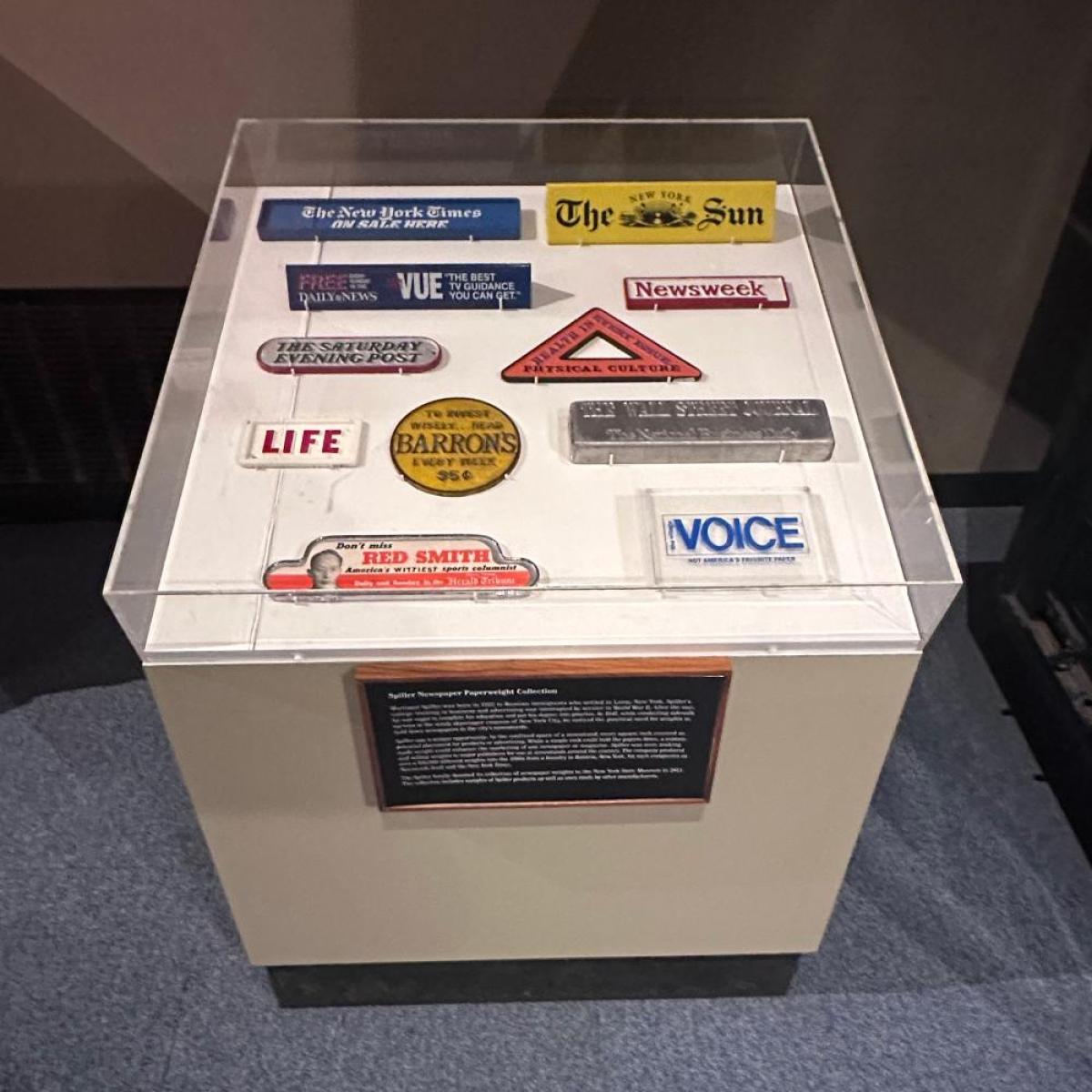
The Village Voice, a weekly newspaper based in New York City’s Greenwich Village, had a significant and surprising role in the events of the Stonewall Uprising. Dick Leitsch (1935–2018), leader of the New York chapter of the Mattachine Society, summed it up in the Mattachine’s August 1969 newsletter: “That paper’s editorial policy has long infuriated most homosexuals, as the paper pretends to be ‘liberal’ and avant-garde, but actually is conservative and uptight about homosexuality.”
On the night of Friday, June 28, 1969, police raided the Stonewall Inn, a popular gay bar just down the street from the offices of The Village Voice. At the time, there were numerous laws that criminalized homosexuality, and raids of gay bars were common. At Stonewall, the LGBTQ+ community fought back for six days, lighting a spark that led to new organizing for LGBTQ+ rights.
After a weekend filled with clashes between organizers and police, Monday and Tuesday were relatively quiet. On Wednesday evening, The Village Voice landed on newsstands, with articles about the uprising by Lucian Truscott and Howard Smith, and photographs by Fred McDarrah. This was far more press than the events received in other more mainstream publications, but both authors used insensitive language and biased reporting. Fighting immediately picked up. The Mattachine Society, which had advised the community to end violent actions in favor of peaceful protest, blamed The Village Voice for re-igniting the violence.
That fall, the Gay Liberation Front (GLF) paid for an advertisement in The Village Voice, and editorial staff edited out the word “gay.” The GLF was later told that the paper would not print “obscene language.” On September 12, 1969, the GLF set up a picket line in front of The Village Voice’s headquarters. After negotiations, The Village Voice management agreed to not alter paid advertisements and to allow the words “homosexual” and “gay” to appear in the publication. In celebration, the GLF ran a new advertisement reading, “The GLF sends love to all Gay men and women in the homosexual community.”
4. Queer Black Artists During the Harlem Renaissance
Exhibit Feature & Artifact:
The Cotton Club exhibit feature | Book, On These I Stand, by Countee Cullen
Where to find them:
Harlem in the 1920s
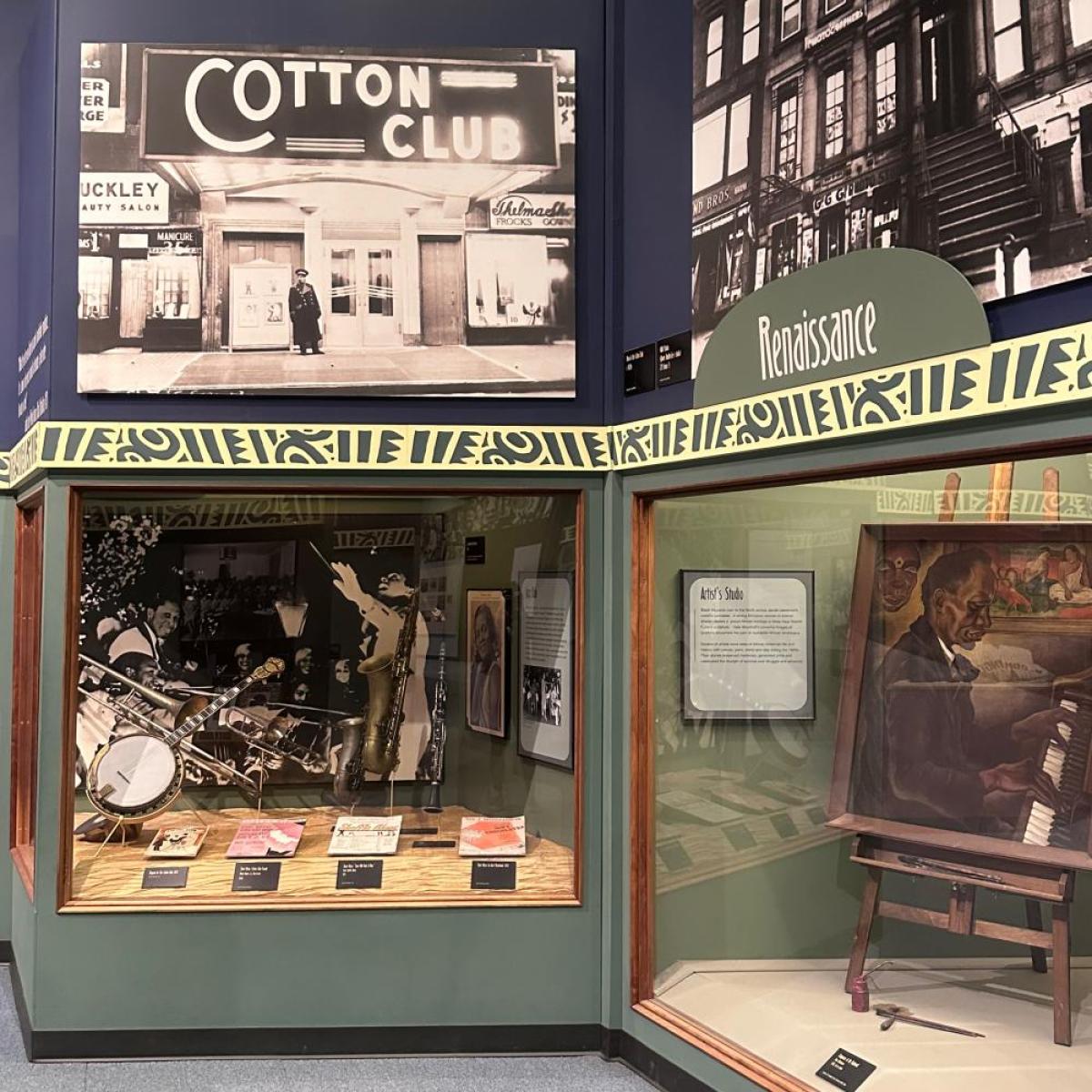
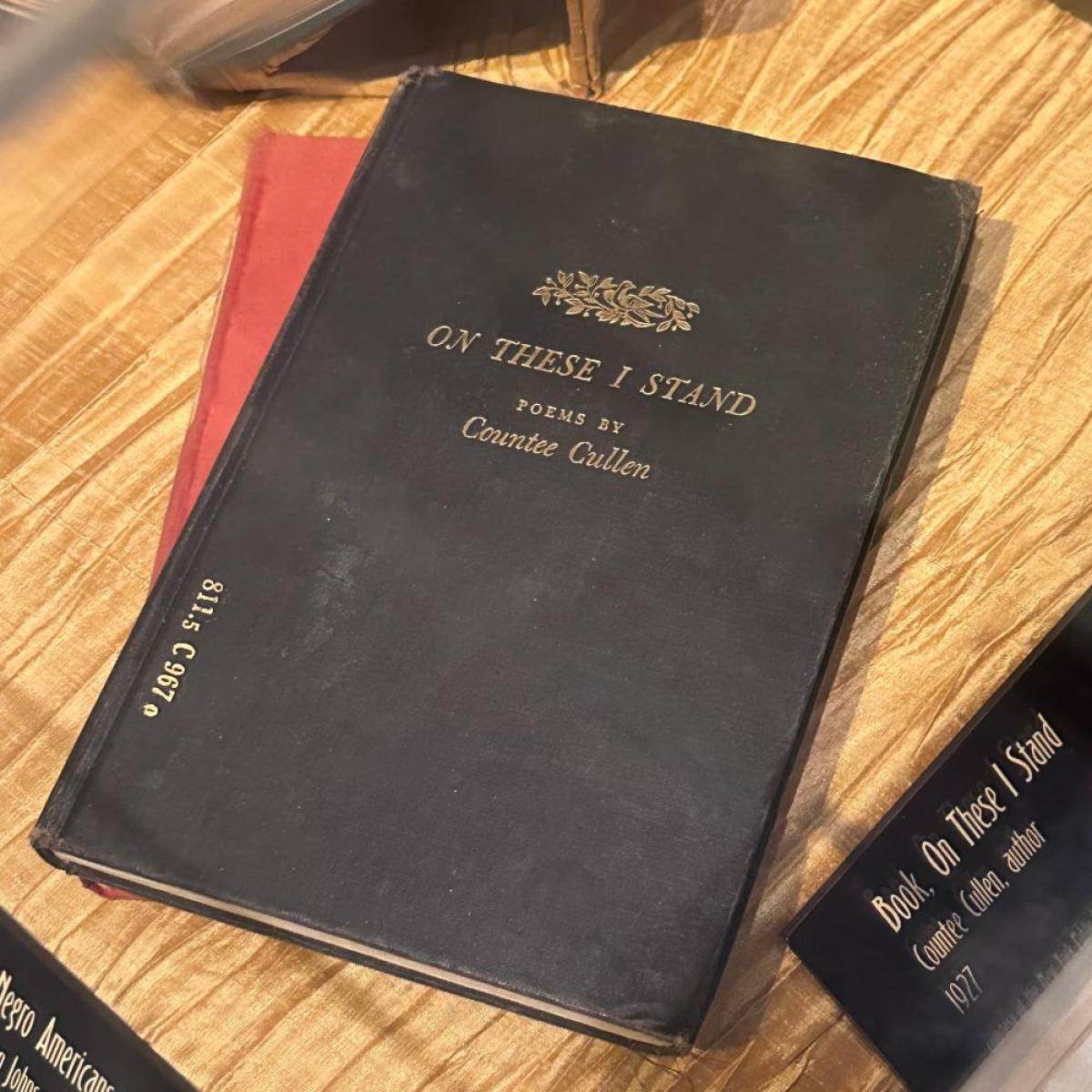
As the arts and Black culture flourished in Harlem in the 1920s and 30s, so too did several queer Black artists and intellectuals. While many remained closeted publicly to appeal to mainstream audiences and norms of the time, they found some ability to express themselves and pursue same-sex relationships in Harlem.

Gladys Bently
One notable performer who did not remain closeted was Gladys Bently (1907–1960). Bently moved to Harlem from Philadelphia around 1925—she had written about being attracted to women and being comfortable in men’s clothing from a young age, and in Harlem, she would have found acceptance and a like-minded community. Harlem was also a haven for wealthy pleasure seekers during prohibition, and Bentley began performing as a drag king (typically a female performer who dresses in masculine drag) at “rent parties,” private parties with live performances. Popular during Prohibition, admission was charged to pay for rent money and alcohol. Bently moved on to performing in nightclubs after a successful audition at the Mad House and was known for her appearances at the Cotton Club and the Clam House.
Bently became known for her dapper masculine dress, her bawdy renditions of popular songs, and her deep growling voice. Of her clothes, she wrote, “For the customers of the club, one of the unique things about my act was the way I dressed…I wore immaculate full white dress shirts with stiff collars, small bow ties and shirts, oxfords, short Eton jackets and hair cut straight back.” She had a keen awareness of her public image and the power of shock value, often feeding tidbits of gossip to the press, including a story of her marriage to a white woman.
With the end of the Prohibition era and the decline of Harlem nightclubs, Bently moved to California. In the press, she began presenting as a “cured” woman, living under more traditional gender roles. In a 1952 article for Ebony, Bently wrote, “for many years, I lived in a personal hell…Like a great number of lost souls, I inhabited that half-shadow no man’s land which exists between the boundaries of the two sexes.” Scholars of Bently believe that the article, and her public façade at the time, likely reflected her continued awareness of the press, and the oppressive threats against homosexuality brought forward in the McCarthy era.
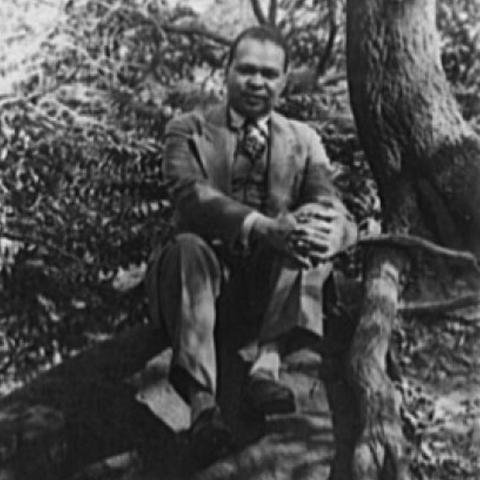
Countee Cullen
Also represented in this gallery is a book by prominent queer Black poet Countee Cullen (1903–1946). While he was friends with many openly gay writers, Cullen himself remained closeted and struggled to come to terms with his sexuality and the shame he felt with it. He had two brief marriages to women and also quietly dated men. 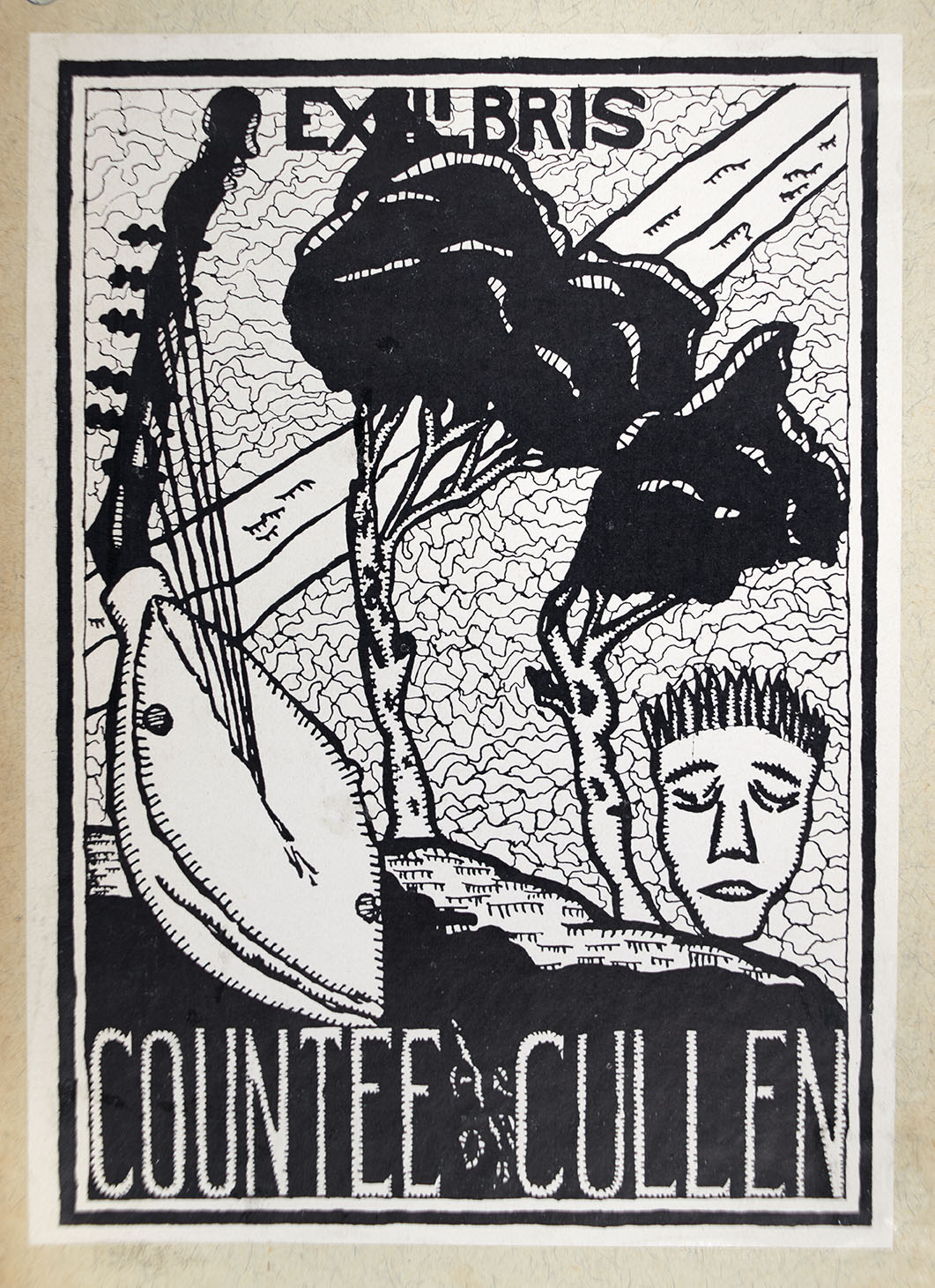 New Discovery: Countee Cullen’s Bookplate While not on display, the Museum recently found this bookplate in Cullen’s copy of Precis D’Explication Francaise: Methode et applications (Precise Analysis of French: Methods and Applications). The imagery may relate to the Greek myth of Orpheus, a musician, poet, and prophet.
7. The Democratic Lunch Counter as a Queer Space
Artifact:
Horn & Hardart Automat
Where to find it:
4th Floor Terrace Gallery
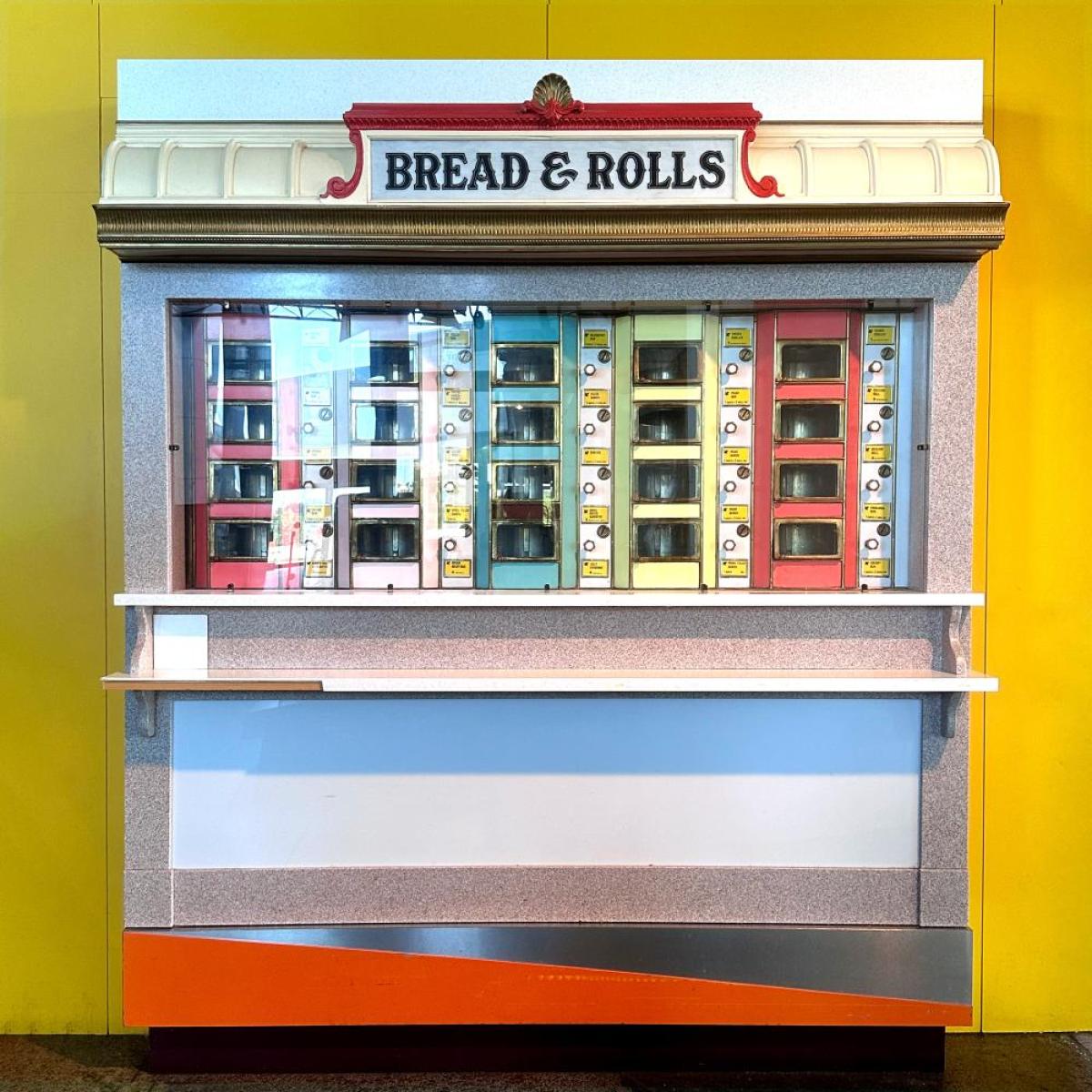
Horn & Hardart Automat restaurants, with their inexpensive food, extended hours, and numerous locations, were considered democratic among New York City restaurants—the rich and the poor, immigrants, artists, and people of all races felt welcome in the Automat. This was also true for New York City’s LGBTQ+ community. In the 1994 book Gay New York, historian George Chauncey noted, “the Automat across the street from Bryant Park became particularly well known as the site of raucous gatherings.” In part, the working structure of an Automat helped make this the case—with minimal staffing, there was less chance of customers being harassed or kicked out for falling outside of society’s “norms.”
8. New York Pride: The Fight for Marriage Equality
Exhibit & Artifacts:
New York Pride: The Fight for Marriage Equality Exhibit | Opthalmolic Chair, Wedding Garments belonging to Albert T. Martino, Jr. and Harold Lohner III, Wedding Garments belonging to Joyce Darlene (Jaye) Holly and Judy Elaine Yeckley, Activism Objects
Where to Find Them:
New York Metropolis Hall, Fifth Avenue
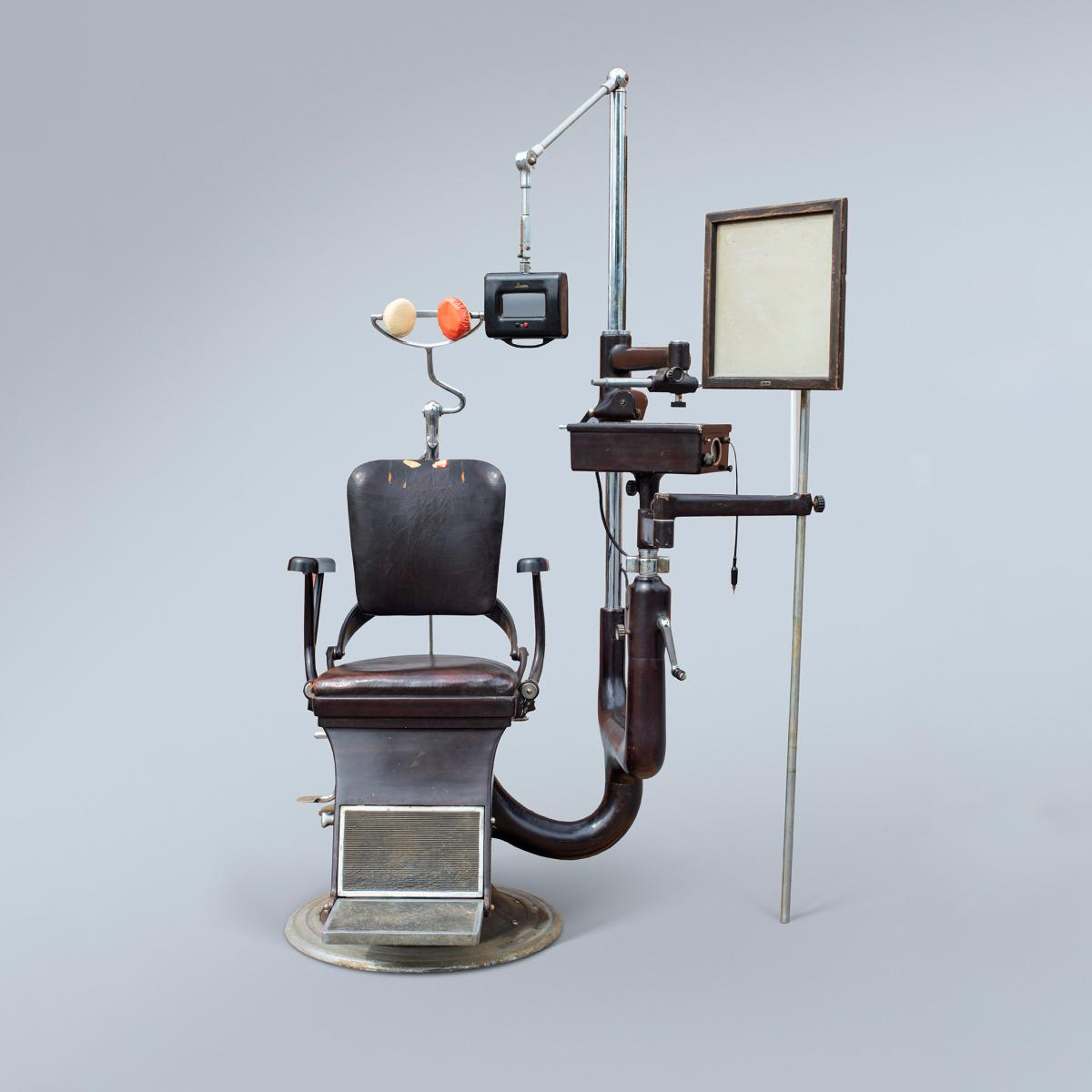
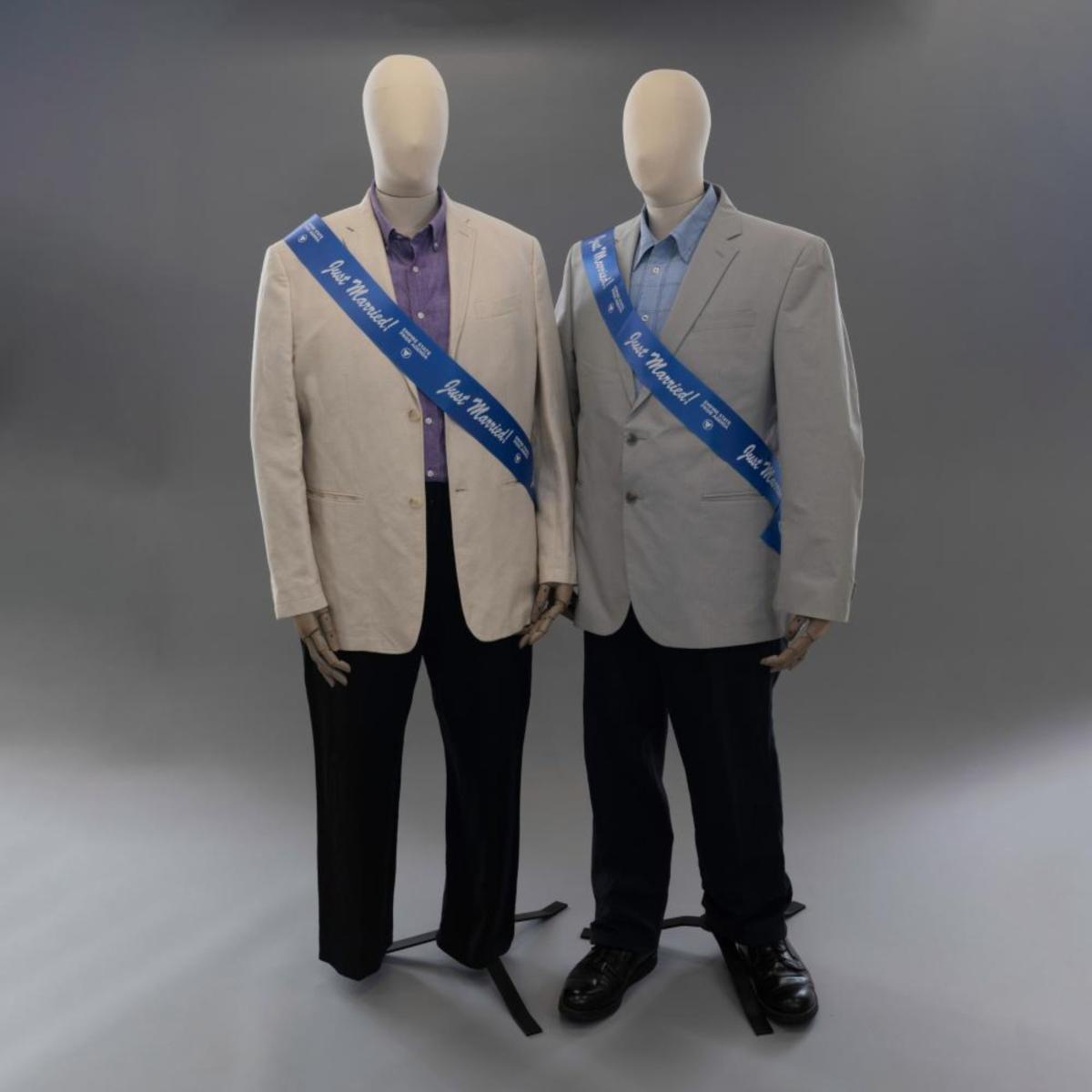
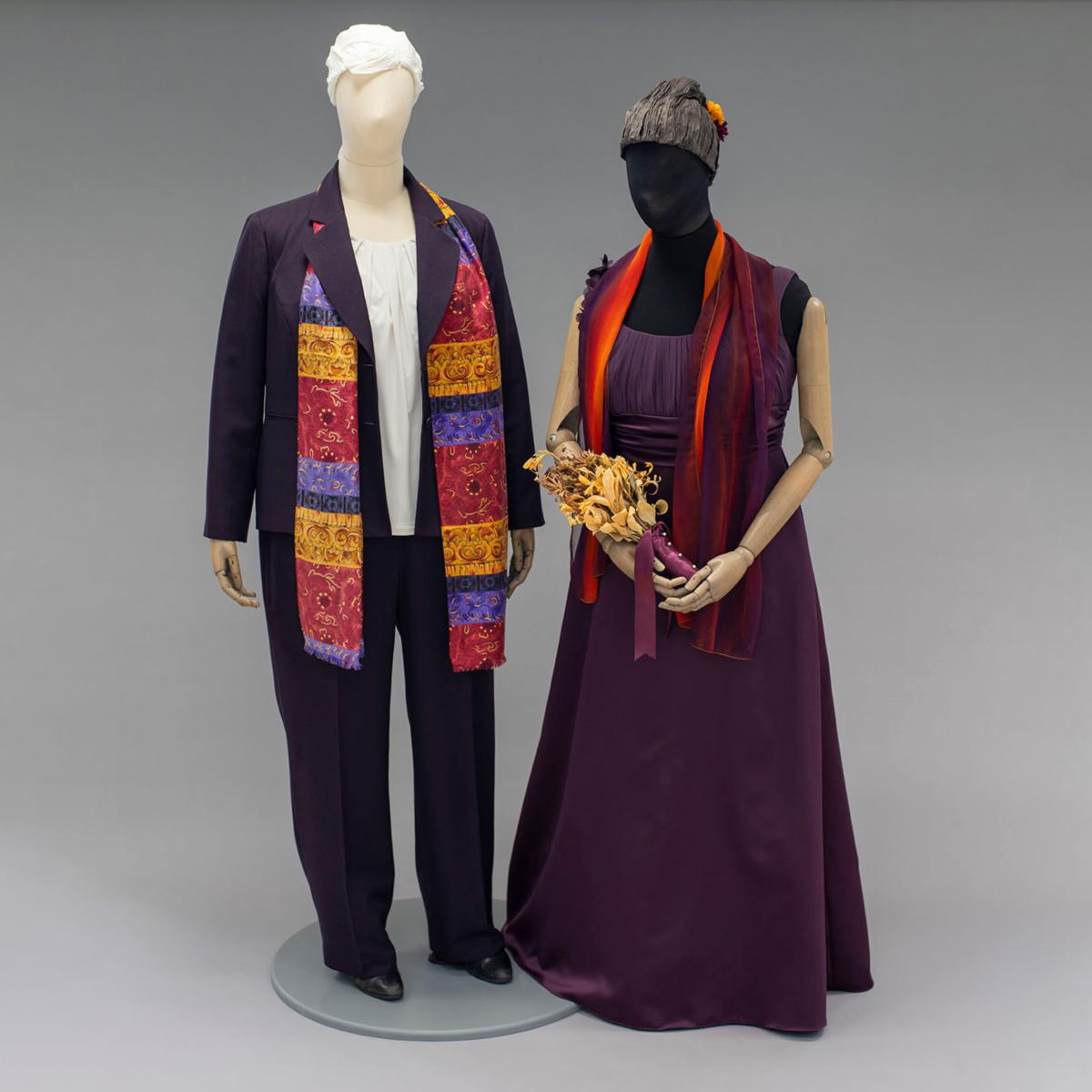
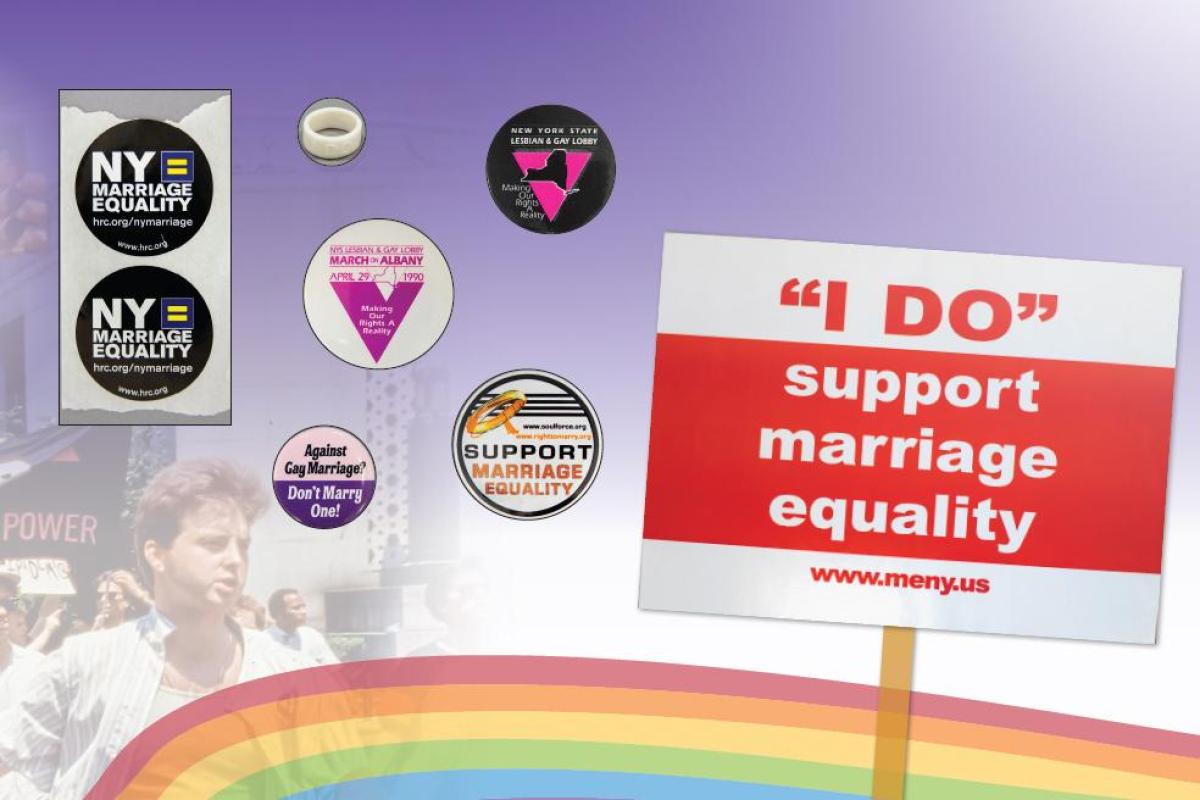
New York played a pivotal role in the fight for marriage equality, beginning with early activism in the 1970s and culminating in the historic passage of the Marriage Equality Act in 2011. The struggle for same-sex marriage rights was fueled by the devastating impact of the AIDS crisis, which highlighted the legal and personal challenges faced by same-sex couples. Through grassroots activism, court battles, and political lobbying, New York’s success laid the groundwork for the Supreme Court's landmark 2015 ruling in Obergefell v. Hodges, which legalized marriage equality nationwide.
Visit the New York Pride: Fight for Marriage Equality exhibit page to learn more.
6. LGBTQ+ Travel and Recreation in the Adirondacks
Exhibition:
Adirondack Recreation Exhibition
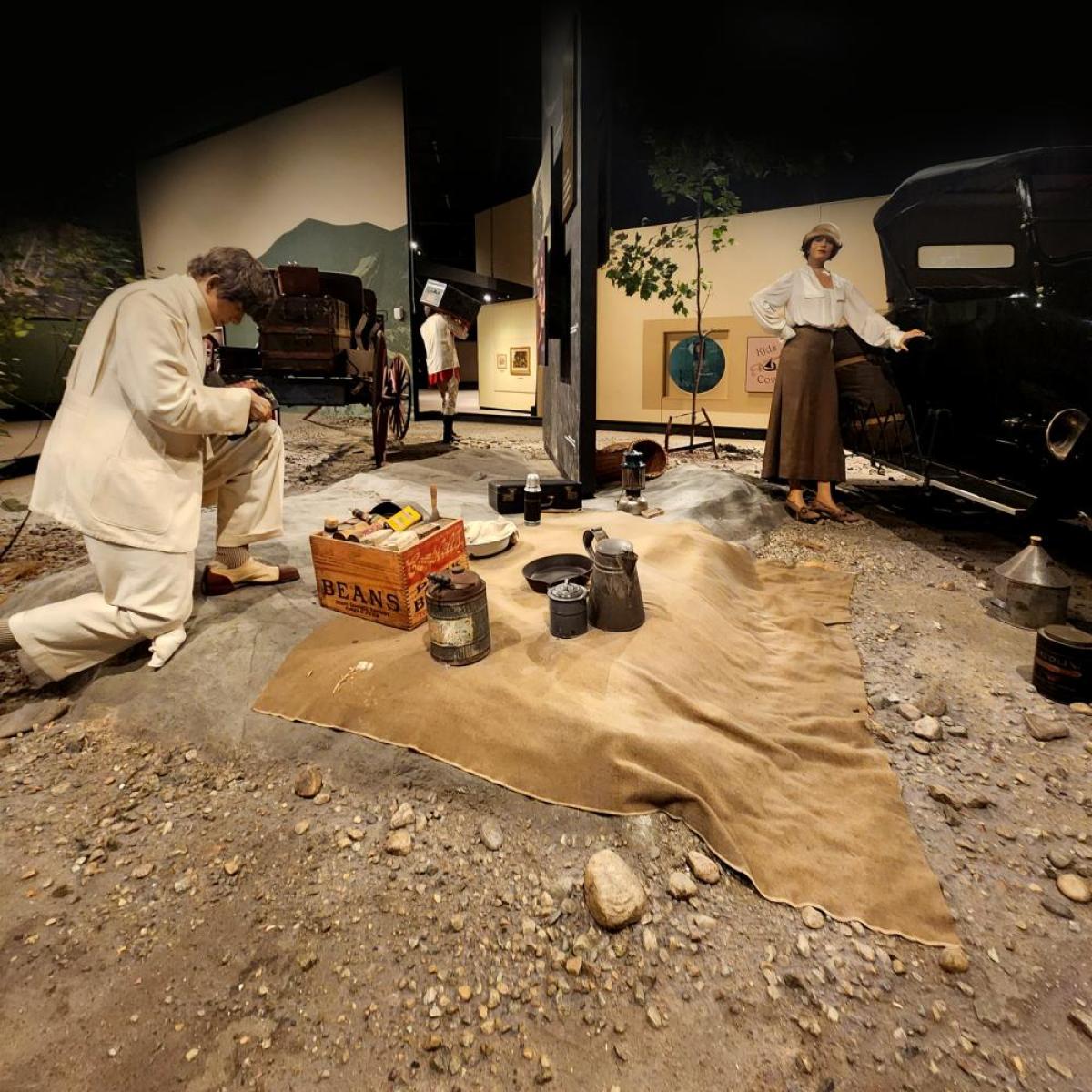
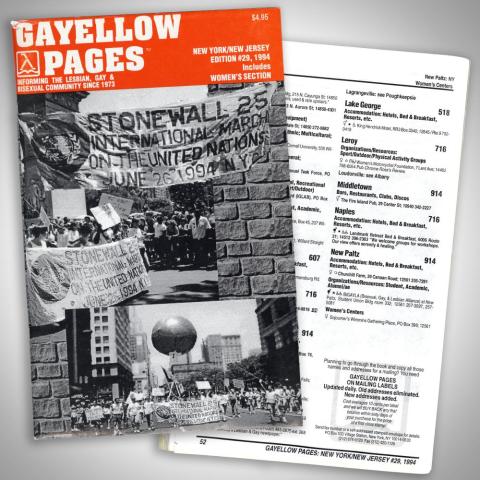
The wilderness of the Adirondacks, and its potential for relaxation and recreation, have long been a draw for vacationers, as we see in this scene. But the rural towns of the Adirondacks have not always felt welcoming to members of the LGBTQ+ community.
Guidebooks, including the Gayellow Pages and the Dameron Address Books, provided travelers with information on safe, welcoming spaces, including lodging, bars and restaurants, and bookstores. In the 1970s, bars and clubs such as Maxwell’s (ca. 1977–1979, Lake Placid), Frederick’s (ca. 1977–1979, Lake Placid), Arena (ca. 1972–1976, Lake Placid), and Mr. Chips (ca. 1976–1988, Lake George) were listed as welcoming spaces. In the 1980s, new bars and restaurants took hold, including Mud Puddles (ca. 1983–2010, Lake Placid), The Artist’s Café (ca. 1981–2001, Lake Placid), and Rumors (ca. 1988–1993, Lake George). Listings for lodging began to appear in the 1980s and 1990s as well, including The Wheel Inn (ca. 1980–1990, Tupper Lake) and King Hendrick Hotel (ca. 1988–present, Lake George). Today, I Love NY has an entire LGBTQ
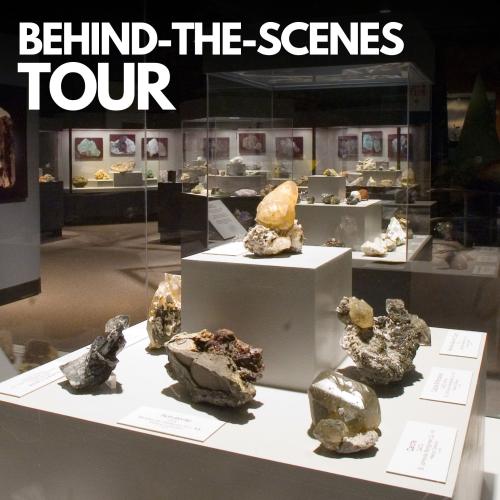
Join Dr. Joseph Gonzalez for a special behind-the-scenes tour exploring specimens from the Museum’s mineralogy collection. Get rare access to curated samples while learning how New York’s rocks and minerals reveal the story of Earth’s deep history.
This interactive tour offers the chance to ask questions directly to a museum expert and explore topics such as how minerals form, how landscapes evolve over time, and what the state’s geology can tell us about ancient environments. From everyday minerals to extraordinary specimens, discover what’s behind the drawers, cabinets, and collections that help scientists understand our planet.
Four sparkling new spots have opened up!
Register for the Mineralogy Tour here.
5. Alice Austen and Gertrude Tate
Artifact:
Photographs by Alice Austen
Where to find them:
NYC Tenements, photographs printed on the left side of the interpretative label in front of the Lower East Side street scene
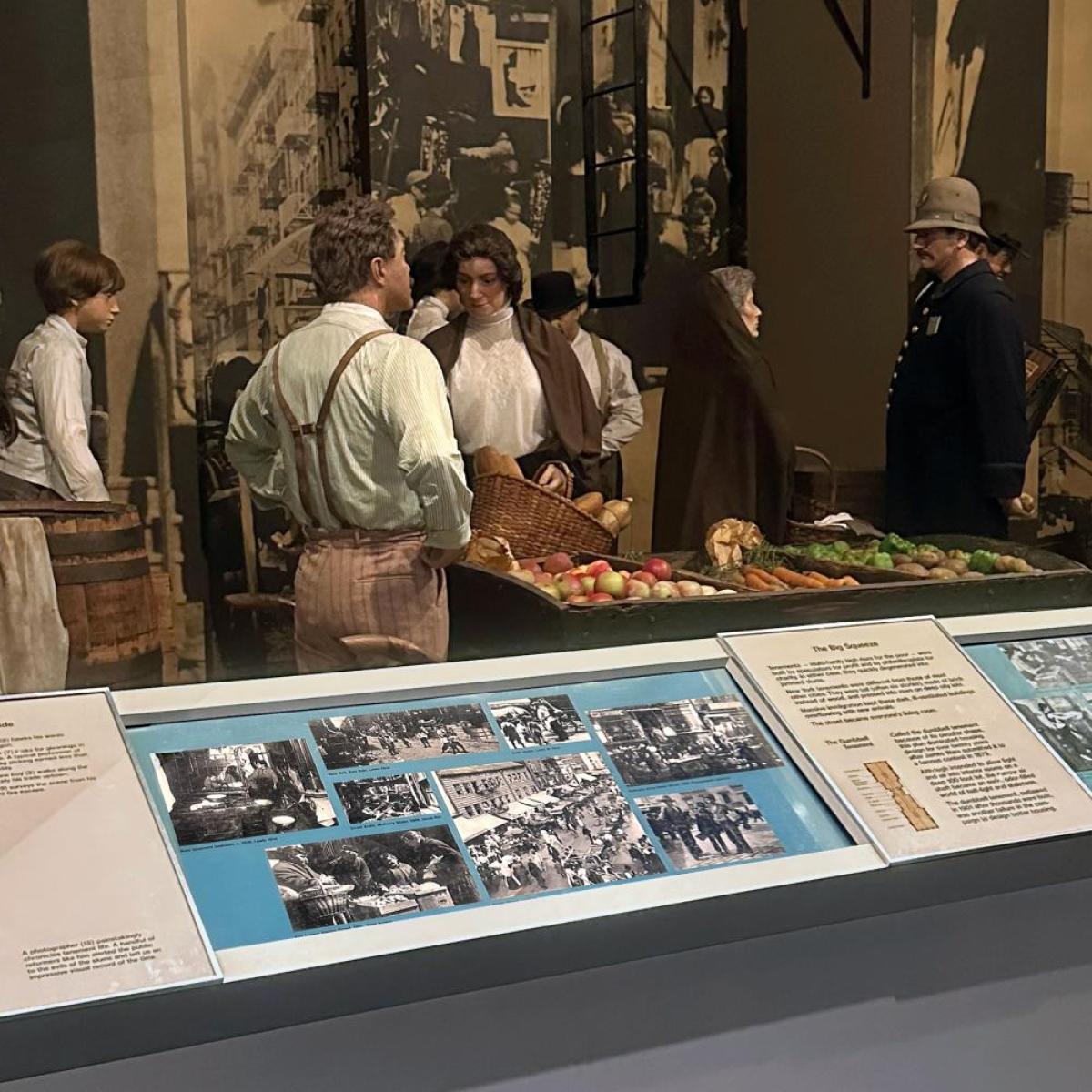
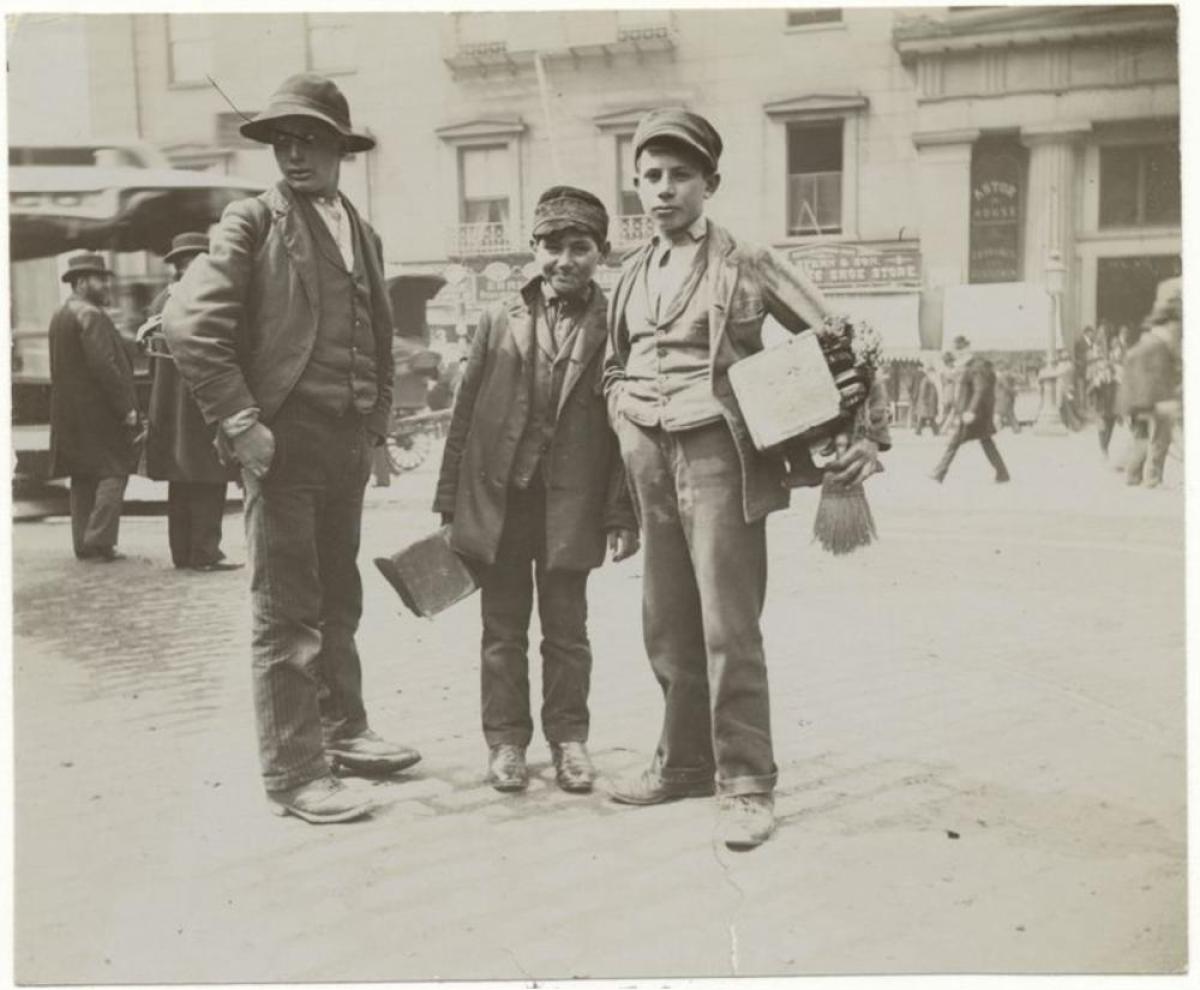
Alice Austen (1866–1952) was a prolific photographer, known especially for her documentation of New York’s immigrant communities, the social world of upper- and middle-class women at the turn of the century (including bicycle riding, which Austen advocated for women as an important tool for health and freedom), and her travels.
Austen broke with gender norms as one of the first female photographers to work in the field rather than remaining in the studio. Doing so involved traveling with fifty pounds of equipment, often by bicycle. Austen was a lesbian and spent fifty-six years with Gertrude Tate, thirty of which they lived together in Austen’s home, “Clear Comfort,” which is now the Alice Austen House Museum, a National Historic Landmark on Staten Island, New York. In 1945, when the couple was evicted from their home (Austen having lost her wealth in the 1929 stock market crash), their families rejected their relationship and separated them. When Austen died in 1952, their wishes to be buried together were ignored by the family.
Austen began her work documenting immigrant communities in the 1890s, at the request of Dr. Alvah H. Doty (1854-1934) of the U.S. Health Public Health Service. New York’s Quarantine Station was located just south of Austen’s home on Staten Island, and she photographed there, as well as at the facilities on Hoffman and Swinburne Islands for over a decade. This work was exhibited by Austen at the 1901 Pan-American Exposition in Buffalo.
June is Pride Month!
Pride Month is a celebration of LGBTQ+ culture and accomplishments and is also a time for activism and commemoration.
The celebration and commemoration of Pride Month in June originated in the Stonewall Uprising. When police raided the Stonewall Inn, a popular gay bar in New York City’s Greenwich Village, on the night of June 28, 1969, the LGBTQ+ community fought back—for six days. At the time, there were numerous laws that criminalized homosexuality, and raids, as well as resistance to them, were not uncommon. However, the events at the Stonewall Inn lit a spark that led to new organizing and calls for equal rights.
On June 28, 1970, the Christopher Street Liberation Day Parade was held in New York City to commemorate the first anniversary of the Stonewall Uprising, and other marches took place in San Francisco, Los Angeles, and Chicago. Since then, Pride observances have grown to a whole month, celebrated in more and more communities across New York State, the country, and the world.
2026 Pride Month Statewide Events
Around the Museum
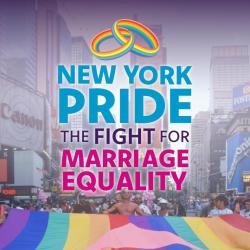
New York Pride: The Fight for Marriage Equality
On view through June 30, 2026
New York was central to the fight for marriage equality, from early activism in the 1970s to the landmark Marriage Equality Act of 2011. Driven by the AIDS crisis and grassroots efforts, the state’s progress helped pave the way for nationwide legalization in 2015.
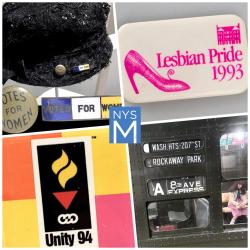
Explore LGBTQ+ Stories in our Galleries
Throughout its history, New Yorkers have led the charge for equality, including fighting for the rights of lesbian, gay, bisexual, transgender, and queer (LGBTQ+) individuals. Discover several objects currently on display throughout the NYSM that are a reflection of some of these important and unique stories.
Additional Resources from the Office of Cultural Education
New York State Archives
Explore LGBTQ+ history through ready-to-use primary sources and standards-aligned, teacher-created learning activities on ConsidertheSourceNY.org. Historical records offer students an opportunity to practice their document-analysis skills and discover the history LGBTQ+ communities in New York State. Resources include LGBTQ+ laws passed in New York and documents related to advocacy and Pride events.
https://considerthesourceny.org/featured-collections/pride-month-resources
New York State Library
The NYS Library has resources related to LGBTQIA+ culture and accomplishments in New York State. Find information related to the Stonewall Uprising and influential people like Dr. Josephine Baker and Francis Leon. Ask a Librarian for help with exploring LGBTQIA+ history at the NYS Library!
Talking Book and Braille Library
Resources about LGBTQ+ culture and accomplishments are available at your library! The NYS Talking Book and Braille Library (TBBL) is a free library service for eligible residents of upstate New York who are unable to use standard print materials due to a visual, physical, or reading disability. The TBBL collection is similar to what’s found in a large public library, including popular fiction and nonfiction titles, as well as informational and recreational materials for all ages and tastes. Learn more about TBBL services and sign up at their website!
Related Resources
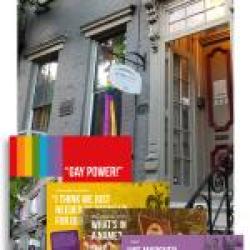
The Pride Center of the Capital Region
The Pride Center of the Capital Region is the oldest continuously operating LGBTQ+ community center in the country.
To commemorate the Pride Center’s 50th anniversary in 2020, the New York State Museum partnered with the Center to collect oral histories from members of the community, ultimately resulting in the creation of a panel exhibition and recorded interviews that were featured in the Pride Center’s 50th Anniversary Documentary.
View the Panel Exhibition, the 50th Anniversary Documentary, and Community Member Oral Histories here:
https://www.nysm.nysed.gov/pride/pride-center
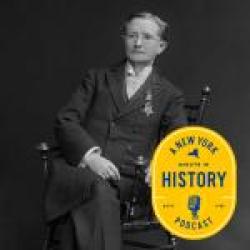
New York Minute in History Podcast, The Persistence of Dr. Mary Walker
Dr. Mary Edwards Walker was a women’s rights activist, suffragist, and medical doctor who served as a surgeon during the Civil War. Walker advocated for the reform of traditional dress for women, which in the middle of the 19th century included heavy, floor-length skirts that dragged on the ground picking up dirt and restricted women’s movements. For much of her life, Walker wore either a shorter skirt with trousers underneath (known by various names, including the Bloomer costume, the reform dress, and the Turkish trousers), or later, just a jacket and trousers—and often, her signature top hat. For dressing outside of gender norms, she was arrested multiple times and faced widespread discrimination, to which she replied, “I don’t wear men’s clothes, I wear my own clothes.”
NYSM Collection Spotlight: FAGBUG
On Tuesday, May 29, 2018, the NYSM acquired the FAGBUG from owner Erin Davies. Watch this short video to discover how Davies turned a single ugly and damaging event into a positive personal journey and public outreach project that touched the lives of many.
Art Resources
The New York State Museum’s collections include works by artists who today might identify as part of the LGBTQ+ community, including photographer Berenice Abbott and member of the Byrdcliffe Arts Colony, Zulma Steele. Arts communities in New York, from enclaves of artists in New York City to upstate communities like the Byrdcliffe and Maverick Colonies in Woodstock, were often welcoming places for people of a variety of identities.
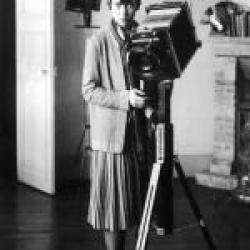
Berenice Abbott: Photographer
From 1935-1940, Berenice Abbott (1898–1991) worked on a photographic project documenting the unprecedented growth and changes taking place in a burgeoning New York City. The project, "Changing New York," became one of the monumental achievements in 20th-century photography.
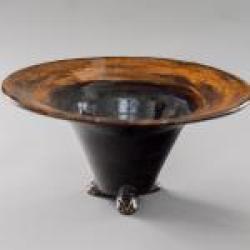
Historic Woodstock Art Colony
Long before the famous music festival in 1969, Woodstock, New York, was home to what is considered America’s first intentionally created, year-round arts colony—founded in 1902 and still thriving over 100 years later.
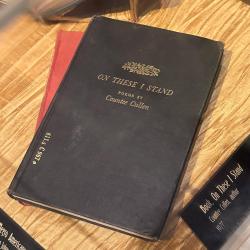
Countee Cullen
Located in the NYSM's ongoing exhibition Black Capital: Harlem in the 1920s is the book On These I Stand by prominent queer Black poet Countee Cullen (1903–1946). While he was friends with many openly gay writers, Cullen himself remained closeted and struggled to come to terms with his sexuality and the shame he felt with it. He had two brief marriages to women and also quietly dated men.
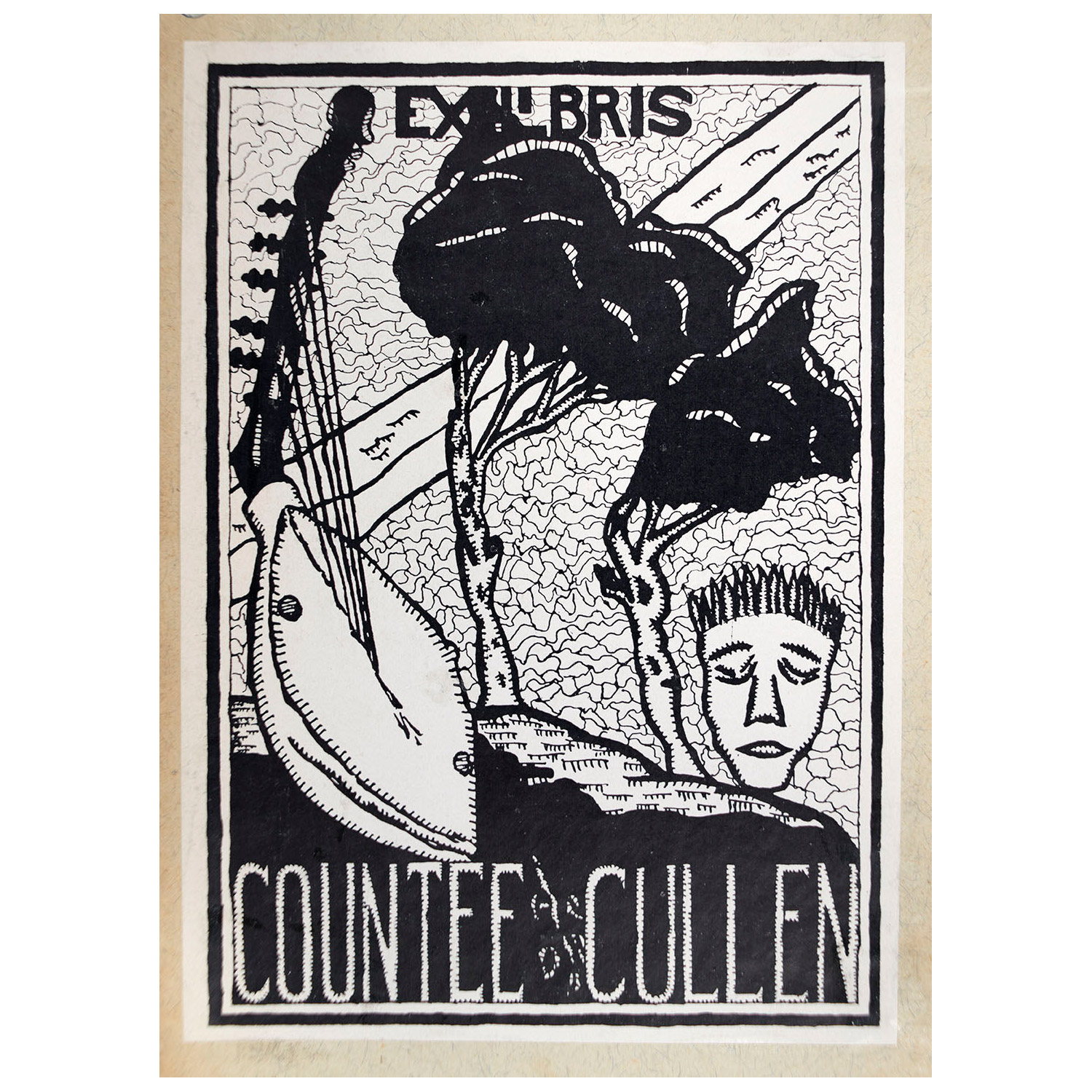
New Discovery: Countee Cullen’s Bookplate While not on display, the Museum recently found this bookplate in Cullen’s copy of Precis D’Explication Francaise: Methode et applications (Precise Analysis of French: Methods and Applications). The imagery may relate to the Greek myth of Orpheus, a musician, poet, and prophet.
Let Your Pride Colors Shine!
Download these Pride-themed coloring sheets to decorate and share.
New York State Library Invites Families to Roar into Summer Reading at Inaugural Super Story Party
Free kickoff event celebrates books, dinosaurs, discovery, and this year’s summer reading theme, “Unearth a Story”
The New York State Education Department and New York State Library invite families to dig into a summer of reading, discovery, and adventure at the inaugural Super Story Party, celebrating the summer reading theme “Unearth a Story.”
The State Library’s Super Story Party is a free, family-friendly summer reading kickoff that brings books to life through performances, hands-on activities, summer reading resources, community partners, and collections from across the Office of Cultural Education. The event will be held on June 7, 2026 from 10:00 am to 12:00 pm at the New York State Museum.
As the State’s official summer reading kickoff celebration, the event will feature:
- Meet the State Museum’s Paleontologists!
- Paleontology-themed activities based on collections from the State Museum, State Archives, and State Library
- Dinosaur Dance Party with children’s singer/songwriter Johnny Only
- Dig Into Reading Magic Show with magician Ron Cain (Registration recommended)
- Double Dutch jump rope performance by Nanny’s Double Dutch League
- The RED Bookshelf and other community partners
New State Education Commissioner Betty A. Rosa said, “Summer reading is an investment in lifelong learning, helping to reduce learning loss, strengthen critical thinking skills, and build confidence. This year’s theme also invites families to explore additional STEM fields, such as archaeology and paleontology, sparking curiosity in new and exciting ways. It presents a wonderful opportunity to experience all that the Office of Cultural Education has to offer, from the New York State Library to the State Museum and State Archives, where rich cultural resources help learning come to life.”
New York State Librarian Lauren Moore said, “The Super Story Party invites young readers to discover the excitement of storytelling through books, imagination, and hands-on exploration. Families can expect to get a taste of the types of exciting programs planned at public libraries across the state throughout the summer. We thank our partners across NYSED and the Office of Cultural Education for their commitment to nurturing a lifelong love of reading.”
This year’s statewide summer reading theme, “Unearth a Story,” builds on children’s interest in topics such as dinosaurs, paleontology, and archaeology to spark excitement and curiosity about reading, imagination, and learning. Throughout the summer, local libraries will host various themed activities and events, including performances, craft programs, story times, workshops, author events, and more, to encourage reading across all age groups. In addition to program support and resources, the State Library provides the state’s public libraries with access to the online READsquared app and software, helping students and families track their favorite books and activities.
Families attending the Super Story Party will leave with information and materials that connect with this year’s summer reading themes, support literacy learning at home, and promote local library programs.
Explorers are also encouraged to visit the New York State Museum’s newest temporary exhibit, Expedition Dinosaur: Rise of the Mammals. Now on display in the recently opened Kids Zone on the fourth floor, the exhibit takes visitors through the final days of the dinosaurs and features 10 life-size animatronic dinosaurs and mammals, and interactive experiences such as an augmented reality sandbox and a paleontologist’s field tent.
The New York State Library is committed to providing reasonable accommodations so people with disabilities can participate in, and benefit from, all NYS Library programs and services. Please use the Reasonable Accommodation Request form.
About the New York State Library
The New York State Library, established in 1818, is the largest state library system in the nation and one of the largest research libraries in North America. It oversees a vast network of more than 7,000 libraries statewide. Collections are made available onsite and through a robust interlibrary loan program. The Library’s mission is advanced through several key divisions, including the Research Library, which houses a collection of over 20 million items, the Talking Book and Braille Library, and the Division of Library Development. The Library preserves and maintains invaluable historical collections and works, and serves as a Regional Depository for federal publications. Additionally, the State Library is the official repository of New York State government publications, ensuring their enduring preservation and accessibility for future generations.
For more information, please visit the New York State Library website and subscribe to our monthly newsletter.
###
(518) 474-1201
Press@nysed.gov
www.nysed.gov
Join us for a special screening of a oral histories highlighting the impact and ongoing work of the Pride Center of the Capital Region—the oldest continuously operating LGBTQIA+ community center in the United States. Based in Albany and serving a ten-county region since 1970, the Pride Center has long been a cornerstone of advocacy, support, and community-building.
These videos explore the Center’s enduring commitment to fostering a welcoming, inclusive environment grounded in dignity, compassion, and respect. Through stories of activism, resilience, and connection, audiences will gain insight into how the Pride Center has championed equality and justice while adapting to meet the evolving needs of the LGBTQIA+ community.
Join Senior Historian and Curator of Social History Ashley Hopkins-Benton for an engaging guided tour of New York Pride: The Fight for Marriage Equality. This program explores the decades-long struggle for marriage equality in New York, from early LGBTQ+ activism in the 1970s through landmark court battles and the passage of the Marriage Equality Act in 2011.
Through artifacts, photographs, and personal stories, participants will examine how marriage equality became both a deeply personal and profoundly political issue shaped by the AIDS crisis, grassroots organizing, and evolving legal challenges. The tour also highlights New York’s pivotal role in advancing national change.
This guided experience offers a powerful look at how community activism transformed civil rights in New York State and beyond.
LGBTQ+ Stories in NYSM Galleries
Throughout its history, New Yorkers have led the charge for equality, including fighting for the rights of lesbian, gay, bisexual, transgender, and queer (LGBTQ+) individuals. In 1969, a spark was lit in the already growing gay rights movement at the Stonewall Uprising in Greenwich Village, New York City. As the movement continued to grow nationally over the next few decades, New Yorkers participated in activism across the state, from the struggles of Gay Liberation through the AIDS crisis to the successful fight for marriage equality in 2011.
New York holds a special place in LGBTQ+ history as a haven for those in search of a safer environment and like-minded companionship. Across the state, the LGBTQ+ community has celebrated its strength and diversity while working for equal rights, visibility, and inclusion through protests, Pride celebrations, and community center activities.
Explore Each Station:
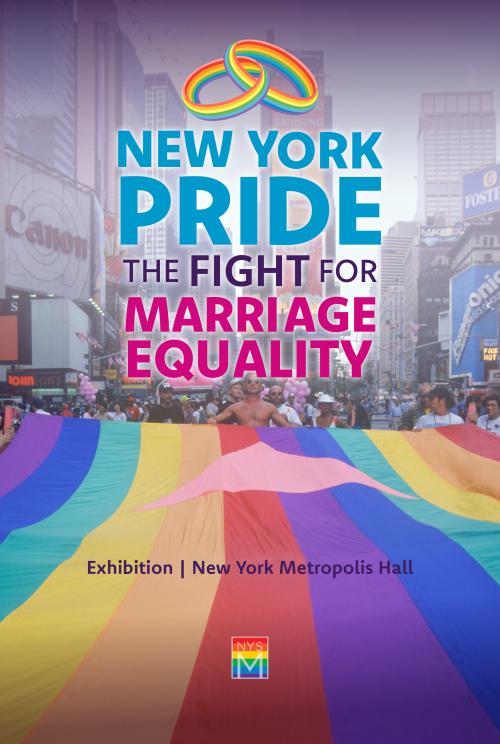
New York Pride: The Fight for Marriage Equality
**To help preserve the textiles, this exhibition is currently dark. It will reopen with full lighting for programs at the end of May and in June for Pride Month.**
Marriage equality in New York was an important chapter in the broader fight for federal recognition of same-sex marriage. It began with early activism in the 1970s, progressed through court battles in the 2000s, and culminated in the passage of the Marriage Equality Act in 2011. For many, the right to marry meant not only a personal commitment but also access to over 1,000 legal rights and protections—such as health insurance, hospital visitation rights, and survivor benefits.
The AIDS crisis intensified the need for these protections, exposing the discrimination faced by couples unable to marry and care for one another during times of illness and loss.
New York’s success in passing the Marriage Equality Act became a catalyst for national change, culminating in the 2015 Supreme Court ruling Obergefell v. Hodges, which legalized same-sex marriage in all 50 states. This exhibition highlights these milestones, showcasing artifacts, photographs, and personal stories that illustrate the power of activism in creating change.
Accessibility for Visitors Who Are Blind or Visually Impaired
We are proud to offer resources to ensure that visitors with low vision or who are blind can experience this exhibit. Our goal is to create an inclusive and welcoming environment where everyone can engage with the exhibition meaningfully.
Access the New York Pride Resource Page for transcripts of the main panels, photos, and descriptions of the exhibition. Additionally, a QR code located at the bottom of the exhibit's Introduction panel, at left, will take you to the resource page.
Pride Month and LGBTQ+ Resources
Join us for a vibrant and meaningful celebration of LGBTQ+ history, culture, and community. This special day of festivities is open to all and designed to engage visitors of every age with hands-on activities and gallery tour. Honoring the past, celebrating the present, and inspiring the future, this event invites everyone to reflect on the journey toward love, equity, and justice—and to take pride in the progress we’ve made together.
Event Schedule:
10:30 am–12:00 pm | Family Fun & Creative Corner
Kick off the day with an array of joyful, hands-on activities inspired by our collections! Enjoy coloring pages, pin-making, sash and fan designing, and more. With upbeat music and story time.
12:00 pm–12:30 pm | Gallery Talk with Ashley Hopkins-Benton
Gain insider insights from Senior Historian and Curator of Social History, Ashley Hopkins-Benton, as she discusses the stories behind the exhibit New York Pride: The Fight for Marriage Equality and the ongoing legacy of LGBTQ+ advocacy in New York.
The New York State Museum, State Library, State Archives, and the New York State Archives Partnership Trust, in collaboration with the Hudson River Valley Institute at Marist University and the Cooperstown Graduate Program at SUNY Oneonta, are excited to announce the third annual New York History Conference. The goal of the conference is to provide an inclusive and engaging forum in which historians, educators, museum professionals, archivists, and librarians can share research and resources on the practice, research, preservation, and teaching of New York State history.
Conference Theme: New York at 250: The Empire State's Role in U.S. Independence
As the United States commemorates the 250th anniversary of its independence, the 2026 New York History conference provides an opportunity to reexamine New York State's role in the struggle for independence before, during, and after the period of the American Revolution. Long before the first shots were fired at Lexington and Concord, even before the first Europeans arrived in North America, the land that would become the Empire State was occupied by a diverse network of Indigenous communities. While the American Revolution was fueled by questions of how to govern, individual and community rights, social and economic freedoms, and access to and control of resources, the questions themselves preceded and have continued beyond that period of conflict.
When: June 11-12, 2026
Where: Marist University, 3399 North Road, Poughkeepsie, NY 12601
Registration and Hotel Information:
Registration: Click here to register
Last day to register is Monday, June 1, 2026.
Walk-in registrations will not be accepted.
Room blocks have been secured at three lodging establishments in close proximity to Marist University. Rooms can be booked through the block for Thursday, June 11, and Friday, June 12, 2026. See below for information on booking for each establishment.
Courtyard by Marriott Poughkeepsie
2641 South Road
Poughkeepsie, NY 12601
Phone number: 800-647-7576
Room block cutoff date: May 14, 2026
Homewood Suites by Hilton Poughkeepsie
900 Thomas Watson Dr
Poughkeepsie, NY 12601
Phone number: 845-462-0030
Room block cutoff date: May 12, 2026
Inn at Bellefield / Hyde Park
25 Old Vineyard Place
Hyde Park, NY 12538
Phone number: 845-414-6750
Room block cutoff date: May 11, 2026
Contact: nyhistory2026@marist.edu
Conference Scholarships: TBA
Marketing and Exhibitor Opportunities
Please complete the attached form to become a sponsor of the 2026 New York History Conference. Exhibitors, to pay by credit card or check, please see the registration link above or the attached form.
Opening Reception Keynote Panel
Fire and Freedom: The American Revolution in New York
Available May 15, 2026, from Cornell University Press
What started as a constitutional dispute about "home rule" and taxation became a transformative event that unleashed a host of unanticipated consequences. Showcasing New York's central role in the revolution, Fire and Freedom, also highlights the stories of people and events previously hidden from popular view, unveiling a new vision of this famous narrative. Many of the revolution's key moments can be traced to New York: city crowds rioted against colonial taxation and George Washington spent one-third of the war in and around the soon-to-be "Empire State." Beyond these well-known players and moments, however, lies a trove of new information on New York's hidden revolutionary stories and what that revolution meant to the many thousands who participated in it.
This panel discussion is comprised of contributing authors to Fire and Freedom.
Panelists:
Moderated by Thomas S. Wermuth, Dr. Frank T. Bumpus Chair in Hudson River Valley History, Marist University and Editor, Fire and Freedom: The American Revolution in New York.
Benjamin L. Carp is the Daniel M. Lyons Professor of American History at Brooklyn College and also teaches at the Graduate Center of the City of New York
John Cording, St. Thomas Aquinas College.
Elana Krischer, Independent Scholar
Christopher F. Minty, Digital Editor at the University of Virginia
Dillon L. Streifeneder, Assistant Professor of History at the United States Naval Academy
Lunchtime Keynote Speaker
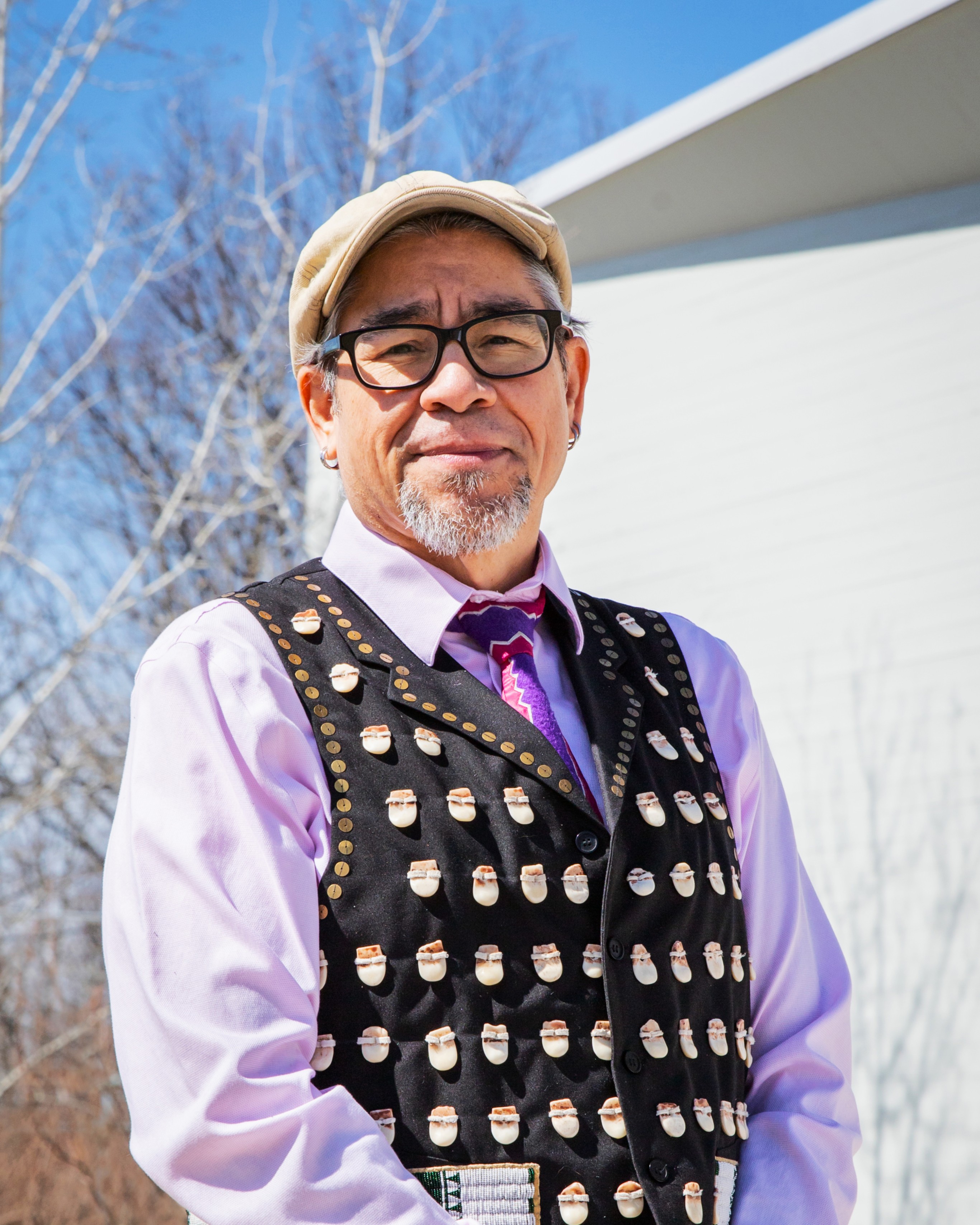 We will Conclude our Lovely Stay: Remembrances, Legacies and Roasted Corn Soup
Historic Site Manager of Ganondagan State Historic Site and Director of the Seneca Art & Culture Center Michael Galban will deliver a candid reflection on the British/American Civil War and its impact on Haudenosaunee life, land and inheritance.
Michael "Pooggoo duka'a" Galban, Wašiw (Washoe) & Kutza duka'a (Mono Lake Paiute), is a scholar in Woodland Indian art/aesthetics, Indigenous semiotics and burden. Ganondagan State Historic Site, a 17th century Seneca town site, is a nationally regarded nearly 600-acre center for Iroquoian history, culture, and environmental preservation. Michael recently collaborated with the Museé du Quai Branly - Jacques Chirac on the exhibit "Wampum - Les Perles de la Diplomatie" which opened Spring of 2022 in Paris, of which the corpus of the exhibition traveled to Ganondagan in 2023 as "WAMPUM/OTGO:Ä". His current exhibition project focuses on German and British officers' collections of Northeastern Indigenous art formed in the American Revolutionary War Period.
Michael has served on the board of directors of the Museum Association of New York (MANY) and currently serves on the editorial boards of the New York History and Rochester History Journals and sits on the Board of Trustees for the Rock Foundation. He is currently enrolled in the Visual and Cultural Studies Ph.D. program at the University of Rochester.
Special Session

Special Session: Historic African American Burial Grounds and Cemeteries
African American historic burial grounds and cemeteries are some of the state’s most fragile sacred places. They document the history of slavery and the African diaspora, civil rights struggles, and spiritual practice while honoring the voices and lives of ancestors. The threats to these cultural sites are many. They have suffered from abandonment, neglect, a misunderstanding of existing burial statutes and legal boundaries, direct or encroaching development, missing and damaged markers, missing and deteriorated burial records, and overall lack of public awareness of their significance to their communities. Some have been lost to time and merit efforts towards their rediscovery and preservation. There have been several instances of unmarked burials that have been inadvertently discovered and threatened or destroyed by development projects, which would potentially benefit from respectful reinterment.
Thursday, June 11, 2026
Session One: 2:00pm-3:15pm on Thursday, June 11, 2026
Fusco Recital Hall
"The Afterlife of Newburgh's Colored Burial Ground"
Introduction: Lavada Nahon, Interpreter of African American History, NYS Office of Parks, Recreation and Historic Preservation
Nick Edward, Neighborhood Stabilization Coordinator, City of Newburgh
Gabrielle Hill, Colored Burial Ground Committee Member, Orange County Legislator District 6
Ken Nystrom, Professor of Anthropology, Latin American and Caribbean Studies, and Director of Undergraduate Research, Scholarship, and Creative Activities, SUNY New Paltz
Session Two: 3:30pm-4:45pm on Thursday, June 11, 2026
Fusco Recital Hall
"Pine Street Burial Ground - Kingston, NY"
Introduction: Lavada Nahon, Interpreter of African American History, NYS Office of Parks, Recreation and Historic Preservation
Ty Wilson, Executive Director, Harambee, Kingston, NY
Ubaka Hall, Harambee, Kingston, NY
Ken Nystrom, Professor of Anthropology, Latin American and Caribbean Studies, and Director of Undergraduate Research, Scholarship, and Creative Activities, SUNY New Paltz
Joe Diamond, Professor of Anthropology, SUNY New Paltz
Friday, June 12, 2026
Session Three: 9:00am-10:15am on Friday, June 12, 2026
Fusco Recital Hall
"Leaving a Legacy - State and National Register"
Introduction: Lavada Nahon, Interpreter of African American History, NYS Office of Parks, Recreation and Historic Preservation
Olivia Holland, NYS Office of Parks, Recreation and Historic Preservation, State & National Register Unit
Sessions will include information on the role of archaeology in historic burial grounds; specific case studies; technical preservation strategies; reinterment issues; legal issues related to unknown or inaccurate cemetery boundaries and grave locations, and unknown or contested ownership; how to research and document Black cemeteries; funding strategies; sharing of best practices; digital applications in the recording and restoration of cemeteries; issues of public interest and engagement; respectful and appropriate interpretation and memorialization; and more.
Panelists will include staff of NYS OPRHP Division of Historic Preservation, archeologists, historians, and colleagues working on active historic African American burial ground and cemetery projects in New York state.
These sessions are sponsored by:
The New York State Office of Parks, Recreation and Historic Preservation, New York State Commission on African American History, and the New York Department of State
2026 New York History Conference Schedule
All times and locations are subject to change
Murray Student Center at Marist University
Poughkeepsie, New York
June 11-12, 2026
Thursday, June 11, 2026, 12:30 p.m. - 8:15 p.m., Murray Student Center
12:30 p.m. Registration and Exhibitor Hall open
PROGRAM SESSIONS
Session One: 2:00 p.m. - 3:15 p.m. on Thursday, June 11, 2026
Nelly Goletti Theatre: “Beyond the Allegory: Revolutionary Women at the New York Historical” (Roundtable)
Moderator: Anna Danziger Halperin, Director, The Center for Women’s History at The New York Historical
Tessa Bangs, Mellon Foundation Postdoctoral Fellow in Women’s History and Public History, The New York Historical
Isabelle Held, Mellon Foundation Gender and LGBTQ+ History Postdoctoral Fellow, The New York Historical
Rachel Pitkin, Mellon Predoctoral Fellow in Women’s and Public History, The New York Historical
SC3101: “Truth, Artificial Intelligence, and the Historical Narrative” (Roundtable)
Moderator: Kevin Gaugler, Assistant Dean of the School of Liberal Arts and Co-Chair of the Steering Committee on Artificial Intelligence, Marist University
Taylor Bruck, City of Kingston Historian and Ulster County Clerk
Bill Merchant, Deputy Director for Collections, Historian, and Curator, D&H Canal Historical Society
Jonathan Palmer, Greene County Historian and Ulster County Archivist
SC3102: “Widows, Doctors, and Vigilantes: Seeking Freedom, Health, and Justice in New York” (Panel)
Moderator: Nicholas Marshall, Associate Professor of History, Marist University
Eric Cimino, Associate Professor and Chair of the History Department, Molloy University, “New York City Hospitals and the 1918 Influenza Pandemic”
Kristin Jorgensen, SUNY Brockport, “The Widow’s Paradox: NY Women and the Civil War Pension System”
Andy McCarthy, Reference Librarian, New York Public Library, “Salutary and Well-Intentioned Violence: The 1858 Quarantine Fires in Staten Island”
SC3105: “The Albany Post Road” (Panel)
Moderator: Kathleen Reilly, Trustee, Briarcliff Manor-Scarborough Historical Society
Bruce Graves, Albany Post Road Initiative, “Unraveling the Albany Post Road”
Chris Martinovic, Landscape Designer, “GIS Techniques for Historic Preservation: Georeferencing Historic Maps”
Guy Robinson, Visiting Scholar, Fordham University, “Megafauna: Evidence and Impact of Multi-Ton Highway Engineers?”
Session Two: 3:30 p.m. - 4:45 p.m. on Thursday, June 11, 2026
Nelly Goletti Theatre: “Drawn by the River: Comics Creators Explore Their Life and Work in the Hudson River Valley” (Roundtable)
Moderator: Moira Fitzgibbons, Professor of English, Marist University
John Breiner, Artist, Illustrator, and Muralist
Jeffrey Canino, Author and Lecturer of English, Marist University
Kayla Miller, Cartoonist and Author
Summer Pierre, Author, Cartoonist, and Illustrator
SC3101: “Mapping Gay New York: Queer History, Digital Humanities, and Lessons Learned” (Roundtable)
Moderator: LC Santangelo, Lecturer of Writing, Princeton University
Sam Griggs, Princeton University
Daniella Martinez, Princeton University
Tyler Scarborough, Princeton University
SC3102: “New York's Revolutionary Origins and Legacies: Looking Forward and Back Across the Long Eighteenth Century” (Panel)
Moderator: Caroline Chamberlin Hellman, Professor of English, City University of New York
Ted Knudsen, City University of New York, “Before Hamilton: Robert Hunter, Lewis Morris, and Colonial New York’s Experiments in Crafting Markets”
Keith J. Muchowski, Librarian and Professor, City University of New York, “New York’s American Whig Triumvirate in Eighteenth Century New York: The Lives and Work of William Livingston, John Morin Scott, and William Smith, Jr. Before, During, and After the American Revolution”
Mark Noonan, Professor of English, City University of New York, “John Holt’s Movable Types”
SC3105: “New York Stories: Before, During, and After the American Revolution” (Panel)
Moderator: Jennifer Lemak, Chief Curator of History, New York State Museum
Caroline Curvan, Town of Ossining Historian, “Uncovering the Revolutionary War Service of Surgeon’s Mate Mordecai Hale and the Power of Public History Research”
William Walker, Professor of History, Cooperstown Graduate Program, SUNY Oneonta, “Jesse J. Cornplanter, Seneca Storytelling, and Indigenous Self-Determination”
Lightning Round: 5:00 p.m. - 6:00 p.m. on Thursday, June 11, 2026. Nelly Goletti Theatre
Moderator: Robert Chiles, Senior Lecturer of History, University of Maryland and co-editor of New York History
Thomas D. Beal, Assistant Professor of History and Urban Studies, SUNY Oneonta, “Committed to New York City’s Bridewell Jail for ‘Disobeying a Master’”
Joseph Zarzynski, Maritime Archaeologist and Author, French and Indian War Society at Lake George, Inc., “1903: They Cut Up Lake George’s “Old Gunboat” for Souvenirs”
Lilah Jain, SUNY Brockport, “Survivors on Trial: Gender, Class, and Immigration Bias in the 1911 Triangle Factory Fire Trial”
Fungisai Musoni-Chikede, Assistant Professor of History and Director of the Africana Studies Program, Marist University, “Vassar and South Africa: an Apartheid Story from 1975-1994”
Eileen McAdam, Director and Co-Founder, The Sound and Story Project, “Stories from the Revolution Outside Your Window”
Mary Ellen Matise, Town of Montgomery Historian, “Mr. Peale’s Mastodon Comes for Visit”
NYS Commission on African American History
The New York Department of State is administering an African American History Commission. Among its many projects, the NYS Commission on African American History is funding a grant program for documenting African American history at the local level and will speak about the grant program and other related projects.
Nicole Jean Christian, Director, Office of Diversity Equity, Inclusion and Accessibility, NYS Commission on African American History
Kenny Nguyen, Operations Director, NYS Asian American History Commission
Reception: 6:00 p.m. - 7:00 p.m. on Thursday, June 11, 2026. Main Dining Hall
Keynote Panel: 7:00 p.m. - 8:15 p.m. on Thursday, June 11, 2026. Nelly Goletti Theatre
“Fire and Freedom: The American Revolution in New York”
Moderator Thomas S. Wermuth, Dr. Frank T. Bumpus Chair in Hudson River Valley History, Marist University and Editor, Fire and Freedom: The American Revolution in New York
Benjamin L. Carp, Daniel M. Lyons Professor of American History at Brooklyn College and also teaches at the Graduate Center of the City of New York
John Cording, St. Thomas Aquinas College
Elana Krischer, Independent Scholar
Christopher F. Minty, Digital Editor at the University of Virginia
Dillon L. Streifeneder, Assistant Professor of History at the United States Naval Academy
Friday, June 12, 2026, 8:30 a.m. - 5:15 p.m., Murray Student Center
8:30 a.m. | Registration and Exhibitor Hall open
Session Three: 9:00 a.m. - 10:15 a.m. on Friday, June 12, 2026
Nelly Goletti Theatre: “Frontiers of Social and Economic Reform in New York City's Gilded Age: The Blossoming of Women's and Workers' Rights” (Panel)
Moderator: india Miraglia, Editorial Assistant, Cornell University Press
Derek Hoff, Professor of Management, University of Utah, "Collective Bar-gaining: The History of Labor Activism at Liebmann Breweries"
James E. Sherow University Distinguished Professor, Emeritus, Kansas State University, "Delmonico's Restaurant: An Incubator of Social and Economic Change in 1868"
SC3101: “Minds and Hearts at War: Three Revolutionary Soldiers, Seen Through Different Lenses” (Panel)
Moderator: Regan Miner, Development Director, The Last Green Valley National Heritage Corridor
Brian Carso, Professor of History and Government, Misericordia University
Nathaniel Carso, Student
Dayne Rugh, Director, Slater Memorial Museum
SC3102: “Quakers and Shakers: Liberation, Dissent, and Contradiction Within Two Religious Communities” (Panel)
Moderator: Ashley Hopkins-Benton, Senior Historian and Curator of Social History, New York State Museum
Theresa Frey-Alexander, Education Coordinator, Shaker Heritage Society, “Mother Ann Lee: One Woman’s Revolution”
Anthony Larocca, Instructor of Government and Economics, Dutchess Community College, “Quakers: Loyalists or Patriots? Pacifists or Soldiers?”
SC3105: “Hurley Mountain Stories: Freedom, Landownership, and Community Before Emancipation” (Panel)
Moderator: Kate Hymes, Vice President, Dr. Margaret Wade-Lewis Center for Black History and Culture
Carl Brown, Descendant and Rondout Neighborhood Organizer
Robert Sweeney, Town of Ulster Historian
Erin von Holdt, Chair of Hurley Heritage Society Rev250, Contributing Historian for the Dr. Margaret Wade-Lewis Center
Session Four: 10:30 a.m. - 11:45 a.m. on Friday, June 12, 2026
Nelly Goletti Theatre: “Creating a New York City 5-Borough Commemorative Journal for American 250” (Roundtable)
Moderator: Gabriella Leone, Curator, Historic Richmond Town
Jessica Baldwin Phillips, Chief Executive Officer, Historic Richmond Town
Peter-Christian Aigner, Director, The Gotham Center for New York City History
Dominique Jean-Louis, Chief Historian, The Center for Brooklyn History
Steven Payne, Director, The Bronx County Historical Society and New York City 5-Borough Commemorative Journal Committee
SC3101: “Interagency Collaboration on the Courtland Street Reinterment Project” (Roundtable)
Moderator: Christian Futyma, Archaeologist, New York Department of Environmental Conservation
Lisa Anderson, Curator of Bioarcheology, New York State Museum
Dan Barusch, Director of Planning and Zoning, Town and Village of Lake George
Jennifer Betsworth, Agency Preservation Officer, New York Department of Environmental Conservation
SC3102: “Sacrifice and Service: Everyday Impacts of the American Revolution on Citizens, Soldiers, and Smugglers” (Panel)
Moderator: Thomas S. Wermuth, Co-Founder and Director, Hudson River Valley Institute, Professor of History, and Dr. Frank T. Bumpus Chair in Hudson River History at Marist University
Robb K. Haberman, Adjunct Instructor of History, Fordham University, “Securing the Legacy of the American Revolution: The Wartime Memoir of Sergeant James Selkirk”
William Matthews, Independent Historian, “The Golden Rock and the Hudson Hollows: Atlantic Smuggling and Gendering of Revolutionary Politics”
Patrick Raftery, Associate Director and Librarian, Westchester County Historical Society, “Experiencing the Neutral Ground of the American Revolution”
SC3105: “Hyphen-Nation: Immigrant Communities and American Culture” (Panel)
Moderator: Robert W. Snyder, Professor Emeritus of American Studies and Journalism at Rutgers University-Newark
La Tasha A. Brown, Visiting Scholar, SUNY at New Paltz, “UNBOUGHT UNBOSSED UNAPOLOGETICALLY STYLED: Shirley Chisholm’s Fashion and Political Discourse”
Matthew Zumchak, SUNY Brockport, “The Dynamics of the Ukrainian Diaspora”
Fusco Recital Hall: “Knox250: Cannons, Collaboration, and Community in the Making of a Regional 250th Commemoration” (Panel)
Moderator: Devin Lander, New York State Historian
Anne Clothier, Saratoga County
Lauren Roberts, Saratoga County Historian, Chair of Saratoga 250, and New York State 250th Commissioner
Lunch: 11:50 p.m. - 12:45 p.m. on Friday, June 12, 2026. Main Dining Hall
Keynote Speaker: 1:00 p.m. - 2:15 p.m. on Friday, June 12, 2026. Nelly Goletti Theatre
“We will Conclude our Lovely Stay: Remembrances, Legacies and Roasted Corn Soup,” Michael "Pooggoo duka'a" Galban, Historic Manager of Ganondagan State Historic Site and Director of the Seneca Art & Culture Center
Session Five: 2:30 p.m. - 3:45 p.m. on Friday, June 12, 2026
Nelly Goletti Theatre: “Public History in Practice: Projects of the New York State Historic Preservation Office” (Roundtable)
Moderator: Aine Leader-Nagy, Community Affairs Unit, New York State Historic Preservation Office
Olivia Brazee, Senior Historic Site Restoration Coordinator, New York State Historic Preservation Office
Sara Evenson, Survey & National Register Unit, New York State Historic Preservation Office
Jeff Iovannone, Survey & National Register Unit, New York State Historic Preservation Office
SC3101: “Claiming Place: Strategies of Inclusivity and Exclusivity from the Tri-State to Upstate” (Panel)
Moderator: Stacy Kinlock Sewell, Professor of History and Assistant Dean of the School of Arts and Social Sciences, St. Thomas Aquinas College
Jonathan Ezra Goldman, Professor of Humanities, New York Institute of Technology, “A Black Coney Island, Erased”
Jeff Miller, Professor of Communication and Fulbright Scholar, Utica University, “Major Real Estate Firms That Segregated Upstate New York”
SC3105: “History of Women and LGBTQ+ New Yorkers” (Panel)
Moderator: Susan Ingalls Lewis, Professor Emerita of History at SUNY New Paltz, and President Women's Rights Alliance of New York State (WRANYS)
Kelly Hayes McAlonie, Director of Campus Planning, University of Buffalo, "Welcome to the Club: Breaking Barriers by Professional Recognition"
Ashley Hopkins-Benton, Senior Historian and Curator of Social History, New York State Museum, "Stonewall: A Clarion Call for LGBTQ+ Organizing"
Daniel Kornstein, Writer and Lawyer, "I am Woman, I am Woman, Hear Me Roar!: The New York City Garment Workers Strike of 1909-10 and the Women's Movement"
Fusco Recital Hall: “Revolutionary Stories and Innovative Media: Teaching the American Revolution Through Film and Literature” (Panel)
Moderator: Jeffrey Basinger, Assistant Professor of Communication/Multimedia Storytelling, Marist University
Sylvie M. Beaudreau, Associate Professor of Canadian and New York History, SUNY Plattsburgh, “History as the Propaganda of the Losers: Using the World Turned Upside Down to Teach New York College Students About the War of Independence” (short film included in presentation)
Claire Bellerjeau, Co-Founder and Author, Remember Liss, “Remember Liss: A New American Founding Figure”
Session Six: 4:00 p.m. - 5:15 p.m. on Friday, June 12, 2026
Nelly Goletti Theatre: “Storied Objects: A Material History of New Paltz, an Academic and Cultural Heritage Collaboration” (Roundtable)
Moderator: Jen Palmentiero, Digital Services Manager, Southeastern NY Library Resources Council
Louise McGoldrick, Collections Manager, Historic Huguenot Street
Cyrus Mulready, Associate Dean of Liberal Arts and Sciences, SUNY New Paltz
Sara Vala, SUNY New Paltz
Makayla Witherell, SUNY New Paltz
SC3102: “Sanctified: Preservation Strategies Across Eastern New York” (Panel)
Moderator: Kerry Dean Carso, Professor of Art History, State University of New York at New Paltz
Aiden Daly, Mississippi University, “‘Back to the Days of the Revolution:’ Historical Memory and the Environment in Conservation of the Hudson Palisades”
Neil Forkey, Associate Professor of History and Canadian Studies, St. Lawrence University, “Paul Jamieson: Bard of the Adirondacks and Protector of its Waters”
SC3105: “Saving US: How Black Military Service in the Hudson Valley Shaped Our Nation” (Panel)
Moderator: Rashida Tyler, Acting Executive Director, NYS Council of Churches
Georgette Grier-Key, Executive Director and Chief Curator, Eastville Community Historical Society
Marcus Smith, Historian and Founder, Black Grassroots Heritage Network
Maisha Tyler, Urban Planner and Preservationist, Atharhacton Planning & Consulting and AME Zion Church of Kingston
Thursday, June 11, 2026, 12:30 p.m. - 8:15 p.m., Murray Student Center
12:30 p.m. | Conference registration opens
12:30 p.m. | Exhibitor Hall Opens
2:00 p.m. - 3:15 p.m. | Session 1
3:30 p.m. - 4:45 p.m. | Session 2
5:00 p.m. - 6:00 p.m. | Lightning Round
6:00 p.m. - 7:00 p.m. | Opening Reception
7:00 p.m. - 8:15 p.m. | Keynote Panel
Friday, June 12, 2026, 8:30 a.m. - 5:15 p.m., Murray Student Center
8:30 a.m. | Registration and Exhibitor Hall opens
9:00 a.m. - 10:15 a.m. | Session 3
10:30 a.m. - 11:45 a.m. | Session 4
11:50 a.m. - 12:45 p.m. | Lunch
1:00 p.m. - 2:15 p.m. | Keynote Speaker
2:30 p.m. - 3:45 p.m. | Session 5
4:00 p.m. - 5:15 p.m. | Session 6
2024 NYHC Resource Page
View videos of recorded sessions from the 2024 New York History Conference. Educators can access additional opportunities to earn .5 CTLE credit hours!
Conference Partners
Conference Sponsors
Conference Supporters