Farmers, Warriors, Builders: The Hidden Life of Ants


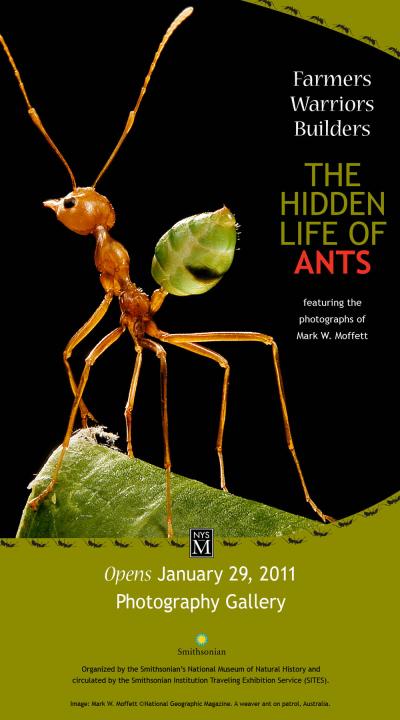
Small yet abundant, with complex and wildly diverse lifestyles, ants are everywhere, living lives mostly hidden from our view. What if we could see into their world . . . on their level? Now, with the aid of a macro lens and the insights of ant expert and photographer Dr. Mark Moffett, Smithsonian Institution Traveling Exhibitions Services, and the Smithsonian’s National Museum of Natural History present the world of ants. Moffett’s stunning macro photographs tell incredible stories about the lives of ants—hunting, communicating, dealing with disease and agriculture—and chronicle the work of entomologists in the field.
This exhibition is organized by the Smithsonian Institution Traveling Exhibitions Services.
ANNE ZANE SHANKS: BEHIND THE LENS
This exhibition explores the rich and varied career of Ann Zane Shanks, a Brooklyn-born photographer who has brought her considerable artistic and entrepreneurial gifts to photojournalism, publishing, television and theater. Shanks' early commissioned work for public housing authorities and libraries sent her to document poor communities along the East Coast, yielding some of her most enduring images. This retrospective exhibition of 75 photographic prints, previously seen at the New-York Historical Society, covers several themes of Shanks work from the 1950s through the 1970s' life in America, changing times, travel and celebrity portraits. Her first film, Central Park (1970), an independent short acquired by Columbia Pictures, will be on continuous view, along with some of the original books and magazines in which her work appeared. The exhibition is organized by guest curator Bonnie Yochelson, whose previous exhibitions include Berenice Abbott's Changing New York, 1935-1939 (Museum of the City of New York, 1998). A catalog featuring 55 of Shanks' photographs entitled Ann Zane Shanks&Photography accompanies the exhibition and is available in the Museum Shop.
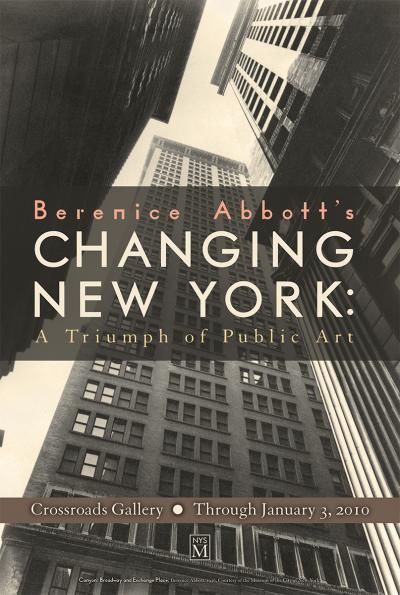
Berenice Abbott's Changing New York: A Triumph of Public Art
In 1929, after eight years in Europe, photographer Berenice Abbott (1898–1991) returned to New York City. She was inspired by its dramatic transformation. New construction was everywhere; hundreds of 19th-century buildings had been torn down to make way for dozens of skyscrapers. She was determined to capture this momentous change in photographs. In 1935, with the support of the Federal Art Project, Abbott was able to devote her full energies to creating what she called, “Changing New York.” By 1940, she had completed a collection considered to be one of the monumental achievements of 20th-century photography. This exhibition features the New York State Museum’s 40 original prints from “Changing New York,” with additional images from the Museum of the City of New York.
Commentary has been provided by Bonnie Yochelson, an authority on Abbott’s epic project.
The 1911 Capitol Fire
In the early morning hours of March 29, 1911, a fire broke out in the northwest corner of the New York State Capitol. The fast-moving flames claimed the life of an elderly night watchman and destroyed much of the State Library and irreplaceable collections of the State Museum.
The 100th anniversary of the Great Fire of 1911 is commemorated through historic photographs, dramatic eyewitness accounts, and important objects that survived the inferno.

Derby Doings
Coinciding with the Annual Capital District All-American Soap Box Derby, this exhibition features two prized derby cars. The first, designed by Richard F. Russell, was built and raced in 1949 in Schenectady, New York. The second, a modern Stock car built from a standardized kit, was raced by Taylor Van Denburg in last year’s Capital Region competition and advanced to the All-American Soap Box Derby in Akron, Ohio. Both derby cars are a testament of the courage, wit and determination of America’s youth and remind us that we are never too young, or too old, to pursue a dream to the finish line!
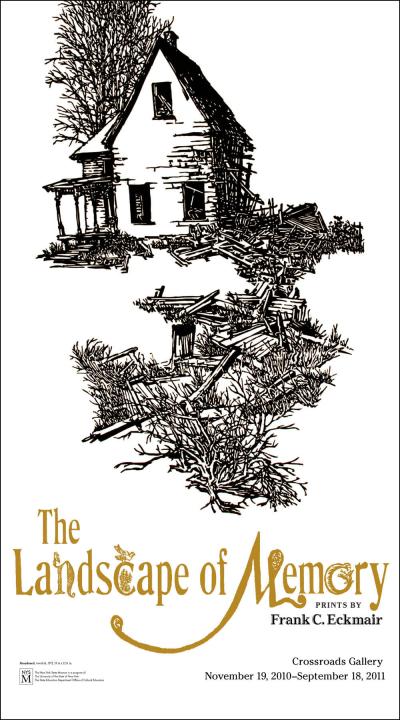
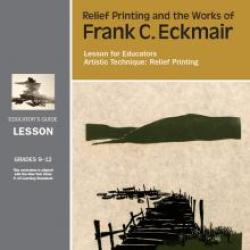
The Landscape of Memory - Prints by Frank C. Eckmair
Eckmair Online Feature and Collection
View a selection of the NYSM's collection of Eckmair's prints, learn more about the process of printmaking, and download educational materials related to the exhibit A Landscape of Memory.
Educator Guide (PDF)
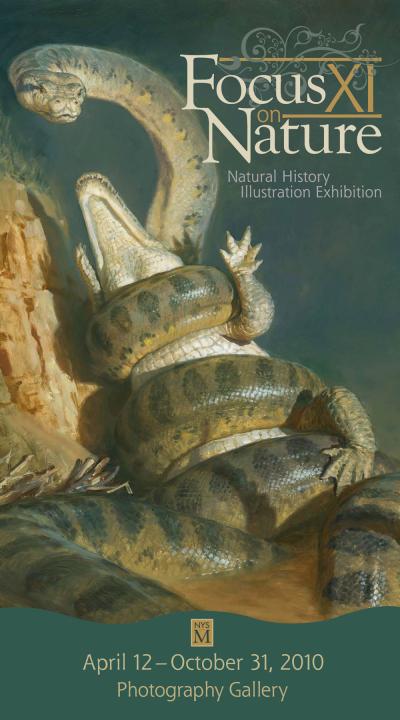
Focus on Nature XI: Natural History Illustration Exhibition
The central purpose of Focus on Nature is to highlight illustration as a way of communicating observations of scientists and artists. Scientific discovery and illustration have always been linked, and they have advanced together. At the New York State Museum, this research tradition extends back to the founding of the State Geological and Natural History Survey in 1836. Illustrations have constantly been a part of the effort to communicate the results of these studies.
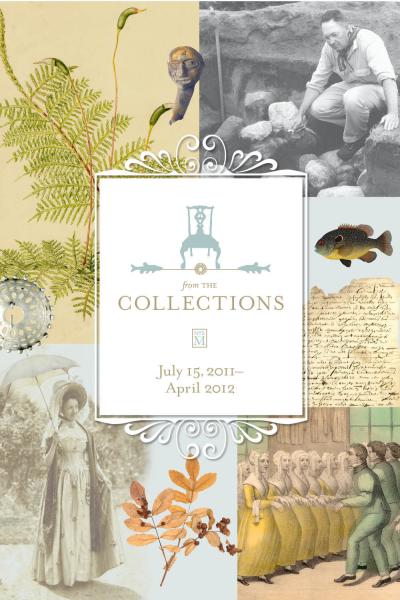
From the Collections
The New York State Museum traces its origins to an 1836 survey of the state’s geology, plants, and animals. To celebrate 175 years of adding to the scientific and historical knowledge of New York, the State Museum presents an exhibition that showcases many of its important collections in anthropology, history, and natural science.
The exhibition highlights some of the people who, through their work, built these invaluable collections, and presents examples of continuing research based on the collections. Together, the stories of the collectors, the artifacts and specimens in the collections, and the continuing research illuminate the history of the oldest and largest state museum in the nation.
Running for Governor
Since 1777, more than 300 individuals have thrown their hat in the ring to become governor of New York State. Every election, from that of George Clinton to Eliot Spitzer, can be seen as a snapshot of personal aspiration and public opinion.
Election campaigns reflect the human history of the time. Along the campaign trail, candidates discuss, champion, and debate important social issues, economic conditions, and political movements. The issues examined in the Empire State—including contemporary hot topics such as taxes, environment, and education; ongoing issues such as transportation and penal law; and historic issues such as civil rights, suffrage, abolition, and prohibition—have, at times, spurred discussion on a national level. Artifacts from these campaigns, as well as historic objects relating to New York’s governors, help bring the history of earlier eras alive.
The New York State Museum, the New York State Library, and the New York State Archives each hold collections relating to gubernatorial elections from the first in 1777 to the most recent in 2006. The Bill Winnewisser Collection of New York State gubernatorial election memorabilia—a recent addition to these collections—documents all of the state’s gubernatorial campaigns. The several thousand artifacts include manuscripts, photographs, rare broadsides, early campaign buttons, election leaflets and banners, documenting major candidates as well as third parties, reflecting more than two centuries of state politics and social history.
Latin American and Caribbean Art: Selected Highlights from the Collection of The Museum of Modern Art
The Museum of Modern Art has been collecting art from Latin America and the Caribbean since the early 1930s, and it has become the leading institution collecting such art in the world. Through its Latin American and Caribbean Fund and numerous exhibitions and educational programs, the Museum continues today to foster interest in promoting and studying Latin American and Caribbean art and culture. A selection of over 50 works from MoMA’s unparalleled collection of Latin American and Caribbean art, including paintings, sculptures, drawings, photographs, media, and prints, traces significant stylistic trends and movements found in works from this region from early modern to contemporary. This exhibition gathers significant works from artists as varied as Manuel Alvarez Bravo, Sérgio Camargo, Lygia Clark, Carlos Cruz-Diez, Willys de Castro, León Ferrari, Gego, Felix Gonzalez-Torres, Arturo Herrera, Carmen Herrera, Hector Hyppolyte, Wifredo Lam, Los Carpinteros, Rafael Lozano-Hemmer, Anna Maria Maiolino, Marisol, Matta, Cildo Meireles, Philomé Obin, Hélio Oiticica, Alejandro Otero, Lygia Pape, Amelia Peláez Del Casal, Emilio Pettoruti, Armando Reverón, Diego Rivera, Rufino Tamayo and Joaquín Torres-García.
The exhibition is organized by Luis Pérez-Oramas, The Estrellita Brodsky Curator of Latin American Art, and Geaninne Gutiérrez-Guimarães, Curatorial Assistant, The Museum of Modern Art.
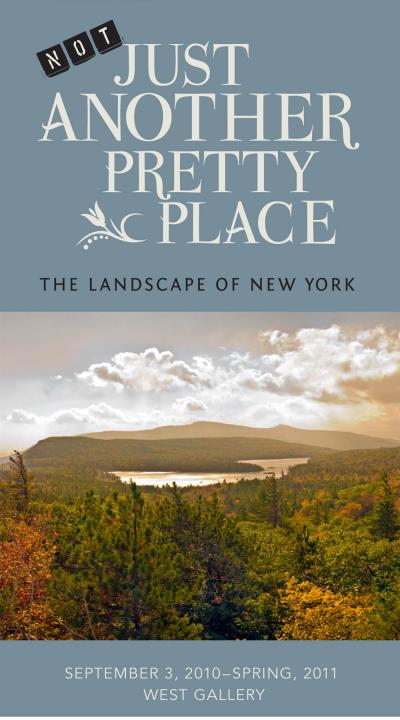
Not Just Another Pretty Place: The Landscape of New York
Not Just Another Pretty Place explores the many ways the landscape of New York State has been recorded, romanticized, utilized, and imagined. The exhibition explores over 100 landscape scenes from the New York State Museum collections, including paintings, photographs, prints, ceramics, furniture, and much more.
MAMMALS REVEALED: DISCOVERY AND DOCUMENTATION OF SECRETIVE CREATURES
Mammals Revealed is a new exhibition showing how scientists study wild mammals and share their discoveries. The museum's curator of mammals, Dr. Roland Kays, leads visitors through the diverse toolbox of techniques used by field biologists with a series of photographs, video, and displays of scientific equipment. The exhibition then shows how artists transform these details into works of art used in a popular field guide (Kays and Wilson, Mammals of North America, 2002). This mix of art and science begins in libraries and museum collections, is captured through an artist's sketch pad, and grows into final works of art that make up a field guide. The exhibition highlights original artwork, a diversity of museum specimens from shrew to bear to muskox, videos, and an array of educational activities. Throughout this exhibition, visitors will learn details about the lives mammals, and see examples of some of the most exciting recent mammal discoveries.
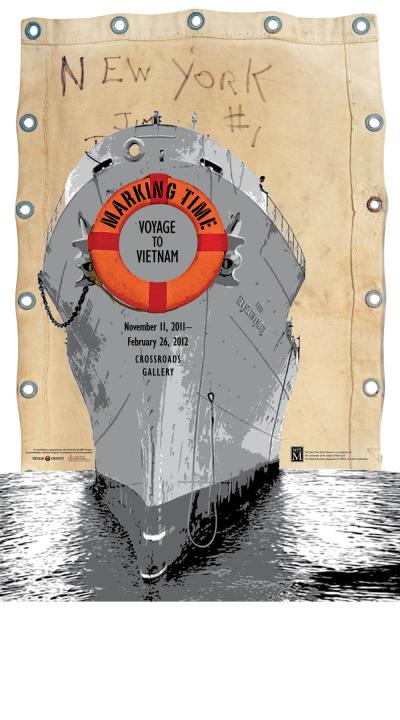
Marking Time: Voyage to Vietnam
Marking Time: Voyage to Vietnam offers insight into the thoughts and feelings of young Americans going to war during the 1960s, a turbulent time in our nation’s history. This unique, multidimensional exhibit features a complete eight-man berthing unit recovered from the troopship General Nelson M. Walker, which transported thousands of American soldiers and Marines to Vietnam during 1966 and 1967.
To fight boredom, seasickness and anxiety, the soldiers used marking pens to inscribe personal thoughts and hopes on the canvas bunks above them. The graffiti often mentioned loved ones, hometowns and personal aspirations. The soldiers’ expressions of homesickness, love, humor, anxiety, military pride and political opinions are as relevant today as they were 40 years ago. For its installation at the State Museum, Marking Time will feature canvases with graffiti by New York soldiers.
The canvases were discovered by chance on the troopship in 1997 while the ship was moored in Virginia’s James River. In 2005 the ship was scrapped in Brownsville, Texas, and graffiti-inscribed canvases and other historic voyage artifacts were recovered by the Vietnam Graffiti Project of Keswick, Virginia, which has organized the traveling exhibit. In addition to the canvases and artifacts, the exhibition will feature a video component about the Walker and the Vietnam Graffiti project.
My Brothers' Thread: Fiber Works by and for Men of the African Diaspora
My Brothers’ Thread: Fiber Works by and for Men of the African Diaspora gathers artists of diverse cultural backgrounds, from Harlem to Trinidad to Newark, to show that a single thread can bind a community together. The work includes quilts and other media by artists Robert Cash, Laura R. Gadson, Jerry Gant, Stuart McClean, Marvin Sin, and Maluwa Williams-Myers. The exhibition is organized by Harlem Needle Arts, Inc., a craft institute founded in 2003 to preserve and promote fiber art and artisans of the African Diaspora. Harlem Needle Arts’ activities include organizing exhibitions and workshops to introduce needle arts and crafts to the Harlem community and providing resource development and technical assistance to artists.
Also on View: Textural Rhythms: Constructing the Jazz Tradition
Freedom's Treasures
Several of the documents and artifacts reflect New York's role in the struggle for independence. Major General Benedict Arnold's papers, detailing fortifications and troop strength at West Point, were given to British Major John Andre in 1780. These papers, once secured in Andre's boot and headed for the British lines, now bring to life one of the most significant and dramatic events of the Revolutionary War.
Other documents and artifacts speak to the founding of the United States as a democracy and the early years of the nation. New York's copy of the proposed U.S. Constitution, approved at the Constitutional Convention in 1787, and the first draft of President Washington's 1796 farewell address to the nation are two of the state's most important documents. This copy of the U.S. Constitution was signed by Governor George Clinton, uncle of Governor Dewitt Clinton, whose writing desk is also displayed.
These treasures, held in trust for all New Yorkers by the New York State Archives, Library, and Museum, capture the distinctive history and enduring spirit of New York.
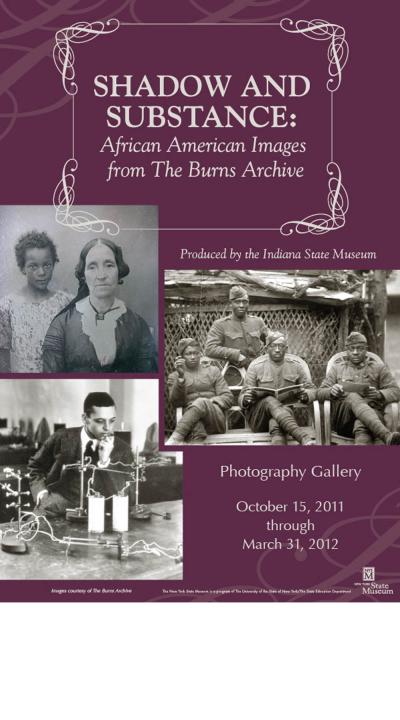
Shadow and Substance: African American Images from The Burns Archive
Since the early years of photography, African Americans appeared in front of and behind the camera. In some images, they were the loving focus of the picture. In others, the photographer scarcely recognizes their humanity. This range of images allows us to perceive how African Americans were seen by others, and how they wished to be seen. They do not tell a complete story of the past, but their eloquent shadows provide unique glimpses into the lives of African Americans over the past 160 years. The 113 images in Shadow and Substance include portraits, snapshots and photographs documenting industries, property and events related to the African American experience from the beginning of photography to today.
Presented by the Indiana State Museum, Indianapolis, and curated by Modupe Labode, Ph.D., History and Public Scholar of African American History at Indiana University-Purdue University Indianapolis.
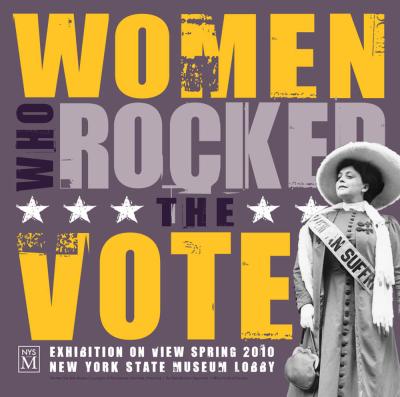
Women Who Rocked the Vote
This installation featuring artifacts and images from the Women's Suffrage movement of the early 20th century, opens in time for Women's History Month. The exhibit features two large artifacts from the Museum's extensive History collections. One, a wagon, served as both a prop and a speaker’s platform for suffragettes working to get the word out and garner support. The other, a parade banner, was carried in a massive suffrage parade held in 1917 in New York City. It was in that year that women gained the right to vote in New York State.
unseenamerica NYS
unseenamerica NYS is a collaboration of the Bread and Roses Cultural Project of 1199SEIU, the NYS AFL-CIO, and the Workforce Development Institute.
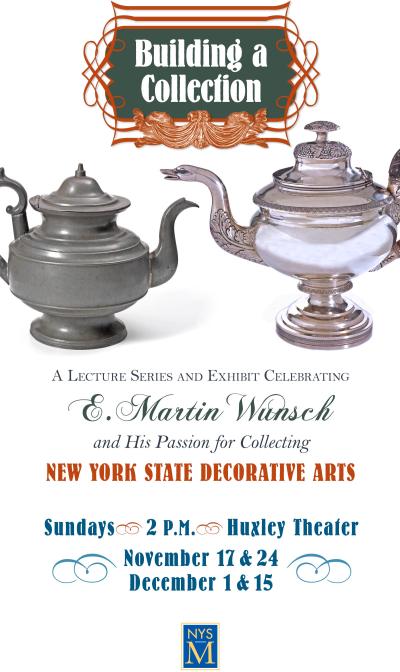
Building a Collection: A Lecture Series and Exhibit Celebrating E. Martin Wunsch and His Passion for Celebrating New York State Decorative Arts
Since 1969, the decorative and fine arts collections of the New York State Museum have been enhanced by generous donations from the Wunsch Americana Foundation Inc. under the direction of Eric Martin Wunsch. The Wunsch Collection consists of over 700 pieces of furniture, paintings, silver, ceramics, and folk art crafted primarily between 1700 and 1900. This collection is the cornerstone of the Museum's decorative arts collection and is important because it represents artisans and cabinetmakers from the entire state, includes historically documented pieces, and contains pieces by the nation's leading cabinetmakers who were located in New York. As a whole, the Wunsch Collection at the New York State Museum is the foremost collection of New York State furniture and decorative arts assembled.
Lecture Series: Free lectures on select Sundays throughout November & December. To be held in the Huxley Theatre
Sunday, November 17, 2 p.m.
From Frontier to Metropolis: New York Furniture 1650–1790
Dean Failey, Senior Vice President and Senior Director of the American Furniture and Decorative Arts Department at Christie’s in New York
Sunday, November 24, 2 p.m.
Duncan Phyfe and the Rise of the New York School of Cabinetmaking
Peter Kenny, Curator of American Decorative Arts and Administrator of the American Wing, Metropolitan Museum of Art
Sunday, December 1, 2 p.m.
Treasures from the Wunsch Americana Foundation: New York Decorative Arts 1700–1900
John Scherer, Senior Historian Emeritus and Curator of Decorative Arts, New York State Museum
Sunday, December 15, 2 p.m.
Hidden Treasures: Searching for Masterpieces of American Furniture
Leigh and Leslie Ken o of PBS’ Antiques Roadshow and FOX’s Buried Treasure. Leigh is the proprietor of Keno Auctions in NYC and Leslie is Senior Vice President and Director of American Furniture and Decorative Arts at Sotheby’s in New York

The Shakers - America's Quiet Revolutionaries
The Shakers: America's Quiet Revolutionaries features over 150 historic images and nearly 200 Shaker artifacts, including artifacts from three Shaker historical sites: the Shaker Heritage Society, Hancock Shaker Village and the Shaker Museum | Mount Lebanon. The 7,000 square foot exhibition explores the Shakers as one of the most significant and influential communal religious groups in American history.
In the late 1700s, the Shakers sought religious freedom in America, but their unique culture and spiritual practices set them apart from society. Their devotional routines as well as their product innovations and views towards gender equality seemed "revolutionary". Thematically divided into six areas, the exhibition shows how the Shakers' unique model of an equal society challenged the norms of the "outside world".
Online Feature
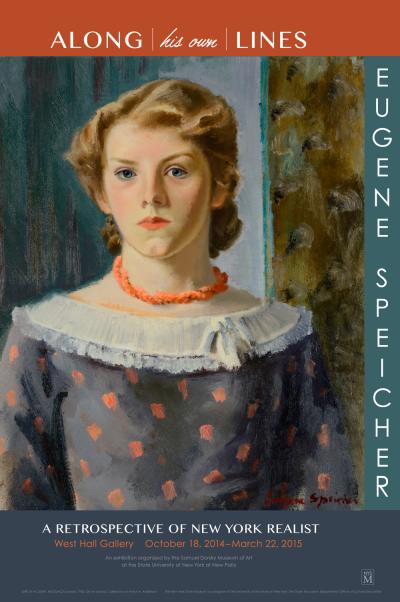
Along His Own Lines: A Retrospective of New York Realist Eugene Speicher
New York painter Eugene Speicher (1883-1962) was one of the foremost American realists of his generation, closely associated with George Bellows, Robert Henri, Leon Kroll, and Rockwell Kent. Born in Buffalo, NY, Speicher first garnered national recognition in the 1910s for his incisive portraits of actors, artists, and friends, which were collected by many prominent American museums. Splitting his professional time between New York City and Woodstock, NY, Speicher expanded his repertoire to include still life, nudes, and landscape. Along His Own Lines is the first Speicher museum survey since 1963. The exhibition and accompanying catalogue will explore Speicher's role in the Woodstock art colony and the New York art world, and reevaluate his place in the canon of early twentieth-century American art.
This exhibition is organized by the Samuel Dorsky Museum of Art, SUNY New Paltz.

The Passenger Pigeon: From Billions to Zero
September 1st 2014 marked 100 years since Martha, the last Passenger Pigeon, died, and thus the extinction of Ectopistes migratorius. This event will be commemorated in the nation's museums as a way to address extinction, evolution, and the conservation of biodiversity.
NYSM will exhibit Passenger Pigeon specimens, an egg, and skeletal material from a famous NY archaeological site.
A teacher's guide and student activity packet is available for download.
The Binghamton University Paleobotany Collection
The Binghamton University collection, acquired in 2013, comprises roughly 100 cabinets containing several thousand specimens, the result of 60+ years of collecting in areas across New York state, Pennsylvania, Virgina, Belgium,and Canada. It is an important research collection as many of the fossil localities represented in the material are no longer accessible.
The fossils, mostly in the form of compressions and impressions, are greatly enhanced by accompanying section slides, cores, and other research material. Together, the NYSM collection and the Binghamton University collection comprise the largest collection of Middle Devonian fossil plant material in North America.
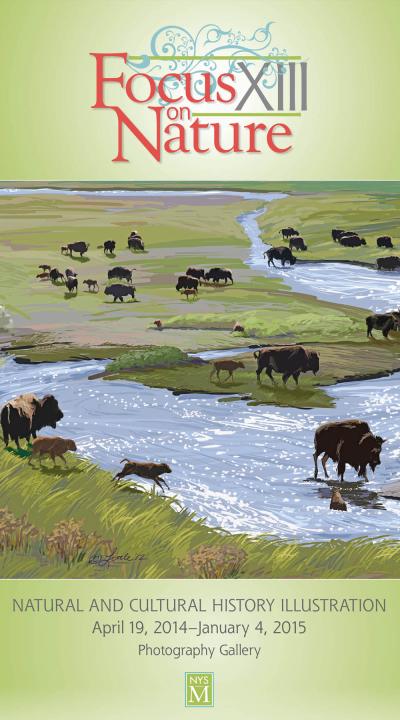
Focus on Nature XIII
Focus on Nature XIII features 91 natural and cultural history illustrations, representing the work of 71 illustrators from 15 different countries. The subjects represented are diverse, ranging from those only found in the artists’ home country to those that have a worldwide distribution. A special feature of FON XIII is a 3D illustration by Swiss artist Livia Maria Enderli of Neanderthal (Homo neanderthalensis). This reconstruction of a skull from an archaeological site in Uzbekistan in central Asia found in 1938 uses the latest technology available to artists and scientists.
Since its inception in 1990, the exhibit series Focus on Nature has reflected the standards, materials, and skills of contemporary natural history illustrators. It promotes awareness of a type of art that, although widely used in scientific publications, is not often seen by the general public.
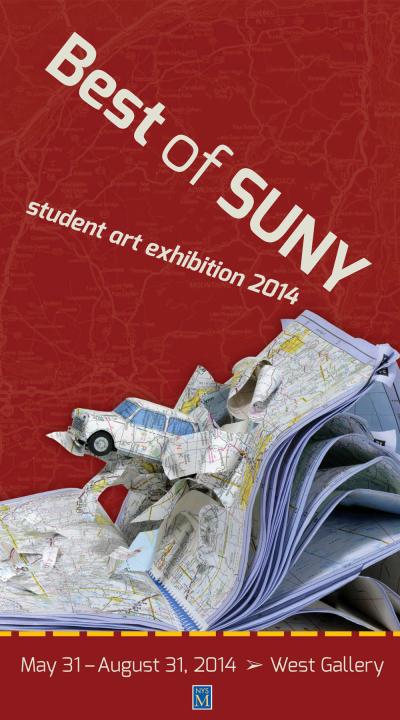
Best of SUNY 2014
The 2014 Best of SUNY Student Art Exhibition presents artwork selected by a panel of jurors from the fall 2013 and the spring 2014 student art exhibitions. The Museum exhibition features a wide range of media used by the students. The traditional areas of drawing, painting, photography, printmaking, ceramics, and sculpture are enhanced by the addition of digital imaging and mixed media installations. The SUNY student art shows were inaugurated in 2002 to bring the work of SUNY’s many talented student artists to a wider audience.
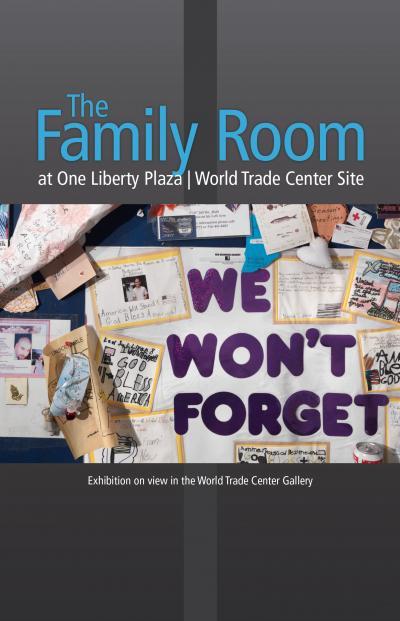
The Family Room at One Liberty Plaza – World Trade Center Site
The Family Room at One Liberty Plaza – World Trade Center Site includes personal remembrances, photographs, and tributes from the Family Room at the World Trade Center site. The Family Room was established as a private place for families to remember their loved ones killed in the 2001 attacks. Contents from the Family Room were transferred this summer to the State Museum.
Soon after September 11, 2001, the Lower Manhattan Development Corporation (LMDC) recognized the need for a private space near the World Trade Center site for families to grieve and remember their loved ones. A room adjacent to the LMDC offices on the 20th floor of One Liberty Plaza was designated as the Family Room, which overlooked the World Trade Center site, and was closed to the media and the public. Over the past 13 years, family members installed thousands of photographs, notes, tributes and other personal objects in remembrance of their loved ones.
In 2014, the National September 11 Memorial & Museum opened and a new family space was established. Most of the original Family Room's contents have been transferred to the New York State Museum with the cooperation of family members who are dedicated to preserving the memory and history of this special room.
Online Feature
State Museum Hosts 24th Annual New York in Bloom, February 20 - 22
Spring arrives early at the New York State Museum where visitors will find more than 100 flower displays throughout the Museum February 20 - 22 for the 24th Annual New York in Bloom, which benefits the Museum's educational programs for children. Admission is $5 (cash only); children ages 12 and under are free.
Garden club members, professional designers and floral enthusiasts from the Capital Region will create unique floral arrangements that complement the Museum's exhibitions. David Michael Schmidt of Renaissance Floral Design will transform the front window area of the Museum lobby with a dairy-themed floral display incorporating an early 1900s milk wagon from the Museum's collections that has never been displayed before.
Other activities include floral design and gardening demonstrations and children's programs. A flower market will be open in the main lobby Friday through Sunday from 11:00 am - 4:30 pm, while supplies last. Mazzone Hospitality will offer a selection of light luncheon food on the 4th floor of the Museum from 10:00am - 3:30pm Friday through Sunday.
For more information and a full schedule of activities, please visit the Museum's website at http://www.nysm.nysed.gov/programs/nybloom/.
Supporters of New York in Bloom are Ambiance Florals and Events, Renaissance Floral Design, and Seagroatt Riccardi, LTD.
The State Museum is a program of the New York State Education Department's Office of Cultural Education. Located on Madison Avenue in Albany, the Museum is open Tuesday through Sunday from 9:30 a.m. to 5 p.m. It is closed on Thanksgiving, Christmas and New Year's Day. Admission is free. Further information about programs and events can be obtained by calling (518) 474-5877 or visiting the Museum website.
Phone: (518) 474-1201
Crop Histories
The major goals of this project are to establish (1) a history of the three principal agricultural crops used by Native Americans in New York: maize (Zea mays ssp. mays), bean (Phaseolus vulgaris), and squash (Cucurbita pepo) and (2) an evolutionary explanation for the development of the polycropping system that included these three crops. Much of the work to date has involved establishing the histories of the crops. This has included Accelerator Mass Spectrometry (AMS) dates on macrobotanical remains (Hart 1999a; Hart and Asch Sidell 1997; Hart et al. 2002; Hart and Scarry 1999) and the extraction and analysis of lipids, phytoliths and starches from AMS-dated charred cooking residues adhering to the interiors of pottery sherds in the Museum's collections (Hart et al. 2003, 2007b; Hart and Matson 2009; Reber and Hart 2008a, 2008b; Thompson et al. 2004). Another aspect has been the investigation of the potential functions of Cucurbita pepo gourds in northeastern North America during the Mid-Holocene (ca. 8000-4000 B.P.). The flesh of C. pepo gourds is extremely bitter and inedible as are the seed coats. The question, then, becomes, why was this plant so widely used during the Mid Holocene well north and east of its presumed native range? Two hypotheses were tested: (1) dried gourds were used as fish net floats (Hart et al. 2004) and (2) gourd seeds were processed to remove bitterness from the seed coats for consumption (Hart 2004). The experimental results indicate that both uses are feasible. Another aspect of the research has been developing theoretical frameworks for understanding the evolution of agricultural systems in northeastern North America. Initial attempts included developing a model for maize adoption and intensification (Hart 1999b, 2008) and a model of the relationships between maize and matrilocality among the northern Iroquoians (Hart 2001).
News Articles
Annual Hendricks Award Manuscript Submissions Due
Published January 19, 2018 | State History
This article originally appeared on the New Netherland Institute website in January, 2018. The Annual Hendricks Award is given to the best book or book-length manuscript relating to any aspect of New Netherland and the Dutch colonial experience...
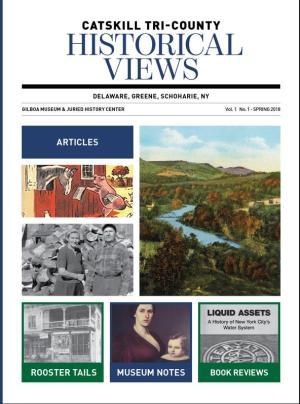
Catskill Tri-County Historical Views Journal Seeks Submissions
Published January 16, 2018 | State History
The new Catskill Tri-County Historical Views journal, published by the Gilboa Museum and Juried History Center, seeks submissions for their first issue, to be published in May, 2018. Catskill Tri-County encourages articles from new and estab...
Legislation Introduced to Change NYS History Month from November to October
Published January 12, 2018 | State History
Senator Carl L. Marcellino (R-Oyster Bay), Chair of the NYS Senate's Education Committee, and Assemblywoman Catherine Nolan (D-Long Island City), Chair of the Assembly Education Committee, have introduced legislation (Senate Bill 7385/Assembl...
NYS Great Places and Spaces at NYS Museum
Published January 12, 2018 | State History
Over twenty of the state’s historic sites and cultural institutions will be at the NYS Musem on January 13th, offering families fun hands-on activities, educational artifacts to explore, and information on regional events to visit throughout ...
The New Netherland Institute To Partner With Cornell University Press
Published January 9, 2018 | State History
The New Netherland Institute (NNI), along with its affiliates the center of New Netherland scholarship for over four decades, and Cornell University Press will now work together to publish books on the seventeenth-century Dutch colony and its lega...
“Re-energizing the Legacy of Frederick Douglass” Highlights Douglass’ Living Legacy for 200th Birthday in 2018
Published January 5, 2018 | State History
Two hundred years after the birth of Frederick Douglass, arguably the most celebrated 19th-century African American statesman, Re-energizing the Legacy of Frederick Douglass is an extensive year-long recognition and reflection on the liv...
Call for Papers: Perspectives on Broome County Area History Conference
Published January 5, 2018 | State History
This article first appeared on the Broome County Arts Council website on January 3, 2018. Submission Deadline: March 15, 2018 Conference date: Saturday, April 21, 2018 at the Bundy Museum of History and Art 129 Main St. Binghamton, New York ...
Oneida Mansion House Appoints Executive Director
Published January 5, 2018 | State History
This article originally appeared on the New York History Blog on January 2, 2018. The Oneida Community Mansion House Board of Trustees has announced the appointment of Christine O’Neil as Executive Director of the non-profit organizatio...
William G. Pomeroy Foundation Professional Development Grants
Published December 22, 2017 | State History
This article originally appeared on the William G. Pomeroy Foundation website in December, 2017. The William G. Pomeroy Foundation will offer need based scholarships of $1,000 each for historical societies in New York State for professional dev...
Read the Latest Issue of History Now on the New gilderlehrman.org
Published December 15, 2017 | State History
This article originally appeared on the Gilder Lehrman Institute of American History website in December, 2017. Visit the new gilderlehrman.org and read the latest issue of our online journal History Now, "Excavating American History." This ...

State Awards Will Boost Troy, Cohoes Historic Sites, Attract Visitors
Published December 15, 2017 | State History
This article appeared in the Albany Times Union on December 14th, 2017 By Kenneth C. Crow II Cultural tourism along the Hudson River, where 19th century and early 20th century industry boomed, is getting a $1.2 million economic development b...
Fenimore Art Museum Awarded Two Grants From the Robert David Lion Gardiner Foundation
Published December 8, 2017 | State History
This article first appeared on the Fenimore Art Museum website in December, 2017. Fenimore Art Museum in Cooperstown, New York has received a total of $70,000 from two grants awarded by The Robert David Lion Gardiner Foundation. The grants will...
Clinton County Historical Association Announces Local Historians Recognized as Members Emeritus
Published December 8, 2017 | State History
This article originally appeared on the Press Republican website on 6 December, 2017. James Bailey and Roger Harwood were recently recognized and awarded the title of Trustee Emeritus at the Clinton County Historical Association¹s annual member...

“Crossroads of Rockland History” and “The Tappan Zee Bridge Experience” Winners of GHHN 2017 Awards for Excellence
Published December 8, 2017 | State History
This article originally appeared on the Historical Society of Rockland County website in December, 2017. The HSRC has seen many changes over the past half-century in Rockland County. What does not change, however, is our gratitude for your...
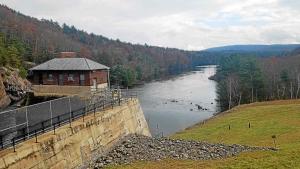
History Resurfaced: Film Tells Story of Great Sacandaga Lake
Published December 8, 2017 | State History
This article originally appeared on the Saratogian News website on 18 November, 2017. Centuries of local history, along with countless people’s shattered dreams and heartbreak, are lost forever beneath the waves of Great Sacandaga Lake. Ten sma...
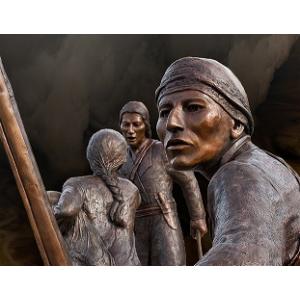
204th Anniversary of the Tuscarora Heroes
Published December 8, 2017 | State History
This article originally appeared on the Niagara Falls National Heritage Area website. The Tuscarora Heroes Monument is permanent symbol of thanksgiving to the Tuscarora Nation from a grateful nation for heroically saving the lives of dozens of ...
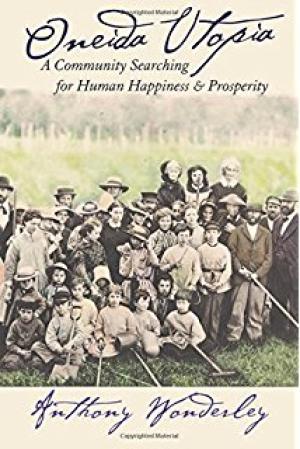
New Book on the Oneida Community Available from Cornell University Press
Published December 8, 2017 | State History
This article originally appeared on the Cornell University Press website in November, 2017. Oneida Utopia is a fresh and holistic treatment of a long-standing social experiment born of revival fervor and communitarian enthusiasm. The Oneid...
History Day Dates Announced
Published December 8, 2017 | State History
This article originally appeared on the New York State History Day website in December, 2017. Each year the National History Day office selects a broad theme for the History Day contest. Students may choose any topic related to local, regional,...
New York State Archives Invites Students to Enter the Annual Student Research Awards Contest
Published December 5, 2017 | State History
The New York State Archives invites students statewide to enter the 28th Annual Student Research Awards Contest. The contest is open to all New York State students in grades 4 – 12 who use historical records in their research projects. The deadlin...
2018 Path Through History Dates Announced
Published December 1, 2017 | State History
This article first appeared on the New York History Blog on November 30, 2017. Two Path Through History Weekends have been announced for 2018. Path Through History Weekends will be held in the spring on Father’s Day weekend, June 16-17, and ...
Volunteer with the New York State Museum
Volunteers play an important role behind the scenes at the New York State Museum. They support research, collections care, education, and programs that help share New York’s natural and cultural history.
Whether you’re a student gaining experience, a professional sharing your skills, or someone with a passion for learning, there are many ways to get involved. Volunteers must be 18 years of age or older. We are currently seeking volunteers to support Museum Programs, with additional short-term and long-term opportunities becoming available across departments such as Research & Collections, History, Education, and more. Additional opportunities vary by department and are filled based on current availability and program needs.
Find out how you can participate by submitting a volunteer application form today. We will contact applicants as new roles become available in each department.
For questions, please contact nysmvolunteer@nysed.gov.
Intern with the New York State Museum
Interns gain hands-on experience supporting research, collections, education, and administration projects that share New York’s history, science, and culture. The Museum offers two types of internships:
SUNY Student Internship Program
NYSED Student Internship Program
Internships are available to undergraduate and graduate students who are 18 years of age or older and currently matriculated in a degree program at any SUNY institution or other accredited college or university. All internships are part-time and take place on-site at an SED location. Housing and transportation are not provided.
For questions, please contact nysmvolunteer@nysed.gov
CRSP Series
The New York State Museum Cultural Resource Survey Program (CRSP) Series is a peer-reviewed, open-access series published on an occasional basis by The University of the State of New York/The State Education Department. The series publishes both individual monographs and edited volumes generated by the program on important cultural resource management issues in the state.
The New York State Museum’s Cultural Resource Survey Program has provided statewide cultural resource management services to other New York state and federal agencies since 1958. A major goal of CRSP is the dissemination of the knowledge it generates. Volumes in the CRSP series are meant to highlight exemplary reports generated by the program and make information about New York’s archaeological and architectural heritage readily accessible to the public. By highlighting little known and understood aspects of human life in New York, the wide distribution of these monographs will ensure that the work done by the CRSP, and its sponsoring agencies, will benefit the People of the State of New York.
Publications in the CRSP Series are copyrighted by the New York State Education Department. Use of the CRSP Series is governed by the general principals of open-access publishing as stated in the Creative Commons Attribution License and Bethesda Statement on Open Access Publishing, and by the New York State Education Department’s Terms of Use. Users may download, print, archive, distribute, and extract all volume contents for non-commercial purposes with appropriate attribution given to the authors and source.
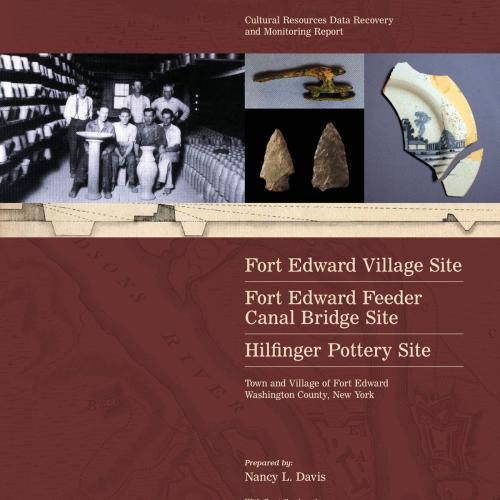
Cultural Resources Data Recovery and Monitoring Report of the Fort Edward Village Site, Fort Edward Feeder Canal Bridge Site, Hilfinger Pottery Site, Town and Village of Fort Edward Washington County, New York
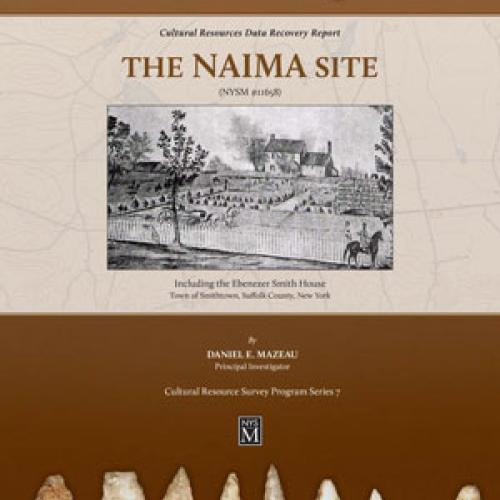
Cultural Resources Data Recovery Report of the Naima Site (NYSM #11658), including the Ebenezer Smith House Town of Smithtown, Suffolk County, New York.
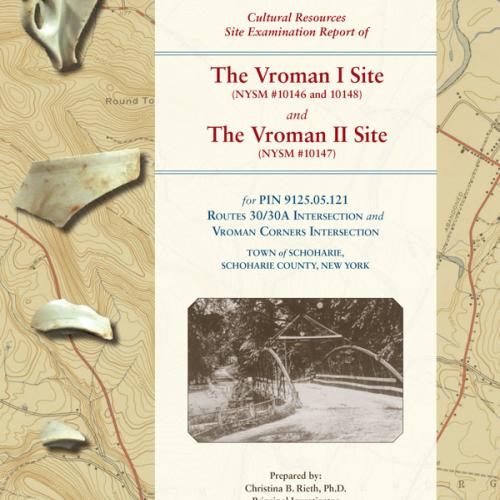
30A Intersection and Vroman Corners Intersection Town of Schoharie, Schoharie County, New York
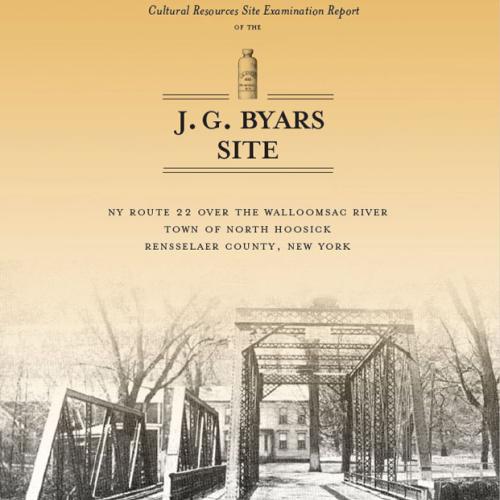
Cultural Resources Site Examination Report of the J.G. Byars Site, NY Route 22 Over the Walloomsac River, Town of North Hoosick, Rensselaer County, New York
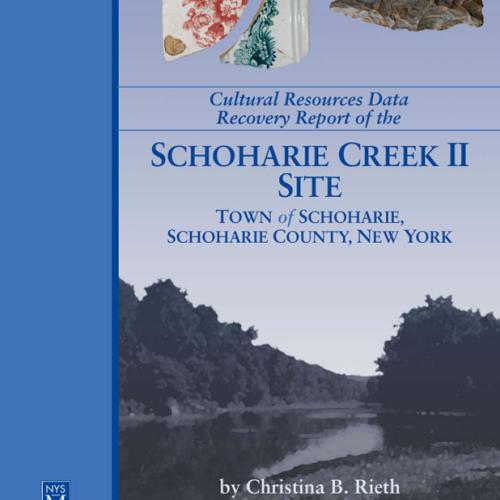
Cultural Resources Data Recovery Report of the Schoharie Creek II Site, Town of Schoharie County, New York.
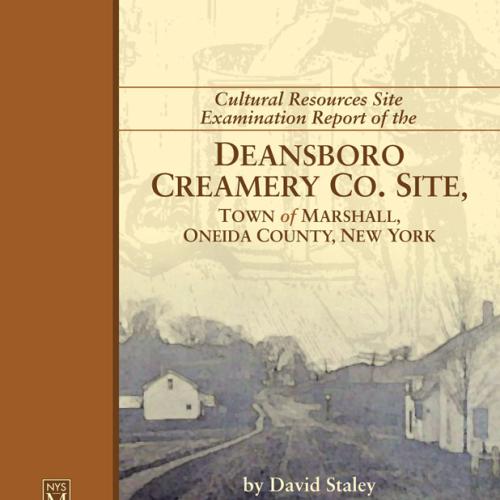
Cultural Resources Site Examination Report of the Deansboro Creamery Co. Site, Town of Marshall, Oneida County, New York
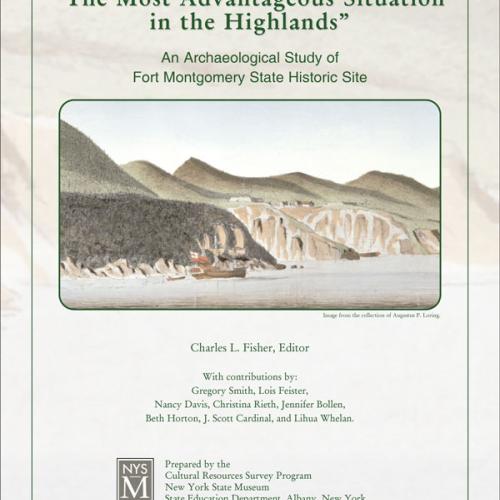
The Most Advantageous Situation in the Highlands.
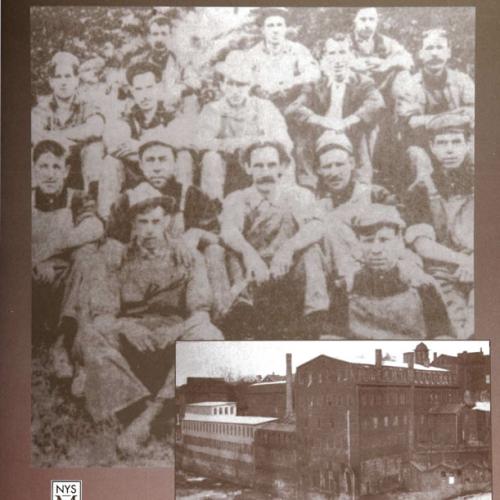
New York Knife Company - Industrial Archaeology in the Village of Walden, NY.
Current and Ongoing Research Projects
- Project Manager: sean.higginsSean Higgins
Data Recovery of 705 Roberts Street, Utica, N.Y., Construction monitoring for the reconstruction of the North-South Arterial, Utica, N.Y
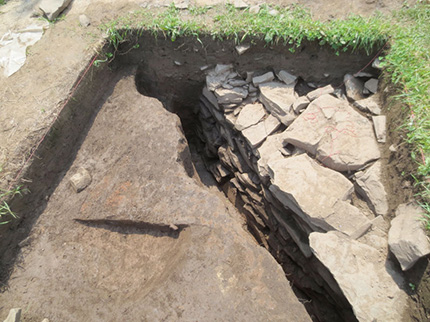
The Schoharie Creek II site was identified by museum archaeologists prior to the renovation of Route 7 in the Town of Schoharie, Schoharie County. Mitigation of the site produced artifacts associated with an Early to Middle Woodland camp. This project produced over 40,000 prehistoric…
The New York State Museum completed excavations at the Bailey Site near Belgium, Onondaga County, New York prior to renovation of the Route 31 bridge over the Seneca River by the New York State Department of Transportation. The site consists of the remains of a small horticultural…
The Paul J. Higgins site is a lithic site in the Town of Cortlandt, northwestern Westchester County. The initial identification of the site was made in the early fall of 2007 in advance of future roadwork by the Department of Transportation. The following two summers, archaeologists…
 Project Manager: christina.riethDr. Christina Rieth
The Pethick site is located in the Town of Schoharie, Schoharie County, New York. The site has produced more than 350,000 artifacts associated with four major cultural occupations. The earliest occupation dates between 4,000-3,000 B.C. and consists of the remains of a small camp…
-
Project Manager: christina.riethDr. Christina Rieth
The Pethick site is located in the Town of Schoharie, Schoharie County, New York. The site has produced more than 350,000 artifacts associated with four major cultural occupations. The earliest occupation dates between 4,000-3,000 B.C. and consists of the remains of a small camp…
-
Project Manager: christina.riethDr. Christina Rieth
The Pethick site is located in the Town of Schoharie, Schoharie County, New York. The site has produced more than 350,000 artifacts associated with four major cultural occupations. The earliest occupation dates between 4,000-3,000 B.C. and consists of the remains of a small camp…
 Project Manager: barry.daleBarry Dale
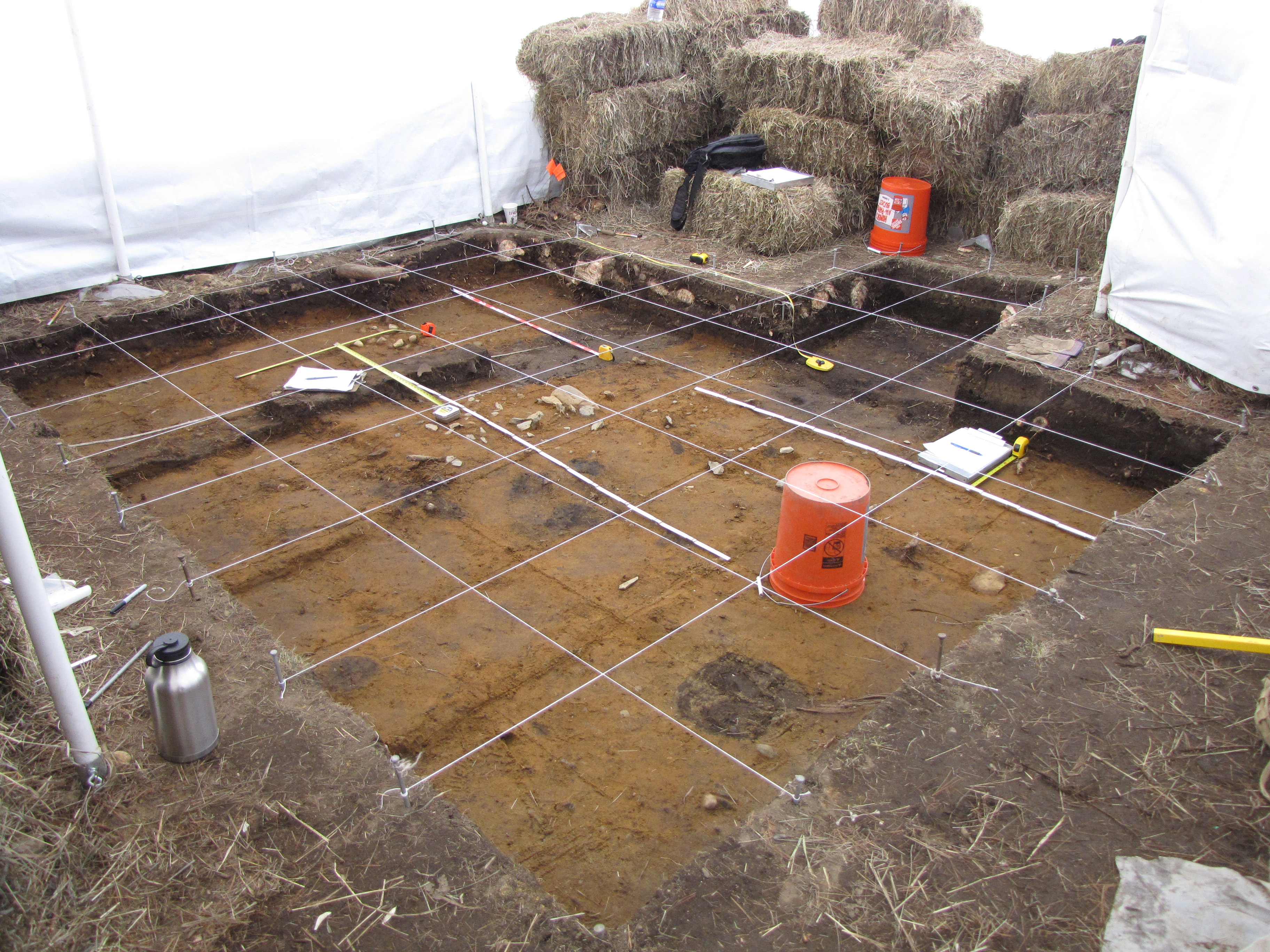
Archaeological Excavations in the Village of Lake George, NY The Million Dollar Beach Site is a multi-component archaeological site directly adjacent to the famous waterfront in the Village of Lake George. Limited excavations of the site toward the goal of better…
 Project Manager: sean.higginsSean Higgins
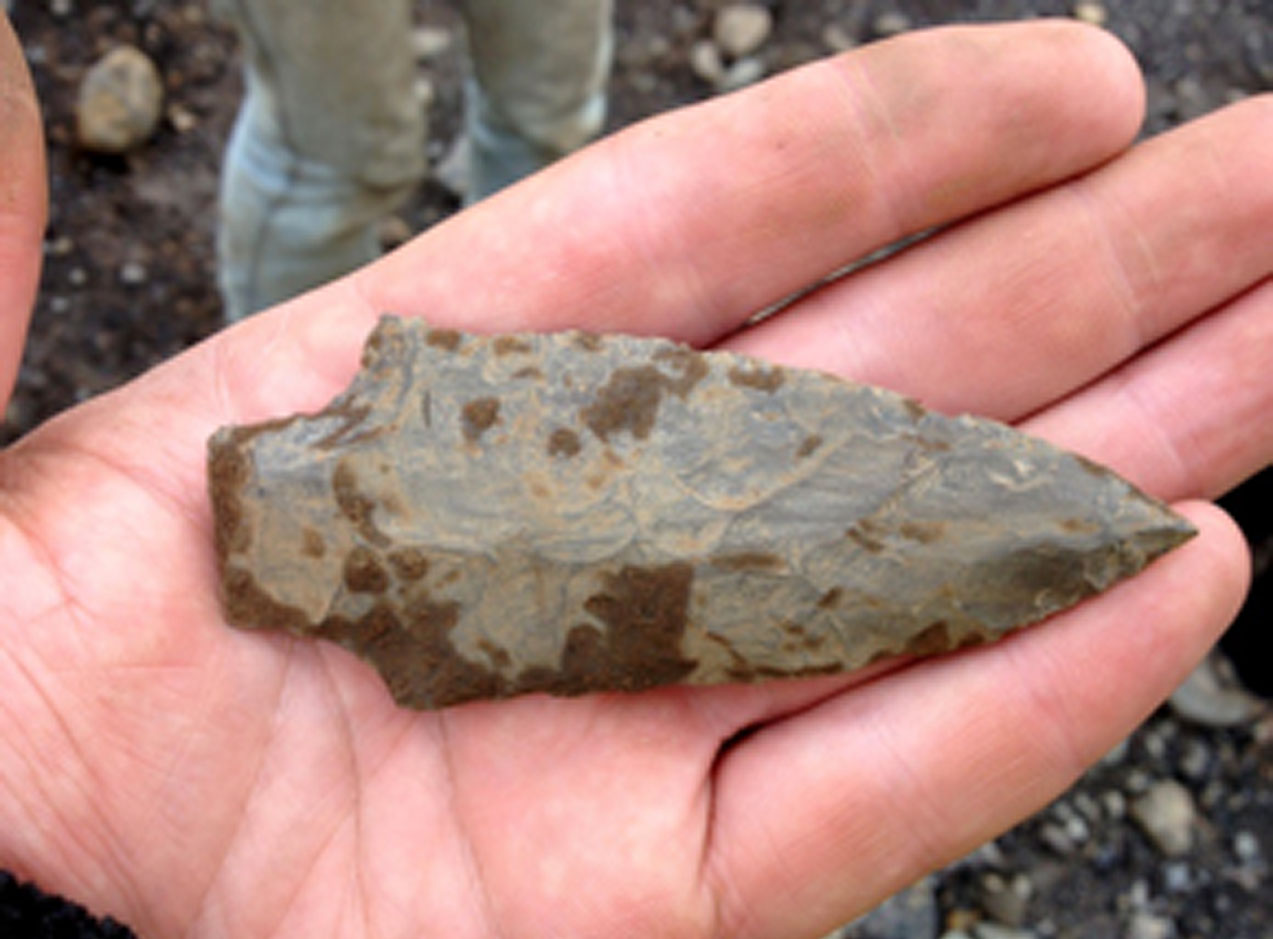
The Utica North-South Arterial Reconstruction Project is a multi-phase project which was initially excavated in 2006 by both the CRSP and one of our sub-consultants, then completely taken over in 2012 by the Cultural Resource Survey Program for the Phase III data recoveries and the…
Historian Notes

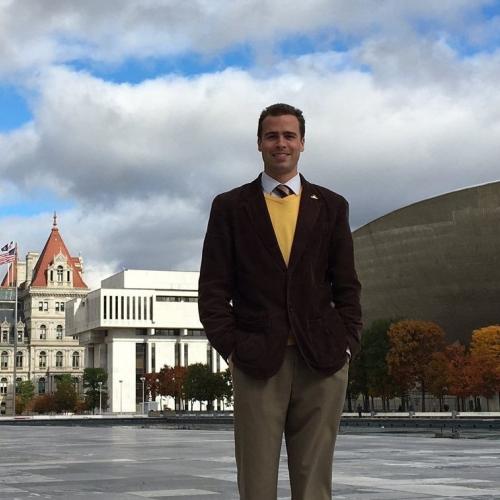
Research & Collections Staff Directory
Administration
Dr. Robert Feranec - Director of Research and Collections, Curator of Vertebrate Paleontology, Curator of Mammalogy
robert.feranec@nysed.gov
518-474-5819
Dr. Jennifer Lemak - Chief Curator of History
jennifer.lemak@nysed.gov
518-474-0079
History Secretary
518-474-0079
Research and Collections Secretary
518-474-5816
Archaeology
Biology
Collection Informatics
CRSP
Ethnology
History
Geology
Paleontology
Staff Contact
Staff Contact







Staff Contact